Introduction
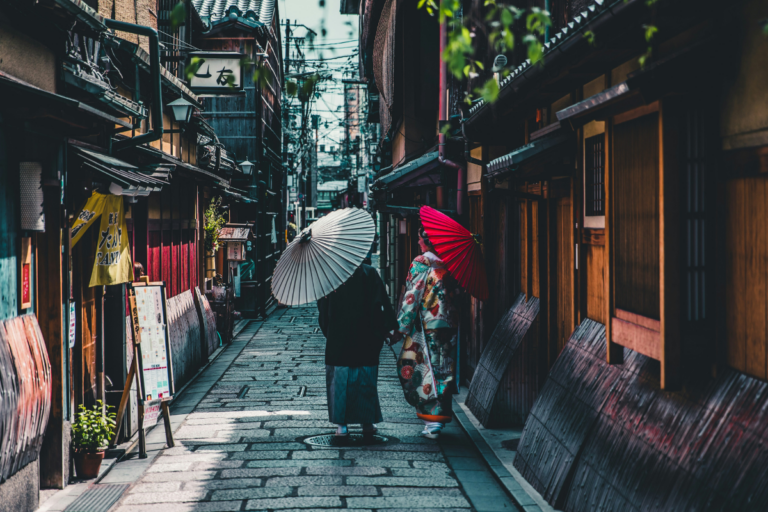
Kyoto has a lot to offer, and spending five days here gives you plenty of great options to choose from. Kyoto is one of those cities that looks manageable on a map, but once you start planning, you realize just how much there is to see — temples, gardens, tea houses, mountain trails, and markets.
This article gives you a clear, day-by-day itinerary for five days in Kyoto. Whether it is your first visit or your third, this plan is designed to help you move through the city naturally, see the highlights without rushing, and leave room for the unexpected moments that make a trip memorable.
In this article you will learn:
- Which neighbourhoods and sites to prioritise on each day of your trip
- How to balance iconic temples with quieter, less-visited spots
- Practical tips for getting around and timing your visits
- How to stay connected in Japan with a Japan eSIM
Stay connected throughout your journey in Japan with a reliable Japan eSIM from GetJapaneSIM. No SIM swapping, no roaming fees — just fast data from the moment you land.
Overview of Kyoto
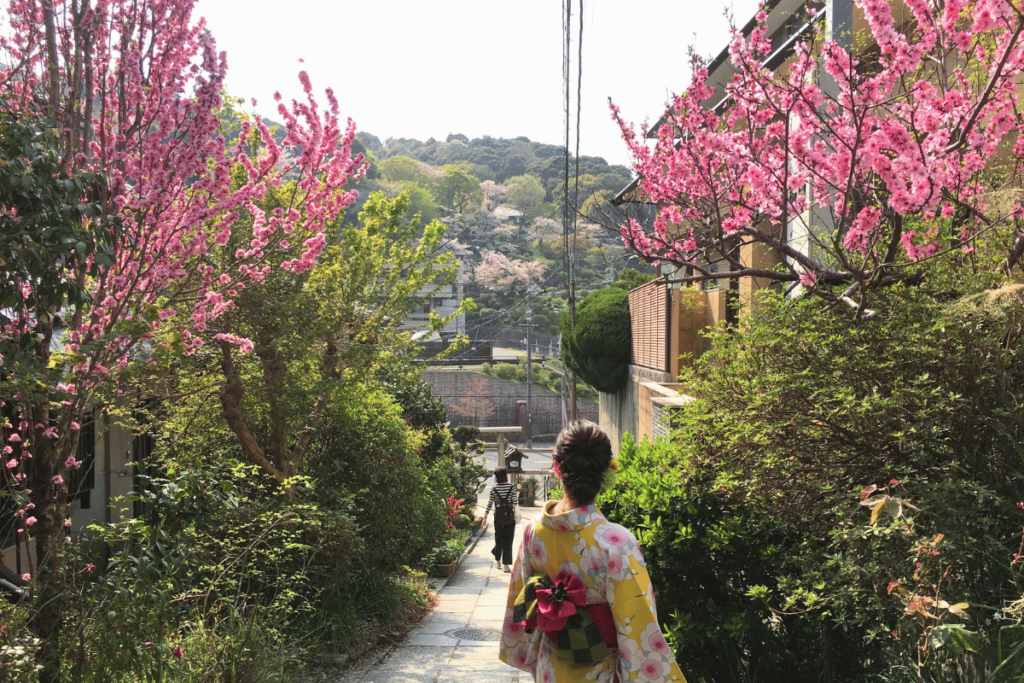
Kyoto served as Japan’s imperial capital for over a thousand years, and that history is still visible everywhere you look. The city has more than 1,600 Buddhist temples and 400 Shinto shrines, along with 17 UNESCO World Heritage Sites. But it’s not a museum. People live and work here, traditional crafts are still practised, and the food culture is among the most refined in Japan. Kyoto is one of those rare places that rewards you however you choose to explore it — on foot through narrow backstreets, by bicycle along the Kamo River, or by train to the forested hills on the city’s edge.
Five days gives you a great amount of time to explore. It lets you visit the major sites without cramming them in, explore areas like Arashiyama and Fushimi Inari at a comfortable pace, and still have evenings free for wandering the Gion district or taking a seat in a riverside restaurant. The city is compact enough to navigate easily, yet deep enough that five days still leaves you with things to come back for.
Before you start planning the details, here are a few things worth knowing about Kyoto:
- Most major sites are concentrated in clusters — the city rewards area-by-area exploration rather than criss-crossing town
- Buses and subway are the main ways to get around, but walking between nearby sites is often faster and more enjoyable
- Early mornings are consistently the best time to visit popular spots — crowds build quickly from mid-morning onwards
- Kyoto has distinct seasons, and the city looks dramatically different in spring cherry blossom, summer heat, autumn foliage, and winter quiet
Best Things to Do in Kyoto
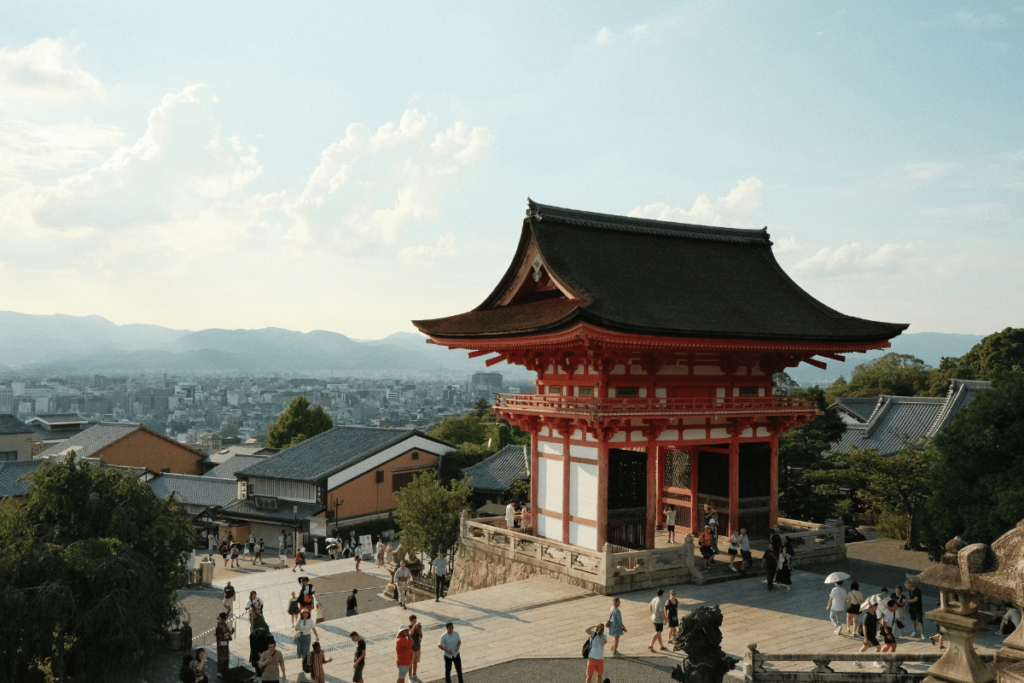
Photo: Unsplash
Five days lets you experience different parts of Kyoto. Here’s a broad look at what the city offers.
Explore the Temples and Shrines
Kyoto’s religious sites range from massive, world-famous complexes to small neighbourhood shrines that most visitors walk straight past. Kinkaku-ji and Fushimi Inari are some of the most popular spots, but places like Daitoku-ji, Ninna-ji, and Kurama are just as impressive with far fewer visitors. Pairing the main highlights with a few quieter spots helps you experience the city as a whole a lot better.
- Fushimi Inari Taisha — the famous tunnel of torii gates, best visited at dawn
- Kinkaku-ji — the Golden Pavilion, immediately recognisable and genuinely worth seeing in person
- Ryoan-ji — Kyoto’s most celebrated rock garden, especially peaceful in the early morning.
Discover the Historic Neighbourhoods
Gion, Higashiyama, and Nishiki Market are the neighbourhoods that define Kyoto’s atmosphere. Higashiyama’s stone-paved lanes are lined with traditional shops and teahouses, Gion is the city’s geisha district, and Nishiki Market runs through central Kyoto like a narrow indoor street packed with food stalls and local vendors. These areas feel very different from each other and are all worth spending proper time in, not just passing through.
- Higashiyama — the best stretch for a long, unhurried walk through old Kyoto
- Gion — especially atmospheric in the early evening as lanterns come on
- Nishiki Market — good for grazing on local foods and picking up snacks
Get Out of the City Center
Some of Kyoto’s best spots are outside the central areas. Arashiyama, in the west area of Kyoto, has a bamboo grove, riverside walks, and the beautiful Tenryu-ji garden. The Kurama and Kibune area in the north offers forest trails and mountain shrines. These half-day or full-day trips take you away from the main tourist flow and into landscapes that feel genuinely wild.
- Arashiyama — bamboo grove, Togetsukyo Bridge, Tenryu-ji, and riverside cafes
- Kurama — mountain hiking, cedar forests, and an ancient mountain shrine
- Fushimi — quieter than central Kyoto, with the famous Inari shrine and sake breweries nearby
5-Day Kyoto Itinerary
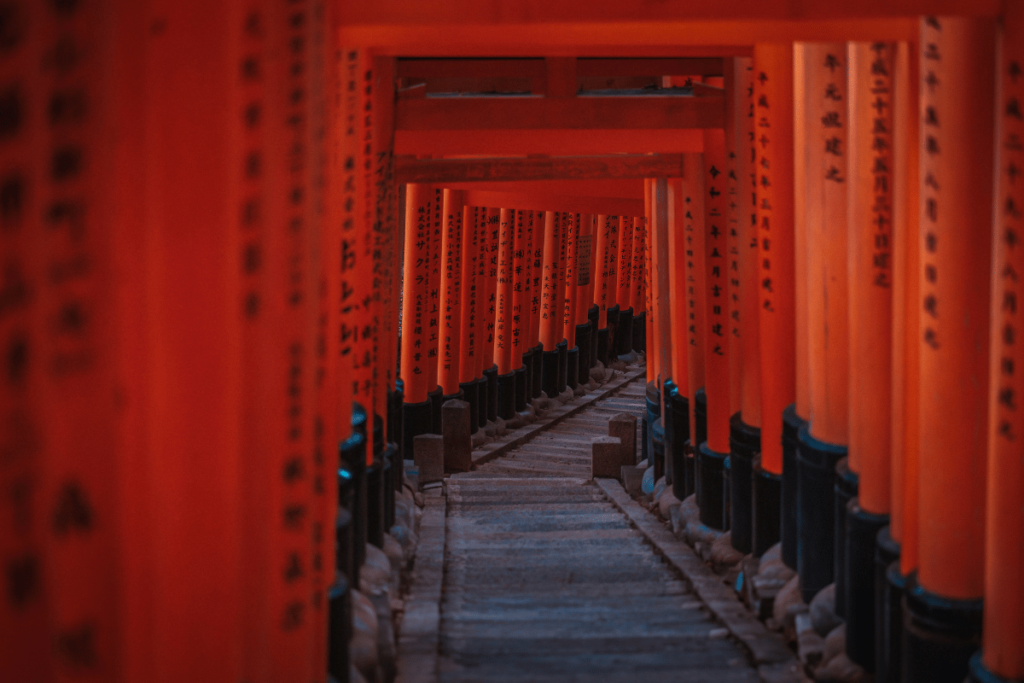
Photo: Unsplash
Here’s how to make the most of five days in Kyoto — structured by area to keep travel between sites to a minimum, with a mix of must-sees and quieter spots that most visitors miss.
Day 1: Higashiyama and Gion
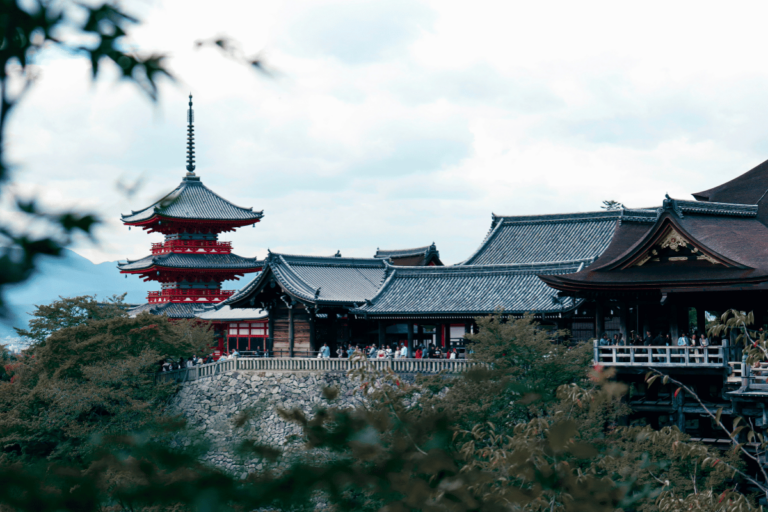
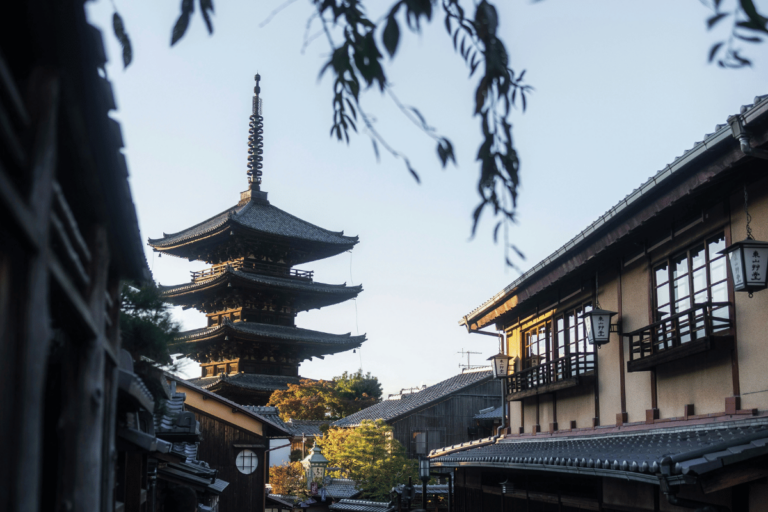
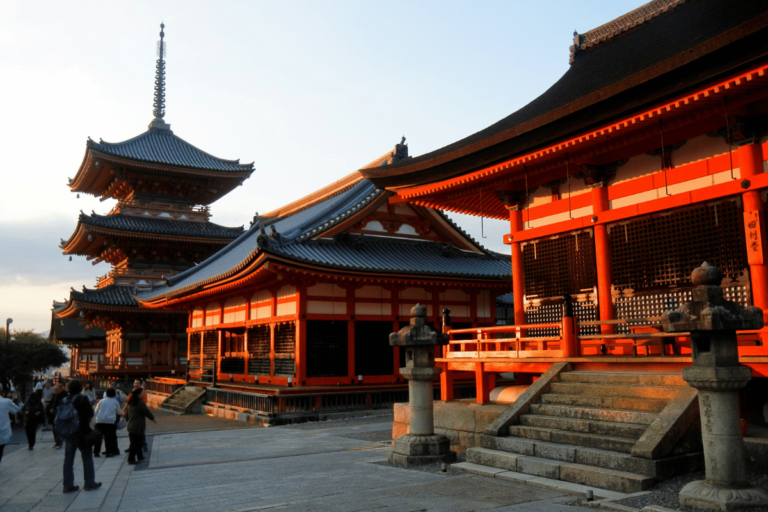
Start your first day in Higashiyama, one of Kyoto’s best-preserved historic districts. The area stretches from Kiyomizu-dera Temple in the south up to Chion-in in the north, linked by stone-paved lanes lined with wooden machiya townhouses, tea shops, and small craft stores. It’s exactly what people picture when they imagine old Kyoto, and it’s best explored before 9am when tour groups arrive.
Head up to Kiyomizu-dera early and walk down through Sannen-zaka and Ninen-zaka — the two famous historic lanes. Take your time here. Stop for a matcha soft serve, look into the small shops, and let yourself wander. From Ninen-zaka, continue north through Maruyama Park to Yasaka Shrine, which sits at the entrance to Gion.
Spend the afternoon walking in the Gion district. Hanamikoji Street is the most photographed stretch — narrow, lantern-lined, and flanked by traditional teahouses. If you’re lucky you might spot a maiko or geisha in the early evening hours. End the day with dinner somewhere along the Kamo River, where restaurants have outdoor platforms peering over the water during spring and summer seasons.
- Morning: Kiyomizu-dera Temple, Sannen-zaka, Ninen-zaka
- Afternoon: Maruyama Park, Yasaka Shrine, Gion
- Evening: Dinner along the Kamo River
Day 2: Fushimi Inari and Southern Kyoto
Set your alarm early for this one. Fushimi Inari Taisha is the most visited site in Kyoto, and by 9am the main gate area is already packed. Arrive at 6am or earlier and you’ll have the lower section of the mountain almost entirely to yourself. The thousands of vermillion torii gates winding up the hillside are genuinely striking, and the light at that hour is something special.
The full hike to the summit of Mount Inari and back takes around two to three hours. If you’re not up for the full climb, the most photogenic sections are in the first 30 to 40 minutes. On your way back down, stop at one of the small restaurants near the trailhead for a bowl of kitsune udon noodles — the Fushimi Inari area is famous for it.
In the afternoon, take the Kintetsu or JR line to Fushimi Momoyama, the historic sake-brewing district. The streets here are quieter than most of Kyoto, with old brewery walls, willow-lined canals, and the occasional ryokan. It’s a relaxed way to spend a few hours before heading back to central Kyoto for the evening.
- Early morning: Fushimi Inari Taisha — hike the torii gate trail
- Late morning: Kitsune udon noodles near the shrine, explore the lower Inari area
- Afternoon: Fushimi Momoyama sake district
Day 3: Arashiyama
Arashiyama sits at the foot of the forested Arashiyama mountains in western Kyoto, about 30 minutes by train from central Kyoto. It deserves a full day. Start at the bamboo grove, which is immediately behind Tenryu-ji Temple — go as early as possible since this is one of the most photographed spots in all of Japan and gets incredibly busy by mid-morning.
Tenryu-ji is one of Kyoto’s finest Zen temple gardens, with a pond garden framing the mountains beyond in a classic borrowed-scenery composition. After the temple, walk down to the Togetsukyo Bridge for views over the Oi River, then head north along the riverbank or up into the Saga-Toriimoto preserved district, a quiet lane of traditional thatched-roof farmhouses that most visitors skip.
The afternoon is good for a boat ride on the Hozu River if the season is right, or a walk to Jojakko-ji and Nison-in — two smaller temples set into the hillside that are far less visited than Tenryu-ji but equally beautiful, especially in autumn. End the day with coffee or a meal at one of the cafes along the main Arashiyama street before heading back.
- Morning: Bamboo grove, Tenryu-ji garden, Togetsukyo Bridge
- Afternoon: Saga-Toriimoto, Jojakko-ji or Nison-in
- Late afternoon: Riverside walk, cafes on the main street
Day 4: Northwest Kyoto — Kinkaku-ji, Ryoan-ji, and Ninna-ji
The northwest of Kyoto holds three of the city’s most popular sites, and they sit close enough together to visit in a single day without feeling rushed. Start with Kinkaku-ji — the Golden Pavilion. Kinkaku-ji is a Zen temple covered in gold leaf, beautifully reflected in the pond that surrounds it. Go mid-morning rather than at opening hours, when the very first rush has moved through.
From Kinkaku-ji, it’s a short bus ride or a 20-minute walk to Ryoan-ji, home of Japan’s most famous karesansui, or dry rock garden. Fifteen stones arranged in raked white gravel, viewed from a wooden veranda. Its meaning is deliberately opaque, and the longer you sit with it the more it settles into you. The temple’s surrounding moss garden is also beautiful and far less visited than the rock garden itself.
Finish the day at Ninna-ji, the grand imperial temple complex just a short distance away. Ninna-ji has five-storey pagodas, moss-covered gardens, and a long colonnaded cloister that most people walk straight through without noticing how extraordinary it is. The temple feels genuinely ancient in a way that some of Kyoto’s more polished sites don’t. There’s a good tea shop near the exit where you can sit down before heading back.
- Morning: Kinkaku-ji (Golden Pavilion)
- Late morning: Ryoan-ji rock garden and moss garden
- Afternoon: Ninna-ji temple complex and gardens
Day 5: Nishiki Market, Nijo Castle, and an Afternoon at Your Pace
Start at Nishiki Market, a narrow covered arcade in central Kyoto that stretches for several blocks. Often called “Kyoto’s kitchen,” it’s lined with stalls selling everything from pickled vegetables and fresh tofu to grilled skewers, wagashi sweets, and all kinds of dashi, a traditional Japanese soup stock. It gets busy later in the morning, so arriving around 9am makes it easier to wander and try things as you go.
From there, make your way to Nijo Castle, either on foot or by a short bus ride. Built as a shogunate residence during the Edo period, it offers a different atmosphere from Kyoto’s temples. Inside, you’ll walk through a series of rooms with painted sliding doors and detailed ceilings, and the well-known “nightingale floors” that chirp softly underfoot. The surrounding gardens are especially pleasant in spring and early winter.
It’s nice to keep the rest of the day flexible. You might return to a spot you rushed earlier in the week, explore a neighborhood without a plan, or just spend some time by the Kamo River. If there’s a cultural experience you’ve been curious about — like a ceramics workshop, a gold-leaf activity, or a matcha session — this is a good time to fit it in. Many of these can be booked easily and take just a couple of hours.
- Morning: Nishiki Market — graze and explore
- Late morning: Nijo Castle
- Afternoon: Free time — revisit a favourite spot, try a cultural workshop, or wander
Throughout your five days in Kyoto, staying connected makes navigating the city much easier. A Japan eSIM from GetJapaneSIM gives you reliable data to look up bus routes, temple hours, and restaurant recommendations without relying on Wi-Fi.
Travel Tips for Visiting Kyoto
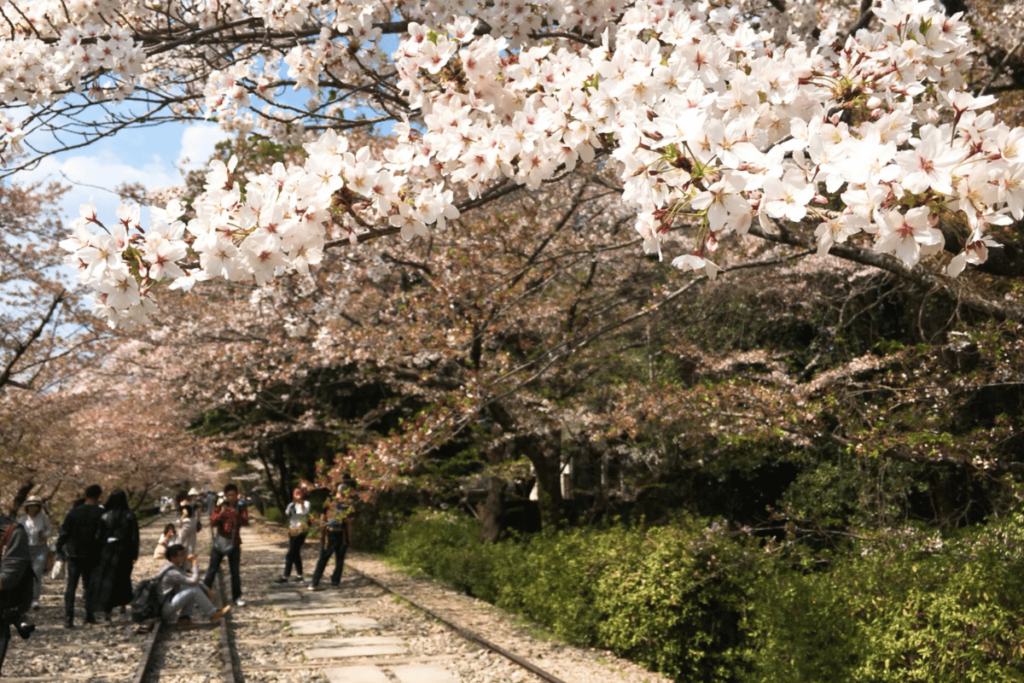
Photo: Sakura
- Get an early start: Getting to popular spots before 8am makes a big difference. Fushimi Inari, Arashiyama’s bamboo grove, and Kiyomizu-dera all feel much calmer early on — and the morning light is especially nice.
- Use the buses: Kyoto’s bus network is easy to use and reaches most major sights. A day pass can be worth it if you’re taking a few rides. For north–south trips, the subway is usually quicker.
- Wear comfortable shoes: You’ll be walking a lot in Kyoto — along stone paths, through temple grounds, and in areas with uneven footing. Comfortable, broken-in shoes go a long way.
- Check seasonal hours: Opening hours can change depending on the season, and some places close on certain days. It’s worth checking ahead, especially for smaller temples and gardens.
- Book ahead for popular experiences: Tea ceremonies, zazen sessions, and craft workshops can fill up, especially during cherry blossom and autumn seasons. Booking a few days in advance helps.
- Be mindful of local etiquette: Keep your voice down in temples and gardens, ask before taking photos of people, and follow local flow on escalators and paths. Kyoto is a lived-in city, not just a sightseeing spot.
How to Get to Kyoto

Photo: Unsplash
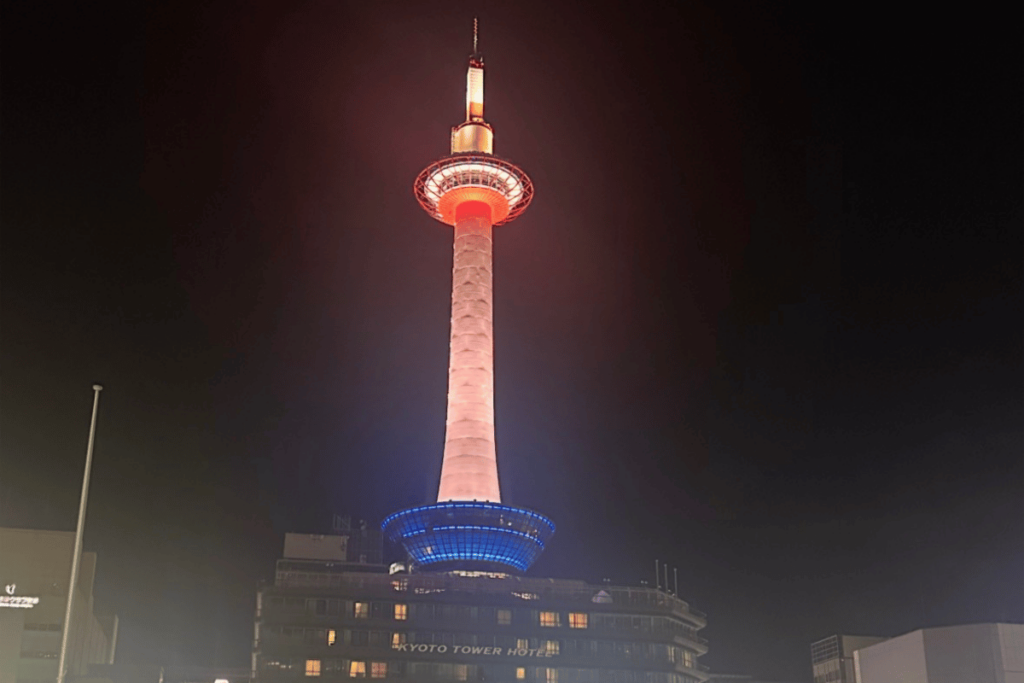
From Tokyo to Kyoto Station
- Shinkansen (bullet train)
- Time: about 2.5 hours
- Cost: around ¥14,000*
From Osaka to Kyoto Station
- JR train
- Time: about 30 minutes
- Cost: about ¥600*
From Kansai International Airport to Kyoto Station
- JR Haruka Express
- Time: about 75 minutes
- Cost: about ¥3,000*
From Narita International Airport to Kyoto Station
- Narita Express + Shinkansen
- Time: about 3.5–4 hours
- Cost: about ¥18,000*
*Prices are subject to change. Please check the official website for up-to-date information.
Summary
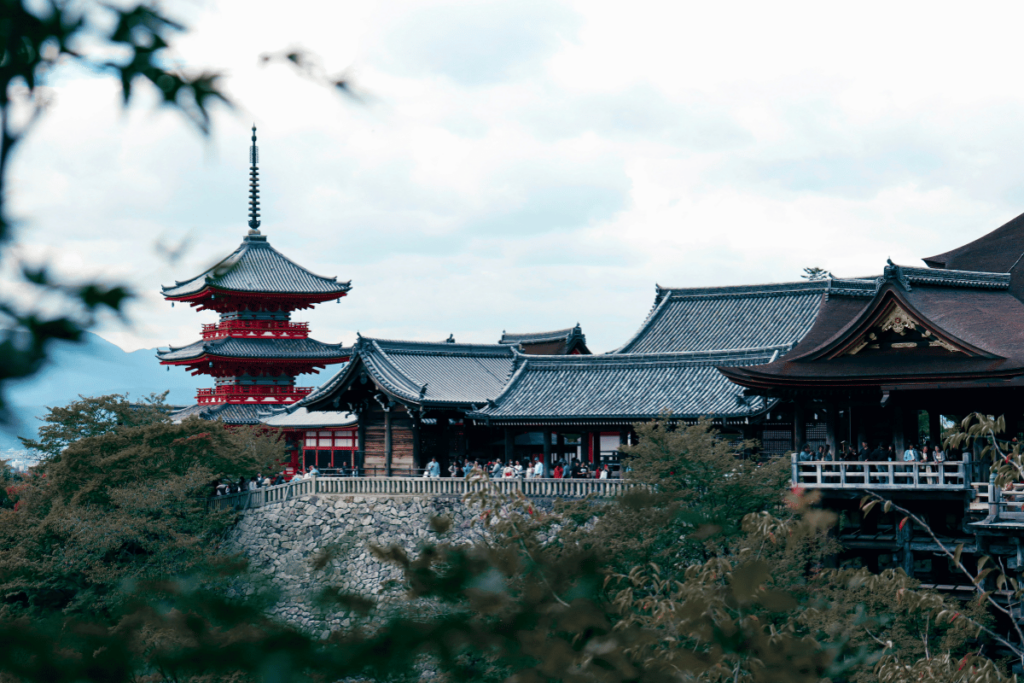
Photo: Unsplash
Five days in Kyoto gives you a real sense of the city, not just ticking off the main sights. You’ll move through places like Higashiyama and Gion, head out to Fushimi Inari and Arashiyama, and explore quieter temple areas in the northwest, along with Nijo Castle. There’s still plenty of room to wander, though — and that’s often when Kyoto feels at its best. No two trips here feel quite the same, which is part of the appeal.
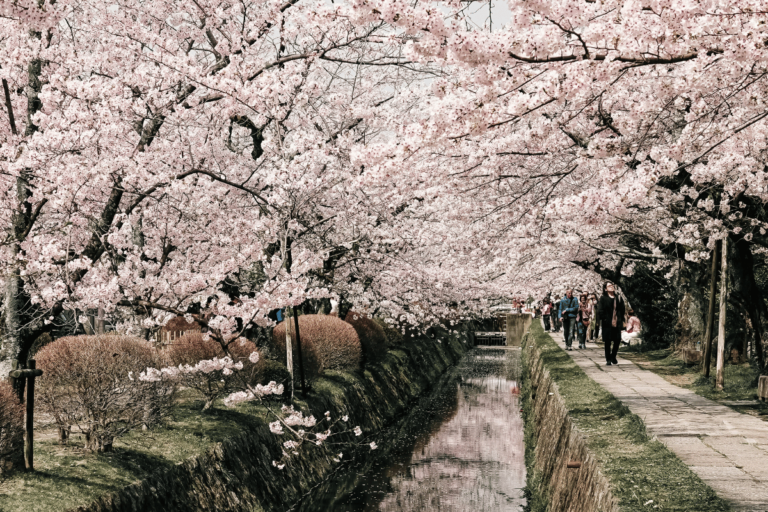
If you can choose when to visit, spring and autumn tend to be the most popular for a reason — cherry blossoms in late March to early April, and maple leaves in November. Summer is hot and humid, but there’s a certain energy to it, especially around festival season and along the Kamo River in the evenings. Winter is much quieter, with a slower pace that suits the city well. Whenever you end up going, Kyoto has a way of sticking with you.
Before you travel, set yourself up with a Japan eSIM from GetJapaneSIM so you can navigate the bus system, find temple opening hours, and discover restaurants without hunting for Wi-Fi. It makes the whole trip run more smoothly from the moment you land.
Take your time. Enjoy your stay and explore at your own pace. Hope you have an amazing trip.