Introduction
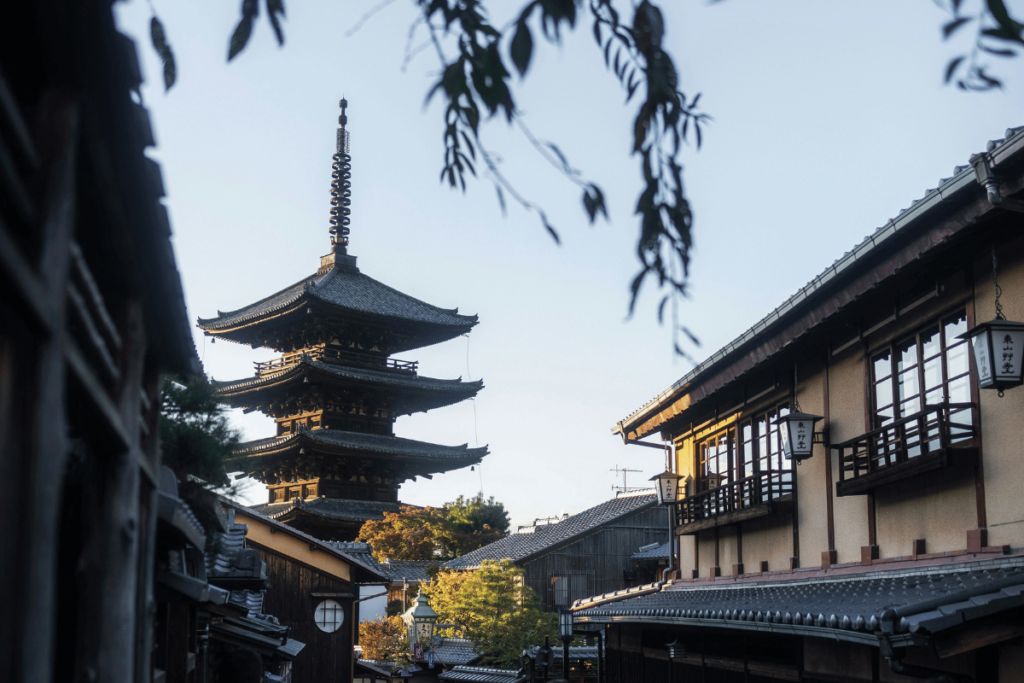
Photo: Unsplash
Not sure how to fit Kyoto into just two days? With so many temples, shrines, historic neighborhoods, and gardens spread across the city, planning a short trip can feel overwhelming. The good news, Kyoto is laid out in a way that makes it easy to explore one area at a time — if you know where to focus.
This article walks you through a practical two-day itinerary, built around three of Kyoto’s most popular areas: eastern Kyoto (Higashiyama), western Kyoto (Arashiyama and Kinkaku-ji), and southern Kyoto (Fushimi Inari). Each day follows a logical route so you’re not wasting time backtracking, and the pace is realistic rather than crammed.
In this article you will learn:
- How to plan a great two-day trip in Kyoto
- Which areas to visit and in what order
- Tips for timing your visits to avoid the worst crowds
- Practical travel advice for getting around the city
Planning to stay connected while exploring Japan? A Japan eSIM is one of the easiest ways to keep maps, transit apps, and bookings at your fingertips without the hassle of swapping SIM cards. Check out getjapanesim.com for reliable coverage across Japan.
Overview of Kyoto
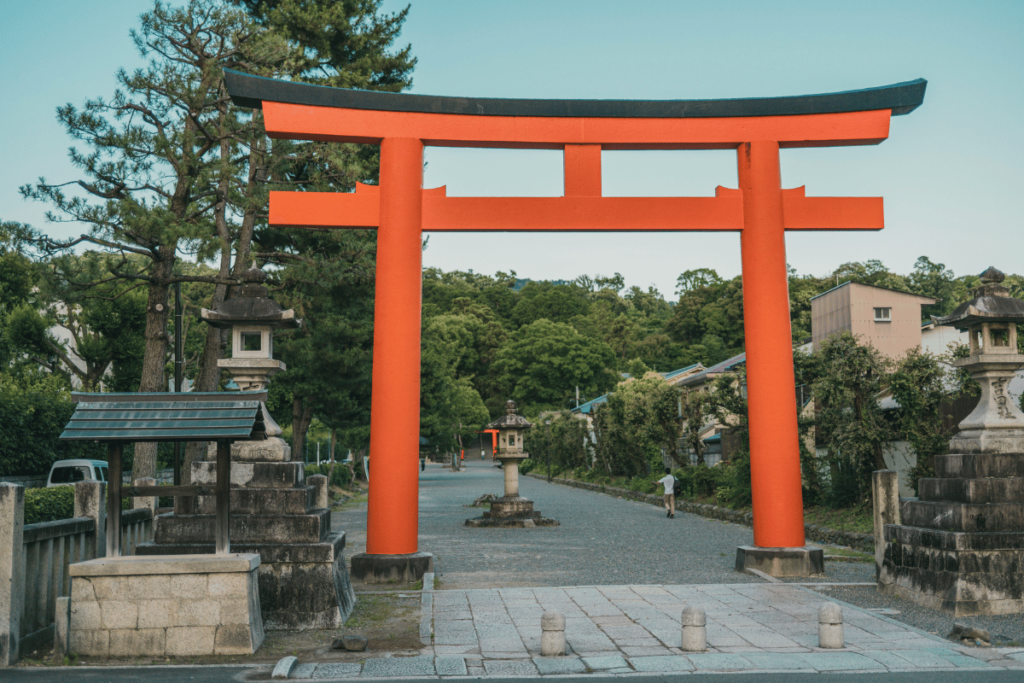
Photo: Unsplash
Kyoto served as Japan’s imperial capital for over a thousand years, and that history shows at every turn. The city is home to 17 UNESCO World Heritage Sites, along with hundreds of temples, shrines, and traditional townhouses scattered across a valley surrounded by wooded hills. Unlike Tokyo, which sprawls in every direction, Kyoto has a more contained layout — most of its major sights cluster in distinct neighborhoods, making it well suited to area-by-area exploration.
For a two-day trip, the key is choosing your areas wisely rather than trying to cover everything. Kyoto is best enjoyed at a slower pace. Spending a genuine half-day in one district will leave a stronger impression than racing through five sites in an afternoon. With that in mind, this itinerary focuses on three areas that offer the widest variety of experience: the atmospheric stone-paved lanes of Higashiyama in the east, the river scenery and iconic temples of Arashiyama and northern western Kyoto, and the famous torii gate path of Fushimi Inari in the south.
A few things worth knowing before you arrive:
- Kyoto’s public transport is reliable and covers most major sights
- Mornings are significantly quieter than afternoons at popular spots
- The city is very walkable within neighborhoods, though distances between areas require buses or trains
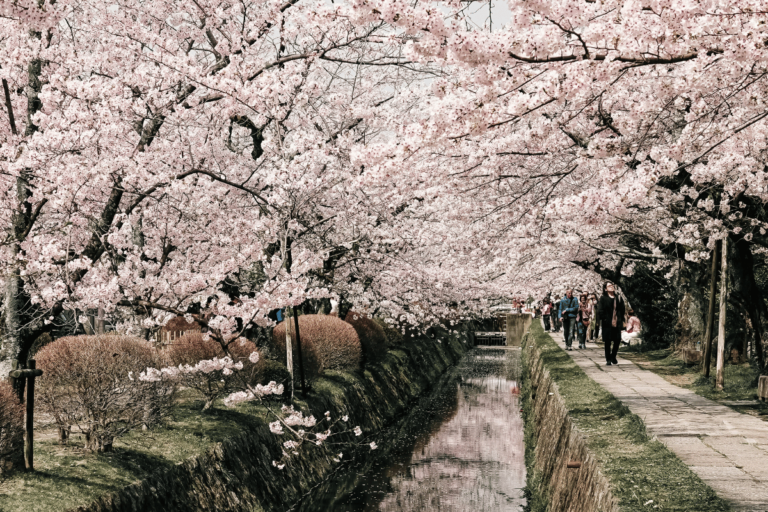
- Crowds peak during cherry blossom season (late March to early April) and autumn season (mid-November)
Day 1: Eastern Kyoto (Higashiyama)
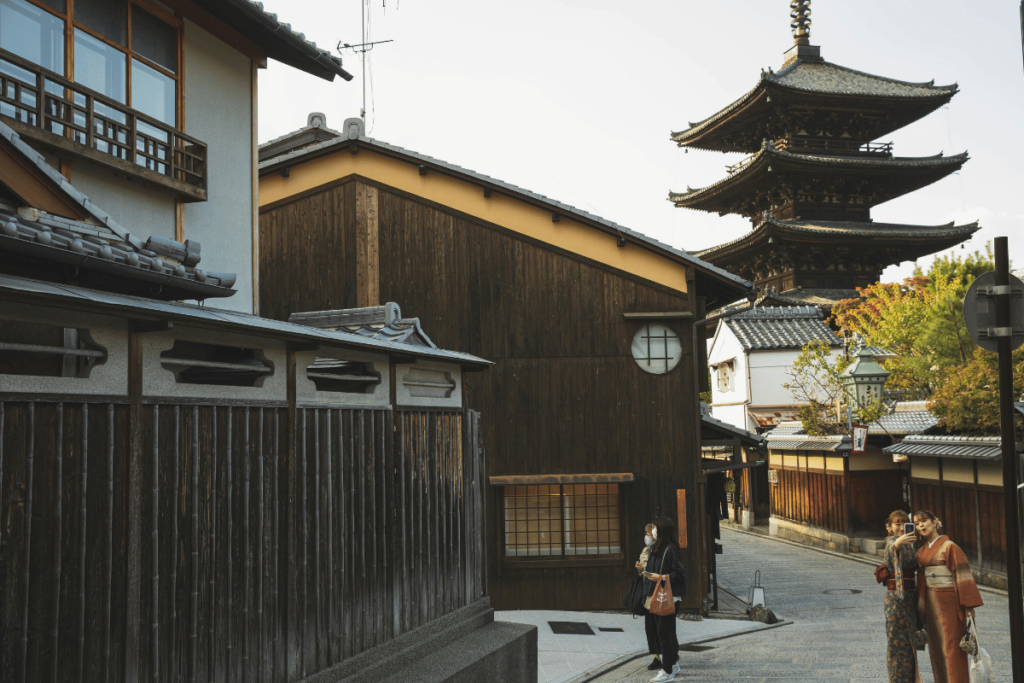
Photo: Pexels
Higashiyama is the most atmospheric district in Kyoto and the natural starting point for a two-day trip. The area is compact and mostly flat, with a clear north-south walking route connecting its main temples, historic streets, and shrines. Start here and you’ll get an excellent introduction to what makes Kyoto feel different from anywhere else in Japan.
Morning: Kiyomizu-dera Temple (8:00am – 9:30am)
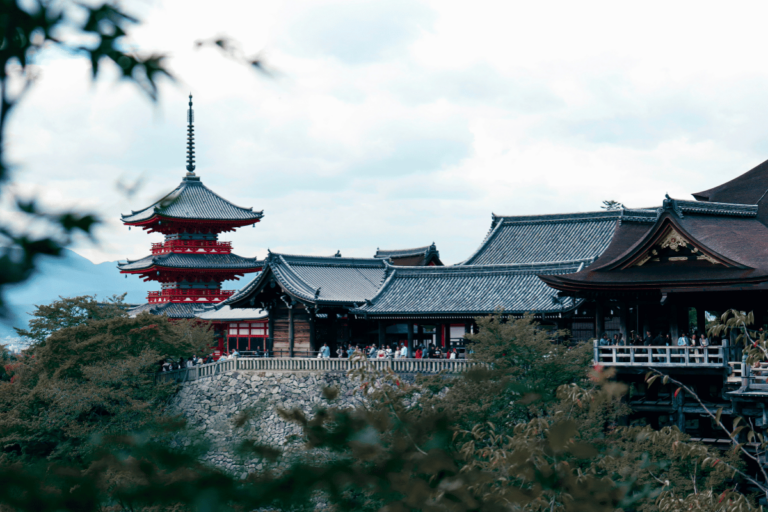
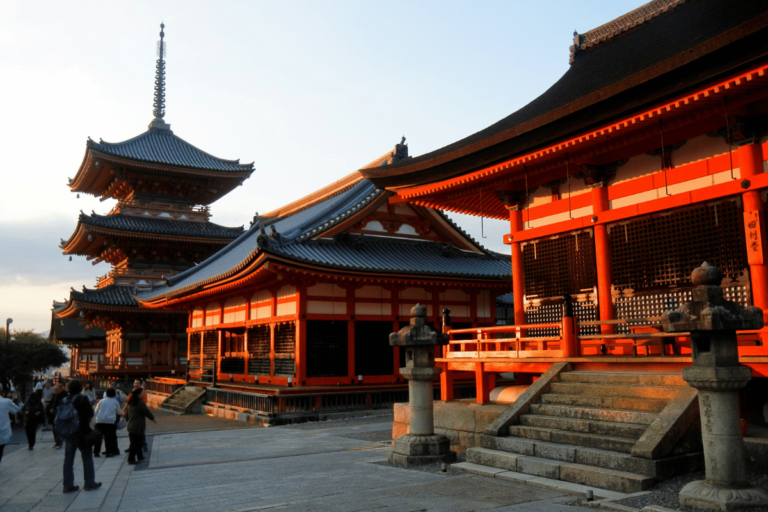
Begin your day at Kiyomizu-dera, one of Kyoto’s most famous temples. Aim to arrive around 8:00am, when the grounds are still relatively quiet and the main hall is beautifully lit by the morning sun. The temple is built on a hillside with a wooden stage that extends out over the slope, offering views across the city’s rooftops and green hills beyond.
Give yourself about 90 minutes here. Beyond the main hall, the surrounding paths lead to smaller shrines, stone lanterns, and forested walkways that most visitors skip in their rush through the main area. These quieter corners are often the most memorable part of the visit.
- Arriving early helps you avoid the tour groups
- Walk the full circuit beyond the main hall for a more complete experience
- The Otowa waterfall at the base of the temple is a nice final stop before leaving
Mid-Morning: Sannenzaka and Ninenzaka (9:30am – 11:00am)
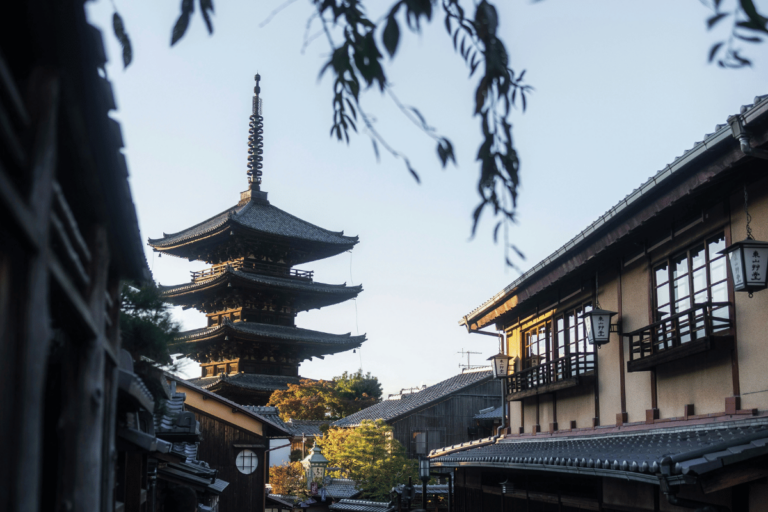
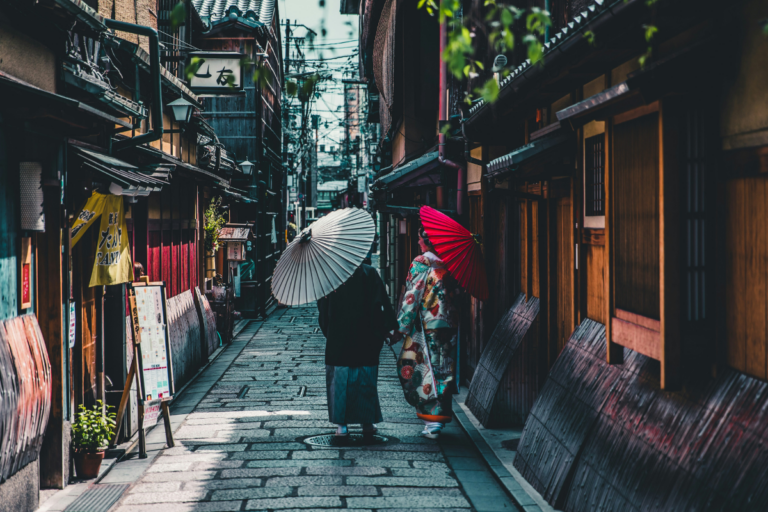
Walk downhill from Kiyomizu-dera and you’ll pass directly through Sannenzaka and Ninenzaka — two of the best-preserved historic streets in Kyoto. The stone-paved lanes are lined with wooden buildings, small cafes, and shops selling local crafts, ceramics, and sweets. This stretch is one of the most photographed in the city, so the earlier you walk it, the better your experience will be.
Rather than walking straight through, take your time. Stop for a coffee, browse a few of the smaller shops, or simply stand and take in the scenery. The transition from temple to traditional streetscape feels natural and unhurried, which is exactly the right tone for Higashiyama.
- Stick to the main lane but glance at the side alleys
- Many shops open around 9:30 to 10:00am
- Good spot to pick up small souvenirs or try local street snacks
Late Morning to Lunch: Yasaka Shrine and Gion Area (11:00am – 1:00pm)
Continue north from Ninenzaka and you’ll reach Yasaka Shrine, which marks the edge of Maruyama Park. The shrine is free to enter and marks a shift in atmosphere — more open and spacious compared to the narrow lanes you’ve just walked through. Maruyama Park itself is a good place to sit down, catch your breath, and plan the afternoon.
Lunch is easy to find in this part of the city. The streets around Gion have plenty of options, from small noodle shops to more formal kaiseki restaurants. This is also your first chance to glimpse the wider Gion neighborhood, one of Kyoto’s most famous geisha districts, though exploring it in depth is better saved for the evening or a future visit.
- Yasaka Shrine is open 24 hours and free to enter
- Maruyama Park is the best free rest stop in eastern Kyoto
- Gion’s main street (Hanamikoji) is worth a short walk before or after lunch
Afternoon: Kennin-ji and Higashiyama Side Streets (1:00pm – 4:00pm)
Spend the afternoon at a more relaxed pace. Kennin-ji, Kyoto’s oldest Zen temple, is just a few minutes’ walk from Gion and offers a quiet counterpoint to the busier morning sights. The temple’s rock garden and painted ceiling are its highlights, and the grounds rarely feel as crowded as the main tourist trail.
After Kennin-ji, there’s no need to rush. Higashiyama has plenty of smaller alleys and quiet corners that reward those willing to wander. If you still have energy by late afternoon, you can continue north toward Nanzen-ji or the Philosopher’s Path, but don’t overload the day. Keeping some space in your schedule lets you enjoy Kyoto rather than just getting through it.
- Kennin-ji is a short walk from Gion — easy to add without much extra effort
- Late afternoon in the side streets can feel surprisingly calm
- Nanzen-ji is about 20 minutes north by foot and worth adding if you have the energy
Evening: Gion After Dark (Optional)
If by evening you’re not exhausted, Gion’s main street takes on a completely different character after sunset. The wooden machiya townhouses are lit from within, the crowds thin out, and there’s a genuine chance of spotting a geiko or maiko on their way to an appointment. Dinner in the area is easy to find, from casual yakitori to more formal dining.
- Walk Hanamikoji Street between 6:00pm and 8:00pm for the best atmosphere
- Reservations are recommended for sit-down restaurants in Gion
- Keep noise levels low and avoid photographing people without permission
Day 2: Western Kyoto and Southern Kyoto
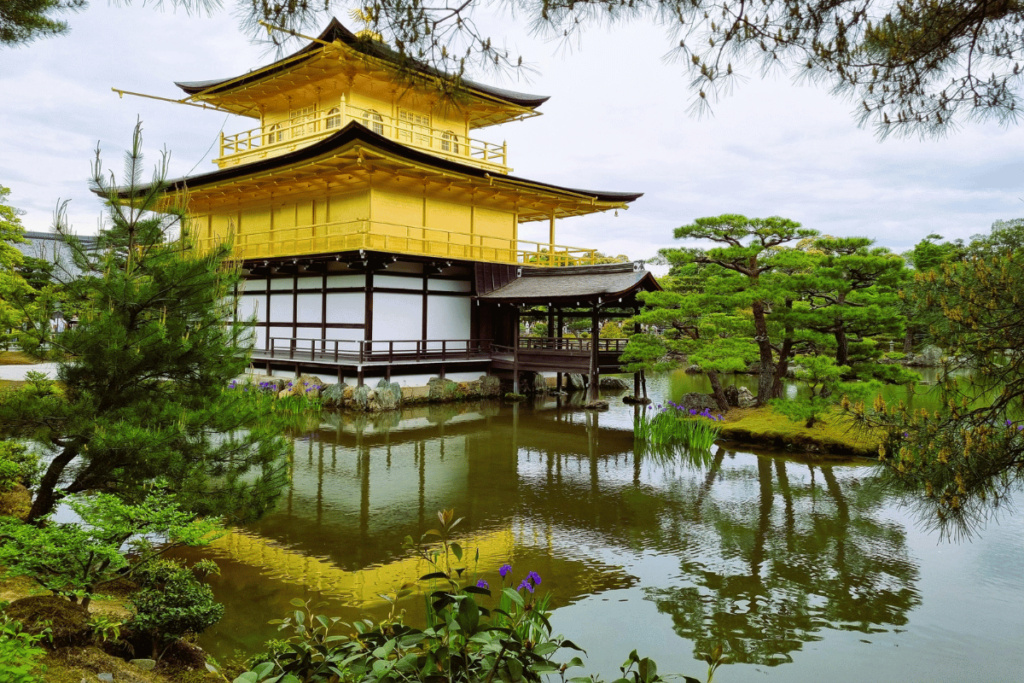
Photo: Pexels
Day two divides into two distinct halves: the morning in Arashiyama and northern western Kyoto, and an optional early-evening visit to Fushimi Inari in the south. The two areas are on opposite sides of the city, so timing matters. Start early in Arashiyama, take your time through the Kinkaku-ji area, and then head south for a late-afternoon or early-evening visit to Fushimi Inari.
Early Morning: Arashiyama and Tenryu-ji (8:30am – 10:30am)
Head to Arashiyama for the morning. The area sits at the western edge of the city where the Oi River bends through a valley flanked by bamboo groves and forested hills. Begin at Tenryu-ji, a Zen temple with one of the finest landscape gardens in Japan. The garden is designed to frame the mountains in the background as part of the composition, and the early morning light brings out details that disappear later in the day.
Spend about an hour in the garden, then make your way through the bamboo grove just behind the temple. Walk the main path, but consider ducking into one of the quieter side routes if you want a few minutes away from the crowd. By mid-morning, the bamboo grove can get busy, arriving as early as possible makes a real difference.
- Tenryu-ji opens at 8:30am — recommended to arrive at opening
- The bamboo grove is just a short walk from the temple’s rear gate
- Consider renting a bicycle in Arashiyama to cover more ground efficiently
Mid-Morning: Togetsukyo Bridge and the Riverside (10:30am – 12:00pm)
After the bamboo grove, walk down toward the river and cross Togetsukyo Bridge for a different view of the area. The surrounding scenery — river, hills, and the occasional boat drifting downstream — is a reminder that Arashiyama is as much a natural landscape as it is a cultural one. The riverside area is a pleasant place to slow down before heading north.
This stretch also has good cafes and lunch spots if you’re ready to eat early. Alternatively, grab a coffee and continue toward the Kinkaku-ji area in the early afternoon, when you’ll have more dining options available.
- Togetsukyo Bridge is best photographed from the southern bank
- Several small restaurants and cafes line the riverside
- This is a good area for a slow walk without a fixed destination
Afternoon: Kinkaku-ji and Ryoan-ji (1:00pm – 4:00pm)
From Arashiyama, make your way north toward Kinkaku-ji, the Golden Pavilion. The transfer takes about an hour by public transport, so check your route in advance and factor in the travel time. Kinkaku-ji is one of the most-visited sites in all of Japan, and it will be busy — but the scenery is genuinely striking, and the circuit around the pond takes only about 30 minutes.
After Kinkaku-ji, continue to Ryoan-ji a short distance away. The contrast between the two sites is one of the best things about visiting them together: Kinkaku-ji is bold, gold, and visually dramatic, while Ryoan-ji is spare, quiet, and built around one of the world’s most famous rock gardens. Together they offer a balanced look at two very different sides of Japanese temple design.
- Allow about 30 to 45 minutes at Kinkaku-ji, including waiting time near the pavilion
- Ryoan-ji is about 10 minutes from Kinkaku-ji on foot
- Prices are subject to change. Please check the official website for up-to-date information.
Late Afternoon / Early Evening: Fushimi Inari Taisha (5:00pm – 7:00pm)
Fushimi Inari Taisha is one of Kyoto’s most iconic experiences and also one of the most crowd-sensitive. The famous torii gate path — thousands of vermilion gates winding up the mountain — is significantly more enjoyable in the late afternoon or early evening, once the midday tour groups have thinned out. Arriving around 5:00pm gives you good light and manageable crowds for the lower sections of the trail.
The full path to the summit and back takes around three to four hours, so a late-afternoon visit works best if you stick to the lower and middle sections of the trail, which take about 1.5 to 2 hours. These sections include the most photogenic stretches of torii gates, and the atmosphere in the late afternoon — quieter, golden-lit, slightly mysterious — is hard to match at any other time of day.
- Arriving around 5:00pm offers a nice balance of light and crowd levels
- You don’t need to reach the summit to have a worthwhile experience
- The shrine complex at the base is free to enter and open at all hours
Staying connected throughout the day makes navigation and transport planning much easier. A Japan eSIM from getjapanesim.com keeps you online without any SIM-swapping hassle, so you can focus on the trip rather than logistics.
Travel Tips for Visiting Kyoto
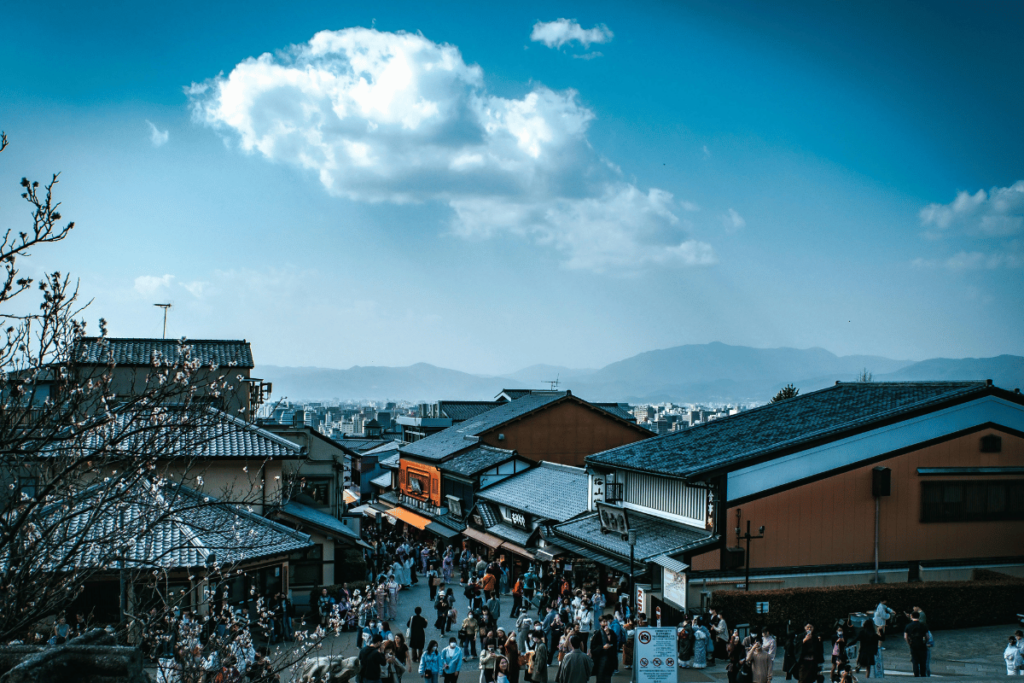
Photo: Pexels
- Start early: Most major sights in Kyoto are noticeably quieter before 9:00am. Getting to Kiyomizu-dera, the bamboo grove, or Fushimi Inari before the tour groups arrive makes a real difference to the experience.
- Use IC cards for transport: A Suica or ICOCA card works on buses, trains, and the subway throughout Kyoto. It’s faster and cheaper than buying individual tickets each time.
- Wear comfortable shoes: Both itineraries involve a significant amount of walking on uneven stone paths, temple steps, and hillside trails. Make sure to wear comfortable, broken-in shoes
- Check temple hours in advance: Opening and closing times vary between sites, and some temples have seasonal hours. A quick check before each visit avoids arriving at a closed gate.
- Plan meals before you need them: Popular restaurants in Kyoto fill up quickly at peak hours, especially around noon. Eating slightly earlier or later than standard meal times helps avoid long waits.
- Respect temple and shrine etiquette: Speak quietly, follow posted signs, and avoid eating while walking through sacred grounds. Most sites have clear rules; following them makes the experience better for everyone.
How to Get to Kyoto
Photo: Pexels
From Tokyo to Kyoto Station
- Shinkansen (bullet train)
- Time: about 2.5 hours
- Cost: around ¥14,000*
From Osaka to Kyoto Station
- JR train
- Time: about 30 minutes
- Cost: about ¥600*
From Kansai International Airport to Kyoto Station
- JR Haruka Express
- Time: about 75 minutes
- Cost: about ¥3,000*
From Narita International Airport to Kyoto Station
- Narita Express + Shinkansen
- Time: about 3.5–4 hours
- Cost: about ¥18,000*
*Prices are subject to change. Please check the official website for up-to-date information.
Summary
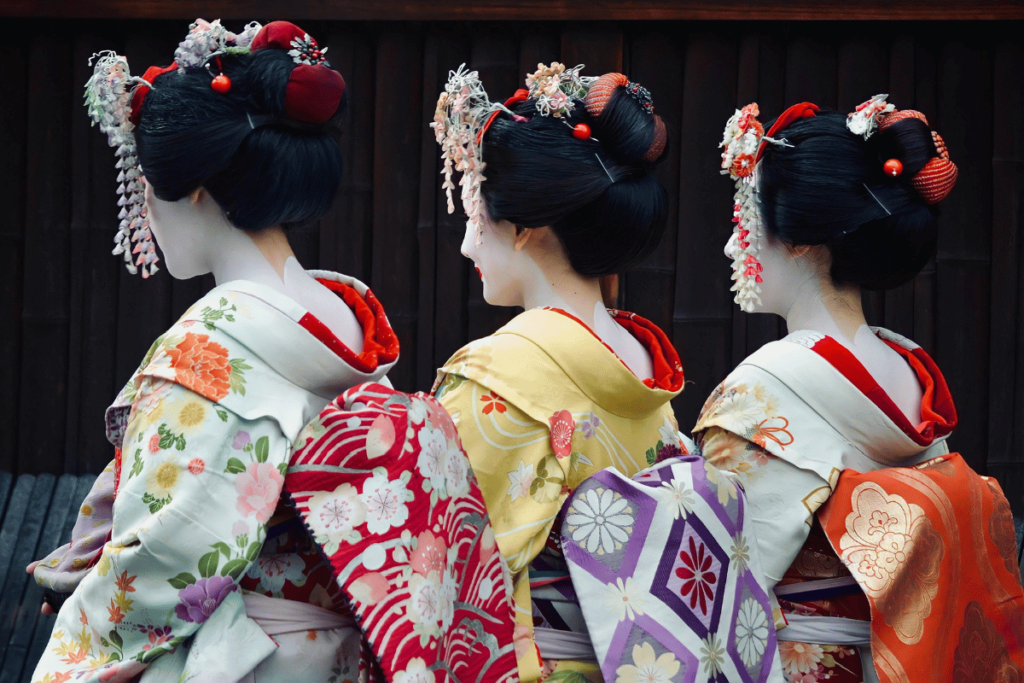
Photo: Unsplash
Two days in Kyoto is enough time to experience the city properly if you focus on a few areas and move at a sensible pace. Day one in Higashiyama gives you the best of eastern Kyoto — historic streets, hillside temples, and the atmospheric shift from morning quiet to afternoon exploration. Day two takes you across the city to Arashiyama’s river scenery and Zen gardens in the morning, then north to Kinkaku-ji and Ryoan-ji in the afternoon, before finishing with a late-day visit to Fushimi Inari’s torii gate trail.
In terms of timing, spring and autumn are the most visually dramatic seasons, but they also bring the largest crowds and the highest accommodation prices. If you can visit in late autumn after peak foliage season, or in late spring after the cherry blossoms have passed, you’ll find a city that’s still beautiful but considerably less crowded. Winter is also a good time to visit — quieter and sometimes covered in snow that turns the temple grounds into something truly memorable.
Staying connected throughout your trip makes logistics much easier. Whether you’re navigating buses between Arashiyama and Kinkaku-ji or double-checking temple hours on the fly, having reliable data access takes a lot of the stress out of short-trip planning. A Japan eSIM from is a simple and affordable way to stay online from the moment you land.
Enjoy discovering Kyoto’s temples, streets, and hillside paths — and create unforgettable memories during your trip in Japan.