Introduction
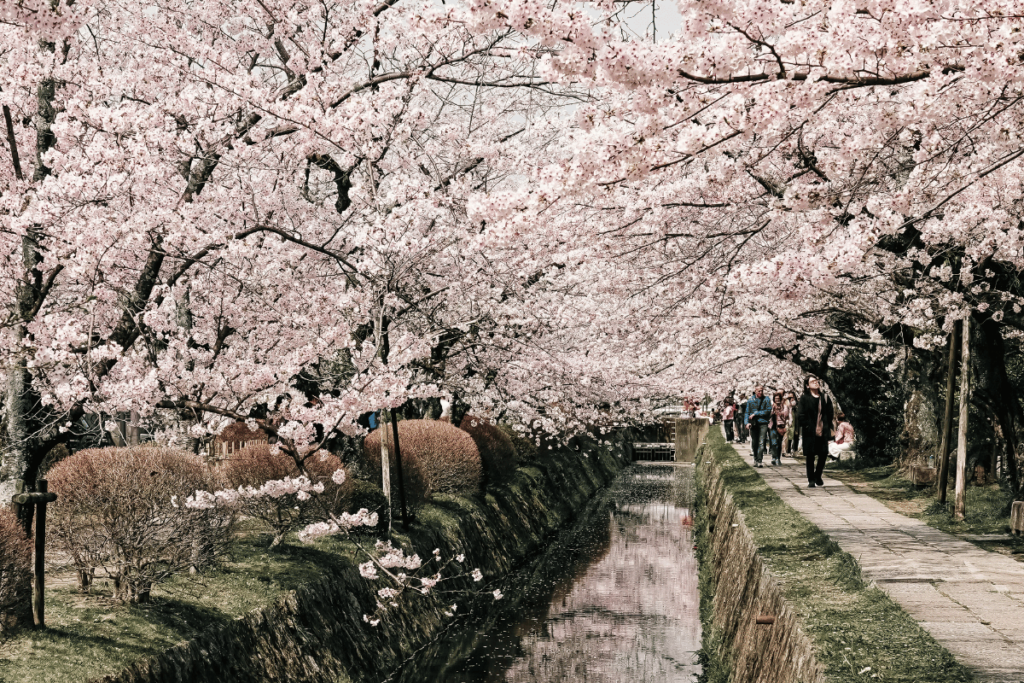
Photo: Unsplash
Planning a trip to Kyoto but unsure how to explore the city in a way that feels meaningful rather than rushed? With so many temples, neighborhoods, and cultural spots packed into one destination, it’s easy to feel overwhelmed when deciding how to structure your days.
One of the best ways to experience Kyoto is simply by walking. Unlike larger cities where major sights are spread far apart, Kyoto rewards slow travel. Many of its most memorable sights are tucked between well-known landmarks—quiet alleys, local shops, hidden shrines, and scenic pathways that you might miss if you rely only on trains or buses. Walking allows you to notice the details, adjust your pace, and experience the city in a more personal way.
Whether you’re visiting for the first time or returning to explore deeper, a walking-focused itinerary helps you connect with Kyoto’s atmosphere. From historic districts like Higashiyama to nature-filled areas like Arashiyama, each step reveals a different side of the city. You’ll also find that distances between key spots are manageable, making it easy to combine multiple areas in a single day without feeling rushed.
In this article you will learn:
- The best areas in Kyoto for walking
- Must-see spots you can explore on foot
- Practical tips to make your walking trip smooth
- How to access key walking routes from major stations
Staying connected makes navigating Kyoto’s streets much easier, especially when using maps or translation apps. Consider getting a reliable eSIM before your trip.
Overview of Kyoto Walking Itinerary
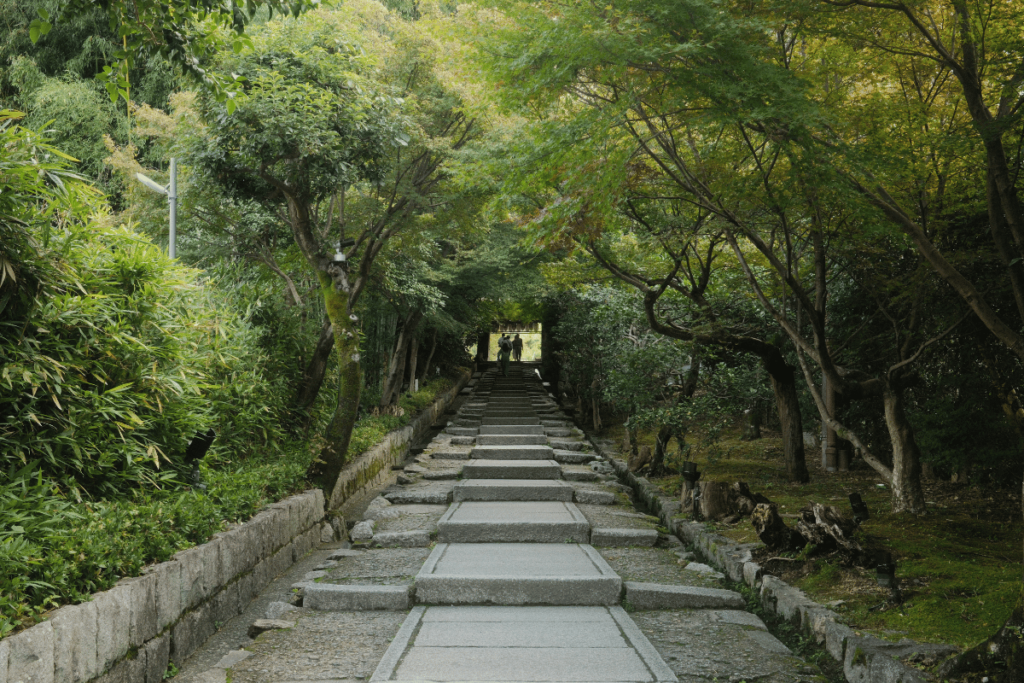
Photo: Unsplash
Kyoto is uniquely suited for walking thanks to its layout and history. Unlike modern cities that were built around cars and wide roads, Kyoto developed over centuries with a focus on compact neighborhoods and human-scale streets. This makes it easy to move between sights on foot, especially in districts where cultural sites are clustered together. Even when using public transport, you’ll often find that the most memorable parts of your day happen between destinations rather than at them.
Another reason walking works so well in Kyoto is the density of experiences within a small area. In places like Higashiyama or Gion, you can visit multiple temples, pass traditional houses, stop at a tea shop, and enjoy scenic views—all within a relatively short distance. This layered experience is difficult to replicate with faster modes of travel, where the focus shifts to ticking off major landmarks rather than enjoying the journey itself.
Walking also gives you flexibility. You’re free to change direction, linger in places you like, or skip areas that feel too crowded. This freedom is especially valuable in Kyoto, where small discoveries often become the highlights of your trip. A quiet garden, a local cafe, or a peaceful side street can leave a stronger impression than famous sights.
Key features of walking itinerary in Kyoto:
- Short distances between major sights
- Scenic routes with seasonal highlights
- Easy access to food, cafes, and rest spots
- A mix of famous landmarks and hidden spots
Best Things to Do on a Kyoto Walking Itinerary
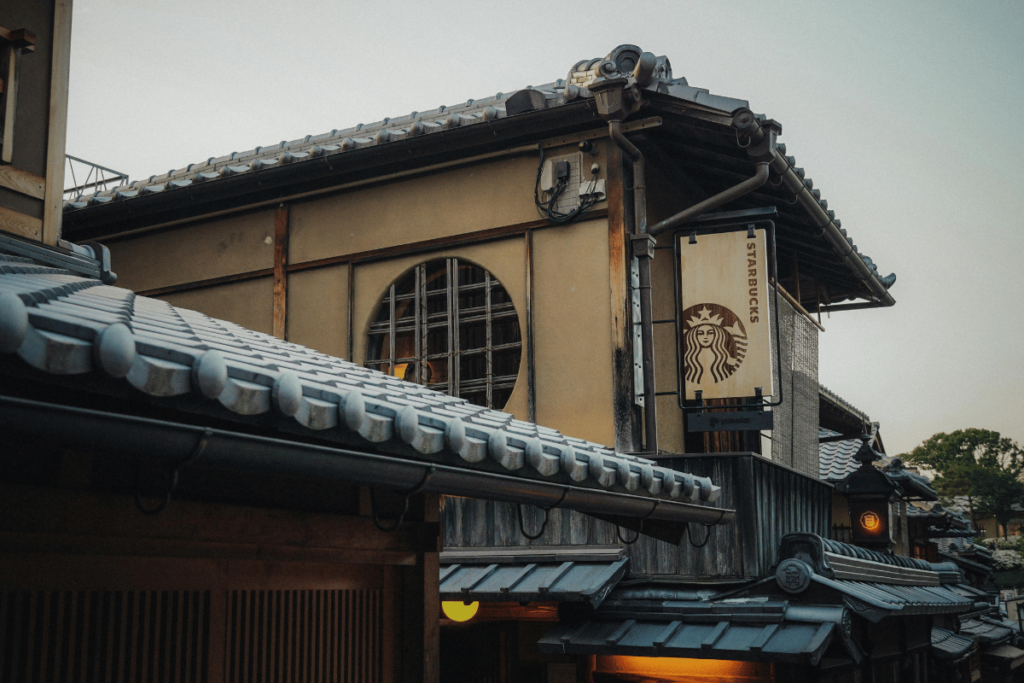
Photo: Pexels
Walking in Kyoto is more about enjoying the journey itself than rushing through many sights.
Explore Historic Districts
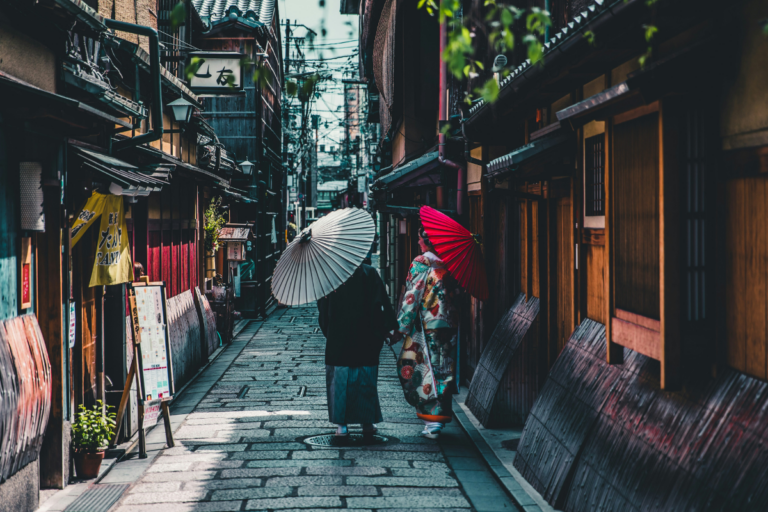
Kyoto’s preserved neighborhoods are best experienced slowly, where every corner brings something new. Walking through areas like Higashiyama or Gion lets you take in the details of traditional architecture and everyday life.
Taking your time also means you can step into side streets that many visitors overlook.
- Walk along stone-paved streets
- Discover traditional wooden houses
- Visit small neighborhood shrines
Enjoy Scenic Nature Spots
Nature is always close in Kyoto, even within the city. Walking routes often pass through bamboo groves, riverside paths, and temple gardens that shift beautifully with the seasons. The experience changes depending on when you visit, giving each walk a slightly different feel.
- Stroll through bamboo forests
- Walk along rivers and canals
- Enjoy cherry blossoms or autumn leaves
Try Local Food Along the Way
One of the biggest advantages of walking is the freedom to stop whenever something catches your attention. Kyoto’s streets are filled with small food spots perfect for casual breaks. These moments often become highlights of your day.
- Enjoy matcha desserts
- Try street snacks like yatsuhashi
- Visit traditional tea houses
Visit Temples and Shrines at Your Own Pace
Walking makes it easier to explore multiple temples without feeling rushed. You can spend more time in places that interest you and move quickly through others, creating a flexible and personalized experience.
- Enter temple grounds freely
- Enjoy quiet gardens and courtyards
- Take time for personal reflection
Discover Hidden Streets and Local Life
Beyond the main sights, Kyoto’s charm lies in its quieter corners. Walking allows you to step away from crowds and see a more everyday side of the city, where locals live and work.
- Wander residential backstreets
- Find small artisan shops
- Experience local neighborhoods
Recommended Walking Spots in Kyoto
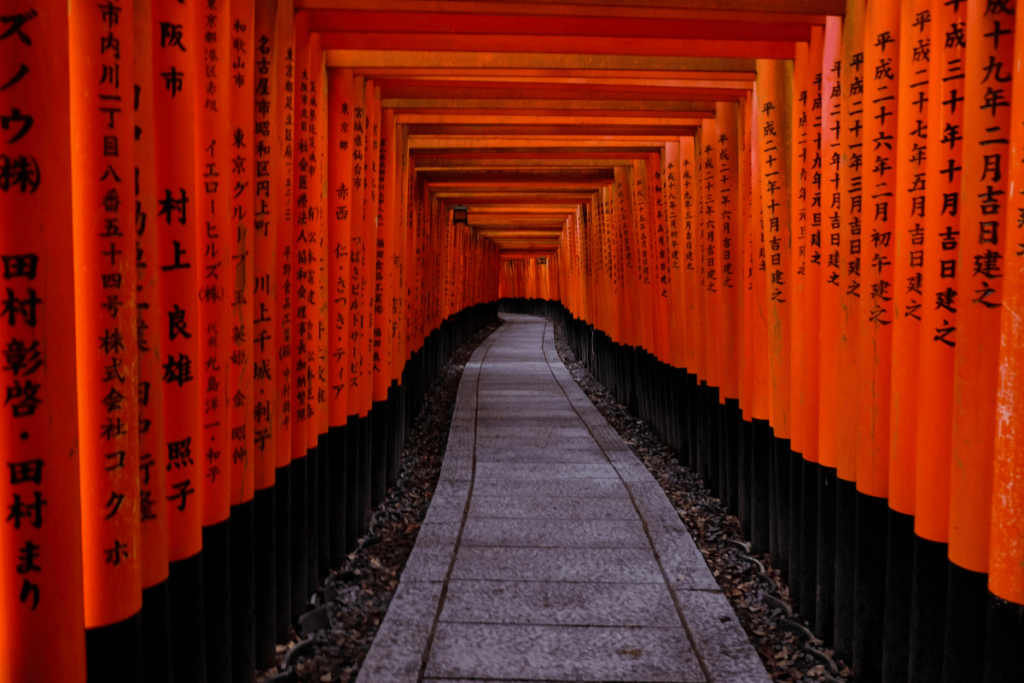
Photo: Pexels
Kyoto offers several routes that are ideal for walking, each with its own atmosphere and highlights. These five areas are especially well-suited for a relaxed and memorable walking experience.
1. Higashiyama District
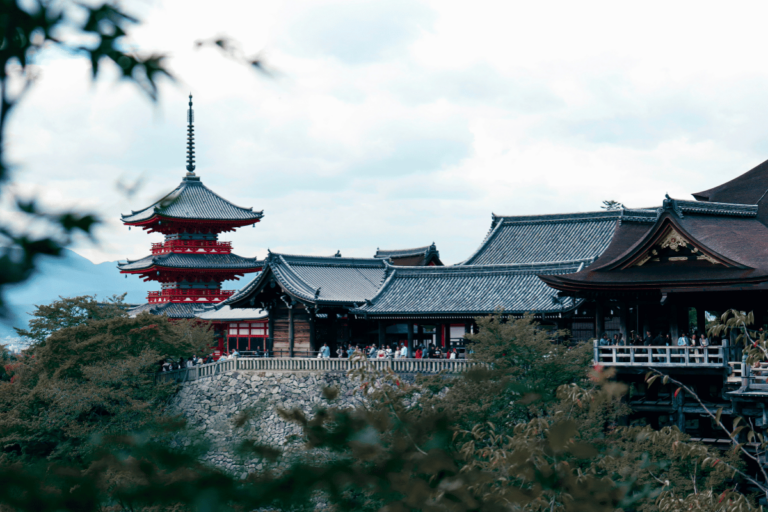
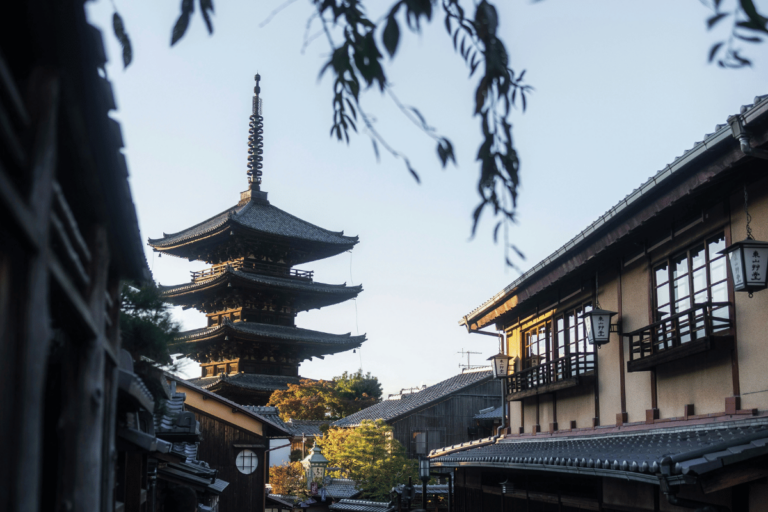
Higashiyama is often the first place travelers think of when imagining Kyoto, and for good reason. This district preserves the look and feel of old Kyoto, with narrow streets, traditional wooden buildings, and views that seem unchanged for centuries. Walking here is less about reaching a destination and more about taking in the atmosphere as you move through it.
The streets of Sannenzaka and Ninenzaka are particularly well known, gently sloping and lined with small shops selling local crafts and sweets. Early in the morning, the area feels calm and almost cinematic, while later in the day it becomes lively with visitors. If you visit around sunset, the warm light adds a softer tone to the scenery, making it an especially rewarding time to walk.
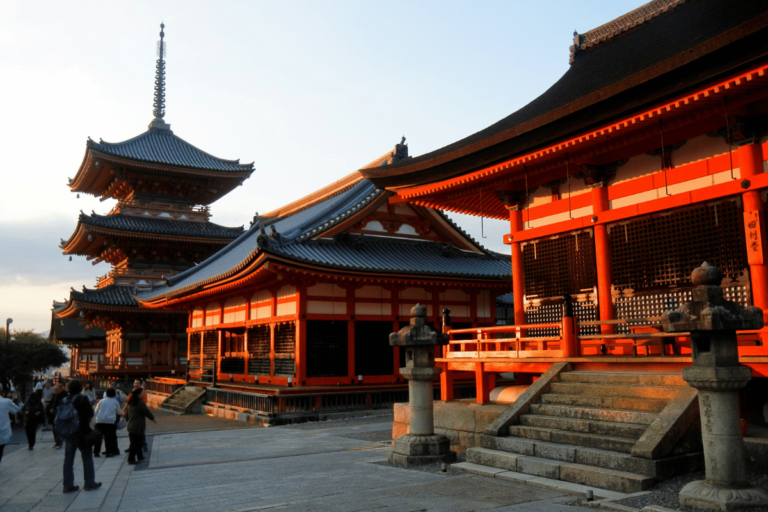
A typical walking route might begin near Kiyomizu-dera and gradually lead you down through the historic streets. Along the way, you can stop at cafés, browse small shops, and pause at viewpoints overlooking the city. This natural flow makes Higashiyama one of the easiest and most enjoyable areas to explore on foot.
You can also turn your walk into a simple route by starting near Kiyomizu-dera, then slowly making your way down through Sannenzaka and Ninenzaka toward Yasaka Shrine. Along this path, there are plenty of small cafés and shops where you can take short breaks, making the walk feel relaxed rather than tiring. Visiting early in the morning is ideal if you prefer thinner crowds, while late afternoon offers softer light and a slightly quieter atmosphere compared to midday.
Highlights:
- Traditional Kyoto streetscapes
- Easy access to major temples
- Great photo opportunities
Details
- Time required: 2–4 hours
- Access: about 15 minutes from Kyoto Station by city bus
- Location: Google Maps
2. Arashiyama Bamboo Grove Area
Arashiyama offers a completely different experience from central Kyoto, with a more open and nature-focused setting. It’s a place where walking feels unhurried, with wide paths and scenic surroundings that encourage you to slow down and take in the environment.
The bamboo grove is the most famous part of the area, and walking through it is a unique experience. The tall bamboo stalks create a sense of height and quiet, especially when the wind moves through them. Visiting early in the morning helps you avoid crowds and enjoy the calm atmosphere more fully.
Beyond the grove, Arashiyama has much more to offer. You can continue your walk toward the river, cross the bridge, and explore nearby temples or small shops. This variety allows you to build a walking route that feels both relaxed and diverse without needing to travel far.
To make the most of your time in Arashiyama, it helps to think of the area as a loop rather than a single destination. After walking through the bamboo grove, you can continue toward nearby temple grounds before heading back toward the river. Crossing the bridge offers a different perspective of the landscape, especially on clear days when the mountains are visible in the distance. If you visit in the early morning, the entire area feels much calmer, while late afternoon brings softer light that works well for photos. Planning your walk this way makes the experience feel more complete without adding extra travel time.
Highlights:
- Famous bamboo forest path
- Riverside walking routes
- Relaxed and spacious atmosphere
Details
- Time required: 2–3 hours
- Access: about 20 minutes from Kyoto Station by train
- Location: Google Maps
3. Gion and Shirakawa Area
Gion is one of Kyoto’s most well-known districts, offering a glimpse into the city’s traditional culture. Walking through this area feels different from other parts of Kyoto, with a refined atmosphere and carefully preserved streets that reflect its long history.
The Shirakawa area adds another layer to the experience, with a small canal lined by trees and traditional buildings. It’s quieter than the main streets and perfect for a slower, more relaxed walk. The reflections on the water and the seasonal changes make it a favorite for photographers and those looking for a peaceful moment.
Timing can change your experience here. Visiting in the late afternoon or early evening brings a softer light and a calmer mood. While sightings of geiko or maiko are rare, simply walking through the area at this time creates a memorable and atmospheric experience.
Highlights:
- Traditional streets and architecture
- Scenic canal views
- Atmospheric evening walks
Details
- Time required: 1–2 hours
- Access: about 15 minutes from Kyoto Station by train
- Location: Google Maps
4. Philosopher’s Path
The Philosopher’s Path is one of Kyoto’s most peaceful walking routes, following a canal through a quiet residential area. It’s ideal for those who want to step away from busy tourist spots and enjoy a slower, more reflective pace.
The path itself is easy to walk, with a gentle route that suits most visitors. Along the way, you’ll find small cafés, local shops, and a few temples that invite short stops. These small detours help break up the walk and add variety to the experience.
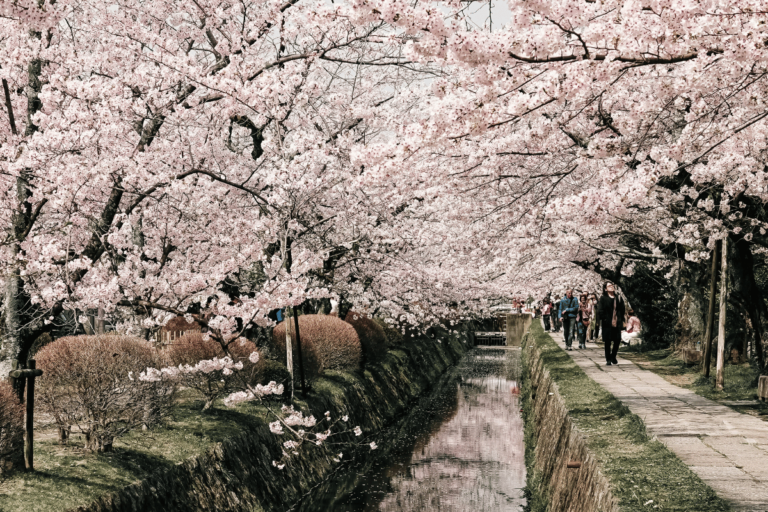
Seasonal changes make this route especially appealing. Cherry blossoms in spring create a tunnel of soft pink, while autumn brings warm colors to the trees. Even outside these seasons, the calm setting and steady pace make it one of the most relaxing walks in Kyoto.
One of the best ways to enjoy this path is to walk it without a strict plan. Instead of focusing on reaching the end, take your time stopping at small cafés or local bakeries along the way. Many of these spots are easy to miss if you’re moving too quickly, but they add a more personal touch to the experience. If you start from the Ginkaku-ji side, the walk naturally feels like a gentle progression, with the scenery gradually opening up as you continue. This direction also makes it easier to combine the walk with nearby temples, creating a relaxed half-day itinerary without needing to rush.
Highlights:
- Peaceful canal-side walking path
- Seasonal beauty, especially in spring
- Local cafes and hidden spots
Details
- Time required: 1.5–2 hours
- Access: about 30 minutes from Kyoto Station by bus
- Location: Google Maps
5. Fushimi Inari Taisha Trails
Fushimi Inari offers one of the most recognizable walking experiences in Kyoto, thanks to its long paths lined with bright red torii gates. While many visitors stop at the lower sections, the full trail extends up the mountain and provides a more immersive experience.
Walking further along the path gradually changes the atmosphere. The crowds thin out, and the surroundings become quieter, giving you more space to enjoy the scenery. Small shrines and resting points appear along the way, offering natural breaks as you continue upward.
The route is flexible, allowing you to walk as far as you like. Some visitors choose to turn back at the halfway mark, while others continue to the summit for a more complete experience. Either way, the combination of movement, scenery, and cultural elements makes this walk especially rewarding.
If you plan your walk carefully, you can adjust the route depending on your energy level. Many visitors choose to walk up to the Yotsutsuji intersection, which offers a nice viewpoint over Kyoto, before heading back down. Early morning or evening visits are especially recommended, as the paths feel much quieter and more atmospheric. Bringing water and taking short breaks along the way will help you enjoy the walk more comfortably.
Highlights:
- Iconic torii gate pathways
- Flexible walking distance
- Mix of cultural and natural scenery
Details
- Time required: 2–3 hours
- Access: about 10 minutes from Kyoto Station by train
- Location: Google Maps
Travel Tips for Kyoto Walking Itinerary
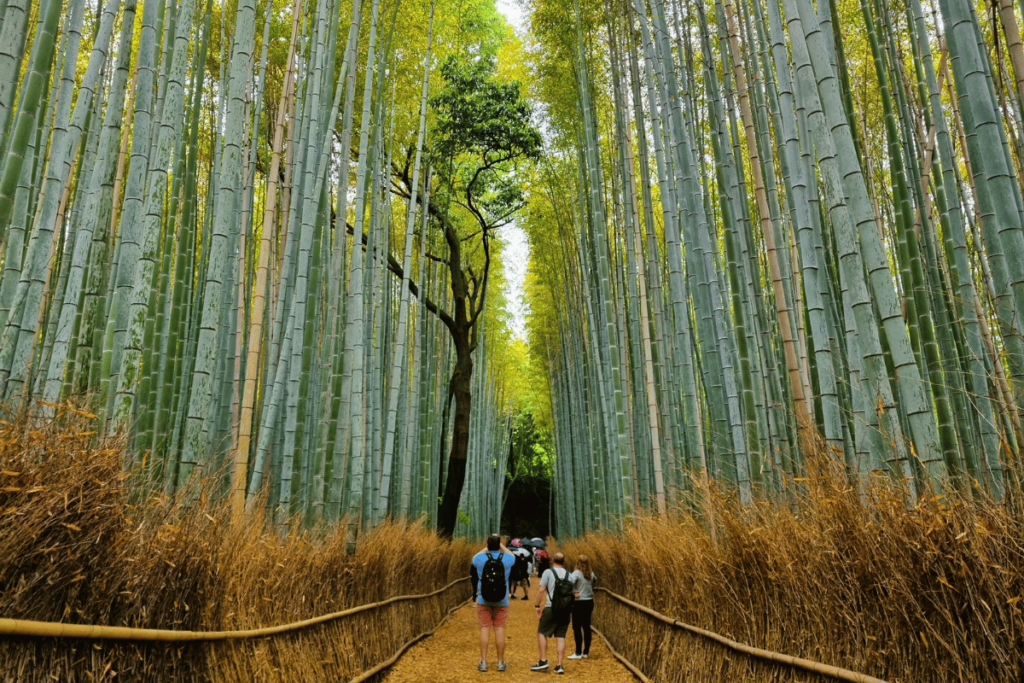
Photo: Pexels
- Start early: Popular areas can become crowded quickly, especially in Higashiyama and Arashiyama, so mornings are the best time to enjoy a quieter experience.
- Wear comfortable shoes: Expect long distances and uneven paths, including stone-paved streets and gentle slopes.
- Plan rest stops: Take advantage of cafés and tea houses to recharge during your walk and enjoy local flavors.
- Check the weather: Kyoto’s climate varies greatly by season, so prepare for heat in summer and colder temperatures in winter.
- Respect local customs: Be mindful in residential areas, avoid blocking pathways, and follow photography etiquette.
- Carry cash: Smaller shops and traditional establishments may not accept credit cards.
How to Get to Kyoto
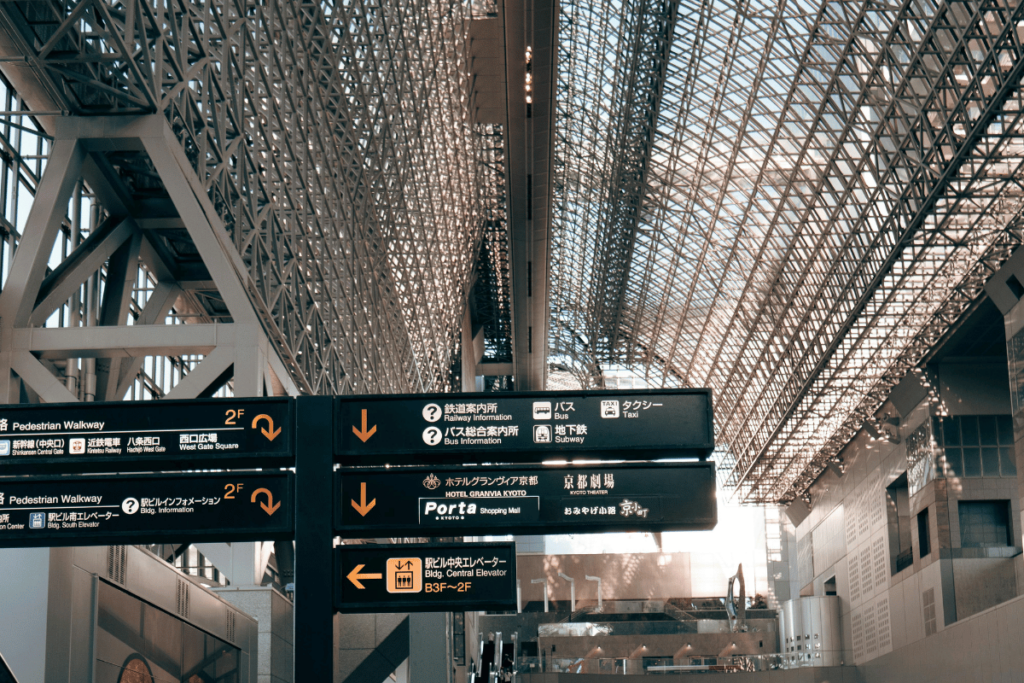
Photo: Pexels
From Tokyo to Kyoto Station
- Shinkansen (bullet train)
- Time: about 2.5 hours
- Cost: around ¥14,000*
From Osaka to Kyoto Station
- JR train
- Time: about 30 minutes
- Cost: about ¥600*
From Kansai International Airport to Kyoto Station
- JR Haruka Express
- Time: about 75 minutes
- Cost: about ¥3,000*
From Narita International Airport to Kyoto Station
- Narita Express + Shinkansen
- Time: about 3.5–4 hours
- Cost: about ¥18,000*
*Prices are subject to change. Please check the official website for up-to-date information.
Summary
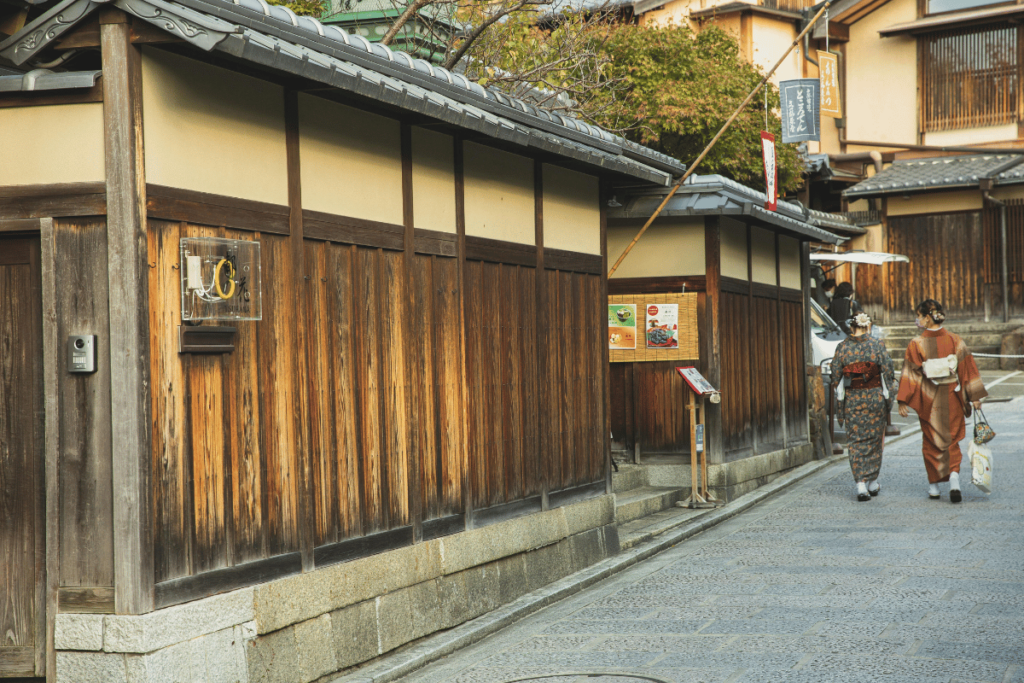
Photo: Pexels
Exploring Kyoto on foot offers a deeper and more personal way to experience the city. Walking allows you to move beyond major landmarks and discover the smaller details that make Kyoto memorable, from quiet streets to local shops and unexpected views. Each area provides a slightly different atmosphere, giving you a well-rounded sense of the city.
The routes introduced in this guide highlight the variety Kyoto has to offer. You can spend a morning wandering through historic districts, an afternoon surrounded by nature, and an evening enjoying a more traditional atmosphere. This flexibility makes walking around Kyoto suitable for almost any travel style, whether you prefer a structured plan or a more spontaneous approach.
Seasonal changes also play a big role in shaping your experience. Spring and autumn are especially popular for their scenery, but quieter seasons offer a more relaxed pace and fewer crowds. No matter when you visit, taking the time to explore on foot helps you connect more naturally with Kyoto and appreciate its unique character.
To make your trip smoother, staying connected is essential for navigation and planning. A reliable eSIM can help you explore with confidence.
Enjoy discovering Kyoto on foot and create unforgettable memories during your trip in Japan.