Introduction
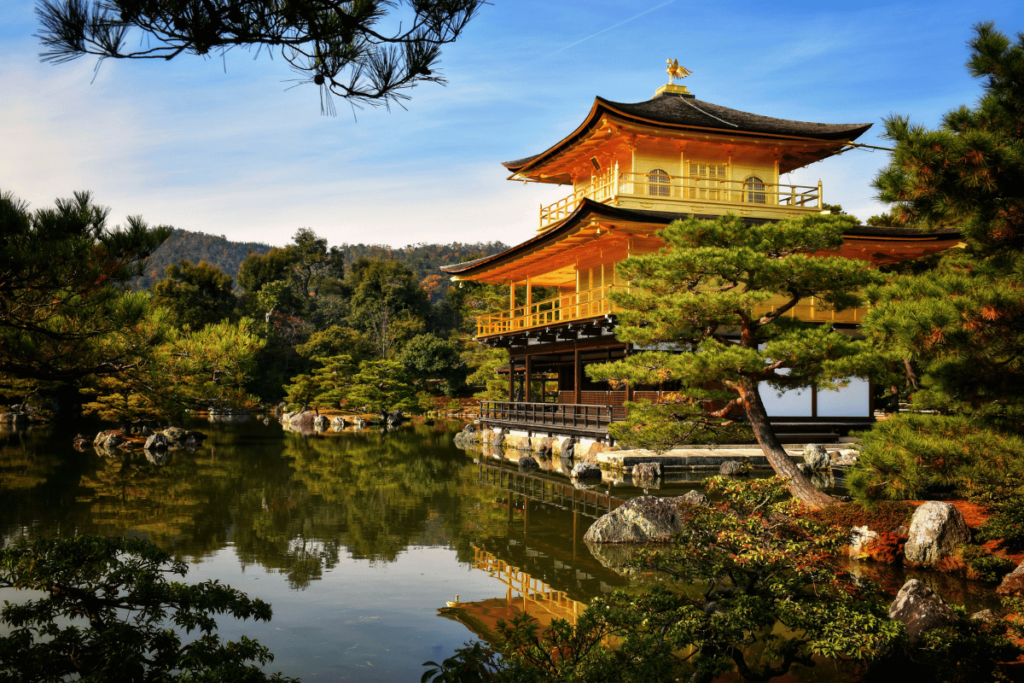
Photo: Unsplash
Planning a temple visit in Kyoto can feel overwhelming at first. With more than 1,600 temples spread across the city, it’s easy to spend too much time deciding where to go — or rushing between places without really taking anything in.
A more practical approach is to explore Kyoto by area rather than trying to see everything at once. Many of the city’s temples are grouped into distinct districts, each with their own atmosphere and pace. By focusing on one area at a time, you can reduce travel time, avoid unnecessary backtracking, and enjoy a more relaxed experience overall.
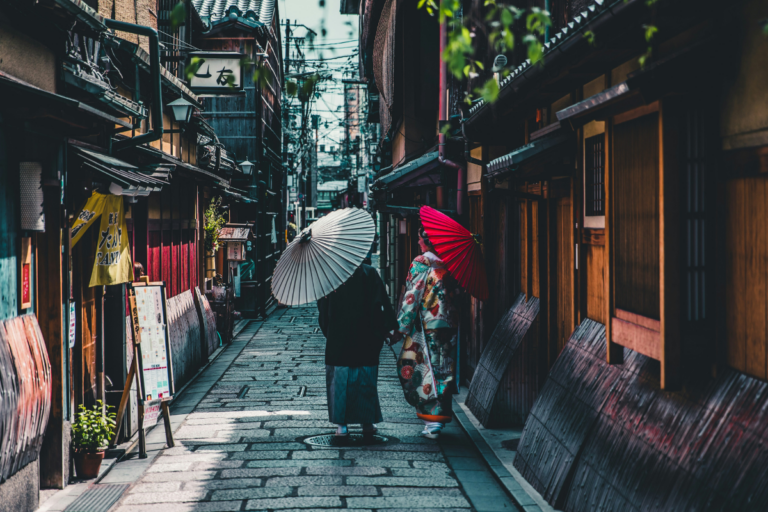
This also makes your days easier to plan. Instead of constantly checking maps or figuring out the next bus or train, you can move naturally from one place to another, often on foot. In areas like Higashiyama, some of the most memorable moments happen between the temples — walking along stone-paved streets, turning into quiet side alleys, or stopping at a small café along the way.
This guide focuses on three key areas: Eastern Kyoto (Higashiyama), Western Kyoto (Arashiyama and the northern temples), and Southern Kyoto with the city center. Each section includes a simple, easy-to-follow itinerary that reflects how people actually move through these areas, along with practical tips to help you plan your day and adjust based on your pace.
Whether you have a single day or a few days in Kyoto, this approach helps you make the most of your time without feeling rushed.
In this article you will learn:
- How to explore Kyoto’s temple districts by area with easy-to-follow routes
- How to plan your day to avoid crowds and move at a comfortable pace
- What to expect along each route, including walking time and overall flow
- Practical tips for getting around between temple areas
If you’re traveling to Japan, a Japan eSIM makes it easy to stay connected. You’ll have data right after landing, with no lines or SIM changes.
Overview of Kyoto’s Temple Districts
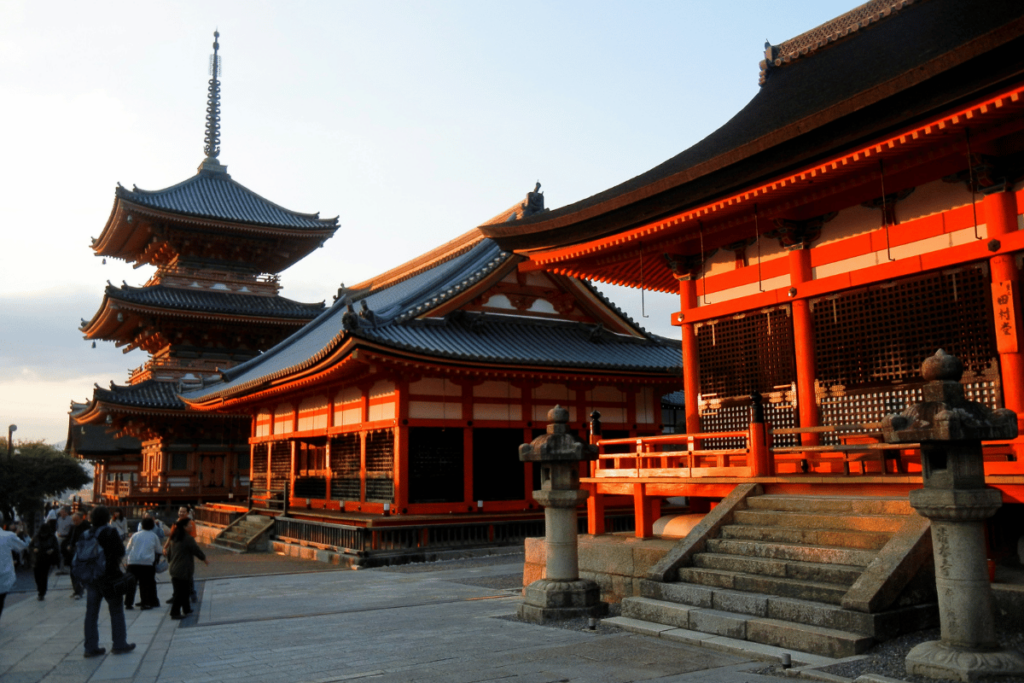
Photo: Unsplash
Kyoto served as Japan’s imperial capital for over a thousand years, and its temples are the living architecture of that history. Unlike many cities where religious sites are scattered and hard to reach, Kyoto’s temples cluster into distinct neighborhoods, making it genuinely possible to visit several in a single morning on foot. The eastern district of Higashiyama, the bamboo-lined paths of Arashiyama in the west, and the hillside temples north of the Imperial Palace each have their own character and pace.
Most of Kyoto’s major temples are connected by bus, and a one-day bus pass makes getting between areas affordable and stress-free. That said, some of the best temple experiences in the city come from simply wandering — turning down a stone-paved lane in Higashiyama and discovering a mossy garden courtyard, or following a small signpost toward a hilltop pagoda most tourists walk straight past.
The city’s temple circuit works well across different travel styles. Photographers tend to gravitate toward the early morning golden hour at Kinkaku-ji or the lantern-lit lanes of Higashiyama after sunset. History lovers often linger at Nijo Castle and the Fushimi Inari base before heading deeper into the shrine’s forest. And those simply looking to slow down will find plenty of quiet spots — a stone garden, a temple pond, a cup of matcha in a pavilion overlooking the mountains.
Key features of Kyoto’s temple districts:
- Higashiyama: A hillside district you can easily explore on foot, with stone lanes, traditional machiya townhouses, and many temples
- Arashiyama: Bamboo grove, riverside scenery, and peaceful hillside temples west of the city center
- Kinkaku-ji area: Home to the city’s most photographed landmark and several quieter garden temples nearby
- Fushimi Inari: Thousands of vermilion torii gates leading up into the forested hills south of central Kyoto
Best Things to Do on a Kyoto Temple Itinerary
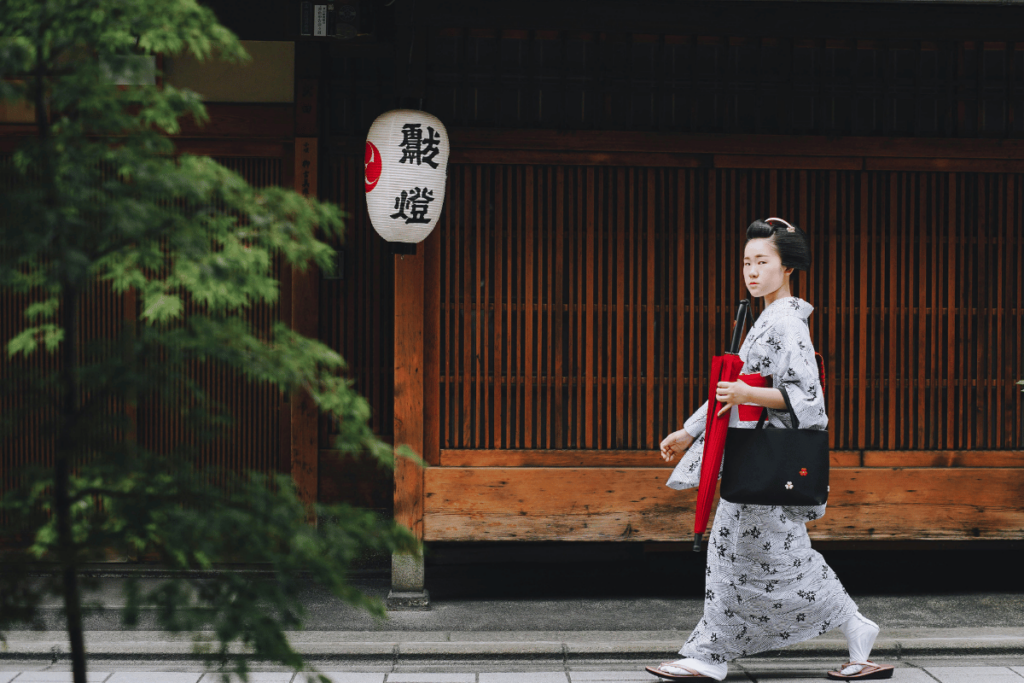
Photo: Pexels
A good temple itinerary in Kyoto isn’t just about visiting famous spots—it’s about taking your time, looking around, and slowing down.
Explore the Temple Neighborhoods on Foot
Kyoto’s best temple experiences often happen between the main gates, not just inside them. The stone-paved lanes of Higashiyama connect half a dozen major temples and a string of small shrines, craft shops, and tea houses in a single walkable stretch. In Arashiyama, crossing the Togetsukyo Bridge and heading uphill brings you to a cluster of moss gardens and hillside temples that most visitors never reach. Planning your route through neighborhoods instead of jumping between spots by taxi makes the day feel much more enjoyable.
Enjoy the Gardens and Architecture
What sets Kyoto’s temples apart from much of the world’s religious architecture is the care given to the surrounding landscape. The raked gravel gardens of Ryoan-ji, the moss-covered grounds of Saihoji, and the pond garden at Tenryu-ji are all UNESCO-recognized masterpieces of landscape design. Even smaller, less-visited temples often have a moss garden or a clipped hedge corridor that rewards a slow walk. Take time to sit in the garden areas rather than moving straight to the next site.
- Sit quietly in the rock garden at Ryoan-ji in the early morning
- Walk the garden circuit at Tenryu-ji before the tour groups arrive
- Look for the hidden sub-temples within large complexes like Daitoku-ji
Try Traditional Temple Culture
Many of Kyoto’s temples offer experiences that go beyond sightseeing. Zazen meditation sessions are usually open to visitors on weekend mornings at several Zen temples, including Kennin-ji and Shunkoin. At certain temples, you can enjoy shojin ryori, a traditional vegetarian meal. Most temples also offer goshuin stamps, hand-written calligraphy stamps that you collect in a special book—a unique Japanese tradition and a great keepsake.
Try a zazen meditation session at Kennin-ji or Shunkoin Temple
- Eat shojin ryori (traditional vegetarian meal) at a Higashiyama restaurant
- Collect goshuin stamps at each temple you visit
How to Explore Kyoto by Area
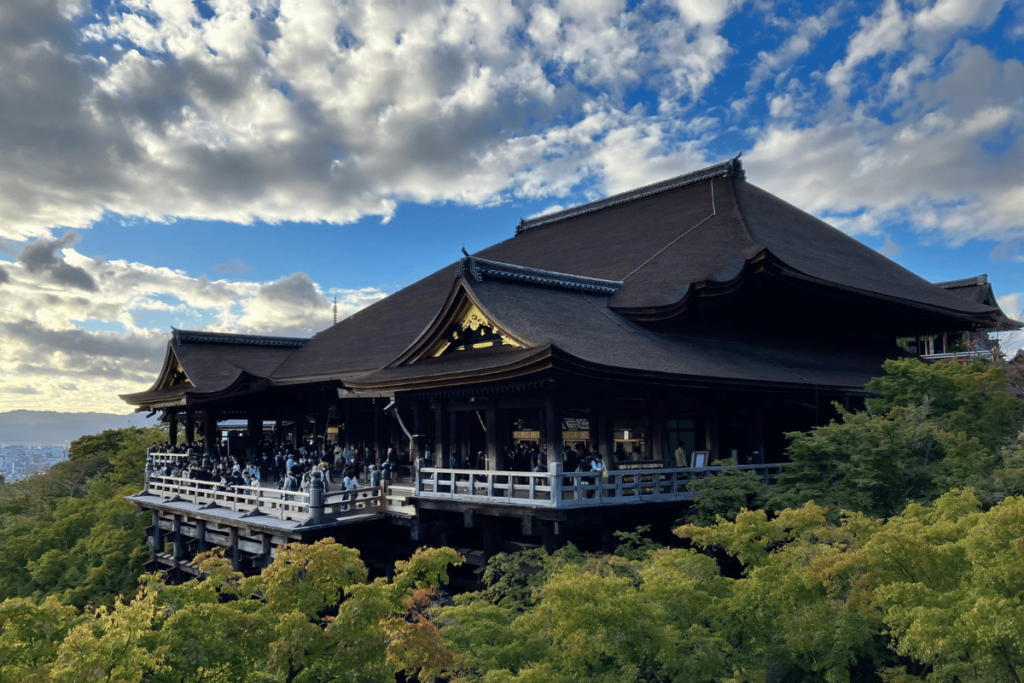
Photo: Pexels
This itinerary is divided into three main areas of Kyoto. Each one offers an easy-to-follow route you can explore at your own pace.
Eastern Kyoto (Higashiyama)
Higashiyama is one of Kyoto’s most atmospheric districts, known for its stone-paved lanes, traditional machiya townhouses, and a high concentration of temples. The area is compact and best explored on foot, making it ideal for a relaxed half-day or full-day itinerary. It’s also one of the easiest areas to navigate for first-time visitors, as most of the main sights are connected by a natural walkable path.
Sample 1-Day Itinerary in Higashiyama
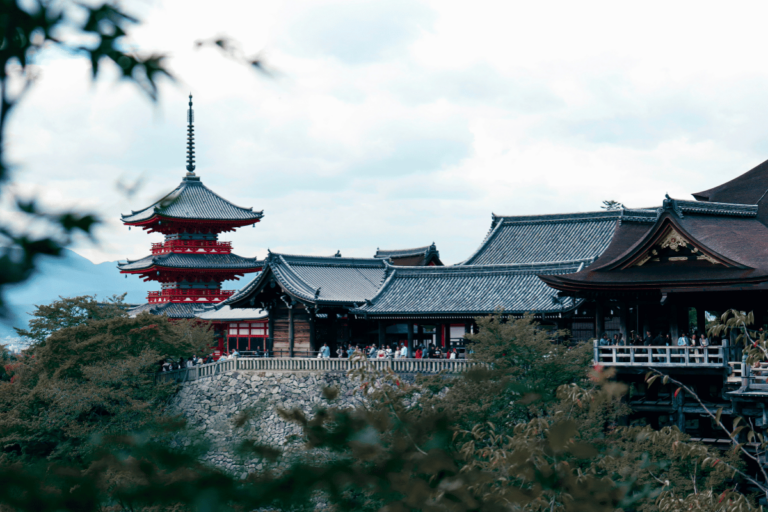
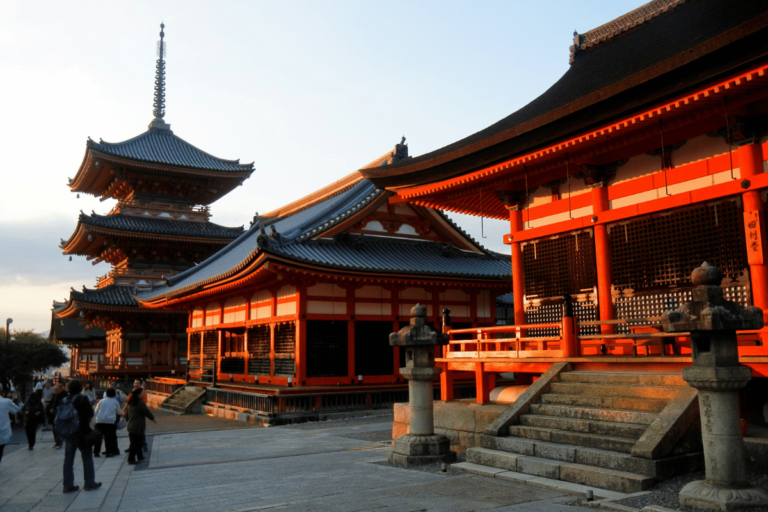
Start your morning at Kiyomizu-dera around 8:00am, when the temple grounds are still relatively quiet. Spend about an hour exploring the main hall and surrounding paths, taking in the views over the city before the crowds arrive. If you have time, walk beyond the main stage to explore smaller shrines and viewpoints, which are often less crowded.
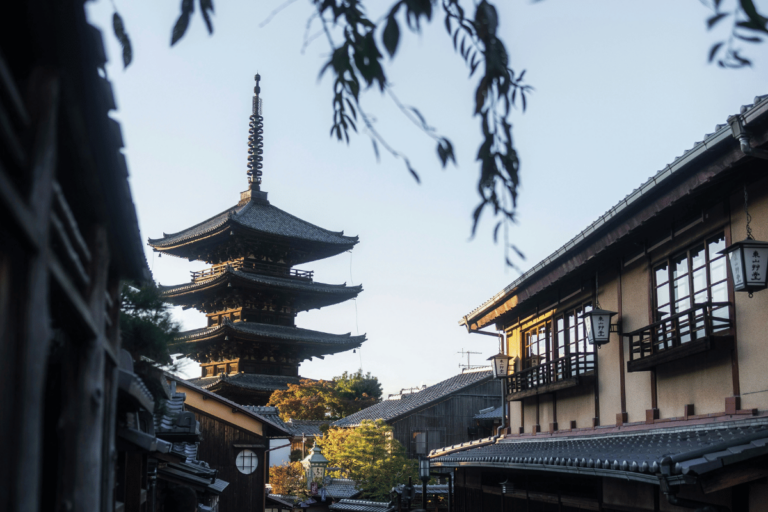
From there, walk down through Sannenzaka and Ninenzaka at a slow pace. These historic streets are lined with small shops, cafes, and traditional buildings, making them a natural transition between temple visits. Rather than walking straight through, take time to stop for a drink, browse local crafts, or simply enjoy the scenery.
By late morning, continue toward Yasaka Shrine and Maruyama Park. This area feels more open compared to the narrow streets earlier in the route and is a good place to take a short break. You’ll also find plenty of lunch options nearby, especially around Gion.
In the afternoon, explore the quieter side streets around Higashiyama or visit a smaller temple such as Kennin-ji. These places tend to be less crowded and offer a more relaxed atmosphere. If you still have energy, you can continue walking north toward additional temples, but it’s best not to overload your schedule.
Throughout the day, focus on moving at a comfortable pace. Higashiyama is less about checking off locations and more about enjoying the gradual flow between them.
Route Tips for Higashiyama
- Start early and move downhill. Beginning at Kiyomizu-dera and walking down makes the route feel more natural and less tiring.
- Stick to the main route first, then explore side streets. The smaller alleys are often quieter and just as interesting as the main paths.
When to Visit Higashiyama
Early morning is the best time to explore, especially before 9:00am. Late afternoon can also be pleasant, but the area tends to stay busy throughout the day.
Western Kyoto (Arashiyama & Kinkaku-ji)
Western Kyoto offers a mix of natural scenery and iconic temples. Arashiyama is known for its river views and bamboo groves, while the northern area around Kinkaku-ji features some of the city’s most famous Zen temples. Combining these areas into one day creates a varied itinerary, though it requires a bit more planning due to the distance between them.
Sample 1-Day Itinerary in Western Kyoto
Begin your day in Arashiyama around 8:30am and head straight to Tenryu-ji. Spend about an hour walking through the garden, paying attention to how the landscape is designed to frame the surrounding mountains. The early morning light and quieter atmosphere make a big difference here.
After visiting the temple, continue into the bamboo grove just behind it. Walk through the main path, but consider taking a few side paths if you want a quieter experience. From there, you can explore the area around the river or cross Togetsukyo Bridge for a different perspective.
Late morning is a good time to slow down, whether by stopping at a café or simply walking along the river. Around midday, begin making your way toward the Kinkaku-ji area. This transfer usually takes about an hour and may involve both train and bus, so it’s worth checking routes in advance.
In the afternoon, visit Kinkaku-ji and follow the designated path around the pond. The visit itself is relatively short, but the scenery is striking. Afterward, if time allows, continue on to Ryoan-ji. The contrast between the two sites — one visually bold, the other quiet and minimal — creates a well-balanced experience.
This itinerary works best when you keep a steady pace and allow time for the transfer between areas without rushing.
Route Tips for Western Kyoto
- Start in Arashiyama and move north to avoid backtracking and reduce travel time.
- Use public transport between areas, as walking between Arashiyama and Kinkaku-ji is not practical.
When to Visit Western Kyoto
Arashiyama is best visited early in the morning, ideally before 9:00am. Kinkaku-ji tends to be busy throughout the day, but visiting later in the afternoon can feel slightly less crowded.
Southern Kyoto & City Center
Southern Kyoto offers one of the most unique experiences in the city, centered around Fushimi Inari Taisha and its famous torii gate paths. This area works well as a half-day itinerary and can be combined with a flexible plan in the city center afterward. Compared to other temple areas, the focus here is more on the walking experience itself.
Sample Half-Day Itinerary in Southern Kyoto
Start your visit at Fushimi Inari Taisha early in the morning, ideally around sunrise or before 8:00am. Enter through the main shrine area and begin walking along the torii gate path as it gradually leads up the mountain.
The path is clearly marked, and you can walk at your own pace. After the first section, the crowds begin to thin out, and the atmosphere becomes quieter. Many visitors choose to turn back at the halfway point, which usually takes about 1.5 to 2 hours in total, but you can go further if you’re comfortable with a longer hike.
Along the way, you’ll find small rest areas, viewpoints, and side paths that offer short breaks from the main trail. Take advantage of these to pace yourself, especially in warmer weather.
After descending, you can explore the area around the base or head back toward central Kyoto. This is a good time to shift to a more relaxed pace — having a meal, browsing shops, or simply walking through the city without a strict plan.
Route Tips for Southern Kyoto
- Visit early or late to avoid peak crowds near the entrance.
- Decide in advance how far you want to walk, as the full route can take several hours.
When to Visit Southern Kyoto
Early morning or late evening offers the best experience. Midday is the busiest time, especially at the lower sections of the trail.
Travel Tips for Visiting Kyoto’s Temples
Photo: Pexels
- Arrive early: Most temples open between 8:30am and 9am, and the first 30–60 minutes before the tour groups arrive are by far the most peaceful. This is especially true at Kiyomizu-dera, Kinkaku-ji, and Tenryu-ji.
- Get a bus pass: Kyoto’s city buses reach almost every major temple, and a one-day or two-day pass makes unlimited journeys affordable. The 100 and 101 series tourist buses are designed specifically for temple-hopping routes.
- Wear comfortable shoes: The stone-paved lanes of Higashiyama and the uphill paths at Fushimi Inari involve more walking than they might appear on a map. Good shoes make a significant difference, particularly if you’re visiting multiple sites in a day.
- Dress respectfully: While most Kyoto temples don’t have strict dress codes, covering shoulders and knees is considered respectful inside main halls. Many temples provide printed floor plans in English — pick one up at the entrance gate.
- Plan your route by neighborhood: Rather than jumping between temples on opposite sides of the city, plan your day around one district — Higashiyama, Arashiyama, or the northern temples — to minimize transit time and see each area at a leisurely pace.
How to Get to Kyoto
Photo: Pexels
From Tokyo to Kyoto Station
- Shinkansen (bullet train)
- Time: about 2.5 hours
- Cost: around ¥14,000*
From Osaka to Kyoto Station
- JR train
- Time: about 30 minutes
- Cost: about ¥600*
From Kansai International Airport to Kyoto Station
- JR Haruka Express
- Time: about 75 minutes
- Cost: about ¥3,000*
From Narita International Airport to Kyoto Station
- Narita Express + Shinkansen
- Time: about 3.5–4 hours
- Cost: about ¥18,000*
*Prices are subject to change. Please check the official website for up-to-date information.
Summary
A well-planned Kyoto temple itinerary isn’t about trying to visit as many places as possible. It’s about choosing a few areas, following a simple route, and giving yourself enough time to enjoy each stop without feeling rushed.
By focusing on districts like Higashiyama, Arashiyama, and the southern part of the city, you can explore Kyoto in a more natural and efficient way. Each area has its own character — from the historic streets and hillside temples of Higashiyama to the open landscapes of Arashiyama and the unique walking experience at Fushimi Inari. Moving through one area at a time allows the day to flow more smoothly and reduces the need for constant planning or long transfers.
It’s also worth remembering that some of the best moments happen between the main sights. Walking along a quiet street, stepping into a small temple, or taking a break at a local café can often be just as memorable as the major landmarks themselves. Leaving space in your schedule for these moments makes a big difference.
Start your days early when possible, keep your plans flexible, and adjust based on your energy and interests. Even a simple itinerary can turn into a rewarding experience when you slow down and take your time.
Before you set off on your temple circuit, make sure you have reliable mobile data for maps, transit apps, and looking up opening hours on the go. A Japan eSIM sets you up from the moment you land, with no hardware to carry or return.
Enjoy discovering Kyoto’s temples and create unforgettable memories during your trip to Japan.