Introduction
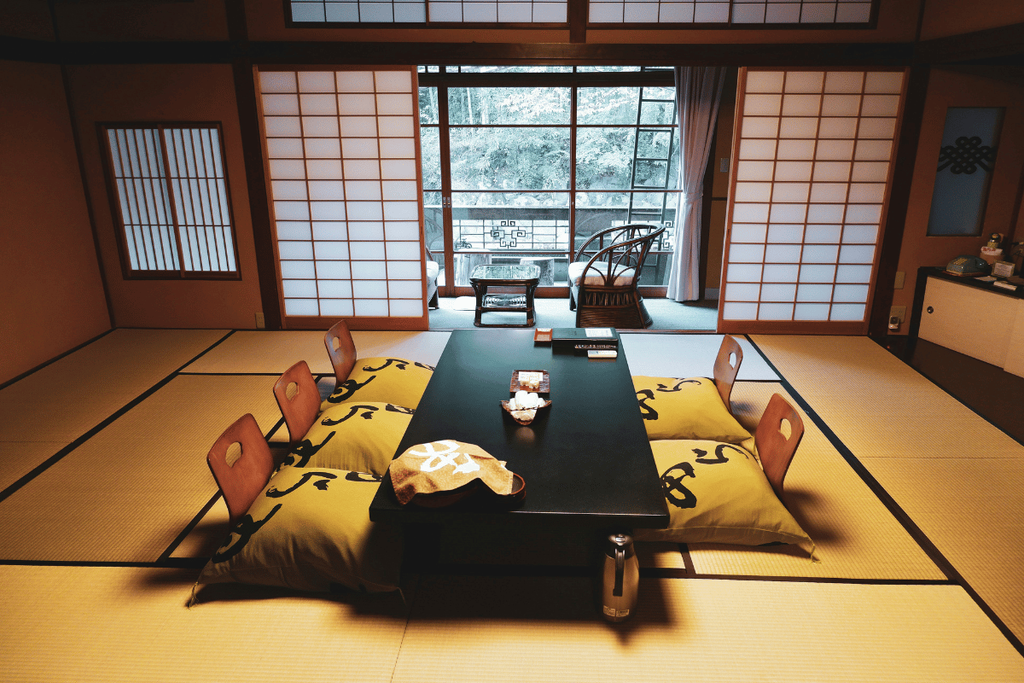
Photo: Unsplash
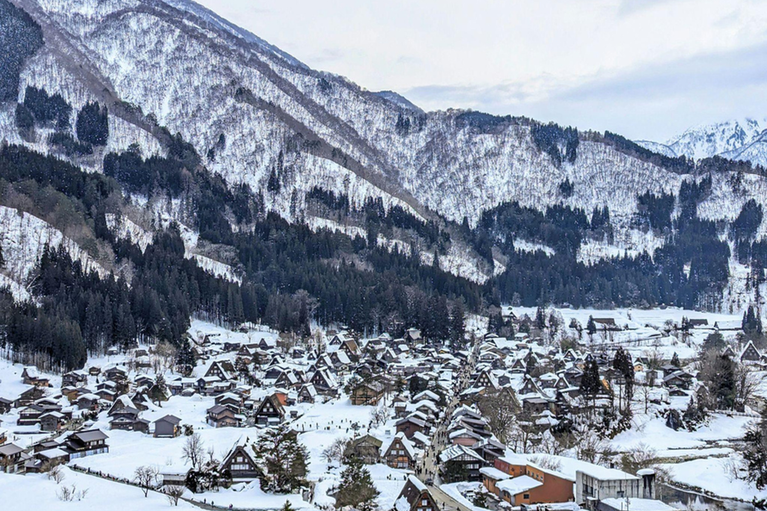
If you’re planning a trip to Japan, after choosing where to go, one of the first decisions you’ll need to make is where to stay. And at some point, you’ll probably come across this question: should I book a hotel or a ryokan? At first glance, it might seem like a simple choice — modern versus traditional style. But once you look a little closer, the difference goes beyond just the style of the room. Each offers a completely different experience, and understanding what sets them apart can shape how your trip feels day to day. Here’s a simple guide to help you decide which one fits your travel style — or whether you might want to try both.
For many travelers, the decision isn’t always obvious at first. You might start by looking at the location or price, only to realize that the type of accommodation can shape your entire experience in ways you didn’t expect. Where you stay doesn’t just affect how you sleep — it changes how you spend your evenings, how you start your mornings, and even how fast or slow your trip feels overall.
A hotel stay often blends into the background, giving you a comfortable base while you focus on exploring the city. A ryokan stay, on the other hand, tends to become a highlight in itself. It invites you to slow down, be present, and experience a different side of Japan that you might not notice when you’re moving quickly from place to place.
Because of that, choosing between the two isn’t just a practical decision — it’s also about the kind of memories you want to create.
The Basic Difference Between Hotels and Ryokan
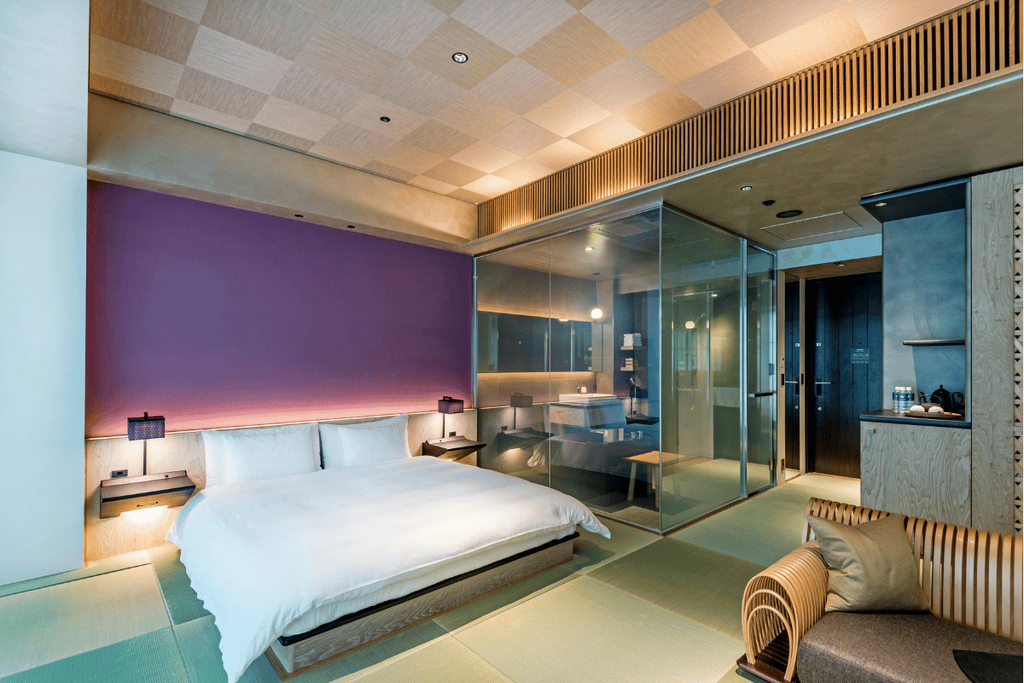
Photo: Pexels
The easiest way to think about it is this: hotels are similar to what you’ll find anywhere in the world, while ryokan are traditional Japanese style hotels built around experience and hospitality. Hotels in Japan range from compact business hotels to high-end international chains, and they’re known for being clean, efficient, and reliable. Ryokan, on the other hand, focuses less on convenience and more on creating a memorable stay. It’s not just a place to sleep — it’s a space designed to slow you down and immerse you in a different rhythm.
This difference in purpose is what shapes everything else, from the layout of the room to how your evening unfolds. Once you understand that, the choice becomes less about “which is better” and more about what kind of experience you want at that moment in your trip.
What the Stay Feels Like
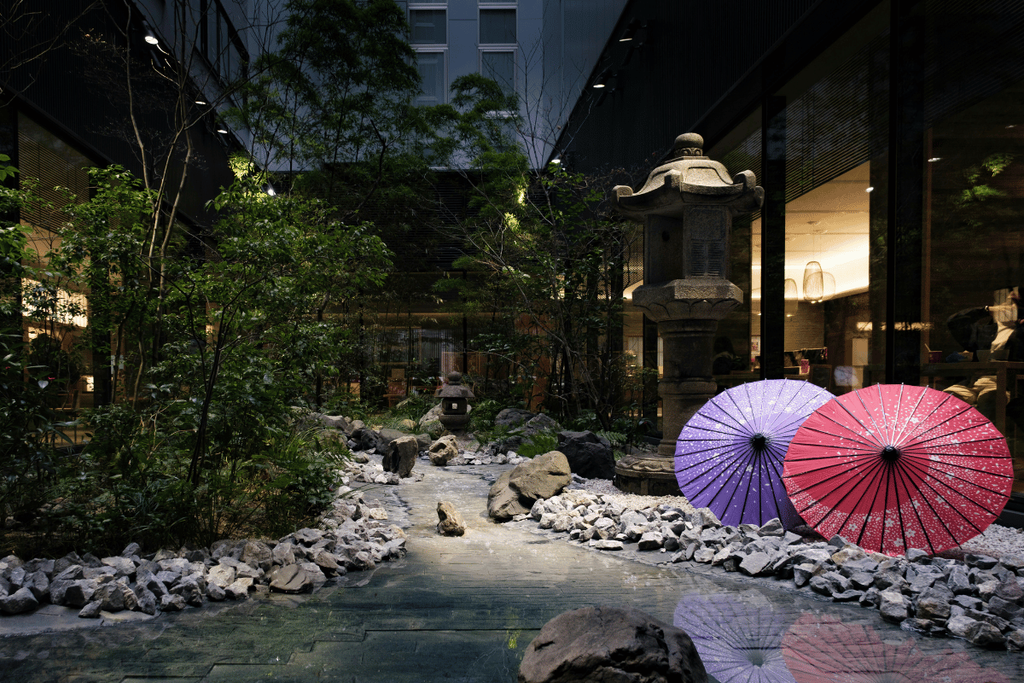
Photo: Unsplash
Hotels: Simple, Efficient, and Flexible
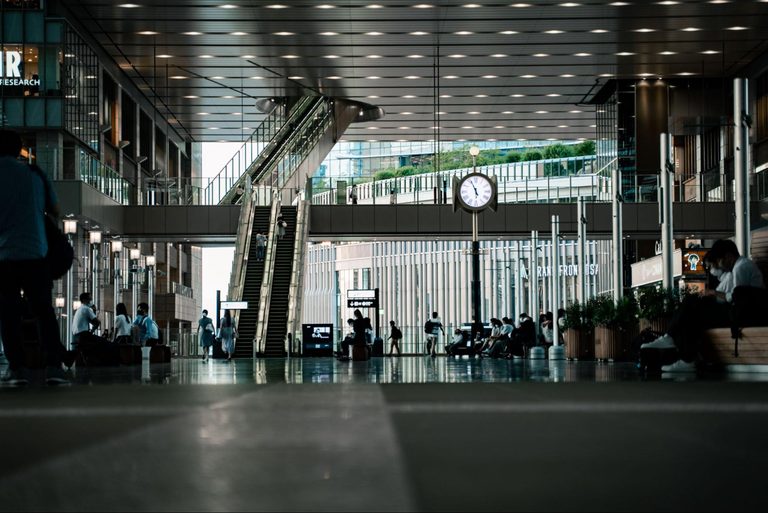
If you choose a hotel, the experience will feel familiar. Rooms usually include a Western-style bed, a private bathroom, and all the essentials like towels, toiletries, and sleepwear. Even smaller rooms are thoughtfully designed, with clever use of space that makes short stays comfortable. You’ll likely have a desk, TV, air conditioning, and sometimes extras like a mini fridge or kettle.
Hotels are built around flexibility. You can check in late, head out early, and structure your day however you like. Many offer 24-hour front desks, luggage forwarding services, and coin laundry, which can be especially useful if you’re moving between cities. For travelers who plan to spend most of their time exploring, this kind of setup makes things easy.
Ryokan: Slower, More Personal, and Experience-Focused
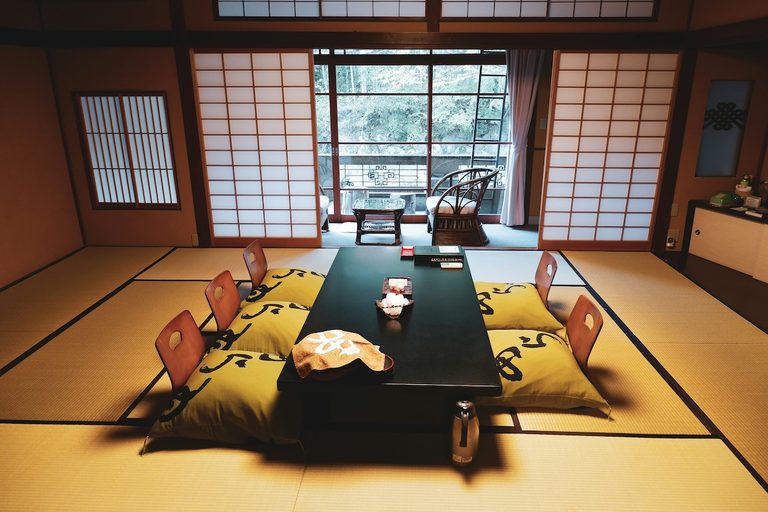
Staying at a ryokan feels completely different from the moment you arrive. You’ll usually take off your shoes at the entrance, step onto tatami flooring, and enter a space that feels calm and uncluttered. Rooms are minimal, often with sliding doors, a low table, and open space that changes function throughout the day. In the evening, futons are laid out for sleeping, transforming the room into a bedroom.
What really stands out is the level of attention. Staff often guide you through the stay, explain the schedule, and make sure everything is set up for you. The service feels more personal and less transactional. Rather than simply providing a room, a ryokan creates a flow — from check-in, to dinner, to bathing, to rest.
Meals, Space, and Facilities
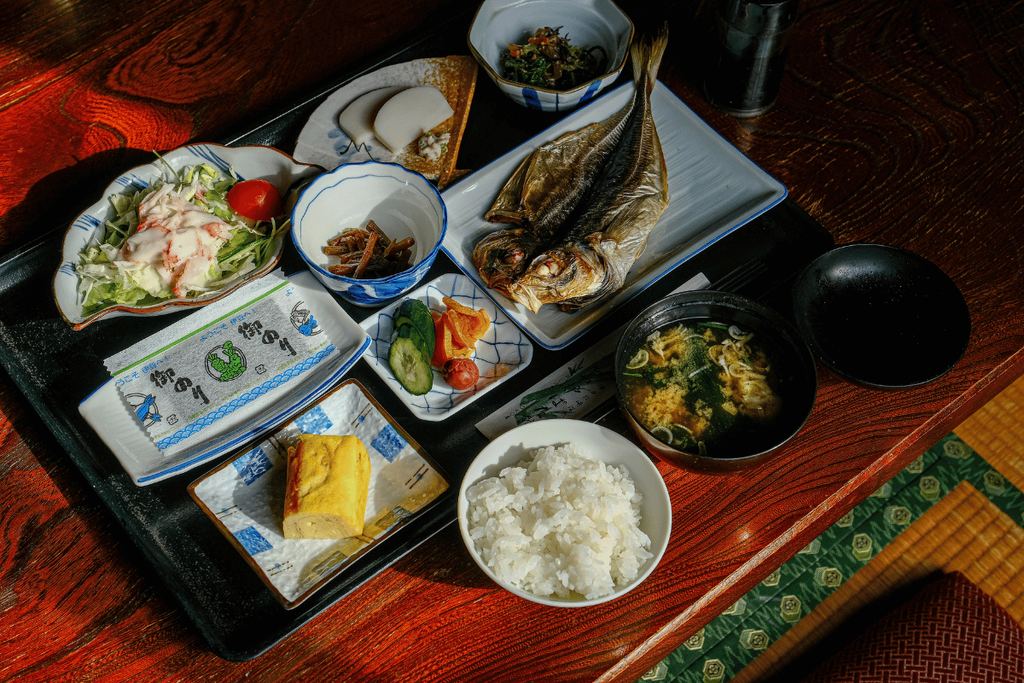
Photo: Unsplash
Meals: Optional vs Part of the Experience
One of the biggest differences between hotels and ryokan is how meals are handled. At hotels, food is optional. You might add breakfast, or you might eat out every meal — the choice is yours. This works well if you want to explore local restaurants or keep your schedule flexible.
At a ryokan, meals are often included and are a central part of the stay. Dinner is typically a multi-course meal known as kaiseki, featuring seasonal ingredients prepared in small, carefully presented dishes. Breakfast is also included and tends to be just as thoughtfully arranged, often with a mix of rice, fish, soup, and small side dishes.
Meals may be served in your room or in a dedicated dining space. Either way, they’re designed to be enjoyed slowly. For many travelers, this becomes one of the most memorable parts of staying at a ryokan.
Space and Sleeping Style
Hotels prioritize efficiency, especially in cities where space is limited. Even so, the layout is practical and comfortable, and you’ll have everything you need within reach. Beds are familiar, and the setup is easy to settle into after a long day.
Ryokan rooms feel more flexible. Because there’s less fixed furniture, the space can shift depending on the time of day. Sitting, eating, and sleeping all happen in the same room, but in different ways. Sleeping on a futon might feel unusual at first, but many people find it comfortable once they adjust.
Bathrooms and Onsen
Bathrooms in hotels are almost always private and located inside your room. They’re compact but well-equipped, often combining a bathtub and shower in one space.
In ryokan, the setup can vary. Some rooms have private bathrooms, while others rely on shared facilities. Many ryokan also have large communal baths or onsen, which are an important part of the experience. Washing is done before entering the shared bath, and the space is meant for relaxing rather than cleaning yourself.
Trying an onsen for the first time can feel unfamiliar, but it’s often one of the highlights of the stay. It adds another layer to the experience that you won’t get in a standard hotel.
Flexibility, Schedule, and Price
Photo: Pexels
Flexibility vs Structure
Hotels give you full control over your schedule. You can come and go freely, eat whenever you like, and adjust your plans as you go. This works well if your itinerary is packed or if you prefer a more spontaneous style of travel.
Ryokan follows a more structured rhythm. Check-in times are often earlier, and dinner is usually served at a fixed time. Staff may prepare your futon while you’re out, and there’s a natural flow to how the evening unfolds. It’s not restrictive, but it does encourage you to slow down and be present.
Price and What You’re Paying For
Hotels vary widely in price, from budget-friendly options to luxury stays. You can usually adjust your spending depending on location and comfort level.
Ryokan tend to be more expensive, especially when meals are included. However, the price often covers not just the room, but dinner, breakfast, and a higher level of service. When you think of it as a full experience rather than just accommodation, the cost starts to make more sense.
When to Choose Each Option
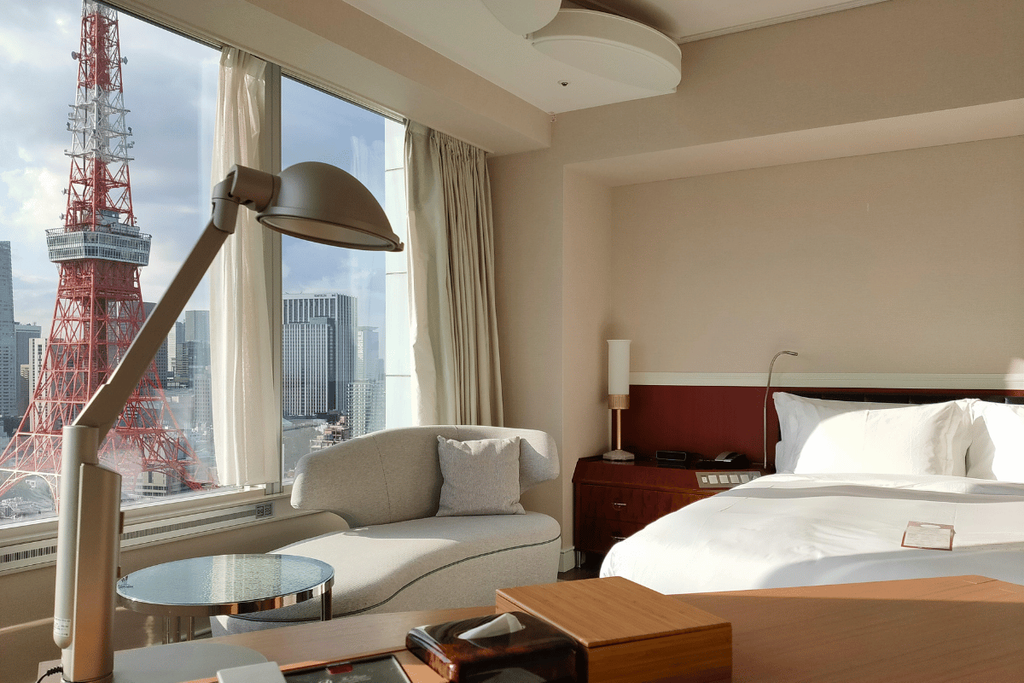
Photo: Pexels
A hotel is usually the better choice if you’re staying in a city, planning to be out most of the day, or prefer flexibility. It’s also a good option if you’re traveling on a tighter budget or simply want something familiar and easy. For shorter stays or trips with a lot of movement between locations, hotels keep things simple and convenient.
A ryokan, on the other hand, is ideal when you want to slow down and experience something more traditional. It works especially well for a quieter night in your itinerary, or when you’re staying somewhere scenic. If you’re interested in Japanese food, hospitality, and a more relaxed pace, a ryokan can add something unique to your trip that goes beyond sightseeing.
Why Many Travelers Choose Both
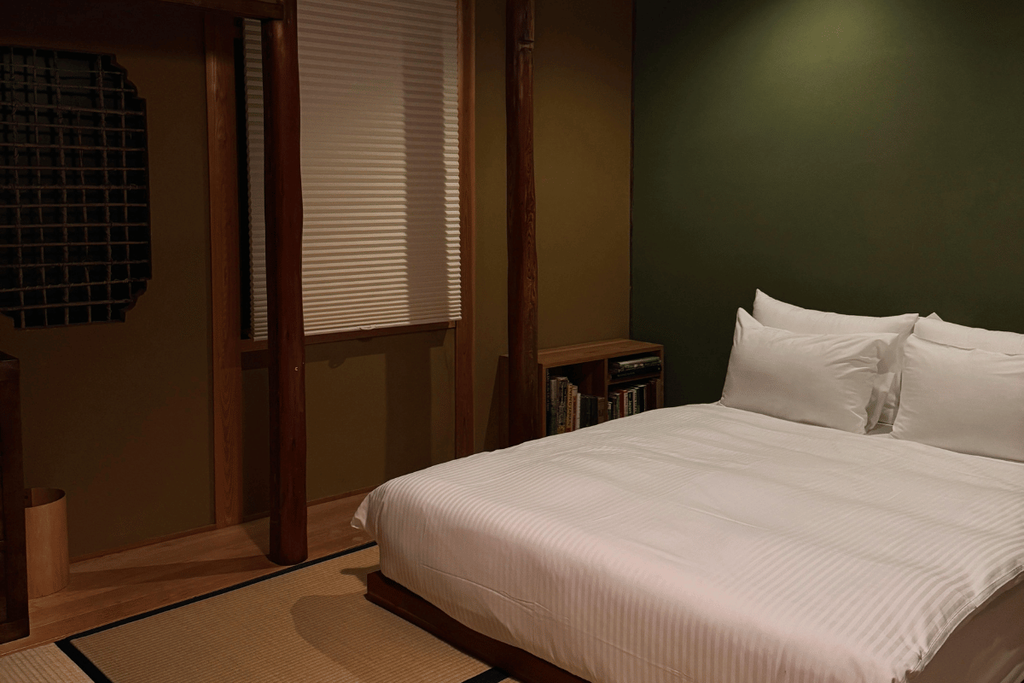
Photo: Pexels
If you’re unsure which to pick, you don’t have to choose just one. Many travelers combine both styles during their trip, staying in hotels for convenience and spending one or two nights at a ryokan for the experience. This approach creates a natural balance between movement and rest, allowing you to explore actively while still making space to slow down.
It also makes it easier to match your stay with your energy levels. After a few busy days of sightseeing, a ryokan stay can feel like a reset — a chance to unwind, enjoy a proper meal, and take a break from constantly being on the move. On the other hand, hotels are ideal when your schedule is packed and you just need a comfortable, reliable place to sleep.
You don’t need every night to be the same. Mixing a few nights of convenience with one or two nights of a more immersive experience often leads to a more memorable overall trip.
Common First-Time Mistakes to Avoid
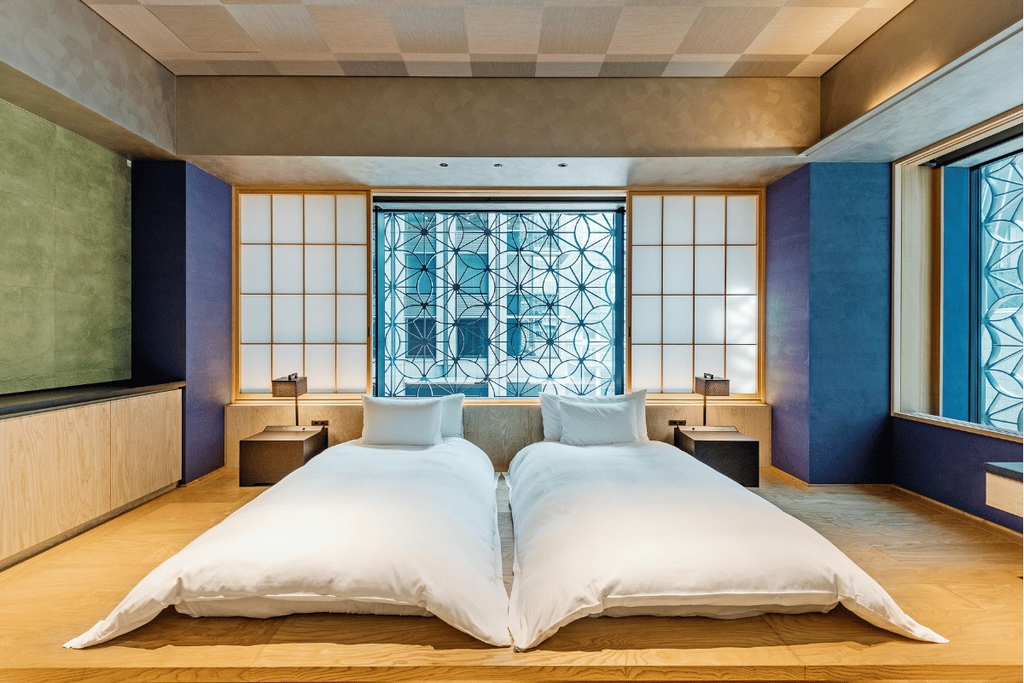
Photo: Pexels
One common mistake is booking a ryokan without realizing how structured the experience is. Arriving late or missing dinner time can affect the flow of your stay, so it’s worth planning your arrival carefully. Checking the schedule in advance helps avoid unnecessary stress.
Another mistake is assuming all ryokan are the same. Some are very traditional, while others blend modern comfort with traditional elements. Reading the details before booking can help you find one that matches your expectations and comfort level.
With hotels, the main thing to watch for is room size. In major cities, rooms can be smaller than expected, so checking the dimensions in advance can help you avoid surprises. Even a small upgrade in room size can make a noticeable difference, especially if you’re traveling with luggage.
Summary
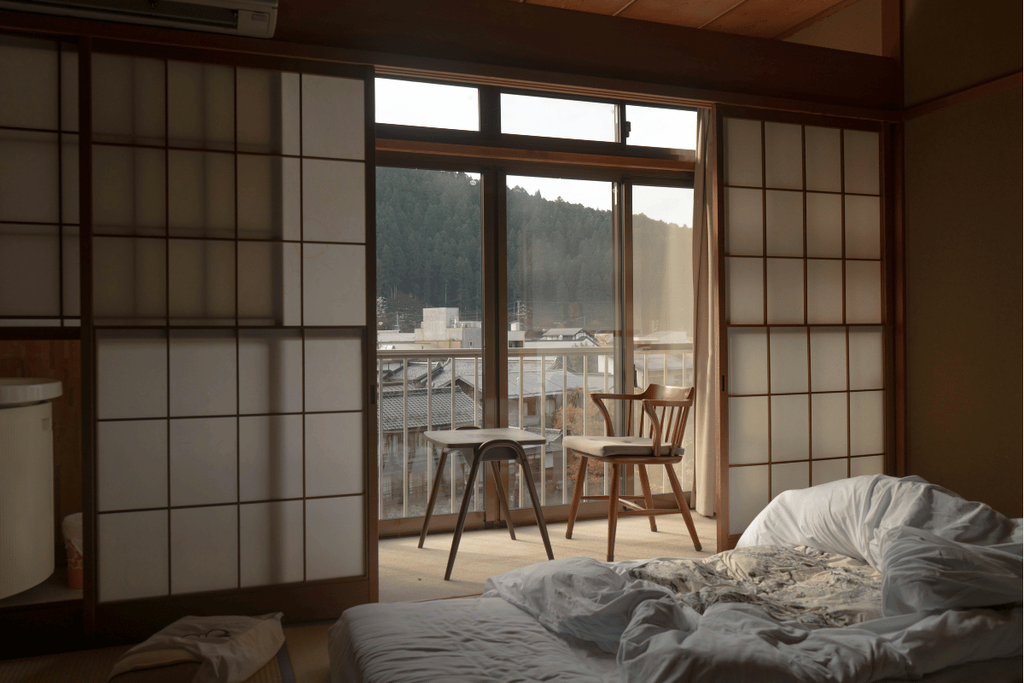
Photo: Pexels
Choosing between a hotel and a ryokan isn’t just about where you sleep — it shapes how you experience your time in Japan. Hotels are practical, flexible, and easy to fit into a busy itinerary, while ryokan are slower, more immersive, and designed to be part of the journey itself.
Neither option is better than the other. It really depends on what kind of experience you’re looking for at that point in your trip. If you have the chance, trying both can give you a more complete picture of what staying in Japan feels like.
Don’t overthink the decision too much. Even choosing one thoughtfully will add something meaningful to your trip.
Don’t forget to stay connected during your trip with a Japan eSIM — it makes navigating, checking routes, and finding nearby spots much easier while you’re on the go.
Have a great trip, and enjoy finding the stay that fits your travel style best.