 Photo: Unsplash
Introduction
The best things to do in Japan in winter include snow activities, hot springs, and visits to traditional villages.
Snow covers mountain roads, traditional houses, forests, and hot spring towns. Cold air makes an outdoor onsen feel even better. Some places feel quieter in winter, although ski resorts and special event dates can still be busy.
For first-time visitors, the difficult part is deciding where to go. Japan’s best-known winter destinations are spread across different regions. A route that looks simple on a map may involve several trains, buses, and hotel changes.
Zao Onsen in Yamagata and Shirakawa-go in Gifu offer two very different winter experiences.
Zao Onsen suits travelers who want skiing, mountain scenery, frost-covered trees, and hot springs. Shirakawa-go suits visitors who want traditional architecture, snowy village views, and a slower cultural experience.
Both places can work well in a winter itinerary, but they serve different interests and are not close together. Trying to cover them within a short trip can create more travel than sightseeing.
By the end of this guide, you will know which destination fits your trip. You will also know how much time to allow and how to handle winter transport, clothing, luggage, and onsen visits.
Maps, bus times, weather reports, and opening hours may need checking several times each day. Having mobile data makes these small checks easier, especially in mountain areas. You can prepare mobile data before departure through Japan eSIM.
From my experience as a tour conductor, winter trips work best with fewer transfers and enough spare time. With snow all around,the fastest route on paper is not always the easiest route.
Overview
Zao Onsen and Shirakawa-go show two different sides of winter in Japan.
Zao Onsen is a mountain resort in Yamagata Prefecture. Visitors come for skiing, snowboarding, hot springs, and the famous frost-covered trees known as juhyo.
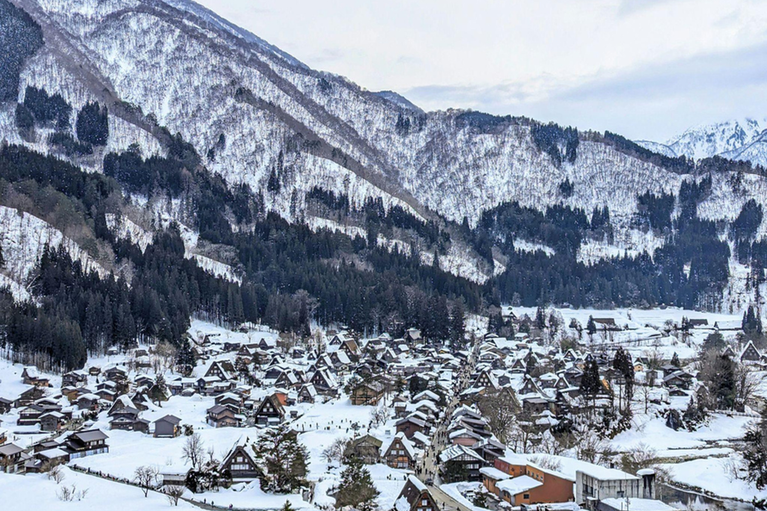
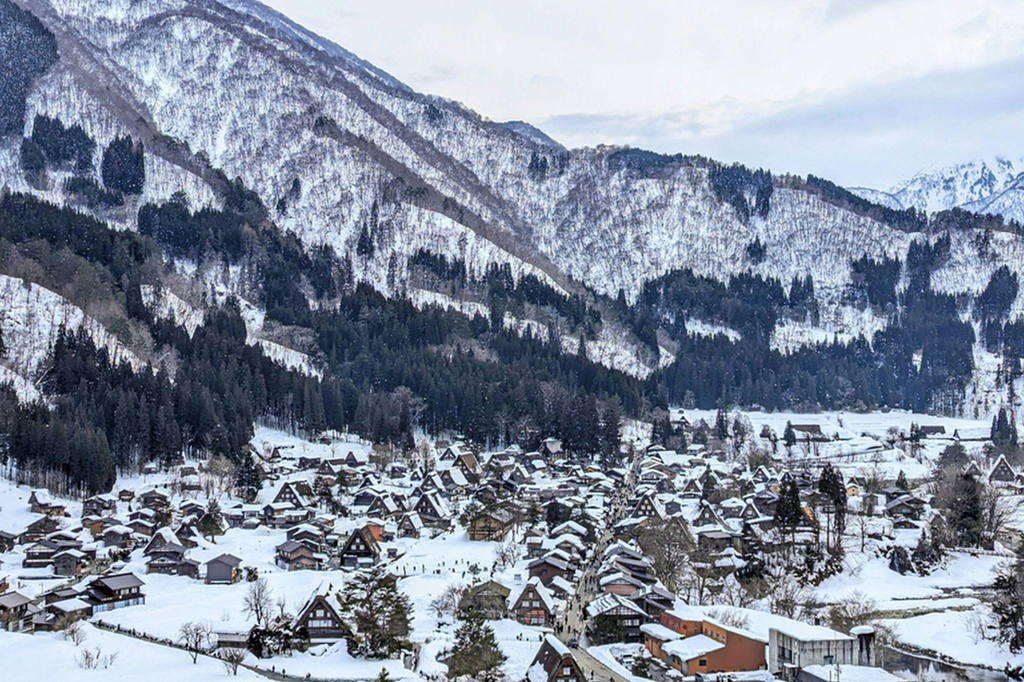
Shirakawa-go is a historic village in Gifu Prefecture. Its steep, thatched gassho-zukuri roofs are strongly connected with the region’s heavy snowfall and traditional way of life.
Choose Zao Onsen when you want an active stay with several experiences in one base. A two-night or three-night visit gives you time for the ropeway, skiing, an onsen, and weather changes.
Choose Shirakawa-go when snowy scenery and traditional architecture are the main reasons for your visit. The village can be seen on a day trip, although winter walking takes longer than many maps suggest.
Zao Onsen fits naturally into a Tokyo or Tohoku route. Shirakawa-go is easier to combine with Takayama, Kanazawa, Nagoya, Kyoto, or Osaka.
You do not need to visit both during the same journey. For a trip lasting seven days or less, choosing one usually creates a more comfortable schedule.
If your trip is longer, you can include both with a travel day between them. Avoid placing them on consecutive rushed day trips.
Winter daylight is shorter than summer daylight. Outdoor plans work better in the morning and early afternoon. Warm meals, baths, and short town walks can fill the evening.
How to Choose Between Zao Onsen and Shirakawa-go
Choose Zao Onsen for Snow Activities and Onsen
Zao Onsen works best when winter activities are a major part of your trip.
You can stay in one town and combine the ski area, ropeway, frost-covered trees, restaurants, and hot spring baths. This reduces the need to change hotels or carry luggage every day.
A two-night stay gives you one main activity day. Three nights give you more flexibility if visibility is poor or strong winds affect mountain activities.
Zao can work for first-time skiers because rental equipment, lessons, and beginner areas are available. Check lesson languages, age limits, and operating dates before booking. Travelers who do not ski can still use the ropeway, walk through the town, enjoy local food, and visit an onsen.
The destination also suits couples and families who want both active time and quiet evenings.
Zao may not suit a very short itinerary. Reaching the town takes time, and mountain weather may affect plans. It is better treated as a main destination than a quick stop.
Choose Shirakawa-go for Traditional Winter Scenery
Shirakawa-go is a better choice when traditional scenery matters more than snow sports.
The main village is walkable, but snow changes the pace. Icy paths, photographs, lunch, and indoor house visits can turn a short route into a half-day experience.
Allow around two to three hours for the main village. Plan three to five hours when adding lunch, a house visit, and the viewpoint.
Most visitors arrive by highway bus. This makes the return time important. Confirm your bus stop and departure time before starting the village walk.
An overnight stay offers a quieter atmosphere before and after the day-trip crowds. However, accommodation is limited and should be reserved early.
Shirakawa-go works especially well with a stay in Takayama or Kanazawa. It can also fit into a route between central Japan and Kyoto or Osaka.
Can You Visit Both?
You can visit both destinations, but they should not be treated as nearby attractions.
A practical order may be:
- Tokyo
- Zao Onsen
- One travel day
- Kanazawa or Takayama
- Shirakawa-go
- Kyoto or Osaka
Avoid changing hotels every night. Use a major city as a base when possible.
Luggage forwarding can also help. Send your large suitcase between major hotels and carry a smaller bag for the mountain portion.
This route works better with ten days or more. With fewer days, choose the destination that matches your main winter interest.
Best Time to Visit
December
December brings early winter conditions to many mountain areas.
Zao may begin its ski season during this period, but snow depth and available courses can vary. Shirakawa-go may have snow, but the classic snow-covered village scenery is not guaranteed in December.
Late December can be busy. Domestic travel increases around New Year, and transport and accommodation may be fully booked.
Some restaurants, museums, and smaller businesses may also use special holiday hours.
December suits visitors who want an early winter trip and are comfortable checking current snow conditions before departure.
January
January often brings harsher winter conditions to both areas, although snowfall and visibility vary each year.
Zao is usually in its main winter season by January. The juhyo may become larger during this period, depending on wind, snow, and temperature. Shirakawa-go may also have deep snow around its roofs and paths.
The first days of January can be crowded because of New Year travel. Mid-January may offer a calmer period.
This is one of the coldest times to visit. Waterproof shoes, warm layers, gloves, and flexible plans are important.
February
February is another strong month for snow scenery.
Zao’s frost-covered trees are often a main attraction during this period, although their appearance depends on weather and natural conditions.
Shirakawa-go’s winter light-up is held only on selected dates. Recent events have required advance reservations, and visitors without the required booking could not enter. Check the official rules for the year of your visit before booking transport or accommodation.
Accommodation and transport can be hard to book around popular winter dates. Reserve the fixed parts of the trip before planning smaller activities.
Early March
Early March may still offer snow in mountain areas.
City weather is often milder, which can suit travelers who want a winter destination without spending the whole trip in severe cold.
Snow quality and village scenery become less predictable as the season changes. Check current conditions before departure.
Best Things to Do in Zao Onsen
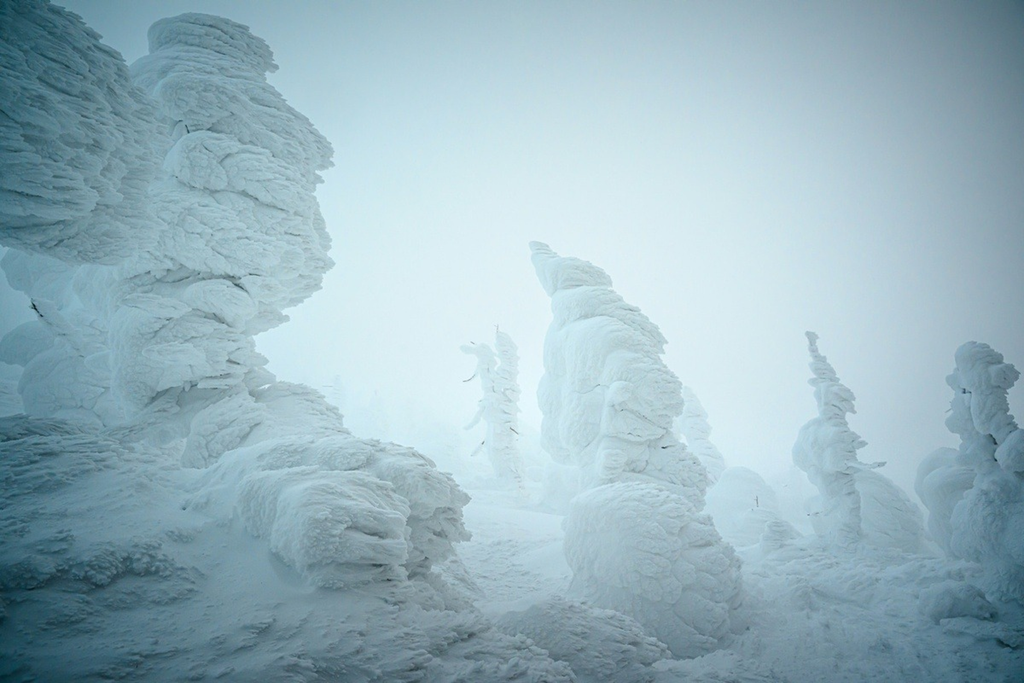
 Photo: Unsplash
See the Juhyo From the Ropeway
The frost-covered trees are Zao’s most distinctive winter sight.
Cold wind carries moisture across the mountain. Snow and ice build around the trees, creating large white shapes that are often called snow monsters.
Visitors commonly reach the viewing area by Zao Ropeway. The upper route may be affected by wind, visibility, maintenance, or other mountain conditions.
Allow two or three hours for the ropeway visit. Use the clearest weather window during your stay, and avoid saving the ropeway for your final hour.
The upper mountain can feel much colder than Zao Onsen town. Wear a windproof outer layer, gloves, warm socks, and a hat that will not blow away easily.
Keep your phone inside a warm pocket between photographs. Cold temperatures can reduce battery life.
A power bank is useful, but keep it warm to preserve its charge. Save your return bus information and hotel address offline before going uphill.
After the ropeway, return to the town for lunch or an onsen. This creates a natural warm break after the coldest part of the day.
Ski or Snowboard at Zao Onsen Ski Resort
Zao has a large ski area with access from the onsen town. Visitors can combine winter sports with hot springs, dining, shopping, and mountain sightseeing.
Beginners should keep the first session simple. Choose one rental shop, one lesson, and one beginner area instead of trying to explore the entire mountain.
Arrive early, rental fitting takes time. Boots, clothing, helmets, skis, and snowboards all need checking.
A half-day session can be enough for someone skiing for the first time. More experienced travelers may prefer a full day, followed by another day in a different part of the resort.
Do not schedule a full ski day after arriving late in the afternoon. Travel delays, hotel check-in, and equipment rental can leave little useful time.
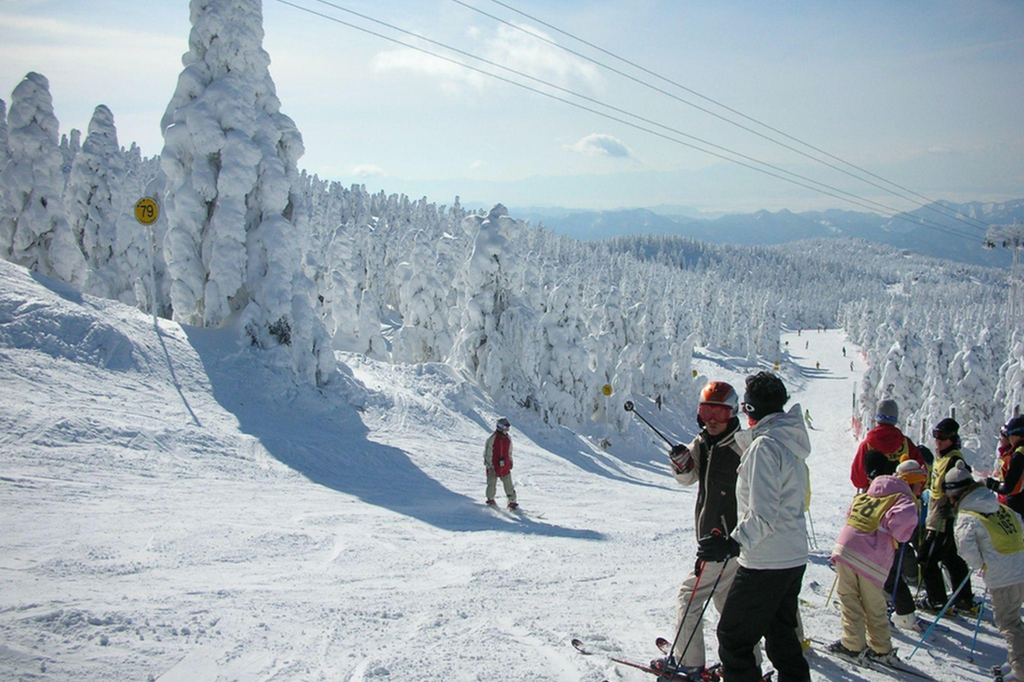
 Photo: Pixabay
Relax in a Hot Spring Bath
An onsen is not only an extra activity in Zao. It is part of the character of the town.
Hot water feels especially good after several hours in cold wind or snow. Zao has accommodation with baths as well as public bathing options.
Bathing rules and services differ. Check day-use hours, towel availability, private bath reservations, and tattoo policies with the individual facility.
Wash your body before entering the shared water. Keep your towel and hair out of the bath, and avoid using a phone in the bathing area.
Traditional public baths are normally used without swimwear. A private bath can be easier for families, couples, visitors with tattoos, or anyone who prefers more privacy.
Do not stay in very hot water for too long. Drink water before and after bathing.
Late afternoon is often the easiest time. Finish the outdoor part of the day, bathe, and then move to dinner without another long journey.
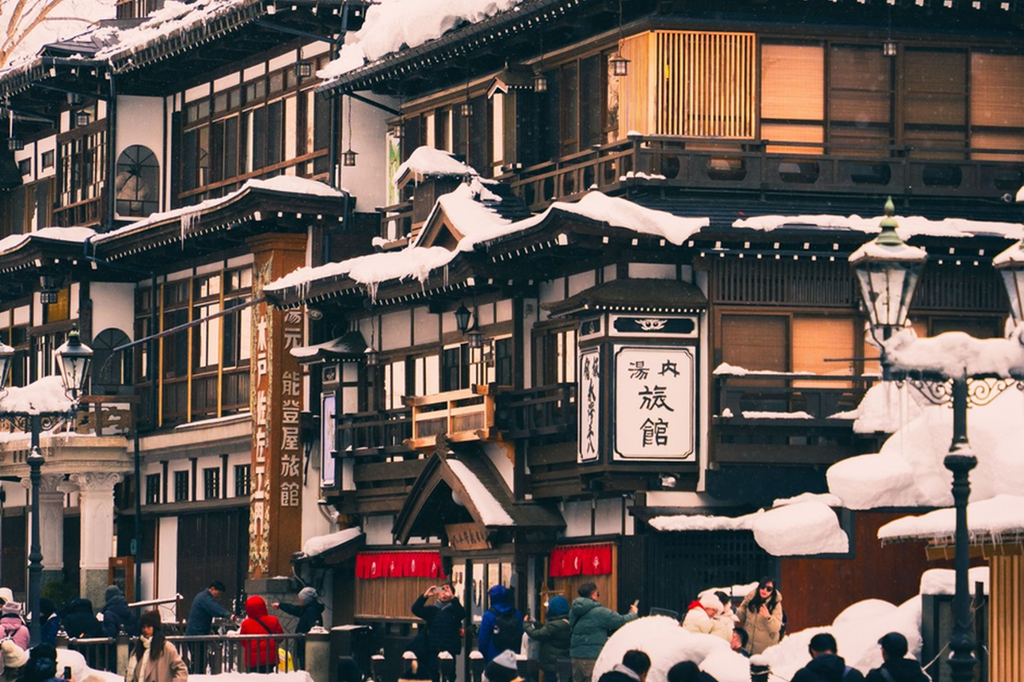
 Photo: Pexels
Walk Around Zao Onsen Town
The town deserves time beyond the ski area.
You will find inns, public baths, restaurants, small shops, bus stops, and access points for the mountain facilities.
A short walk on the arrival day helps you understand the layout before the next morning.
Locate your bus stop, hotel entrance, dinner options, and the route toward the ropeway. Snowbanks and dark streets can make a simple map harder to follow.
Some accommodation sits on a slope. Contact the hotel before arrival when carrying large luggage or when walking on snow is difficult. Ask whether a pickup service is available.
Evening roads may become icy. Wear waterproof shoes with a strong grip and avoid rushing downhill.
Enjoy a Warm Meal Near Your Hotel
After skiing or walking, a nearby restaurant may be more valuable than a famous place across town.
Warm noodles, hot pot, soup, grilled dishes, and set meals fit naturally into a winter evening.
Check restaurant hours before leaving the hotel. Mountain towns can close earlier than Tokyo, Kyoto, or Osaka.
Some accommodation includes dinner. This can reduce the need to walk again after an onsen.
Do not wait until late evening to decide where to eat. A flexible lunch is easy, but dinner choices may be limited.
Best Things to Do in Shirakawa-go
Walk Through the Main Village
The main village is the heart of a Shirakawa-go visit.
Steep roofs, fields, water channels, wooden buildings, and surrounding mountains create the winter scenery. The area is still a living community, not only a sightseeing set.
After arriving, find the return bus stop before walking into the village. Confirm the platform, time, and whether your service requires a reservation.
A normal visit to the central area may take around two to three hours. Allow three to five hours if you want lunch, an indoor house, the viewpoint, and several photography stops.
Snow can hide road edges and make some paths slippery. Keep both hands available and stop walking before checking your phone.
Do not stand in the road for photographs. Follow local signs and avoid entering private land.
Walk slowly and look beyond the most famous houses. Notice the water channels, small bridges, roof details, and signs of daily life.
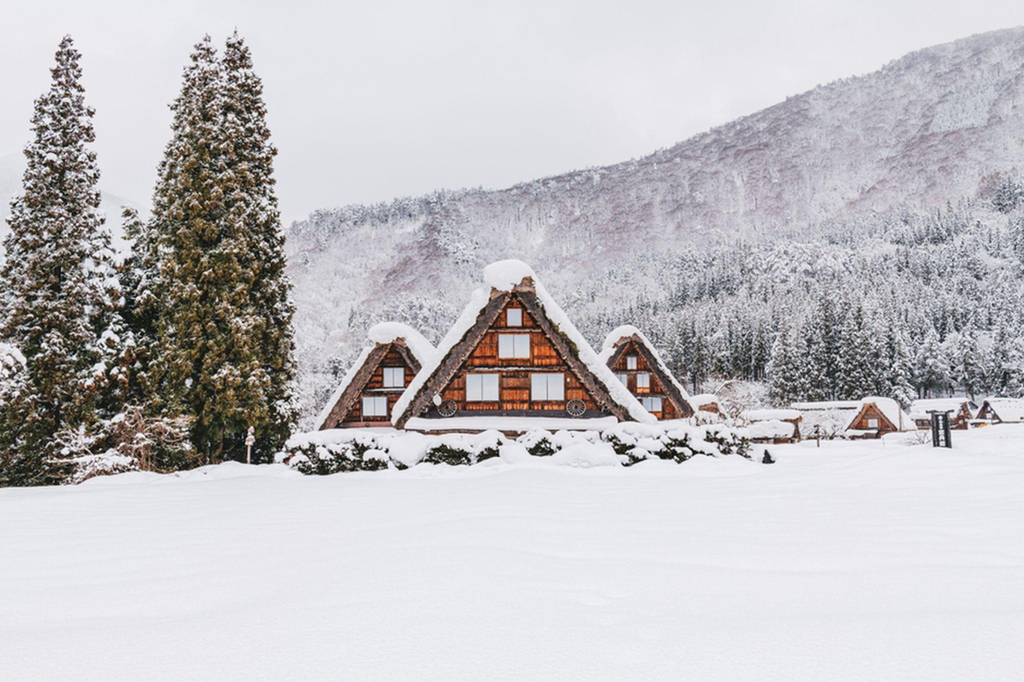
 Photo: Unsplash
Visit a Gassho-Zukuri House
An indoor house visit gives context to the village scenery.
You can see the wooden structure, steep roof space, tools, and traditional interior. This helps explain how families lived in a region with heavy snow.
Choose one main house instead of trying to enter every open building.
Allow around thirty to sixty minutes. This includes removing shoes, moving carefully inside, and waiting when the building is busy.
Wooden stairs may be steep, while floors can feel cold. Thick socks are useful.
Visitors with mobility concerns should check each building before paying for entry. Historic structures may have limited barrier-free access.
When the return bus is close, skip the house and protect your transport plan. Missing a reserved winter service can create a larger problem than missing one attraction.
Decide Whether the Viewpoint Fits the Day
The viewpoint offers the classic wide view of Shirakawa-go.
On a clear day, you can see the village roofs against the mountain landscape. Snow creates the most famous version of the scene.
However, bad weather may block the view. Access arrangements can also change because of snow, traffic, or event conditions.
Check the local information after arrival. Do not assume the walking route or shuttle service will operate in the usual way.
The viewpoint can add about an hour to the visit. Skip it when visibility is poor or your bus leaves soon.
The village streets remain worthwhile even without the panoramic photograph.
Take a Proper Indoor Break
A warm break should be part of the plan, not an emergency response to the cold.
Choose a café, restaurant, or indoor house that fits your walking route. This saves you from crossing the village only for one famous food item.
Lunch, a warm drink, or a short rest can improve the final part of the visit.
Restaurants may be busy around midday. Keep one or two alternatives in mind.
Use the break to check the bus status and weather before continuing.
Stay Overnight for a Slower Experience
An overnight stay changes the rhythm of Shirakawa-go.
The village can feel calmer after many day visitors leave. Morning may offer a quieter period before many day visitors arrive.
The village has fewer accommodation options than a major city, so check availability early if you want to stay overnight. Check whether dinner and breakfast are included.
Confirm check-in time, luggage storage, bathing facilities, and the nearest bus stop before booking.
A farmhouse stay may include traditional rooms and shared facilities. Read the property details rather than assuming a standard hotel setup.
Overnight stays suit travelers who value atmosphere and cultural experience. A day trip may be better when the wider itinerary already includes many hotel changes.
Recommended Spots
Zao Onsen
Zao Onsen brings skiing, hot springs, dining, and mountain scenery into one compact base. It suits travelers who want two or three days focused on winter activities.
January and February are usually the main winter months, but snow, visibility, and transport conditions vary. Check the latest information before traveling.
Official information: Zao Onsen
Local tourism and ski information: Zao Onsen Ski Resort
Location: Google Maps
Zao Ropeway
The ropeway is the main visitor route toward the juhyo viewing area.
Use the clearest weather window during your stay. Operations and visibility may change because of mountain conditions. Check the official page before leaving your accommodation.
Official information: Zao Ropeway
Location: Google Maps
Zao Onsen Town
The town area works as the base for hotels, restaurants, public baths, and mountain transport.
Stay near your most important stop when carrying luggage. Ask the hotel about pickup options when the entrance is uphill or difficult to reach in snow.
Official information: Zao Onsen Tourism and Ski Information
Location: Google Maps
Shirakawa-go
Shirakawa-go is the main choice for traditional winter architecture and village scenery.
A standard visit can take two to three hours. Add more time for lunch, a house visit, photographs, and the viewpoint.
Official information: Shirakawa-go
Local visitor information: Shirakawa-go Tourist Association
Location: Google Maps
Ogimachi Village Area
Ogimachi is the central sightseeing area used by most first-time visitors.
Walk from the main bus terminal toward the houses, shops, and indoor attractions. Snow slows the route, so avoid planning by distance alone.
Visitor information: Shirakawa-go Tourist Association
Location: Google Maps
Shirakawa-go Viewpoint
The viewpoint is useful for landscape photography when weather and access conditions are suitable.
Treat it as an optional addition rather than the entire purpose of the visit.
Visitor information: Shirakawa-go Tourist Association
Location: Google Maps
A Simple Three-Day Zao Onsen Plan
Day 1: Arrive and Learn the Town
Travel to Yamagata Station and continue to Zao Onsen by bus.
After checking in, leave your luggage and take a short walk before dark.
Find the nearest bus stop, ropeway route, rental shop, bath, and dinner option.
Keep the first afternoon light. A town walk and onsen are enough after a long journey.
Day 2: Use the Best Weather Window
Check the ropeway and weather information in the morning.
Use the clearest period for the juhyo. Ski before or after the ropeway depending on your experience and the day’s conditions.
Avoid forcing both activities into a strict schedule. Mountain weather may change the best order.
Return to town before you become too tired. Finish with an onsen and dinner near the hotel.
Day 3: Choose One Short Activity
Use the final morning for a short ski session, another bath, or a walk through town.
Leave enough time for the bus back to Yamagata Station.
Do not use the final possible bus when connecting with an important train. A small winter delay can affect the rest of the journey.
A Simple Shirakawa-go Day Plan
Before Departure
Check your reservation, bus operator, platform, weather, and return time.
Highway bus services operate from gateway cities such as Takayama and Kanazawa. Routes and reservation rules can change, so use the current operator timetable. Some services require reservations while others have different conditions.
Leave large luggage at your hotel or station when possible. Carry a smaller bag with warm clothing, water, and a power bank.
After Arrival
Locate the return bus stop first.
Walk through the central village and visit one traditional house if time allows.
Take lunch or a warm drink before deciding on the viewpoint.
Return to the bus terminal early. Do not rely on the final minute, especially during heavy snow or event days.
Travel Tips
Wear Waterproof Shoes With a Strong Grip
City sightseeing shoes may not work on compact snow or ice.
Choose waterproof footwear with a strong grip. Small removable ice grips may help, although they should be removed on smooth indoor floors.
Carry extra socks. Wet feet can make the rest of the day uncomfortable.
Dress in Layers
Outdoor areas can be cold, while buses, trains, shops, and restaurants may feel warm.
Use a warm base layer, a middle layer, and a windproof outer layer.
Keep gloves and a hat in an easy pocket instead of the bottom of your suitcase.
Protect Your Phone and Battery
Cold weather can reduce battery performance.
Keep your phone and power bank close to your body when they are not in use.
Save your hotel address, bus ticket, return time, and important maps offline.
Carry Less Luggage
Large suitcases are difficult on snowy streets and crowded highway buses.
Use luggage forwarding between major hotels when practical. Carry only one or two nights of clothing into the mountain area.
Confirm that the receiving hotel accepts forwarded bags before sending them.
Start Outdoor Plans Early
Shorter daylight changes the shape of the day.
Use the morning for ropeways, village walks, viewpoints, and snow activities.
Keep dinner, an onsen, or a short town walk near your hotel for the evening.
Leave Room for Delays
Heavy snow can slow trains, buses, roads, and walking.
Do not schedule an international flight immediately after leaving a remote mountain destination.
Return to a major city with enough time to absorb a delay.
Book the Fixed Parts First
Reserve the items that can affect the whole route:
- Long-distance transport
- Main winter accommodation
- Highway buses when required
- Ski lessons during busy periods
- Special event access
Meals and smaller stops can remain flexible.
Carry Some Cash
Cards are common in major cities, but small baths, lockers, local buses, or mountain shops may still use cash.
Keep small notes and coins in an easy wallet.
Adjust the Plan for Mobility Needs
Snow and ice create extra difficulty for travelers with limited mobility.
Ask the hotel about slopes, steps, pickup services, and the distance from the bus stop.
Historic houses and viewpoints may have steep stairs or uneven paths. Contact the facility before travel when access is a serious concern.
Make Indoor Breaks Part of the Day
A slower route often makes the day more enjoyable.
Plan a warm meal, café stop, bath, or hotel break before you become exhausted.
One main outdoor activity can be enough on a very cold day.
Access
From Tokyo to Zao Onsen
Take the Yamagata Shinkansen from Tokyo Station to Yamagata Station.
Continue from Yamagata Station to Zao Onsen by bus. Check the current train and bus timetables before travel.
Arrive early at the bus stop when carrying luggage.
If you reach Yamagata late, staying near the station and continuing the next morning may feel easier than reaching Zao after dark.
From Tokyo to Shirakawa-go
The usual route uses a gateway city such as Kanazawa, Takayama, Toyama, or Nagoya before continuing by bus.
Choose the transfer city that fits the rest of your itinerary.
Kanazawa works well before Kyoto or Osaka. Takayama is useful when you also want another mountain destination.
Check the latest bus operator information instead of relying on a fixed route described months earlier.
From Kyoto or Osaka to Shirakawa-go
Travel first toward Kanazawa, Takayama, or Nagoya, then continue by highway bus.
Choose a route with fewer transfers when carrying luggage.
The quickest option is not always the easiest when platforms or bus stops are covered in snow.