Photo: Pexels
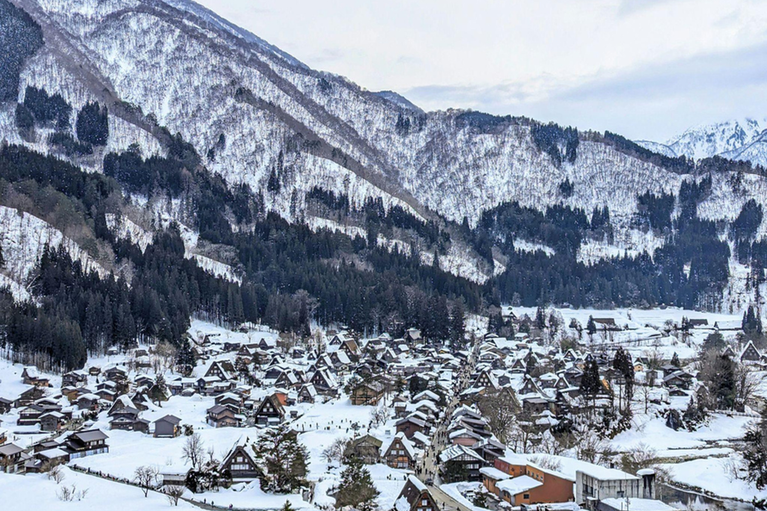
Japan is one of the world’s greatest food destinations. For many travelers, exploring Japanese cuisine is one of the main reasons to visit.
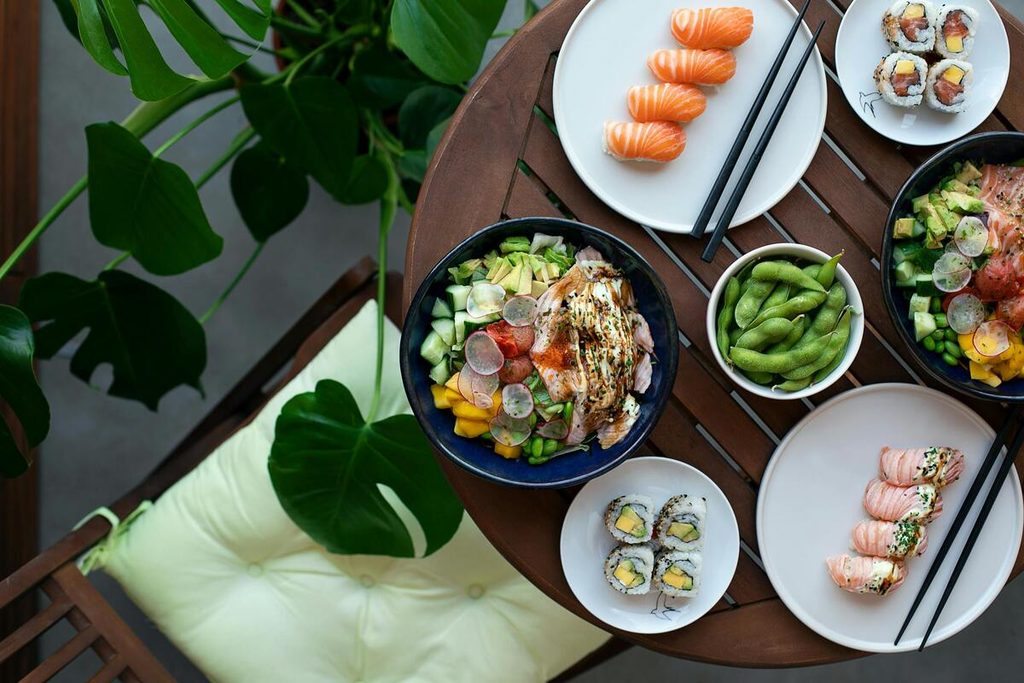
Most people arrive with a clear list in mind. Sushi. Ramen. Maybe tempura. And of course, all of them are worth trying. But there is another side of Japan that often stays hidden on a first trip. You will find it in small neighborhood restaurants and in regional cities far from Tokyo. These are the dishes that locals enjoy, but travelers often overlook. They are not just meals. They are part of everyday life and local culture. When you travel through Japan at a slower pace, you begin to notice how deeply food is connected to places, memories, and time.
In this guide, we will introduce a selection of regional dishes that may be less well known, but are absolutely worth trying at least once during your trip.
Hitsumabushi (Nagoya)
– Grilled Eel Rice with a Unique Way of Eating
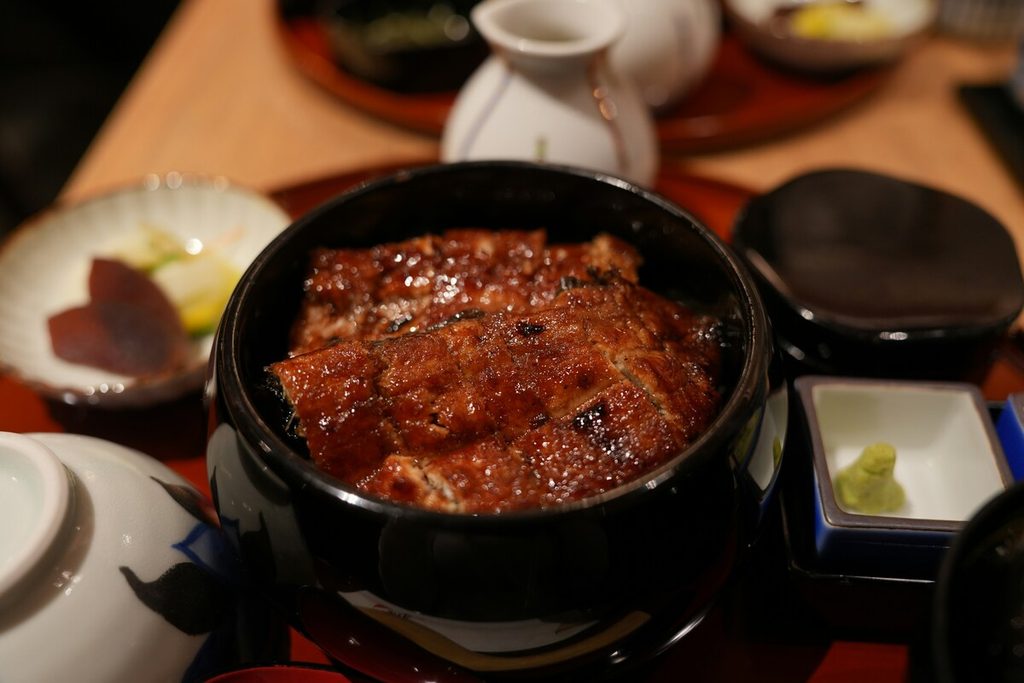
Photo: Unsplash
Hitsumabushi may look like a simple bowl of rice and grilled eel at first. But the way you eat it changes the whole experience.
In Nagoya, people do not just eat it one way. Instead, it is eaten in three steps, each offering a slightly different flavor.
You start by eating it as it is. Then you add toppings like green onions or wasabi. Finally, you pour hot broth over it and enjoy it as a light soup.
Each step has a different taste of the eel’s flavor.
The first bite highlights its rich and smoky flavor.
The second adds freshness and a bit of sharpness.
The last step is a soft and comforting finish that feels almost like a new dish.
Where to Eat
Hitsumabushi is best enjoyed in Nagoya, mainly around Nagoya Station and Sakae. Many restaurants specialize only in eel dishes, so the quality is usually high.
Practical Information
- Price: around ¥3,000 – ¥5,000
- Access: 5 – 10 minutes from Nagoya Station or Sakae Station
- Best time: lunch or early dinner
- Crowds: expect queues during weekends and holidays
- Tip: lunch sets are slightly cheaper than dinner menus
Motsunabe (Fukuoka)
– Rich Japanese Hot Pot in Hakata
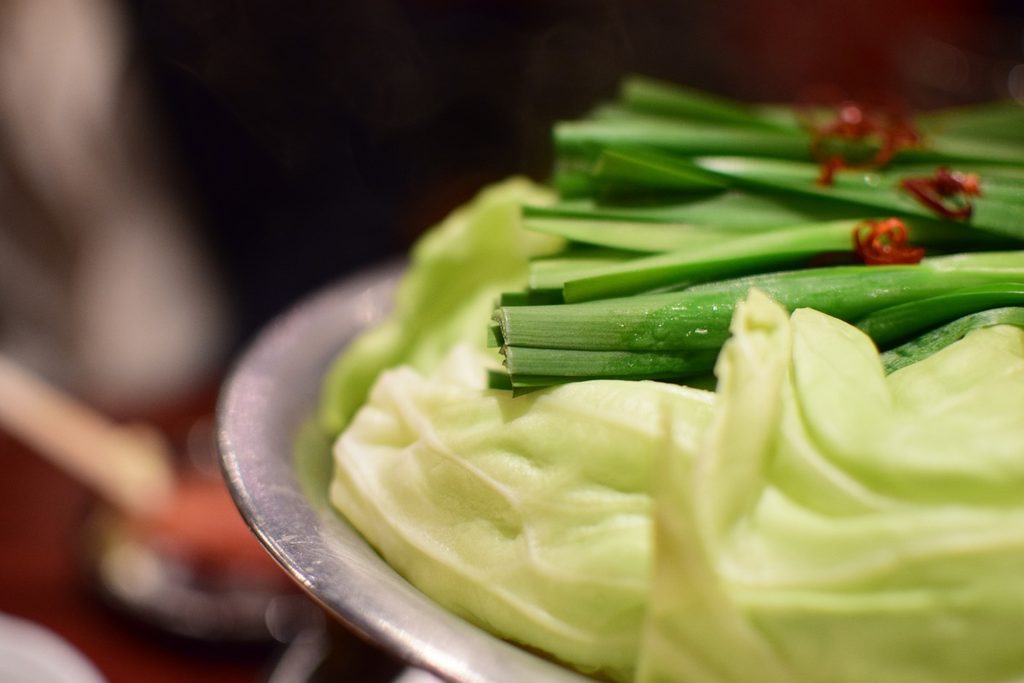
Photo: Pixabay
Motsunabe is a hot pot dish made with beef or pork offal as the main ingredient.
It is a popular local dish in Fukuoka, especially in winter.
The broth is usually made from soy sauce or miso, combined with stock such as kombu seaweed, bonito flakes, or chicken bones. Cabbage, garlic chives, and garlic are added, and then everything is slowly cooked together.
After eating the meat and vegetables, many restaurants serve noodles to add to the soup.
This final step is called “shime,” and it is a very common way to finish hot pot meals in Japan.
Where to Eat
The best places are in Hakata and Tenjin, where many small restaurants specialize in hot pot dishes.
Practical Information
- Price: around ¥2,500 – ¥5,000 per person
- Access: 5 – 10 minutes from Hakata or Tenjin stations
- Best time: dinner only (rarely lunch)
- Crowds: busy in winter evenings
- Tip: most restaurants require at least 2 orders per group
Jingisukan (Hokkaido)
– Japanese Lamb BBQ Experience
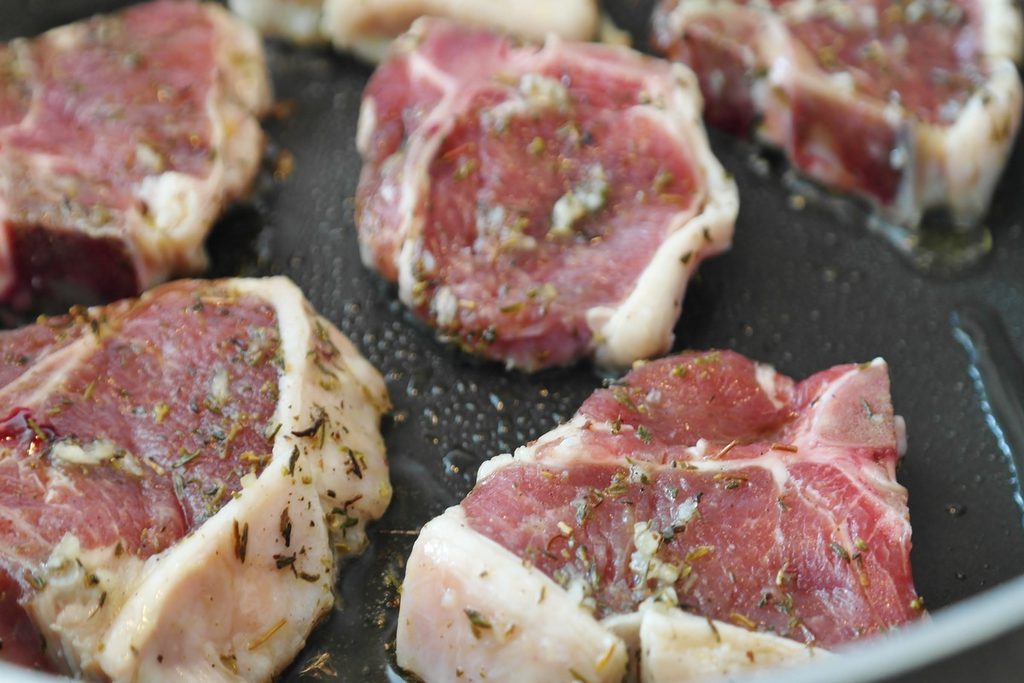
Photo: Pixabay
Jingisukan is a grilled lamb dish from Hokkaido.
It is cooked on a dome-shaped round grill. Lamb is grilled in the center, and the juices naturally flow down to the vegetables. This makes both the meat and vegetables tasty.
Jingisukan is often considered a relatively healthy meat dish compared to beef or pork. It is also commonly enjoyed with beer. It is a popular meal for gatherings and casual dinners.
Where to Eat
Sapporo has the highest number of Jingisukan restaurants, mostly centered around Susukino and the city center. Other cities such as Asahikawa and Hakodate are also popular destinations for jingisukan.
Practical Information
- Price: around ¥1,500 – ¥3,500
- Access: easy access from Sapporo Station or Susukino Station
- Best time: dinner
- Crowds: weekends can be busy
- Tip: aprons are often provided because of smoke
Chanko Nabe (Tokyo)
– Sumo Wrestler Hot Pot Experience
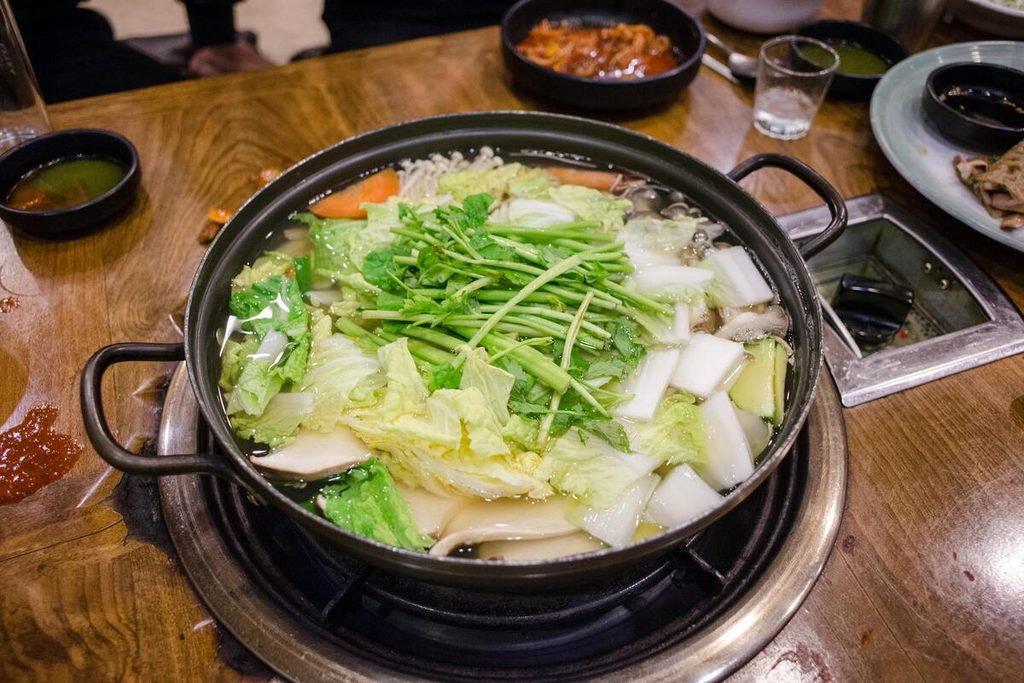
Photo: Pexels
Chanko nabe is a hot pot dish closely connected to sumo culture in Tokyo.
It is filling, balanced, and shared among groups. Sumo wrestlers eat it as a main dish because it is affordable, nutritious, and easy to prepare in large amounts.
Even today, chanko nabe is an essential part of sumo life and is often considered a “soul food” of sumo wrestlers. In the Ryogoku, where sumo culture is still very present, many restaurants serve chanko nabe while seeing the sumo ring called “Dohyo” inside.
Where to Eat
Ryogoku is the best area to try chanko nabe, especially near the sumo stadium.
Practical Information
- Price: around ¥2,000 – ¥4,000
- Access: 5 minutes from Ryogoku Station
- Best time: lunch or dinner
- Crowds: busy during sumo tournament seasons
- Tip: portions are large and meant for sharing
Nagasaki Champon (Nagasaki)
– A Fusion Noodle Dish from a Port Cit
 y
y
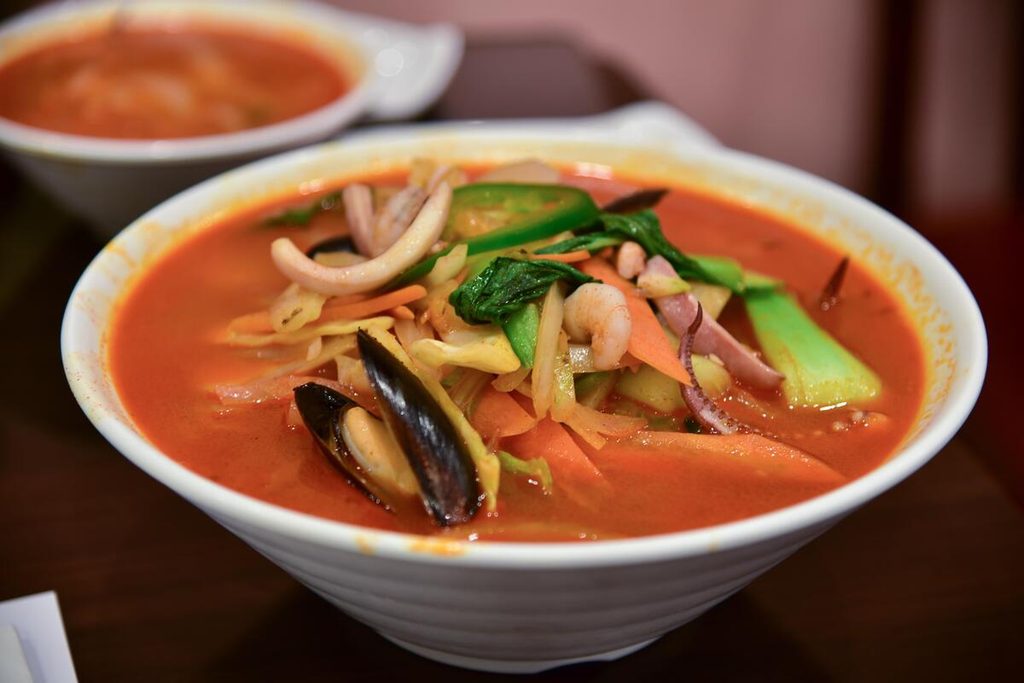
Photo: Pixabay
Champon is a noodle dish from Nagasaki with a rich, pork-based broth. It is hearty, filling, and full of different ingredients in one bowl. The soup is usually made from pork bones and it has a deep and creamy flavor.
It usually includes pork, vegetables such as cabbage, bean sprouts, and green onions, as well as Nagasaki-style fish cake. Seafood is also commonly added, including squid, shrimp, and clams in summer, and oysters in winter.
This mix shows Nagasaki’s history as an international port city.
Champon is traditionally cooked in one pan, so it is simple and filling. It has long been enjoyed as an everyday meal in Nagasaki.
Where to Eat
Champon is widely available across Nagasaki city, from old local shops to modern restaurants.
Practical Information
- Price: around ¥800 – ¥1,500
- Access: available near Nagasaki Station and Chinatown area
- Best time: lunch or casual dinner
- Crowds: generally easy to find seating
- Tip: sara udon is a related dish worth trying
Wanko Soba (Iwate)
– A Fun Endless Soba Experience
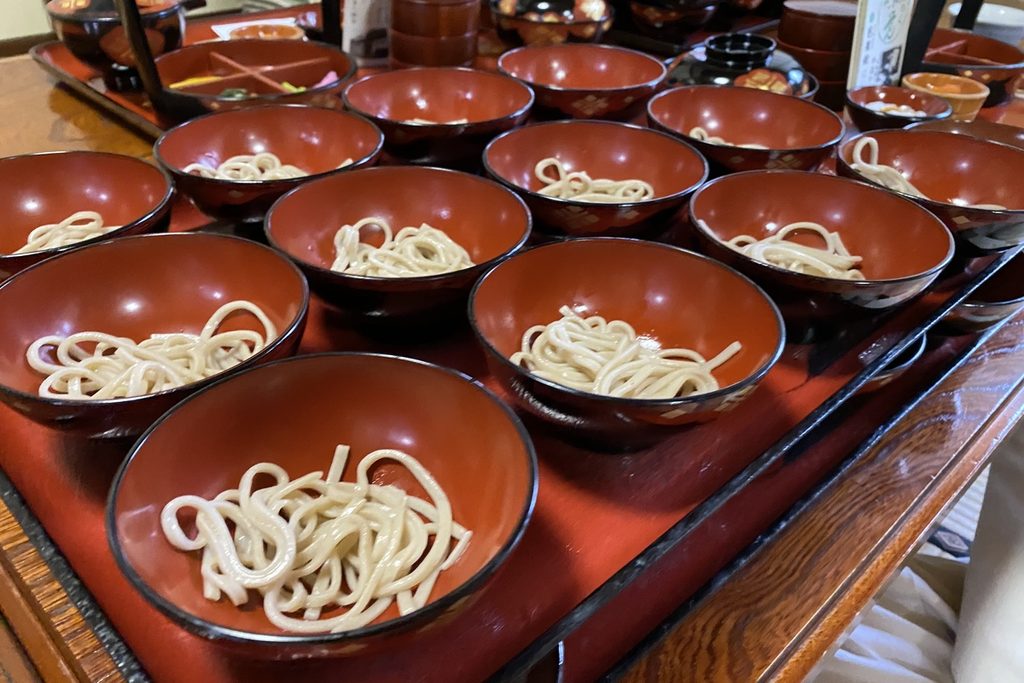
 Photo: 写真AC
Wanko soba is a traditional local dish from Iwate Prefecture.
It is a unique way of eating soba noodles, where small portions of noodles are served in individual bowls, one after another.
The word “wanko” refers to the small bowls used in this style of dining.
As soon as you finish one bowl, another is quickly served, creating a continuous rhythm of eating. When you are full, you put a lid on your bowl to stop.
Wanko soba is said to have originated in the Edo period, when it was served to welcome guests. Today, it is not only a local dish, but also a cultural fun experience that reflects Japanese hospitality.
Many people treat it as a game or challenge.
Practical Information
- Price: around ¥2,000 – ¥3,500 (experience course)
- Access: 5 – 10 minutes from Morioka Station
- Best time: lunch
- Crowds: popular with tourists, bookable in groups
- Tip: arrive hungry but not too full
How to Find Local Foods in Japan
If you want to try local food in Japan, you don’t need to go to expensive restaurants.
One good way is to walk around smaller streets, not just the main tourist areas. Small local restaurants often serve regional dishes. You can also look for places with long lines of local people. This is often a good sign.
Department store food floors, called “depachika,” are another great place. You can find many kinds of local food there.
If you travel to different regions, try asking hotel staff or shop workers. They often know the best local spots. Food apps and Google maps can also help, but don’t rely only on ratings. Sometimes the best places are simple and not famous online.
Tips for Ordering and Dining in Japan
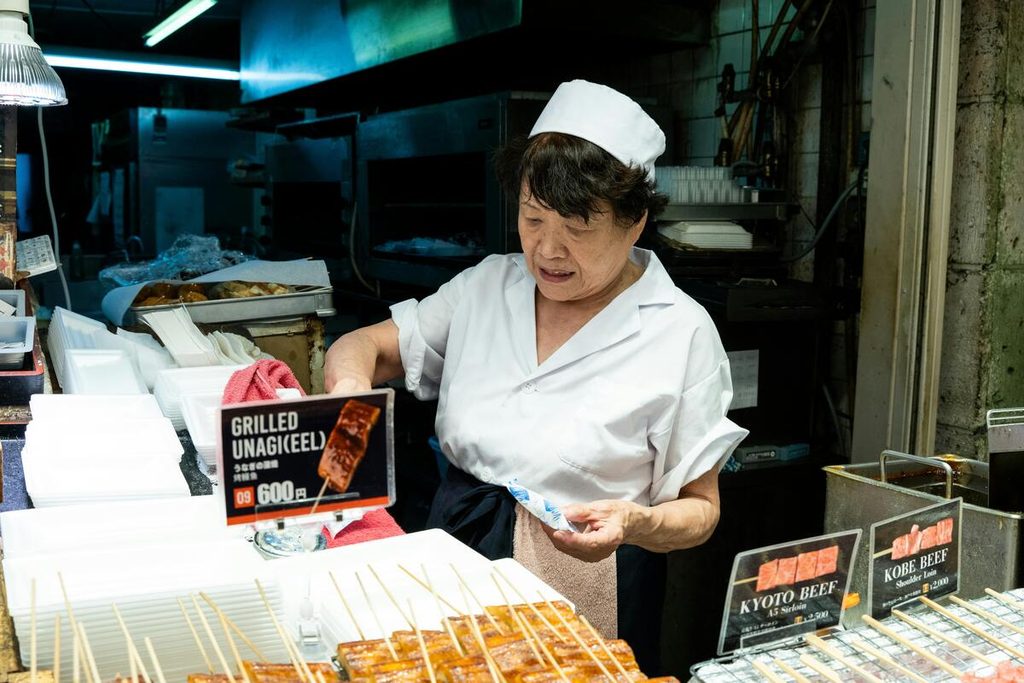
Photo: Pexels
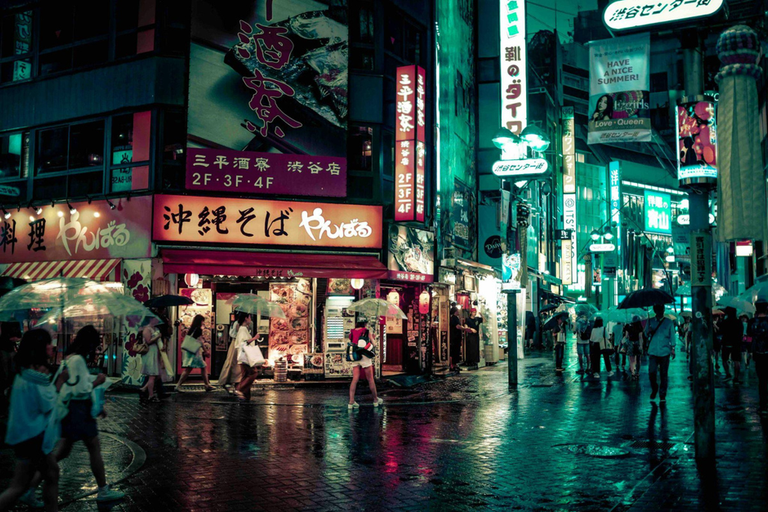
Eating in Japan is easy, but there are a few things to know. Many restaurants have picture menus or plastic food displays.
You can point if you are not sure what to say. In small restaurants, you may need to order one dish per person. Sharing is not always common.
Some places use ticket machines at the entrance. You buy a ticket first, then give it to the staff.
Water or tea is often free and served automatically.
You don’t need to speak perfect Japanese.
Simple phrases are enough:
- “Osusume wa nan desu ka?” (What do you recommend?)
- “Osusume wo kudasai.” (I’ll have your recommendation.)
It is polite to say “Itadakimasu” before eating and “Gochisosama” after eating. Even a small effort is appreciated.
Also, try not to talk loudly or use your phone too much. Meals in Japan are usually quiet and relaxed.
Summary
Japan has much more to offer than sushi and ramen.
From eel in Nagoya to hot pot in Fukuoka, each region has its own food and style. These dishes are not just about taste. They show how people live, eat, and connect with their local culture. If you take time to explore, you will find many new and surprising foods.
So on your next trip, go beyond the famous dishes. Try something local. You may find your new favorite.