Photo: Pexels
Introduction
Most visitors to Japan have heard that the Japanese convenience stores are something special. But what exactly makes them so good? Which chain should you go to if you want a specific kind of food? And how different are they from the convenience store back home?
In many countries, a convenience store means snacks, drinks, and maybe a sandwich. Japanese convenience stores are a completely different thing. Warm bento boxes, freshly made onigiri, seasonal sweets, ATMs, photocopiers — almost everything you might need during a trip is available, often at any hour of the day or night.
In this article you will learn:
- The main convenience store chains and what makes each one different
- Recommended food and drinks at each chain
- Services available inside Japanese convenience stores
- Payment options and how to use them
- Practical tips for making the most of convenience stores during your trip
Overview
Japanese convenience stores might be completely different from what most people are used to back home. In North America and many other parts of the world, a convenience store tends to mean rows of snacks and chips in a bunch of different flavors, a wall of drinks, and not much else. More variety of the same thing, rather than genuine variety.
Japan’s convenience stores are something else entirely. Warm bento boxes, hot snacks by the register, onigiri with seaweed that stays crispy until the moment you open it, proper seasonal sweets, and services like ATMs and photocopiers — one convenience store can cover almost everything you need during a trip.
In Japan, convenience stores are not just convenient. They are considered a lifeline. It is woven into daily life in a way that is hard to explain until you experience it yourself. Part of what makes them special is the consistent quality, the same standard, whether you are in Tokyo, Osaka, or a small town in the countryside.
Also, the stores themselves are kept clean and neatly organized, which makes the whole experience feel different from what you might expect. And then there are the seasonal products such as cherry blossom flavors in spring, sweet potato and chestnut in autumn. Every season brings something new and special, and that is one of the quiet pleasures of spending time in Japan.
Major Chains
There are three main convenience store chains in Japan. 7-Eleven, FamilyMart, and Lawson. Each has its own personality, and knowing the difference can help you choose the right one depending on what you are looking for.
7-Eleven (Seven-Eleven)
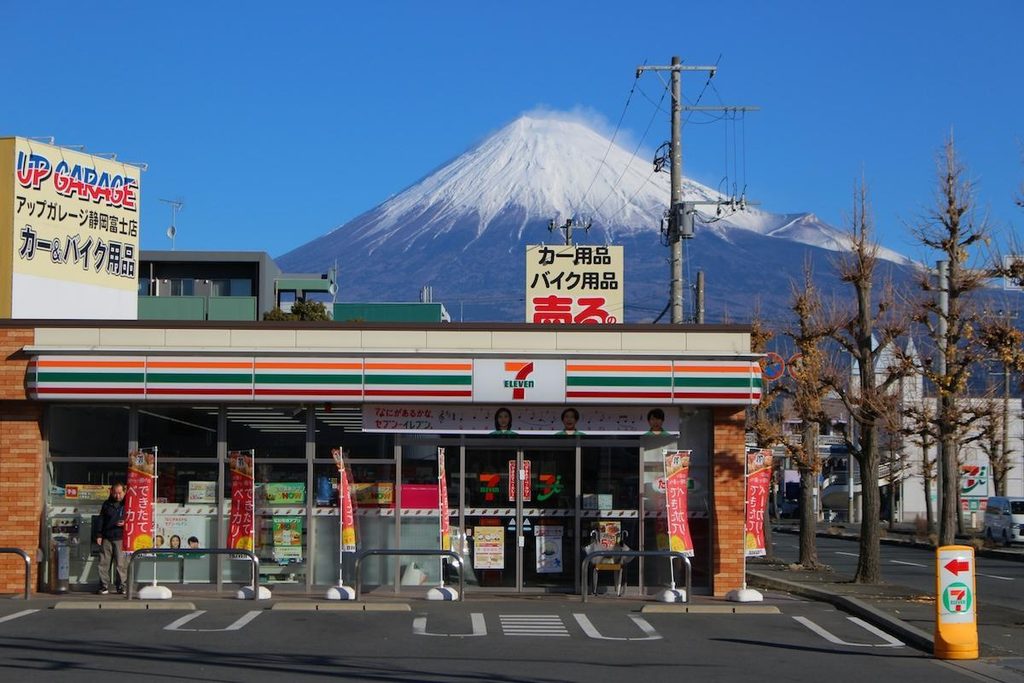
Photo: Unsplash
The largest convenience store chain in Japan, with around 22,000 locations. Of the three main chains, 7-Eleven tends to feel the most premium — cleaner, a little more polished, with a strong focus on quality. The frozen smoothies and coffee are genuinely popular, and the in-house products consistently rank highly in consumer surveys. Also, 7-Eleven Bank ATMs are available 24 hours and accept most international cards, which makes them particularly useful for travelers.
FamilyMart
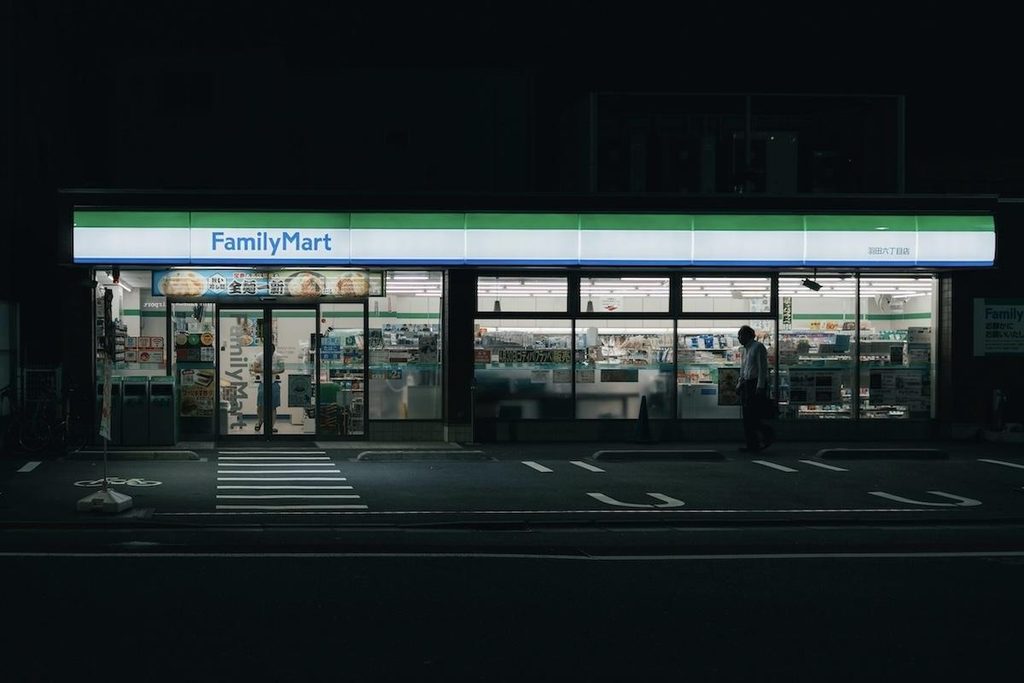
Photo: Unsplash
The second largest chain, with around 16,000 locations across Japan. FamilyMart is best known for FamiChiki, which is fried chicken that sells hundreds of thousands of pieces every day and has become something of a Japanese convenience store institution. The food here tends to be filling and good value. Also, FamilyMart has a loyal following for its original merchandise, including the now-iconic striped socks that have become a surprisingly popular souvenir among tourists.
Lawson
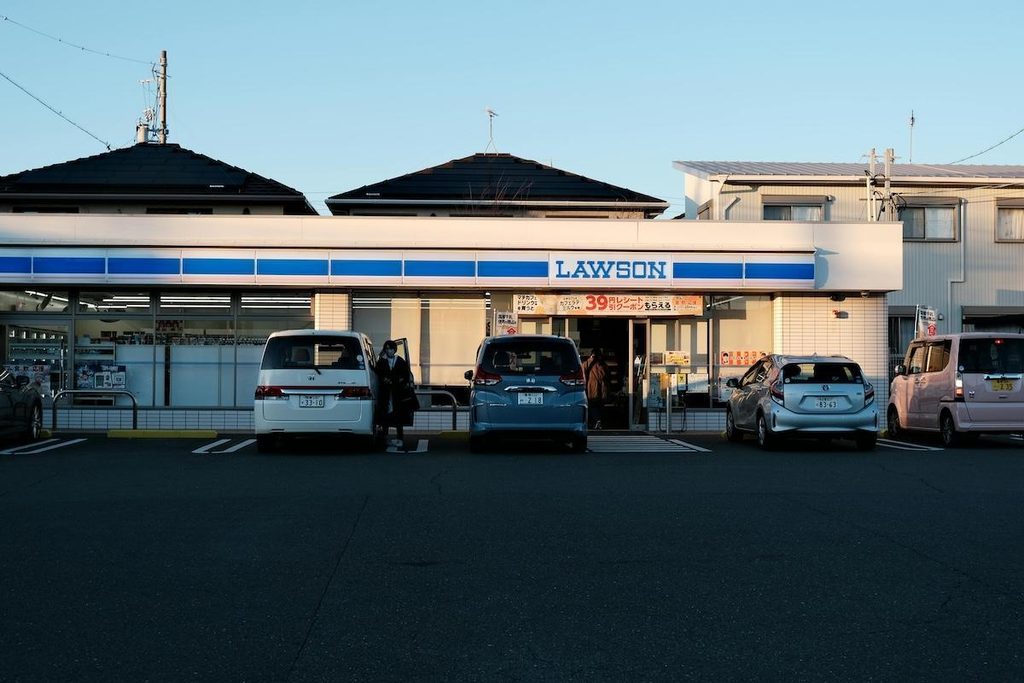
Photo: Pexels
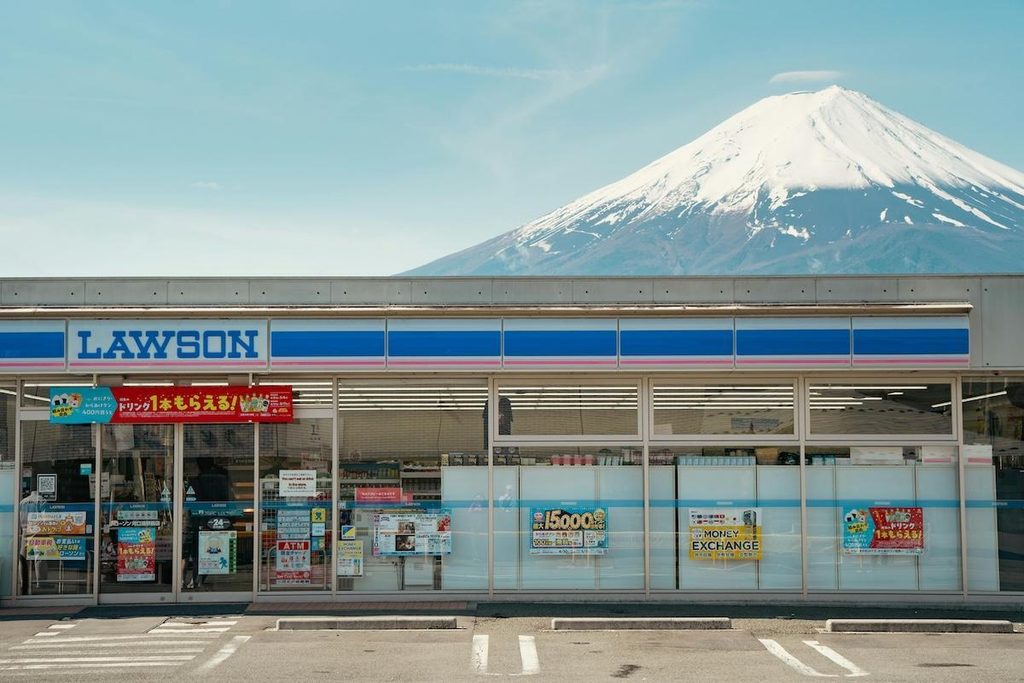
With around 15,000 locations, Lawson has built a strong reputation for its sweets. The Premium Roll Cake helped kick off Japan’s convenience store dessert boom, and Lawson has kept that standard up with high-quality collaborations, including with GODIVA. For tourists, Lawson also stands out for its Loppi ticket machine, which lets you book tickets for popular attractions like the Ghibli Museum directly in-store.
Other Chains
Beyond the big three, Japan has several smaller chains worth knowing about.
Natural Lawson
A sister chain to Lawson, focused on health-conscious shoppers. The products here tend to use fewer additives and higher-quality ingredients, and some stores bake bread in-house. You will also find premium snacks and drinks that you would not typically see in a standard convenience store. Prices are a little higher than average, but the quality reflects that. Mostly found in urban areas.
Ministop
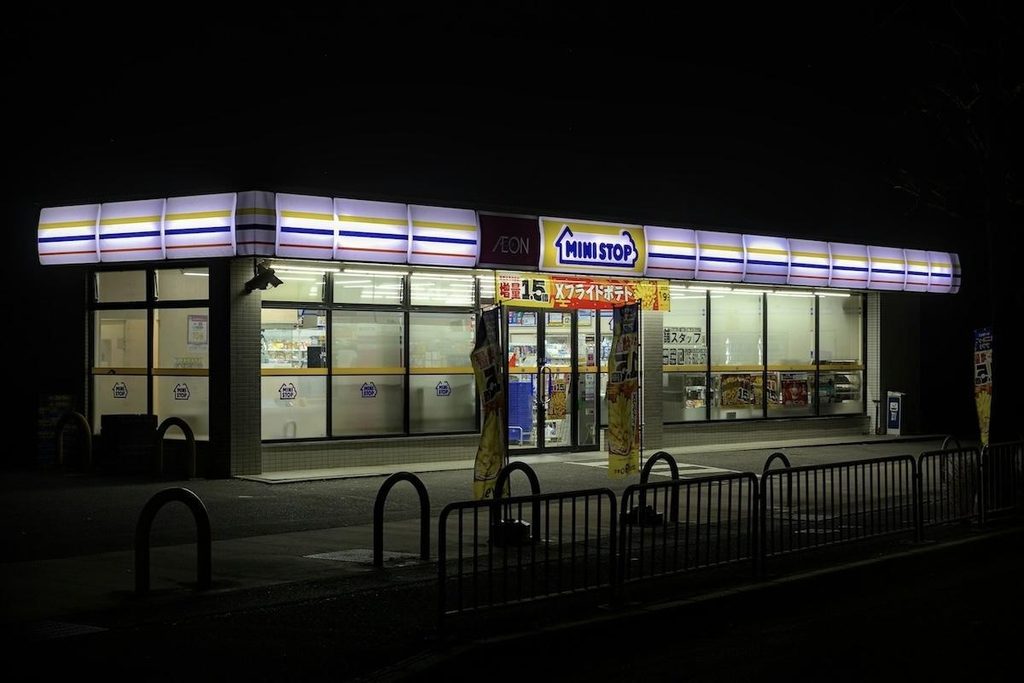
Photo: Unsplash
If you are in the mood for ice cream, Ministop is the one to look for. It is the only convenience store chain in Japan that makes soft-serve ice cream and parfaits fresh in-store. The summer shaved ice dessert called Halo-Halo has a dedicated fan base, and the seasonal flavors change throughout the year. Hot snacks are also popular here.
Seicomart
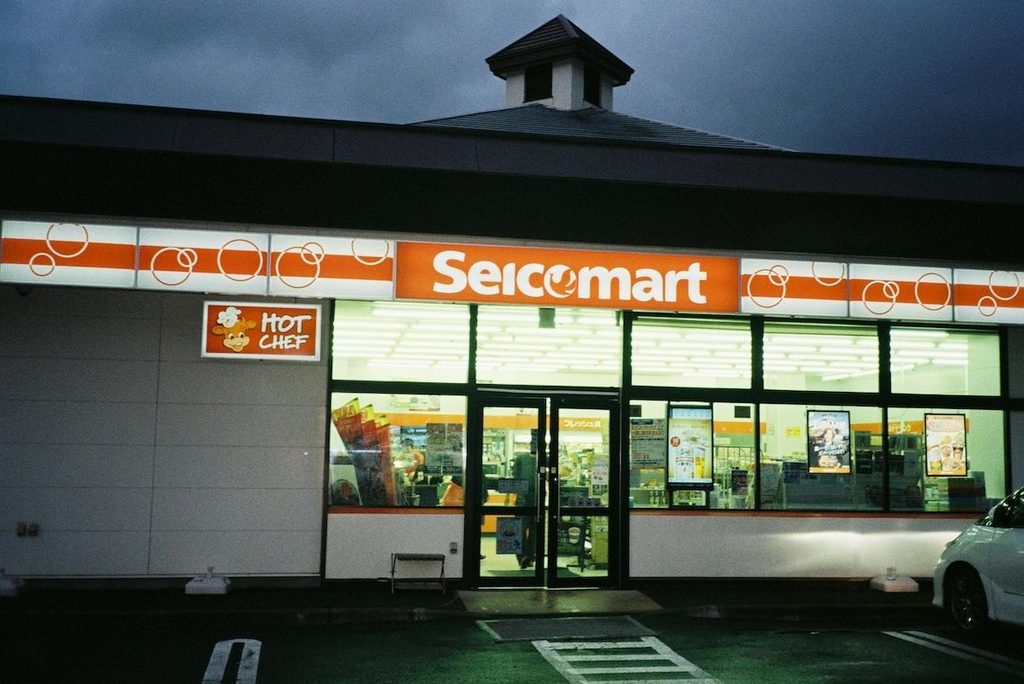
Photo: Unsplash
Largely found in Hokkaido prefecture. Seicomart is deeply woven into daily life there, which is a little different from the bigger chains. In rural areas of Hokkaido where the nearest supermarket might be far away, Seicomart is where people go for everything. The Hot Chef section, which serves warm and freshly prepared side dishes at very reasonable prices, is a local favourite. Hokkaido-exclusive products make it worth a stop if you are travelling in the north.
Daily Yamazaki
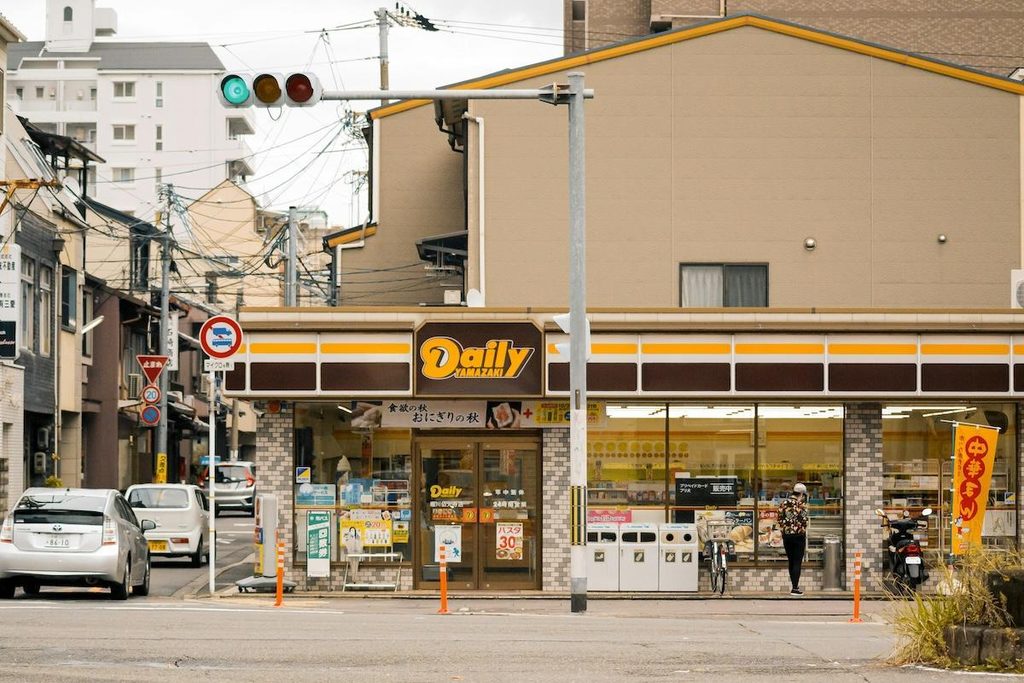
Photo: Unsplash
Run by Yamazaki Baking, which is Japan’s largest bakery company. Daily Yamazaki is the convenience store to visit if you want fresh bread. Stores with the Daily Hot sign bake in-house, and the melon pan and egg salad sandwich are pretty popular. It is a smaller chain than the big three, but worth seeking out for the bakery selection alone.
New Days
Found mostly inside JR East train stations, New Days is built for speed. The selection is simpler than other chains, but the location is the point. You can grab a drink or snack even with one minute until your train leaves and still make it. For travelers moving through Tokyo’s train network, it is a genuinely useful option.
Food and Drinks
Japanese convenience store food has its own name “Konbini Meshi” which means convenience store meal. It tells you something about how seriously Japan takes it. Here is what you should try.
Onigiri (Rice balls)
Onigiri is the most iconic convenience store food in Japan. Fillings range from classic options like salmon, tuna mayo, and Ume (pickled plum) to seasonal specials that change throughout the year. The packaging is designed so that the seaweed stays crispy until the moment you open it. It makes onigiri more fresh and tasty. Prices are typically between 150 and 300 yen. FamilyMart’s Japanese-style tuna mayo onigiri is a particular favourite.
Bento (Boxed meals)
Warm bento boxes available at any hour of the day or night. Ask the staff to heat it up at the register. Options range from karaage (fried chicken) bento, fried rice, and rice bowl — there is usually something for every appetite.
Hot Snacks
The counter by the register is worth a look at any time of day. Meat buns, fried chicken, and corn dogs sit under heat lamps, ready to eat immediately. FamiChiki from FamilyMart and Nana-Chiki from 7-Eleven are probably the two most famous examples, but every chain has its own version.
Sweets and Desserts
Japanese convenience store desserts punch well above their price point, all at around 150 to 500 yen. Puddings, roll cakes, cream puffs, Japanese traditional sweets, and seasonal sweets. Seasonal limited editions are especially worth trying whenever you spot them.
Coffee, Frappe, and Smoothie
Fresh coffee from the machine by the register costs between 100 and 200 yen at most chains, and the quality is genuinely good. Lawson’s Chocolate Mocha Frappe has built up a loyal following and is worth trying if you want something a little more indulgent. If you are looking for something refreshing, 7-Eleven’s frozen smoothie is worth a try. Made fresh in a dedicated machine in-store, it costs around 300 yen and comes in a range of fruit flavors that change with the season. It is one of those things that sounds simple but consistently wins people over.
Sandwiches
Japanese convenience store sandwiches are made with soft, pillowy bread and filled carefully. 7-Eleven’s egg salad sandwich is one of the most popular items in the entire store, particularly among international visitors. At busy tourist-area branches, it is not unusual to sell over 100 in a single day.
Ice Cream
The selection is large and changes with the seasons — even winter is popular. Every chain has its own range, from well-known brands to store exclusives. If you want something made fresh on the spot, Ministop is the one to visit — it is the only chain that makes soft-serve ice cream and parfaits in-store.
Side Dishes
Individual side dishes such as salads, simmered vegetables, and fried chicken pieces which work well as a quick meal alongside an onigiri or sandwich. Seicomart’s Hot Chef section in Hokkaido is particularly well regarded for quality and value. You can build your own best meal set.
Services
Japanese convenience stores offer far more than food. Here are the services that are most useful for travelers.
ATM
Most convenience stores have ATMs that accept international credit and debit cards. 7-Eleven Bank ATMs are particularly well set up for foreign visitors, with English-language menus and reliable international card support.
Ticket Purchases
Concert tickets, sporting events, films, and more can be purchased directly at in-store terminals. Lawson’s Loppi machine is useful — it is one of the few places where you can buy tickets for the Ghibli Museum.
Luggage Delivery
You can send luggage from a convenience store to your next hotel, or directly to the airport using Yamato Transport’s Airport Delivery Service. This is particularly handy if you want to travel light between cities or arrive at the airport without dragging heavy bags.Note that airport deliveries need to be arranged two to three days before your departure.
For more details: https://www.kuronekoyamato.co.jp/ytc/en/send/services/
Please also note that international shipping is not available from convenience stores.
Photo Printing and Photocopiers
You can print photos directly from your smartphone at most convenience store multifunction machines, and of good quality. Scanning and copying are also available too.
Free Wi-Fi
Many convenience stores offer free Wi-Fi. If you have not yet set up an eSIM or need a quick connection, this is a useful backup.
Eat-In Space
Some stores have a small seating area where you can eat your purchases on the spot. Useful on rainy days or when you just need a moment to sit down.
Payment
Cash
Cash is still widely accepted and worth carrying. Most convenience stores accept card payment, but in rural areas and smaller shops, cash may be the only option. Having a few thousand yen on hand will cover most situations.
Credit and Debit Cards
Visa and Mastercard are accepted at most convenience stores, including contactless payments. If you are unsure whether your card works, the ATM inside the store is always a reliable backup for withdrawing yen.
IC Cards (Suica / PASMO)
IC cards work on trains, buses, vending machines, and at convenience stores as well. Just tap and go, no PIN and very quick. If you have an iPhone, you can add Suica to your Apple Wallet. However, depending on your region or credit card information, you may run into errors. A physical card might be the safer option.
QR Code and Mobile Payments
Apple Pay, and Google Pay are all accepted at most major convenience store chains. QR code payments such as PayPay are also available.
One thing worth knowing about 7-Eleven specifically: the entire payment process — choosing your payment method, confirming the amount, and completing the transaction — is handled through a touchscreen panel next to the register. No conversation needed. For travelers who are not confident in Japanese, this is genuinely useful.
Useful Tips for Tourists
1. You Can Eat Every Meal at a Convenience Store
Breakfast, lunch, and dinner — Japanese convenience stores are open 24 hours, the quality is genuinely good, and the variety is surprising. For travelers who arrive late, leave early, or simply want a quick and reliable meal without the stress of finding a restaurant, konbini food is never a bad choice. It might even impress you.
2. Try the Seasonal Items
Convenience store seasonal products are one of the quiet pleasures of visiting Japan. Cherry blossom, matcha, sweet potato, chestnut, chocolate — every season brings something new, but these items are limited and disappear when the season ends. If you see something that looks interesting, try it. You may not get another chance.
3. The Toilets Are Available to Use
Most convenience stores have toilets. When you are out sightseeing and need a bathroom break, heading to the nearest konbini could be an option. It is polite to check with a staff member before using it.
4. How to Ask for Your Food to Be Heated
When buying a bento or side dish, you can ask the staff to heat it up. In most cases, the staff will ask at the register whether you would like it heated. If you miss the question, try saying “Atatamete moraemasu ka?” — but if that feels like too much, simply pointing at the item and saying “heat?” should be fine. Staff are used to helping customers who do not speak Japanese.
5. Use an eSIM to Find the Nearest Store
Convenience stores are everywhere in Japan, but in an unfamiliar neighborhood it helps to be able to search on the spot. With an eSIM, you can pull up Google Maps immediately and find the nearest store without looking for Wi-Fi first.
Check out our recommended eSIM options for Japan here: https://getjapanesim.com
6. Stock Up on Travel Essentials
If you forget something or run out of something mid-trip, a convenience store will almost certainly have it. Useful items to look for include:
- Charging cables and power banks
- Basic medication (cold medicine, pain relievers)
- Rain gear (umbrellas, lightweight rain covers)
- Toiletries (toothbrush, shampoo, and more)
- Stationery and notebooks
Summary
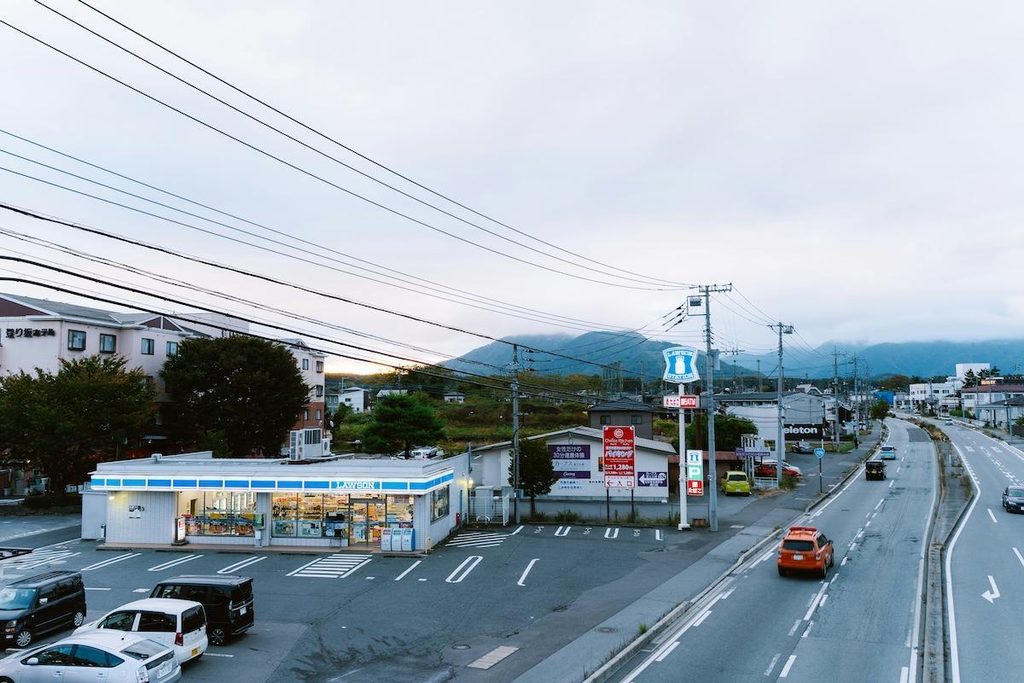
Photo: Unsplash
Japanese convenience stores are one of the best travel companions you will find in Japan. Food, drinks, cash, tickets, luggage delivery — almost everything you need during a trip is available, often at any hour of the day or night. Tired after a long day of sightseeing, hungry at midnight, or in need of an ATM, whatever the situation, a convenience store is never far away.
Each chain has its own personality, and finding your favourite is part of the fun on your trip. 7-Eleven for premium quality, FamilyMart for FamiChiki and great value, Lawson for sweets that punch well above their price. Try a few, compare, and see which one feels right for you.
And do not stop at the food and drinks. ATMs, ticket machines, luggage delivery, photo printing — convenience stores in Japan offer services that can genuinely make your trip easier. The more you use them, the more useful they become.
Spending time in a Japanese convenience store is also, in a quiet way, a window into everyday life in Japan. These are the places where local people stop every single day.
Before work, after school, late at night. Even just for an onigiri and a coffee puts you right in the middle of that. It is a small thing, but it is exploring real Japan.
To find the nearest convenience store wherever you are in Japan, an eSIM makes it easy to search on the spot. Check out our recommended eSIM options for Japan here: https://getjapanesim.com