Introduction

Photo: Unsplash
Planning a trip to Kyoto but not sure what local food to try?
Kyoto is famous for temples and traditional streets, but the food culture is just as special. Many visitors know about matcha sweets or ramen, but Kyoto has many unique local dishes that reflect the city’s long history and quiet atmosphere.
Kyoto was once the capital of Japan for more than 1,000 years, and many traditional food cultures developed here. Buddhist traditions, tea culture, and seasonal dining all shaped the way people eat in Kyoto today.
In this article, you will learn:
- What makes Kyoto food culture unique
- Traditional local dishes you should try
- Recommended restaurants and areas for Kyoto food
- Useful travel tips for enjoying food in Kyoto
Kyoto is easier to explore when you can quickly check maps, restaurant locations, and train routes online. Having internet access with an eSIM helps make your trip smoother and more flexible.
Overview of Kyoto Local Food

Photo: Unsplash
Kyoto food is known for being delicate, seasonal, and deeply connected to Japanese tradition. Kyoto cuisine often focuses on balance and simplicity. Many dishes highlight natural ingredients instead of heavy sauces or spices. Since Kyoto developed around temples, tea ceremonies, and traditional culture, the food also became more refined over time.
One of the most interesting things about Kyoto food is how much the seasons matter. Restaurants often change their menu depending on the time of year. Spring bamboo shoots, summer river fish, autumn mushrooms, and winter tofu dishes are all part of Kyoto’s seasonal culture.
Kyoto is also known for using ingredients connected to Buddhist cuisine. Tofu, yuba, vegetables, and light broths are very common.
Characteristics of Kyoto food culture:
- Light and elegant flavors
- Strong connection to seasons
- Beautiful presentation and tableware
- Traditional cooking methods
- Importance of fresh local ingredients
Many travelers expect Kyoto food to feel formal or expensive, but there are actually many ways to enjoy local cuisine casually. Small noodle shops, traditional cafes, and family-run restaurants are everywhere in the city.
Another important point is location. Kyoto’s food experience changes depending on the area. Gion feels elegant and traditional, while areas near Kyoto Station are more casual and modern. Instead of trying too many restaurants in one day, it’s often better to slow down and enjoy one area at a time.
Best Things to Do in Kyoto for Food Lovers

Photo: Unsplash
Kyoto food is not only about eating. The experience also includes the atmosphere, scenery, and pace of the city.
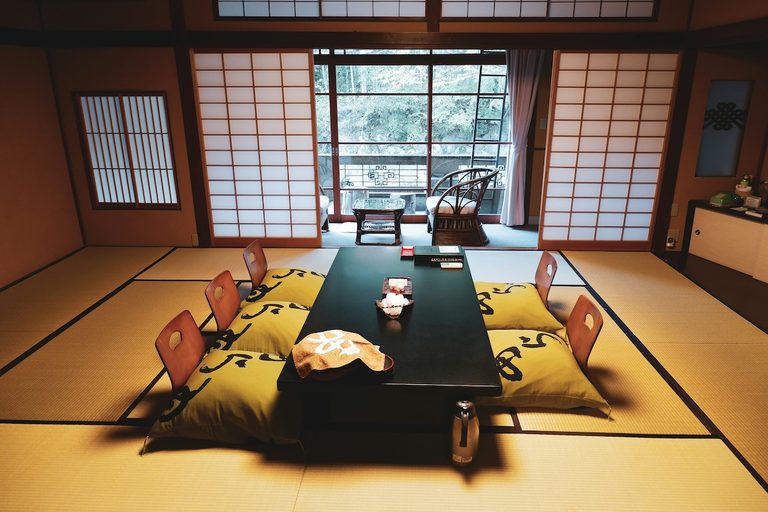
Many restaurants are located inside old wooden buildings or quiet streets. Even simple meals can feel special because of the setting.
Explore Traditional Food Streets
• Walk through Nishiki Market slowly
• Visit small side streets in Gion
• Look for local family-run restaurants
Kyoto has many hidden restaurants that are easy to miss. Sometimes the best places are small shops with only a few seats.
Unlike busy tourist areas in other cities, Kyoto often rewards slow exploration. You may discover traditional sweet shops, tofu stores, or noodle restaurants simply by walking around.
Enjoy Seasonal Kyoto Cuisine
- Try foods that match the season
- Visit traditional cafes during breaks
- Experience local flavors instead of chain restaurants
Seasonal dining is an important part of Kyoto culture.
In spring, many cafes offer sakura-themed sweets and drinks. Summer is popular for cold noodles and riverside dining. Autumn brings chestnut desserts and warm dishes, while winter is perfect for hot tofu meals.
Trying seasonal dishes helps you experience Kyoto in a more local way.
Visit Traditional Restaurants
- Experience old Kyoto-style interiors
- Enjoy slower dining experiences
- Observe traditional Japanese hospitality
Some Kyoto restaurants have been operating for generations.
Even if the meal itself is simple, the atmosphere often becomes part of the memory. Wooden architecture, small gardens, and quiet dining rooms create a very different feeling from modern restaurants.
Try Local Specialties
- Taste Kyoto-style ramen
- Eat traditional soba noodles
- Experience Buddhist vegetarian cuisine
Kyoto has both casual foods and formal cuisine.
You can enjoy a simple bowl of noodles for lunch, then experience a traditional kaiseki dinner (sit-down restaurant) in the evening. This balance makes Kyoto’s food culture interesting for many travelers.
Slow Down and Enjoy the Atmosphere
- Take breaks between meals
- Spend time in traditional cafes
- Don’t rush between restaurants
Kyoto is not a city that needs to be rushed.
Many of the best food experiences happen during quiet moments — drinking tea near a garden, eating noodles on a rainy day, or finding a small local restaurant by accident.
Recommended Local Foods in Kyoto

Photo: Pexels
Kyoto has many traditional dishes that are difficult to find in other parts of Japan. Some are connected to temple culture, while others became popular because of Kyoto’s history and geography.
These foods are part of everyday life in Kyoto, but they also reflect the city’s deeper cultural traditions.
1. Yuba
Yuba, also known as tofu skin, is one of Kyoto’s most famous traditional foods. It is made from the thin layer that forms on the surface of heated soy milk. Because Kyoto has high-quality water and a strong tofu culture, yuba became an important local specialty.
The texture is soft and delicate, and the flavor is very mild. Some travelers are surprised by how simple it tastes at first, but the subtle flavor becomes more enjoyable as you eat more.
Yuba is often served fresh, sometimes with soy sauce, wasabi, or light broth. It also appears in kaiseki meals and Buddhist cuisine.
Many yuba restaurants are located near temple areas such as Arashiyama and Higashiyama.
Highlights:
- Traditional Kyoto tofu culture
- Soft and delicate texture
- Common in temple cuisine
2. Kyoto Udon
Kyoto also has a quieter udon culture that many international travelers do not expect.
Compared to stronger ramen flavors, Kyoto-style udon often feels softer and more comforting. The broth is usually light but full of umami, creating a warm and relaxing meal.
One popular style is curry udon, which combines thick noodles with rich Japanese curry broth. It is especially satisfying after walking around Kyoto during colder seasons.
Many local udon restaurants in Kyoto are small, casual, and family-run. Some shops have been operating for many years and are loved by both locals and visitors.
Udon restaurants are easy to enjoy, even for first-time visitors, because the dishes are simple, filling, and approachable.
Highlights:
- Soft and comforting noodles
- Popular curry udon variations
- Casual local dining atmosphere
3. Nishin Soba
Nishin soba is one of Kyoto’s classic local noodle dishes. It combines soba noodles with “nishin.” Nishin means herring, a type of fish traditionally preserved and simmered in a sweet soy-based sauce. It became popular in Kyoto long ago because seafood from northern Japan was transported to the city as a valuable source of protein. Today, the soft and flavorful fish is one of the defining features of nishin soba.
At first, the combination may sound unusual to some international travelers, but the flavors work together surprisingly well. The salty broth, soft fish, and buckwheat noodles create a comforting and balanced meal.
Historically, dried herring was transported from northern Japan to Kyoto, making it a valuable source of protein. Over time, the dish became part of Kyoto’s traditional food culture.
Nishin soba is especially popular during colder months because the hot broth feels warm and comforting.
Many traditional soba restaurants in Kyoto still serve this dish today.
Highlights:
- Traditional Kyoto noodle dish
- Sweet simmered herring topping
- Warm and comforting flavor
4. Shojin Ryori
Shojin ryori is traditional Buddhist vegetarian cuisine that developed inside Japanese temples.
Because Kyoto has many historic temples, it became one of the best places in Japan to experience this style of dining.
Shojin ryori does not use meat or fish. Instead, meals focus on vegetables, tofu, sesame, seaweed, and seasonal ingredients.
The cooking style values balance, simplicity, and mindfulness. Even though the dishes are vegetarian, the meals often feel surprisingly satisfying.
Many travelers expect vegetarian cuisine to feel limited, but shojin ryori is carefully prepared and beautifully presented. The experience is often calm and peaceful, especially when dining inside a temple environment.
Some temples in Kyoto also offer morning meals or lunch experiences.
Highlights:
- Traditional Buddhist cuisine
- Seasonal vegetable-focused dishes
- Peaceful temple dining atmosphere
5. Kyoto Kaiseki
Kaiseki is widely regarded as one of the most refined forms of Japanese cuisine, and Kyoto stands out as one of the best places to experience it. Unlike more casual dining, kaiseki is a slower, more formal experience, focusing less on eating quickly and more on appreciating each detail. A typical kaiseki meal features a series of small, thoughtfully prepared dishes made with seasonal ingredients, each course carefully composed to achieve a harmonious balance of flavor, color, texture, and presentation. Traditional Kyoto kaiseki often highlights ingredients such as tofu, seasonal fish, vegetables, yuba, and delicately crafted broths, with presentation also playing a key role as plates, bowls, and decorative elements change to reflect the season. While some kaiseki restaurants are highly luxurious, there are also accessible lunch courses and beginner-friendly options available. Dining at a Kyoto kaiseki restaurant often feels like experiencing art, culture, and cuisine all at once.
Highlights:
- Elegant multi-course dining
- Seasonal Kyoto ingredients
- Traditional Japanese hospitality
6. Kyoto Ramen
Kyoto ramen is different from ramen styles in Tokyo or Hakata(pork bone broth).
Many Kyoto ramen shops serve rich soy sauce-based broth with strong flavor and slightly thick noodles. Compared to Kyoto’s delicate traditional cuisine, ramen offers a heavier and more casual side of the city’s food culture.
The Kyoto Station area has many popular ramen restaurants, making it convenient for travelers. Some shops specialize in rich chicken broth, while others focus on lighter soy sauce flavors. There are also spicy variations and local chain restaurants that are popular with students and locals.
Kyoto ramen is perfect after a long day of sightseeing, especially during colder weather. The atmosphere inside ramen shops is usually casual and fast-paced compared to traditional Kyoto restaurants.
Highlights:
- Rich soy sauce-based broth
- Casual local food culture
- Convenient near Kyoto Station
Kyoto has many restaurants spread across different areas, so checking maps and transportation routes is important. Using an eSIM helps you search restaurants, translate menus, and move around smoothly without relying on public Wi‑Fi.
Recommended Food Areas in Kyoto

Photo: Unsplash
The atmosphere of Kyoto changes greatly depending on the neighborhood. Each area has different styles of food and dining experiences.
Gion
Gion is one of Kyoto’s most traditional districts and a good area for experiencing kaiseki dining, matcha cafes, and elegant Japanese sweets.
Walking through Gion at night feels very atmospheric. Small lanterns, wooden buildings, and narrow streets create a classic Kyoto atmosphere.
Many restaurants here are more formal, but there are also small cafes and casual lunch spots.
Highlights:
- Traditional Kyoto atmosphere
- Kaiseki restaurants
- Japanese sweets and tea cafes
Time required: about 2–3 hours
Access: About 20 minutes from Kyoto Station by bus or train
Official website: Kyoto City Tourism Official Site
Location: Google Maps
Nishiki Market
Nishiki Market is often called “Kyoto’s Kitchen.” It is one of the best places to try many local foods in one area.
The market has small shops selling tofu, pickles, sweets, seafood, tea, and snacks.
Walking through the market slowly allows you to experience Kyoto food culture casually.
It can become crowded during midday, but mornings are usually more comfortable.
Highlights:
- Kyoto street food
- Traditional ingredients
- Easy food sampling
Time required: about 60–90 minutes
Access: Short walk from Shijo Station
Official website: Nishiki Market Official Site
Location: Google Maps
Arashiyama
Arashiyama is famous for nature and temples, but it is also a good area for traditional Kyoto foods.
Many tofu and yuba restaurants are located here because of the area’s Buddhist history.
After visiting the bamboo grove or nearby temples, stopping at a quiet restaurant feels very relaxing.
The atmosphere is slower and more peaceful compared to central Kyoto.
Highlights:
- Yuba and tofu restaurants
- Scenic river views
- Relaxed atmosphere
Time required: about 2–4 hours
Access: About 30 minutes from Kyoto Station by train
Official website: Arashiyama Official Site
Location: Google Maps
Kyoto Station Area
The area around Kyoto Station is modern and convenient.
This is one of the easiest places to try Kyoto ramen and casual local foods.
Department stores and restaurant floors near the station also make it easy for travelers who have limited time.
Compared to Gion, the atmosphere is more modern and practical.
Highlights:
- Easy transportation access
- Kyoto ramen restaurants
- Convenient dining options
Time required: about 1–2 hours
Access: Directly connected to Kyoto Station
Official website: Kyoto Station Official Site
Location: Google Maps
Travel Tips for Enjoying Kyoto Food

Photo: Unsplash
A few simple tips can make your Kyoto food experience much more enjoyable:
Arrive Early:
Popular restaurants often become crowded around lunchtime and dinner time. Visiting earlier helps you avoid long lines and enjoy a quieter atmosphere. This is especially helpful in tourist areas like Gion and Nishiki Market.
Try Seasonal Foods:
Kyoto cuisine changes with the seasons. Instead of searching only for famous dishes, try foods that match the time of year. Seasonal ingredients are one of the most important parts of Kyoto dining culture.
Carry Cash:
Although many places now accept cards, some smaller traditional restaurants still prefer cash, so it would be better to have cash on you.
Learn Simple Japanese Phrases
- “Arigato gozaimas” (Thank you)
- “Oishii desu” (It’s delicious)
- “Sumimasen” (Excuse me)
Using maps, translation apps, and train apps makes Kyoto much easier to explore. An eSIM is especially useful when searching for restaurants or checking opening hours while walking around the city.
How to Get to Kyoto

Photo: Unsplash
From Tokyo to Kyoto Station
- Shinkansen (bullet train)
- Time: about 2.5 hours
- Cost: around ¥14,000*
From Osaka to Kyoto Station
- JR train
- Time: about 30 minutes
- Cost: about ¥600*
From Kansai International Airport to Kyoto Station
- JR Haruka Express
- Time: about 75 minutes
- Cost: about ¥3,000*
From Narita International Airport to Kyoto Station
- Narita Express + Shinkansen
- Time: about 3.5–4 hours
- Cost: about ¥18,000*
*Prices are subject to change. Please check the official website for up-to-date information.
Summary

Photo: Unsplash
Kyoto is one of the best cities in Japan for travelers who want to experience traditional food culture. From delicate yuba dishes to rich Kyoto ramen, the city offers many different styles of cuisine. Some meals are elegant and formal, while others are simple and comforting.
What makes Kyoto food special is not only the taste. The atmosphere, history, seasonal ingredients, and slower pace all become part of the experience. Whether you are eating nishin soba in a traditional noodle shop, trying shojin ryori inside a temple, or relaxing with a curry udon bowl in Kyoto, each meal helps you experience a different side of the city.
Instead of rushing to famous restaurants, try slowing down and enjoying Kyoto naturally. Kyoto is not only a place to see. It is also a place to taste. To make your trip smoother, having stable internet access with an eSIM helps you search restaurants, check directions, and adjust your plans anytime.
Kyoto becomes even more memorable when you experience it through local food. Have a wonderful food trip in Kyoto!