Photo: Pexels
Tokyo has many famous sightseeing spots. The city is large, busy, and full of attractions.
Planning a trip to Tokyo can feel overwhelming, especially on your first visit.
This 3-day itinerary is designed specifically for first-time visitors. It focuses on must-see places, simple routes, and short travel times. Instead of traveling across the entire city, you will be able to focus on one main area each day.
In this guide, you will learn:
- How to explore Tokyo in 3 days without stress
- Where to go each day
- How to move around the city easily
Stay connected in Tokyo with an eSIM. Use maps, trains, and translation apps without worry.
Overview: How This 3-Day Itinerary Works
Tokyo is a huge city, you would need a whole month to visit a fraction of everything that it has to offer. For first-time travelers, focusing on top attractions without long train rides makes your trip more enjoyable.
This itinerary is based on three simple ideas:
- One main area per day to reduce travel time
- Most rides under 30 minutes by train or on foot
- A balance of culture, food, views, and modern attractions
You will visit:
- Day 1: Traditional Tokyo in the Asakusa & Skytree area
- Day 2: Modern Tokyo in the Shibuya & Shinjuku area
- Day 3: Food, art, and city icons in central Tokyo
Some popular places, such as Japanese gardens or nighttime spots, are listed as optional spots. You can add them if you have extra time and energy, based on your interests.
This flexible plan makes your trip more enjoyable and less stressful.
Day 1: Asakusa & Skytree area
Traditional Tokyo and Easy Start

Photo: Pexels
Why this day works:
This day is perfect for your first day in Tokyo. Most areas are close together, so you can enjoy walking while seeing traditional Tokyo scenery. There are few train transfers, making the day easy and stress-free.
Morning: Sensō-ji (浅草寺) in Asakusa
Start your trip at Sensō-ji, Tokyo’s oldest and most famous temple. It is located in Asakusa, a traditional downtown area.
Walk through Kaminarimon Gate and continue along Nakamise Street. You can see small shops selling snacks and souvenirs. Take your time and enjoy the atmosphere.
Route:
Kaminarimon Gate → (5-minute walk) → Nakamise Street → (10-minute walk) → Main Hall
- Time needed: 1–2 hours
- Access: 5-minute walk from Asakusa Station (Tokyo Metro Ginza Line / Toei Asakusa Line / Tobu Skytree Line)
- Location: Google Maps
- Official Site
Tip: Visit in the morning to avoid crowds.
Late Morning: Walk to Tokyo Skytree
After visiting Sensō-ji, walk toward Tokyo Skytree. The route is flat and easy, even for first-time visitors. You will pass local streets and riverside views along the way.
Route:
Sensō-ji Main Hall → (25–30 minute walk) → Tokyo Skytree
If you prefer, you can take a short train ride instead. You can also try a rikshaw (人力車) ride to enjoy the old Edo atmosphere. However, walking between these places is a great way to see everyday Tokyo.
Afternoon: Tokyo Skytree (東京スカイツリー)
Tokyo Skytree is the tallest structure in Japan. From the observation deck, you can enjoy wide views of the city. On clear days, you may see Mt. Fuji.
After visiting the tower, explore Tokyo Solamachi at the base. It is a large shopping and dining mall complex.
Route:
Tokyo Skytree Observation Deck → (5-minute walk) → Tokyo Solamachi
- Time needed: 1–2 hours
- Access: Directly connected to Tokyo Skytree Station (Tobu Skytree Line), 3-minute walk from Oshiage Station (Hanzomon Line, Asakusa Line, Keisei Line)
- Location: Google Maps
- Official Site
Optional Attractions
- Relax walking near the Sumida River
- Enjoy a ferry ride to Odaiba, or Hamarikyu
- Visit Ueno and stroll through Ameyoko and try street food
This relaxed first day helps you get used to Tokyo before busier days.
Day 2: Shibuya & Shinjuku Area
Modern Tokyo and City Energy

Photo: Pexels
Why this day works:
This day shows the modern side of Tokyo. You will visit famous districts connected by one main train line. Short train rides and a mix of calm and bustling areas make the day smooth and efficient.
Morning: Meiji Jingu (明治神宮) in Harajuku
Start the day at Meiji Jingu, Tokyo’s most important Shinto shrine. It is located next to Harajuku Station, but the shrine feels quiet and calm, like a forest. Walking through the calm path is a great way to experience a peaceful and spiritual moment before continuing on with your sightseeing.
If you are interested in Japanese gardens, you can also visit the Meiji Jingu Inner Garden. It is a small and quiet garden inside the shrine grounds.
Because it is not very large, it can be easily visited together with the main hall.
Route:
Torii gate at the entrance → (8-minute walk) → Main Hall → (6-minute walk) → Inner Garden
- Time Needed: 1–2 hours
- Access: 1-minute walk from Harajuku Station (JR) / Meiji‑Jingumae Station (Tokyo Metro Chiyoda Line)
- Location: Google Maps
- Admission: ¥500 (Inner Garden only)
- Official Site
Tip: Visit in the morning for a quieter atmosphere.
Late Morning: Shibuya Scramble Crossing (渋谷スクランブル交差点)
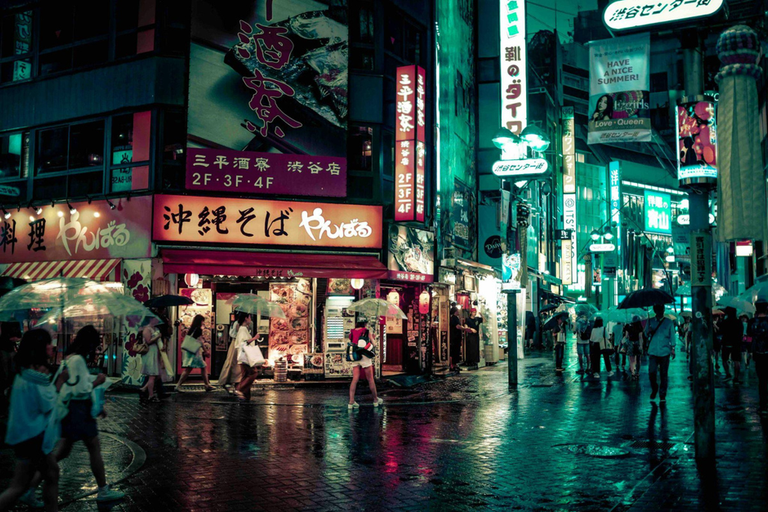
Next, head to Shibuya, one of Tokyo’s most energetic areas.The Shibuya Scramble Crossing is famous for thousands of people crossing at the same time. It is a quick stop just outside the station, but a must-see photo spot.
If you want to see another side of Harajuku, you can walk towards Shibuya. Takeshita Street (竹下通り) on the way, walk along a street famous for “Kawaii” pop culture. Omotesando Street (表参道) is also nearby and perfect for luxury shopping.
Route:
Harajuku Station → (5-minute Train Tide on JR Yamanote Line or 30-minute walk)
Shibuya Station → (1-minute walk) → Shibuya Scramble Crossing
- Time Needed: 20 minutes
- Access: Right outside Shibuya Station (Hachiko Exit)
- Location: Google Maps
Tips:
- Stay near the station exits to watch the crossing from above or street level.
- View from Shibuya SKY or nearby cafés for photos
- Be careful on rainy days, as the crossing gets slippery
Early Afternoon: Shibuya SKY
After seeing the crossing, visit Shibuya Sky, an open-air rooftop observation deck. From here, you can enjoy wide views of Tokyo from above and clearly see how large the city is.
Route:
Shibuya Scramble Crossing → (5-minute walk) → Shibuya Sky
- Time Needed: 1 hour
- Access: Directly connected to Shibuya Station
- Location: Google Maps
- Admission Fee: ¥2,700 (Before 15:00), ¥3,400 (After 15:00)
- Official Site (Shibuya Sky)
Tip: Reserve tickets in advance, especially on weekends
Late Afternoon: Shinjuku Gyoen (新宿御苑)
In the afternoon, move to Shinjuku Gyoen for a short break. This large park features several garden styles, including a traditional Japanese style garden. It is a great place to relax, walk or enjoy a picnic after a busy morning.
Route:
Shibuya Station → (7-minute train ride) → Shinjuku Station → (10-minute walk) → Park entrance
- Time Needed: 1–2 hours
- Access: 10-minutes walk from Shinjuku Station (JR / Odakyu / Keio Line)
- Location: Google Maps
- Admission Fee: ¥500
- Official Site
Evening (Optional)
- Shopping around Shinjuku Station
- Sunset or night views from the Tokyo Metropolitan Government Building
- Bar-hopping at Omoide Yokocho or Golden Gai
Day 3: Central Tokyo & Bay Area
Food, Art, and City Icons

Photo: Pexels
Why this day works:
On the final day, you will focus on food, art, and famous Tokyo landmarks. All spots are connected by short train rides, making the day easy to manage.
Morning: Tsukiji Outer Market (築地場外市場)
Start your last day at Tsukiji Outer Market, one of Tokyo’s most popular food districts. This lively area is famous for fresh seafood and local street food. It is a great place to enjoy a casual breakfast or an early lunch.
Walk through the narrow street and try small dishes as you go. You can find sushi, seafood bowls, and freshly made tamagoyaki (rolled omelette).
- Time Needed: 1-2 hours
- Access: 1-minute walk from Tsukiji Station (Tokyo Metro Hibiya Line)
3-minute walk from Tsukiji-Shijo Station (Toei Oedo Line) - Location: Google Maps
- Official Site
Tip: Arrive before noon for more food choices and less crowds.
Early Afternoon: teamLab Planets
After Tsukiji, head to teamLab Planets, a digital art museum located in Toyosu. This museum offers immersive experiences using dynamic lights, sounds, and movements. This is one of the most unique and memorable attractions in Tokyo.
Route:
Tsukiji Station → (15–20-minute train ride) → Toyosu or Shin-Toyosu Station → (5-minute walk)
- Time Needed: 2 hours
- Access: 5-minutes walk from Shin-Toyosu Station (Yurikamome)
10-minute walk from Toyosu Station (Tokyo Metro Yurakucho Line)
- Location: Google Maps
- Admission Fee: ¥3,800- (It depends on the date)
- Official Sites
Tip: Reserve tickets in advance, as entry times are fixed and popular slots sell out quickly.
Late Afternoon: Tokyo Tower (東京タワー)
From teamLab, travel to Tokyo Tower, one of Tokyo’s most iconic landmarks. The red-and-white tower has been a symbol of the city for many years. From the observation deck, you can enjoy views across central Tokyo, even Mt.fuji on clear days.
Nearby Zojo-ji Temple is also worth a short visit. The contrast between the historic temple and the modern tower expresses a unique scene.
Route:
Toyosu Station / Shin-Toyosu Station → (about 30-minute train ride) → Akabanebashi Station → (5-minute walk) → Tokyo Tower → (5-minute walk) → Zojo-ji Temple
- Time Needed: 1 hour
- Access: 5-minute walk from Akabanebashi Station (Oedo Line)
6-minute walk from Onarimon Station (Toei Mita Line)
- Location: Google Maps
- Admission Fee: ¥1,500 (Main Deck Only), ¥3,500 (Main Deck and Top Deck)
- Official Site
Evening (Optional)
- Enjoy dinner near Roppongi
- Relax after a full day of sightseeing
You can have dinner at nearby restaurants or return to your hotel at a relaxed pace. The nighttime view of Tokyo Tower is a perfect way to finish your Tokyo Travel.
Stay connected in Tokyo with an eSIM and travel with confidence.
How to Get Around Tokyo: Trains, Passes, and Travel Tips
Tokyo’s transport system may look complex, but it is very efficient. Trains run on time, signs are in both Japanese and English. All major areas are easy to reach by train.
For this itinerary, trains and subways are the best option. You do not need a car in Tokyo.
Recommended options:
- IC card (Suica or PASMO) :
Works on almost all trains and buses in Tokyo - Tokyo Subway Ticket (24h, 48h, or 72h):
Best value for sightseeing days when using subways - Contactless credit cards:
Accepted on most subway lines
Most train rides in this itinerary take less than 30 minutes, with simple transfers or short walks.
Travel Tips for This Itinerary
To make your trip easy and smooth, keep these tips in mind:
- Start early at popular spots like Asakusa, Shibuya, and Tsukiji
- Group nearby attractions to reduce travel time and walking distance
- Book observation decks and teamLab tickets in advance
- Wear comfortable shoes, as you will walk a lot
- Stay connected for maps, train routes, and updates
Summary

Photo: Pexels
This 3-day itinerary is perfect for first-time travelers. It offers short travel times, clear daily routes, and an easy pace to follow.
You will experience:
- Traditional temples and historic streets
- Modern districts and city views
- Food, art, and iconic Tokyo landmarks
The plan is flexible and easy to adjust for weather or personal interests. Stay connected in Tokyo with an eSIM and travel with confidence.