Introduction

Planning a trip to Kyoto but not sure which cultural experiences are truly worth trying? Kyoto is one of the best destinations in Japan for travelers who want to experience traditional Japanese culture, history, and local customs. However, with so many temples, tea houses, workshops, gardens, and historic streets, deciding where to begin can feel difficult.. This article introduces the best cultural experiences in Kyoto in a simple and practical way.
Kyoto was the capital of Japan for more than 1,000 years, and many traditional arts and customs were carefully preserved here. Today, visitors can still experience old Japanese culture through tea ceremonies, kimono walks, Zen meditation, local crafts, and traditional dining.
Unlike modern cities filled with skyscrapers and busy entertainment districts, Kyoto offers a slower and more peaceful atmosphere. Many travelers visit Kyoto not only to see famous landmarks but also to experience traditional Japanese lifestyles and seasonal beauty. Every season in Kyoto offers a different cultural atmosphere. Spring brings cherry blossoms and tea gatherings, summer features traditional festivals, autumn highlights colorful temple gardens, and winter creates a quiet scenery around historic temples and streets.
Kyoto is also a city where tradition and daily life still coexist. Local residents continue to practice seasonal customs, celebrate religious festivals, and preserve traditional craftsmanship. Even small experiences, such as hearing temple bells in the evening or seeing lanterns along narrow streets, can become memorable cultural moments during your trip.
For many visitors, Kyoto feels very different from other major cities in Japan. While Tokyo is known for modern entertainment and technology, Kyoto is appreciated for its slower pace and deep historical atmosphere. Travelers often come to Kyoto to relax, learn about Japanese traditions, and experience a more classic side of the country. This balance between tourism and preserved local culture is one of the reasons Kyoto remains one of the most visited destinations in Japan.
Kyoto is also an excellent destination for travelers who enjoy slow travel. Instead of rushing between attractions, visitors can spend time sitting in gardens, exploring local neighborhoods, or participating in hands-on cultural experiences. Many travelers discover that Kyoto becomes more enjoyable when they move slowly and appreciate the small details of the city.
In this article you will learn:
- The best cultural experiences in Kyoto
- Where to enjoy authentic traditional activities
- Helpful etiquette and travel tips
- The best areas to explore Kyoto culture
- Seasonal cultural experiences to enjoy
- How to access popular cultural spots in Kyoto
Traveling around Kyoto can sometimes feel confusing without internet access. Many cultural spots are located in small streets or residential areas, and public transportation can become crowded during busy seasons. With an eSIM, you can easily use maps, translation apps, and train route guides during your trip.
Overview of Kyoto Cultural Experiences

Kyoto is widely considered the cultural heart of Japan. The city preserves traditional architecture, local crafts, religious customs, seasonal festivals, and historical neighborhoods that are difficult to experience elsewhere in the country.
Kyoto’s cultural identity developed during the centuries when the city served as Japan’s imperial capital. Aristocrats, Buddhist monks, artists, and craftsmen helped shape many of the traditions that still represent Japanese culture today. Because Kyoto escaped major destruction during World War II, many historic buildings and districts remain beautifully preserved.
Key Features
- Traditional Japanese architecture and streets
- Historic temples and shrines
- Tea culture and seasonal customs
- Traditional arts and craft workshops
- Calm and refined atmosphere
One of the most special aspects of Kyoto is how culture is part of everyday life. Local residents still practice seasonal traditions, visit temples regularly, and celebrate festivals connected to history and religion. Visitors can experience both famous tourist attractions and smaller local traditions throughout the city.
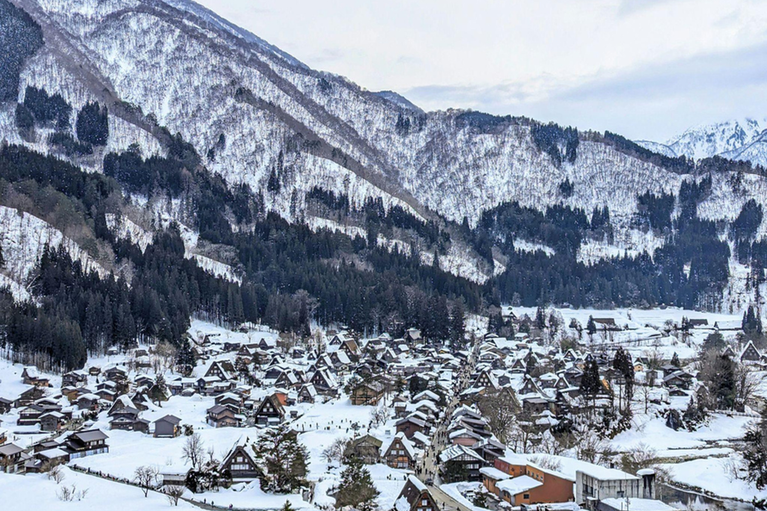
Kyoto also changes significantly with the seasons. Spring is famous for cherry blossoms, while autumn attracts visitors with colorful maple leaves. Seasonal foods, decorations, and festivals are deeply connected to Kyoto culture. Even tea sweets and traditional meals often reflect the current season. Summer in Kyoto is known for traditional festivals and riverside dining platforms called “kawayuka,” where restaurants build temporary seating above rivers to create a cooler atmosphere. Winter, on the other hand, offers quieter sightseeing experiences and beautiful snowy temple scenery.
Cultural experiences in Kyoto are not only educational but also interactive. Instead of simply looking at historical sites, travelers can actively participate in local traditions. Activities such as making wagashi sweets, practicing calligraphy, wearing kimono, or joining a tea ceremony help visitors understand Japanese aesthetics and manners more deeply.
Kyoto culture also places great importance on hospitality and attention to detail. Even small aspects of daily life, such as seasonal decorations inside restaurants or the arrangement of garden plants, often reflect traditional Japanese aesthetics. Visitors who take time to notice these details can gain a deeper appreciation for Kyoto’s cultural atmosphere.
Another reason Kyoto is popular among international travelers is the variety of experiences available. Some visitors focus on spiritual activities such as meditation and temple stays, while others enjoy creative workshops or local food culture. Kyoto can feel completely different depending on the traveler’s interests and the season of the visit. This flexibility makes the city attractive for both first-time visitors and repeat travelers.
Kyoto’s traditional atmosphere is also supported by the city’s preserved architecture. Many neighborhoods still feature wooden machiya townhouses, narrow alleys, and stone-paved streets. Walking through these areas gives visitors a chance to experience scenery that has remained largely unchanged for generations.
Best Things to Do in Kyoto

Photo: Pexels
Kyoto offers many opportunities to experience Japanese culture in both traditional and modern ways. Some experiences focus on history and spirituality, while others allow visitors to interact directly with local crafts and customs.
Experience a Traditional Tea Ceremony
Tea ceremony is one of Kyoto’s most famous cultural activities. Known as “sado” or “chado,” the Japanese tea ceremony is not simply about drinking tea. It is a carefully designed experience that emphasizes harmony, respect, tranquility, and mindfulness.
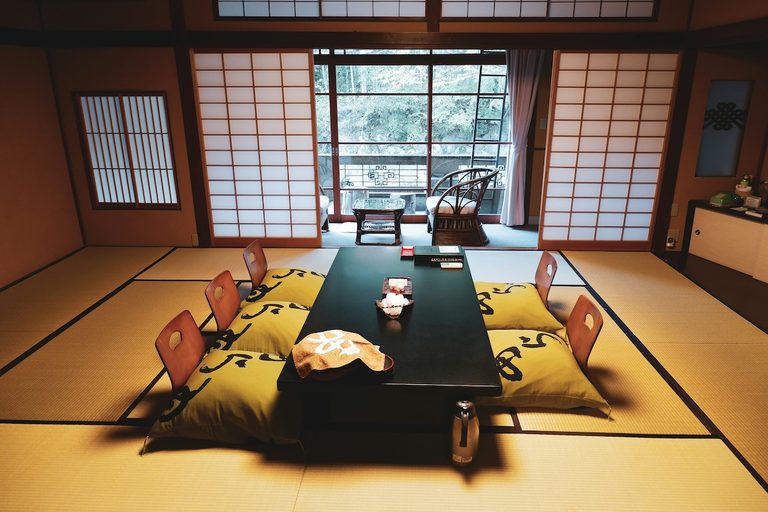
Tea ceremonies are usually held inside traditional Japanese rooms with tatami flooring and garden views. Guests are guided through the process step by step, learning the meaning behind each movement and utensil. Matcha green tea is prepared slowly and served alongside seasonal Japanese sweets.
The atmosphere inside tea houses is usually calm and quiet. Many visitors say the experience feels relaxing and almost meditative. Even travelers with little knowledge of Japanese culture can enjoy the beauty and simplicity of the ceremony.
Popular tea ceremony areas include:
- Gion
- Higashiyama
- Uji
- Arashiyama
Some tea experiences also include kimono rentals or short cultural lessons about Japanese etiquette and history. Higher-end tea ceremonies may take place inside historic buildings or traditional gardens, creating an even more memorable atmosphere.
Tea culture in Kyoto is deeply connected to Zen philosophy. The ceremony encourages guests to focus on the present moment and appreciate small details. Because of this, many travelers describe the experience as calming and refreshing after busy sightseeing schedules. Many tea houses in Kyoto use seasonal decorations inside the tea room. Flowers, hanging scrolls, and sweets often change depending on the season. These details are important parts of the tea ceremony experience because they reflect the idea of appreciating temporary beauty and seasonal change.
Tea ceremonies are also excellent opportunities to learn about Japanese hospitality. Hosts carefully prepare every aspect of the experience to make guests feel comfortable and respected. This thoughtful approach is an important part of traditional Japanese culture.
Wear a Kimono in Historic Districts
Wearing a kimono is one of the most memorable activities for visitors to Kyoto. Walking through old streets while dressed in traditional clothing creates a unique connection to the city’s historic atmosphere.
Kimono rental shops are available throughout Kyoto, especially near famous sightseeing areas. Many shops offer complete rental packages that include hair styling, bags, sandals, and accessories. Some stores even provide professional photographers who know the best photo spots in Kyoto.
Popular locations for kimono experiences:
- Gion
- Kiyomizu-dera area
- Ninenzaka and Sannenzaka
- Yasaka Shrine
- Arashiyama
Spring and autumn are especially popular seasons because the scenery matches the traditional atmosphere beautifully. Cherry blossoms and autumn leaves create excellent backgrounds for photos.
Although kimono experiences are designed for tourists, it is still important to behave respectfully while wearing traditional clothing. Many historic streets are residential areas where local people still live and work. For visitors unfamiliar with kimono, staff members usually help with dressing and explain how to walk comfortably while wearing the outfit. A kimono can feel different from modern clothing since the fabric and sandals slightly limit movements. Walking slowly and carefully helps make the experience more enjoyable.
Different kimono styles are also available depending on the season and occasion. Summer kimono are lighter and more breathable, while winter styles use thicker fabrics to stay warm. Some rental shops also offer yukata, a more casual style of traditional clothing often worn during summer festivals. Kimono experiences are especially popular among photographers and couples traveling together. The traditional clothing matches Kyoto’s historic streets perfectly and creates unforgettable travel memories.
Join Traditional Craft Workshops
Kyoto has a long history of traditional craftsmanship. Joining a local workshop allows visitors to learn directly from artisans while creating their own handmade souvenirs.
Popular workshops include:
- Pottery making
- Japanese fan painting
- Calligraphy
- Incense making
- Kintsugi repair art
- Wagashi sweet making
- Bamboo crafts
Many workshops are beginner friendly and include English explanations. Some activities take less than one hour, while others are more detailed experiences lasting half a day.
Traditional crafts are deeply connected to Kyoto’s history and culture. For example, incense making reflects Kyoto’s connection to Buddhist temple traditions, while pottery workshops introduce visitors to Japanese aesthetics and craftsmanship.
Workshops are especially popular among travelers looking for more meaningful experiences rather than only sightseeing. Handmade souvenirs often become special memories because visitors create them personally during their trip. Some workshops also explain the challenges faced by traditional artisans in modern Japan. Learning about these crafts helps visitors understand the importance of preserving cultural traditions for future generations.
Kyoto is especially famous for handcrafted products that focus on both beauty and practicality. Even ordinary objects such as bowls, chopsticks, and paper items are often carefully designed with seasonal colors and artistic patterns. This attention to detail reflects the philosophy of finding beauty in everyday life.
Traditional Japanese paper called “washi” is another important craft connected to Kyoto culture. Visitors can sometimes join workshops where they learn how delicate handmade paper is produced and decorated.
Experience Zen Culture
Kyoto is home to many important Zen temples. Some temples allow visitors to participate in meditation sessions or quiet cultural activities.
Popular Zen experiences include:
- Zazen meditation
- Sutra copying
- Garden viewing
- Temple stays
- Buddhist vegetarian cuisine
Zen culture emphasizes simplicity and mindfulness. Even short meditation sessions can provide a relaxing break from busy sightseeing schedules. Temple gardens are especially beautiful during autumn and spring. Many visitors enjoy quietly sitting and observing the carefully designed landscapes.
Some temples also offer overnight stays known as “shukubo.” These stays allow travelers to experience temple life more deeply by participating in morning prayers and eating traditional vegetarian meals. Zen experiences are ideal for visitors who want to slow down and experience a quieter side of Kyoto away from crowded sightseeing areas.
The design of Zen gardens is also deeply symbolic. Rocks, sand patterns, and carefully positioned plants are arranged to create balance and harmony. Many visitors spend time quietly observing the gardens because they are designed to encourage reflection and calm thinking. Meditation experiences can sometimes feel challenging for first-time participants because of the long periods of silence. However, many travelers later describe these quiet moments as some of the most memorable parts of their Kyoto trip.
Recommended Cultural Spots in Kyoto

Photo: Pexels
1.Gion
Gion is Kyoto’s most famous traditional entertainment district. The area is known for historic wooden buildings, tea houses, and geisha culture. Walking through Gion feels like traveling back in time, especially during the evening when lanterns light the narrow streets.
Many cultural experiences are available in Gion, including tea ceremonies, traditional dining, and kimono rentals. Visitors may even spot a geiko or maiko walking between appointments.
Highlights
- Historic tea houses
- Traditional Kyoto atmosphere
- Kimono experiences
- Beautiful night scenery
Details
- Time required: 2–4 hours
- Access: about 20 minutes by bus from Kyoto Station (bus fare: about ¥230)
- Nearest station: Gion-Shijo Station (Keihan Line)
- Location: Google Maps
2.Arashiyama
Arashiyama combines natural beauty with traditional culture. The district is famous for its Bamboo Grove, riverside scenery, temples, and historic streets.
Visitors can enjoy tea experiences, local craft shops, and traditional cafés while exploring the area. Rickshaw rides are also popular and provide an old-fashioned way to travel through the district.
Highlights
- Bamboo forest scenery
- Traditional riverside atmosphere
- Craft workshops
- Historic temples and gardens
Details
- Time required: 3–5 hours
- Access: about 30 minutes by train from Kyoto Station (fare: about ¥240)
- Nearest station: Arashiyama Station (Randen Line)
- Location: Google Maps
3.Uji
Uji is one of the most famous tea-producing areas in Japan and one of the best places to experience traditional Japanese tea culture. Located south of central Kyoto, Uji is especially well known for high-quality matcha green tea.
Many local tea houses offer tasting experiences where visitors can compare different types of matcha and learn about tea preparation methods. Some shops also explain how tea leaves are grown, harvested, and processed before becoming matcha powder.
Highlights
- Authentic matcha culture
- Traditional tea ceremony experiences
- Riverside scenery
- Historic temples and cafés
Details
- Time required: 3–5 hours
- Access: About 30 minutes by train from Kyoto Station
- Access: about 30 minutes by train from Kyoto Station (fare: about ¥240)
- Nearest station: Uji Station (JR Line)
- Location: Google Maps
4.Ninenzaka and Sannenzaka
Ninenzaka and Sannenzaka are historic stone-paved streets located near Kiyomizu-dera Temple. These streets are some of the most famous traditional areas in Kyoto and are known for their beautifully preserved architecture, small cafés, souvenir shops, and cultural atmosphere.
Walking through these streets feels like stepping back into old Kyoto. Wooden machiya buildings line the roads, and many shops sell handmade crafts, Japanese sweets, tea products, and seasonal souvenirs.
Highlights
- Traditional Kyoto streets
- Excellent kimono photo spots
- Handmade craft shops
- Historic atmosphere near Kiyomizu-dera
Details
- Time required: 2–4 hours
- Access: about 15 minutes by bus from Kyoto Station (bus fare: about ¥230)
- Nearest station: Kiyomizu-Gojo Station (Keihan Line)
- Location: Google Maps
5.Nanzen-ji
Nanzen-ji is one of Kyoto’s most important Zen temples and one of the best places to experience traditional Japanese spirituality and architecture. Located in eastern Kyoto, the temple complex is surrounded by trees, gardens, and quiet walking paths that create a calm and reflective atmosphere.
Compared to more crowded sightseeing spots, Nanzen-ji offers a slower and more peaceful experience. Many visitors come here to escape the busy city and enjoy meditation, temple gardens, and traditional Zen culture.
Highlights
- Zen temple atmosphere
- Traditional gardens and architecture
- Famous tofu cuisine
- Peaceful walking areas
Details
- Time required: 2–4 hours
- Access: about 40 minutes by subway and walking from Kyoto Station (fare: about ¥260)
- Nearest station: Keage Station (Tozai Subway Line)
- Location: Google Maps
Travel Tips for Visiting Kyoto
Photo: Pexels
Arrive Early
Popular sightseeing areas become crowded during the afternoon, especially during spring and autumn. Visiting early allows you to enjoy a quieter atmosphere and better photography conditions.
Dress Respectfully
Many temples and traditional buildings expect visitors to dress modestly. Avoid overly revealing clothing when visiting religious sites.
Remove Shoes When Necessary
Traditional buildings often require visitors to remove their shoes before entering tatami-covered rooms. Easy-to-remove shoes, like slip-on shoes, are recommended.
Speak Quietly
Kyoto is known for its calm atmosphere. Speaking quietly in temples, tea houses, and traditional restaurants is considered polite.
Carry Cash
Some traditional shops and restaurants still prefer cash payments, especially in smaller areas.
Respect Photography Rules
Certain temples and cultural facilities prohibit photography inside buildings. Always check signs before taking photos.
Learn Basic Japanese Phrases
Simple phrases such as “Arigatou gozaimas” and “Sumimasen” are appreciated by local residents.
Avoid Eating While Walking
In some traditional areas, eating while walking is discouraged. It is better to stop near the shop before eating snacks or drinks.
How to Get to Kyoto

Photo: Pexels
From Tokyo to Kyoto Station
- Shinkansen (bullet train)
- Time: about 2.5 hours
- Cost: around ¥14,000*
From Osaka to Kyoto Station
- JR train
- Time: about 30 minutes
- Cost: about ¥600*
From Kansai International Airport to Kyoto Station
- JR Haruka Express
- Time: about 75 minutes
- Cost: about ¥3,000*
From Narita International Airport to Kyoto Station
- Narita Express + Shinkansen
- Time: about 3.5–4 hours
- Cost: about ¥18,000*
*Prices are subject to change. Please check the official website for up-to-date information.
Summary

Photo: Pexels
Kyoto is one of the best places in Japan to experience traditional culture and history. From tea ceremonies and Zen temples to kimono walks and craft workshops, Kyoto offers many opportunities to experience authentic Japanese traditions in a meaningful way.Historic districts such as Gion and Arashiyama allow visitors to experience the atmosphere of traditional Japan, while areas like Uji and Nanzen-ji provide quieter cultural experiences connected to tea culture and Zen Buddhism.
Kyoto also offers something special during every season. Cherry blossoms, summer festivals, beautiful autumn leaves, and snowy temple scenery each create completely different cultural experiences throughout the year.
To explore Kyoto more comfortably, stable internet access is very helpful. With an eSIM, visitors can easily check maps, train schedules, restaurant information, and translation apps during their trip.
Enjoy your cultural journey in Kyoto and discover the beauty of traditional Japan through unforgettable local experiences.