Photo: Pexels
Introduction
Gamagori rarely appears high on a first Japan itinerary, but it fills a useful gap. About 45 minutes from Nagoya by JR, the city offers a compact coastal stop with an island walk, hot springs, seafood, and family attractions. This Gamagori travel guide is built around one practical question: how much time is worth giving it? Half a day can cover the central Takeshima area. Nishiura Onsen, the seafood market, and Lagunasia sit farther out, so a full day or overnight opens up a different trip.
Gamagori Travel Guide Basics: Getting Oriented on Mikawa Bay
Gamagori lies on the northern side of Mikawa Bay in Aichi Prefecture. It feels more like a working port city than a major sightseeing center. Fishing boats, low shorelines, hot-spring hotels, and the wooded shape of Takeshima keep the bay in view through much of the visit. There is no need to rush it; the city makes more sense when the coast is allowed to set the pace.
Getting to Gamagori is simple. JR trains on the Tokaido Main Line run directly from Nagoya, and Toyohashi is a convenient change point for Shinkansen travelers. Getting around the city takes a little more planning. Takeshima and Takeshima Aquarium make an easy pair from Gamagori Station, while Nishiura, the seafood market, and Laguna Ten Bosch should be treated as separate trips rather than pieces of one long walk.
Photo: Pexels
Takeshima: The Island That Gives Gamagori Its Shape
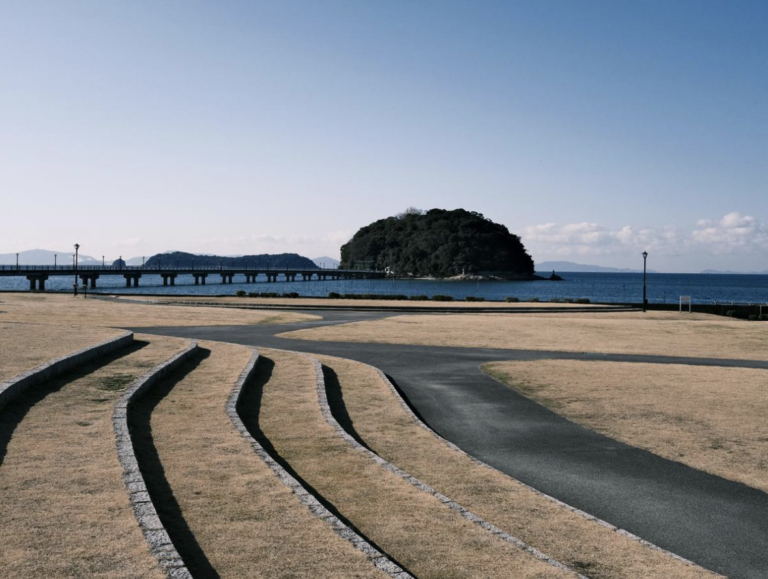
Takeshima is the view most closely associated with Gamagori. The small, wooded island sits just offshore, reached by a 387-meter footbridge from the park. The crossing is short, but the scene changes quickly: the town drops behind you, Mikawa Bay opens on both sides, and the stone torii of Yaotomi Shrine comes into view near the island.
Photo: Pexels
Yaotomi Shrine was founded in 1181 by Fujiwara no Shunzei, a courtier and poet who was serving as governor of Mikawa Province. It is traditionally counted among Japan’s notable Benten shrines. The island also appears in later local history. Tokugawa Ieyasu is said to have stopped here in 1600 to pray for luck on the battlefield. Those stories are easy to miss when visitors treat the bridge as just a photo spot.
Takeshima’s National Natural Monument designation protects its distinctive plant community. More than 230 varieties of plants have been recorded on the island, and the vegetation feels noticeably different from the landscaped shore across the bridge. The route through the shrine grounds includes stone steps, then returns along the rocky edge of the island. About 30 minutes is enough to make the circuit; allow closer to an hour if you stop at the shrines or linger by the water.
Spring can add clam digging, or shiohigari, to the visit. Dates depend on the year and the tides, so an old schedule is not reliable. Check the current calendar before going. Entry to Takeshima and Yaotomi Shrine is free, which keeps the island easy to fit into either a short stop or the opening part of a longer day.
Official website: Official website link
Location: Google Maps link
The Coast Beyond the Bridge
Takeshima is not a conventional beach stop. Around the island and nearby shore, the coast is rocky and better suited to walking, tide-side views, and photos than swimming. Travelers who actually want a beach should look farther west.
Nishiura Palm Beach sits below the Nishiura Onsen district and opens for swimming in summer. Outside the bathing season, it is still a pleasant stretch for a seaside walk. The ryokans climb the peninsula behind it, so the view shifts from sand and water to hotel balconies facing Mikawa Bay within a few minutes.
There is another island option in summer. Mikawa Oshima, roughly 3 kilometers offshore, has a seasonal swimming beach reached by summer boat service. It is not a year-round ferry excursion, and that matters when planning. Outside the operating season, Takeshima remains a dependable island visit.
Photo: Pexels
Official website: Official website link
Location: Google Maps link
Why an Onsen Stay Changes the Visit
The difference between a day trip and an overnight stay is mostly about pace. Nishiura Onsen sits at the end of the peninsula, with ryokans spread along the hillside above Mikawa Bay. The peninsula has long been linked with Manyo poetry, while the hot-spring resort developed in the modern era. Rather than comparing the whole district in the abstract, look at the individual inn: bath style, room view, meal plan, and transport can vary enough to change the stay.
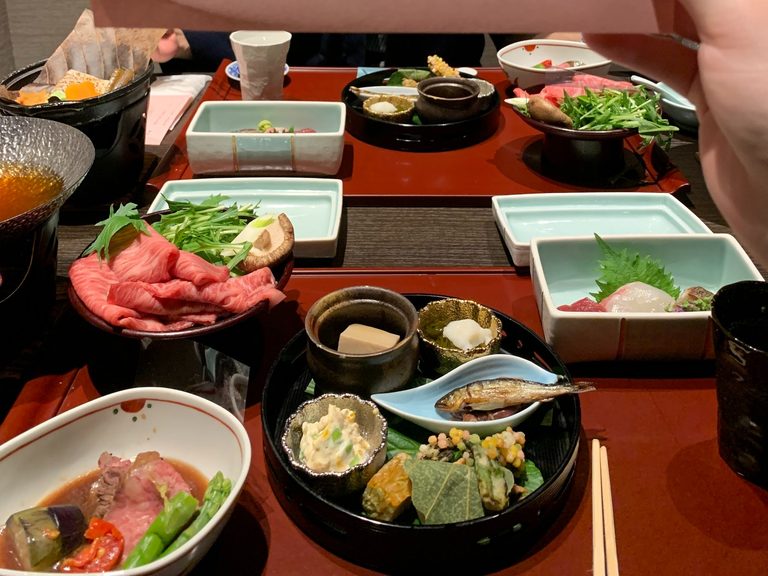
Dinner can be part of the reason to book a ryokan here. Meal plans often feature seafood from Mikawa Bay and nearby waters, so staying in becomes part of the evening rather than a compromise. If Nishiura is your base, build the day around it instead of planning repeated late trips back to central Gamagori.
One date deserves extra attention: the Gamagori Festival and its large fireworks display around the end of July. Rooms and trains are busier then. On a normal weekday the same area feels much quieter, so advance booking matters far more on festival weekends than it does on an ordinary stay.
Fresh Seafood at Gamagori Seafood Market
Gamagori Seafood Market gives the seafood theme a more everyday setting than a ryokan dinner. The market sells fresh and processed seafood as well as regional products. On selected dates, visitors can also take part in Japanese spider crab and octopus boiling experiences, which require reservations. It is a useful stop for browsing local fish or picking up dried and processed items, but its location is separate from the Takeshima walking area.
Photo: Pexels
The market sits farther west than Takeshima and the aquarium, so check how you will reach it before leaving the station area. Regular hours are generally 9:00 a.m. to 3:00 p.m. on weekdays and until 4:00 p.m. on weekends and holidays. Temporary closures can occur, and the boiling experiences require advance reservations. If the market is a priority, check the official site the same day.
Official website: Official website link
Location: Google Maps link
Family Attractions Worth Building a Day Around
Families usually end up choosing between two very different outings here. Takeshima Aquarium fits naturally beside the island. Lagunasia is large enough to become the main event for the day.
Takeshima Aquarium is close enough to the island that there is little reason to separate the two. Its draw is not size. The aquarium is known for a large deep-sea collection, handwritten explanations, sea lion performances, and capybaras, all packed into a relatively compact visit. That can be useful with younger children or in poor weather. Current opening hours are 9:00 a.m. to 5:00 p.m., with last admission at 4:30 p.m. There is no regular closing day, although temporary maintenance closures may be announced for June. Standard admission is currently 1,200 yen for adults and 500 yen for children aged four through junior high school.
The aquarium is about a 15-minute walk from Gamagori Station, and Meitetsu Bus services also stop at Takeshima Yuen. With only half a day, this is the sensible pairing: island first or aquarium first, then walk between them without spending the visit crossing town.
Official website: Official website link
Location: Google Maps link
Lagunasia at Laguna Ten Bosch needs a different plan. It has rides, seasonal pools, shows, and an indoor playroom for younger children, and the free shuttle from Gamagori Station makes it manageable without a car. Ticket prices change by date and by the activities included, especially in summer. Check the official calendar before going. If Lagunasia is the reason for visiting Gamagori, give it most of the day instead of squeezing it in after Takeshima.
Official website: Official website link
Location: Google Maps link
How Much Time Should You Allow?
Three to four hours is enough for a focused stop. Walk from Gamagori Station to Takeshima, cross the bridge, make the island circuit, and add the aquarium if the timing works. That plan stays compact. The moment the seafood market is added, transport starts taking a larger share of the visit. That half-day plan also avoids a common planning mistake: assuming Gamagori Station is centrally located for every attraction. It is not. The central waterfront is compact, but the useful stops stretch east and west along the bay. Decide on the second area before leaving the station and the day stays much simpler.
A full day leaves room for one choice beyond the central area. Families may simply spend it at Lagunasia. A coast-focused day can combine Takeshima with the seafood market and then continue toward Nishiura later on. In summer, Mikawa Oshima is better treated as an alternative plan, not another item to stack on top; the boat ride and beach need their own block of time.
Staying overnight is less about collecting one more sight. It gives the ryokan dinner and bath proper space, removes the pressure of a return train to Nagoya, and leaves the next morning open for a slower walk by the bay. If the onsen is the main attraction for you, the overnight version is the more coherent trip.
Practical Notes Before You Go
Gamagori Station is served by both JR Central and Meitetsu. Takeshima lies on the south side of the station, and the island and aquarium are close enough to handle on foot. Nishiura Onsen is better reached by Meitetsu Bus, or by the Meitetsu Gamagori Line to Nishiura Station followed by the local shuttle when it is operating. Laguna Ten Bosch also runs a free shuttle from Gamagori Station.
Season matters because several of Gamagori’s best-known activities are not year-round. Spring is when clam-digging dates start to matter. Summer brings swimming at Nishiura Palm Beach, boat access to Mikawa Oshima, and the water park at Lagunasia. In colder months, those options fall away and an onsen stay becomes the stronger reason to linger. The useful habit is simple: check the seasonal service you actually plan to use, not every possible timetable in advance.
Bus times and seasonal operating dates can change after an itinerary is written. A Japan eSIM is handy here for checking Meitetsu Bus services, attraction hours, and map directions while you are out. One live check before leaving the station can save more time than carrying an old schedule.
Getting to and Around Gamagori
From Nagoya, faster direct services on the JR Tokaido Main Line reach Gamagori in about 45 minutes. Travelers arriving by Tokaido Shinkansen can change at Toyohashi, where local JR trains take roughly 10 to 15 minutes to Gamagori. Service patterns vary, so use those times as planning estimates rather than fixed journey times.
Once you arrive, think of Gamagori as several small clusters rather than one sightseeing circuit. Takeshima and Takeshima Aquarium are the easiest pair. The seafood market is farther west; Nishiura Onsen is farther west again. Laguna Ten Bosch sits east of central Gamagori and is best handled by shuttle, bus, or taxi. Trying to cover every stop on foot is where a simple day becomes cumbersome.
For a half-day, stay with Takeshima and the aquarium. With a full day, add the seafood market or spend more time along the coast. An overnight makes sense when the priority is an onsen dinner, a slower morning by Mikawa Bay, or a family day centered on Lagunasia.
Summary: Does Gamagori Fit Your Trip?
Gamagori is at its best when the plan stays modest. A short stop can be built around Takeshima and the aquarium with very little transport. Extra time is better spent on the places that sit farther from the station: Nishiura’s sea-view baths, the seafood market, a summer beach, or Lagunasia.
There is no need to turn the city into a checklist. For a break between larger cities, keep the route around Takeshima and move on. If an evening bath, seafood dinner, and a quiet morning beside Mikawa Bay are the reason you came, stay the night. That is where Gamagori feels most distinct from a quick coastal detour.