Introduction
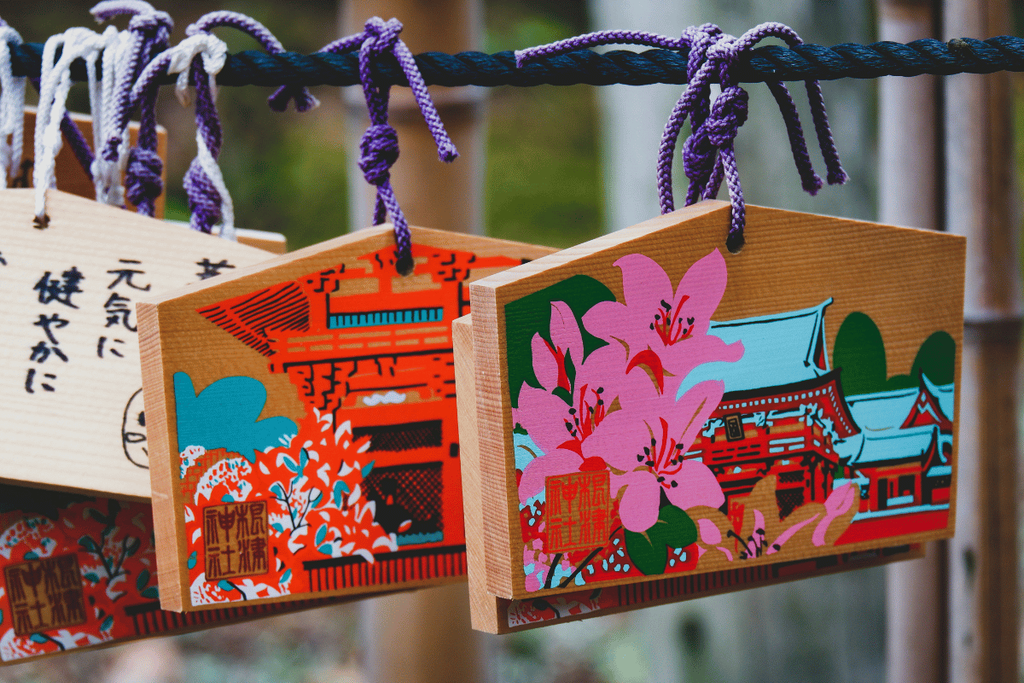
Photo: Unsplash
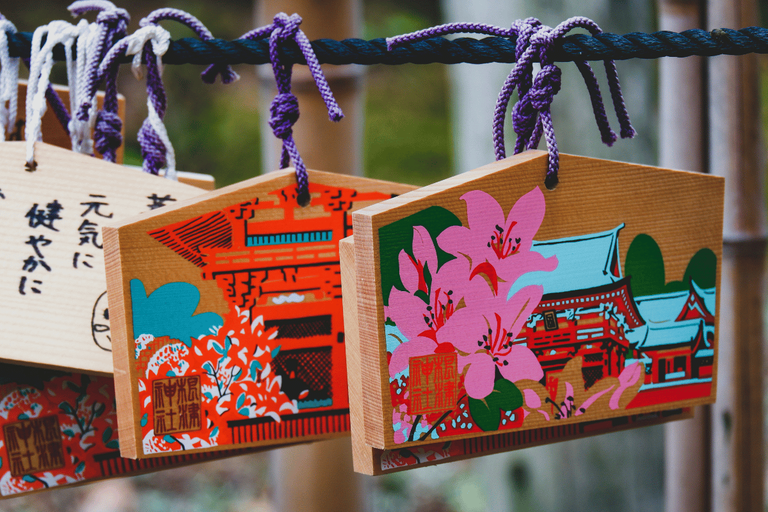
If you visit a Shinto shrine in Japan, you may notice many small wooden plaques hanging together in one area. These wooden plaques are called ema, and people use them to write down their wishes and prayers. You may see wishes for passing exams, finding love, staying healthy, doing well at work, or having a happy family. Some ema are beautifully decorated with pictures connected to the shrine, the local area, or the zodiac animal of the year. Writing an ema can be a simple and memorable way to experience Japanese shrine culture during your trip.
In this Ema Guide, you will learn:
- What ema are and what they mean
- Why ema have pictures of horses
- Where you can find ema in Japan
- How much an ema usually costs
- How to write your wish
- How to hang your ema
- Whether you can take an ema home
- Tips for enjoying the experience
Don’t forget to stay connected throughout your journey with a Japan eSIM. No need to hunt for a SIM card at the airport — activate it before you leave home and have data ready the moment you land.
What Is an Ema?

Photo: Unsplash
Ema are small wooden plaques used at Shinto shrines to express wishes and prayers to the kami, or Shinto deities. They usually have a picture on one side and a blank space on the other side where you can write your wish. After writing your message, you normally hang the ema at a designated area inside the shrine. The Association of Shinto Shrines describes ema as a way for people to express their prayers, and they are still commonly used today.
The word ema means “picture horse,” and the tradition is connected with horses. In the past, horses were offered to the kami because they were considered sacred animals. Over time, people began using pictures of horses instead of offering real horses. The wooden plaques we see today developed from this tradition, although modern ema can have many different designs.
What Do People Write on Ema?
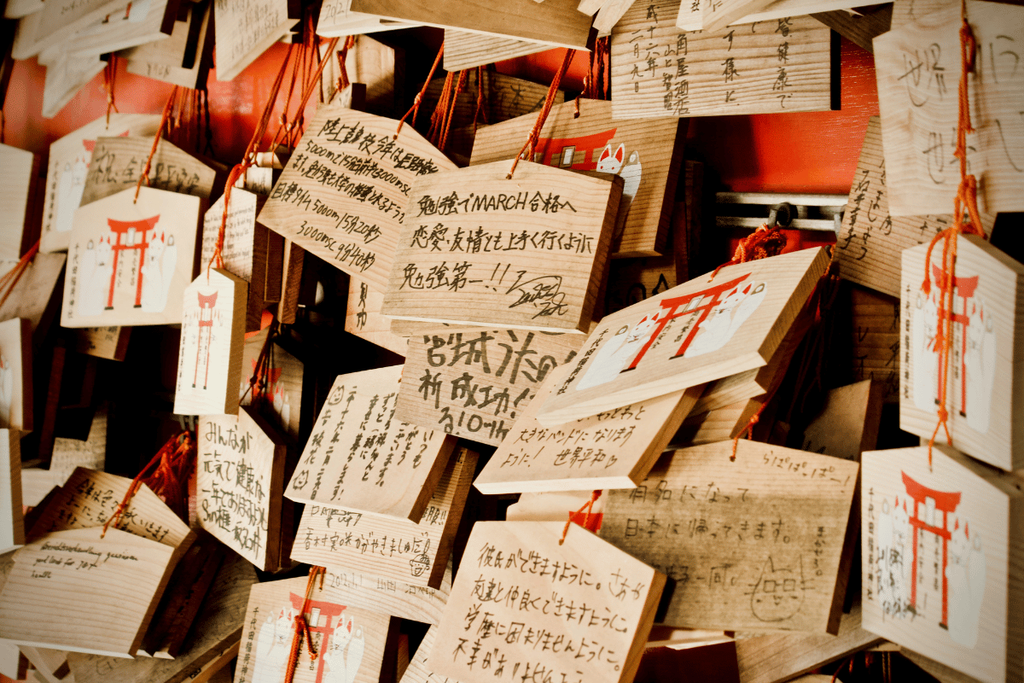
Photo: Unsplash
People write ema for many different reasons. Some wishes are connected to important life events, such as passing an exam, finding a job, getting married, or recovering from an illness. Others are much simpler, such as hoping for a happy year or a safe trip. You may also see people writing wishes for their children, partners, friends, or other family members. There is no single type of wish that you have to make.
Common wishes include:
- Passing an entrance exam
- Finding a good job
- Success at work or in business
- Finding love or getting married
- Staying healthy
- Having a safe pregnancy
- Happiness for the family
- Recovering from illness
- Achieving a personal goal
- Having a safe journey
Some shrines are particularly known for certain types of wishes. For example, shrines connected with learning often have many ema from visitors askingasking for success in exams. At Dazaifu Tenmangu in Fukuoka, which is associated with Sugawara Michizane and learning, visitors can see many ema related to school and exam success.
Where Can You Find Ema in Japan?
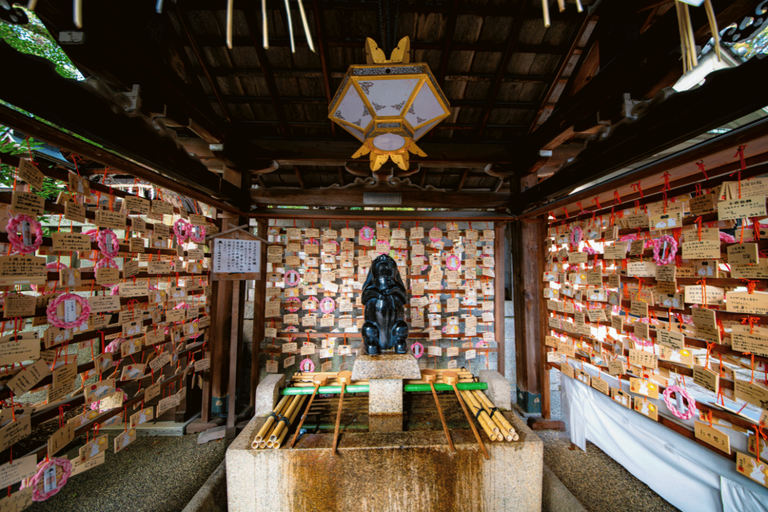
Ema can be found at many Shinto shrines throughout Japan. They are usually easy to recognize because completed plaques are displayed together on wooden racks or boards. Popular shrines may have hundreds or even thousands of ema hanging in one area. The designs and displays can vary greatly from one shrine to another.
When you visit a shrine, look for signs such as:
- 絵馬 (ema) — votive wooden plaque
- 絵馬掛け (emakake) — ema hanging area
- 授与所 (juyosho) — place where shrine items are offered
- お守り (omamori) — protective charms
The 授与所 (juyosho) is often where you can get an ema and other shrine items. If you cannot find the ema, you can ask a shrine staff member, “Ema wa doko desu ka?”, meaning “Where are the ema?” At popular tourist spots, English information may be available, but smaller shrines may have information only in Japanese.
How to Use an Ema
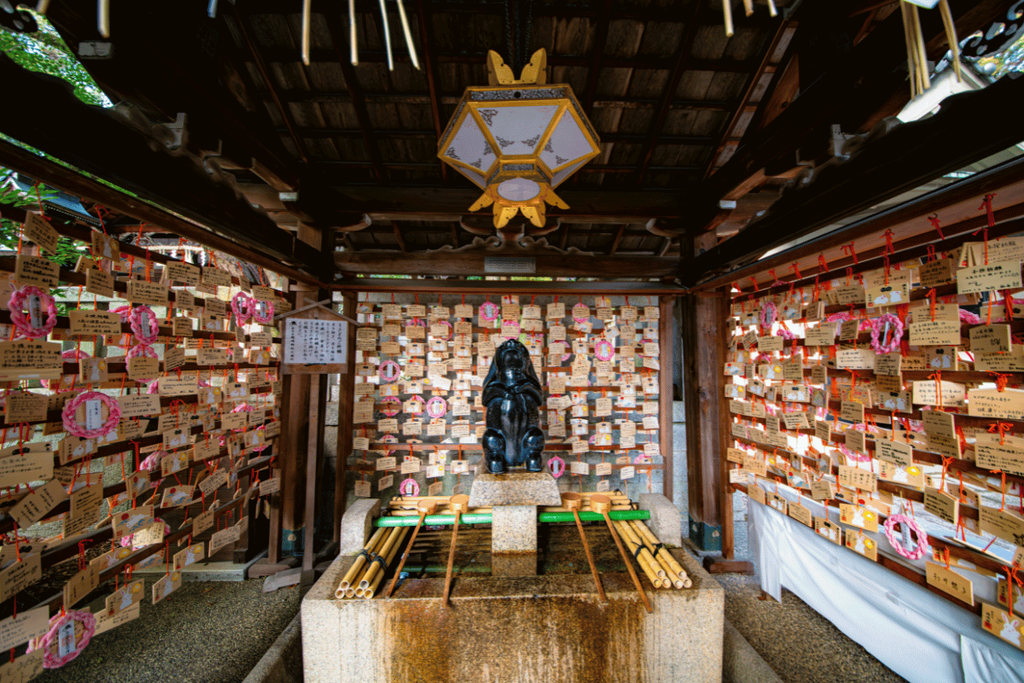
Photo: Unsplash
Using an ema is quite simple, even if this is your first visit to a Japanese shrine. The basic process is to visit the shrine, choose an ema, write your wish, and hang it in the designated area. You do not need to perform a special ceremony just for the ema. However, remember that a shrine is a place of worship, so it is important to behave respectfully.
1. Visit the Shrine and Pay Your Respects
Enter the shrine grounds respectfully and, if possible, follow the usual shrine etiquette. Many visitors purify themselves at the water fountain before approaching the main prayer area. At the main hall, the common form of worship is two bows, two claps, a quiet prayer, and one final bow. You do not need to worry about doing everything perfectly, especially if this is your first visit. The important thing is to be calm and respectful.
2. Choose an Ema
After visiting the main prayer area, look for the place where ema are soldoffered. You may find several designs, so choose the one you like or the one that feels right for your wish. Some may have a traditional design, while others may be colorful or connected to the shrine. If you are not sure which one to choose, there is no need to overthink it.
3. Write Your Wish
Write your wish on the blank side of the ema. Shrines often provide pens that you can use. Your message can be written in Japanese or English, so do not worry if you cannot write Japanese. A short and honest message is perfectly fine.
For example, you could write:
- “I hope my family stays healthy.”
- “I hope I pass my exam.”
- “I hope to find a job that I enjoy.”
- “I hope my family has a safe trip.”
- “I hope to have a happy year.”
You can also write a wish for another person. However, using English is completely okay.
4. Write Your Name
Many people write their name on the ema along with their wish. Depending on the shrine, there may also be a place for your address or other information. However, you do not need to write personal information that you are uncomfortable sharing. If you are traveling in Japan, your name or initials may be enough unless the shrine gives different instructions.
Remember that your message will normally be visible to other visitors after you hang the ema. For this reason, avoid writing private information such as your phone number, hotel details, or full address.
5. Hang Your Ema
Once you finish writing, take your ema to the designated hanging area. It may be a wooden rack or another special area inside the shrine grounds. Hang the plaque securely using the string attached to it, while being careful not to disturb other people’s ema. The Association of Shinto Shrines explains that ema are generally hung at the shrine after visitors write their wishes.
After hanging your ema, you are finished. You can take a moment to look at the other plaques before continuing your visit. You may see wishes from people of different ages and countries, which can be an interesting part of the experience.
Can You Take an Ema Home?
Ema are generally meant to be left at the shrine after you write your wish. This is different from an omamori, which is a charm that you normally take with you. The Association of Shinto Shrines explains that ema are generally dedicated and left at the shrine.
Some ema are very beautiful, so you may wonder if you can keep one as a souvenir. If you want something to take home, check whether the shrine offers another item specifically intended for visitors to keep. You can also take a photo of your completed ema before leaving it behind.
If you are unsure about what to do with a particular wooden plaque, simply ask the shrine staff. Customs and the types of items offered can differ between shrines, so following the instructions at the shrine is always the safest choice.
Summary
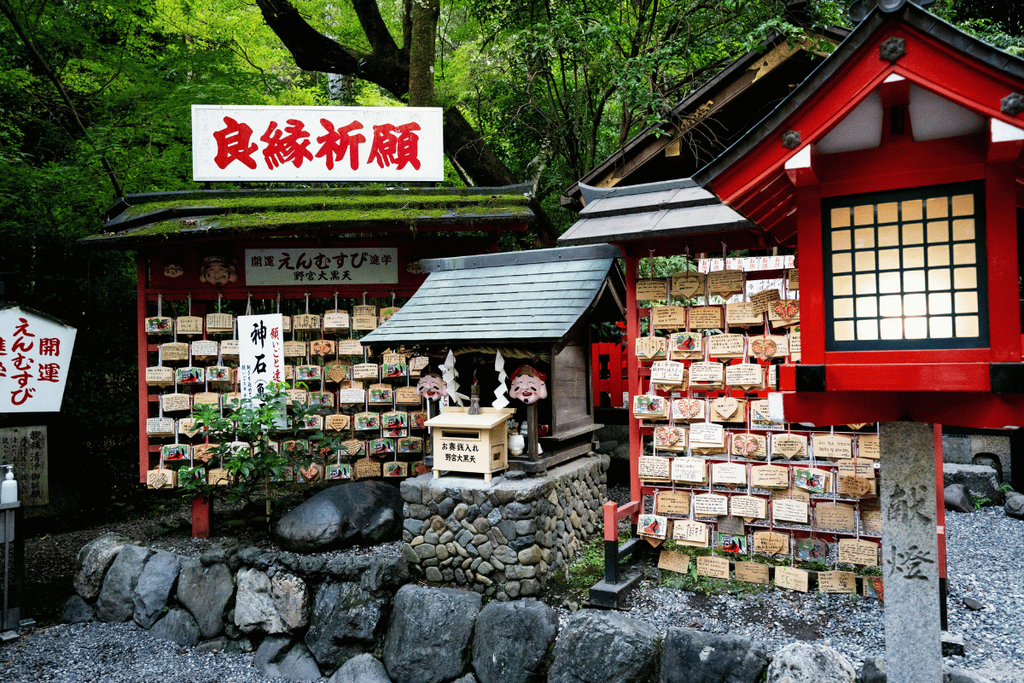
Photo: Unsplash
Ema are small wooden plaques found at many Shinto shrines in Japan, where visitors write down their wishes and prayers. The tradition has a long history connected with the practice of offering horses to the kami, and today’s ema come in many different designs. People write wishes about health, love, work, studies, family, travel, and personal goals, so you can choose a wish that feels meaningful to you. The basic process is simple: visit the shrine, pay your respects, choose an ema, write your wish, and hang it in the designated area.
You can write your message in English or anotherin any other language, and it does not need to be long or complicated. Just remember that your message will normally be visible to other visitors, so avoid including private information. Ema are generally left at the shrine rather than taken home, but you can take a photo to remember the experience. Most importantly, follow the instructions and customs of the shrine you visit, as they can vary from place to place. Who knows? Your little wooden plaque might become one of the most meaningful memories you take away from Japan.
Stay connected from the moment you arrive with a Japan eSIM. Get it ready before your trip, and you can start using data right away instead of searching for a SIM card after landing.