Photo: Unsplash
Introduction
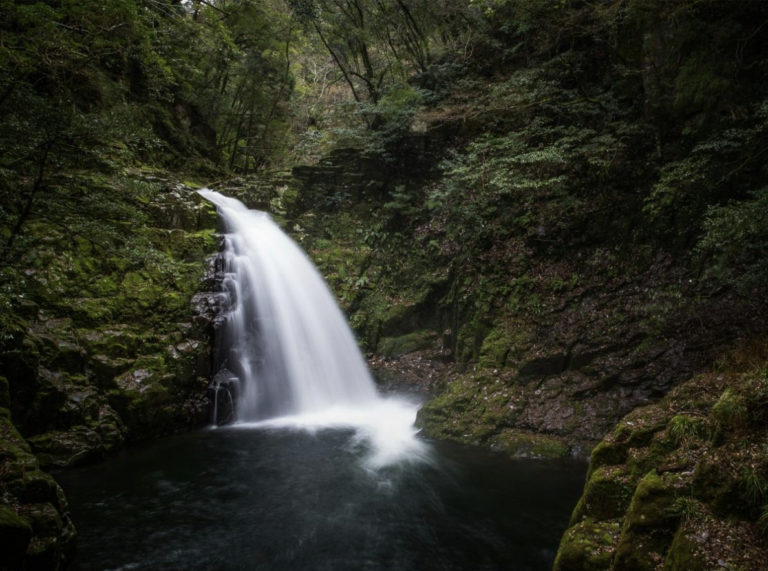
Akame 48 Waterfalls does not reveal itself all at once. The trail keeps close to the river, and the view changes as the gorge narrows, revealing moss-covered rocks, dark pools, and waterfalls around every bend. In Mie Prefecture, this is an easy day trip from Osaka or Kyoto, yet the atmosphere feels completely different, with forest scenery, flowing water, and a few hours spent walking instead of moving between city sights.
The useful question here is not whether to explore the whole valley, but how far you want to walk before turning back. Akame can be enjoyed in several different ways. Fudo Falls is only a few minutes from the entrance, while reaching all five of the Akame Five Waterfalls takes roughly 80 minutes one way. This flexibility means you can plan a short forest walk or make the hike the main part of your day.
More Than Forty-Eight Waterfalls
The name sounds unusually precise, but “48” is not a literal count. The number is used to mean “many,” a fitting description for a gorge where waterfalls and cascades appear throughout the valley.
Akame lies within Muro-Akame-Aoyama Quasi-National Park. The official site describes a walking route of about 3.3 kilometers connecting the falls and estimates that a full round trip takes around three hours at a sightseeing pace. The area has also been selected for Japan’s Top 100 Waterfalls and the 100 Best Forest Bathing Sites.
The name Akame itself is rooted in a local legend. More than 1,300 years ago, the mountain ascetic En no Gyoja is said to have encountered Fudo Myo-o riding a red-eyed ox while training in the area. “Akame” means “red eye,” and the story still forms part of the valley’s identity. The region’s later association with Iga-style ninja adds another layer of history, though the waterfalls and forest remain the main reason to come.
Official website: Official website link
Location: Google Maps link
The Akame Five Waterfalls: A Walk Deeper Into the Valley
Five waterfalls are collectively known as the Akame Five Waterfalls: Fudo, Senju, Nunobiki, Ninai, and Biwa. Their distances from the entrance make them useful reference points when deciding how far to walk.
Fudo Falls is the first of the five, about 230 meters or five to six minutes from the entrance. The 15-meter fall is viewed from around Fudo Bridge, making it an easy first stop even for visitors who only have time for the lower part of the gorge.
Senju Falls appears at around 800 meters, roughly 20 minutes from the entrance. The 15-meter waterfall is named either for the way the water spreads over the rock like many hands or for Senju Kannon, the thousand-armed Buddhist deity. This is a good point to slow down: the combination of the waterfall, pool, rock, and surrounding trees gives the lower valley much of its character.
Nunobiki comes almost immediately after Senju, at roughly 900 meters from the entrance. The water falls about 30 meters in a narrow sheet, resembling the hanging cloth that inspired its name. This is where a shorter walk starts to feel complete. If the deeper valley is not part of your plan, turning back here is entirely reasonable.
Beyond Nunobiki, the walk feels different. Ninai Falls is about 70 minutes from the entrance, and by then the route has become more of a hike than a riverside stroll. The fall is around eight meters high and divides around a large rock, giving it the two-part shape behind its name. A higher viewpoint reveals another cascade and pool above the main fall. It is one of those places where the extra distance changes what you see, not just how long you walk.
Biwa Falls is the last of the five, around 80 minutes one way from the entrance. Its 15-meter drop ends in a deep blue pool enclosed by rock, and the shape is traditionally compared with a biwa, the pear-shaped Japanese lute. Travelers with time and energy can continue farther to Gankutsu Falls, the final waterfall on the route, but Biwa makes a practical turnaround point for many day-trippers.
What the Trail Actually Feels Like
Akame changes gradually from an easy riverside walk into a more involved forest hike. The lower section is the most approachable, while deeper parts include more stairs, uneven surfaces, and narrower passages beside the river. The official hiking guidance specifically warns that the gorge can be slippery, particularly while it is raining, early in the morning, and during winter conditions.
Photo: Unsplash
The trail is maintained, but it still feels like a gorge rather than a city path. Good grip matters. Trekking shoes or familiar walking shoes are a better choice than smooth-soled city shoes, especially once rain has left the stone steps and shaded sections damp. You do not need technical gear; you do want footwear you trust.
Carry water rather than assuming you can buy more once you are deeper in the gorge. The official guidance recommends bringing water and rain gear, and there are no rubbish bins inside the valley, so anything carried into the valley should also be carried back out. A bio-toilet is available inside the gorge, but the official advice is to use the public restroom near the entrance area before starting when possible.
How Far Should You Walk?
You do not need to walk the entire route to enjoy Akame. Fudo works well for a short visit, while Senju and Nunobiki make a satisfying lower-valley walk. If you have more time and energy, you can continue to Ninai or Biwa. How far you go can depend on the weather, your pace, and the return bus schedule.
Keep the return bus in mind because services between the waterfall area and Akameguchi Station are limited and vary by day and season. Check the current Mie Kotsu timetable before entering the gorge, then work backward from the bus you want to catch. A Japan eSIM is useful here for checking train connections, maps, weather, and the latest transport information without relying on public Wi-Fi.
Treat the published times as a guide, not a stopwatch. Wet stones slow the pace, and photos, a busy viewpoint, or simply stopping beside the river can easily add minutes. If Biwa Falls is your stop, roughly two and a half to three hours out and back leaves enough room to enjoy the walk without turning the afternoon into a race against the timetable.
Salamanders, Ninja, and What’s Near the Entrance
Before the trail begins, visitors pass through the Akame Waterfalls Aquarium. The former Japan Salamander Center reopened under its current name in April 2024, and aquarium admission is included in the gorge conservation fee.
The Japanese giant salamander is the animal most closely associated with Akame. The species lives in the valley’s clear waters and is protected in Japan as a Special Natural Monument. The official Akame site notes that wild salamanders may sometimes be seen in the river between spring and autumn, but there is no reason to plan the hike around that possibility. The aquarium offers a reliable opportunity to see them up close before entering the gorge.
Akame Waterfalls Aquarium: Official website link
Akame also has a documented connection with Iga-style ninja. The official site states that the ravine was used as a training ground because its forested terrain offered a varied natural environment. Today, the optional ninja training experience turns that history into a hands-on activity, with a guided program of about 90 minutes and ninja clothing included. It is best treated as a separate experience that you reserve and allow time for rather than something to add spontaneously to a full waterfall hike.
Ninja training experience: Official ninja experience
Something to Eat Before or After the Hike
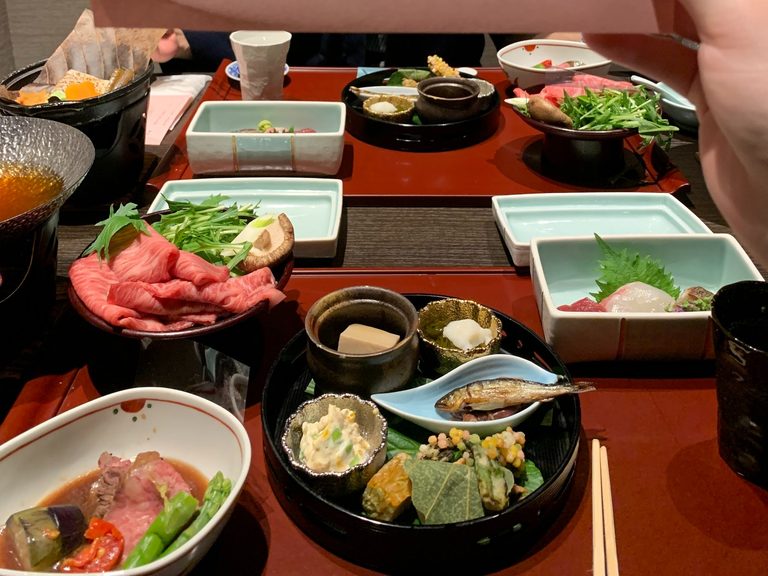
The cluster of small shops around the entrance makes it easy to add a local snack or simple meal without changing the shape of the day.
Hekoki-manju is one of the best-known local sweets. Sold at Tamakiya near the entrance area, it is made with a sweet-potato dough and comes with fillings such as red bean paste, apple, and cheese. The bun is shaped like the shop’s ninja character, giving it a playful connection to Akame’s ninja theme.
Kusamochi is another easy option. The official Akame food guide lists shops including Uedaya and Miharantei for this mugwort-rich rice cake. For something more substantial, Iga beef soup is also promoted locally around the valley. These foods work best as part of the day rather than a separate food itinerary: something warm before the walk, or a sweet snack once you return to the entrance.
Akame Through the Seasons
Spring brings fresh green leaves and cherry blossoms around the area, while early summer fills the gorge with dense foliage. Summer is humid, but the shaded forest and constant sound of moving water give the walk a very different feel from a day on paved city streets.
Autumn is one of Akame’s signature seasons. The official FAQ says the valley as a whole generally reaches its best autumn color around mid-November, though higher sections begin changing earlier. The annual light-up also adds an evening experience during the colder months; dates vary, so check the official event calendar if the illumination is part of your plan.
Winter is quieter and requires more preparation. Frozen waterfalls are possible after sustained cold weather, but the official site stresses that they are uncommon rather than guaranteed. Snow and ice also make the trail more demanding, so winter visitors should check current conditions and adjust footwear accordingly.
Akame is not an autumn-only destination. Fresh greenery suits spring and early summer; autumn is about color; winter is quieter and more variable. The better choice comes down to the kind of walk you want. There is little reason to chase one supposedly “perfect” month if another season suits your trip better.
A Few Things That Make the Day Easier
Footwear is the one preparation item worth getting right. Akame’s trail guidance recommends trekking shoes or walking shoes you already know, and the reason becomes obvious on wet stone. Good grip matters more here than having dedicated hiking gear.
Bring water and a light rain layer. Mountain weather can shift, and the route is more enjoyable when a short shower does not force an immediate turnaround. Using the restroom before entering the gorge also removes one small piece of planning later in the walk.
Leave more room for photographs than the map suggests. The lower falls come quickly, but farther in there are places where stopping makes more sense than marching on. A little slack in the schedule keeps the walk from feeling like a list of checkpoints, especially if changing light or a quiet pool makes you want to stay for a few minutes.
On a busy autumn day, starting earlier usually means more breathing room around Fudo and Senju. It also makes it easier to catch your return bus. Pick the return bus first, then let the rest of the walk stay flexible instead of repeatedly checking the time.
Getting to Akame from Osaka and Kyoto
Photo: Pixabay
Public transport is straightforward once you separate the trip into two parts: Kintetsu Railway to Akameguchi Station, then a Mie Kotsu bus to Akametaki, followed by an approximately six-minute walk to the waterfall area.
JNTO currently describes the rail journey as just over an hour from Osaka-Namba Station and about 90 minutes from Kyoto Station. Actual travel time depends on the train and connection, so check the route for your date rather than treating those numbers as fixed.
The bus between Akameguchi Station and Akametaki takes about 10 minutes. The timetable is limited and changes between weekdays, weekends, holidays, and the winter season, which is why checking the current schedule is more useful than memorizing a “last bus” time from an older guide.
Photo: Pexels
For 2026, Kintetsu also lists an Akame sightseeing ticket that combines the round-trip train journey to Akameguchi, round-trip Mie Kotsu bus travel, an Akame admission voucher, and selected local discounts. The ticket page gives the current sales period, eligible departure stations, and purchase locations. It is sold at designated station ticket counters rather than online, so check the details before relying on it.
Kintetsu Akame sightseeing ticket: Official ticket information
Bus timetable: Current Mie Kotsu timetable
Akameguchi Station: Google Maps link
Deciding If Akame Fits Your Trip
Akame suits a day when you want the walk itself to matter. Fudo is close enough for a short visit, Senju and Nunobiki make a satisfying lower-valley route, and Ninai or Biwa pull the outing toward a proper half-day hike. The valley does not become “worth it” only at the far end. Choosing the shorter version can make just as much sense if that is what fits the rest of your trip.
Think less about “completing” Akame and more about where you want to turn around. Settle on a return bus, wear shoes that can handle damp stone, and leave some space in the schedule. After that, the day is mostly the river, the forest, and the question that comes back at each bend: keep going, or head back now? Either answer works. The point is to spend the time walking the valley rather than treating the route like a checklist.