Photo:Unsplash
Most first trips to Japan begin with Tokyo, Kyoto, and Osaka. Those cities deserve their place at the top, but a city-heavy itinerary can become tiring. After several days of large stations, crowded streets, and long lists of sights, many travelers want somewhere slower without adding a domestic flight.
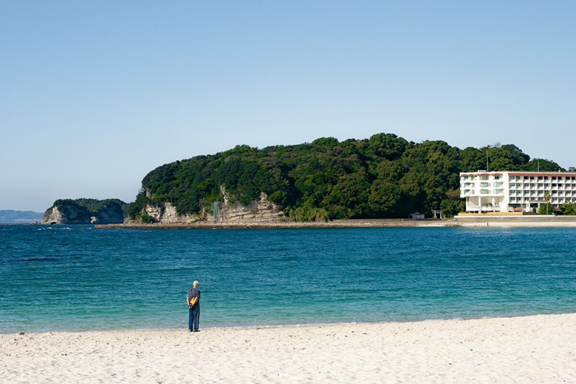
Shirahama fills that gap. This compact hot spring town sits on the Wakayama coast, south of Osaka. It combines a white-sand beach, dramatic rock formations, seafood, and one of Japan’s oldest onsen traditions. The main sights are linked by local bus, so a car is useful but not essential.
One full day is enough for the highlights. But adding one night is better because the coast is most beautiful in the late afternoon, when a day trip begins tofall apart.
Shirahama may be too much for a packed seven-day first trip. It becomes a stronger choice on a ten-day Kansai route or before the Kumano Kodo area.
There is one important update for anyone using an older guide. Adventure World’s four giant pandas returned to China on June 28, 2025. The park remains a major safari and marine attraction, but visitors should no longer plan a trip around panda viewing.
Bus services run less often than in major cities. You may check maps, departure times, and opening hours several times during the day.
The best version of Shirahama is simple: choose three or four places, eat well, and leave time for the sea.
Shirahama at a Glance
Shirahama is best for travelers who want an easy coastal break, an outdoor onsen, or a slower overnight stop within the Kansai region. JR Shirahama Station is the transport hub, but it is not beside the beach. The main resort area is about 10 to 15 minutes away by bus.
The local Meiko Bus network serves nearly every place in this guide. Buses are less frequent than in Osaka or Kyoto, so check the next departure before walking away from a stop. One- and two-day paper passes are sold locally. The three-day pass is available digitally through the Norikae Annai app; the paper version ended in August 2024. Check the official Meiko Bus pass page before buying.
Use Google Maps to compare the station, beach district, and your first bus stop. Check Meiko Bus for current departure times since map estimates may not reflect the latest timetable.
A day trip from Osaka is possible, but it means several hours on trains and less flexibility around sunset. If you stay overnight, base yourself near Shirarahama Beach or the Yuzaki onsen district. You can then walk to restaurants, public footbaths, and Saki-no-Yu without returning to the station area.
Spring and autumn offer the easiest weather. Summer brings the liveliest beach atmosphere, along with heat and crowds. Winter is quiet, and soaking in hot water beside the cold Pacific can be memorable. Rough seas, typhoons, and maintenance can close coastal facilities at short notice in any season, so confirm conditions on the day.
Best Places to Visit in Shirahama
Toretore Market
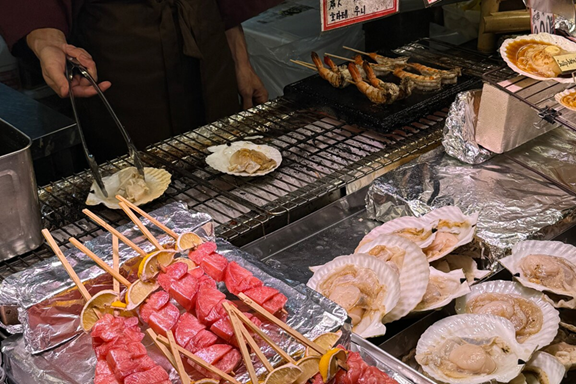
Photo: Pexels
Toretore Market is the easiest first stop when you arrive before lunch. The large seafood market stands between JR Shirahama Station and the beach district. Inside are fresh fish counters, local products, a food court, and an area where visitors can grill seafood.
The market’s tuna-cutting demonstrations are popular, but times can vary. Check the official Tore Tore Park website and confirm the schedule when you arrive. Even without the demonstration, this is a practical place to try sashimi, sushi, grilled shellfish, or a seafood rice bowl.
It is also one of the easiest places in Shirahama to eat well without speaking Japanese. Much of the food court works by pointing at a display; for seafood sold by weight, ask the price before ordering. Travelers who do not eat raw fish will still have several choices. Cooked dishes, noodles, meat, and sweets are available, and prices are generally visible. Arrive in the late morning for the best atmosphere. The market becomes quieter after the main lunch period.
Allow 60 to 90 minutes for a full experience. Large luggage can make the market awkward, especially on a busy weekend. Use a station locker if one is available, or send your bag to the hotel before sightseeing.
Location: Toretore Market on Google Maps
Sandanbeki Cliffs and Cave
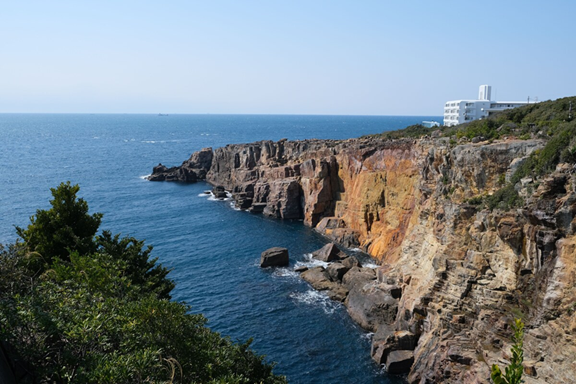
Photo: Pexels
Sandanbeki is the strongest introduction to Shirahama’s coastline. The clifftop viewpoint faces a wall of rock rising above the Pacific, and the open horizon feels far removed from urban Kansai.
The viewpoint is free and close to the Sandanbeki bus stop. A paid elevator descends to a sea cave below the cliff, where waves enter through the rock. The cave also contains displays connected with the Kumano naval forces and a small shrine. Check the official cave website for current opening information.
Budget about an hour for the viewpoint and cave. If the cave is closed or the queue is long, the view from above still makes the stop worthwhile. Wear shoes with grip because the cave can be damp and the coastal ground may be slippery.
Wind and sea conditions change the experience. Stay behind barriers, keep away from exposed edges, and do not treat a dramatic photograph as more important than safe footing.
Location: Sandanbeki on Google Maps
Senjojiki
Senjojiki is a broad platform of layered sandstone shaped by wind and waves. Unlike a formal viewpoint, it lets you walk onto the rock and choose your own place to sit. The appeal is not a specific monument; it is the space, the texture of the stone, and the changing light.
Twenty minutes is enough for a quick stop, but 40 minutes feels better. Late afternoon brings out the layers in the rock and makes this one of Shirahama’s best sunset locations.
The surface is uneven and can become slick near the water. Avoid the lower sections when waves are strong. The sandstone is also soft, so do not carve names or marks into it.
Sandanbeki appears close on a map, but the walk between the two spots is exposed. In summer heat or bad weather, take the bus instead.
Location: Senjojiki on Google Maps
Saki-no-Yu
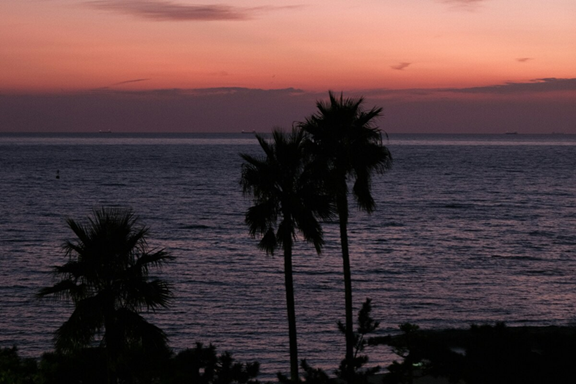
Photo:Unsplash
Saki-no-Yu is the experience that most clearly separates Shirahama from an ordinary beach town. This small public open-air bath is built into the rocks beside the Pacific. There is no luxury lounge or elaborate garden. The setting is the attraction: stone pools, salty air, and the sound of waves.
Shirahama’s hot spring history is recorded in early Japanese chronicles, and Saki-no-Yu is associated with that long tradition. The present-day bath is simple, which is part of its character.
Bathing is nude and separated by gender. Swimsuits are not allowed. Rinse before entering, keep towels out of the water, and tie up long hair. Shampoo, conditioner, and soap cannot be used because the bathwater drains toward the sea. Towels are sold on site, but bringing your own small one is easier.
The changing area is compact, so leave large bags at your accommodation. Tattoo policies can vary among Japanese baths; ask staff directly if you are uncertain.
Hours change by season. The posted schedule sets final entry 30 minutes before closing, but times and entry limits can change. The bath may also close for maintenance or rough seas. Check the official Shirahama Town page on the day you visit.
Allow yourself 45 to 60 minutes. Late afternoon is especially atmospheric, but do not arrive so late that you miss the final entry.
Location: Saki-no-Yu on Google Maps
Shirarahama Beach
Shirarahama is a curved white-sand beach at the center of the resort district. In summer it becomes the town’s busiest place, but outside the swimming season it is equally useful for a walk, a coffee, or a quiet hour between buses.
The beach is easy to combine with Saki-no-Yu and dinner in the onsen district. Cafes, hotels, and public footbaths are nearby. Early morning is calmest in summer, while sunset works well in cooler months.
Swimming conditions and supervised dates change, so check local signs before entering the water. Outside the official season, treat Shirarahama primarily as a beach walk rather than assuming lifeguard coverage.
Location: Shirarahama Beach on Google Maps
Adventure World
Adventure World combines a safari area, marine attractions, and amusement rides. It is the best choice for families or travelers who want an animal-focused day.
The park requires at least half a day and sits away from the coastal cliffs. Trying to combine it with Sandanbeki, Senjojiki, and an onsen usually creates a rushed transport schedule. Decide before the trip whether Adventure World is your main activity or not.
The giant pandas left in June 2025. Check the official Adventure World website for current animals, shows, tickets, and opening dates before buying.
Location: Adventure World on Google Maps
Engetsu Island
Engetsu Island is a small offshore rock with a natural arch through its center. You view it from the shore near Rinkai rather than visiting the island itself. The stop takes only 10 to 20 minutes, so it works best when it fits naturally into your bus route.
Around certain times of year, the setting sun can align with the arch. Conditions are never guaranteed, but the shoreline is still pleasant. Do not cross exposed rocks or enter restricted areas while searching for a better angle.
Location: Engetsu Island on Google Maps
A Simple One-Day Shirahama Itinerary
This route suits travelers who arrived the previous evening or can leave their luggage early. It keeps the main stops on one side of town.
9:30 to 11:00: Start at Toretore Market. Look around before choosing lunch, and eat slightly early to protect the afternoon.
11:15 to 1:00: Continue to Sandanbeki. See the clifftop, then take the elevator to the cave if conditions are suitable.
1:15 to 2:15: Ride or walk to Senjojiki, depending on the weather. Give yourself time to sit and watch the sea.
2:30 to 3:30: Walk along Shirarahama Beach or take a cafe break. Check the sunset time and Saki-no-Yu’s final entry.
Visit Saki-no-Yu only after checking the day’s final entry time. Leave enough time to change and enter before the cutoff. Finish with dinner in the resort district.
This plan works best for an overnight stay. Day trippers should remove one stop and protect their return train time. In heavy rain, skip Senjojiki and spend longer at the market or an indoor bath. During extreme heat, visit the cliffs early, take an indoor break at midday, and return to the coast later.
Adventure World does not fit this itinerary. If the park is your priority, give it the first half of the day and choose only one coastal stop afterward.
Where to Stay and When to Go
For most visitors, the beach and onsen district is the best base. It places restaurants, footbaths, Shirarahama, and Saki-no-Yu within a manageable area. Many hotels also have their own hot spring baths, which lets you enjoy an evening soak without watching the bus clock.
Staying near JR Shirahama Station makes sense when you have an early departure or are continuing south. It is less convenient for evening dining and coastal walks because the station is outside the resort center.
Spring and autumn offer comfortable walking weather and clear coastal views. Summer is best for swimming and beach energy, but outdoor stops require more shade and hydration. Typhoons can affect the coast in late summer and early autumn. Winter brings shorter days and fewer visitors, but the contrast between cool air and hot spring water can be excellent.
Whatever the season, look up sunset times and plan backward. Shirahama’s best hour is often the one that disappears first from a crowded itinerary.
What to Eat in Shirahama
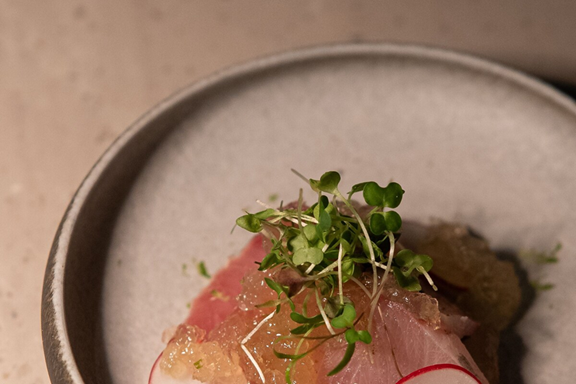
Photo:Pexels
Seafood is the obvious choice. Look for local fish served as sashimi, sushi, grilled dishes, or donburi over rice. Toretore Market gives first-time visitors the widest range in one place, including cooked options.
Wakayama ramen is another useful meal, especially near the station. The local style commonly combines pork-based richness with soy sauce, producing a broth darker than many visitors expect.
Umeboshi, the salty pickled plums associated with Wakayama, appear in shops throughout the area. They vary from sharply sour to lightly sweet, so sample before buying a large box.
Resort-town restaurants may close between lunch and dinner, and last orders can be earlier than in Osaka. Choose an evening restaurant before you become hungry. On weekends and holidays, ask your hotel to reserve a popular seafood restaurant.
Travel Tips That Make Shirahama Easier
Use the local bus as the spine of your plan. Check the Meiko Bus Shirahama route page before travel, then confirm the return time when you reach each stop. A missed bus matters more here than it would in a large city.
Travel light during the sightseeing day. Coastal viewpoints, small changing rooms, and buses are uncomfortable with a large suitcase. Hotel baggage storage or luggage forwarding can be worth the cost.
Carry some cash and a backup payment method. Larger hotels and attractions generally accept cards, but small businesses and local transport can be less predictable.
Wear shoes with grip. Sandanbeki Cave, Senjojiki, and wet coastal paths are poor places for smooth soles.
Keep the plan flexible. Rough seas can close Saki-no-Yu, rain can make the rocks slippery, and strong summer sun can turn a short walk into hard work. A market lunch, hotel bath, or longer cafe stop is a sensible alternative, not a failed day.
In Japan, the small checks often matter. You may compare bus times, confirm final entry, or change plans because of rain. Mobile data makes these adjustments easier. Some travelers prepare an eSIM before arriving, especially when they do not want to depend on public WiFi.
Access to Shirahama
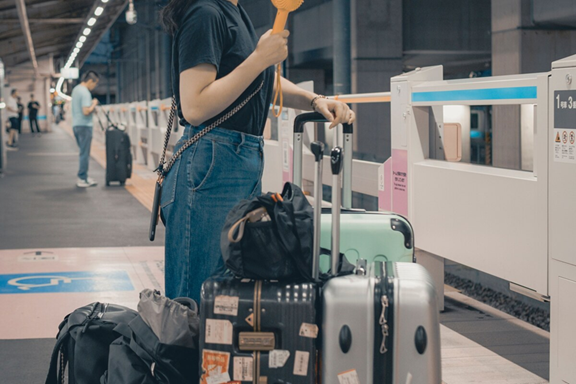
Photo: Pexels
From Shin-Osaka, the JR Limited Express Kuroshio reaches Shirahama directly in about two and a half hours, depending on the service. Kuroshio seating should be reserved before boarding. Eligible JR passes may cover the trip, but confirm the conditions of your specific pass.
From Kyoto, travel to Shin-Osaka and connect to the Kuroshio train unless a suitable through service appears in the current timetable. From Tokyo, take the Tokaido Shinkansen to Shin-Osaka and transfer, or fly from Haneda to Nanki-Shirahama Airport when the limited flight schedule fits your plans.
From Kansai International Airport, rail routes normally involve a connection. Some southbound limited express trains stop at Hineno, while others do not. Use the JR West route search for your date rather than assuming a fixed transfer.
Highway buses also connect Osaka with Shirahama. They take longer than the train but can provide a single-seat journey. Reserve in advance and check luggage rules.
At JR Shirahama Station, the local bus stops are directly outside the exit. The station is small, but the destination names on buses still matter. Confirm whether your bus serves Toretore Market, Adventure World, Shirarahama, or Sandanbeki before boarding.
Is Shirahama Worth Visiting?
Yes, especially when your Japan itinerary is concentrated in Tokyo, Kyoto, and Osaka. Shirahama adds a different pace without demanding complicated travel. Its appeal comes from a combination that is hard to find elsewhere: a historic hot spring beside the Pacific, an accessible coast, and good food within one local bus network.
Do not try to collect every attraction. Choose the places that match your interests, protect the late afternoon, and stay overnight if your schedule allows. Shirahama is at its best when the day has room to breathe.