Photo: Pexels
Introduction
The best areas to stay in Osaka depend on your plans, your luggage, and how you like your evenings. Picking a base here can feel like a small decision. It matters more than it seems. A hotel that looks close on the map can feel far away with a suitcase.
Osaka makes this easier than most cities. Its best food, shopping, and nightlife sit inside a handful of connected districts. Still, the area you choose shapes your whole trip. It affects how far you walk at night, how fast you reach the airport, and how your mornings feel.
This guide covers the three areas first-time visitors ask about most. Namba is loud, bright, and full of energy, built around Dotonbori and its canal-side crowds. Umeda is Osaka’s polished hub in the north of the city, packed with department stores and skyline views. Tennoji, in the south, moves at a slower pace and pairs a retro entertainment district with one of the city’s best views.
Each area works well for a different kind of trip. None of them is a wrong choice. All three sit on the same subway line, so switching plans later is easy.
You’ll likely check maps, train times, and opening hours several times during your stay. Preparing mobile data before your flight can make these small checks easier from the moment you arrive. Explore mobile data options for Japan.
Overview: Namba, Umeda, and Tennoji at a Glance
Photo: Unsplash
When people search for the best areas to stay in Osaka, these three usually come up first. Each sits on or near the Midosuji Line, the subway line that runs through central Osaka. You’re rarely more than fifteen minutes from either of the other two. Namba anchors the southern-central part of the city.
It’s one of Osaka’s most visited districts, especially around Dotonbori after dark. Umeda is a major hub in the north of central Osaka.
The area includes JR Osaka Station, Osaka Metro’s Umeda Station, and the Hankyu and Hanshin Osaka-Umeda stations. Underground passages connect them all. Umeda leans more toward business and shopping than nightlife. Its underground shopping network is large enough that locals sometimes call it the Umeda dungeon. Getting turned around down there is common. If you lose your bearings, follow signs back toward JR Osaka Station or Osaka Metro Umeda Station to reset your route.
Tennoji, to the south, often feels calmer than Dotonbori, though the atmosphere changes by time of day. The wider area combines the modern Abeno Harukas complex near Tennoji Station with the retro streets of Shinsekai farther west.
- Best for first-timers and nightlife: Namba
- Best for shopping, business trips, and skyline views: Umeda
- Best for a calmer pace and a more local feel: Tennoji
- All three connect by the Midosuji Line, with no transfer needed between them
- From Kansai Airport, both Namba and Tennoji have fast direct train options; Umeda takes a little longer
One more thing worth knowing early: the Shinkansen doesn’t stop at Osaka Station or Umeda. It stops at Shin-Osaka, one quick ride away on the same subway line.
If you’re weighing convenience against character, remember that convenient there doesn’t just mean close to a station. It means close to the right exit at that station. Osaka makes you learn that distinction quickly.
Why Namba Is Where Most First-Time Visitors Start
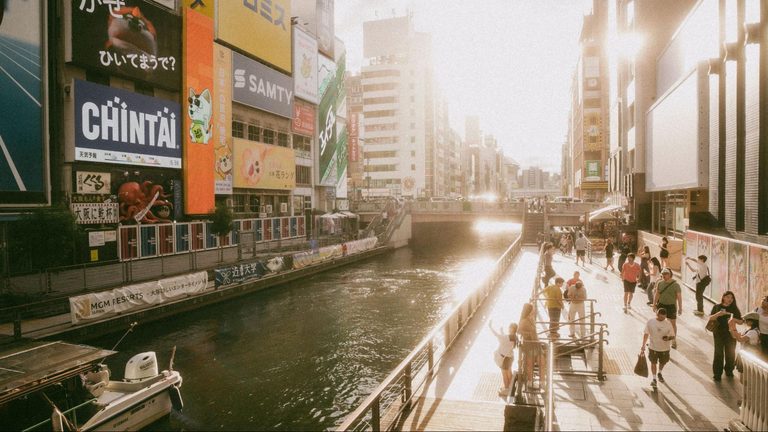
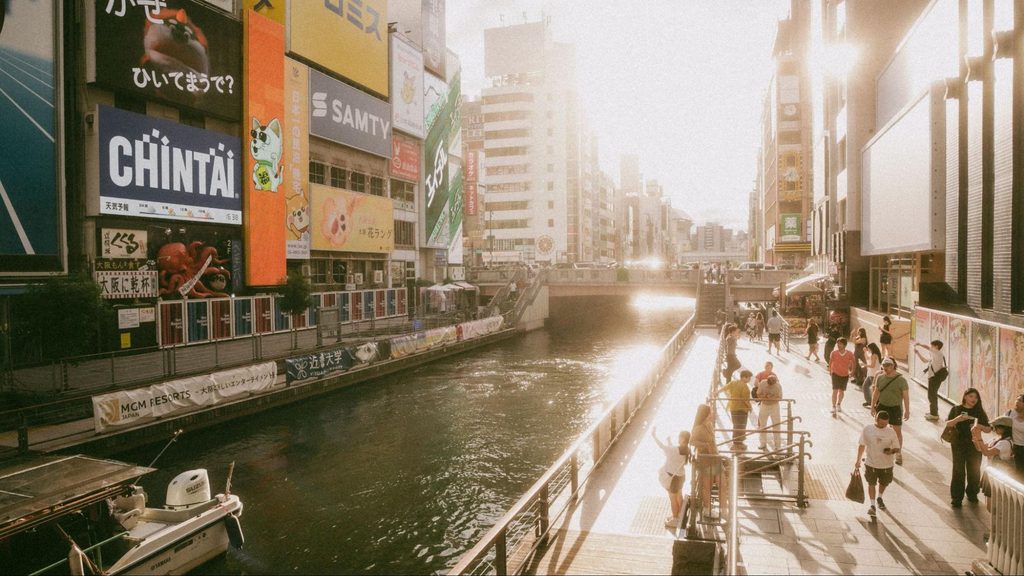
Step out of Namba Station toward Dotonbori in the early evening and the shift is immediate. Signboards stack on top of each other in a way that shouldn’t work, but does. The canal reflects it all back, slightly blurred. The crowd moves in a familiar rhythm: half walking, half stopping for a photo of the Glico sign.
The practical case for Namba is simpler than the atmosphere suggests. Food, shopping, transit, and nightlife sit close together. A full day can happen without a single train ride. Kuromon Ichiba Market is a short walk north. Shinsaibashi’s covered arcade connects almost directly to Dotonbori. Kansai Airport is a single, mostly direct train away.
That density has a downside too. Namba is also one of Osaka’s busiest tourist areas, and the station itself is complicated. Five railway operators, Osaka Metro, Nankai, JR West, Kintetsu, and Hanshin, all run stations with “Namba” in the name. Get out the wrong exit, and a five-minute walk can turn into a fifteen minute walk.
None of this makes Namba difficult, just busy. Arriving in the late morning, before the evening crowd builds, tends to make the area feel easier. It also gives you a clearer look at the canal before it fills up.
Best Things to Do in Namba, Umeda, and Tennoji
Rather than trying to cover everything in one day, treat these three areas like separate half-day trips, even if you’re staying in only one.
In Namba, an evening walk along the Dotonbori canal is the obvious start. Time it for just after sunset, when the signs are lit but the crowd hasn’t peaked. The food stalls along the water are worth trying a few small dishes from, rather than sitting down for one big meal. Afterward, Shinsaibashi’s arcade is a solid stop for shopping that stays dry even in the rain.
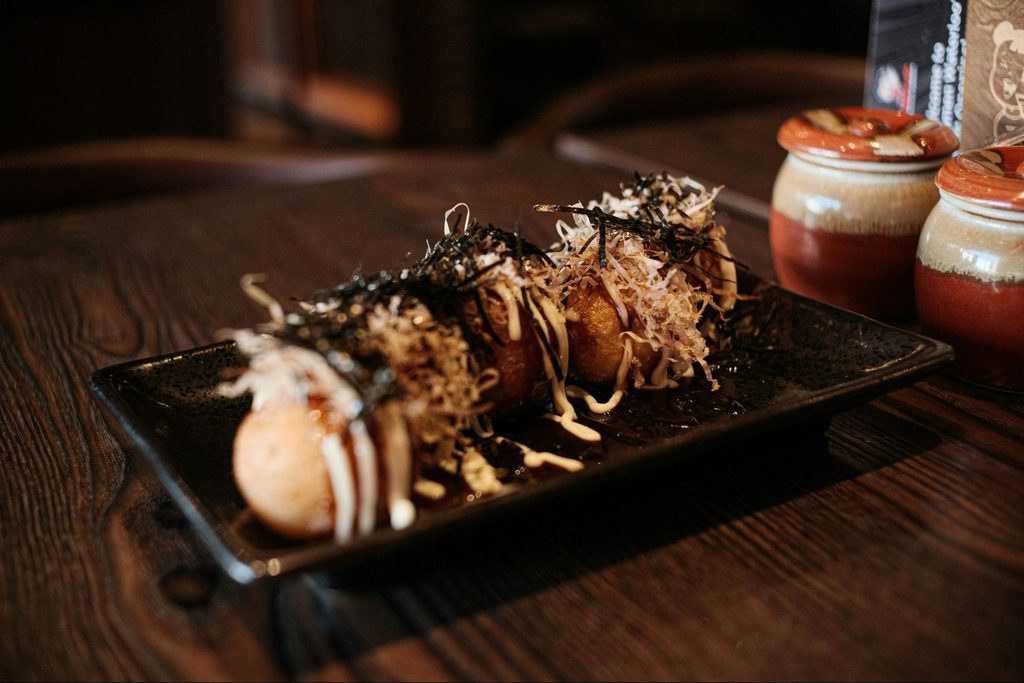
Photo: Unsplash
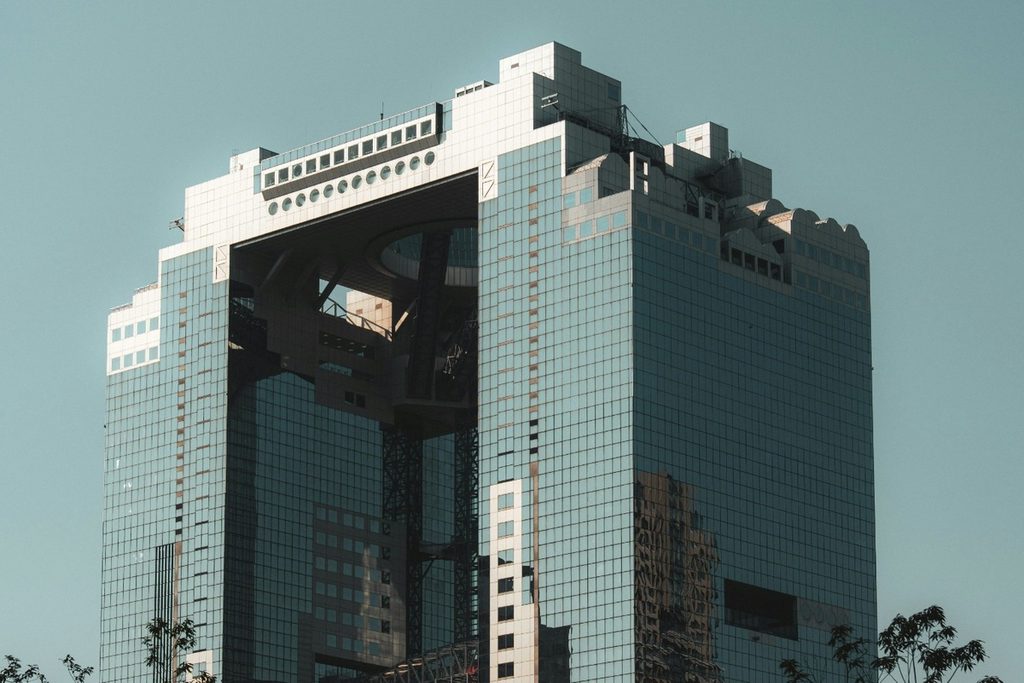
Umeda works better in daylight. The Umeda Sky Building’s Floating Garden Observatory gives one of the best skyline views in the city. It’s less crowded in the late afternoon than around sunset, when everyone has the same idea. Grand Front Osaka and the station’s underground shopping streets are worth an hour or two if you’d rather browse than sightsee. The department store food halls here make a solid, affordable lunch.
Tennoji rewards a slower pace. Start at Abeno Harukas, ideally on a clear day, since the observation deck’s view loses its appeal when haze sets in. Then walk into Shinsekai, where the mood changes almost instantly: narrower streets, older signs, kushikatsu restaurants that have been doing the same thing for decades. Tennoji Park and its zoo sit nearby, useful if you’re traveling with kids and need a break from walking on concrete.
If you’re short on time, pick one area and one activity. A slower morning in Shinsekai will likely stay with you longer than a rushed hour split across two districts.
Recommended Spots in Namba, Umeda, and Tennoji
These are the spots that come up most often when people ask what to see near each station. A few deserve a full afternoon. Others work better as a quick stop on the way to somewhere else.
Dotonbori
Dotonbori is the image most people already have of Osaka before they arrive. It mostly lives up to it. The canal runs between two rows of restaurants and shops, their signs lit in a stack that grows more elaborate near Ebisu Bridge.
It photographs best just after dark. It’s easiest to enjoy earlier, before the bridge gets crowded. If you’re carrying luggage or traveling with young kids, an early evening visit avoids most of the squeeze.
Best for: first-night energy, photos, street food
Time needed: 1 to 2 hours
Best time to visit: early evening, before crowds build on weekends
Access: Namba Station, Exit 14 on the Midosuji Line leads directly toward the canal
Official website: Official website
Location: Google Maps
Kuromon Ichiba Market
Kuromon Ichiba is often called Osaka’s kitchen. It’s a covered market street where vendors grill, fry, and skewer food as you walk. It’s busier with tourists than it used to be, but the food is still good. Trying five small things from five stalls can count as a proper meal.
Best for: seafood, street food, a shorter stop
Time needed: 45 minutes to 1.5 hours
Access: right outside Nippombashi Station. It is also walkable from the Namba station area, but the time depends on the station and exit.
Official website: Official website
Location: Google Maps
Shinsaibashi-suji Shopping Arcade
This long, covered shopping street runs north from Dotonbori. Shinsaibashi is where locals actually shop, not just take photos. Big brands sit next to small boutiques. The covered roof makes it a reliable backup plan on a rainy afternoon.
Best for: shopping, a rainy-day alternative
Time needed: 1 to 2 hours
Access: connects directly to Dotonbori on foot, or Shinsaibashi Station one stop north of Namba
Official website: Official website
Location: Google Maps
Namba Yasaka Shrine
Namba Yasaka Shrine sits away from the busiest streets around Dotonbori, which gives it a quieter feel. The shrine is known for its huge lion-head stage, built beside the main hall. Its wide open mouth makes it one of the more unusual photo stops near Namba.
Best for: a quick, unusual photo stop
Time needed: 15 to 20 minutes
Access: about a 6 to 10-minute walk from the Namba station area, depending on the station and exit
Official website: Official website
Location: Google Maps
Umeda Sky Building
Two towers connect near the top by a floating bridge, with an open-air observatory that skips the glass barrier most towers use. The view stretches across the Umeda skyline. On a clear day, you can see hills beyond the city.
Best for: skyline views, sunset photos
Time needed: 1 to 1.5 hours
Best time to visit: late afternoon into early evening, before the sunset crowd arrives
Access: about a 10 to 15-minute walk from Osaka or Umeda Station, or a short taxi ride
Official website: Official website
Location: Google Maps
Grand Front Osaka
The Grand Front sits right beside Osaka Station. That makes it an easy stop between trains, not just a destination on its own. It has multiple floors of shops and restaurants, plus a food hall for a fast, solid meal.
Best for: shopping, a convenient meal near the station
Time needed: 1 to 2 hours
Access: directly connected to Osaka Station
Official website: Official website
Location: Google Maps
Shinsekai and Tsutenkaku Tower
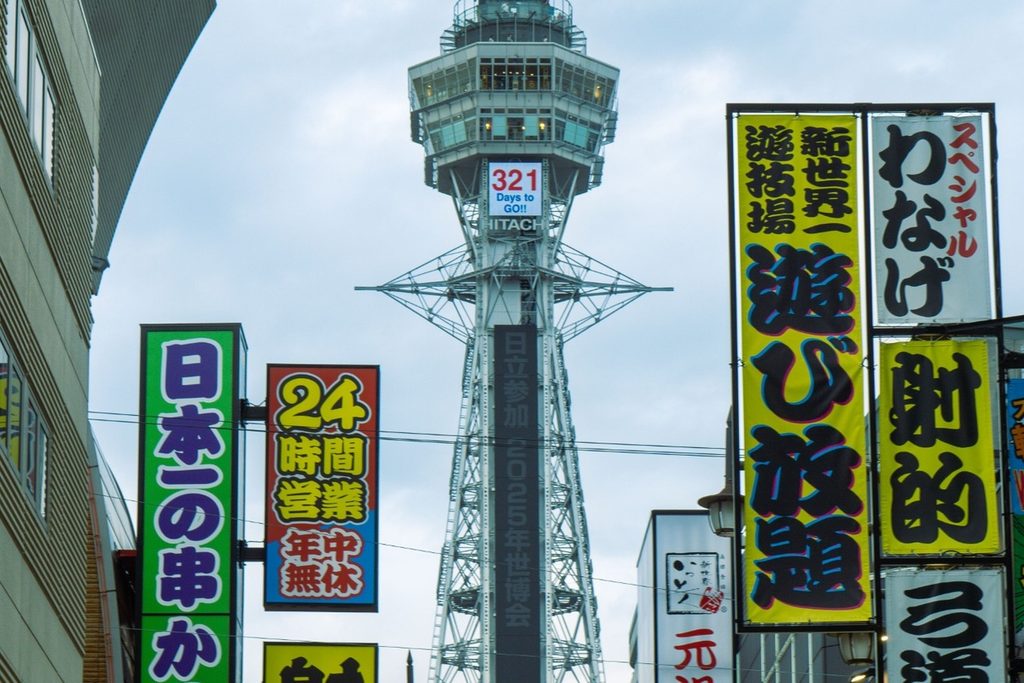
Photo: Pexels
Shinsekai developed around the original Tsutenkaku Tower and Luna Park, which opened in 1912. The tower’s design combined features of the Arc de Triomphe and the Eiffel Tower. It was dismantled after a fire in 1943, and the current tower opened in 1956. Today, older signs, game arcades, and kushikatsu restaurants keep the area’s retro feel alive.
It’s a different kind of interesting than Namba or Umeda. Rougher around the edges, less polished, and better for it.
Best for: retro atmosphere, kushikatsu, a break from the more modern parts of the city
Time needed: 1.5 to 2 hours
Access: about a 3-minute walk from Ebisucho Station, or 6 to 7 minutes from Dobutsuen-mae or JR Shin-Imamiya Station
Official website: Official website
Location: Google Maps
Abeno Harukas
At 300 meters, Abeno Harukas is Osaka’s tallest building. It is directly connected to Kintetsu Osaka-Abenobashi Station and to JR and Osaka Metro Tennoji Station. Harukas 300 spans the 58th to 60th floors. The 60th floor has floor-to-ceiling glass, while the 58th floor includes an open-air deck.
The view straight down is as much a part of the experience as the view across the city.
Best for: skyline views, shopping, a rainy-day plan
Time needed: 1.5 to 2 hours
Best time to visit: late afternoon for daylight views, or after dark for the city lights
Access: directly connected to Kintetsu Osaka-Abenobashi Station and to JR and Osaka Metro Tennoji Station
Official website: Official website
Location: Google Maps
Which Area Fits Your Trip
If this is your first time in Japan and you want to feel like you’re in the middle of things, Namba makes that easy. You’ll trade some quiet for it on weekend nights. For a first visit, the tradeoff usually pays off.
If you’re traveling for work, or connecting through Osaka on a longer trip, Umeda’s polish is useful. Shin-Osaka is one short ride away from the Shinkansen. Evenings here are usually calmer than in Namba. It’s less exciting after dark, but rarely inconvenient.
Tennoji is worth a look if you’d rather spend less on your hotel. It also suits kids who need a park and a zoo more than nightlife. Room rates here can run lower than in Namba on some dates. Prices shift by season and hotel, so it’s worth comparing your exact travel dates. The area also feels less built for tourists.
Traveling with a lot of luggage changes the calculation. Namba’s Nankai Namba Station connects directly to Kansai Airport with no transfer. That matters more than it sounds like when you’ve just landed after a long flight.
Traveling solo works fine in any of the three. Namba’s late-night energy and Tennoji’s calmer streets suit different moods. Pick based on which kind of evening you’d actually enjoy alone, not which area sounds more exciting on paper.
Travel Tips for Choosing Where to Stay in Osaka
A little planning here goes a long way, and none of it needs to be complicated.

Photo: Pexels
Dotonbori can become crowded, especially on Friday and Saturday evenings. If you prefer more space, try visiting on a weekday morning or earlier in the evening. Crowd levels may change during holidays and special events.
Payment methods vary by business. Larger stores and chain restaurants often accept cards, but some small restaurants and market stalls may accept cash only. Carrying some yen as backup can make payment easier.
An IC card such as ICOCA makes travel between the three areas easier. You can use it on participating JR, subway, and private railway services, so you usually do not need to buy a separate ticket for each ride.
Station exits matter more than the map may suggest. Namba has several connected stations and many exits. Choosing the wrong exit can add extra walking, so check the exit number before leaving the ticket gate.
Coin lockers are available in and around Namba, Osaka, and Tennoji stations. They can fill up during busy periods, so check another locker area or a nearby luggage storage service if needed.
On rainy days, Umeda’s underground passages and Namba’s covered shopping areas can reduce the time you spend outside. In Tennoji, some routes between major spots are outdoors, so keep an umbrella with you.
Popular restaurants can become busy in the evening. Some small restaurants do not accept reservations, so arriving a little before the main dinner period may reduce your wait.
Do not walk on escalators. Stand still and hold the handrail, even if other passengers leave one side open.
Public restrooms are usually available inside major stations and department stores in all three areas. If you are traveling with older companions or using a stroller, check which station exit has an elevator before choosing your route. Not every exit in these large station complexes has step-free access.
You may check maps, train routes, hotel addresses, and opening hours several times each day. Having mobile data available can make these small checks easier while you travel. 
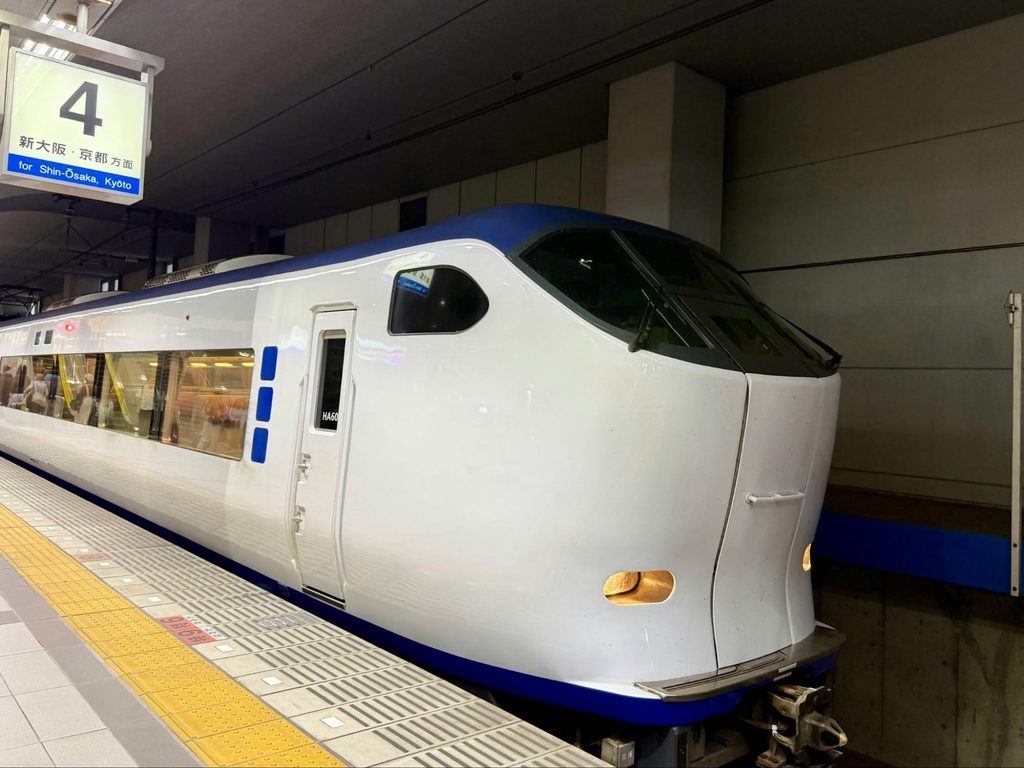
Photo: Unsplash
Access to Namba, Umeda, and Tennoji
Travel times below are approximate. Train schedules and transfer times can change, so check the current route shortly before you travel.
From Kansai Airport, Namba and Tennoji both have fast, direct options. Nankai’s Rapi:t limited express reaches Nankai Namba in about 34 minutes, with reserved seats and space for luggage. JR’s Haruka limited express reaches Tennoji in about 30 to 35 minutes. The two are close enough that neither is clearly faster.
Slower, unreserved options exist too. Nankai’s Airport Express takes closer to 45 minutes to Namba. The JR Kansai Airport Rapid usually takes around 50 minutes to Tennoji and about 65 minutes to Osaka Station. Check the current timetable before you travel.
Umeda usually takes longer to reach than Tennoji or Namba. However, the Haruka runs directly to Osaka Station. The Kansai Airport Rapid also serves Osaka Station without a transfer.
The Shinkansen itself doesn’t stop at Namba, Umeda, or Tennoji. It stops at Shin-Osaka Station, a separate station connected to all three by subway or local train. From Shin-Osaka, Umeda is the closest, about six minutes away on the Midosuji Line. Namba and Tennoji are a bit further down the same line.
Moving between the three areas is straightforward. Umeda, Namba, and Tennoji are all on the Midosuji Line. Each ride is short, and no transfer is needed. Check the current route for the exact travel time. If you’re carrying luggage between hotels, build your plans around that single line. It usually beats a slightly faster route that involves switching trains.
Namba’s station cluster deserves a specific mention. Five railway operators use stations that share the Namba name: Osaka Metro, Nankai, JR West, Kintetsu, and Hanshin. They aren’t all in the same building. If a hotel’s address says it’s “near Namba Station,” check which one they mean before you assume a short walk.