Photo: Unsplash
Staying in a ryokan is one of the best ways to experience Japan.
Picture this. Wooden hallways creak just slightly under your socks. The air smells faintly of tatami mats, and a low table sits ready with tea. The quiet is so complete that you can hear the wind outside, and this is the feeling that greets guests the moment they step through the doors of a ryokan.
A ryokan is not simply a place to sleep. Guests slow down here, sitting on the floor with family or friends, soaking in a hot spring, and sharing a meal made from ingredients grown in the surrounding region. Hours spent inside a ryokan tend to feel different from the rest of a trip. They are unhurried and a little indulgent, and they are hard to forget.
This guide walks through what a ryokan stay actually looks like, from arrival to the morning of checkout, so travelers know exactly what to expect.
In this article you will learn:
- What makes a ryokan different from a hotel
- How to choose the right type of ryokan for a trip
- What happens from arrival to the first cup of tea
- What to expect from the room, dinner, and the bath
- Common mistakes first-time guests make, and how to avoid them
Overview
A ryokan is a traditional Japanese inn. Imagine being invited into the home of a close friend or relative. That is roughly the feeling a ryokan aims for. Guests are welcomed the moment they step through the entrance, treated as someone being hosted rather than a paying customer.
That idea shows up in a few practical ways. Meals are usually included in the room rate. Most ryokan offer a one-night, two-meals plan that covers dinner and breakfast, built around regional and seasonal dishes. Pricing is often calculated per person rather than per room, since the experience itself, including the meal, the bath, and the service, is designed around each individual guest rather than simply the space where they sleep.
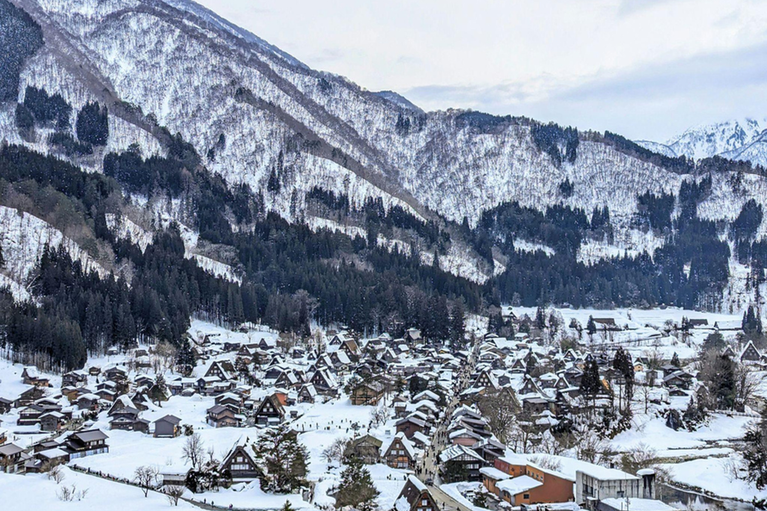
No two ryokan look the same. Some sit deep in the mountains with nothing but nature outside the window. Others sit in the middle of hot spring towns, steps away from shops and public bathhouses. Some have been run by the same family for generations, while others have been renovated with a more modern touch. Whatever kind of ryokan a guest chooses, one thing tends to stay the same: the sense of being cared for at a slower pace than anywhere else on the trip.
Choosing Your Ryokan
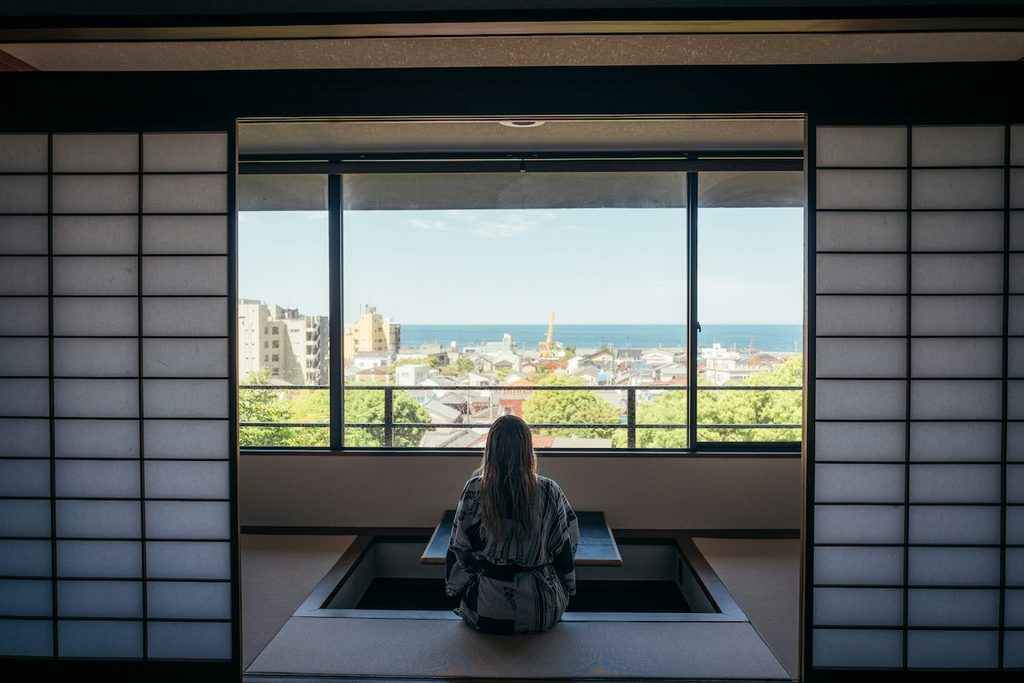
Photo: Unsplash
Japan has thousands of ryokan scattered across the country. Choosing the right one usually comes down to three questions: what the trip is for, what kind of room feels comfortable, and what food matters most.
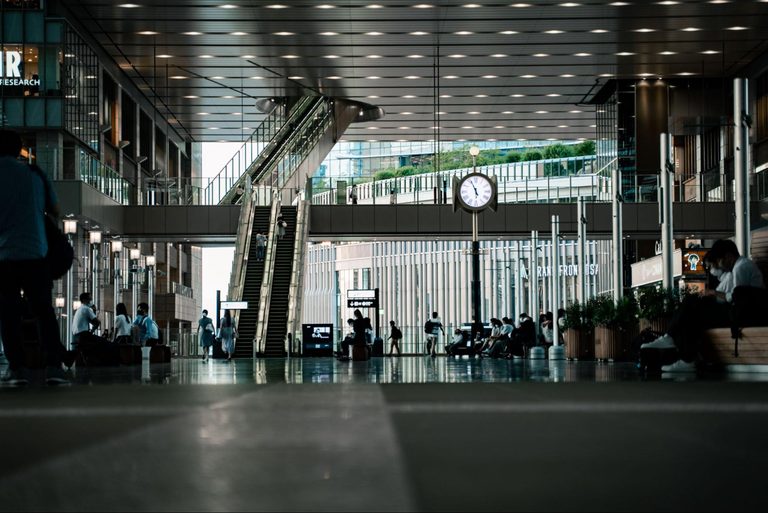
Start with purpose. Travelers hopping between famous sights, or catching an early flight, benefit from a ryokan closer to a city center or the airport, since it keeps travel time short. Anyone hoping to actually unwind should consider a ryokan in a hot spring town or tucked into the mountains instead. These are often built entirely around rest, with fewer distractions nearby and easy access to public baths and quiet walking paths.
Next, think about room type. A purely traditional room, with “tatami” floors and a “futon” laid out each night, offers the most classic version of the ryokan experience. A Japanese-Western hybrid room adds a bed alongside the tatami area, which can work well for anyone unused to sleeping on the floor. Some ryokan now offer fully Western-style rooms with beds and chairs, aimed at travelers who want the atmosphere without giving up their usual comforts.
Finally, look closely at the meal plan. Most ryokan build their pricing around the one-night, two-meals plan. For a first stay, it is worth keeping that plan rather than opting out, since dinner is often the highlight of the entire visit. Guests with dietary restrictions or preferences should let the ryokan know a few days in advance, because meals are prepared specifically for that night’s guests. These days, some ryokan also offer buffet-style dinners and breakfasts. It is worth exploring which style fits a guest’s own preference best.
Sorting out how to stay connected is worth doing before locking in a ryokan reservation, so booking confirmations and directions are one less thing to worry about after arrival. Check out recommended eSIM options for Japan here.
The Arrival Experience
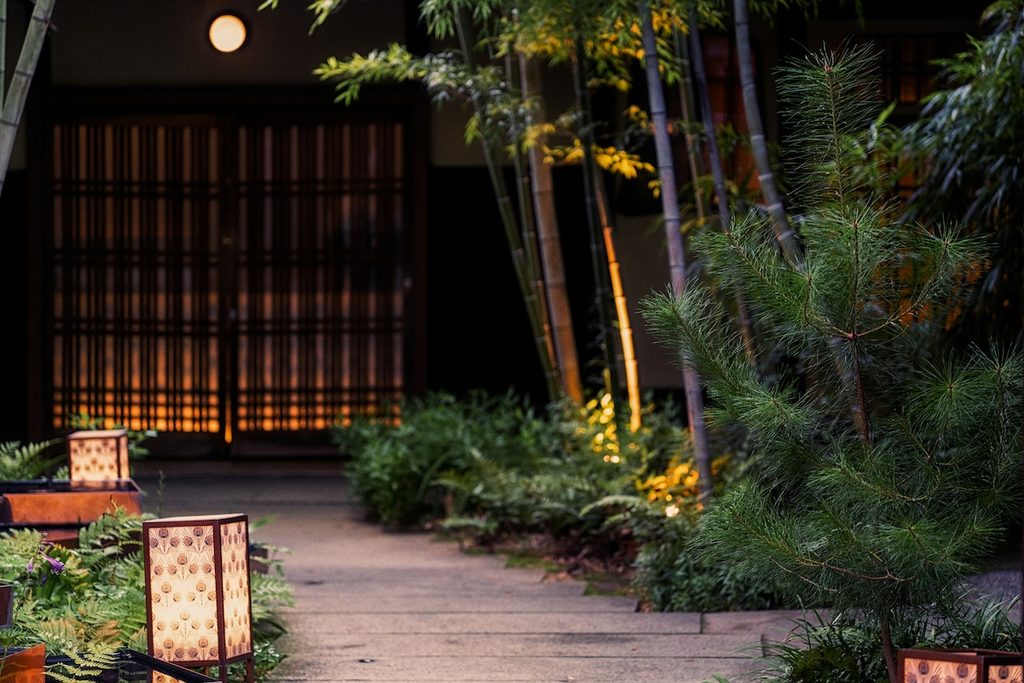
Photo: Unsplash
At a traditional ryokan, guests who happen to arrive when a group is checking in may be greeted at the entrance by the “okami”, the proprietress, or a “nakai-san”, an attendant. Many ryokan today have quietly done away with this formal welcome, however, so it is not something to expect every time.
Either way, check-in happens at the front desk, where guests simply give the name the reservation is under.
Guests are often shown to a small seating area, or straight to their room, where tea and a small sweet are already waiting. It is not simply a formality. Sitting down with that tea gives guests a chance to breathe and let the day settle before anything else happens. Staff tend to move gently and speak softly, and there is rarely any rush to get people checked in and out of the way.
Your Room and the Ritual of Change
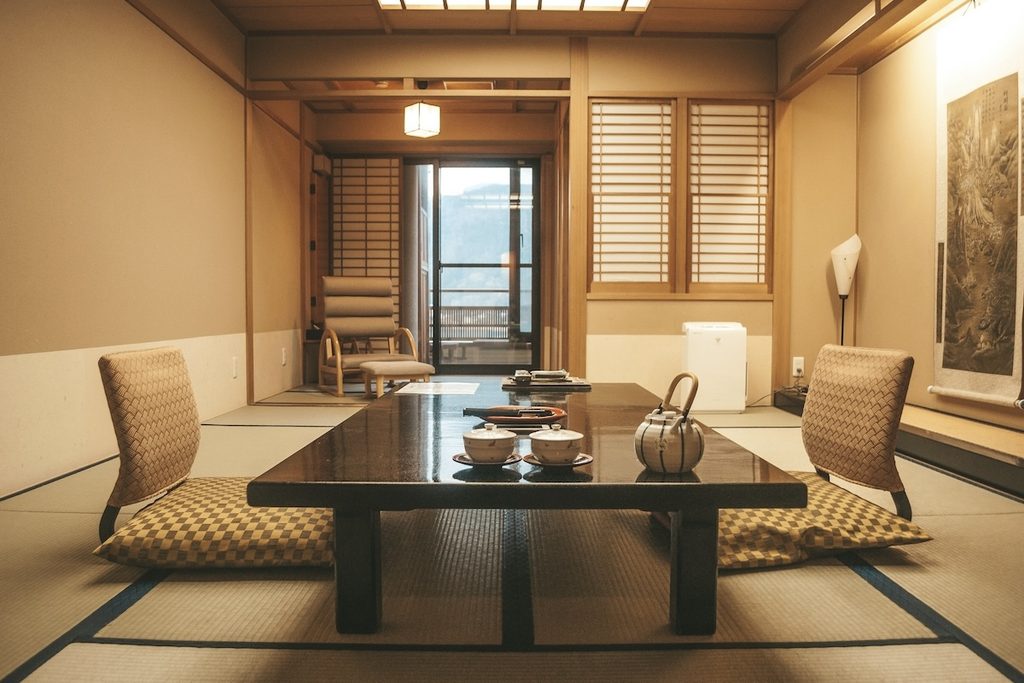
Photo: Unsplash
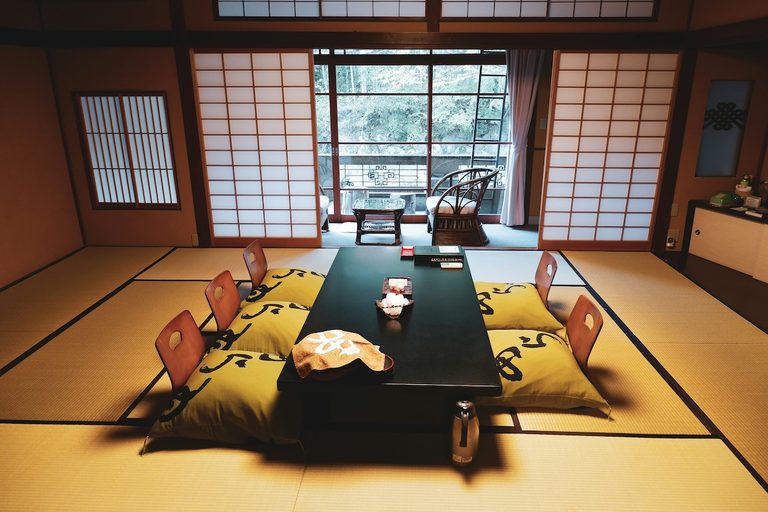
Once shown to the room, the sliding door opens onto tatami flooring and a low table. In a purely traditional room, there may be no bed in sight. Many first-time guests notice this right away: the futon has not been laid out yet. It appears later, spread across the floor while guests are at dinner, and this can catch people off guard the first time they return to a room that seems to be missing a bed.
A “yukata”, a simple cotton robe, is laid out for each guest, along with a matching outer jacket during cooler months. Changing into it is part of the experience itself. It becomes the outfit for the rest of the evening, worn to dinner, around the ryokan’s common areas, and to the bath. Most yukata come in only a couple of sizes. Putting one on is simple: the left side folds over the right. Wearing it the other way is associated with how the deceased are dressed in Japan, so it is worth taking a moment to get right. The obi, or sash, is usually tied in a loose, easy knot.
Walking around in a yukata and slippers with a cup of tea in hand is often the moment a ryokan starts to feel less like a hotel and more like somewhere guests are allowed to fully relax.
Dinner: Kaiseki as an Event
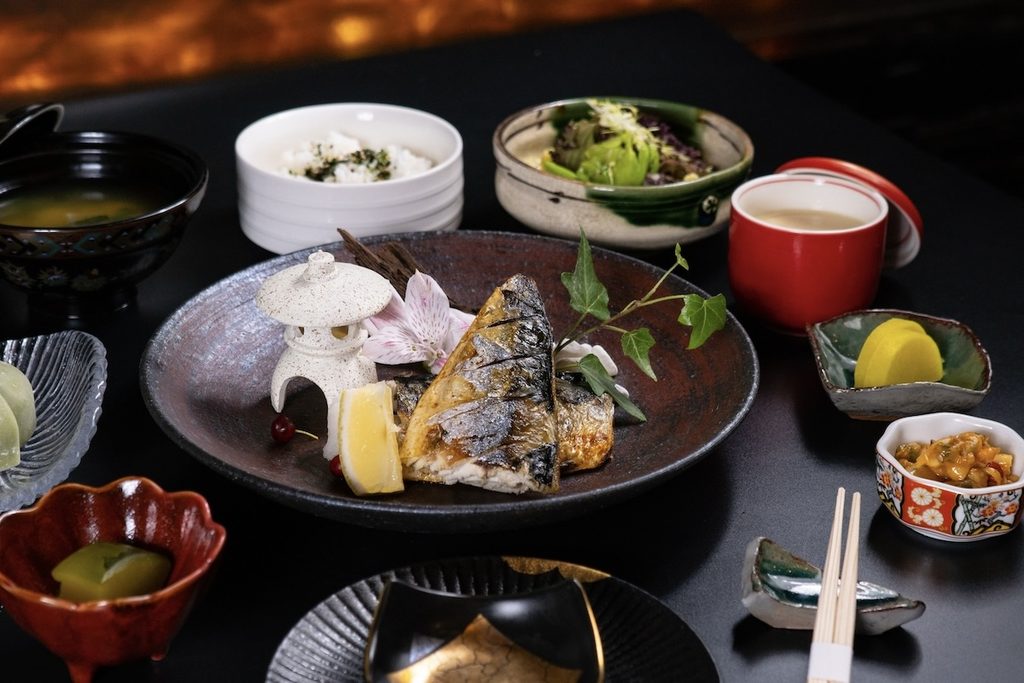
Photo: Pexels
Dinner is where a ryokan stay really shows its hand. Most ryokan build the stay around a one-night, two-meals plan, and dinner is typically served in a “kaiseki” style: a sequence of small, carefully composed dishes rather than one large plate. Exactly where a guest eats depends on the ryokan. Some serve dinner directly in the room, others in a shared dining hall, and a growing number offer a buffet-style spread instead.
Nearly all of them share a strong focus on local, seasonal ingredients. The vegetables, fish, and mountain produce on the table are often sourced from the surrounding region, sometimes from farmers or fishermen the ryokan works with directly. Spring dishes are often filled with young mountain greens and bamboo shoots. By fall, the same table could be filled with mushrooms and grilled saury instead. The menu is less fixed and more a reflection of what the area outside looks like that particular week.
Each course usually arrives at its own pace, with real attention to color and shape, often in dishware chosen to match the season. There is no need to rush between dishes. Dinner at a ryokan is meant to be an event in itself, not a meal squeezed in before bed.
The Evening Bath
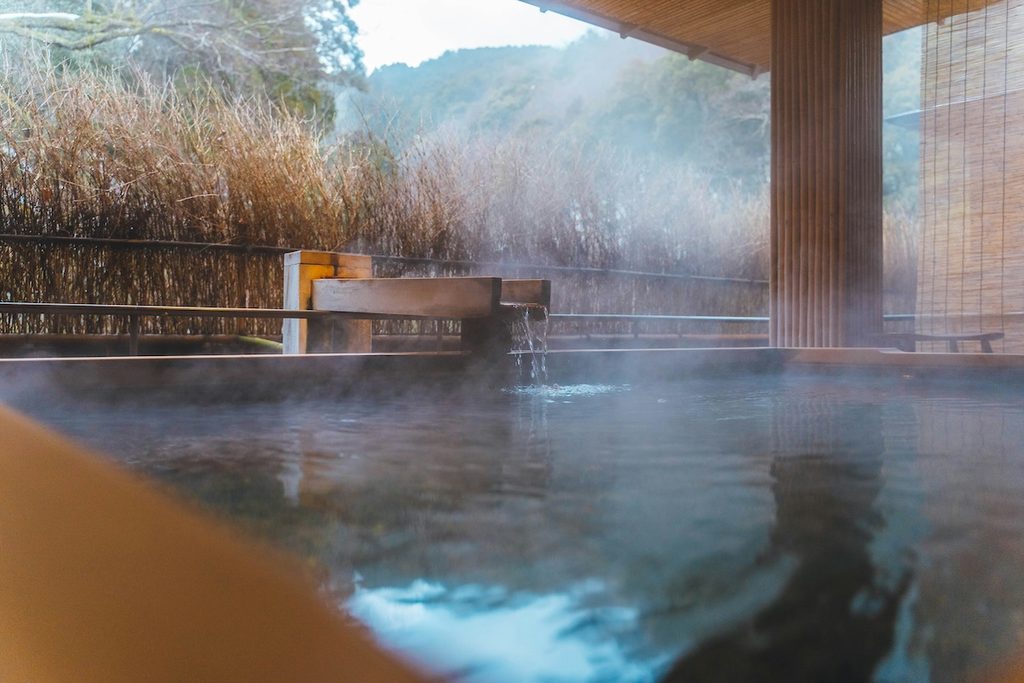
Photo: Unsplash
In a yukata and slippers, the next stop is often the bath. Most ryokan have a large communal bath, called a “daiyokujo”, often fed by an actual hot spring. A few also offer a private bath, or “kashikiri-buro”, that can be reserved for an hour at a time. This is a good option for anyone who would rather soak with just a partner or family instead of other guests.
The etiquette itself is simple once it has been done once. Washing before getting in is essential, whether that means a quick rinse or a full scrub, since the same water is shared by many guests throughout the day and washing first keeps it clean for the guests who come after. Towels stay out of the bath itself; most guests rest theirs on top of the head or on the edge of the tub instead.
Anyone with tattoos should check the rules ahead of time, since they vary by facility.
Stepping out afterward, skin still warm, into a quiet hallway in a yukata is often the moment guests say the trip finally started to feel like rest.
Walking in to a Made Bed
While guests are at dinner, someone quietly comes through and transforms the room. The low table where tea was served is put away, the seating cushions disappear, and futons are laid out across the tatami instead, pillows fl■ and blankets folded neatly at the edge.
It feels strange, a pleasant kind of surprise. The same room left behind as a living space, where guests sat and drank tea a few hours earlier, has become a bedroom by the time they return.
In the morning, the process reverses, and the futons disappear while guests are at breakfast or out for a walk, as if it all happened without anyone noticing.
Breakfast and Departure
Breakfast tends to feel calmer than dinner. It is smaller in scale but still built around familiar basics: grilled fish, rice, miso soup, and a handful of small side dishes, often served in the same spot dinner was, whether that is the room or the dining hall. There is less performance than the night before, and more of a quiet, steady start to the day.
Checkout itself is usually simple, but it rarely feels abrupt. Staff often see guests off at the entrance, sometimes with a bow that lasts until the car or taxi is out of sight. There is no strict script to follow here. Guests settle the bill, gather their things, and step back out into the noise of travel left behind the day before.
By the time the road is back underfoot, it is easy to notice how different everything feels compared to arrival: a little slower, a little more rested, and already thinking about when to come back.
Common Mistakes to Avoid
Staying at a traditional Japanese ryokan comes with a few manners worth knowing in advance. Here are the most common rules to keep in mind:
- Walking on tatami in shoes or slippers.
Tatami is a bare-feet, or socks-only, zone, so leave hallway slippers at the edge of the room before stepping onto it.
- Dragging suitcases or bags across the tatami.
Tatami mats can scratch or dent easily, so it is best to lift luggage instead of rolling it across the floor.
- Trying to fold up the futon.
It is tempting to tidy up out of habit, but this is part of the staff’s job, so it is best left as is.
- Wearing the yukata folded right over left.
This mirrors how the deceased are dressed in Japan, so it is worth taking a moment to get it right.
- Assuming a yukata and slippers work anywhere.
They are fine for common areas and the walk to the bath, but it is worth checking whether they are appropriate outside the ryokan itself.
- Being late for dinner or breakfast.
Ryokan chefs prepare each meal for a specific time, so guests should always show up within that window.
- Getting into the bath without rinsing off first.
The water is shared, so washing beforehand is not optional; it is expected.
- Letting a towel touch the bathwater.
It belongs on the head or set aside on the edge of the tub instead.
A reliable internet connection helps a lot. It is useful for translating signs, checking tattoo policies, or using a translation app at the front desk. Check out our recommended eSIM options for Japan here.
Summary
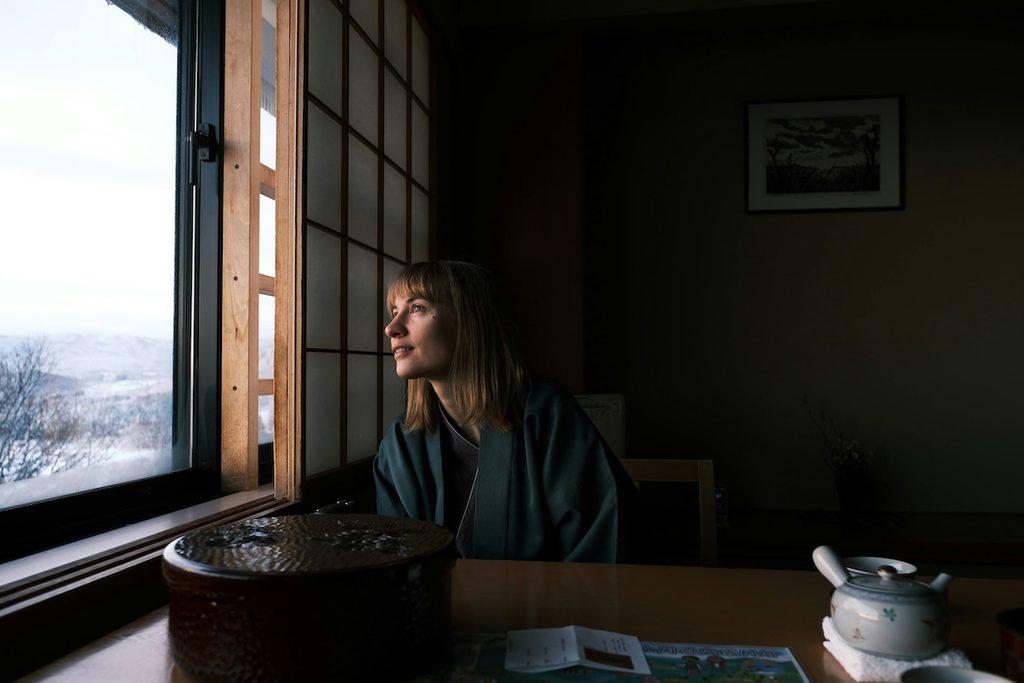
Photo: Unsplash
A ryokan stay is less about where guests sleep and more about how they spend the hours in between. There is the tea waiting on arrival, the yukata to change into, a dinner that unfolds course by course, a bath that resets the body before bed, and a room that quietly turns into a bedroom while no one is looking. None of it is rushed, and that is exactly the point.
Knowing the basic rhythm in advance, shoes off at the door, tatami bare-footed, towel kept out of the bathwater, makes the rest come naturally. What remains is simply the experience itself: a version of hospitality built entirely around slowing down, if only for one night.
Time spent at a ryokan is likely to become one of the most memorable parts of a trip to Japan. It is also a chance to let daily fatigue melt away and feel the body reset. Enjoy every moment of the stay.