Introduction
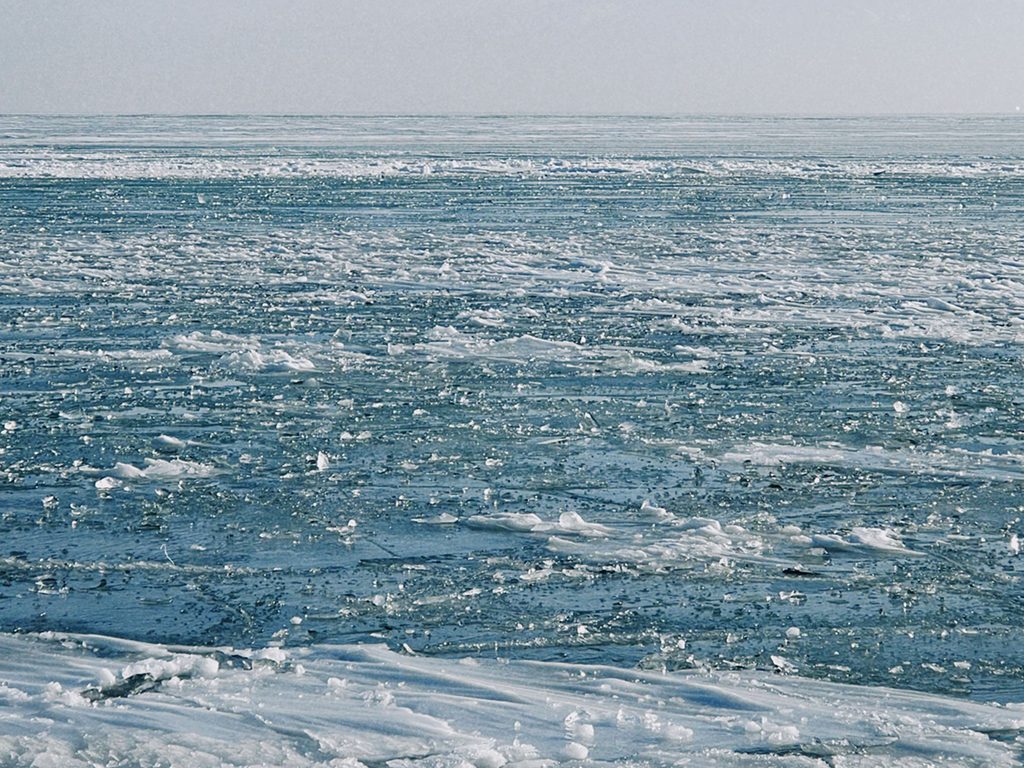
Photo: Pexels
Abashiri sits on Hokkaido’s Okhotsk coast, a working port town best known internationally for its winter drift ice, but its coastline holds plenty to see even outside that season. Just north of the city, the windswept cliffs of Cape Notoro pair a century-old lighthouse with sweeping ocean views, while down at the mouth of the Abashiri River, a roadside station built around the region’s drift ice tourism doubles as a spot for a distinctive local soft serve and a view of a small rock considered sacred by the Ainu natives.
Together, these two stops make a compact half-day loop through Abashiri’s coastal side, easy to combine with a wider trip through Hokkaido’s Okhotsk region.
Overview of Abashiri’s Coastal Sights
Cape Notoro juts out from the coastline a short drive north of central Abashiri, its 40 to 60 meter cliffs dropping straight into the Okhotsk Sea. A working pasture spreads across the cape itself, and cattle and horses graze here from May through October, giving the clifftop a working-farm character alongside its scenery.
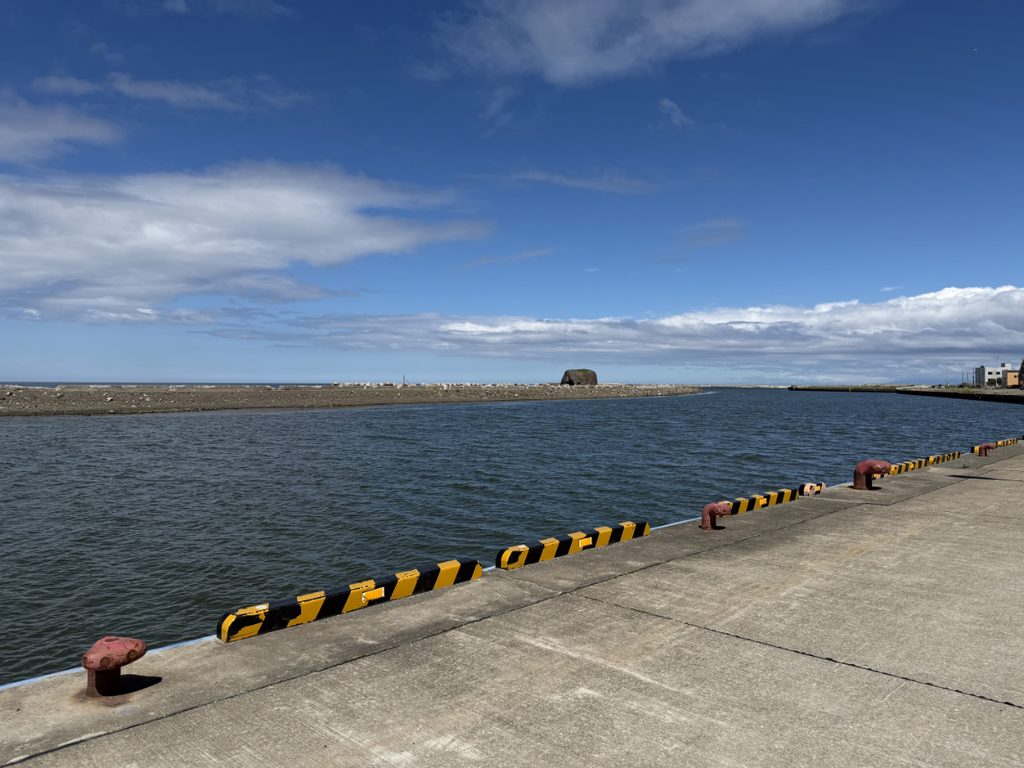
Back in town, the Abashiri River empties into the Okhotsk Sea beside the Michi-no-eki Ryuhyo Kaido Abashiri, a roadside station that doubles as the departure point for the icebreaker sightseeing ship Aurora each winter. Just offshore sits Boshi Iwa, a small rock formation that has long been considered a guardian presence for the town, its name coming from its resemblance to a hat set down on the water.
Abashiri’s identity as Japan’s best-known drift ice destination shapes both stops in different ways. Cape Notoro offers one of the clearest places to watch ice drift past the coastline in late winter, while the roadside station’s entire layout, from its icebreaker ship dock to its blue-toned soft serve, reflects a town that has built part of its tourism economy around a season most of Japan never experiences firsthand.
Key Features
- Cape Notoro, a clifftop cape with a working pasture and a lighthouse dating to 1917
- The Tower of Okhotsk, a 1978 monument honoring a century of local fishing history
- A roadside station at the Abashiri River mouth, home to the distinctive Aurora Soft ice cream
- Boshi Iwa, a small offshore rock regarded by the Ainu as a guardian of Abashiri
- A history as a filming location for both Japanese and international productions
Both stops reward a slow visit rather than a quick photo stop, whether that means watching the grazing animals shift position across Cape Notoro’s fields or simply taking in the view from the roadside station’s upper floor before deciding what to try from its food counter.
Best Things to Do
Visit the Cape Notoro Lighthouse and Pasture
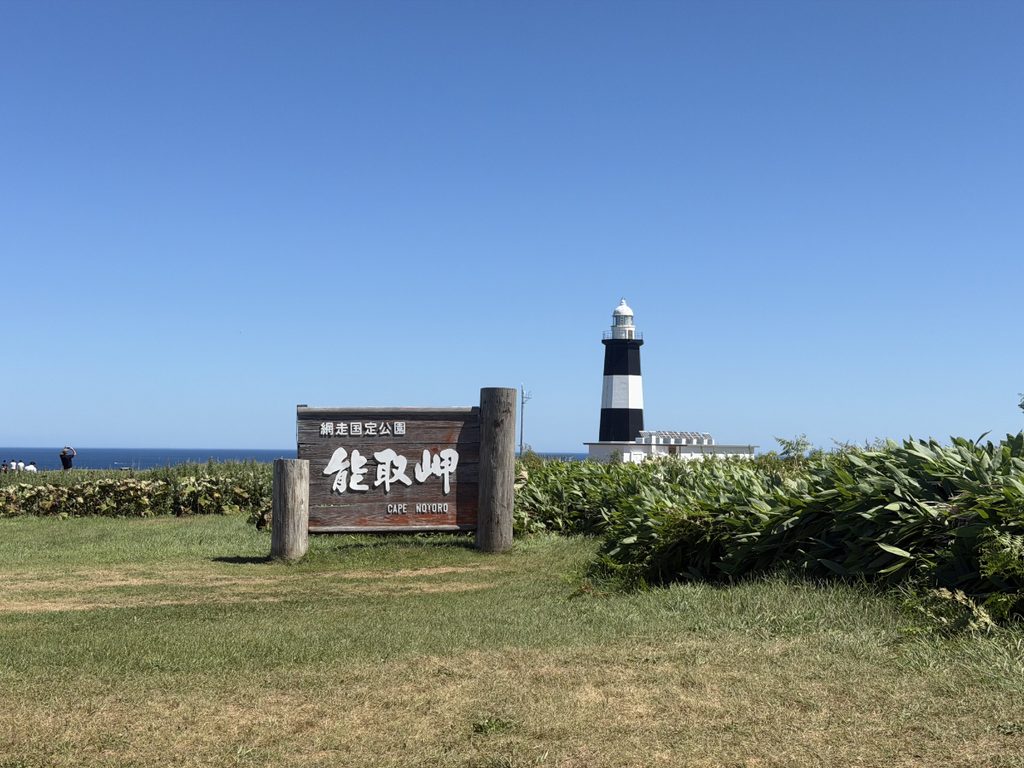
The black-and-white striped lighthouse at Cape Notoro has stood since 1917, and its light is visible up to 36 kilometers out to sea. Around it, a municipal pasture keeps the clifftop open and green through the warmer months, with grazing cattle and horses adding a working, pastoral feel to what is otherwise a dramatic stretch of coastline. On clear days, the view stretches west toward Lake Notoro and the Tokoro coast and east toward the Shiretoko mountain range.
The cape’s striking scenery has drawn film crews over the years, including the Chinese romantic comedy ‘If You Are the One’ and the Japanese film ‘The Chef of South Polar,’ and many visitors recognize the location from one production or another before arriving in person.
Seals are occasionally spotted resting on the rocks below the cliffs, and the pasture and lighthouse remain the main draw for most visitors passing through. A wooden walking path loops along part of the clifftop, giving a change of angle on the lighthouse and coastline beyond the main viewpoint near the parking area.
Highlights
- A black-and-white lighthouse dating to 1917
- A municipal pasture with grazing cattle and horses from May to October
- Clifftop views reaching toward Shiretoko on clear days
- A filming location for several Japanese and international productions
Details
- Time required: 45 minutes to 1 hour
- Access: about 20 minutes by car from central Abashiri, or roughly 45 minutes from Memanbetsu Airport
- Entry: free of charge
- Notes: the cliffside can be windy even in summer, so a light jacket is worth carrying
See the Tower of Okhotsk Monument
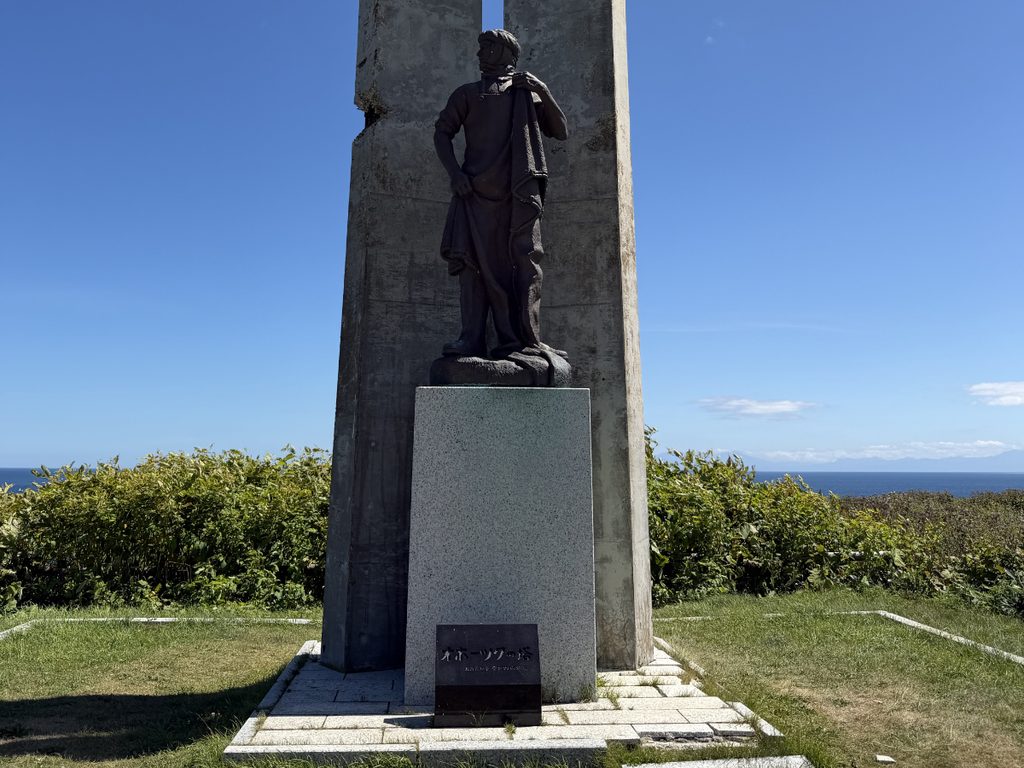
A short walk from the lighthouse, two tall concrete pillars frame a bronze fisherman, together forming the Tower of Okhotsk, raised in 1978 to mark a century of hardship and progress in the region’s fishing industry. The monument’s scale is easy to underestimate in photos, and standing beneath the pillars with the open sea behind them gives a better sense of why this spot was chosen for it.
Highlights
- A bronze fisherman statue framed by two tall concrete pillars
- A tribute to a century of the region’s fishing industry, erected in 1978
- Open ocean views directly behind the monument
Details
- Time required: 10 to 15 minutes
- Access: within walking distance of the Cape Notoro lighthouse
- Entry: free of charge
Taste Aurora Soft at the Ryuhyo Kaido Roadside Station
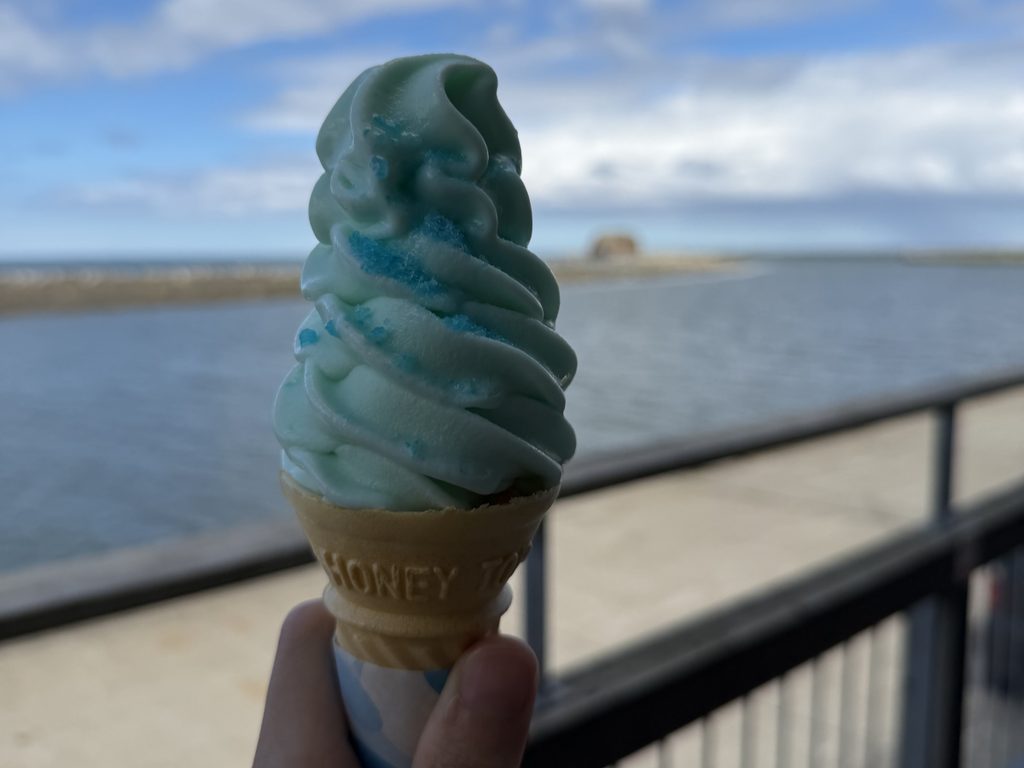
Named for the region’s drift ice, the Michi-no-eki Ryuhyo Kaido Abashiri sells a soft serve called Aurora Soft, swirled in shades of blue and green to evoke the icy winter seascape the station is built around. Alongside it, the shop stocks Okhotsk specialties such as Abashiri pudding, local wasabi, and pink salmon products, plus a food counter serving regional dishes like Abashiri zangi rice bowls (fried chicken).
In winter, the same building serves as the departure point for the Aurora icebreaker sightseeing ship, giving it a very different role once the drift ice arrives, but even outside that season its upper-floor viewing area over the river mouth is worth the stop on its own.
The station has been recognized nationally for its winter appeal, ranking first in a government survey of roadside stations worth visiting in winter, though its year-round mix of food, shopping, and river-mouth views makes it a reasonable stop regardless of when a trip happens to fall.
Highlights
- Aurora Soft, a blue-green soft serve inspired by the region’s drift ice
- Local specialties including Abashiri pudding and pink salmon products
- A food counter serving regional dishes such as Abashiri zangi rice bowls
- Views of Boshi Iwa and the river mouth from the upper floor
Details
- Time required: 30 to 45 minutes
- Access: in central Abashiri, about a 15 to 20 minute walk from JR Abashiri Station
- Hours: 9:00 to 18:30 from April through September, 9:00 to 18:00 from October through March*
- Notes: doubles as the winter departure point for the Aurora drift ice sightseeing ship*
Spot Boshi Iwa, Abashiri’s Guardian Rock
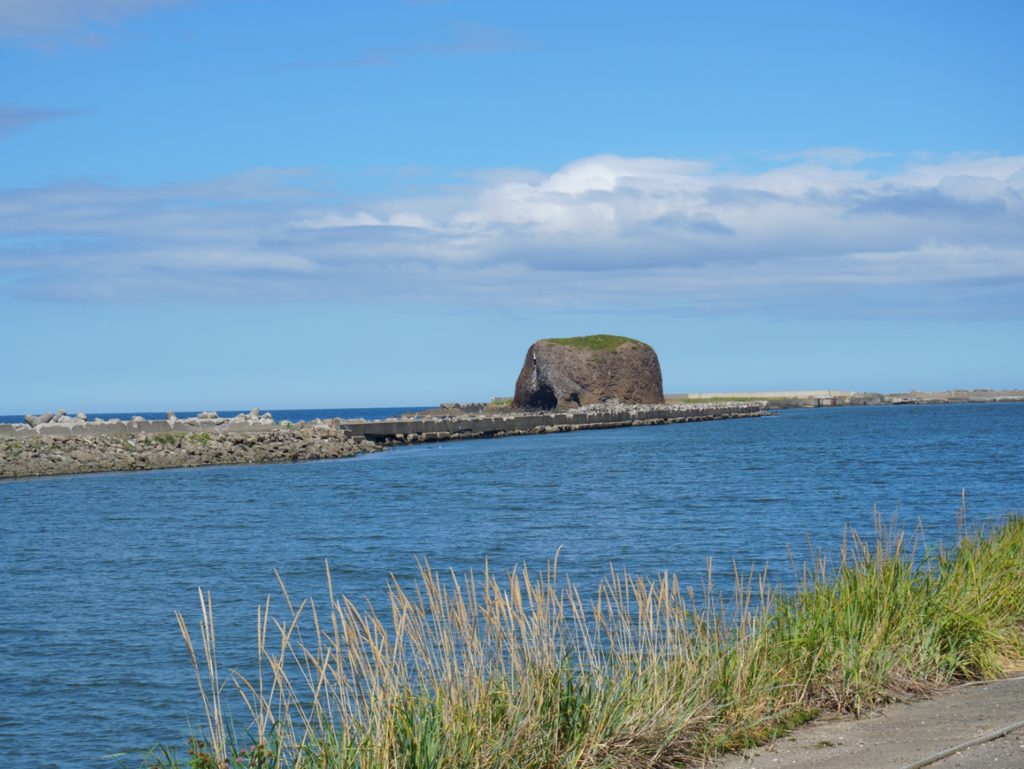
Sitting within the breakwaters of Abashiri Port, Boshi Iwa is a small andesite rock formation whose name, meaning ‘hat rock,’ comes from its resemblance to a hat set down on the water when viewed from shore. In the Ainu language it was known as Chip-a-shiri, an island holding a sacred altar, and it remains linked to one theory about the origin of Abashiri’s own name.
From July through late August, the rock is lit up after dark in changing colors, giving it a noticeably different character at night than during the day. The clearest daytime view comes from the roadside station’s upper floor, looking straight out toward the river mouth.
Travel Tips
Combine Both Stops in a Single Half-Day
Cape Notoro and the roadside station sit close enough together that both fit comfortably into a few hours, making this an easy addition to a longer day in the Okhotsk region.
Dress for Wind at Cape Notoro
The open, elevated cliffs catch a steady breeze even on calm days elsewhere, so a windproof layer makes the visit more comfortable.
Visit at Night in Midsummer for Boshi Iwa’s Light-Up
The rock’s colored lighting only runs from July through late August, so travelers hoping to see it lit up should plan an evening stop specifically within that window.
Check the Ship Schedule in Winter
If visiting during drift ice season, confirm the Aurora icebreaker ship’s departure times in advance, since the roadside station’s parking and crowds shift considerably around sailing times.
Bring a Camera for Both Stops
Between the lighthouse, the pastureland, and the river mouth, this loop offers more photo opportunities than its short overall distance might suggest, so it is worth allowing a little extra time rather than rushing between the two main stops.
How to Get There
From Memanbetsu Airport
- By rental car: about 30 minutes to central Abashiri, and around 45 minutes to Cape Notoro
- By bus: connecting bus service runs between the airport and Abashiri Station*
Within Abashiri
- By car: Cape Notoro is about 20 minutes from central Abashiri; the roadside station sits directly in town
- On foot: the roadside station is about 15 to 20 minutes from JR Abashiri Station
*Hours, ship schedules, and bus timetables are subject to change. Please check official sources before traveling.
Summary
Abashiri’s coastline pairs two very different moods within a short drive of each other: the open, windswept pastures accompanied by the lighthouse of Cape Notoro, and the more practical, food-focused stop at the Ryuhyo Kaido roadside station, where a colorful soft serve and a sacred rock formation both nod to the region’s identity as Japan’s drift ice capital.
Since ship schedules and seasonal lighting events can shift from year to year, having an eSIM on hand makes it easier to confirm current details before setting out.
Whether visited on a clear summer afternoon or as part of a winter drift ice trip, these two stops offer an easy, rewarding look at Abashiri’s coastal side.