 Photo: Unsplash
Introduction
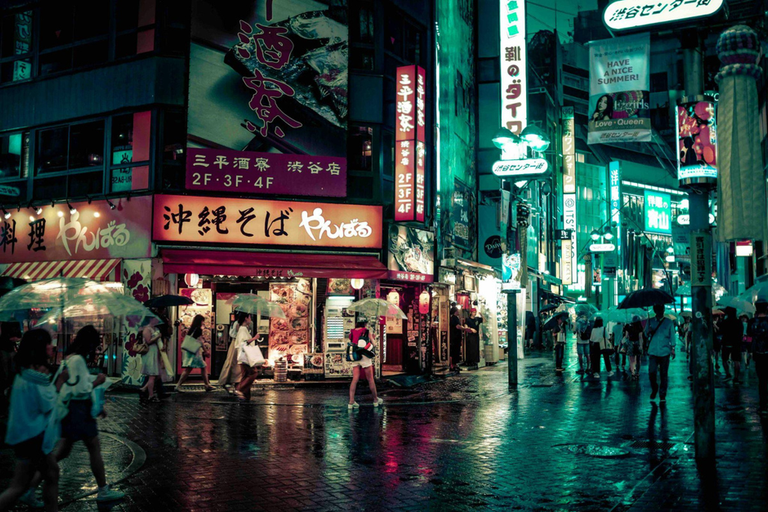
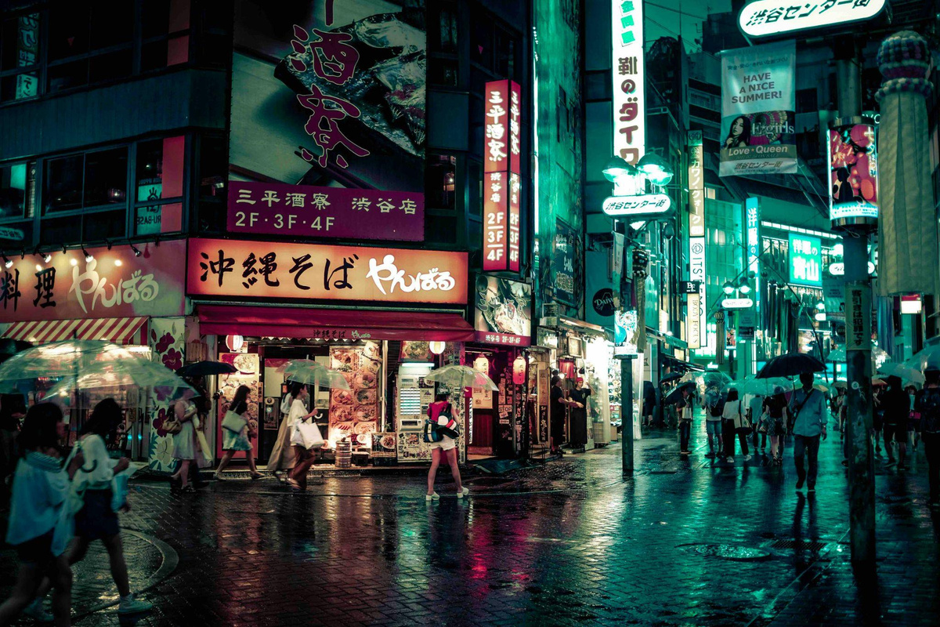
Rain was falling in Shibuya when I arrived in Japan for the first time. The lights from the signs and buildings reflected on the wet street, and people moved quickly under clear umbrellas. I stood still for a moment with my suitcase, watching everything pass in front of me. It looked beautiful. It also felt overwhelming.
I remember thinking, “This looks simple. I’ll just follow the map.”
That assumption lasted about ten minutes.
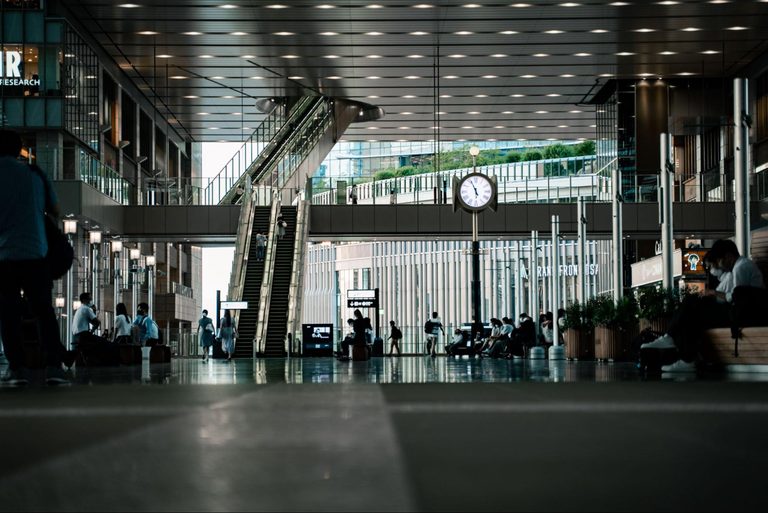
Inside Shinjuku Station, I followed a thin blue line on my phone toward the “West Exit.” The screen said I was close. Maybe one minute away. But instead of reaching the street, I walked into the basement of a department store. Bright lights. Perfect food displays. Fruit that looked more like jewelry than something you eat.
I stopped. Not because I wanted to. Because I had no idea where I was.
At the same time, my suitcase kept catching on the heels of people walking past me. Nobody stopped. Nobody looked confused. Everyone moved like they had done this a thousand times.
That was the moment I realized something I probably should have noticed earlier.
Japan is not hard because it is confusing. It feels hard because it works perfectly, just not in the way you expect.
This guide is built from those moments. Not perfect travel days, but the small mistakes that repeat until you understand how things actually work here.
You will learn:
- Why the first day feels harder than expected
- How to move through stations without getting stuck
- How to reduce the small stress that builds up during the day
- How to act naturally without overthinking
- What actually makes travel feel easy in Japan
There is one thing that changes all of this faster than anything else.
Connection.
When your map loads the moment you step outside, you move again. When it doesn’t, you stop. Look around. Second guess yourself.
That delay feels small. But it repeats all day. Stay connected in Japan with an eSIM
Overview: How Japan Works
Japan can feel busy at first, especially in major cities such as Tokyo, Osaka, and Kyoto. Train stations are large, streets can be crowded, and tourist areas often move faster than first-time visitors expect.
The key is not to rush. It is to understand how people move.
In busy stations and shopping streets, people usually keep walking, stay to one side, and avoid stopping in the middle of a path. If you need to check your map, adjust your bag, or decide where to go next, step to the side first. This small habit makes crowded places much easier to handle.
Time also makes a big difference. Early morning is usually the easiest time to visit famous places. You can take photos, read signs, and understand the area before the main crowds arrive. By late morning, popular spots become harder to navigate, especially if you are carrying luggage or traveling with family.
Navigation is another common challenge. Google Maps is helpful, but it can become confusing inside large stations, underground malls, and multi-level buildings. When directions feel wrong, do not keep walking just because the app says you are close.
Stop, look up, and check the station signs.
Exit numbers, platform signs, and color-coded directions are often more reliable than your phone inside stations. They may feel slower at first, but they usually lead you to the correct exit with less stress.
If you remember only a few Japan travel tips, make them these: move to the side before stopping, visit famous places early, and trust station signs when your phone becomes confusing.
If you want a simple way to structure your trip: Japan itinerary 7 days
Things to Do: A Simple Strategy
Most people do not get tired in Japan only because they walk too much. They get tired because they move too much. I learned that the hard way when I tried to visit Shibuya and Akihabara on the same day. On the map, it looked easy: one train line and a simple transfer. By late afternoon, I was sitting outside a store, not really looking at anything. I had spent the whole day moving, but I had not experienced anything clearly.
That is why a simple area-based plan works better for most first-time visitors.
Explore
Pick a small area and stay longer than you think you should. If you are in Shibuya, stay there. Walk to Harajuku, and maybe continue to Omotesando. The distance is short, but what you see changes along the way.
When you slow down, details start to appear: a quiet side street, a shop you almost walked past, or a small café that was not on your plan. These moments often stay with you longer than the main landmarks.
Enjoy
Timing changes everything. A shrine early in the morning feels open and quiet. You can hear footsteps, wind, and small sounds that disappear later in the day. A few hours later, the same place may feel crowded and harder to enjoy.
Night works in the opposite way. Dotonbori during the day feels busy, but at night, with the signs, food stalls, and canal lights, it finally feels like itself.
Try
Some choices remove effort without you noticing at first.
Using your phone as a train pass removes ticket decisions at every gate. Buying simple food when you are too tired to choose removes the energy you would spend searching. Sending your luggage ahead removes the heaviest friction of all.
Most hotels in Japan work with luggage delivery services. You drop your bag at the front desk the night before, pay a small fee, and it arrives at your next hotel before you do. You spend the day with just a daypack. The difference in how you move is immediate.
One thing worth remembering: delivery services handle your bag, not your valuables. Passport, cash, cards, and anything irreplaceable stays with you.
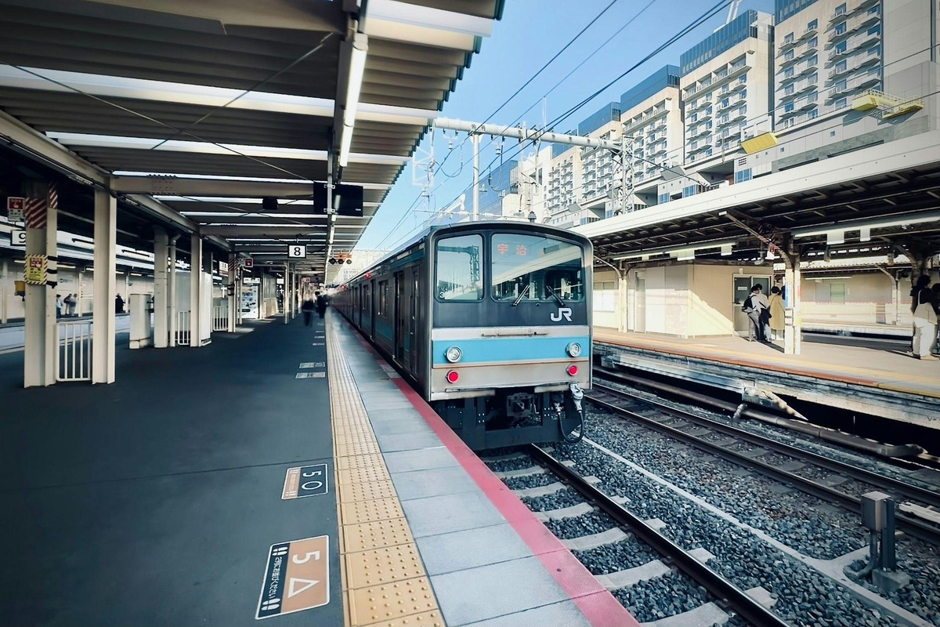
 Photo: Unsplash
A Day in Japan: What Actually Happens
Most travel guides describe places. This section describes a day.
Not a perfect one. A normal one.
Morning
You leave the hotel around 7:30 AM. The streets are quieter than you expected. A few people are walking to the station, moving at a steady pace without looking at their phones. You follow.
Inside the station, the platform is clean and the train arrives exactly when the board says it will. Not close. Exactly. You board, find a space, and the doors close behind you without a sound.
Nobody is talking. A few people are reading. One person is sleeping upright in a way that looks practiced.
You get off two stops later and walk toward the shrine you planned to visit. It is 8:10 AM. The entrance is almost empty. A cleric is sweeping the gravel near the main hall. The incense smoke moves slowly in the cold air. You stand there for a few minutes without taking a photo, which surprises you.
Midday
By 11:30 AM the same shrine has a line of tour groups at the entrance. You are already somewhere else.
You find a ramen shop near a side street. Six counter seats, no English on the menu, a ticket machine by the door. You use Google Lens, identify the signature dish, press the button, hand over the ticket. The bowl arrives in four minutes. You eat standing, shoulder to shoulder with a man in a suit who finishes before you and leaves without making a sound.
It costs less than you expected. It tastes better than anything you researched in advance.
Afternoon
The afternoon is when tiredness starts to weigh you down. Not from walking, but from the accumulation of small decisions. Every transfer, every menu, every moment of choosing the right exit adds up in a way that is hard to predict.
This is when most people push too hard. One more temple. One more station. One more neighborhood.
The better choice is to stop somewhere and let the day slow down. A covered shopping arcade. A coffee shop with a counter by the window. A small park where nobody else is sitting.
An hour of not moving is worth more at this point than another landmark.
Evening
By 6 PM, the city shifts again. The commuter rush fills the stations. You learn quickly to step fully to the side before checking your phone.
Dinner is easier than lunch. More places have pictures on the menu. The standing sushi counter near the station is fast and efficient. You order by pointing. The chef nods without looking up. Everything works.
You walk back to the hotel around 9 PM. Your phone says you walked 14,000 steps. It feels like you walked and did so much more, not a bad start.
The second day starts to look easier before it has even begun.
Food Beyond Ramen
Japan is one of those places where the gap between a famous restaurant and a place you found by accident is smaller than anywhere else.
The convenience store near your hotel is not a backup option. Onigiri from Family Mart, egg sandwiches from Lawson, hot cans of coffee from the machine outside — these are legitimate meals, not compromises. On an early transit day, a 130-yen can of corn soup from a vending machine is exactly right.
Counter restaurants are worth understanding before you arrive. You walk in, find an ordering machine, press a button, hand over the ticket, sit down, eat. No conversation required unless you want it. The system removes every decision except what to order.
Department store basements, called Depachika, solve the “too tired to decide” problem that hits around day three. Every major department store has one. Prepared foods, baked goods, boxed meals, things you cannot name but want to try. You buy what looks right, find a bench outside, and eat without booking anything.
Street food appears near stations and markets without warning. Takoyaki from a standing vendor. Grilled skewers from a counter that opens at 5 PM. Soft serve from a window that has a line at 10 AM for no obvious reason.
Lunch before 11:30 AM means no queue; dinner after 8 PM means the same. That single adjustment saves more time than any restaurant research.
Recommended Spots
1. Shinjuku (Tokyo)
Shinjuku is where many people first feel the scale of Tokyo.
It can feel overwhelming. Then slowly, it starts to make sense.
You don’t need to understand everything. Just spend time there and let it embrace you.
- Time: 4-6 hours
- Access: JR Shinjuku Station
- Official site:Shinjuku Station (Official Guide)
- Location: Google Maps
2. Fushimi Inari Shrine (Kyoto)
- Fushimi Inari Shrine is famous for its thousands of red torii gates. Here, you can walk through the Senbon Torii, take photos, visit small shrine areas along the mountain path, and enjoy a light hike through the forest.
- Most visitors take photos near the entrance and leave. If you keep walking, something changes. The crowd thins out. The sound shifts. You start to hear your own footsteps again. That quieter part often stays with visitors longer than the first photo spot.
- You do not have to climb all the way to the top. Walking until the path feels quieter, then turning back, is enough for most first-time visitors.
- Time: 2–3 hours
- Access: JR Inari Station
- Official site: Fushimi Inari Taisha(Official Site)
- Location: Google Maps
If you go further up the path, connection helps more than you expect. Stay connected in Japan with an eSIM. Check out Japan eSIM options
3. Dotonbori (Osaka)
- Dotonbori is one of Osaka’s most famous food and nightlife areas. Here, you can walk along the canal, take photos near the Glico Running Man sign, try local street food such as takoyaki, and enjoy the bright signs that make Osaka feel different from Kyoto or Tokyo.
- Dotonbori is not calm. It is loud, bright, and always moving. If you stop suddenly, you feel it immediately. People move around you. If you move with the flow, it becomes easier.
- The best way to enjoy Dotonbori is not to rush from one shop to another. Walk slowly, choose one or two foods you really want to try, and leave time to enjoy the lights around the canal, especially in the evening.
- Time: 2–4 hours
- Access: Namba Station
- Official site: Osaka Info (Official Site)
- Location: Google Maps
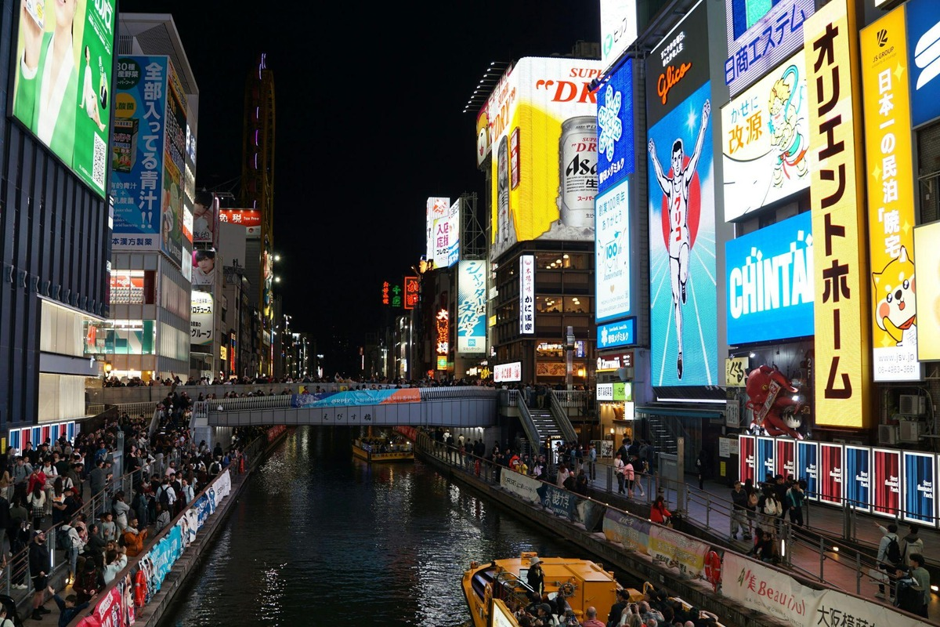
Photo: Unsplash
Travel Tips: Real Situations You Will Face
Some problems repeat more than you expect. None of them are serious. But they build up across the day.
The Ramen Ticket Moment
In small ramen shops, you stand in front of a machine with many buttons and no pictures. Behind you, a quiet line begins to form.
I once pressed the wrong button and ended up with a bowl of plain rice and a raw egg. No noodles. I looked at the bowl. The chef looked at me. Neither of us said anything.
To avoid that moment: use Google Lens before stepping forward. If you hesitate, press the top-left button. It is usually the main dish. Carry small bills and coins. Most machines do not accept large notes.
The Red Label Rule
Vending machines are everywhere. Red means hot. You learn this the moment a can feels too warm to hold. Blue means cold. Use the recycling station next to the machine when you finish.
Train Behavior
Silence is normal. No phone calls. Voices stay low. People wear their backpacks to the front when the train fills up. Nobody explains these rules. But you notice them immediately.
Navigation Inside Stations
Stations are larger than any map suggests. A short transfer window disappears quickly when you are carrying luggage and choosing the wrong path.
Give yourself extra time. Stop before checking your phone. The yellow signs above you are more reliable than GPS while underground.
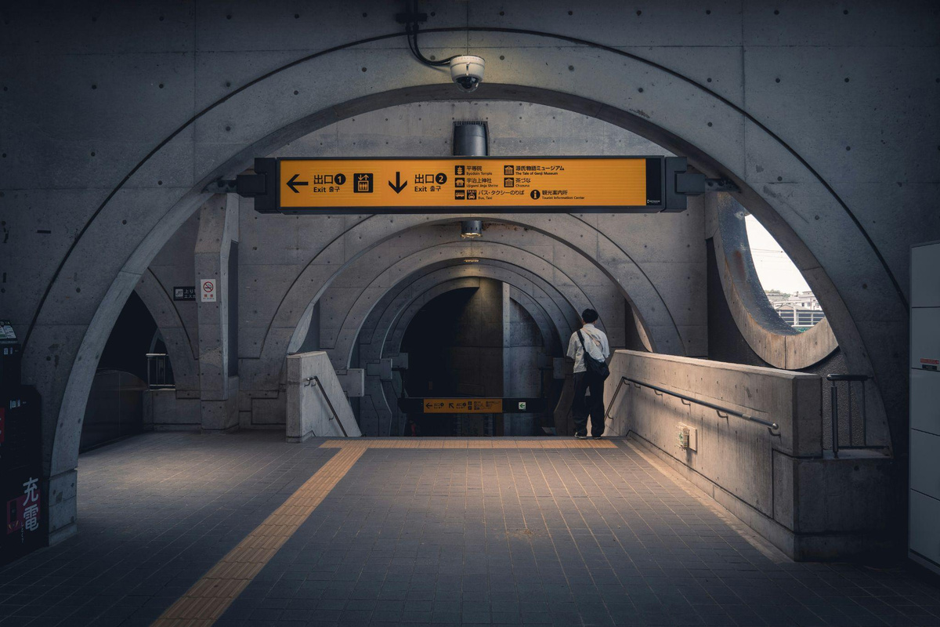
Photo: Unsplash
Access: Getting Around Japan
From the airport, the first train choice shapes your first day.
From Narita, both the Narita Express and the Skyliner connect to the city. From Haneda, the Monorail and Keikyu Line reach central Tokyo quickly. Haneda is much closer to the city center, so the journey feels shorter. From Kansai Airport, the Haruka Express connects directly to Osaka and Kyoto.
Between cities, the Shinkansen removes most uncertainty. It arrives on time. It leaves on time. The space inside is quiet enough to rest.
If the weather is clear, look out the window when traveling from Tokyo toward Osaka. Mount Fuji appears briefly, larger than expected, then disappears again.
For Osaka train routes: Osaka Access Guide (Official)
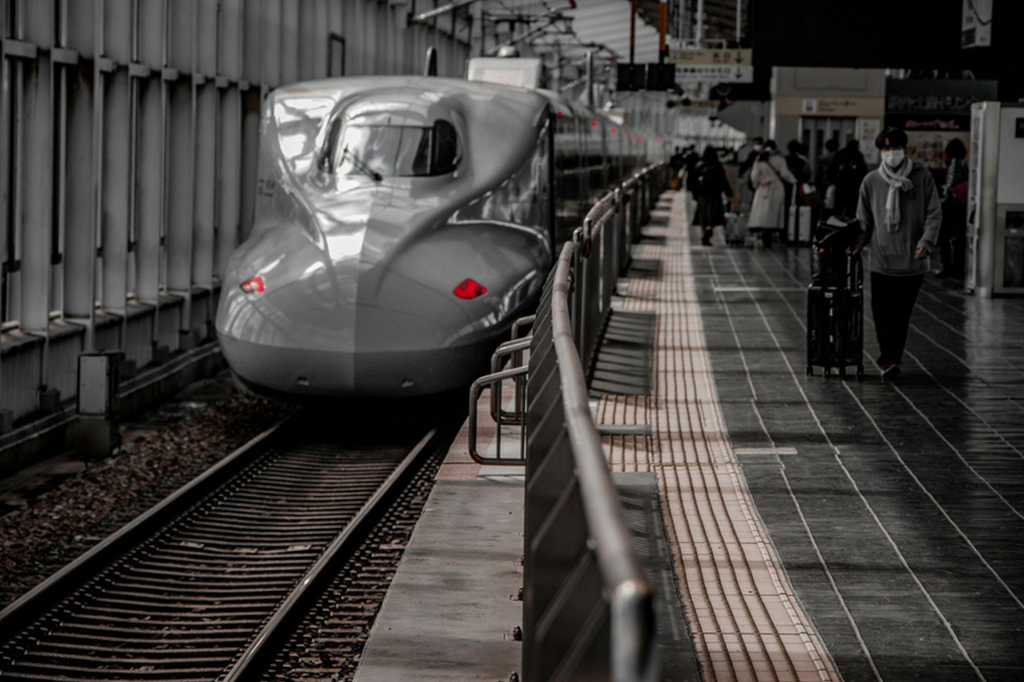
 Photo: Unsplash
In Short
Your first day will not be perfect.
You will take a wrong exit, stop in the middle of a path, and check your map more times than you planned. That is normal.
What matters is how quickly you recover.
Before you arrive, sort out your connectivity, pick up an IC card at the airport, and give yourself more transfer time than the apps suggest. Visiting famous spots before 9 AM makes a bigger difference than almost any other single decision.
None of this is complicated. But knowing it before you arrive changes everything.
Japan becomes easier when you stop trying to control everything and start moving with it.
Stay connected in Japan with an eSIM. Check Japan eSIM options before your trip.
 Photo: Unsplash