 Photo: Unsplash
Introduction
A 10-day Japan family itinerary works best when the route has variety, but not too much pressure. This route gives your family a first taste of Tokyo, a castle town in Matsumoto, old streets in Takayama, the mountain village of Shirakawa-go, art and food in Kanazawa, a dinosaur-friendly stop in Fukui, and a final easy city with Osaka or Nagoya.
It is not the shortest way across Japan. That is part of the value. For families, the best route is not always the fastest route. A route with fewer rushed mornings, clear transport steps, and a few soft landing points often feels much better.
You will probably check maps, train times, bus stops, ticket pages, and opening hours many times during the day. Many travelers prepare mobile data before arriving so they can check maps, train times, and hotel addresses on the go. mobile data options for Japan
Overview
This Japan itinerary is a 10 days family route that is best for first-time visitors who want more than Tokyo, Kyoto, and Osaka.
It is a good fit if your family wants:
- a simple Tokyo start
- one castle that children can understand
- mountain scenery
- old streets with easy snack stops
- Shirakawa-go as a village walk
- Kanazawa for art, food, and a slower pace
- Fukui for dinosaurs or a calm temple day
- Osaka or Nagoya as a final exit point
It may not be the best route if your family wants:
- only theme parks
- very few hotel changes
- no bus travel
- beach time
- a slow one-city stay
- a route without mountain weather
The basic plan is:
- Day 1: Arrive in Tokyo
- Day 2: Tokyo family day, such as Odaiba or teamLab Planets
- Day 3: Tokyo to Matsumoto
- Day 4: Matsumoto to Takayama
- Day 5: Takayama to Shirakawa-go, then Kanazawa
- Day 6: Kanazawa
- Day 7: Kanazawa to Fukui
- Day 8: Fukui to Osaka or Nagoya
- Day 9: Osaka or Nagoya family day
- Day 10: Departure
The first decision is your exit city.
Choose Osaka out if your family wants food, shopping, Osaka Aquarium, Universal Studios Japan, or Kansai International Airport.
Choose Nagoya out if your flight works better from Chubu Centrair International Airport, or if you want a simpler finish after Fukui.
If your family needs a slower trip, cut one stop. The easiest place to adjust is usually Fukui or the final Osaka activity. You can also stay two nights in Kanazawa and make the last city only a departure base.
You do not need a perfect plan. You need a plan with enough space.
Best Things to Do
Day 1: Start Tokyo gently on
Your first day in Japan should stay light.
After a long flight, children may look fine at first. Then the tiredness arrives fast. Adults are not so different. Do not make the first evening prove anything.
What to do:
- arrive at Haneda or Narita
- go straight to your hotel
- buy drinks and simple snacks nearby
- take a short walk if everyone has energy
- sleep early
Best time: Keep evening plans close to your hotel. Your body may need more time than your plan says.
Time needed: Arrival day only
Nearby station: Choose a Tokyo hotel near a station that helps with Day 3. Shinjuku can be useful if you plan to take the Limited Express Azusa toward Matsumoto.
Small practical tip: Do not unpack everything on the first night. Keep one small bag ready for the next morning with chargers, medicine, children’s items, and travel documents.
What to do next: Confirm your Tokyo to Matsumoto train route before sleeping.
Day 2: Pick one Tokyo family area on
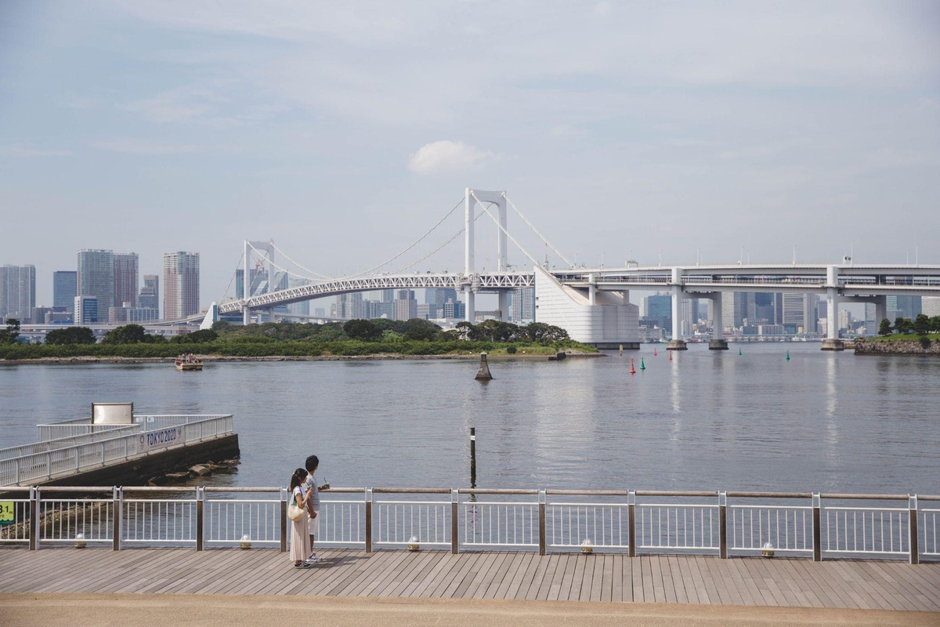
Photo: Pexels
Tokyo is large. First-time visitors can enjoy it smoothly by grouping nearby areas together.
For this route, Odaiba and Toyosu work well. They give children more space than some central shopping areas. You can choose indoor activities, waterfront walks, malls, and easy food stops.
A simple plan:
- start with teamLab Planets in Toyosu if you have tickets
- move toward Odaiba after that
- eat lunch inside a mall
- keep the afternoon flexible
- return to the hotel before everyone is fully tired
Best time: Morning for ticketed activities. Afternoon for Odaiba, shopping, snacks, and rest.
Time needed: Half day to one full day
Nearby station: Toyosu, Shin-Toyosu, Daiba, Tokyo Teleport, or nearby Odaiba stations, depending on your plan.
When to skip teamLab: Skip it if your children dislike dark spaces, barefoot areas, water floors, or strong visual effects. Odaiba alone is enough for a first Tokyo day.
A small route note: Odaiba and Toyosu are close, but they are not in the same station area. Check the station name before you tap out.
Day 3: Travel to Matsumoto and Give the Castle Proper Time
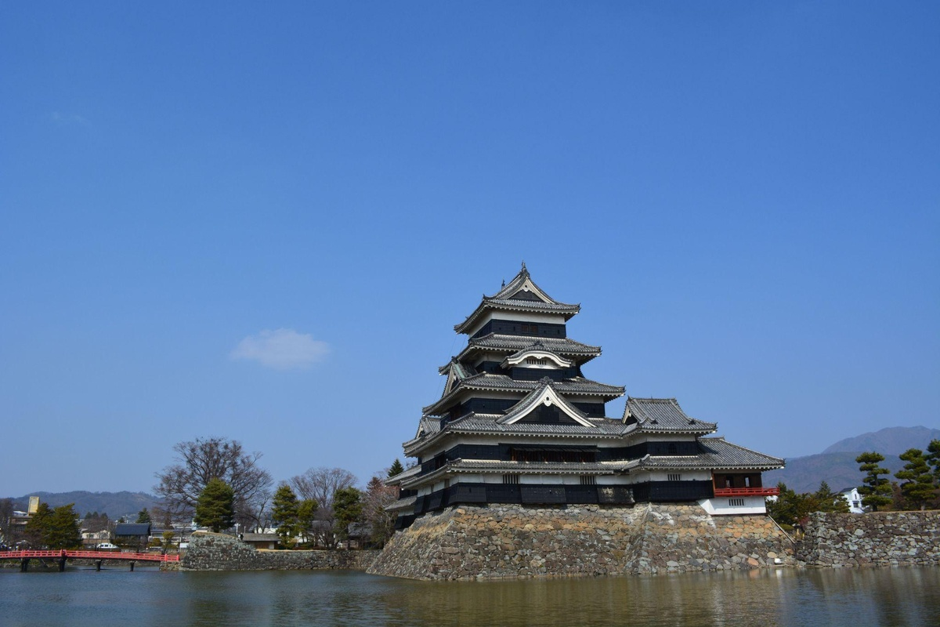
Photo: Pexels
Day 3 is when the trip starts to feel different.
Tokyo is wide and fast. Matsumoto is smaller. That change helps families. You can arrive, drop bags, and focus on one main place instead of chasing a long list.
Matsumoto Castle is the main stop here.
What to do:
- travel from Tokyo or Shinjuku to Matsumoto
- leave luggage at your hotel or a locker if available
- visit Matsumoto Castle
- keep dinner near the station or hotel
Best time: Afternoon works if your train is smooth. If your family is tired, enjoy the castle from outside first and keep the inside visit shorter.
Time needed: About half a day after the transfer
Nearby station: Matsumoto Station
Small practical tip: Castle stairs can be steep. With younger children, move slowly and keep both hands free. A backpack is easier than a loose tote bag here.
What to skip if tired: Skip extra museums or long shopping walks. The castle and a simple dinner are enough.
Day 4: Cross the Mountains to Takayama Without Overloading the Day
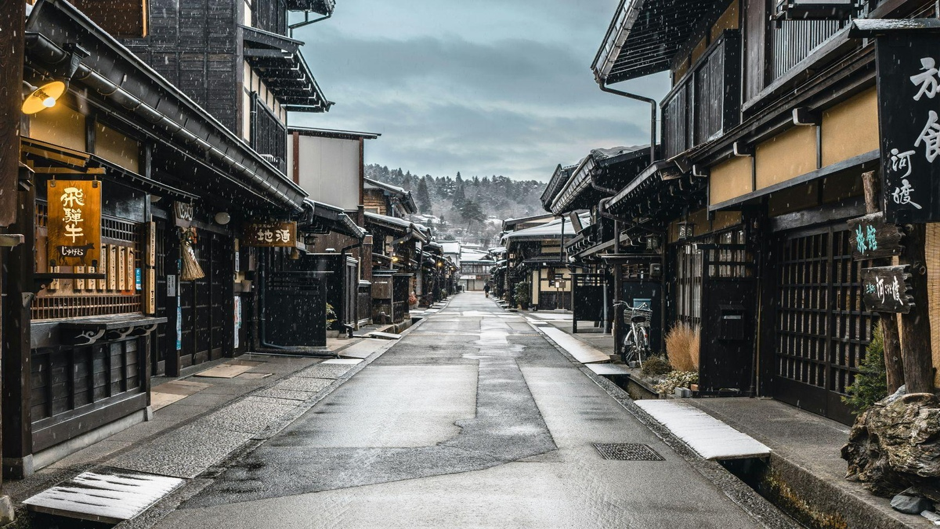
Photo: Unsplash
Day 4 is a travel day with scenery.
The Matsumoto to Takayama move is usually bus-based. This is not a day to add too many stops. The bus ride itself is part of the journey.
What to do:
- buy drinks and snacks before boarding
- confirm the bus terminal and platform
- keep valuables and children’s items in a small bag
- arrive in Takayama
- walk the old town in the late afternoon
- try a small snack, such as mitarashi dango (sweet soy sauce rice dumplings on skewers) or a grilled beef skewer if it suits your family.
Best time: Late afternoon is good for Takayama’s old streets. The area can feel calmer after the busiest day-trip hours.
Time needed: One travel day with light sightseeing
Nearby station: Takayama Station and Takayama Bus Terminal
Small practical tip: The map may show a short walk, but luggage changes the feeling. Choose a hotel near the station or old town, not only the cheapest place.
When to skip extra stops: Do not add a mountain ropeway, long museum, or far restaurant unless everyone still has energy.
Day 5: Walk Through Shirakawa-go, Then Continue to Kanazawa
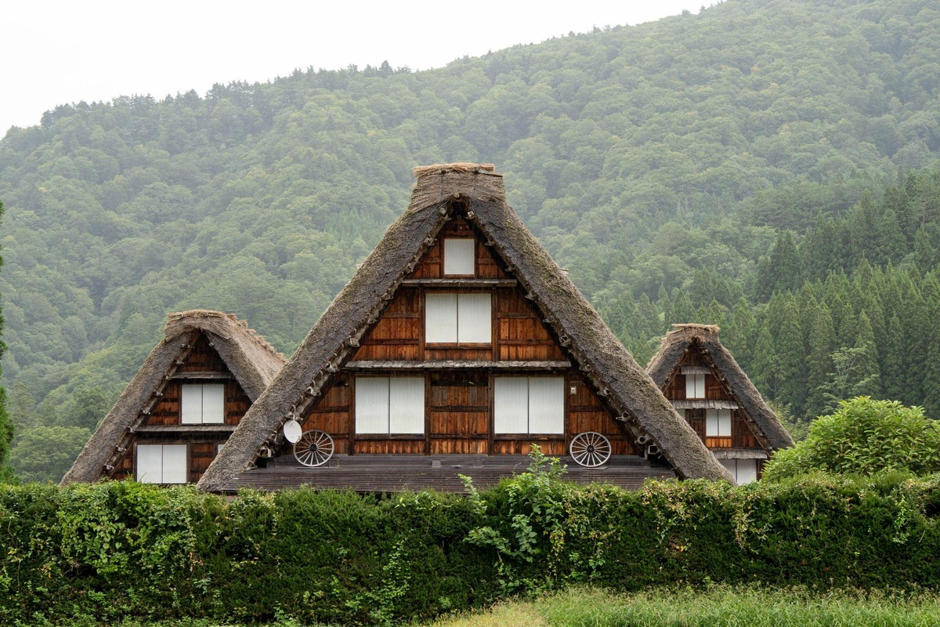
Photo: Pexels
Day 5 is one of the strongest days of this Japan itinerary of a 10 days family route.
It also needs clean timing.
Travel from Takayama to Shirakawa-go by bus, walk the village, then continue to Kanazawa. The bus from Takayama to Shirakawa-go is often around 50 minutes, but schedules and reservation rules may change. Check the official bus website before you travel.
What to do:
- leave Takayama in the morning
- store luggage if needed and available
- walk through Shirakawa-go slowly
- visit the viewpoint only if weather and energy are good
- continue to Kanazawa in the afternoon
Best time: Morning is better. It gives you more space before the area becomes busier and keeps the Kanazawa transfer easier.
Time needed: About 2 to 4 hours in Shirakawa-go, plus travel
Nearby station: There is no main train station in the village. Plan around the bus stop and your luggage.
Small practical tip: People live in Shirakawa-go. Keep voices calm near houses, stay on marked paths, and do not block narrow roads for photos.
What to skip if tired: Skip the viewpoint. The village itself is enough, especially in rain or snow.
Day 6: Let Kanazawa Reset the Pace
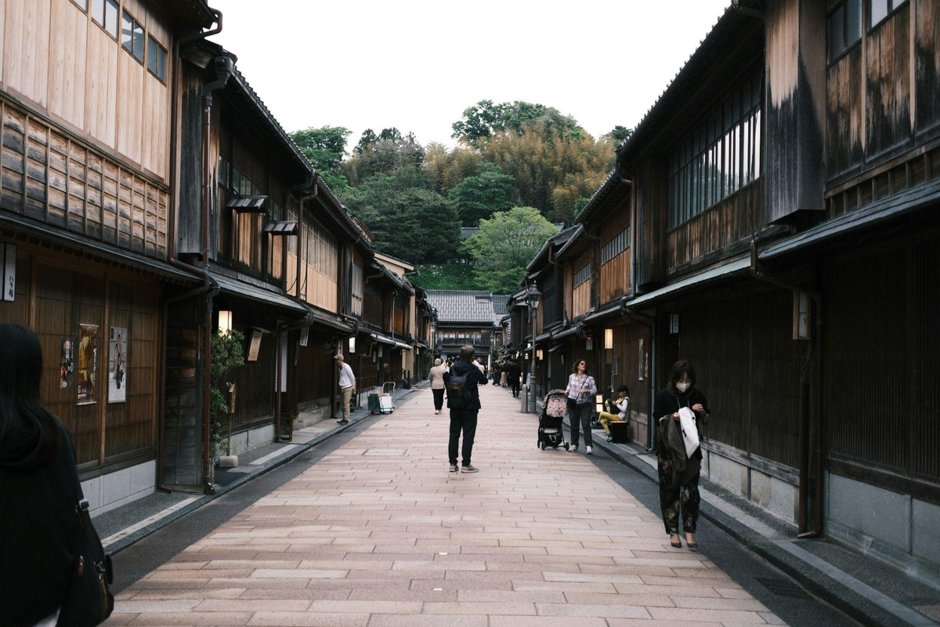
Photo: Unsplash
Kanazawa is the breathing space in this route.
After Tokyo, Matsumoto, Takayama, and Shirakawa-go, your family may need a day without packing. Kanazawa gives you that.
Do not try to make Kanazawa a race.
A family-friendly day can be:
- 21st Century Museum of Contemporary Art in the morning
- Omicho Market or nearby lunch
- hotel break
- one gentle walk in the afternoon
- easy dinner near your stay
Best time: Morning for the museum. Late morning or lunch for the market. Keep the afternoon soft.
Time needed: One full day
Nearby station: Kanazawa Station
Small practical tip: Kanazawa is easier when you choose two main activities, not five. A museum and a market can be enough.
When to add more: Add Kenrokuen Garden or Higashi Chaya only if your family still wants to walk.
Day 7: Travel to Fukui and Choose One Main Experience
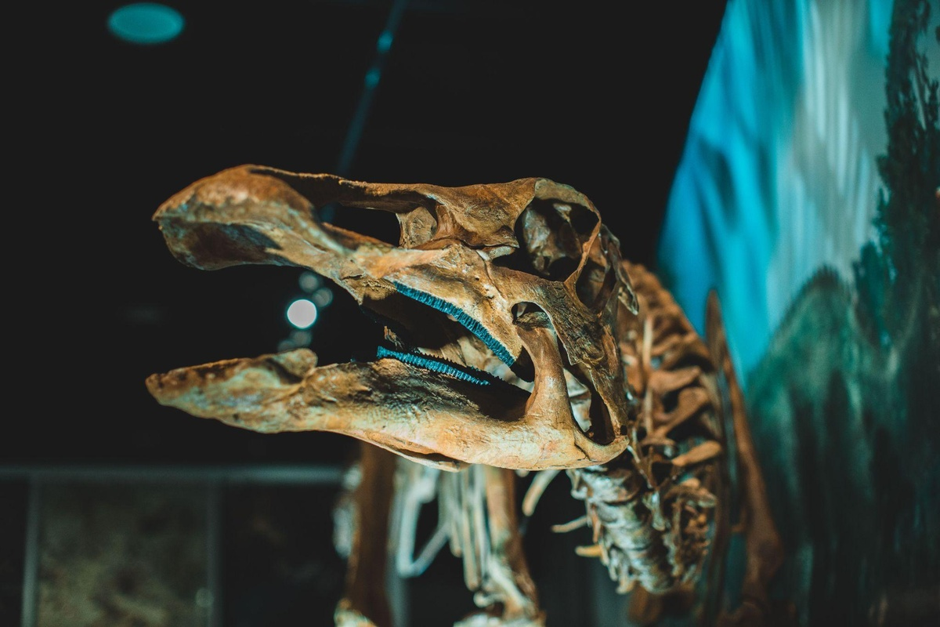
Photo: Pexels
Fukui is the flexible stop.
For many families, the Fukui Prefectural Dinosaur Museum is the reason to come. It gives children a clear, memorable day before the final city.
If your family needs a quieter day, Eiheiji can be the better choice. It is calm, but it may suit older children more than toddlers.
Do not try to do everything, choose one:
- Dinosaur Museum for children who like large exhibits and science
- Eiheiji for a quiet temple experience
- a simple Fukui city day if everyone needs rest
Best time: Travel from Kanazawa in the morning. Use the afternoon for one main activity.
Time needed: One full day
Nearby station: Fukui Station is the main base. Check local transport before you go to the museum or temple.
Small practical tip: Do not plan Dinosaur Museum, Eiheiji, and Tojinbo in one day with children. That is a route that looks possible on a map, but often feels heavy.
What to skip if tired: Skip the second attraction. Use the evening to repack for Osaka or Nagoya.
Day 8: Travel From Fukui to Osaka or Nagoya and Keep Arrival Easy
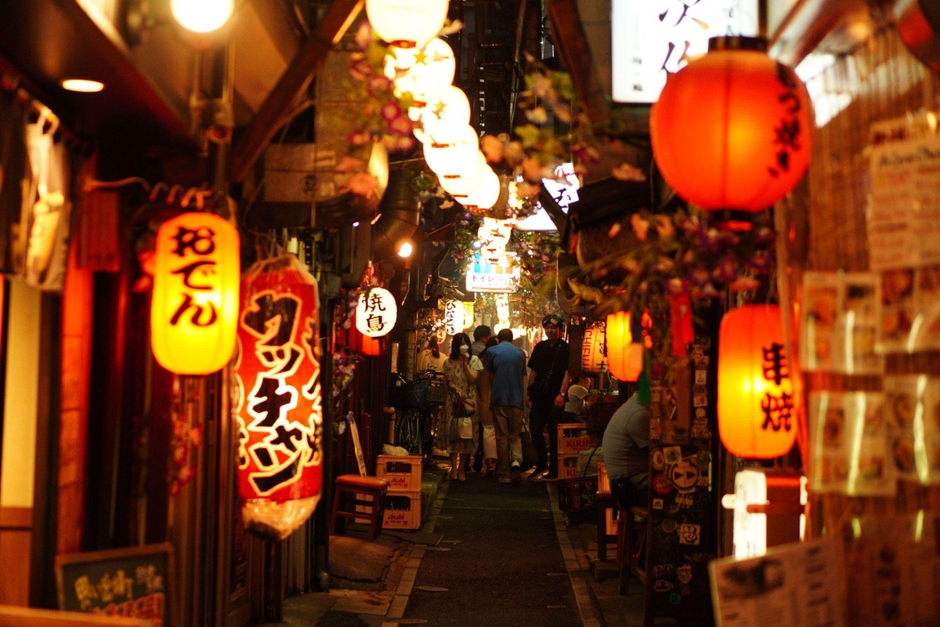
Photo: Pexels
Day 8 is a transfer day, not another full sightseeing day. Leave Fukui after breakfast and keep your first evening in the final city simple.
What to do:
- check your rail route and transfer station before leaving the hotel
- buy lunch or snacks before boarding if the journey overlaps with mealtime
- travel to Osaka or Nagoya
- leave your luggage at the hotel
- eat near the hotel and pack most bags before bed
Best time: Leave Fukui in the morning or early afternoon. This protects the evening if a transfer takes longer.
Time needed: About half a day for travel, hotel check-in, and a simple dinner
Nearby station: Osaka, Shin-Osaka, or Nagoya Station, depending on your hotel and departure route.
Small practical tip: Choose the final hotel for airport access, not only for nearby sightseeing.
What to skip if tired: Skip a long evening walk. The final full day still gives your family time.
Day 9: Choose One Final Family Activity
Day 9 should end the trip with one clear experience, not a rushed list.
If you finish in Osaka, choose one:
- Osaka Aquarium Kaiyukan for a manageable half-day visit
- Universal Studios Japan for a full theme park day
- a short Dotonbori food walk with shopping or hotel rest
- Universal Studios Japan needs the whole day. Do not attach a long Dotonbori night afterward.
If you finish in Nagoya, choose one:
- SCMAGLEV and Railway Park for children who enjoy trains
- Nagoya City Science Museum for an indoor city day
- LEGOLAND Japan for a full theme park day
Best time: Start ticketed attractions in the morning. Keep the evening open for dinner and final packing.
Time needed: Half a day for an aquarium or museum, or one full day for a theme park
Nearby station: Check the attraction’s official access page and your return route before leaving the hotel.
Small practical tip: Pack before dinner if your flight leaves the next morning.
What to skip if tired: Replace the main attraction with shopping, an early dinner, and a quiet hotel evening.
Day 10: Leave Japan With a Comfortable Airport Buffer
Day 10 is for departure. Avoid adding a major attraction before your flight.
What to do:
- check the flight terminal and airport route again
- keep passports, medicine, chargers, and children’s items in one small bag
- eat before boarding the airport train or bus if needed
- leave enough time for the transfer, check-in, security, and family restroom stops
Best time: Follow your airline’s guidance and add extra time for the city-to-airport journey.
Time needed: Keep the day open for check-out and airport travel
Nearby station: Use the station that gives your family the fewest transfers to the airport.
Small practical tip: Save the airport terminal and hotel address offline before leaving your room.
What to skip: Skip last-minute sightseeing if it makes the airport journey tighter.
Recommended Spots
1. Odaiba and Toyosu
Odaiba and Toyosu are useful for the Tokyo part of this family itinerary.
Odaiba and Toyosu do not show the temples, wooden streets, or castle scenes many travelers imagine as “old Japan.”
That contrast is useful on Day 2, when your family may still be adjusting to Japan.
The modern waterfront offers open space, indoor attractions, easy meals, and room for children to move.
It gives everyone a gentle first day before the route turns toward castles, mountain towns, and traditional villages.
Best for:
- a first full day in Tokyo
- children who need active time
- rainy or hot weather
- families who want one easy area
Time needed: Half day to one full day
Best time to visit: Morning for ticketed attractions. Afternoon for Odaiba malls and waterfront areas.
Access: Use Toyosu, Shin-Toyosu, Daiba, or Tokyo Teleport, depending on your plan. Check the exact station before leaving the hotel.
Official website:Odaiba Official Travel Guide
Location:Google Maps
Practical tip: Do not add Shibuya, Asakusa, and Odaiba into the same family day. Tokyo distances can feel longer with children.
2. Matsumoto Castle
Matsumoto Castle is the cleanest historic stop on this route.
It gives children a clear image of a Japanese castle before the trip moves into mountain towns and old streets.
Best for:
- children interested in castles
- families who want one strong historic site
- travelers who prefer a smaller city after Tokyo
Time needed: About 1 to 2 hours around the castle area
Best time to visit: Morning or mid-afternoon. If the inside is crowded, enjoy the outside and moat first.
Access: Use Matsumoto Station as your base. Check the walking route, bus option, or taxi option from your hotel.
Official website:Visit Matsumoto
Location:Google Maps
Practical tip: The inside stairs can be steep. Keep your hands free and avoid carrying loose shopping bags.
3. Takayama Old Town
Takayama Old Town works because it does not need a complicated plan.
Start with the main old street. Then move into smaller side streets if your family still wants to walk.
Best for:
- snack walks
- short shopping stops
- families who like old wooden streets
- a gentle afternoon after a bus ride
Time needed: About 2 to 3 hours
Best time to visit: Late afternoon after arrival, or early morning before leaving. The area feels different when the streets are quieter.
Access: Use Takayama Station or Takayama Bus Terminal. Staying nearby makes the evening much easier.
Official website: Hida Takayama Official Website
Location:Google Maps
Practical tip: Food should fit the route. A famous snack is less useful if it pulls everyone far from the hotel when children are already tired.
4. Shirakawa-go
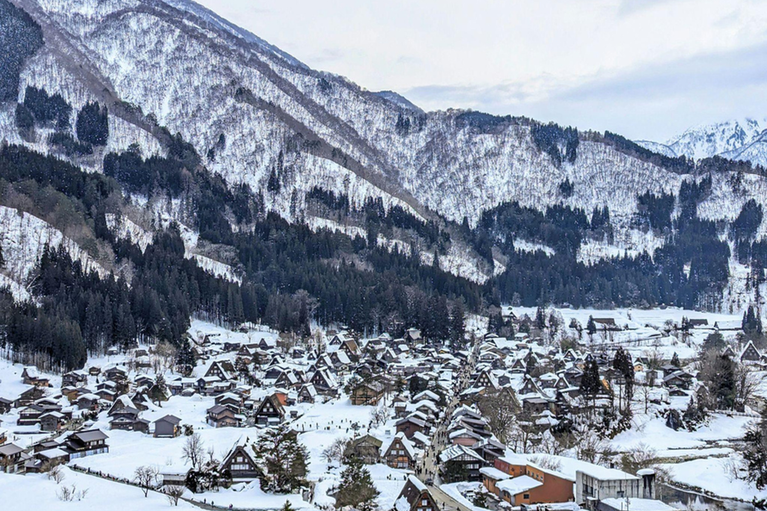
Shirakawa-go is the most “story-like” stop in this itinerary.
The gassho-style(in the shape of praying hands) houses, mountain setting, and village paths feel detached from Tokyo. It is worth visiting, but it works best when you do not rush.
Best for:
- families who want scenery
- children who enjoy village walks
- travelers who want a memorable mountain stop
- people who can manage a bus travel day
Time needed: About 2 to 4 hours
Best time to visit: Morning. It gives you more space for walking and a smoother move to Kanazawa.
Access: Use the bus from Takayama, then continue by bus toward Kanazawa. Check reservation rules before travel.
Official website:Shirakawa Village Official Website
Location:Google Maps
Practical tip: Use the restroom before long bus rides. With children, small timing issues can become the hardest part of the day.
5. 21st Century Museum of Contemporary Art, Kanazawa
This museum gives the route a lighter indoor stop.
Children do not need deep art knowledge to enjoy visual works and open spaces. It is also useful if the weather is poor.
Best for:
- indoor time
- rainy days
- children who like visual surprises
- families who need a break from temples and streets
Time needed: About 1 to 2 hours, depending on tickets and exhibits
Best time to visit: Morning. You can then use lunch and the afternoon at a slower pace.
Access: Start from Kanazawa Station. Check bus, taxi, or walking routes based on your hotel.
Official website: 21st Century Museum of Contemporary Art, Kanazawa
Location: Google Maps
Practical tip: Some areas may need tickets or timed entry. Check the official website before your visit.
6. Omicho Market
Omicho Market is a practical food stop.
It is not just about seafood. It also helps families avoid a long restaurant search at lunch.
Best for:
- casual lunch
- seafood lovers
- families who want choices
- a short visit between other stops
Time needed: About 1 to 2 hours
Best time to visit: Late morning or lunch. If your children dislike crowds, go earlier and keep it short.
Access: Use Kanazawa Station as your main base, then check bus, taxi, or walking routes.
Official website: Omicho Market
Location: Google Maps
Practical tip: Markets are easier with one family rule: choose food, eat, and move. Do not compare every stall.
7. Fukui Prefectural Dinosaur Museum
For children who like dinosaurs, this may become the strongest memory of the trip.
It also gives the route a clear child-friendly day after several cultural stops.
Best for:
- dinosaur fans
- rainy days
- families who want one main indoor activity
- travelers using Fukui before Osaka or Nagoya
Time needed: About half a day
Best time to visit: Morning or early afternoon. This gives you time to return to Fukui city without rushing.
Access: Use Fukui Station as your base, then check the latest local route to the museum before travel.
Official website: Fukui Prefectural Dinosaur Museum
Location: Google Maps
Practical tip: Do not place this right after a long morning transfer if your children get tired easily. It is better when they have energy for the exhibits.
8. Osaka Aquarium, Dotonbori, or Universal Studios Japan
For an Osaka finish, choose one main final activity.
Do not try to do all three.
Osaka Aquarium works well for a half day. Universal Studios Japan needs a full day. Dotonbori is best as a short food walk in the early evening.
Best for:
- families ending in Osaka
- children who want animals, rides, or bright city streets
- travelers who want a fun final day
Time needed: Half day for the aquarium or Dotonbori. One full day for Universal Studios Japan.
Best time to visit: Morning for ticketed attractions. Early evening for Dotonbori if your family still has energy.
Access: Use your Osaka hotel area as the base. Check the nearest station and exit before leaving.
Official website: Universal Studios Japan
Location: Google Maps
Practical tip: Do not plan Universal Studios Japan and a long Dotonbori night with children. A simple dinner after the park is usually better.
Travel Tips
Send large luggage ahead when the route gets busy
This itinerary has several city changes.
The hardest parts for luggage are:
- Tokyo to Matsumoto
- Matsumoto to Takayama
- Takayama to Shirakawa-go
- Shirakawa-go to Kanazawa
If your hotel supports luggage delivery, consider sending one large suitcase from Tokyo to Kanazawa. Then travel through Matsumoto, Takayama, and Shirakawa-go with smaller overnight bags.
This is one of the easiest ways to make the route feel lighter.
Check delivery timing before using the service. Some services may change during holidays or busy seasons.
Book the bus parts before the travel morning
The train parts are only half of this route. The bus legs matter more in the Japanese Alps area.
Check:
- whether reservations are needed
- where the bus terminal is
- which platform to use
- luggage rules
- restroom timing before boarding
- what happens if you miss the bus
The bus stop may look simple on the map, but the platform matters. Check it before the travel morning.
Keep one “cut list” for tired days
A family itinerary needs a backup plan. Before the trip, decide what you can skip.
Good skip options:
- skip the Shirakawa-go viewpoint if the weather is bad
- skip extra Takayama shops after the old town walk
- skip a second Kanazawa attraction after the museum
- skip Eiheiji (a Zen Buddhist temple outside Fukui city) if the Dinosaur Museum is the main Fukui stop
- skip Dotonbori after Universal Studios Japan
This does not make the trip weaker. It protects the main memories.
Use stations as rest points
In Japan, stations are not only for trains. Large stations often have toilets, lockers, food shops, convenience stores, and waiting areas. For families, this matters.
Before leaving a station, ask:
- Does everyone need the restroom?
- Do we need drinks?
- Is the next bus or train long?
- Do we know the exit number?
- Do we have the hotel name saved?
A smooth trip often comes from small choices, not from a packed schedule.
Plan food around the route, not only famous places
Famous restaurants can be fun, but they are not always the best family choice.
This route has many easy food moments:
- simple station food on travel days
- snacks in Takayama
- market lunch in Kanazawa
- convenience store breakfast before early buses
- casual Osaka food on the final night
Reserve special meals if needed. Keep the rest flexible.
Food should support your day. It should not trap your schedule.
Watch the weather more than the clock
Rain, heat, and mountain weather change how the route feels.
On rainy days, use indoor time in Tokyo, Kanazawa, Fukui, or Osaka.
On hot days, avoid long outdoor walks in the middle of the afternoon. Use lunch, museums, malls, or transport time as a break.
In mountain areas, pack one light layer. The weather can feel different from Tokyo.
Prepare mobile data before arrival
You will check your phone often on this route.
You may need it for:
- train routes
- bus reservations
- station exits
- hotel addresses
- museum ticket pages
- weather
- translation
- restaurant searches
- Google Maps walking routes
If you want to avoid looking for public Wi-Fi, prepare mobile data before you arrive. mobile data options for Japan
Access
This route is not a one-city itinerary. The key is to understand the main travel links.
Travel times may change depending on train type, bus schedule, transfer time, and season. Check the latest route on the day of travel.
From Haneda or Narita Airport to Tokyo
Start with a hotel that makes Day 3 easier.
If you plan to take the Limited Express Azusa from Shinjuku toward Matsumoto, staying around Shinjuku or another easy JR-connected area can help.
If you arrive late, choose airport access first. Do not choose a hotel only because it looks close to one attraction.
Luggage-friendly idea: Use an airport train, airport bus, or taxi based on your arrival time and children’s condition. The easiest route after a long flight is often the one with fewer transfers.
From Tokyo or Shinjuku to Matsumoto
Many families use Shinjuku Station for the Limited Express Azusa toward Matsumoto.
Tokyo Station can also work if your hotel is nearby, but you may need to transfer. Check the current timetable before travel.
Fewer-transfer option: Stay near Shinjuku the night before this move if your family wants a simpler morning.
Luggage tip: Reserve seats when possible, and keep snacks, medicine, and children’s items in one small bag.
From Matsumoto to Takayama
This is usually a highway bus route through the mountain area.
Check the official bus schedule before travel. Some routes or services may change by season.
Nearby points:
- Matsumoto Bus Terminal
- Takayama Bus Terminal
Practical tip: Arrive at the terminal early. With children, the last five minutes before departure are not enough.
From Takayama to Shirakawa-go and Kanazawa
This is another bus-based day.
The common flow is:
Takayama → Shirakawa-go → Kanazawa
Check the latest bus times and reservation rules before the travel day.
Luggage tip: Use luggage storage if available. If not, keep the Shirakawa-go visit short and simple.
When to slow down: If the weather is poor or your children are tired, shorten the village walk and take the earlier comfortable bus onward.
From Kanazawa to Fukui
Travel by rail between Kanazawa and Fukui.
This is a good day to keep the route simple. ReachFukui with enough time for one main activity.
Practical tip: Do not add a big Kanazawa morning before moving to Fukui. A slow breakfast and a clean transfer often work better.
From Fukui to Osaka
The rail route from Fukui to Osaka may include a transfer, often around the Hokuriku route. Check the latest route before traveling.
When a taxi may be easier: After arriving in Osaka, a taxi can be easier than changing trains with tired children and suitcases, especially if your hotel is not near a direct line.
From Fukui to Nagoya
If you finish in Nagoya, check the current rail route to Nagoya Station and then to Chubu Centrair International Airport if needed.
If your flight is early, stay near Nagoya Station or the airport area the night before.
Practical tip: Do not leave a long transfer for the morning unless your family is comfortable with early starts.