 Photo: Unsplash
Introduction
The first morning I guided a group through Tokyo, nobody asked about temples or cherry blossoms. They asked which exit to use.
That question — small as it may sound — is actually the right instinct. Japan rewards people who pay attention to small details. The right exit saves ten minutes. The right hour at a famous spot saves an hour of waiting. The right season changes the entire mood of the trip.
Choosing when to visit Japan is one of the most useful decisions you can make before you book anything else. It affects your budget, your comfort, and how much space you have to actually enjoy what you came to see.
One thing worth knowing early: cherry blossom timing shifts every year. It can move by a week or more depending on winter temperatures. If your trip is built entirely around one park on one specific date, the plan becomes fragile. A city like Tokyo or Osaka gives you enough variety — parks, museums, food streets, indoor options — that a flexible plan works far better than a precise one.
You will check maps, train times, and opening hours more often than you expect. A reliable eSIM keeps that information available wherever you are — underground, between stations, or in the mountains. Get one before you land: get japan esim.com
This guide covers all four seasons, what each one actually feels like on the ground, and how to match your dates to your own priorities — whether that is cherry blossoms in Tokyo, climbing Mount Fuji, autumn colors at Osaka Castle, or soaking in the steam of Beppu Onsen.
Overview: Matching the Season to Your Trip
Japan has four distinct seasons, and each one genuinely changes the experience — not just the scenery, but the crowd levels, prices, and how your body feels after a full day of walking.
Quick reference:
- Spring (March – May): Cherry blossoms, mild weather, peak crowds and prices
- Summer (June – August): Hot and humid, vibrant festivals, rainy season in June
- Autumn (September – November): Comfortable temperatures, fall foliage, slightly easier than spring
- Winter (December – February): Cold, quiet, affordable, excellent for onsen and Fuji views
The busiest and most expensive windows are worth knowing in advance:
- Late March to early April (cherry blossom peak)
- Golden Week (late April to early May)
- Mid-August (Obon holiday)
- Late November (autumn foliage peak)
- Late December to early January (New Year holidays)
If your dates overlap with any of these, booking accommodation two to three months ahead is a practical move, not an overreaction. Good mid-range hotels in Tokyo and Kyoto fill up genuinely early during peak periods.
Choosing by travel style:
- Cherry blossoms as the main goal → Late March to early April, Tokyo or Osaka, with flexible days built in
- Comfortable weather without peak crowds → May or October
- Lowest crowds and best value → January to mid-February (excluding New Year)
- Hot springs and quiet travel → November through March, especially Beppu or Hakone
- Festivals and summer energy → July to August, with heat management built into your daily plan
Season by Season: What to Expect
Spring (March – May)
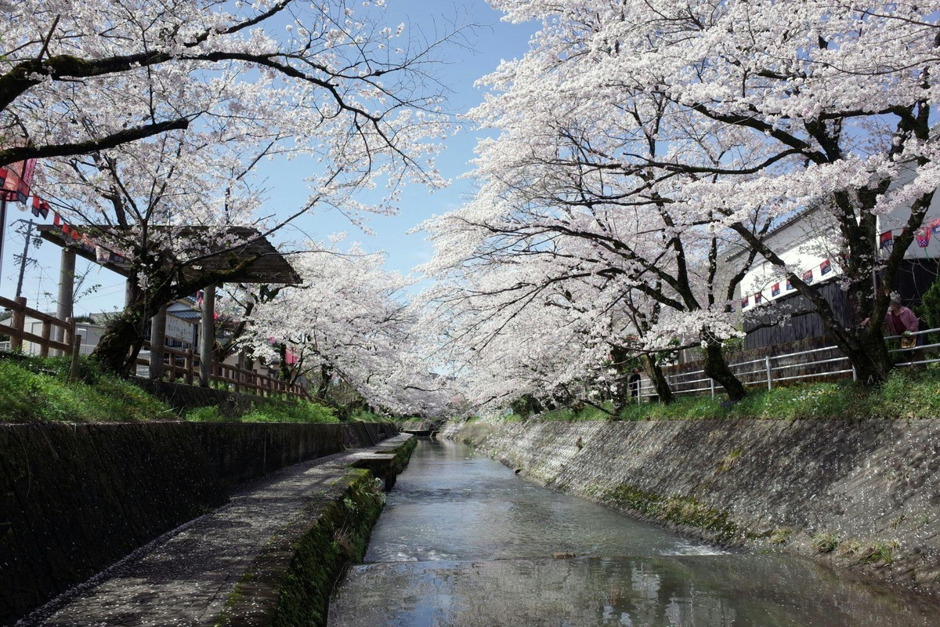
Spring is the season most people picture when they think of Japan, and the cherry blossoms genuinely deliver. In Tokyo, full bloom usually falls in late March to early April — though the exact timing shifts by up to ten days depending on the year. Osaka Castle park blooms around the same window. The Fuji Five Lakes area, with the mountain rising behind the blossoms, is one of the most photographed scenes in the country.
What changes the experience is timing within the day. The same park that feels overcrowded at 11am can feel peaceful at 8am. Arriving at Shinjuku Gyoen or Ueno Park before the gates get busy is one of those small choices that makes the whole morning feel different.
Because the blossom’s timing shifts each year, building flexibility into your schedule matters more than picking a single target date. A base in Tokyo or Osaka gives you several options — if one park peaks early, another is still holding. Checking forecasts in February and March, once they become reliable, helps you adjust.
Golden Week (late April to early May) runs immediately after cherry blossom season and brings some of the year’s highest domestic travel volumes. Trains to popular destinations fill fast. If your trip overlaps with this window, factor it into your transport planning early.
The weather is generally mild — around 10–18°C in Tokyo. Rain is possible but rarely heavy. Three layers you can adjust through the day covers most situations.
Good for: First-time visitors, comfortable walking temperatures, the classic Japan visual.
Worth knowing: May, once the blossoms are gone, is one of the easiest months for first-time visitors. Crowds ease after Golden Week, weather stays pleasant, and cities feel more spacious. If cherry blossoms are not your main reason for the dates, May is underrated.
Summer (June – August)
June brings the rainy season (tsuyu) across most of Honshu — not constant rain, but grey skies and occasional heavy showers for three to four weeks. Temples and moss gardens look particularly atmospheric in this light, and crowds thin out at some popular spots. A lightweight rain layer and a backup indoor plan makes the season work well.
July and August are hot. Tokyo regularly hits 35°C with high humidity. The practical adjustment is building the day around heat: outdoor sightseeing in the morning, air-conditioned museums or covered shopping arcades in the early afternoon, outdoor again in the evening. Midday from roughly 11am to 3pm is the most demanding stretch, especially if you are moving between stations with a bag.
Mount Fuji’s official climbing season runs from early July to early September. Weekday climbs in early July are noticeably less crowded than August weekends. The summit experience varies significantly with weather — checking the forecast the evening before and starting early gives you the best chance of a clear view.
Summer festivals are worth planning around. Obon in mid-August brings outdoor dancing, lanterns, and fireworks across the country. Tokyo’s Sumida River Fireworks, typically held in late July, draws large crowds but is well-organized. Dates shift year to year — check the official schedule before planning around it.
Good for: Fuji climbing, festivals, travelers who enjoy warm evenings and a lively atmosphere.
Worth knowing: Humidity feels heavier than the temperature number suggests. Build more recovery time between walking-heavy days than you would at home.
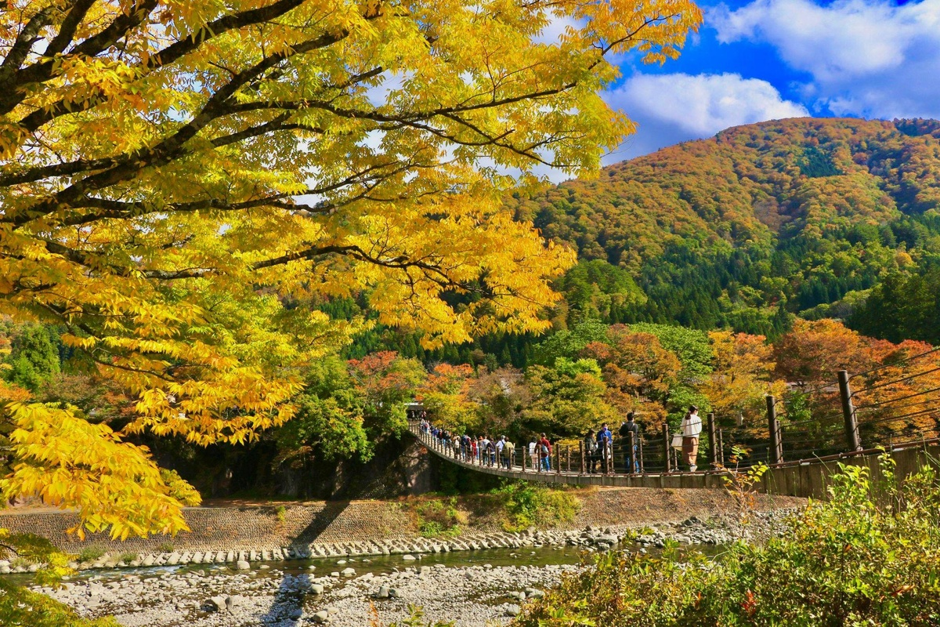
 Photo: Pexels
Autumn (September – November)
Autumn is the season that often surprises first-time visitors. The summer heat fades, humidity drops, and the light turns golden. Foliage turns red and orange (koyo) and peaks in November across most of central Japan — later than many people expect.
In Tokyo, deeper colors usually show up in late November to early December. Osaka Castle park and the surrounding moat look particularly good during this period. Kyushu, including the area around Beppu, tends to turn colorful slightly later.
Temperatures in October are comfortable for long days spent walking — typically 12–22°C. November cools down, especially after dark. A light jacket that you can remove mid-afternoon and put back on by 5pm covers most days well.
Late November weekends at famous foliage spots do get busy, but it is a different kind of busy from cherry blossom season. Arriving before 9am or shifting to a late afternoon visit gives noticeably more space.
Good for: Comfortable walking temperatures, photography, slightly quieter than spring, pleasant evenings.
Worth knowing: October is one of the strongest months for first-time visitors who want good weather without the pressure of peak season. The foliage has not yet peaked, but the temperatures are excellent and the cities feel easier to move through.
Winter (December – February)
Winter is the quietest and most affordable season in most tourist areas. Hotels in Tokyo and Kyoto drop in price from January to mid-February. Popular spots have shorter lines. There is less pressure to move at a fast pace.
Tokyo in winter is cold — typically 3–10°C — but rarely snowy at street level. January and February bring dry, clear days with exceptional visibility. Mount Fuji stands out sharply on these mornings, and viewpoints around Kawaguchiko that feel ordinary in summer become genuinely striking.
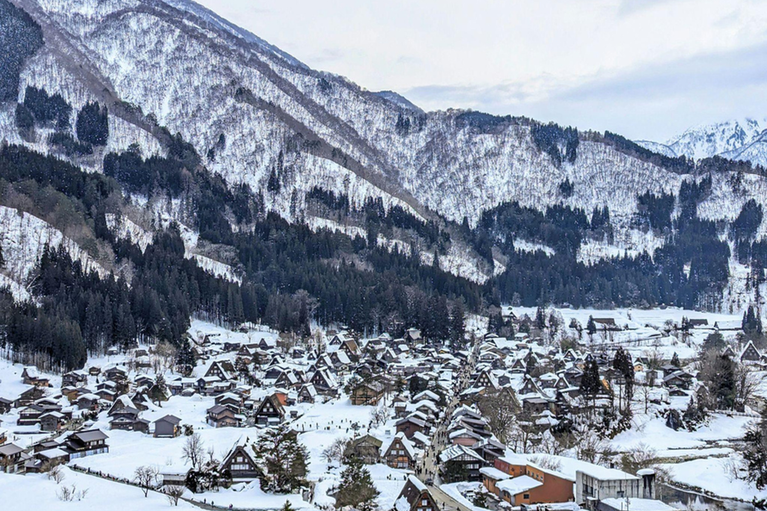
For snow, the main destinations are further north. Hokkaido gets heavy snowfall from December and is Japan’s primary ski region. Nagano and Tohoku are accessible from Tokyo for shorter snow-focused trips.
Beppu Onsen in winter is worth planning around specifically. The cold air makes the steam rising from the streets more visible, the atmosphere quieter, and the contrast between outside temperature and bath temperature more pronounced. It is one of those places where the season genuinely changes the experience rather than just the scenery.
New Year (late December to early January) brings domestic crowds to temples and shrines for hatsumode — the first shrine visit of the year. If you are in Japan for this period, the experience is worth seeing once. Expect busy trains and queues at famous shrines on January 1–3.
Good for: Budget-conscious travelers, onsen trips, Fuji photography, those who prefer quieter streets.
Worth knowing: Some smaller restaurants and outdoor attractions take extended breaks over the New Year window. Check opening schedules before you plan around specific spots.
Best Months by Destination
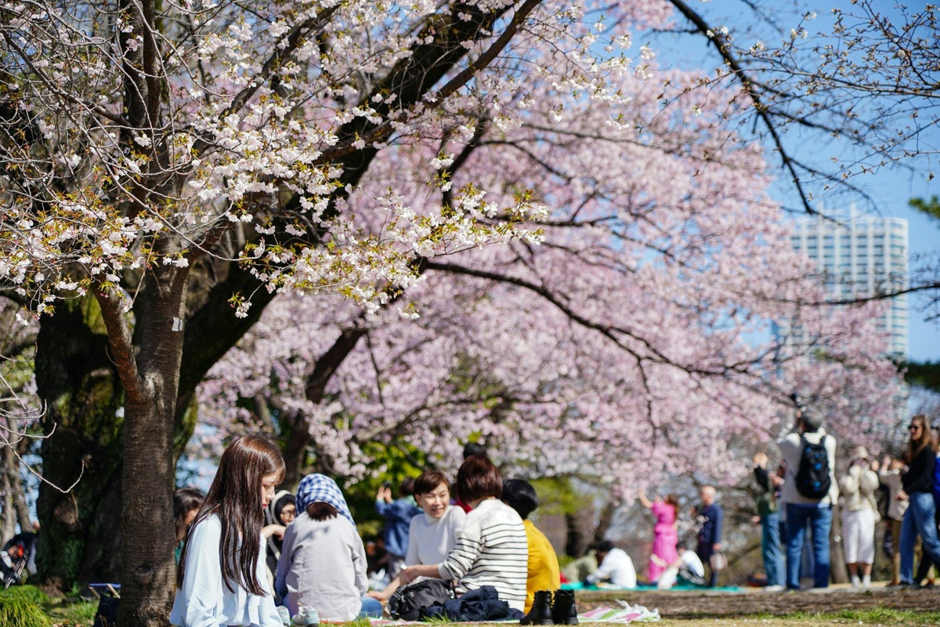
Photo: Unsplash
Tokyo
Tokyo functions well in every season, but the experience shifts considerably.
Late March to early April brings cherry blossoms to Ueno Park, Shinjuku Gyoen, and Chidorigafuchi. Arriving at these parks before 8:30am gives you room to move and better photos — by 10:30am on a good weekend, entrance lines at Shinjuku Gyoen can run 20 to 30 minutes.
October and November offer comfortable temperatures with less pressure than spring. The city’s neighborhoods — Yanaka, Shimokitazawa, Koenji — are easier to explore at a relaxed pace.
January and February are the quietest months for foreign tourists. Clear winter days offer some of the best Fuji views from elevated spots around the city.
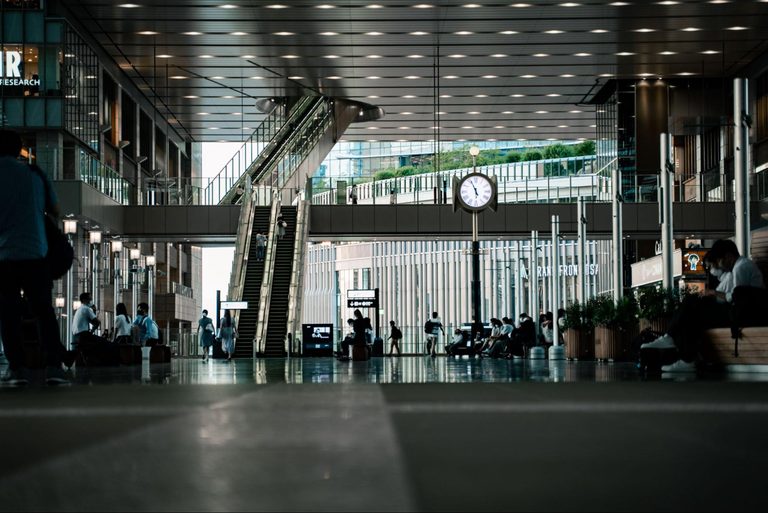
One practical note that catches many first-time visitors: Tokyo’s major stations are larger than they appear on a map. At Shinjuku, the difference between the South Exit and the East Exit is a significant walk. Check the exit number before you tap out, especially if you are carrying luggage.
Avoid if possible: Golden Week (late April to early May) and Obon (mid-August) for domestic crowd volume.
Mount Fuji
The best time depends on your reason for going.
- Climbing: July to early September (official season). Weekdays in early July are the least crowded. The summit in August on a weekend is a genuinely different, much busier experience.
- Photography: Late March to early April (cherry blossoms at Kawaguchiko), October to November (autumn foliage and clear air), January to February (sharp visibility, snow-covered peak, quiet lakeside).
From personal experience: Mount Fuji is frequently cloud-covered by midday, especially in warmer months. If the forecast looks clear in the morning, that is the window to prioritize. A day trip from Tokyo that starts late often loses both the best light and the clearest views.
Do not make Mount Fuji the only reason for the day. Having a lakeside walk, a local food stop, or a small museum as a backup means a cloudy morning does not break the plan.
Osaka Castle
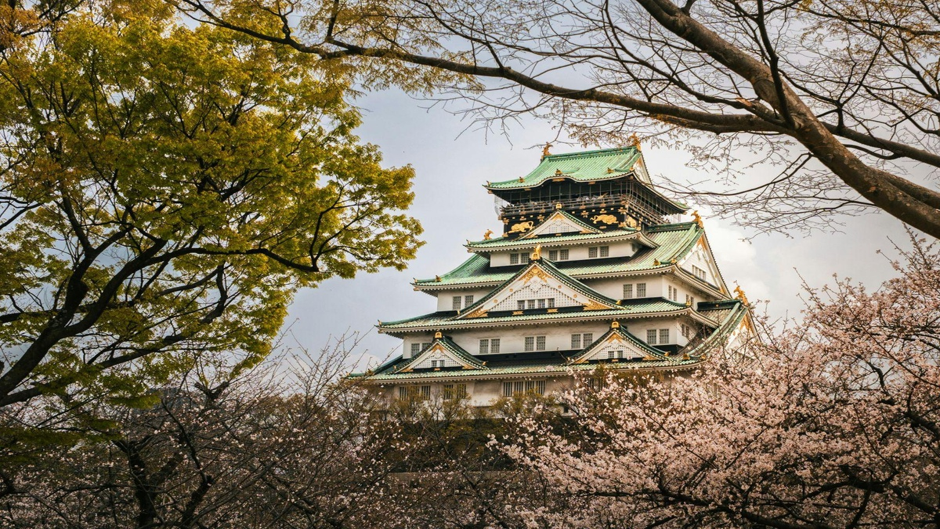
Photo: Unsplash
The castle grounds work across multiple seasons, but the surrounding park is what makes timing matter.
Late March to early April: around 600 cherry trees bloom in the park. The white walls of the castle above the blossoms on a clear morning are as good as the photographs suggest. Arrive at 8:30am — by 10am the park fills steadily.
Late November: autumn foliage along the moat. Golden hour around 4:30pm makes the castle walls glow in a way that midday light does not.
The walk from the nearest station to the main tower takes about 15 minutes. The park is wide, and the approach is longer than it looks on a map — comfortable shoes matter here more than stylish ones. Allow at least two hours for the grounds and museum combined.
Access: Tanimachi 4-chome Station or Osakajokoen Station.
Official website: Osaka Castle official site
Location: Google Maps
Beppu Onsen
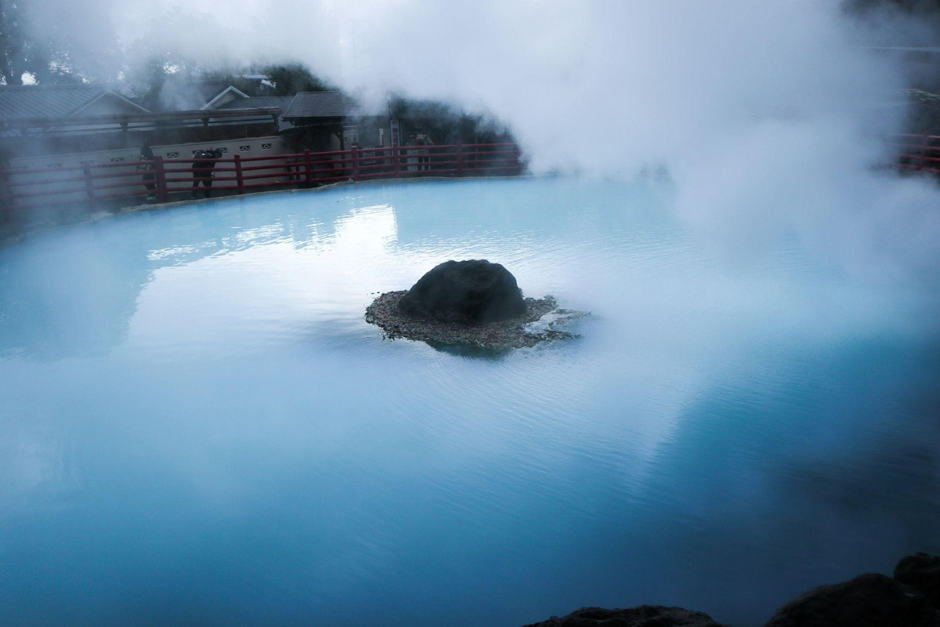
Photo: Unsplash
Beppu in Oita Prefecture (Kyushu) is Japan’s largest hot spring resort by water volume. It is far less internationally crowded than Kyoto or Osaka, which is part of what makes it worth the journey.
November to March is the best window. Cold air outside, warm water inside, steam rising visibly from street vents in the early morning — the atmosphere is unlike anywhere else in Japan. Prices are lower than spring or autumn peaks.
Spring works well too, particularly if you are adding Beppu at the end of a city-heavy itinerary. After several days of walking around Tokyo and Osaka, the slower pace of Beppu — hot springs, sea views, local food — gives the trip a different kind of ending.
The jigoku meguri (eight “hell” hot spring pools with distinct colors and temperatures) is best seen in the morning before midday heat in summer, or in the cool of a winter or autumn morning when the steam is most dramatic. For the actual soaking, local public baths give a more authentic feel than the large resort facilities.
Access from Osaka: Shinkansen to Kokura, then limited express Sonic or Nichirin to Beppu. Approximately 3 to 3 and a half hours total. Check JR Pass surcharge coverage before booking. If your route ends in Kyushu, flying out of Fukuoka rather than returning to Tokyo simplifies the final leg considerably.
Location: Google Maps
Travel Tips
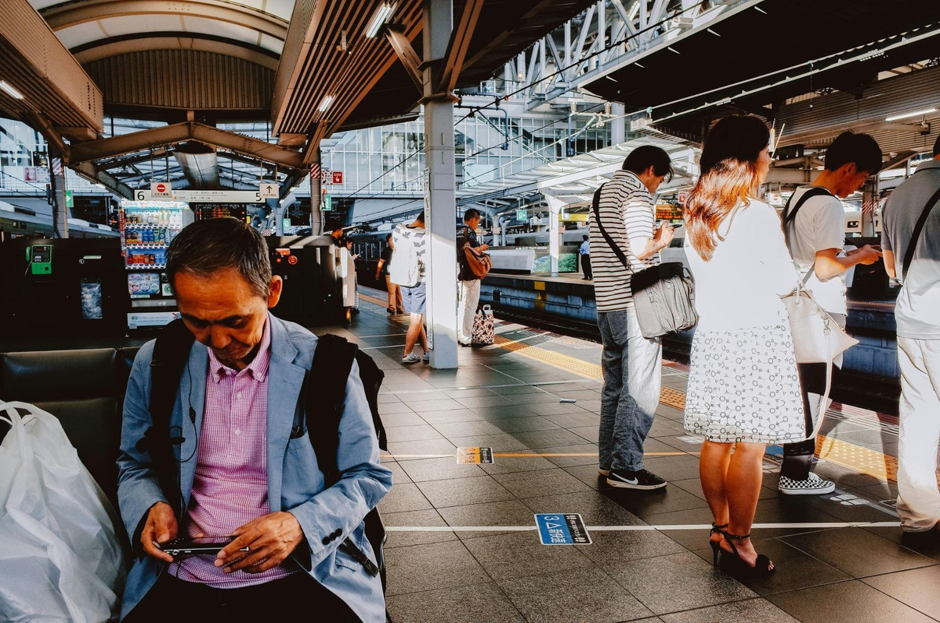
Photo: Unsplash
Exit numbers matter more than they seem. Major stations like Shinjuku have dozens of exits, and the difference between the right one and the wrong one can add ten minutes of unnecessary walking. Before you tap out at a busy station, check the exit number on your map. It is a small habit that saves time consistently throughout the trip.
Luggage delivery (takkyubin) is worth using. For around ¥1,500–2,500 per bag, you can send luggage ahead from your hotel to your next destination. Traveling with only a day bag between cities — even for just one leg — changes how the trains and platforms feel. Most hotel front desks and convenience stores handle the booking.
IC cards simplify daily movement. Suica (Tokyo) and ICOCA (Osaka and Kyoto) work on trains, buses, and at most convenience stores. Load funds in them at airport or major station machines when you arrive. They remove the need to buy individual tickets for every short trip.
Cash is still useful. Japan is increasingly card-friendly at tourist sites and convenience stores, but some smaller restaurants, rural attractions, and public baths remain cash-only. Having ¥10,000–20,000 accessible at any time covers most situations without stress.
Morning timing changes the experience. Visiting a well-known shrine, park, or viewpoint at 6:30–8:00am is a genuinely different experience from arriving at 10:30am. The space, the light, and the atmosphere are all different. This is especially true during cherry blossom and autumn foliage seasons, when popular spots fill quickly on weekends.
Stay connected while you travel. Maps, train routes, opening hours, cherry blossom forecasts — you will use your phone constantly. Japan’s public WiFi is available in stations and convenience stores but patchy in between. An eSIM set up before you land means you are connected from the moment you arrive. Stay connected in Japan with a Japan eSIM
Access: Getting Between Key Destinations
Tokyo to Osaka / Kyoto:
Shinkansen (Tokaido line) — approximately 2 hours 15 minutes to Kyoto, 2 hours and a half to Shin-Osaka. Sit on the right side (seat D or E) heading west from Tokyo for the best chance of a Fuji view on a clear morning. Note that Shin-Osaka, Osaka, and Namba are not the same place — check which station is closest to your hotel before you book.
Tokyo to Mount Fuji area:
Fujikyu Highway Bus from Shinjuku Bus Terminal to Kawaguchiko takes approximately 2 hours with no transfers. With luggage, this is usually more straightforward than the train option via Otsuki. Check the schedule the evening before, especially for early departures.
Osaka to Beppu:
Shinkansen to Kokura (or Hakata), then limited express to Beppu. Approximately 3 to 3 and a half hours total. An overnight ferry from Osaka Port (Sunflower Ferry) is a slower but more relaxed option if your schedule allows.
Travel times are approximate and may vary by train type and time of day. Check current routes before travel.
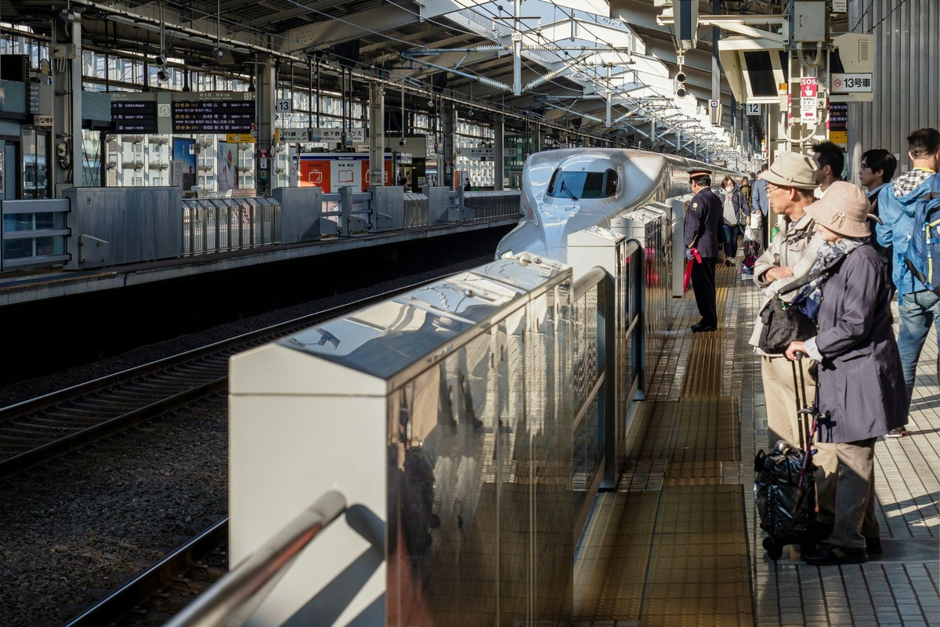
Photo: Unsplash
Google Map
Use this map to check how the main destinations relate to each other before finalizing your route.
Seeing the positions of Tokyo, Mount Fuji, Osaka, and Beppu together helps when deciding how many days to allocate to each leg. The main Honshu corridor runs roughly northeast to southwest — most itineraries follow this line, with Kyushu as a southern extension. If your trip ends in Beppu, flying out of Fukuoka is a natural and often cheaper finish than retracing back to Tokyo.