Introduction
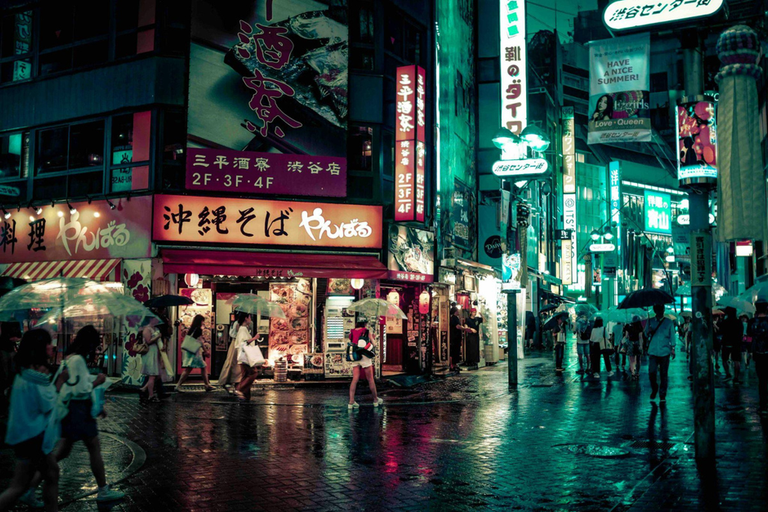
Tokyo is an exciting city filled with world-famous landmarks, incredible shopping districts, cutting-edge technology, and endless dining options. From the bright lights of Shibuya and Shinjuku to the historic streets of Asakusa and the peaceful gardens of the Imperial Palace, there’s no shortage of things to see and do in Japan’s capital. However, one of Tokyo’s greatest advantages is its excellent transportation network, which makes it incredibly easy to escape the city and explore nearby destinations in just a few hours.
Thanks to Japan’s efficient railway system, visitors can travel from the heart of Tokyo to historic temples, beautiful coastlines, mountain resorts, hot spring towns, and charming traditional villages without needing a car. Many of these destinations can be reached in less than two hours, making them perfect for travelers who want to experience a different side of Japan while keeping Tokyo as their base.
A day trip is also a wonderful way to discover Japan’s regional culture. While Tokyo represents modern Japan, nearby destinations offer opportunities to explore ancient shrines, scenic hiking trails, bamboo forests, lakes, castles, seaside towns, and famous local foods. Every destination has its own unique atmosphere, allowing visitors to experience the incredible diversity of Japan in just a single day.
Whether you’re interested in history, nature, photography, food, shopping, or hot springs, there is a day trip from Tokyo that matches your travel style. Some destinations are famous around the world, while others remain peaceful hidden gems that many international tourists overlook.
This guide introduces some of the best day trips from Tokyo, including travel times, highlights, seasonal recommendations, and practical travel tips to help you plan the perfect getaway.
By the end of this guide, you’ll discover that some of Japan’s most unforgettable experiences are only a short train ride away from Tokyo.
In this article, you will learn:
- The best day trips from Tokyo
- Travel times from Tokyo Station
- Historic towns, nature, and coastal destinations
- Seasonal highlights throughout the year
- Recommended local foods
- Tips for planning the perfect day trip
Why Take a Day Trip from Tokyo?
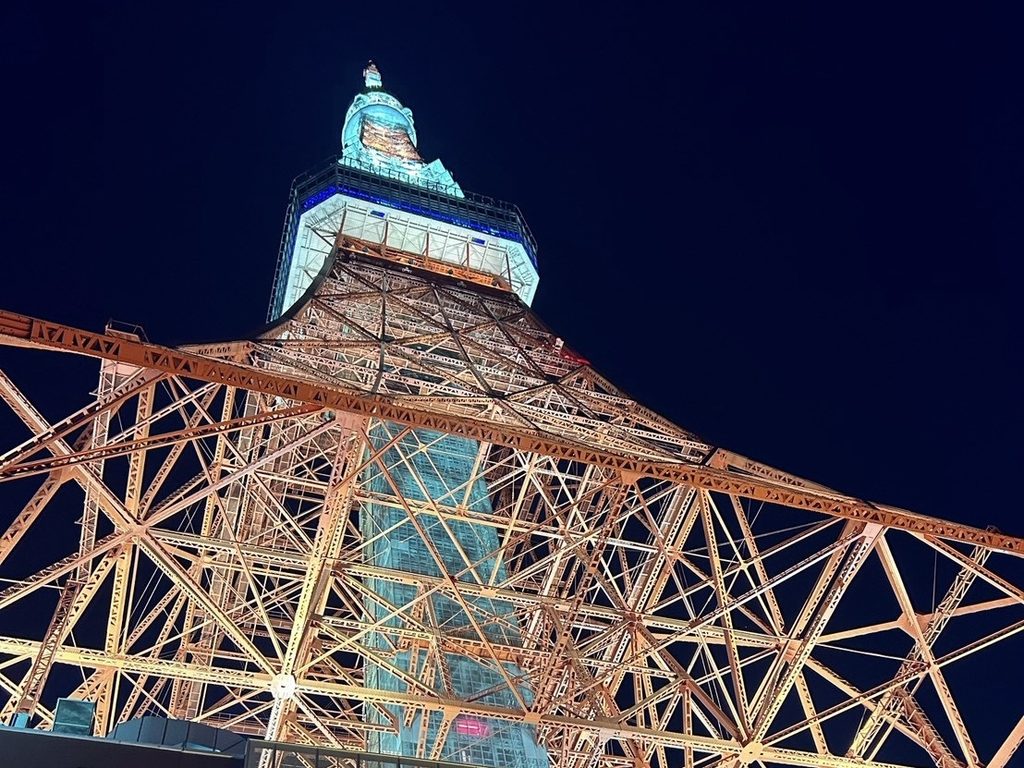
Although Tokyo offers enough attractions to fill several weeks, taking a day trip allows visitors to experience a completely different side of Japan without changing hotels or carrying heavy luggage.
Japan’s railway system is among the most efficient in the world. High-speed Shinkansen trains, limited express services, and local railways connect Tokyo with nearby cities, mountains, beaches, and countryside destinations quickly and comfortably.
Most popular day-trip destinations can be reached within one to two hours, allowing plenty of time for sightseeing before returning to Tokyo in the evening.
Many locations are also covered by the Japan Rail Pass or regional rail passes, making day trips both convenient and cost-effective.
Whether you’re traveling during spring cherry blossom season, colorful autumn foliage, sunny summer vacations, or peaceful winter months, every season offers unique scenery just outside the capital.
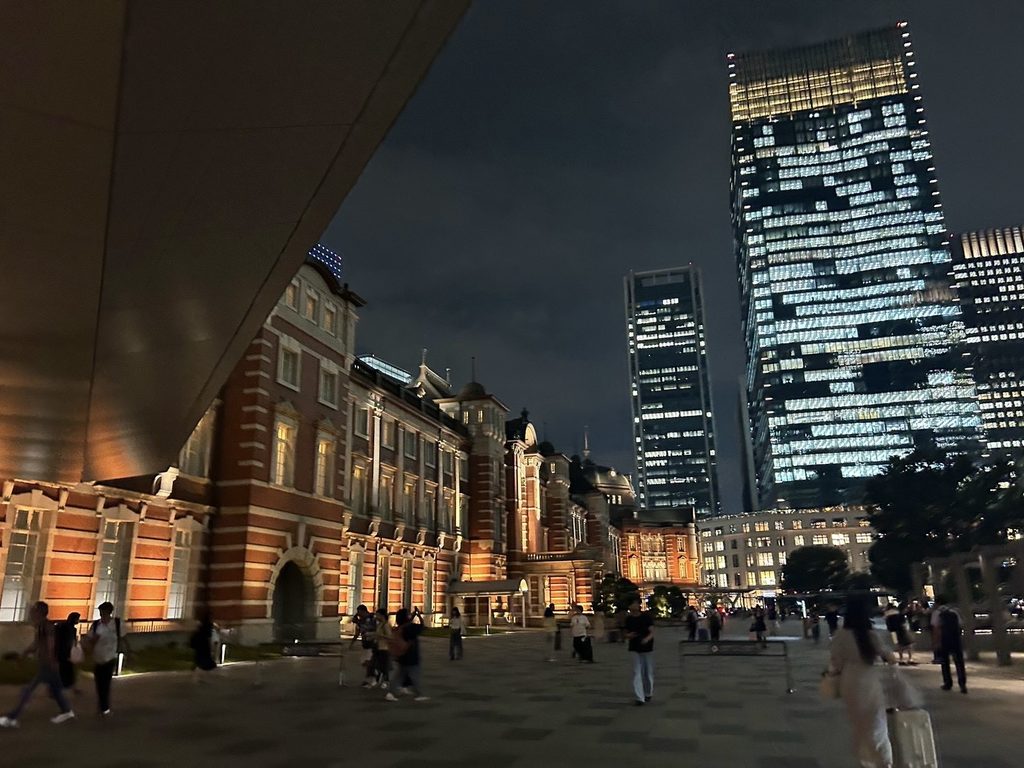
Hakone
Located about 90 minutes from central Tokyo, Hakone is one of Japan’s most popular day-trip destinations and is famous for its relaxing hot springs, breathtaking views of Mount Fuji, scenic lakes, museums, and volcanic landscapes.
One of the highlights is Lake Ashi, where visitors can board the famous sightseeing pirate ships that cross the lake while offering spectacular views of Mount Fuji on clear days. The combination of the lake, surrounding mountains, and traditional torii gate creates one of Japan’s most iconic landscapes.
Another must-visit attraction is Owakudani, an active volcanic valley where steam rises from the mountainside. Visitors can sample the famous black eggs, which are boiled in sulfur-rich hot spring water. According to local legend, eating one black egg adds seven years to your life.
Art lovers should also consider visiting the Hakone Open-Air Museum, which combines impressive outdoor sculptures with beautiful mountain scenery.
Hakone is especially beautiful during autumn when colorful maple leaves surround the mountains, while winter offers some of the clearest views of Mount Fuji.
Travel Time
- About 85–100 minutes
Best Season
- Autumn
- Winter (best Mount Fuji views)
Kamakura
Just one hour south of Tokyo, Kamakura was once the political center of medieval Japan and remains one of the country’s most fascinating historical cities.
The city’s most famous landmark is the Great Buddha (Daibutsu), an enormous bronze statue standing more than 11 meters tall. Visitors can even enter the statue to learn about its construction.
Kamakura is also home to numerous temples and shrines, including Hasedera Temple, Tsurugaoka Hachimangu Shrine, and peaceful bamboo gardens that provide beautiful photography opportunities throughout the year.
After visiting the historical sites, many travelers stroll along Komachi Street, where they can enjoy local snacks, traditional sweets, matcha desserts, seafood dishes, and unique souvenirs.
Because Kamakura is located near the ocean, visitors can also relax at nearby beaches or enjoy coastal walks with views of Sagami Bay.
Travel Time
- About 60 minutes
Best Season
- Spring
- Autumn
Nikko
If you’re interested in Japanese history, magnificent shrines, and mountain scenery, Nikko is one of the best day trips from Tokyo.
Located about two hours north of the city, Nikko is home to the spectacular Toshogu Shrine, a UNESCO World Heritage Site dedicated to Tokugawa Ieyasu, the founder of the Tokugawa Shogunate.
The shrine is famous for its intricate gold decorations, colorful carvings, and the iconic “See No Evil, Hear No Evil, Speak No Evil” monkey sculptures.
Beyond the shrine, Nikko National Park offers waterfalls, lakes, hiking trails, and scenic mountain roads that attract nature lovers throughout the year.
Autumn is especially popular, as brilliant red, orange, and yellow leaves transform the forests into one of Japan’s most beautiful seasonal landscapes.
Travel Time
- About 2 hours
Best Season
- Autumn
- Summer
Kawagoe
Known as “Little Edo,” Kawagoe offers visitors the chance to experience the atmosphere of old Japan without traveling far from Tokyo.
The town is famous for its beautifully preserved warehouse district, traditional merchant houses, nostalgic shopping streets, and historical architecture dating back hundreds of years.
One of the most photographed landmarks is the Toki no Kane (Bell Tower), which has become the symbol of Kawagoe. Visitors can also explore Kashiya Yokocho, or Candy Alley, where dozens of traditional sweet shops sell nostalgic Japanese snacks.
Kawagoe is also well known for sweet potatoes, and visitors can try sweet potato ice cream, chips, cakes, puddings, and many other unique desserts found throughout the town.
Because most attractions are located within walking distance, Kawagoe is one of the easiest and most relaxing day trips from Tokyo.
Travel Time
- About 45–60 minutes
Best Season
- Spring
- Autumn
Yokohama
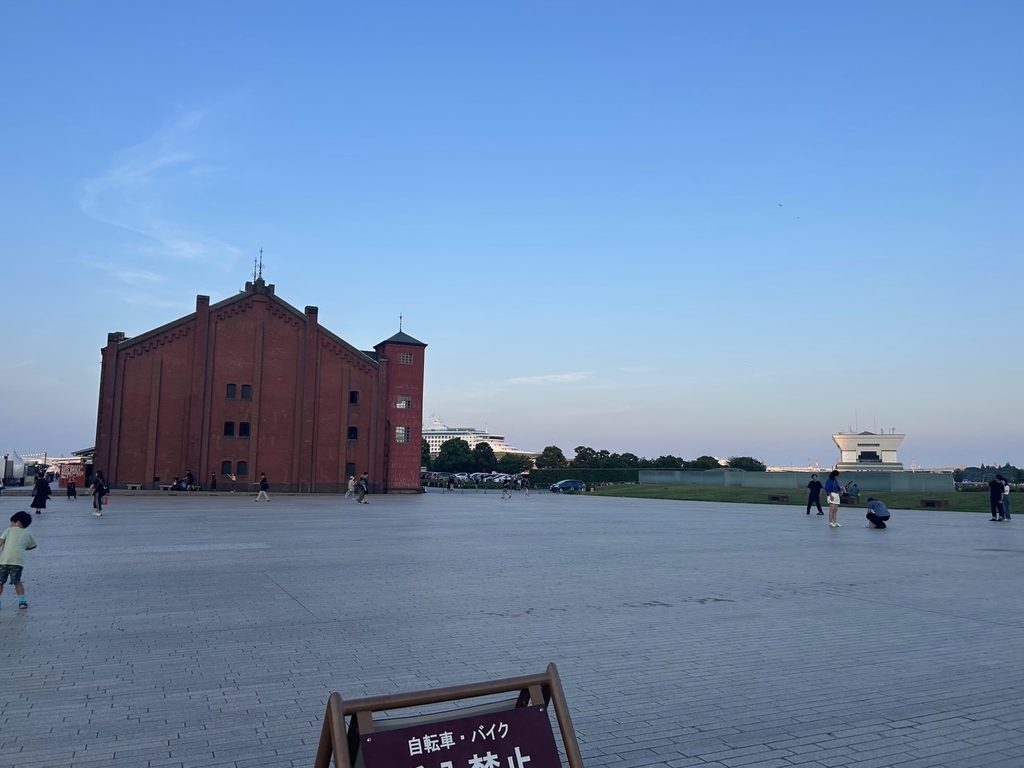
Located less than one hour from central Tokyo, Yokohama is Japan’s second-largest city and one of the easiest and most rewarding day trips. Famous for its beautiful waterfront, modern skyline, historic port, and international atmosphere, Yokohama offers a completely different experience from Tokyo despite its close proximity.
The city first opened as an international trading port in 1859, and its long history of foreign influence can still be seen today. European-style architecture, spacious parks, wide boulevards, and stylish cafés give Yokohama a more relaxed atmosphere when compared with the fast-paced streets of Tokyo.
Most visitors begin their sightseeing around Minato Mirai, Yokohama’s futuristic waterfront district. Here you’ll find impressive skyscrapers, luxury shopping malls, waterfront promenades, museums, amusement facilities, and beautiful public spaces that are perfect for leisurely walks.
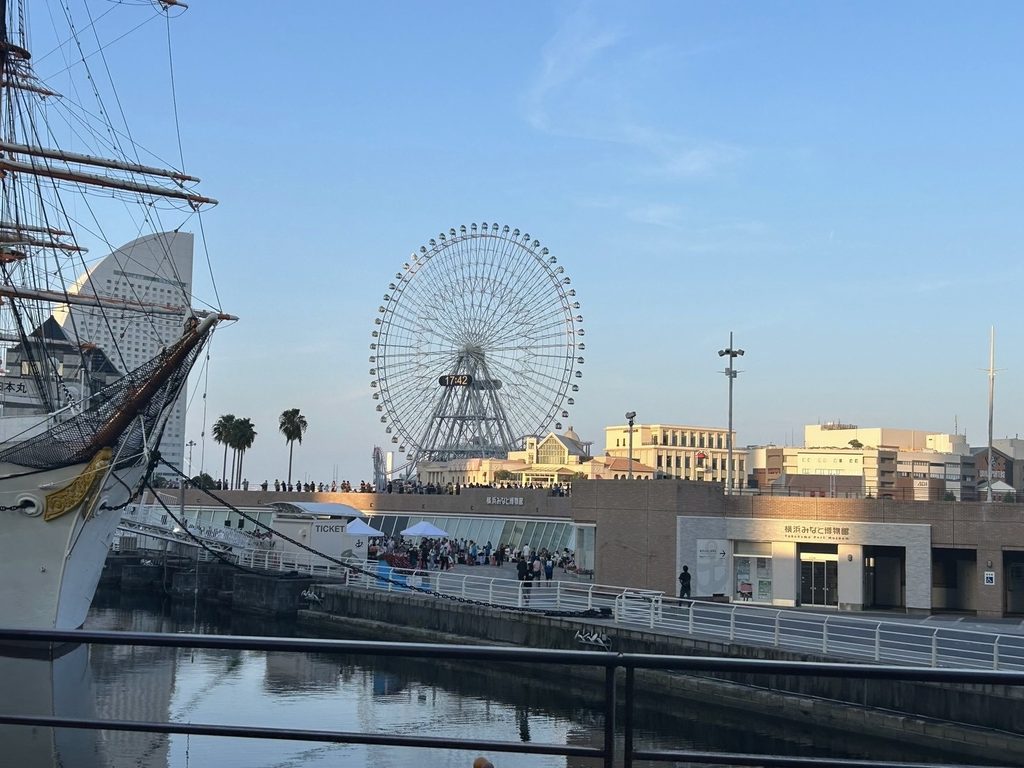
One of the area’s most recognizable landmarks is the Cosmo Clock 21 Ferris wheel. Standing over 110 meters tall, it provides spectacular panoramic views of Yokohama Bay, the city’s skyline, and even Mount Fuji on exceptionally clear days. At night, the Ferris wheel lights up with colorful LED displays, becoming one of the city’s most photographed attractions.
Nearby, the Yokohama Red Brick Warehouse combines history with modern shopping and dining. Originally built in the early 20th century, these beautifully restored brick buildings now house boutique shops, cafés, restaurants, seasonal markets, and cultural events. Throughout the year, the plaza hosts Christmas markets, Oktoberfest celebrations, flower festivals, and outdoor concerts, making every visit slightly different.
Photography enthusiasts will especially enjoy walking along the waterfront promenade connecting Minato Mirai, Osanbashi Pier, and Yamashita Park. The combination of modern architecture, ocean views, luxury cruise ships, and beautifully landscaped gardens creates endless opportunities for memorable photos.
Another highlight is Yokohama Chinatown, the largest Chinatown in Japan and one of the largest in the world. Entering through its colorful gates feels like stepping into another country. More than 600 restaurants, food stalls, bakeries, souvenir shops, and tea houses line the lively streets.
Popular street foods include steamed pork buns, soup dumplings, sesame balls, roasted duck, bubble tea, and freshly made Chinese desserts. Many visitors spend several hours simply wandering through the colorful streets while sampling different snacks.
For travelers interested in architecture, history, shopping, photography, and food, Yokohama offers one of the most complete day trips from Tokyo.
Travel Time
- About 30–45 minutes
Best Season
- Spring
- Winter illuminations

Enoshima
If you’re looking for a relaxing coastal escape, Enoshima is an excellent choice. Located just over one hour from Tokyo, this small island combines beautiful ocean scenery, historic shrines, caves, seafood restaurants, and spectacular sunset views into one unforgettable destination.
Connected to the mainland by a bridge, Enoshima welcomes visitors with refreshing sea breezes and a slower pace of life. Unlike the busy streets of Tokyo, the island encourages travelers to take their time exploring winding paths, scenic viewpoints, and traditional shopping streets.
The island’s main attraction is Enoshima Shrine, a historic shrine dedicated to Benzaiten, the Japanese goddess of music, art, fortune, and water. The shrine complex is divided into several sections connected by charming stone stairways lined with lanterns, gardens, and small souvenir shops.
As visitors continue climbing toward the summit, they’ll discover observation decks offering panoramic views of Sagami Bay. On clear days, Mount Fuji rises dramatically in the distance, creating one of the region’s most iconic landscapes.
Nature lovers should also visit the Iwaya Caves, naturally formed sea caves that have been used as places of worship for centuries. Illuminated pathways and fascinating rock formations create a mysterious atmosphere unlike anywhere else near Tokyo.
Food is another highlight of Enoshima. The island is famous for fresh seafood, particularly whitebait (shirasu), which is served raw, boiled, or as a topping for rice bowls. Visitors can also enjoy grilled shellfish, seafood rice bowls, local ice cream, and cafés overlooking the ocean.
During the evening, Enoshima becomes one of the best sunset photography spots near Tokyo. As the sun sets over the Pacific Ocean and Mount Fuji is silhouetted against the colorful sky, the scenery becomes truly unforgettable.
Travel Time
- About 70–90 minutes
Best Season
- Summer
- Spring
- Autumn
Lake Kawaguchi
For many international travelers, seeing Mount Fuji is one of the biggest highlights of visiting Japan. One of the best places to enjoy Japan’s highest mountain is Lake Kawaguchi, located in the Fuji Five Lakes region. Thanks to convenient train and highway bus connections, Kawaguchi is one of the most popular day trips from Tokyo and offers spectacular scenery throughout every season.
The journey itself is part of the experience. As you leave Tokyo behind, the scenery gradually changes from skyscrapers to peaceful countryside, forests, and mountain landscapes. Upon arriving at Kawaguchi Station, visitors are immediately greeted by fresh air and, on clear days, breathtaking views of Mount Fuji towering above the surrounding landscape.
Lake Kawaguchi is famous for its ever-changing scenery. During spring, thousands of cherry blossoms frame Mount Fuji, creating one of Japan’s most iconic landscapes. Summer brings lush greenery and colorful flowers, while autumn transforms the lakeside into a spectacular display of red, orange, and yellow leaves. Winter offers perhaps the clearest views of Mount Fuji, often with its snow-covered peak standing against brilliant blue skies.
One of the most enjoyable activities is simply walking along the lakeside promenade. The peaceful atmosphere contrasts dramatically with Tokyo’s busy streets, allowing visitors to slow down and appreciate Japan’s natural beauty. Numerous benches, parks, cafés, and viewing platforms make it easy to stop and enjoy the scenery.
Photography enthusiasts will find endless opportunities around the lake. Early mornings often provide calm water that perfectly reflects Mount Fuji, creating mirror-like images. Sunrise and sunset are particularly beautiful, when soft light illuminates the mountain and surrounding countryside.
Visitors can also ride the Mt. Fuji Panoramic Ropeway, which climbs to an observation deck overlooking both Lake Kawaguchi and Mount Fuji. The panoramic view is considered one of the best in the Fuji Five Lakes area.
Another popular attraction is Oishi Park, located on the northern shore of the lake. Seasonal flower gardens bloom throughout the year, including lavender in summer and colorful autumn flowers later in the year. The combination of flowers, lake, and Mount Fuji creates unforgettable photographs.
Those interested in art can visit several museums near the lake, while travelers seeking relaxation can enjoy nearby hot spring facilities overlooking Mount Fuji.
Although Kawaguchi can be visited in one day, many travelers wish they had more time because of its peaceful atmosphere and incredible scenery.
Travel Time
- About 2 hours
Best Season
- Spring
- Autumn
- Winter
Mount Takao
If you’re looking for an easy outdoor adventure without traveling far from Tokyo, Mount Takao is one of the best choices.
Located only about one hour from Shinjuku Station, Mount Takao combines beautiful forests, hiking trails, temples, local food, and panoramic mountain views into a perfect day trip.
Despite being close to one of the world’s largest cities, Mount Takao feels surprisingly peaceful. Dense forests cover the mountainside, birds sing throughout the trails, and visitors quickly forget that Tokyo is only a short train ride away.
Several hiking routes lead to the summit, ranging from paved beginner-friendly paths to more challenging forest trails. Most first-time visitors choose Trail 1, which passes through forests, scenic viewpoints, and Yakuoin Temple before reaching the summit.
Halfway up the mountain, visitors can stop at Yakuoin Temple, a historic Buddhist temple surrounded by towering cedar trees. Stone lanterns, colorful gates, and peaceful gardens create a relaxing atmosphere that feels far removed from the city.
Those who prefer not to hike the entire mountain can use the cable car or chair lift, making Mount Takao suitable for visitors of all ages.
At the summit, hikers are rewarded with spectacular panoramic views stretching across Tokyo and, on clear days, all the way to Mount Fuji.
Food is another highlight of Mount Takao. Restaurants near the summit serve local specialties such as handmade soba noodles, grilled rice dumplings, and seasonal desserts.
Autumn is particularly popular because thousands of maple trees turn brilliant shades of red and orange, attracting photographers and hikers from across Japan.
Travel Time
- About 1 hour
Best Season
- Autumn
- Spring
Atami
For travelers looking to combine beautiful ocean views with traditional Japanese hot spring culture, Atami is one of the best day trips from Tokyo.
Located along the Pacific coast in Shizuoka Prefecture, Atami has been a famous hot spring resort for centuries and remains a favorite getaway for both Japanese and international visitors.
Thanks to the Shinkansen, the journey from Tokyo takes less than one hour, making Atami surprisingly accessible for a day trip.
One of the town’s greatest attractions is its relaxing atmosphere. Palm-lined streets, ocean breezes, and hillside views create a resort-like feeling that differs completely from Tokyo.
Visitors can spend the morning exploring traditional shopping streets filled with seafood restaurants, Japanese sweet shops, cafés, and souvenir stores before relaxing in one of the area’s many hot spring baths.
Atami Sun Beach offers beautiful ocean views and is especially popular during sunset. In summer, visitors enjoy swimming, while throughout the year many people simply stroll along the waterfront promenade.
History lovers can visit Atami Castle, which overlooks the coastline and offers panoramic views of Sagami Bay.
The city is also famous for fresh seafood, including tuna, squid, shrimp, and locally caught fish served as sushi and seafood rice bowls.
During summer, Atami hosts one of Japan’s most spectacular fireworks festivals, with fireworks launched directly over the ocean.
Travel Time
- About 40–50 minutes
Best Season
- Summer
- Spring
- Autumn
Helpful Tips for Planning Your Day Trip
Before leaving Tokyo, it’s worth planning your transportation in advance. Popular destinations become crowded on weekends and national holidays, so departing early in the morning allows you to enjoy attractions before the largest crowds arrive.
Check train schedules the night before your trip, especially if you’re traveling to mountain or rural areas where trains run less frequently.
Wear comfortable walking shoes, as many destinations involve exploring on foot. Bringing a reusable water bottle, portable charger, and some cash is also recommended, particularly when visiting smaller towns where cashless payment may not always be available.
If you’re using the Japan Rail Pass or regional rail passes, confirm whether your destination is covered before purchasing individual tickets.
Summary
One of the greatest advantages of staying in Tokyo is that countless unforgettable destinations are only a short train ride away. Thanks to Japan’s world-class railway network, travelers can leave the excitement of the capital behind in the morning and find themselves surrounded by peaceful temples, majestic mountains, beautiful coastlines, historic towns, and relaxing hot springs just a few hours later.
Each destination offers something completely different. Hakone combines natural hot springs with breathtaking views of Mount Fuji, while Kamakura allows visitors to step back into Japan’s medieval history through its famous temples and the Great Buddha. Nikko impresses with magnificent UNESCO World Heritage shrines surrounded by forests, and Kawagoe offers a nostalgic glimpse into the Edo period with its beautifully preserved streets and traditional shops.
For travelers who love nature, Lake Kawaguchi provides some of the country’s most spectacular views of Mount Fuji throughout every season, while Mount Takao offers scenic hiking trails that are accessible even for beginners. If you prefer coastal scenery, Yokohama’s modern waterfront, Enoshima’s island atmosphere, and Atami’s relaxing hot springs each provide memorable experiences that contrast beautifully with Tokyo’s fast-paced lifestyle.
Another reason these day trips are so popular is their convenience. Most destinations can be reached within one to two hours, making them perfect even for travelers with limited time. You don’t need to change hotels or carry heavy luggage—simply board a morning train, enjoy a full day of sightseeing, and return to Tokyo in the evening.
Every season also offers a completely different experience. Spring brings cherry blossoms and comfortable temperatures, summer features festivals, beaches, and lush green landscapes, autumn transforms mountains and temples with brilliant foliage, and winter provides crisp air, snowy scenery, and some of the clearest views of Mount Fuji. No matter when you visit Japan, there’s always an ideal day trip waiting nearby.
When planning your itinerary, consider mixing Tokyo’s energetic city attractions with one or two relaxing day trips. The contrast between modern skyscrapers and peaceful natural landscapes is one of the things that makes traveling in Japan so special. Exploring beyond the capital allows you to experience different regional cultures, taste local specialties, meet friendly communities, and discover places that many visitors never have the chance to see.
Whether you’re visiting Japan for the very first time or returning to explore more of the country, these easy getaways from Tokyo will add variety, unforgettable scenery, and lasting memories to your journey. From historic temples and mountain views to seaside towns and traditional streets, each destination offers its own unique charm—and all are waiting just beyond the city limits.