Introduction
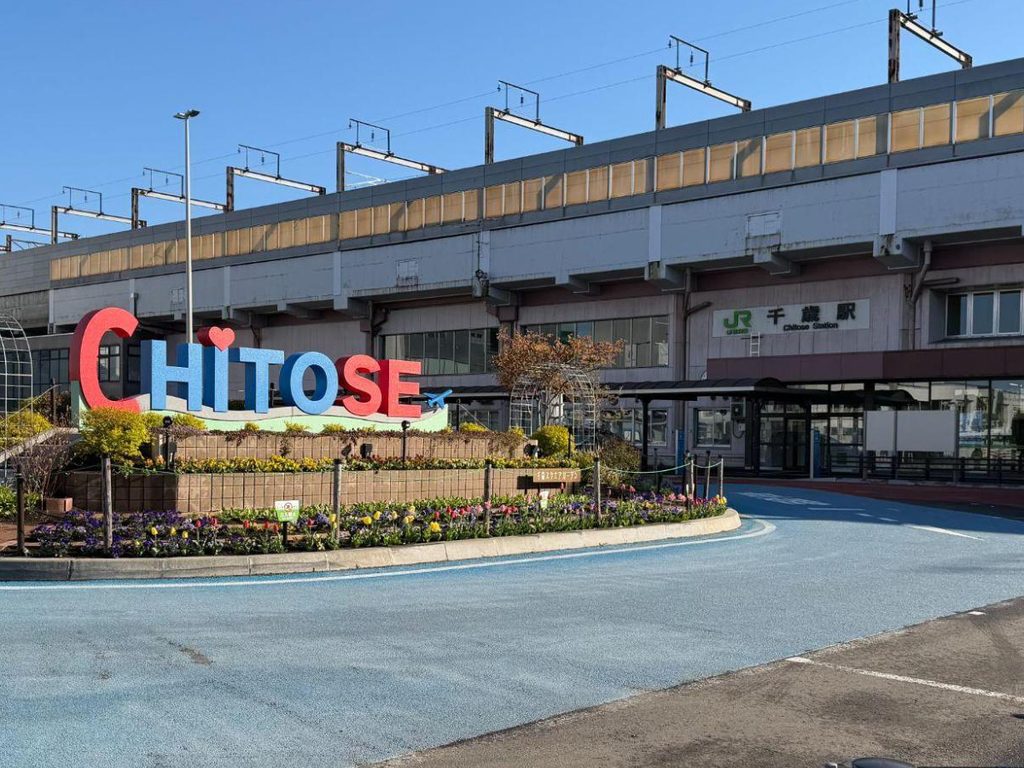
For most travelers, Chitose means one thing: the airport. Millions of visitors pass through New Chitose Airport every year on their way to Sapporo, Niseko, or Furano, and few ever stop to look at the town surrounding it. That is a missed opportunity, since Chitose has its own quiet identity, built around a river rather than a runway.
The Chitose River runs directly through the city, and thanks to its clean, cold water, it has long supported one of Hokkaido’s most important wild salmon populations. Every autumn, salmon return from the ocean and fight their way upstream to spawn in the same river, passing directly beneath the city center. This single fact shapes much of what Chitose has become: a freshwater aquarium built to showcase the river’s ecosystem, a historic water wheel once used to catch migrating salmon, and a local food culture that leans heavily on salmon and other river fish.
Chitose is also a genuinely practical stop for travelers. It sits close enough to the airport that a half-day visit fits easily into a layover or the start or end of a longer Hokkaido itinerary, and its main sights cluster tightly enough to see on foot. Families in particular find it rewarding, since the aquarium, riverside park, and free traffic-safety park sit within a few minutes of each other.
Overview of Chitose
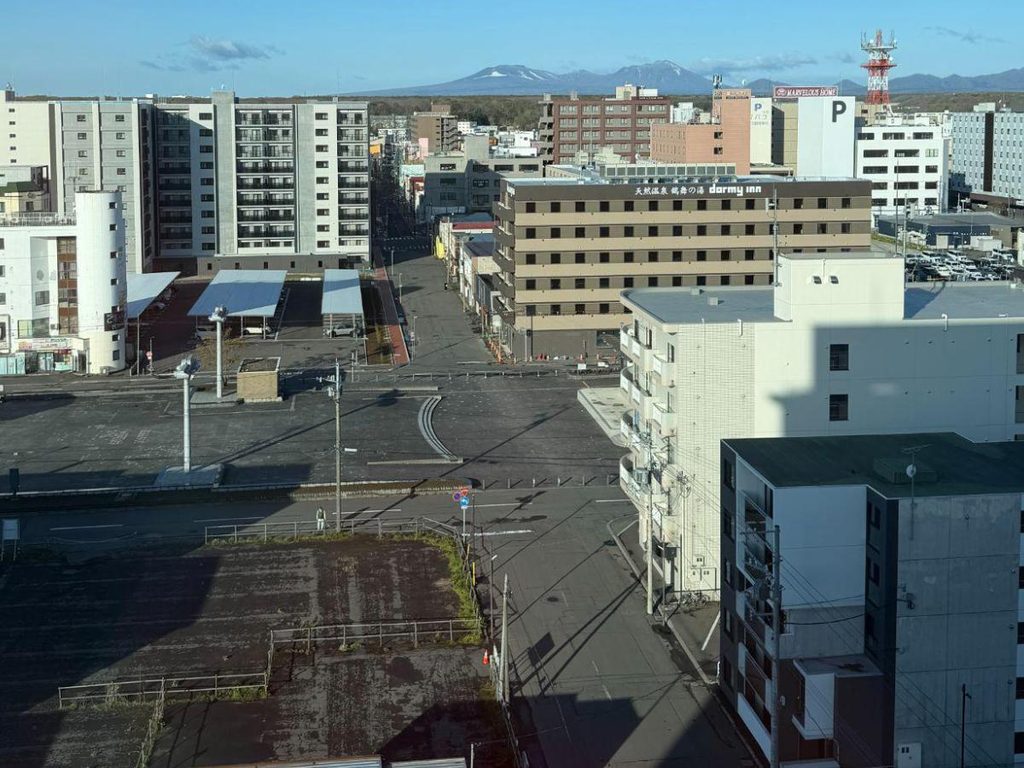
Chitose sits in central Hokkaido, close to the shore of Lake Shikotsu and directly along the Chitose River, which flows north toward Sapporo before eventually reaching the Sea of Japan. The city grew up around this river crossing and later expanded thanks to its role as home to both New Chitose Airport and a Japan Air Self-Defense Force base, giving it one of the youngest average populations in Hokkaido.
Unlike Hokkaido’s more famous hot spring towns or historic districts, Chitose’s appeal is understated. Its main draw is the river itself and the salmon culture built around it, expressed through a purpose-built aquarium, a preserved fishing wheel, and a modern roadside station dedicated almost entirely to salmon cuisine.
Key Features
- A city built directly around the salmon-bearing Chitose River
- One of Japan’s largest freshwater aquariums, with a unique underwater river-viewing zone
- A historic Indian water wheel once used to capture migrating salmon
- A modern roadside station centered on salmon dishes and Hokkaido produce
- A free traffic-safety park where children can practice cycling
- Easy access from New Chitose Airport and Sapporo, ideal for a half-day stop
Chitose’s relationship with salmon changes with the seasons, much like the rest of Hokkaido. Spring brings newly hatched salmon fry, visible in the aquarium’s river-viewing zone before they are released downstream. Summer introduces other river fish such as dace and cherry salmon. From late summer through early winter, adult salmon return from the ocean and fight their way upstream to spawn, an event that draws local families and visitors alike to the riverside and the water wheel.
Because the city is compact, a single day is more than enough to take in its main sights. Many visitors combine Chitose with a stop at nearby Lake Shikotsu, or treat it as a natural bookend to a longer Hokkaido trip, given its position right beside the airport.
Best Things to Do in Chitose
Chitose’s attractions are almost all connected by a single theme, its river, but each offers a different way to experience it, from watching fish through glass to pedaling a bicycle along a mock city street.
Watch Salmon and River Life at Chitose Aquarium
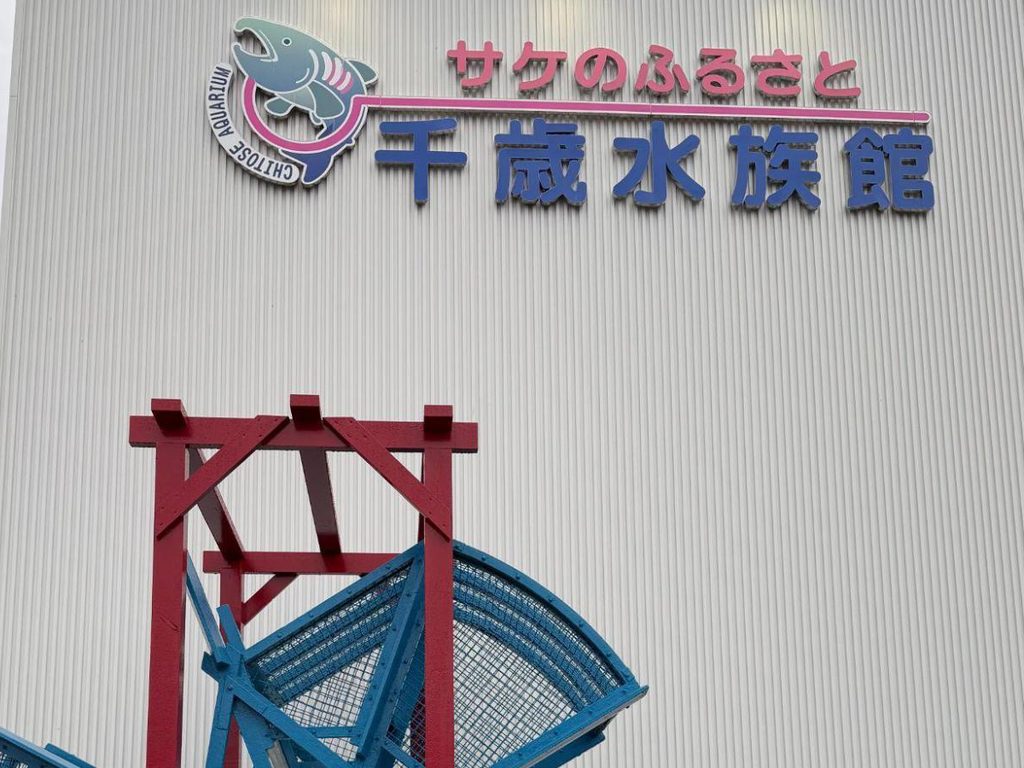
The Chitose Aquarium, officially known as the Chitose Salmon Aquarium, is one of the largest freshwater aquariums in Japan and the town’s clear centerpiece. Rather than focusing on ocean life, it dedicates its large tanks to the freshwater fish of Hokkaido and other cold-water regions, including sturgeon, the elusive Sakhalin taimen, and, of course, several stages of salmon.
Its signature feature is the underwater observation zone, a section of the building where a glass wall opens directly onto the bed of the Chitose River itself, rather than a constructed tank. Visitors look straight into the river and see whatever fish happen to be passing at that moment. Because the view changes with the seasons, no two visits look quite the same: spring reveals newly released salmon fry, summer brings dace and cherry salmon, and from late summer into winter the main attraction returns, adult salmon pushing upstream to spawn.
Elsewhere in the building, a hands-on zone lets visitors handle baby sturgeon and try a doctor-fish foot treatment, while the largest tanks let sturgeon and taimen glide past floor-to-ceiling glass. Special feeding sessions and behind-the-scenes tours are held periodically, though these are seasonal, event-based experiences rather than something available on every visit, so it is worth checking the aquarium’s schedule in advance if a feeding session is the goal.
See the Historic Indian Water Wheel
Just outside the aquarium stands a large wooden and steel wheel, built as a working replica of an Indigenous North American fish wheel and adapted for use on the Chitose River. Historically, it was used to trap salmon swimming upstream, and it is set up seasonally, generally from midsummer through early winter, when staff use it to catch part of the migrating salmon run for conservation and hatchery purposes.
During the autumn peak, it is common to see staff scooping salmon from the wheel’s catch basket while a crowd watches from the riverside railing above. Even outside active operation, the wheel itself is worth a look, since its scale and the information panels beside it explain how the device was adapted from a similar wheel once used on the Columbia River in the United States.
Let Kids Practice Cycling at the Traffic Safety Park
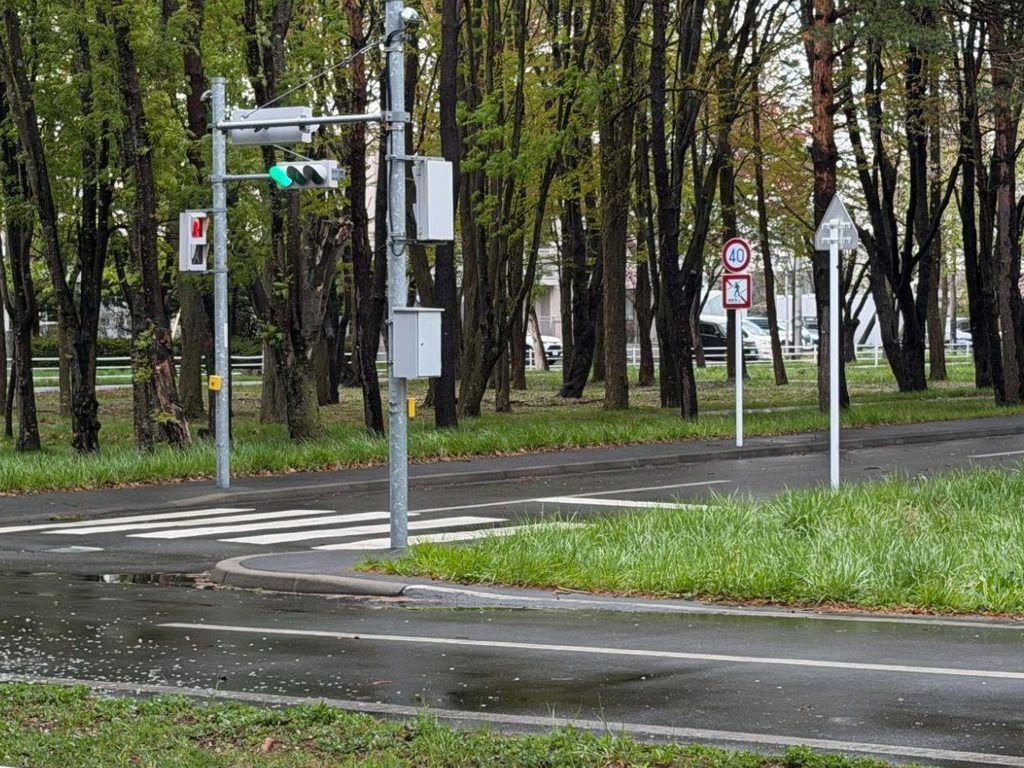
Directly beside the aquarium and the roadside station sits the Chitose Traffic Safety Education Park, known locally simply as the traffic park. It recreates a miniature city street complete with working traffic lights, crosswalks, and road signs, giving children a safe, enclosed space to practice cycling while picking up real traffic rules along the way.
The park lends out bicycles and pedal go-karts free of charge, in sizes ranging from small children’s bikes with training wheels up to adult sizes, so families do not need to bring their own. The catch is that it operates on a seasonal schedule, open only from May 1 through October 31 each year, so travelers visiting in winter will find the gates closed even though the surrounding aquarium and roadside station stay open year-round.
Taste Salmon-Themed Dishes at Salmon Park Chitose
Salmon runs through Chitose’s food culture just as literally as it runs through its river. The roadside station beside the aquarium, Michi-no-Eki Salmon Park Chitose, was rebuilt and reopened in 2023 around a single concept: celebrating salmon in as many forms as possible, from raw and cured to grilled and simmered into ramen broth.
Its food court gathers several stalls under one roof, including a seafood-bowl specialist serving generous salmon and roe donburi (rice bowl), a ramen counter that folds salmon and Hokkaido corn into its broth, a bakery known for melon-shaped bread, and a rice-ball shop built entirely around Hokkaido ingredients. A sit-down grill restaurant next door adds steak and other salmon-forward dishes for a slightly more formal meal. Beside the food hall, a small produce market sells fresh Hokkaido vegetables and fruits, giving the whole building the feel of a proper local gathering spot rather than a simple highway rest stop.
Recommended Spots in Chitose
Every recommended stop below sits within a short walk of the others, making it easy to combine several in a single visit.
1. Chitose Aquarium
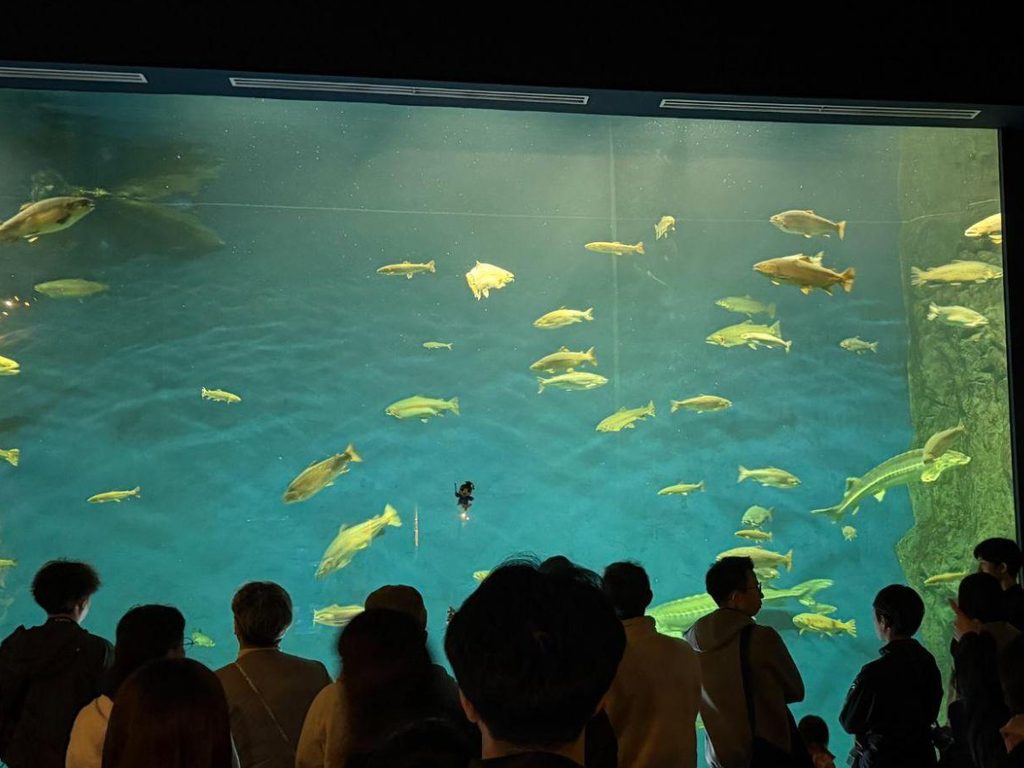
The town’s main attraction and the best introduction to its river culture. Beyond the standard tanks, its underwater observation zone is the only place in the building, and one of very few in Japan, where visitors look directly into a living river rather than a constructed exhibit.
Highlights
- A rare underwater zone that opens directly onto the Chitose River
- Large tanks featuring sturgeon and the elusive Sakhalin taimen
- A touch pool with baby sturgeon and a doctor-fish experience
- Seasonal salmon-viewing that peaks from late summer through early winter
Details
- Time required: about 40 to 60 minutes
- Access: about a 10 to 15 minute walk from JR Chitose Station, or about 10 minutes by car from New Chitose Airport
- Hours: 9:00 to 17:00, shortened to 10:00 to 16:00 from December through February
- Entry: around ¥800 for adults, ¥500 for high school students, ¥300 for elementary and junior high students*
2. Michi-no-Eki Salmon Park Chitose
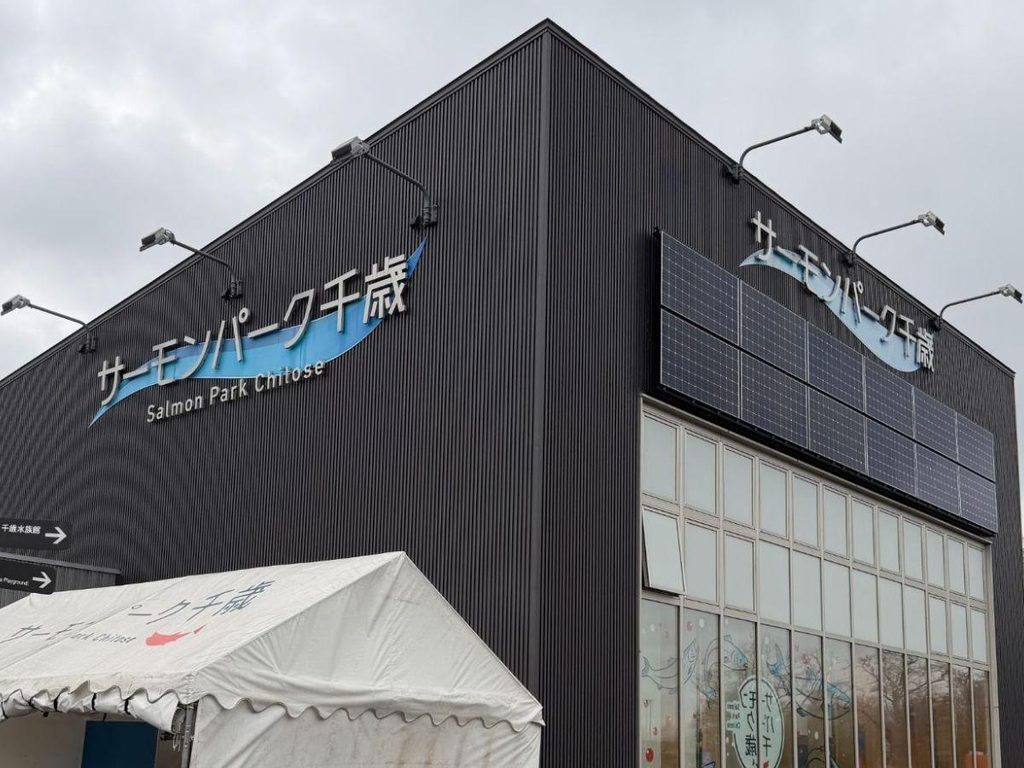
This roadside station sits immediately next to the aquarium and doubles as the town’s most convenient place to eat. Its food court and produce market draw a steady mix of travelers heading to or from the airport and local families out for a weekend meal.
Highlights
- A food court built around salmon-themed dishes, including donburi and ramen
- A grill restaurant serving salmon and Hokkaido meat dishes
- A produce market with fresh local vegetables and fruit
- Ample parking, making it an easy stop for drivers touring the region
Details
- Time required: 45 to 60 minutes for a meal, less for browsing
- Access: directly beside the Chitose Aquarium, about a 2 minute walk
- Hours: outdoor areas open 24 hours; the produce market runs roughly 9:00 to 17:00, with food court hours varying slightly by season*
- Notes: most counters are self-service, with orders placed at the register and a buzzer that signals when food is ready
3. Chitose Traffic Safety Education Park
A short walk from the aquarium, this park recreates a working street grid at child scale, complete with real traffic signals. It is a favorite stop for families traveling with young children who want an active break between sightseeing.
Highlights
- Free bicycle and pedal go-kart rental in a wide range of sizes
- Real traffic lights, crosswalks, and road signs for hands-on learning
- Training-wheel bicycles available for younger riders
- A quiet, car-free space suited to first-time cyclists
Details
- Time required: 30 to 60 minutes
- Access: adjacent to Salmon Park Chitose and the aquarium, within a few minutes’ walk
- Season: open only from May 1 through October 31 each year; closed the rest of the year*
- Entry: free of charge
4. The Indian Water Wheel
Standing just outside the aquarium, this large wooden wheel is a working piece of local salmon history rather than a static display. During the autumn migration, it becomes an active part of the salmon count, and crowds gather along the adjacent riverside railing to watch both the wheel and the river below.
Highlights
- A historic device modeled on a fish wheel once used on the Columbia River
- Seasonal salmon capture for hatchery and conservation purposes
- Information panels explaining the wheel’s history and mechanism
- Direct riverside views of migrating salmon in autumn
Details
- Time required: 10 to 15 minutes
- Access: immediately outside the aquarium building
- Season: generally set up from midsummer through early winter, aligned with the salmon run*
- Entry: free of charge, viewable at any time from the riverside path
5. Kaisendon Totomaru, Salmon Park Chitose
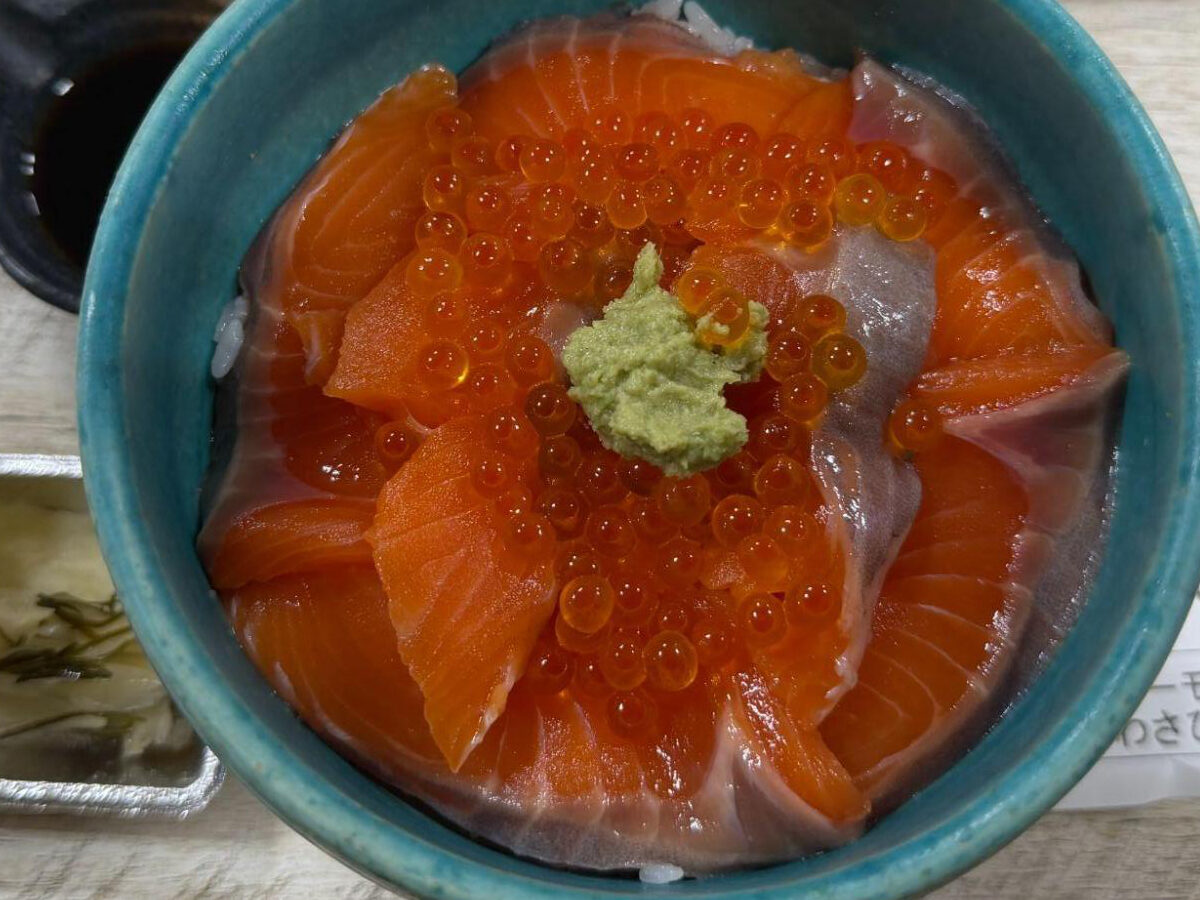
Tucked into the food court at Salmon Park Chitose, this seafood-bowl counter is the most straightforward way to try the salmon that gives the whole area its name. Its donburi bowls come piled with fresh sashimi, and the version topped with both salmon and salmon roe has become one of the food court’s most photographed dishes.
Highlights
- Generous donburi bowls topped with salmon and glistening salmon roe
- Daily seafood selections alongside the salmon standards
- Set meals and larger sharing-size bowls for groups
- A casual, self-service counter suited to a quick but memorable meal
Details
- Time required: 30 to 45 minutes
- Access: inside the Salmon Park Chitose food court, beside the aquarium
- Notes: order and pay at the counter, then collect the bowl when the buzzer sounds
Travel Tips for Visiting Chitose
Check the Aquarium’s Winter Hours
The aquarium shortens its hours in winter, closing an hour earlier from December through February, so it is worth confirming times before planning a late-afternoon visit.
Time a Visit to the Salmon Run
The most dramatic scenes at both the aquarium’s underwater zone and the water wheel happen from late summer through early winter, when adult salmon push upstream to spawn. Visiting outside this window still offers a good aquarium experience, just without the wild salmon.
Remember the Traffic Park’s Season
The traffic park’s free bicycle rentals are only available from May through October. Families traveling with young children in the off season should treat it as closed and plan other activities instead.
Bring Cash for Smaller Counters
Most stalls inside Salmon Park Chitose accept cards, but smaller vendors and the produce market can still prefer cash, so it helps to carry some on hand.
Combine It With Lake Shikotsu
Travelers with a car often pair a Chitose stop with nearby Lake Shikotsu, known for its clarity, extending a short airport layover into a fuller day trip.
Plan Around Layovers Carefully
Since the whole cluster of sights sits close to New Chitose Airport, Chitose works well as a stop immediately before a flight or right after arrival, though it is worth allowing extra buffer time for security and check-in on departure days.
How to Get to Chitose
From Sapporo Station
- JR Chitose Line (regular or Rapid Airport service) to JR Chitose Station
- Time: roughly 35 to 45 minutes depending on the train
- Cost: around ¥1,150*
- Then: about a 10 to 15 minute walk to the aquarium and Salmon Park Chitose
From New Chitose Airport
- By car or taxi: about 10 to 15 minutes to the aquarium area
- By train: JR Chitose Line to JR Chitose Station, about 10 to 15 minutes, then a short walk
- Cost: train fare is a few hundred yen for the short hop between stations*
By Car from Sapporo
- Hokkaido Expressway southbound, exiting at the Chitose Interchange
- Time: about 45 to 60 minutes depending on traffic
- Salmon Park Chitose offers free parking with over 200 spaces, shared with the aquarium
*Prices and schedules are subject to change. Please check official transport and facility websites for up-to-date fares, hours, and seasonal openings.
Summary
Chitose rarely makes it onto a Hokkaido itinerary off of its own merits, since most travelers see it only as the road to somewhere else. Spending even half a day there reveals a town whose identity is genuinely tied to its river, from the underwater window at the aquarium to the working water wheel just outside it, and from a food court built almost entirely around salmon to a park where children learn traffic rules on two wheels.
Its close ties to New Chitose Airport also make it one of the easiest stops to fit into a longer trip, whether as the first taste of Hokkaido after landing or a final, unhurried stop before flying home. Each season shifts what is on view, from spring’s newly released salmon fry to the crowded riverside railings of autumn, when the wild salmon finally return.
Since much of the day involves checking train times, seasonal opening dates, and walking directions between the aquarium, the roadside station, and the traffic park, having reliable internet access on hand is genuinely useful. An eSIM active from arrival can make it easier to navigate these details on the go, particularly for travelers connecting straight from the airport.
Whether treated as a short layover stop or a deliberate day trip from Sapporo, Chitose offers a practical, river-centered side of Hokkaido that is easy to reach and easy to enjoy.