Photo: Unsplash
Introduction
Nara is one of the best places to visit if you want to experience Japan’s history without traveling too far from Kyoto or Osaka. Located less than an hour away by train, this peaceful city is famous for its ancient temples, beautiful parks, and friendly deer that freely roam the streets. Although many visitors spend only a few hours here, Nara offers enough attractions to fill an unforgettable day. As Japan’s first permanent capital, Nara has played an important role in the country’s history for more than 1,300 years. Many of its historic buildings have been carefully preserved, allowing visitors to see what Japan looked like centuries ago. At the same time, cozy cafés, local restaurants, and traditional shopping streets give the city a warm and welcoming atmosphere. One of the best things about Nara is how easy it is to explore. Many of the city’s top attractions are within walking distance of one another, making it simple to enjoy sightseeing at your own pace. Whether you are traveling as a couple, with friends, or as a family, Nara is a destination that offers something for everyone.
If you are planning your first trip to Japan or looking for a relaxing escape from the busy cities, Nara deserves a place on your itinerary. From meeting the famous deer to exploring centuries-old temples, every part of the city tells a story that makes your visit memorable.
Why Visit Nara
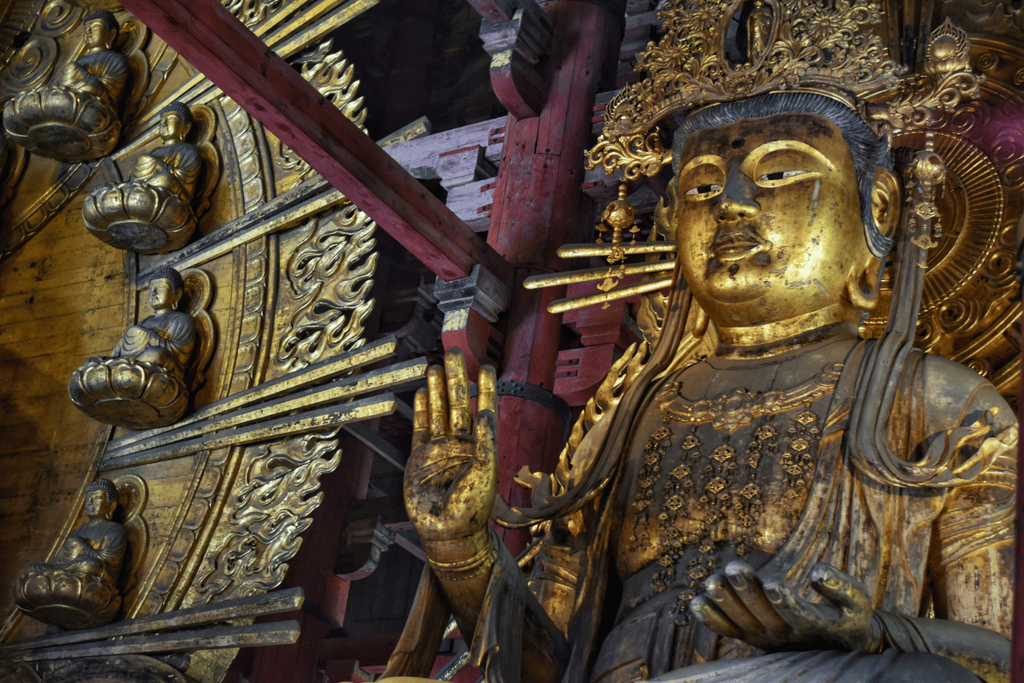
Photo: Unsplash
Nara offers a different side of Japan compared to Tokyo, Osaka, or Kyoto. While those cities are known for busy shopping streets and modern attractions, Nara is much quieter and allows visitors to slow down. The city combines rich history with beautiful nature, creating a relaxing atmosphere that is perfect for a day trip.
One of the biggest reasons people visit Nara is its incredible collection of historic sites. The city is home to several UNESCO World Heritage Sites, including ancient temples and shrines that date back over a thousand years. These landmarks are not only important cultural treasures but also some of the most impressive examples of traditional Japanese architecture. Another highlight is Nara Park, where more than 1,000 deer live freely. According to Japanese tradition, these deer were once believed to be sacred messengers of the gods. Today, they have become the symbol of the city and are loved by visitors from around the world. Feeding the deer and watching them bow for treats is a unique experience that you can only enjoy in a few places.
Nara is also a great destination because it is easy to explore. Most of the city’s famous attractions are located close together, so you can comfortably walk between them while enjoying beautiful scenery along the way. This makes Nara an excellent choice for travelers who prefer a relaxed sightseeing schedule instead of rushing from one attraction to another. Another reason to include Nara in your itinerary is its seasonal beauty. Cherry blossoms fill the parks in spring, fresh green trees create cool walking paths in summer, colorful maple leaves transform the city in autumn, and winter offers peaceful landscapes with fewer crowds. No matter when you visit, Nara always has something special to offer.
Best Things to Do in Nara
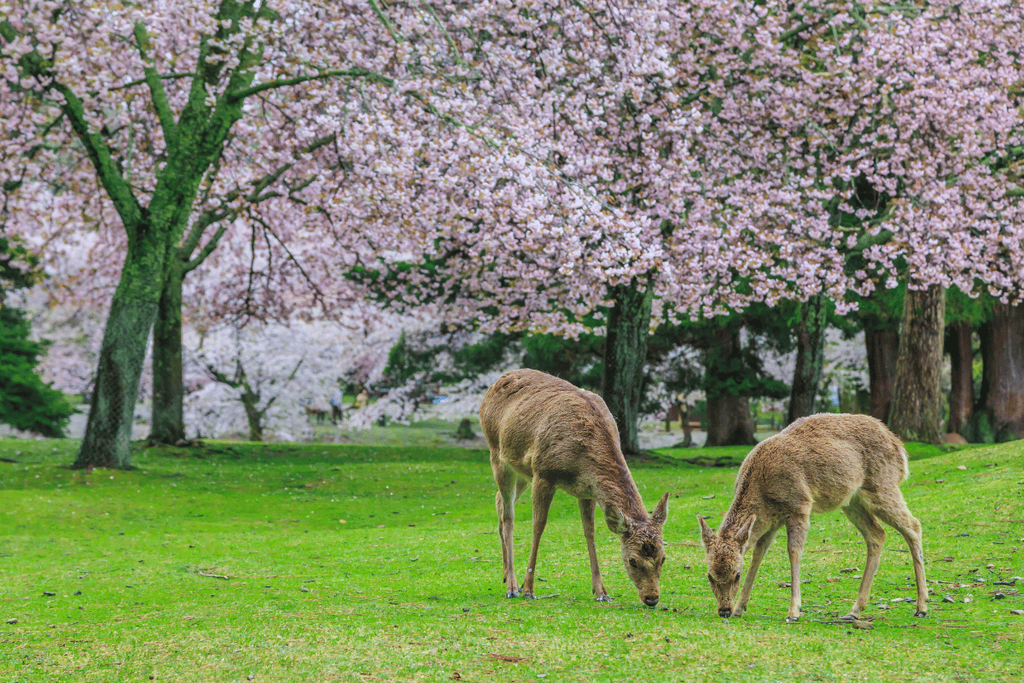
Photo: Unsplash
Visit Todai-ji Temple
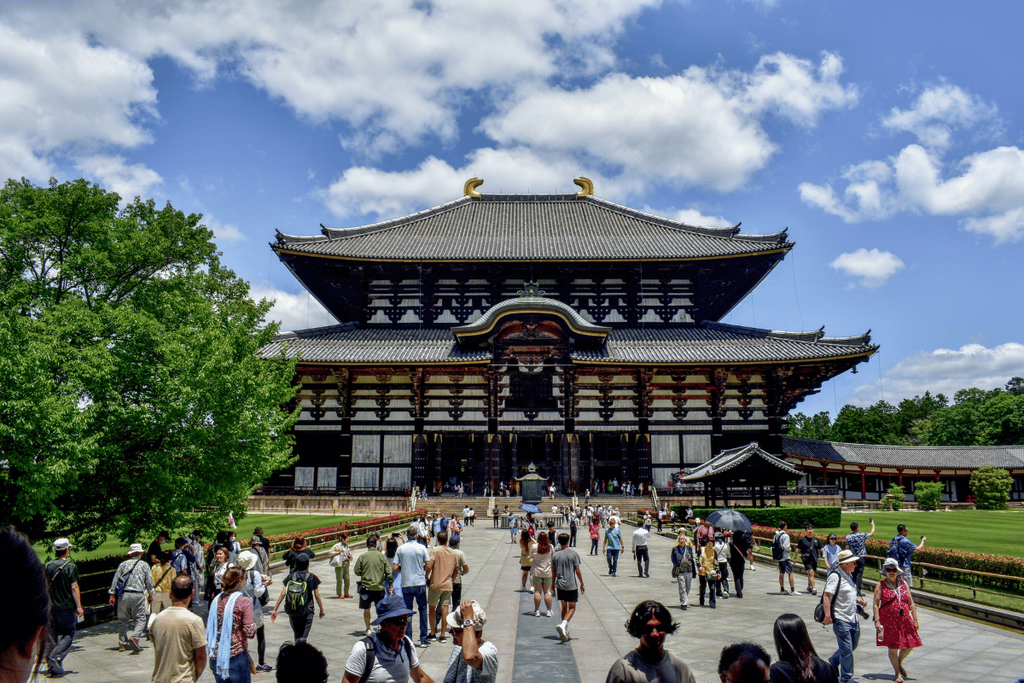
Todai-ji Temple is the most famous landmark in Nara and one of Japan’s most important Buddhist temples. Built in the eighth century, it is home to the Great Buddha, an enormous bronze statue that stands about 15 meters tall. The temple’s main hall is also one of the largest wooden buildings in the world, making it an impressive sight before you even enter. Inside the temple, visitors are welcomed by a peaceful atmosphere and remarkable craftsmanship. The Great Buddha is surrounded by beautiful wooden pillars and detailed decorations that show the temple’s long history. Many travelers spend time quietly admiring the statue while learning about the role Buddhism played in early Japan. Near the back of the hall, you will find a wooden pillar with a small opening at its base. According to local tradition, anyone who can fit through the hole will receive good luck and good health. Watching visitors attempt the challenge often becomes one of the most entertaining moments during a visit.
After exploring the temple, take time to walk around the surrounding grounds. The gardens, stone lanterns, and nearby deer create wonderful photo opportunities throughout the year, making Todai-ji much more than just a historic building.
Walk Through Nara Park
Nara Park is one of Japan’s most famous public parks and the heart of the city’s sightseeing area. Covering more than 500 hectares, the park is home to over 1,000 free-roaming deer that have become the symbol of Nara. These gentle animals attract millions of visitors every year. You can buy special deer crackers from vendors throughout the park and feed the animals yourself. Many of the deer have learned to bow before receiving food, creating a fun and memorable experience. Although they are used to people, they are still wild animals, so it is important to treat them with respect and avoid teasing them.
The park itself is also worth exploring beyond the deer. Wide walking paths, peaceful ponds, and large grassy areas make it an ideal place for a relaxing stroll. The scenery changes beautifully with each season, offering cherry blossoms in spring, vibrant greenery in summer, colorful leaves in autumn, and quiet landscapes during winter. Many of Nara’s major attractions are located inside or around the park, making it a convenient starting point for your sightseeing. You can easily spend several hours here without feeling rushed while enjoying both nature and history in one place.
Explore Kasuga Taisha Shrine
Kasuga Taisha Shrine is one of Japan’s most beautiful Shinto shrines and has been protecting Nara for more than 1,200 years. The shrine is famous for its thousands of stone and bronze lanterns, which were donated by worshippers over many generations. Walking toward the shrine through the peaceful forest feels like stepping into another world.
The bright vermilion buildings stand out beautifully against the surrounding trees. Every detail of the shrine reflects traditional Japanese architecture, making it a favorite destination for photographers as well as history lovers. During special festivals held each year, many of the lanterns are lit, creating an unforgettable atmosphere after sunset. The forest surrounding Kasuga Taisha is also part of a UNESCO World Heritage Site. Ancient cedar trees line the walking paths, and deer often wander quietly through the area. The peaceful environment makes this one of the best places in Nara to slow down and enjoy nature.
Take your time exploring the smaller shrines and hidden corners around the main buildings. Unlike some of Japan’s busier tourist attractions, Kasuga Taisha offers plenty of quiet spots where you can appreciate the beauty of traditional Japanese culture at your own pace.
Visit Kofuku-ji Temple
Kofuku-ji Temple is another must-visit destination in Nara and is located just a short walk from Nara Park. Originally built in the seventh century, the temple once belonged to one of Japan’s most powerful families and played an important role in the country’s history. Today, it remains one of Nara’s most recognizable landmarks.
The temple’s five-story pagoda has long been considered a symbol of Nara. Although it is currently undergoing preservation work, the surrounding temple grounds are still worth visiting. Beautiful historic buildings, peaceful gardens, and cultural treasures provide visitors with a deeper understanding of Japan’s past. The National Treasure Museum inside the temple complex displays impressive Buddhist statues and religious artwork collected over many centuries. Even if you are not familiar with Japanese history, the exhibits are easy to appreciate because of their remarkable craftsmanship and historical significance. Kofuku-ji is especially beautiful in the early morning when the grounds are quieter and the soft sunlight highlights the traditional wooden buildings. It is an ideal place to take a break before continuing your walk through the rest of the city.
Where to Eat in Nara

Photo: Pexels
Good food is another reason to spend a full day in Nara. While the city is famous for its historic temples and friendly deer, it also offers a wide variety of local dishes that reflect the flavors of the Kansai region. From traditional Japanese restaurants to modern cafés, there are plenty of places to enjoy a relaxing meal between sightseeing stops. Many restaurants are located around Kintetsu Nara Station, Naramachi, and Nara Park, making it easy to find somewhere to eat without leaving the main sightseeing area. Whether you are looking for a quick lunch or a leisurely dinner, you will find options for every budget. Trying local specialties is one of the best ways to make your visit even more memorable.
Try Kakinoha-zushi
Kakinoha-zushi is one of Nara’s best-known local specialties. This traditional sushi is made by wrapping salted fish, usually mackerel or salmon, with vinegared rice inside a persimmon leaf. Although the leaf is not eaten, it naturally preserves the sushi while adding a subtle aroma.
This style of sushi was created long before refrigerators existed, allowing fresh seafood to be transported from the coast to inland Nara. Today, it remains a popular choice for both locals and visitors. Many specialty shops sell beautifully prepared sets that are perfect for lunch or takeaway. Because Kakinoha-zushi is light and refreshing, it is an excellent meal after a morning of sightseeing. It is also easy to carry if you want to enjoy a picnic in Nara Park while watching the deer wander nearby.
Enjoy Chagayu
Another dish worth trying is Chagayu, a rice porridge cooked with roasted green tea instead of water. Originally eaten by local families and temple communities, this simple meal has been enjoyed in Nara for centuries. The tea gives the rice a gentle flavor that feels both comforting and refreshing.
Many traditional Japanese restaurants serve Chagayu as part of a set meal with grilled fish, seasonal vegetables, and pickles. The balanced flavors make it a healthy option, especially if you want something light during your trip. Although Chagayu looks simple, it represents Nara’s long culinary history. Trying local dishes like this allows visitors to experience a different side of Japanese food beyond sushi and ramen.
Relax at a Traditional Cafe
After exploring temples and parks, taking a break at a local cafe is a great way to recharge. Nara has many cozy cafes located inside renovated traditional townhouses, especially in the historic Naramachi district. These cafes combine classic Japanese architecture with modern interiors, creating a relaxing atmosphere. Many cafes serve matcha drinks, freshly made Japanese sweets, and seasonal desserts using local ingredients. Popular treats include matcha parfaits, warabi mochi, and soft-serve ice cream made with rich local milk. Pairing these desserts with a cup of Japanese tea makes for a perfect afternoon break. If you prefer coffee, you’ll also find excellent specialty coffee shops throughout the city. Spending an hour at one of these cafes is a wonderful way to slow down before continuing your sightseeing adventure.
Best Time to Visit Nara
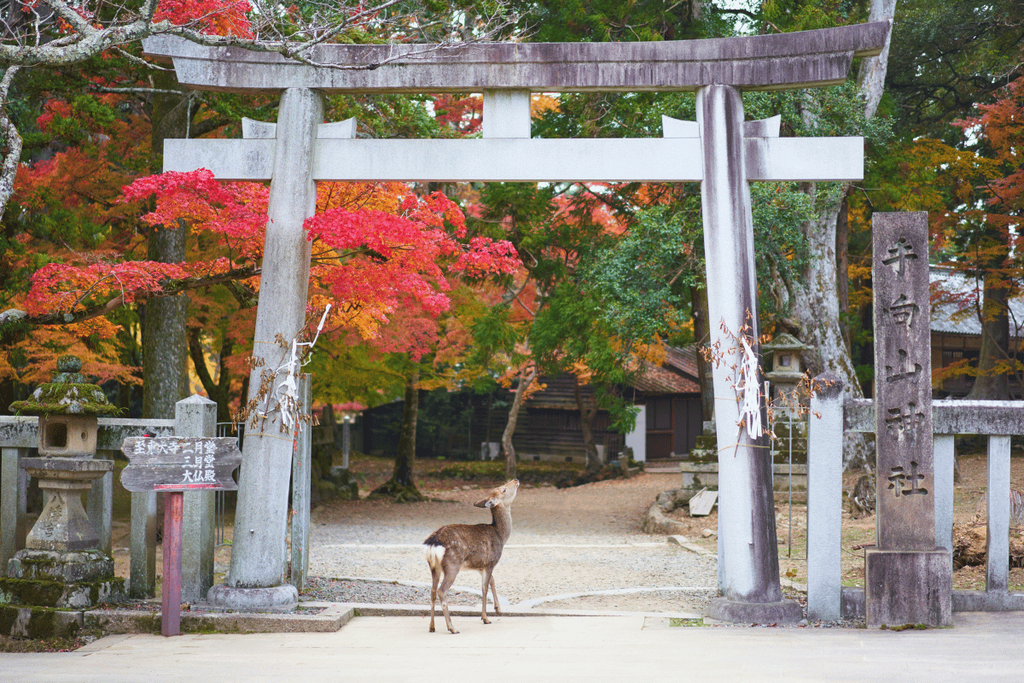
Photo: Unsplash
Nara is a wonderful destination throughout the year, and each season offers a different experience. The city’s parks, temples, and gardens change beautifully with the weather, so the best time to visit depends on what you hope to see. No matter when you arrive, you will find plenty of opportunities to enjoy Nara’s peaceful atmosphere.
Spring (March to May)
Spring is one of the most popular seasons thanks to the cherry blossoms. From late March to early April, thousands of cherry trees bloom around Nara Park and many historic temples. The combination of pink flowers, ancient buildings, and freely roaming deer creates one of Japan’s most iconic spring landscapes.
Summer (June to August)
Autumn is another excellent time to visit. Between late October and early December, maple trees turn brilliant shades of red, orange, and yellow. Cooler temperatures also make walking around the city much more comfortable, and the colorful scenery provides fantastic photo opportunities.
Autumn (September to November)
Summer brings lush green scenery and lively festivals, although temperatures can be quite hot and humid. If you visit during this season, plan outdoor activities in the morning and stay hydrated throughout the day.
Winter (December to February)
Winter is much quieter, allowing visitors to enjoy Nara’s famous attractions without large crowds. Although it can be cold, the peaceful atmosphere makes winter an underrated time to explore the city.
How to Get to Nara

Photo: Unsplash
Getting to Nara is quick and convenient, making it one of the easiest day trips from both Kyoto and Osaka. Frequent train services connect Nara with major cities across the Kansai region, and both JR Nara Station and Kintetsu Nara Station provide easy access to the city’s main attractions. Choose the route that best fits your itinerary and travel pass.
From Kyoto Station to Nara Station
- JR Nara Line (Rapid Service)
- Time: about 45–50 minutes
- Cost: about ¥720*
From Osaka Station to JR Nara Station
- JR Yamatoji Line
- Time: about 50–60 minutes
- Cost: about ¥820*
From Osaka-Namba Station to Kintetsu Nara Station
- Kintetsu Nara Line (Rapid Express)
- Time: about 40 minutes
- Cost: about ¥680*
From Kansai International Airport to Nara Station
- JR Kansai Airport Rapid + JR Yamatoji Line
- Time: about 90–100 minutes
- Cost: about ¥1,800*
*Prices are subject to change. Please check the latest fares before your trip.
Summary
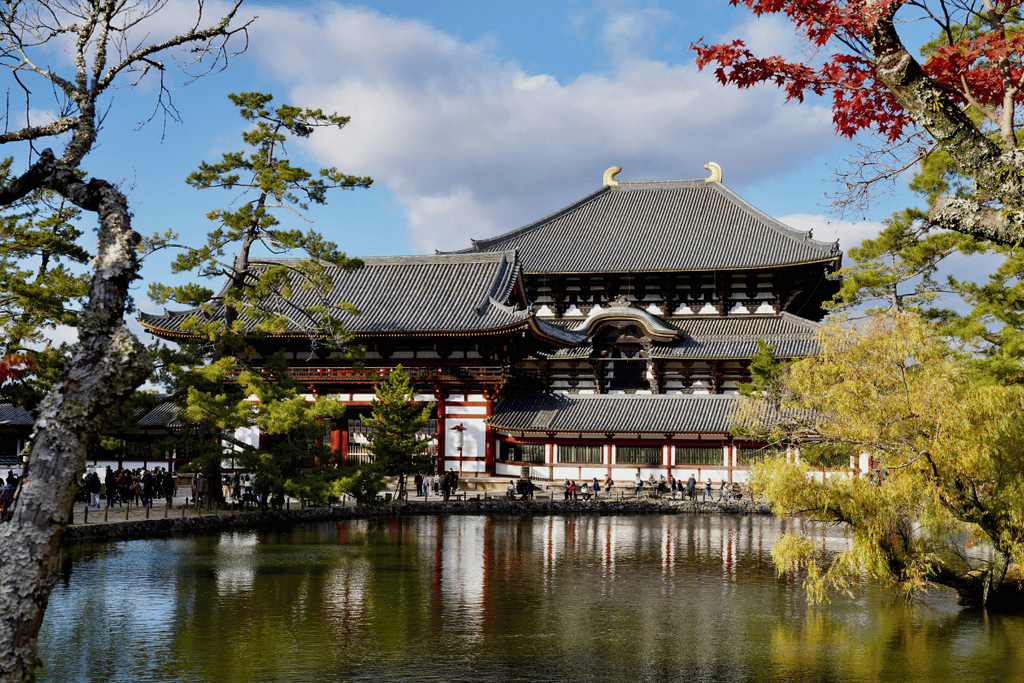
Photo: Unsplash
Nara is the perfect destination for travelers who want to experience Japan’s history, culture, and nature in a single day. From the towering Great Buddha at Todai-ji Temple to the peaceful walking paths of Nara Park and the charming streets of Naramachi, every corner of the city offers something memorable. Its relaxed atmosphere makes it a refreshing break from the busy streets of Kyoto and Osaka. Since many of Nara’s top attractions are located close together, the city is easy to explore even if you only have one day. You can spend the morning visiting historic temples, enjoy local specialties for lunch, relax at a traditional café, and finish the afternoon surrounded by friendly deer and beautiful scenery. Every season brings a different charm, making Nara a destination worth visiting more than once. Whether this is your first trip to Japan or your fifth, Nara is a place that leaves a lasting impression. Its rich history, welcoming atmosphere, and timeless beauty create memories that stay with you long after your journey ends.
Stay connected throughout your journey with a Japan eSIM. No need to hunt for a SIM card at the airport — activate it before you leave home and have data ready the moment you land.
Enjoy your day trip to Nara, and take your time discovering everything this historic city has to offer. We hope your visit becomes one of the highlights of your trip to Japan.