Photo: Unsplash
Planning your first trip to Japan often feels like solving a beautiful, expensive puzzle. You see the gleaming Shinkansen, the neon lights of Osaka, the historic temples of Nagoya — but one question stays in the back of your mind: “What is this actually going to cost me?”
Most guides give you dry averages. From my experience as a tour conductor, the real cost of Japan isn’t just the hotel bill. It’s the small, invisible choices you make every hour. The difference between a ¥2,000 taxi when you’re exhausted and knowing which ¥200 train saves your legs. The choice between a tourist-trap dinner and a high-end lunch special that tastes nearly the same for half the price.
This guide breaks down the real numbers for Budget, Mid-Range, and Luxury travelers across Japan’s Golden Route — Tokyo, Nagoya, and Osaka. More importantly, you’ll learn how to spend your money on experiences rather than avoidable mistakes.
You will check maps, train schedules, and restaurant hours constantly in Japan. A steady data connection isn’t a luxury — it’s what keeps small navigational mistakes from becoming expensive ones. A Japan eSIM lets you stay connected from the moment you land, without hunting for WiFi in a crowded basement corridor.
Get a Japan eSIM here: stay connected from day one
Overview: The Reality of the “New” Japan Travel Market
Is Japan expensive? The answer has changed. The weak yen has made shopping and dining more accessible for many international visitors. At the same time, costs for high-demand services — hotels in central Tokyo, Shinkansen seats during peak periods — have risen noticeably.
Here is where your money actually goes, per person per day, excluding flights and travel insurance.
- Budget (¥8,000–¥12,000): Capsule hotel or hostel, convenience store and casual meals, mostly free sights with an occasional paid entry.
- Mid-Range (¥18,000–¥30,000): Comfortable business hotel near a major station, sit-down restaurants for dinner, paid museums and attractions added without recalculating the budget.
- Luxury (¥50,000–¥100,000+): 5-star hotel or ryokan, fine dining, taxis when you need them, private experiences that aren’t easily booked from outside Japan.
A note from the field: many first-timers try to budget their way through transport but splurge their way through food. This often leads to burnout. If you save money on a hostel, put a little more toward a faster train or a coin locker for your heavy bags. The hidden cost in Japan is rarely money — it’s energy. Balance is what makes a trip sustainable.
Accommodation: You Are Paying for Proximity
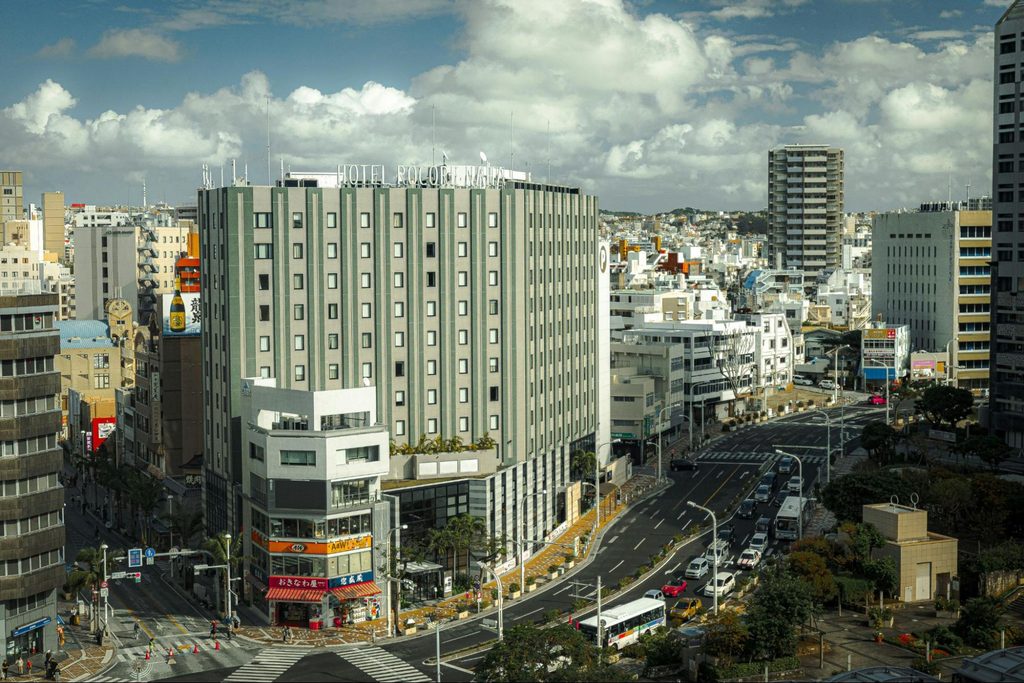
Photo: Unsplash
In Japan, you are not just paying for a bed. You are paying for how close that bed is to a ticket gate.
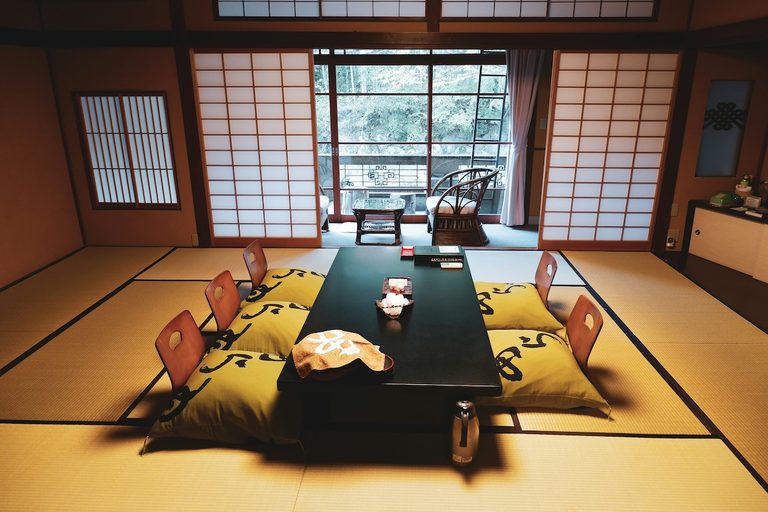
Budget (¥3,500 – ¥6,000): Capsule hotels and well-run hostels. In Tokyo, these are plentiful. In Nagoya, options are far and few between,mostly clustered near the station. Worth knowing: capsule hotels often separate floors by gender, so check the layout before booking.
Mid-Range (¥10,000 – ¥18,000): This is the business hotel zone — APA, Dormy Inn, Toyoko Inn. Expect a room roughly the size of a cruise ship cabin. Clean, efficient, and almost always within walking distance of a major station.
Luxury (¥35,000 – ¥80,000+): Western-brand city hotels or ryokans. You’re paying for English-speaking staff, more space, and the kind of service that Japan does exceptionally well at the high end.
One detail that catches travelers off guard: hotel prices in Tokyo and Osaka can nearly double on Saturday nights and during domestic travel seasons — Golden Week (late April to early May), Obon (mid-August), and December. If your budget is tight, scheduling your splurge nights on a Tuesday or Wednesday makes a real difference.
Food: Where the Budget Math Gets Interesting
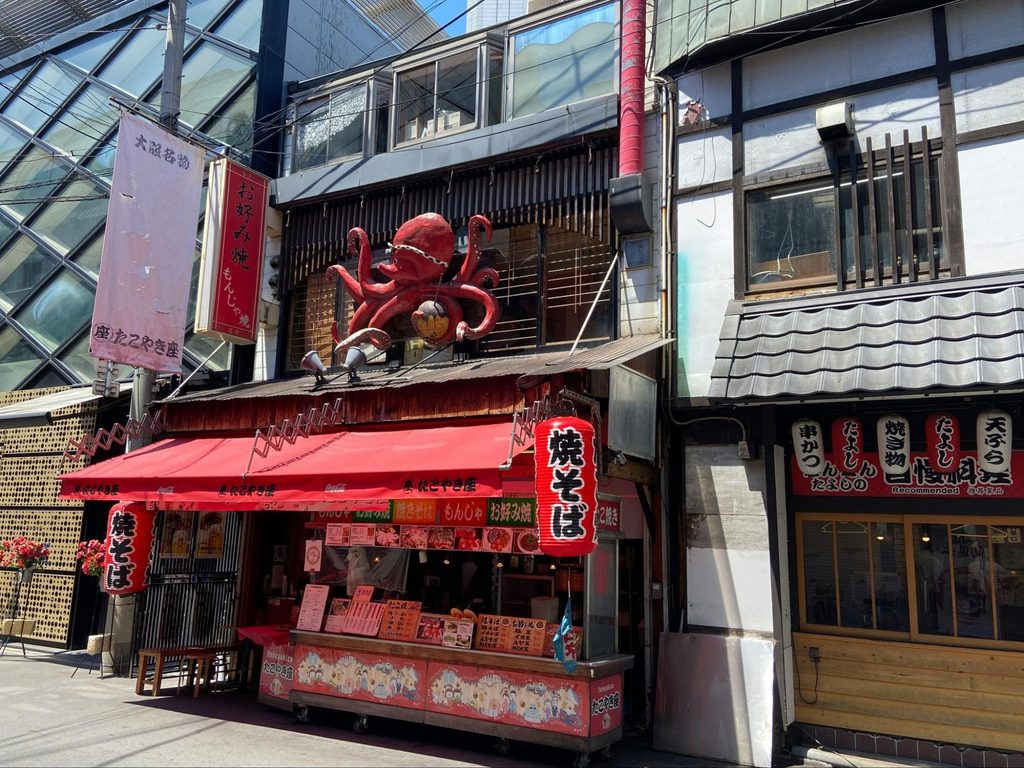
Photo: Pexels
Japan is a genuine paradise for budget eating — if you know where to look.
Breakfast (¥500 – ¥1,000): Skip the hotel buffet. A Nagoya kissaten morning set — coffee, free toast, and a boiled egg — is one of the best-value meals in Japan and a local ritual worth trying. A convenience store salmon onigiri and canned coffee is the on-the-go version.
Lunch (¥900 – ¥1,800): This is the golden window. High-end restaurants in Ginza, Umeda, or Nagoya Station’s upper floors offer teishoku lunch sets at 30–40% less than their dinner menu. A kaiseki-influenced lunch for ¥2,500 at a place that charges ¥8,000 at dinner is real, and it happens regularly. If you’re going to splurge on one meal, make it lunch.
Dinner (¥2,500 – ¥6,000+): An izakaya covers most of the mid-range. A dedicated sushi counter or wagyu dinner will clear ¥15,000 easily.
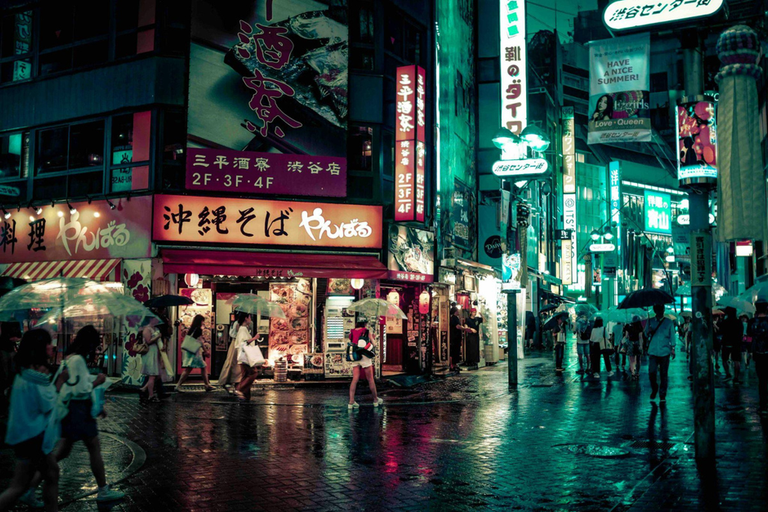
Osaka is in its own category for budget eating. The city’s kuidaore culture — eating until you drop — shows up in portion sizes and street food density. Six takoyaki for ¥600 is a meal. Kushikatsu at ¥100–200 per skewer adds up slowly. If you’re going to save on food anywhere on the Golden Route, save your most deliberate budget eating for Osaka.
Nagoya has a distinct food identity that most English-language guides overlook. Miso katsu, hitsumabushi (grilled eel over rice), and the kissaten morning set are reasonable in price and genuinely local. Worth seeking out before defaulting to whatever is closest to your hotel.
Transport: Where Sticker Shock Lives
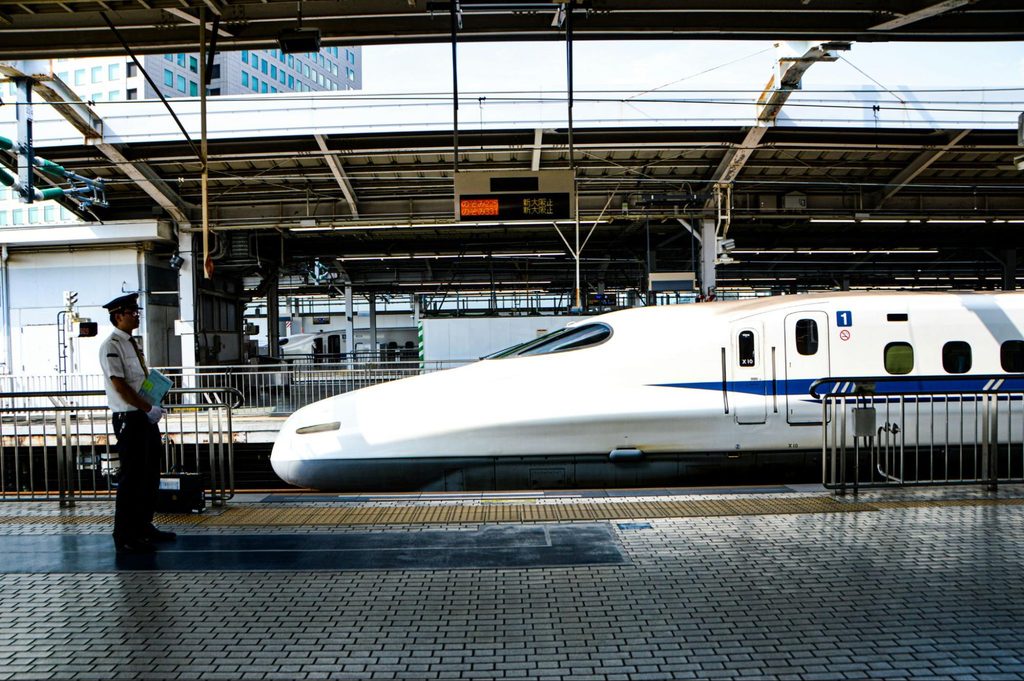
Photo: Unsplash
This is the category most first-time visitors underestimate — both for single-city movement and for the long stretches between cities.
Between Cities
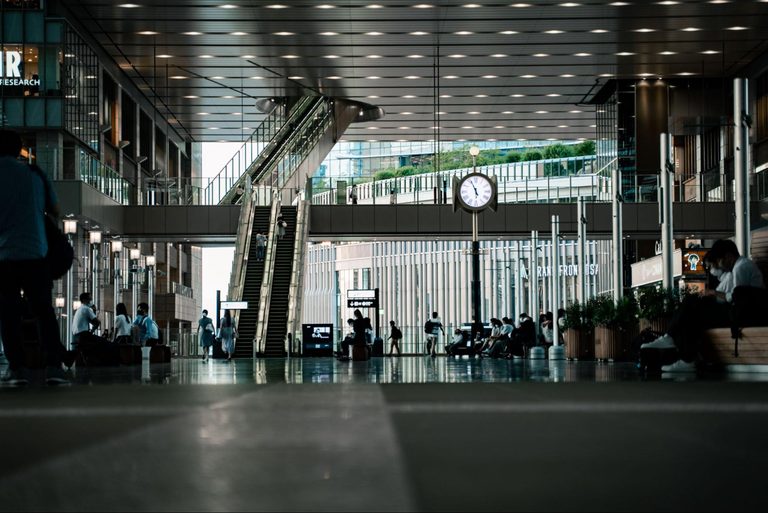
The Tokaido Shinkansen connecting Tokyo, Nagoya, and Osaka is the backbone of this route.
- Tokyo → Nagoya (Hikari/Nozomi): approx. 100 minutes / around ¥11,000 one way
- Nagoya → Osaka (Hikari): approx. 50 minutes / around ¥6,500 one way
- Tokyo → Osaka direct (Nozomi, non-reserved): approx. 150 minutes / around ¥14,500 one way
Prices are standard reserved seat estimates and subject to seasonal variation. Always confirm on the official JR website before travel.
Japan Rail Pass: A 7-day pass costs around ¥50,000. For a Tokyo → Nagoya → Osaka itinerary with a few regional trains, it can work in your favor. For shorter trips or single-city stays, individual tickets are usually cheaper. Run the numbers before you buy — it isn’t automatically the better deal.
Highway buses: If your budget is genuinely tight, overnight highway buses between cities run ¥5,000–8,000 — roughly a third of the Shinkansen fare. Tokyo to Osaka takes 8–9 hours, but an overnight run means you skip a night’s accommodation cost too. Not always the right choice, but worth knowing the option exists.
Within Cities
A single subway or train ride costs ¥170–320. Tokyo Metro fares run from ¥180 to ¥330 depending on distance. Three transfers across three sights and you’ve spent ¥1,500 before lunch. In a full week of city movement, transit alone often reaches ¥5,000–9,000 per person.
IC cards (Suica, ICOCA, Pasmo) are the standard solution. Tap in, tap out, exact fare calculated. They also work at convenience stores and most vending machines. Load ¥3,000–5,000 before each day of movement. You won’t save money compared to single tickets, but you’ll save time and eliminate ticket machine stress entirely.
Day passes are worth considering in Osaka and Nagoya when you’re visiting three or more spots in a single day. A one-day subway pass for either city runs approximately ¥600–800 and usually pays for itself by your third ride.
Taxis: Metered, reliable, and not cheap. The starting fare in Tokyo is around ¥500–550 for the first kilometer. A 10-minute ride easily runs ¥1,500–2,000. Worth using for late-night airport arrivals or when heavy luggage and a difficult station walk meet at the wrong moment. Not worth using for routine city movement.
Activities: Free, Paid, and Worth Every Yen
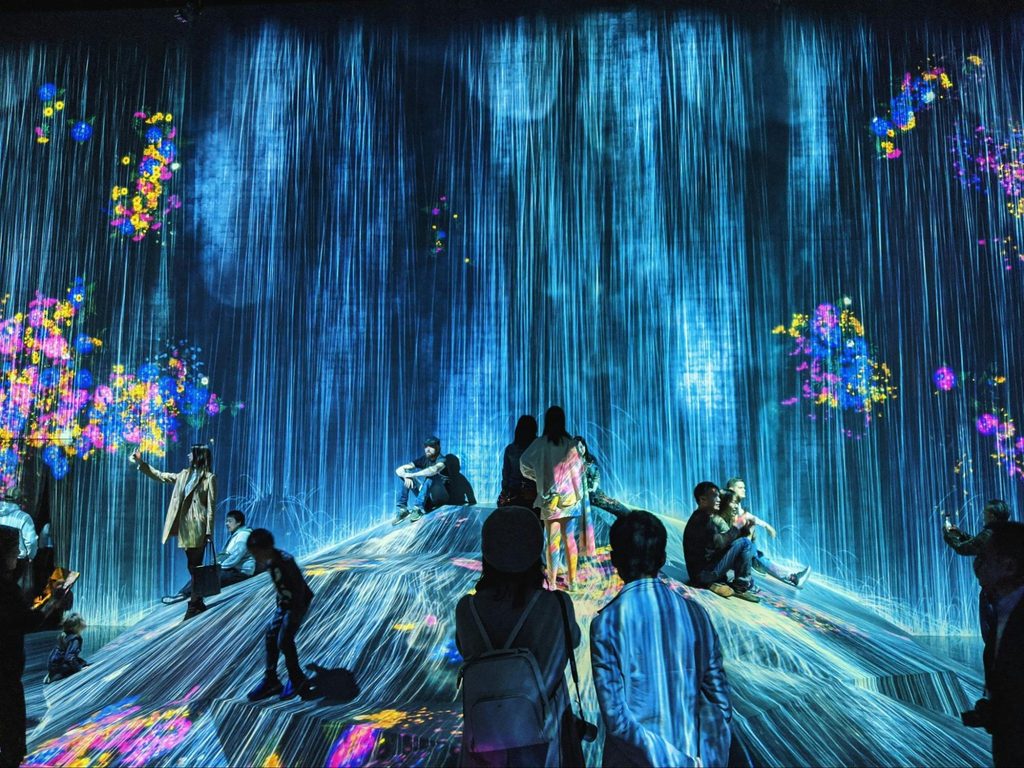
Photo: Unsplash
Japan has a wider range of free sights than most visitors expect — and a few paid experiences that are genuinely hard to replicate anywhere else.
Free:
- Tokyo: Senso-ji Temple grounds, Meiji Jingu, Shibuya Crossing, Harajuku street life
- Osaka: Dotonbori at night, Osaka Castle Park exterior, Shinsekai’s retro streetscape
- Nagoya: Osu Kannon temple and the massive Osu Shopping arcade surrounding it
Paid — worth it:
- TeamLab Borderless/Planets (¥3,800–4,200): genuinely unique to Japan and not comparable to anything elsewhere
- Osaka Castle interior (around ¥600): historical exhibits and city views from the top floor
- Nagoya Castle (around ¥500): samurai-era history with a well-maintained surrounding park
Paid — choose based on your budget:
- Shibuya Sky observation deck (¥2,500) vs. Tokyo Metropolitan Government Building observation floor (free): the views are roughly 90% the same. If you’re budget-conscious, go free.
If you’re doing two or three paid attractions per day, budget ¥2,000–5,000 just for entry fees. This surprises people who assume Japan’s sights are mostly free.
A Realistic Daily Budget by Travel Style
Numbers in a list tell you a range. Here is what those numbers actually look like across a single day.
Budget Day (¥8,000 – ¥12,000)
- Capsule hotel or hostel: ¥3,500–5,000
- Convenience store breakfast: ¥500–700
- Ramen or set lunch at a local shop: ¥900–1,200
- City transit on an IC card: ¥600–900
- Free sights or one paid entry: ¥0–600
- Casual dinner: ¥1,200–2,000
- Snacks, drinks, vending machine runs: ¥400–800
This works. The trade-offs are shared bathrooms, more walking to save a train fare, and fewer sit-down meals. None of those are uncomfortable for travelers used to budget travel elsewhere.
Mid-Range Day (¥18,000 – ¥30,000)
- Business hotel near a station: ¥10,000–14,000
- Café breakfast: ¥600–1,000
- Lunch at a proper restaurant: ¥1,200–1,800
- Two paid attractions: ¥1,500–3,000
- Transit: ¥800–1,200
- Izakaya or mid-range dinner: ¥3,000–5,000
- Coffee, snacks, small souvenirs: ¥1,000–2,000
This is the sweet spot for most first-time visitors. The hotel is comfortable, meals are satisfying, and you’re not running calculations before ordering.
Luxury Day (¥50,000 – ¥100,000+)
- City hotel in a central location: ¥35,000–60,000+
- Breakfast at the hotel or a quality café: ¥1,500–3,000
- Lunch at a high-end restaurant: ¥3,000–8,000
- Taxis as needed: ¥3,000–6,000
- Private experiences or premium attractions: ¥8,000–20,000+
- Fine dining or kaiseki dinner: ¥10,000–25,000+
This range is where Japan’s hospitality genuinely shines. The gap in service quality between mid-range and high-end is more noticeable here than in most countries.
Where Money Disappears Without Warning
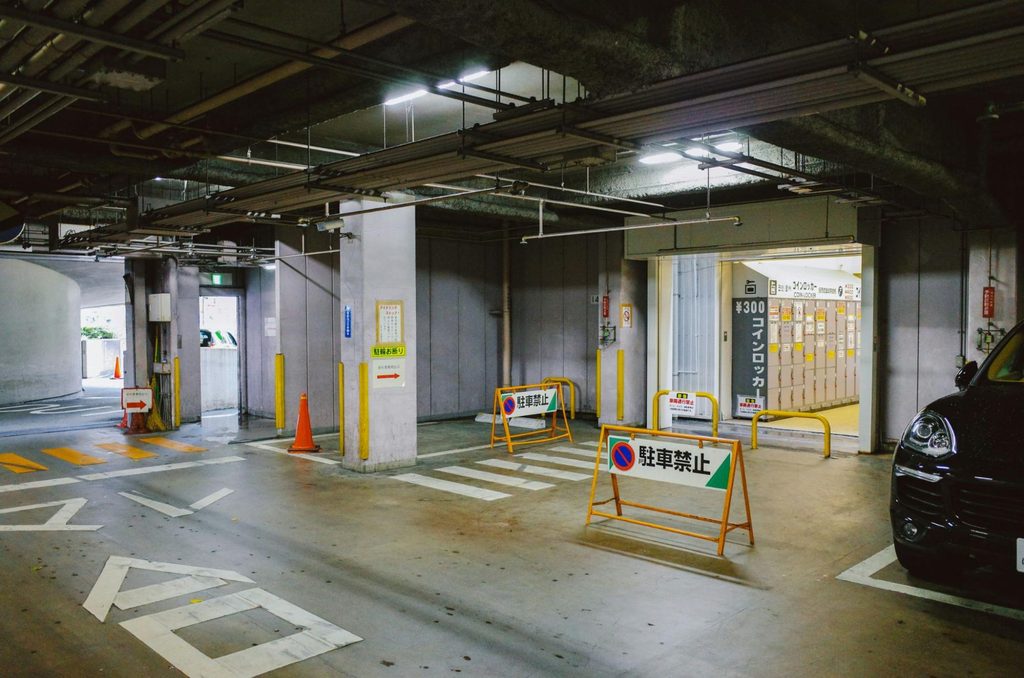
Photo: Unsplash
These are the costs that don’t appear in most planning guides.
Coin lockers: ¥500–800 per use, depending on size. If you check out of your hotel at 10am but your train leaves at 4pm, you’ll use one. Doing this three times in a week adds up to a decent dinner. Most hotels will hold your bags for free if you ask — use that first.
Vending machines: You’ll buy drinks from them constantly, especially in summer. Budget ¥200–500 per day for this. It only sounds small when you are not thirsty.
Convenience store impulse buys: Walking in for a ¥150 water and leaving with ¥1,200 of fried chicken and seasonal limited-edition snacks is a daily ritual for many tourists. The stores are excellent. Watch out.
The wrong exit: Large stations — Shinjuku, Osaka Umeda, Nagoya — have dozens of exits. The wrong one can leave you 10–15 minutes from your destination. In summer heat or rain, that becomes a ¥1,500 taxi you didn’t plan for. Check your exit number on the map before you tap out of the ticket gate. This is the small habit that saves money and frustration across an entire trip.
Departure tax to know about: Japan’s international tourist tax is scheduled to rise from ¥1,000 to ¥3,000 for departures from July 1, 2026. It’s collected through your airfare, not at the airport, but worth factoring into your budget if your trip falls after that date.
Travel Tips: Moving Smart Across the Golden Route
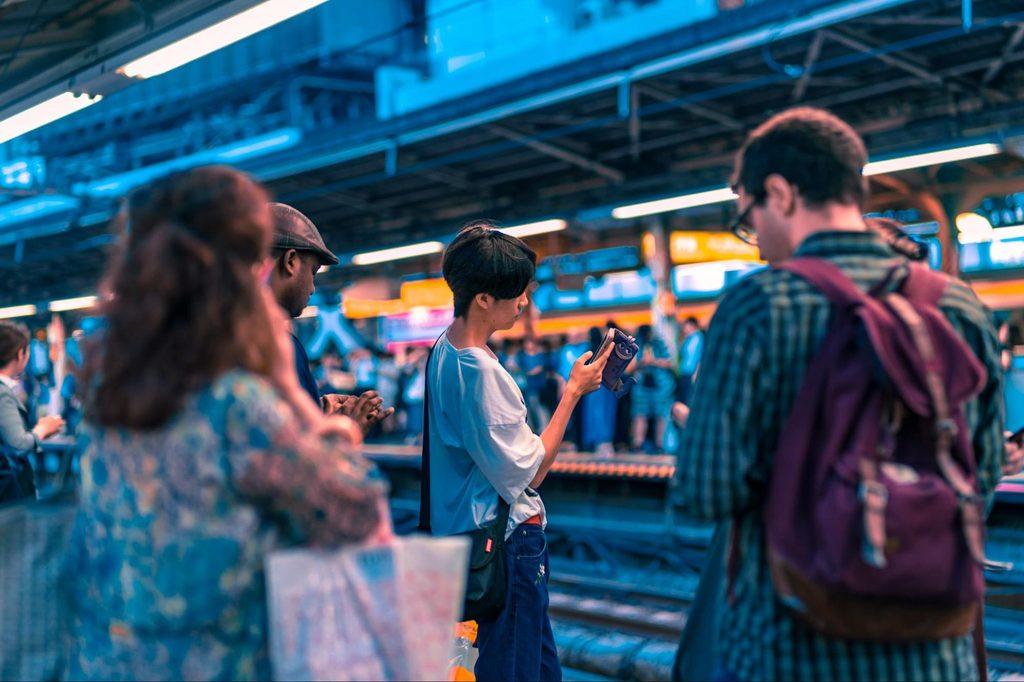
Photo: Unsplash
Book accommodation early. Especially in Tokyo during Golden Week, Obon, and December. Mid-range business hotels near major stations fill up months ahead. Booking 2–3 months out typically gets you meaningfully better prices.
Check opening hours the night before. Many Japanese museums close on Mondays. Some restaurants close mid-week. Showing up at a closed gate wastes more than just time when your itinerary is tight.
Move before 8am or after 10am if your schedule allows. Rush hour in Tokyo and Osaka is genuinely crowded. Disoriented tourists slow down in station corridors, exit the wrong gate, and sometimes have to re-enter. That costs money. Shifting your movement windows by an hour makes stations noticeably easier to navigate.
Cash still matters. Japan is more card-friendly now than it was five years ago, but small restaurants, older shops, some shrines, and most vending machines still operate cash-only. 7-Eleven ATMs and Japan Post ATMs reliably accept foreign Visa and Mastercard. Airport exchange desks work but tend to offer worse rates — withdrawing from a bank ATM after arrival is usually the better move. Inform your bank before you travel so they don’t flag overseas withdrawals and freeze your card.
Leave a 10–15% buffer. Japan’s core consumer prices are still moving upward, with the Bank of Japan’s recent outlook pointing to continued inflation through fiscal 2026. Hotel rates and dining costs in central districts have been adjusting in step. A buffer means a sudden price change doesn’t force you to cut something you were looking forward to.
A simple data plan prevents expensive mistakes. The wrong exit, an unnecessary taxi, a missed last train — these cost more than a decent eSIM plan. Maps and transit apps drain data quickly; look for a plan with at least 1GB per day for comfortable use.
Stay connected in Japan with a Japan eSIM: getjapanesim.com
Access: Getting In and Getting Between Cities
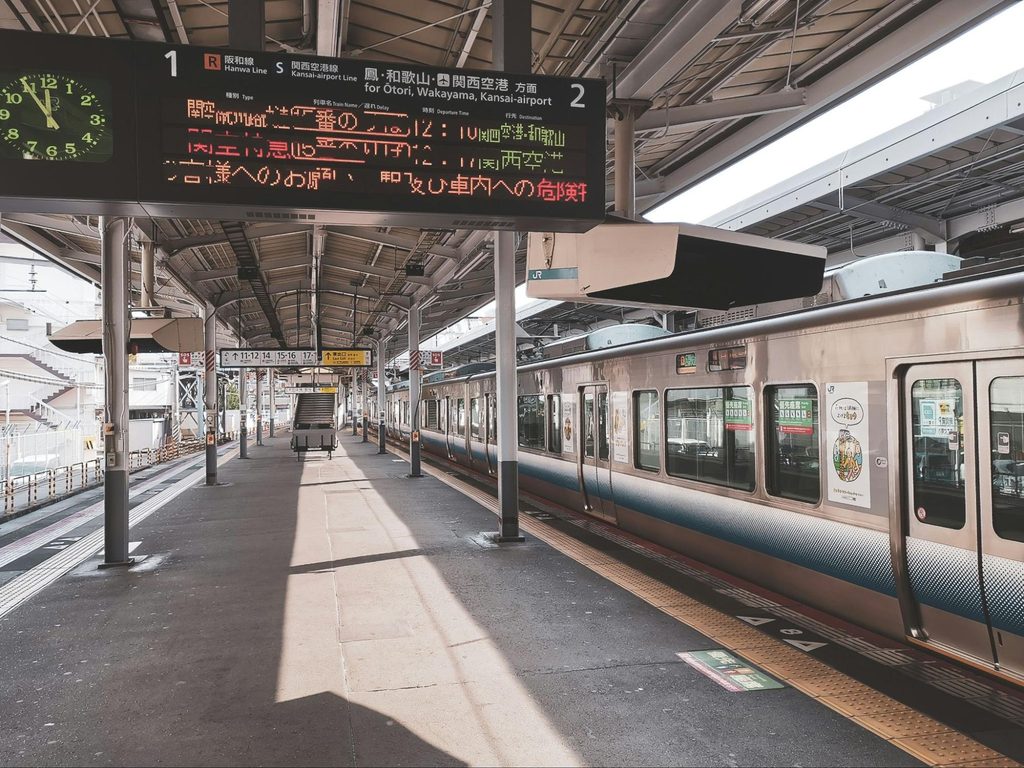
Photo: Unsplash
From the Airports
Narita Airport (Tokyo): The Narita Express (N’EX) is the smoothest option with luggage — around ¥3,000, approximately 50–90 minutes to central Tokyo depending on your destination. The Keisei Skyliner is a comparable alternative. Local rapid trains exist at lower prices but are crowded and harder to manage with bags.
Kansai International Airport (Osaka): The Nankai Rapid express runs to Namba in approximately 38 minutes (¥1,450). If you’re heading to Shin-Osaka to connect onward by Shinkansen, the Haruka limited express is the cleaner route.
Chubu Centrair (Nagoya): If you fly into Nagoya, staying near Nagoya Station makes the first day much easier. The Meitetsu Limited Express connects the airport to Nagoya Station in around 28 minutes.
Between Cities
The fastest route isn’t always the easiest route. With luggage, a route with fewer transfers will feel much smoother than the map suggests — even if it adds a few minutes. Check your exit before you tap out. In Shinjuku, Osaka Umeda, or Nagoya Station, the wrong exit is a 10–15 minute problem.
All travel times and fares are subject to change. Check the JR official website on your travel date for current routes and pricing.
Google Map
Use these maps to plan your route before you head out. Each one is centered on the main station, so you can check station exits, walking routes, and nearby places to eat before you arrive. Group two or three destinations in the same neighborhood to keep daily transit costs under ¥1,000.
Check the station exit and walking route while you’re still on hotel WiFi. Keep mobile data on so your blue dot tracks in real-time once you’re moving.
Tokyo Station
Nagoya Station
Osaka Station
Stay Connected in Japan
You’ll use your phone more than you expect — maps, transit apps, Google Translate, restaurant lookups, currency conversions. Public WiFi exists but is unreliable outside major stations and hotel lobbies. A Japan eSIM gives you data before you land. No rental device to carry, no SIM swap at the airport, no hunting for a convenience store WiFi password.
Get a Japan eSIM : getjapanesim.com