Photo: Unsplash
Introduction
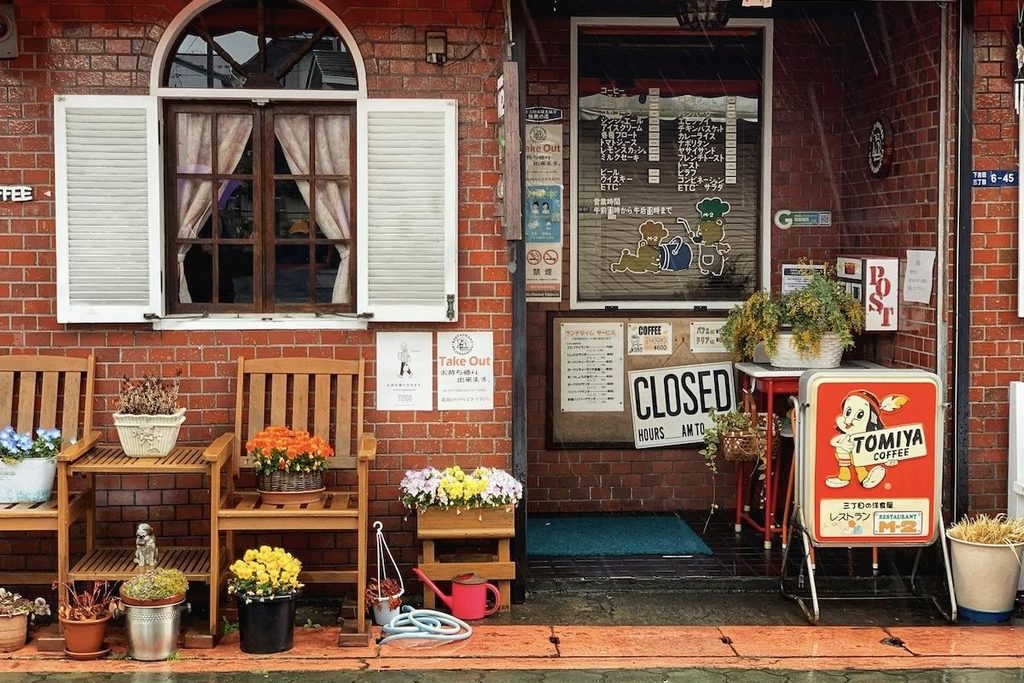
Tokyo has so many chain cafes — think Starbucks and cheap coffees — that end up hiding independent, high quality cafes that would normally attract many customers. However, knowing where to find those cafes and which neighborhoods to explore can be hard to figure out on your own.
This guide covers six neighborhoods where locals actually go for that coffee. Each area has its own atmosphere, and visiting them means getting a side of Tokyo that most tourists never see. The cafes here are not hidden for the sake of being hidden; they are in the right places, doing things the right way.
In this article you will learn:
- The 6 best neighborhoods in Tokyo for hidden and independent cafes
- Recommended specific cafes in each area (18 cafes in total)
- Practical tips for making the most of your cafe hopping
- How to get to each neighborhood by train
overview
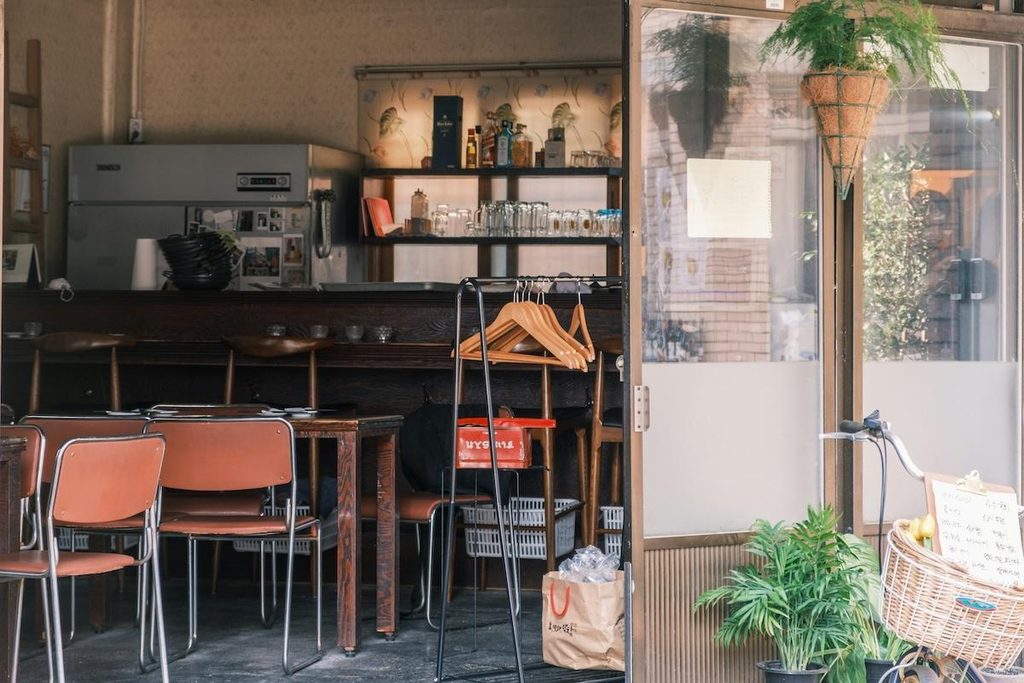
Photo: Unsplash
The six neighborhoods in this guide all have their differences, but they share a few things in common.
Firstly, every area is home to independent cafes run by people who care deeply about what they do. The coffee, the food, the space, the relationship with the neighborhood, all of it is deliberate. Chain cafes cannot offer what these places have. They are places built around a point of view.
Secondly, each area has its own atmosphere. For example, Koenji has townhouse cafes that feel like something out of a picture book. Kiyosumi-Shirakawa is a world-renowned specialty coffee destination. Yanesen still looks much the way it did in the Taisho era. It is hard to believe these places are all part of the same city, Tokyo.
Thirdly, all six neighborhoods are worth exploring on foot beyond the cafes. Shopping, shrines, rivers, old alleyways, gardens — the areas around the cafes are part of what makes visiting them worthwhile. Walking around those areas, no rush, and if you find something interesting, poke your head in. This is the best way to enjoy your time.
Finally, these are places where local people actually spend time. Not tourist attractions, but real neighborhoods with real routines, where people put in elbow grease on the daily. That is what makes the cafes here feel different from anywhere else in Tokyo.
Best Things to Do
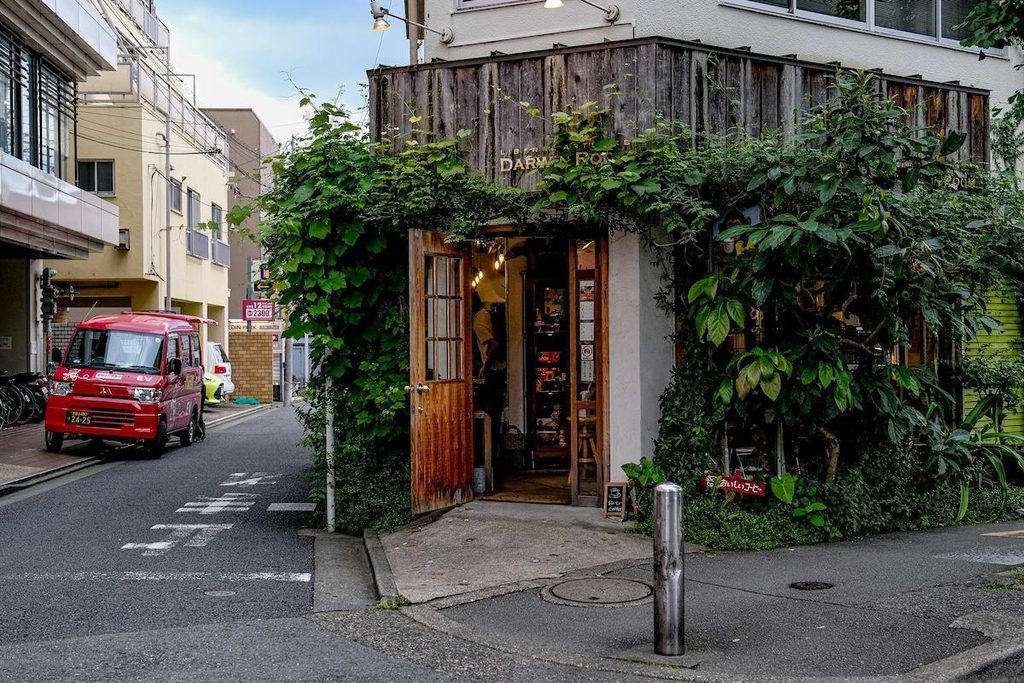
Photo: Unsplash
- Explore the Streets and Hunt for Hidden Cafes
One of the things that makes Tokyo’s hidden cafes special is that they are not easy to find. They exist in narrow alleyways, up staircases in old buildings, or hidden at the back of shopping streets. Walking around, following your feelings on where to look and stumbling across something unexpected, is part of the experience. Finding the cafe is more than half the fun.
- Choose a cafe that suits the character of each area.
Every area in this guide has its own cafe culture. Head to Shimokitazawa for small, creative spaces with a vintage feel. Go to Daikanyama for polished, quiet cafes with a grown-up atmosphere. Visit Yanaka for old wooden buildings turned into cozy cafes. Choose based on your mood, and the experience will feel more suited to you.
- Take Time to Enjoy the Interiors, Cups, and Tableware
Tokyo’s hidden cafes put a lot of thought into how they look. Some are filled with antique furniture and old books. Others are full of plants, or decorated with the owner’s personal collection of art and objects. Many owners also put careful thought into their choice of tableware and cups. Take your time and look around — the interior, the cups, and the tableware are often as interesting as what is on the menu.
- Try a Kissaten — an Old-Style Japanese Cafe
A kissaten is a traditional Japanese cafe that has been part of daily life since the Showa era. Unlike modern specialty coffee shops, kissaten are slow, quiet, and deeply local. Coffee is brewed carefully, the seats are comfortable, and nobody rushes you. If you have never experienced one, Tokyo’s older neighborhoods are the best place to start. Some kissaten examples in this guide : COFFEE HALL Kugutsusou in Kichijoji, Ihatove in Shimokitazawa, Kayaba Coffee in Yanesen.
Recommended spots
Kichijoji
Kichijoji is known as one of Tokyo’s most competitive cafe neighborhoods. Hidden cafes are tucked away up staircases in old buildings, down in basement spaces, and along narrow streets. Finding the entrance is also part of the fun, actually. Many cafes here also have a special lunch menu, making Kichijoji a great place to combine eating a special lunch at a cafe and hopping with a walk through Inokashira Park in the afternoon.
- Komagura Cafe
A hidden cafe on the third floor of an old building, about 5 minutes on foot from Kichijoji Station’s north exit. The interior is warm and cozy, filled with antique furniture and dried flowers. The signature seasonal parfait changes with the fruits available, so each visit brings something different.
Opening hours: 11:30-19:00 (closed Mondays)
Location: Google maps
- COFFEE HALL Kugutsusou
A legend of the kissaten world tucked quietly under the Daiya-gai shopping arcade. Walk down a stone staircase and through an iron door, and you will find yourself in a cave-like space that feels completely removed from the busy city. The coffee is made using beans aged for over two years, brewed carefully by Nel drip which is a traditional Japanese pour-over method. The house curry, unchanged since opening, is a local favorite. Open until 22:00, every day of the year.
Opening hours: 10:00-22:00 (open year-round)
Location: Google maps
- Pepacafe Forest
A Thai cafe located inside Inokashira Park, surrounded by trees. Sitting here with the park around you, it is easy to forget you are in a busy city like Tokyo. You can enjoy the view of the park in every season from the terrace seats. And the menu features authentic Thai and Vietnamese dishes. Pepacafe Forest is also certified by the Royal Thai government.
Opening hours: 11:00-21:00 (closed Tuesdays)
Location: Google maps
Shimokitazawa
Shimokitazawa is the kind of neighborhood where you can find a great cafe just by walking around. Vintage shops, lifestyle shops, and cafes sit side by side on the same narrow streets, and the overall atmosphere carries through into the interiors, small, personal, and full of character.
- Ihatove
A kissaten that has been part of Shimokitazawa since 1977. The name comes from a word coined by the Japanese poet Kenji Miyazawa, meaning ideal land. Inside, jazz and rock play at a decent volume, old books line the shelves, and the wooden interior feels lived-in and warm. Coffee, light food, and alcohol are all on the menu, and the place stays open late into the evening.
Opening hours: 12:00-19:00 (open daily)
Location: Google maps
- Bear Pond Espresso
A small coffee stand about 5 minutes on foot from Shimokitazawa Station, marked by a red bear neon sign. The owner, Katsuyuki Tanaka, has an international reputation for his approach to espresso, and the cafe draws repeat visitors from overseas. Seating is limited to around 6 seats with a 30-minute time limit. Note that espresso shots are not served after 13:00. One of several house rules that make this place unlike any other.
Opening hours: 9:00-18:30 (closed Tuesdays)
Location: Google maps
- COFFEA EXLIBRIS
A specialty coffee shop that has been open since 2005, about 7 minutes on foot from Shimokitazawa Station. The beans are sourced by a world-renowned buyer and roasted in-house, with a focus on quality above all else.
Opening hours: 11:00-19:00 (closed Tuesdays)
Location: Google maps
Daikanyama
Daikanyama is a neighborhood where tree-lined streets and carefully chosen cafes exist side by side. Never noisy or rushed here. Just walking around and stepping into whichever cafe catches your eye is enough to enjoy what Daikanyama does best.
- Caffe Michelangelo
Open since 1997, Caffe Michelangelo sits along the old Yamate-dori street in Daikanyama, shaded by a 300-year-old keyaki tree. The interior recreates the feel of a classic Italian cafe. And the menu runs from pasta and risotto at lunch to the signature Michelangelo pudding available all day. It has been selected as one of Tabelog’s top 100 cafes in eastern Japan which is Japan’s largest and most trusted restaurant and cafe search and review platform.
Opening hours: Weekdays 11:00-22:00 / Weekends and holidays 10:30-22:00 (closed Wednesdays)
Location: Google maps
- Shokudo Grigio
A relaxing diner that serves Italian and Western à la Japanese, such as pastas and curries. Along Castle Street, about 4 minutes on foot from Daikanyama Station. The layout is very interesting. The counter seating on the ground floor, and the table seating is in a semi-basement below. The grilled chicken curry at lunch has a loyal local following, and the fact that it stays open until midnight makes it one of the more flexible spots in the neighborhood.
Opening hours: 11:30-24:00 (closed Tuesdays and Wednesdays)
Location: Google maps
- GARDEN HOUSE CRAFTS DAIKANYAMA
A bakery cafe located inside LOG ROAD DAIKANYAMA, surrounded by green. The bread is made using carefully selected wheat and house-made yeast. And the wide wooden deck terrace is one of the most relaxed outdoor spots in the area. Mornings start at 8:30, and on weekends the terrace fills with families and dog walkers — a very Daikanyama kind of scene.
Opening hours: 8:30-18:00 (open daily)
Location: Google maps
Koenji
Koenji’s cafe scene matches its vintage scene. Full of character and very much its own thing. Artists and musicians have long called this neighborhood home, and the cafes here reflect that.
- HATTIFNATT — Koenji no Ouchi
A converted old house about 4 minutes on foot from Koenji Station’s north exit. The entrance is very tiny, you might have to duck to get in. And you will find walls covered in hand-drawn illustrations and a loft space that feels like a secret hideout. Open until 21:00, making it a good option for an evening visit as well.
Opening hours: 12:00-21:00 (L.O. 20:00)
Location: Google maps
- R-za Dokushokan (Reading Room Cafe)
A cafe where talking is not allowed. Open since 2008, R-za Dokushokan was created as a space for escaping reality and spending time with yourself. The interior is modeled on the inside of a train carriage. And the only sounds are the quiet flow of water from an aquarium and soft classical music. Each seat has its own feel. It is recommended to bring your book and visit by yourself.
Opening hours: 12:00-22:30 (closed Mondays)
Location: Google maps
- Yonchome Cafe
Open since 1987, this cafe sits on the second floor of a building just 1 minute from Koenji Station’s south exit. It is known as the inspiration behind “The Fourth Avenue Cafe”, a song by Japanese famous rock band L’Arc~en~Ciel, whose vocalist Hyde is said to have written the lyrics with this cafe in mind. The interior has an antique, American diner feel, and the house-made chili meat taco rice is the bestseller.
Opening hours: 11:30-22:00 (open daily)
Location: Google maps
Yanesen (Yanaka / Nezu / Sendagi)
Yanesen area covers Yanaka, Nezu, and Sendagi. This area is one of Tokyo’s most historically preserved neighborhoods. It survived both the Great Kanto Earthquake and the air raids of World War II, which is why old wooden houses, temples, and narrow lanes are still standing here today. The cafes in this area tend to reflect that history. Many are housed in renovated old buildings where the space itself is part of the experience.
- Kayaba Coffee
This kissaten that has been part of the neighbourhood since 1938, was built around 1916. It had to be closed once, but was brought back in 2009 through the efforts of locals who did not want to lose it. The interior has been carefully preserved — brick counter on the ground floor, tatami mats and low tables upstairs. The signature dishes are the tamago sando (egg sandwich) and the Lucian, a blend of coffee and cocoa that has been on the menu since the beginning. Open from 8:00, making it a good option for breakfast.
Opening hours: 8:00-18:00 (closed Mondays)
Location: Google maps
- Lecoin
The dried flower cafe that opened in 2021 inside a renovated old townhouse. The interior is filled with dried flowers from floor to ceiling. This atmosphere feels closer to a French antique shop than a Tokyo cafe. The seasonal parfaits — which change monthly with flavors like peach, mimosa, and rose — are the main draw, and the visuals are genuinely striking. Also you can buy dried flowers, and custom bouquets can be ordered.
Opening hours: 11:00-18:00 (open daily)
Location: Google maps
- HAGISO (HAGI CAFE)
A 1955 wooden apartment building that was converted into what its founders call a “minimum cultural complex”. The ground floor houses a cafe and gallery, and the upper floor has a hotel reception. The building was originally used as an atelier and shared house by students from the nearby Tokyo University of the Arts. It was slated for demolition, but saved through community action. The cafe serves breakfast from 8:00 and stays open into the evening, with a menu built around local seasonal ingredients.
Opening hours: 8:00-10:30 (morning), 12:00-20:00 (cafe and gallery)
Location: Google maps
Kiyosumi-Shirakawa
Kiyosumi-Shirakawa is known as Tokyo’s coffee capital. The neighborhood sits along a quiet stretch of the Sumida River. And the combination of waterside calm and world-class specialty coffee makes it unlike anywhere else in the city. For coffee lovers, a full day of cafe hopping here is time very well spent.
- Allpress Espresso Tokyo Roastery & Cafe
Allpress Espresso started in New Zealand in 1989 and opened its Tokyo roastery in this neighborhood. The roasting machine is visible through glass from the cafe floor. so you can watch the process while you drink. The space is open and comfortable, with Wi-Fi and power outlets available. It is a short walk from the station through quiet residential streets, which adds to the relaxed feeling of the visit.
Opening hours: Weekdays 9:00-17:00 / Weekends and holidays 10:00-18:00 (open daily)
Location: Google maps
- ARiSE COFFEE ROASTERS
ARiSE opened in 2013 and is widely credited as one of the shops that put Kiyosumi-Shirakawa on the map as coffee capital. The owner, Hiroki Hayashi, spent over a decade as a professional roaster before opening this shop. The selection of coffee beans is impressive. Around 40 types of beans at any given time, with a particular focus on Asian origins. The interior is full of personality: skateboards on the walls, Thai music playing, and objects collected from the owner’s travels. Even the founder of Blue Bottle Coffee, which is a premier specialty coffee roaster, has stopped in here.
Opening hours: 10:00-17:00 (closed Mondays)
Location: Google maps
Travel Tips
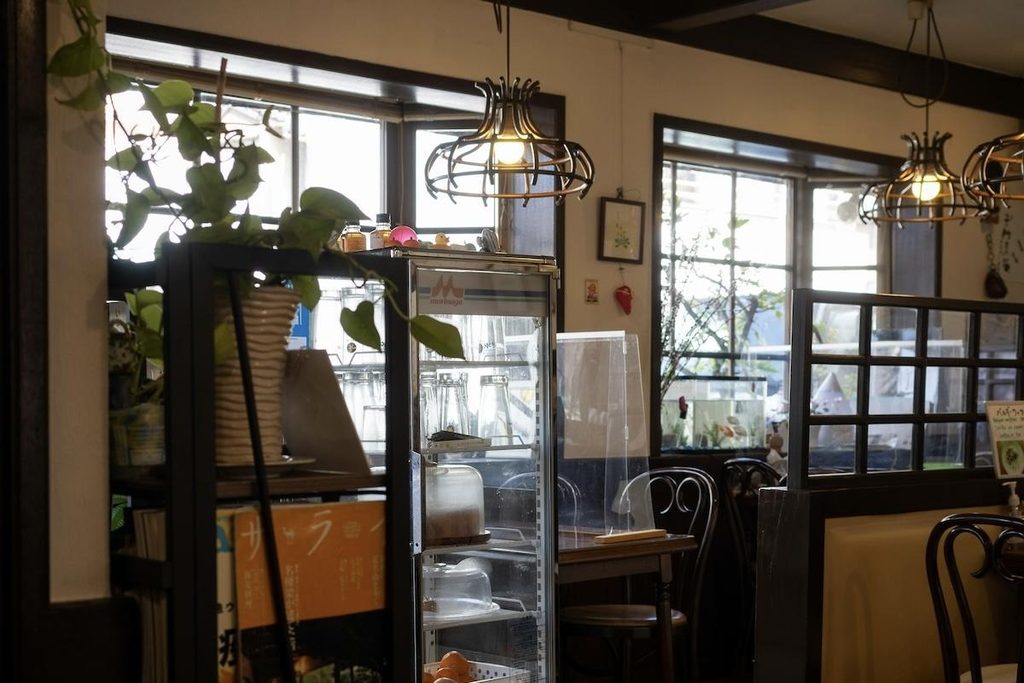
Photo: Unsplash
- Visit on a Weekday or in the Morning
Popular hidden cafes can get busy on weekends, especially in Kichijoji and Daikanyama. Visiting on a weekday or arriving in the morning gives you a much better chance of getting a seat and enjoying a relaxed atmosphere.
- Be Prepared to Wait
Most cafes in this guide have between 6 and 20 seats. At popular spots, a short queue is not unusual. Give yourself enough time so that waiting does not feel like a problem.
- Carry Some Cash
Some independent cafes do not accept card payments. For example, R-za Dokushokan in Koenji is cash only. Having a few thousand yen on hand will cover most situations.
- Consider Takeaway
Some cafes offer takeaway options. If a cafe is full, getting your coffee to go and walking around the neighborhood is a perfectly good alternative. This is a very Tokyo way to spend an afternoon.
- Use an eSIM for Google Maps and Translation
Hidden cafes are often tucked down narrow alleys or up staircases in old buildings. With an eSIM, you can use Google Maps and translation apps anywhere — no Wi-Fi needed. Check out our recommended eSIM options for Japan here: https://getjapanesim.com
Access
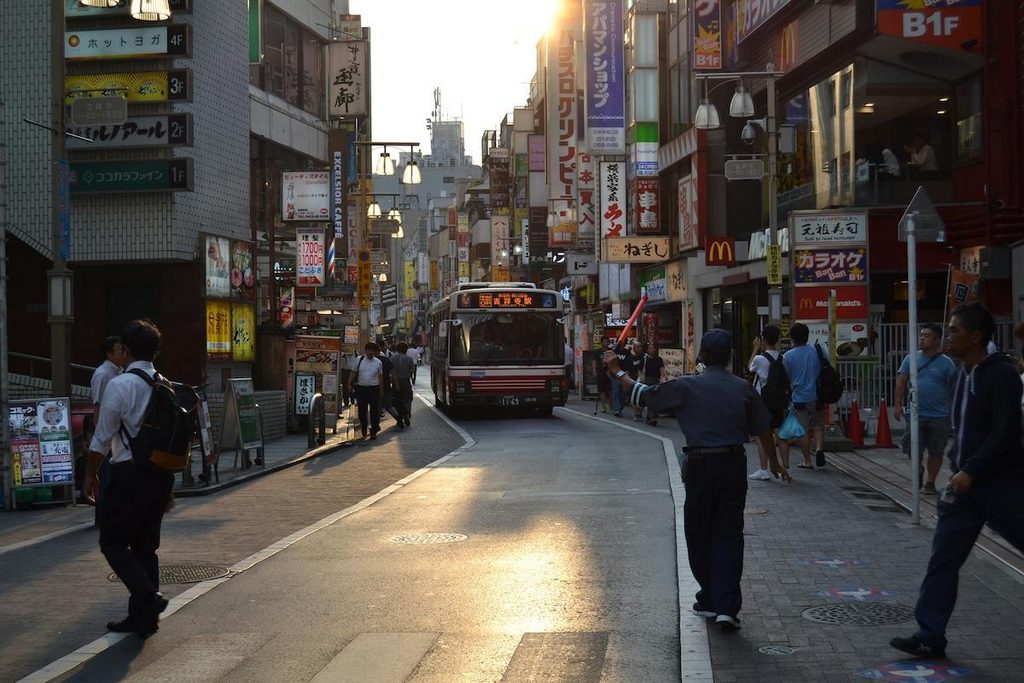
Photo: Unsplash
All six neighborhoods are easy to reach by train from central Tokyo.
Kichijoji
- From Shinjuku: JR Chuo Line (rapid), about 15 minutes
- From Shibuya: Keio Inokashira Line (express), about 30 minutes
- From Tokyo Station: JR Chuo Line (rapid), about 25 minutes
- Location: Google maps
Shimokitazawa
- From Shibuya: Keio Inokashira Line, about 5 minutes
- From Shinjuku: Odakyu Line, about 10 minutes
- From Tokyo Station: Transfer at Shibuya, about 25 minutes total
- Location: Google maps
Daikanyama
- From Shibuya: Tokyu Toyoko Line, about 2 minutes
- From Shinjuku: Transfer at Shibuya, about 15 minutes total
- From Tokyo Station: Transfer at Shibuya, about 25 minutes total
- Location: Google maps
Koenji
- From Shinjuku: JR Chuo Line (local), about 5 minutes
- From Shibuya: Transfer at Shinjuku, about 20 minutes total
- From Tokyo Station: JR Chuo Line, about 20 minutes total
- Location: Google maps
Yanesen (Sendagi station)
- From Tokyo Station: JR Yamanote Line to Nippori, about 10 minutes
- From Shinjuku: JR Yamanote Line to Nippori, about 25 minutes
- From Shibuya: JR Yamanote Line to Nippori, about 30 minutes
- From Nippori Station: About 10 minutes on foot to Yanaka area
- Location: Google maps
Kiyosumi-Shirakawa
- From Shibuya: Tokyo Metro Hanzomon Line (direct), about 23 minutes
- From Shinjuku: Transfer at Shibuya, about 35 minutes total
- From Tokyo Station: Transfer at Otemachi (Hanzomon Line), about 15 minutes total
- Location: Google maps
A great way to spend a day is to combine two or three neighborhoods. Kichijoji and Shimokitazawa work well together, as do Daikanyama and Koenji. Yanesen and Kiyosumi-Shirakawa make a good pairing for a full day out. For real-time routes, use Google Maps on the day of your visit.
Train schedules can vary, and Google Maps is usually the quickest way to check connections on the day. For a reliable internet connection, it’s recommended to use an eSIM here : https://getjapanesim.com
Summary
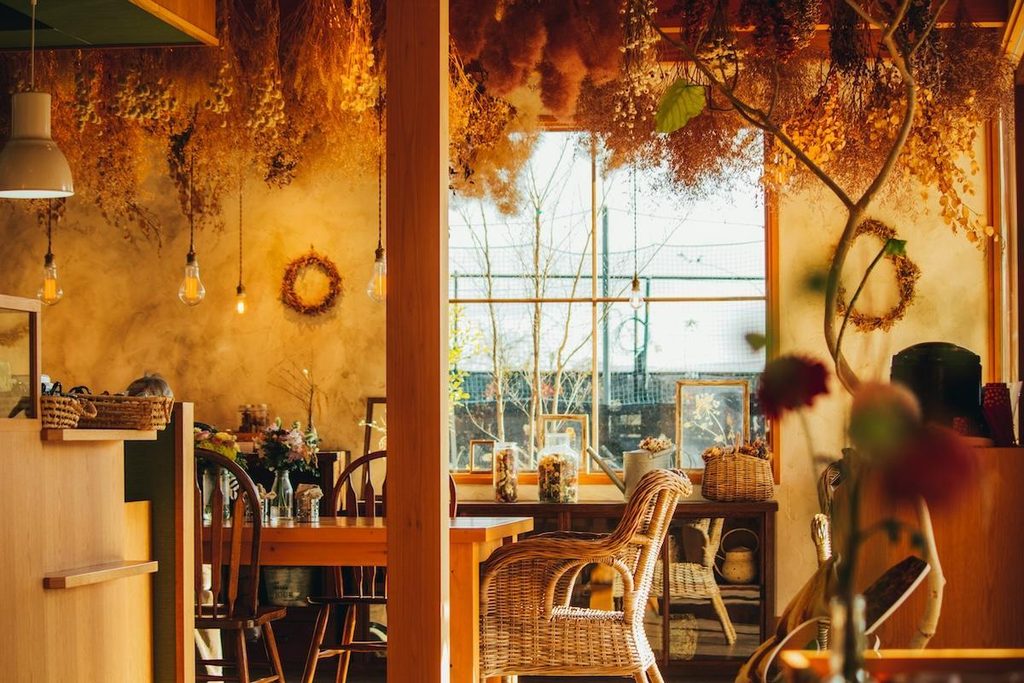
Photo: Unsplash
Tokyo’s cafe culture looks completely different depending on where you are. Kiyosumi-Shirakawa is a world-class specialty coffee destination. Koenji has old townhouse cafes that feel like something out of a picture book. Yanesen offers coffee inside buildings that have stood for over a hundred years. The same word “cafe” means something different in each of these areas.
Tokyo has plenty of high-quality chain cafes, and there is nothing wrong with them. But the independent cafes in this guide offer something different. The owner’s passion for coffee, the care put into the space, the connection to the local community. All of it comes through in every cup of coffee, every plate of food, and every dessert that is placed in front of you.
Walking between cafes and exploring the streets around them gives you access to a side of Tokyo that most visitors never see. Each shop has its own story, and visiting them one by one will bring surprises you did not expect.
To navigate these neighborhoods comfortably, having reliable internet access on your phone makes a real difference. Many cafes are tucked away down narrow streets or up unmarked staircases. An eSIM gives you access to Google Maps and translation apps from the moment you arrive. Check out our recommended eSIM options for Japan here: https://getjapanesim.com