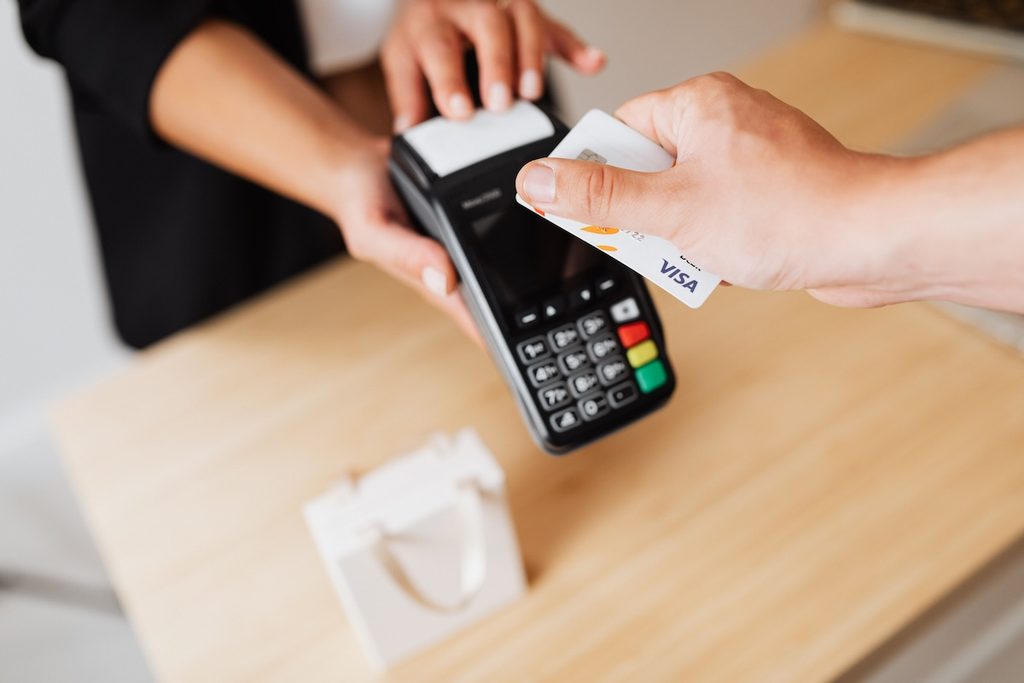
Photo: Pexels
Payment methods can be a surprising source of confusion for first-time visitors to Japan. Japan is known for being convenient in so many ways. Yet a credit card alone still does not cover every situation. Cashless payments have spread widely across major cities, yet certain moments still call for cash and nothing else. This article walks you through the full picture of paying in Japan: cash, IC cards, credit cards, and QR code payments. It covers when each one actually works.
In this article you will learn:
- Where cash is still required in Japan
- How to use IC cards and what to watch for
- Which stores accept credit cards, and which do not
- How QR code payments work and why they can be tricky for visitors
- Which ATMs let you withdraw cash with a foreign card
Overview
Cashless payments have steadily picked up across Japan in recent years, with the government actively encouraging the shift. More stores now accept credit cards. However, many card readers still lack tap-to-pay support, so a PIN or signature is often required instead. QR code apps like PayPay tend to be more popular among locals than credit cards.
For many people visiting from abroad, the payment habits they rely on at home do not always translate. Once they land in Japan, that becomes clear fast. Cash still comes up more often than expected.
Planning ahead for which payment methods to rely on can cut down on unnecessary stress during a stay in Japan. Having a reliable internet connection from the start helps just as much. Get your Japan eSIM here.
Cash Culture in Japan
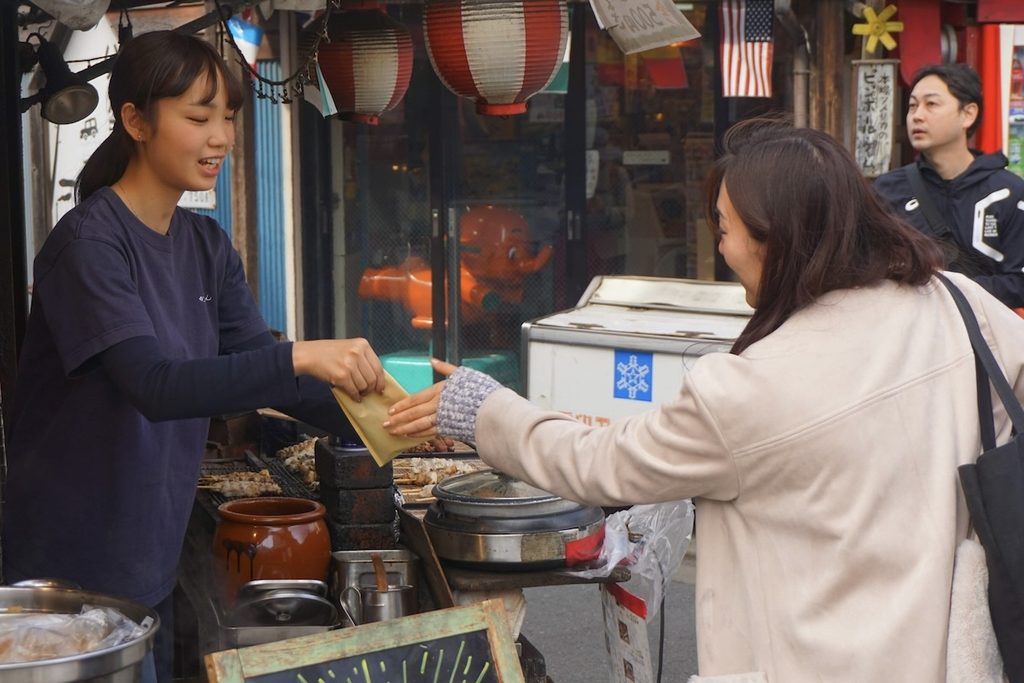
Photo: Pexels
Japan’s strong cash culture is rooted partly in its high level of public safety. Carrying money around feels like a low-risk situation for most people here. Cash also holds an extra kind of trust: it still works when the power goes out. This matters in a country prone to earthquakes.
Processing fees for cards and QR payments also weigh on smaller businesses. This gives many shop owners a reason to prefer bills and coins. Vending machines are everywhere, too, which reinforces the habit.
Shrine offerings and festival food stalls are two more places where coins do all the work. Keeping a bit of change on hand makes these everyday moments go a lot more smoothly.
At the same time, a real shift toward cashless payments has been underway. Preparations for the Tokyo 2020 Olympics pushed the government to act. It encouraged businesses to offer more payment options for people visiting from overseas. Labor shortages, a growing number of tourists, and rising demand for contactless payments have all played a part. This change has continued since then. Japan is moving from a country known purely for cash. Today, the two systems sit side by side.
IC Cards: Suica and Pasmo
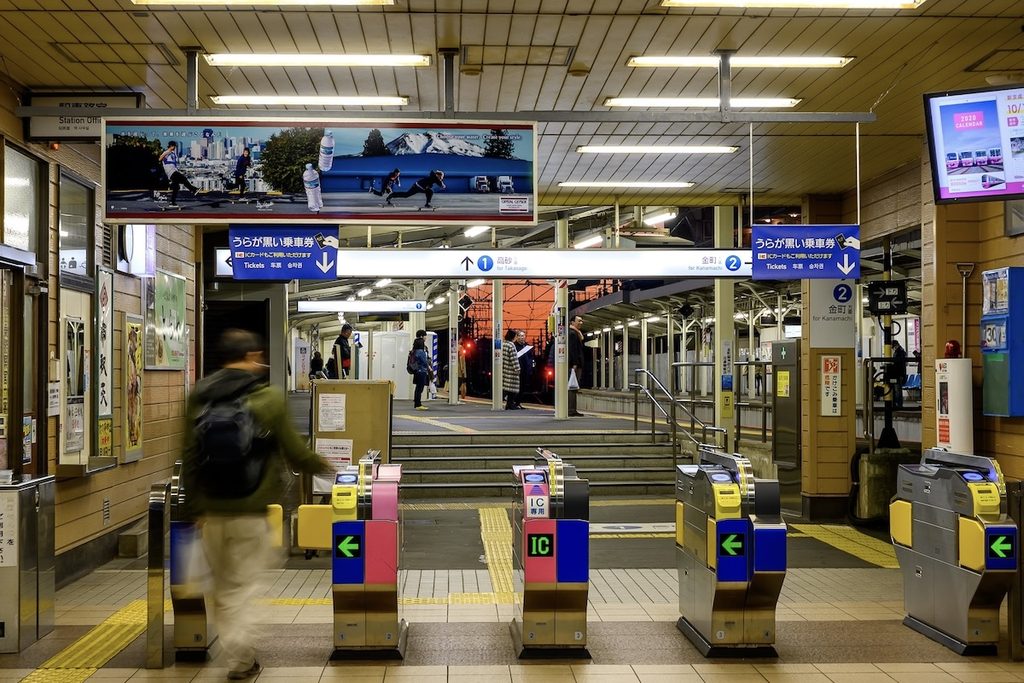
Photo: Pexels
Suica and Pasmo are IC cards used for trains and buses. They also work for payments at convenience stores and vending machines. If a phone’s region settings or model supports Mobile Suica, it can be added directly. That makes things extremely convenient. If not, a physical card needs to be purchased from a station ticket machine instead.
Charging a physical IC card at these machines requires cash. Credit cards are not accepted for this step. That often becomes a point of confusion, since the card itself exists for cashless payments. Keeping some bills on hand solves the problem before it starts.
One exception is worth knowing about. Some railway operators have recently introduced a touch-to-ride service. It lets people tap a contactless credit card directly at the ticket gate instead of using an IC card. No pre-charging is required, which is convenient. This option, however, remains limited to select operators and does not cover major networks like JR East. So an IC card is still the more dependable choice for now.
Credit and Debit Cards
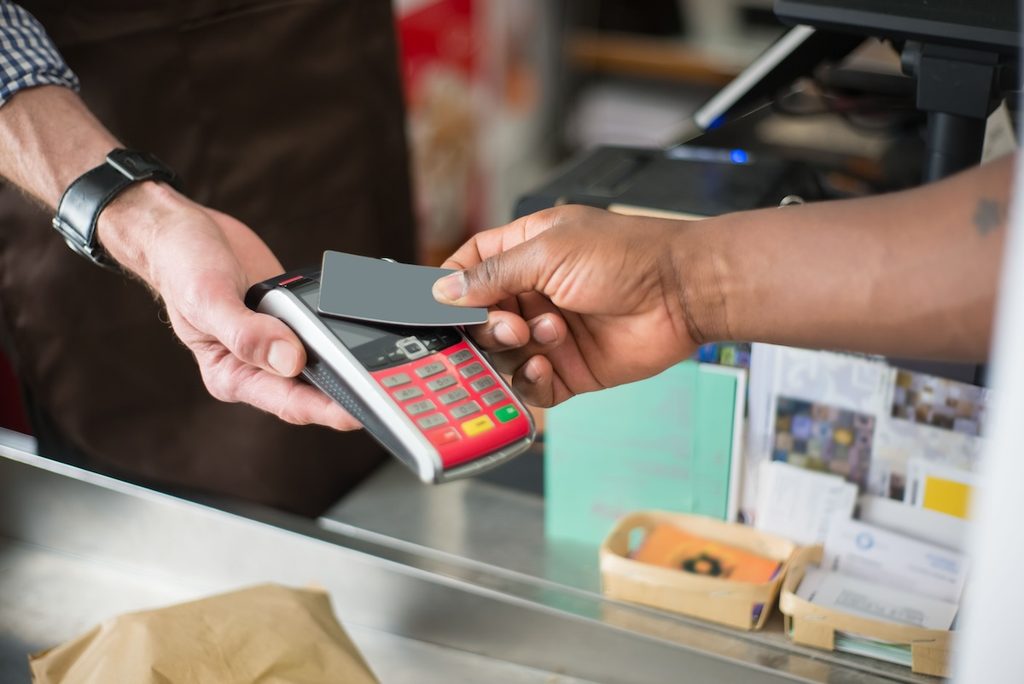
Photo: Pexels
More stores across Japan now accept credit cards, but some card readers still lack tap-to-pay support. A PIN may be requested instead, and for anyone used to contactless payments, this sometimes proves unexpectedly stressful. The fear of mistyping it and having the card locked is enough to make some people default to cash.
Some shops will switch to a signature instead, if asked. This varies from place to place. Independently run stores, especially smaller ones or in rural areas, may not accept cards at all. Carrying some cash as a backup remains a wise habit.
QR Code Payments
QR code payments, led by PayPay, have spread rapidly across Japan. Government-led cashless initiatives combined with aggressive point-reward campaigns have pushed everyday use significantly among locals.
However, for those visiting Japan, getting started may seem like a hurdle. Using these apps typically requires downloading them and pre-charging a balance before the first purchase. Beyond PayPay, apps like Rakuten Pay are also widely used. Each one supports different credit card brands with its own point-reward system. Even Japanese residents tend to switch between apps depending on the situation.
However, foreign-issued credit cards may not be supported, so PayPay is not always a practical option for visitors.
Paying at Convenience Stores and Vending Machines
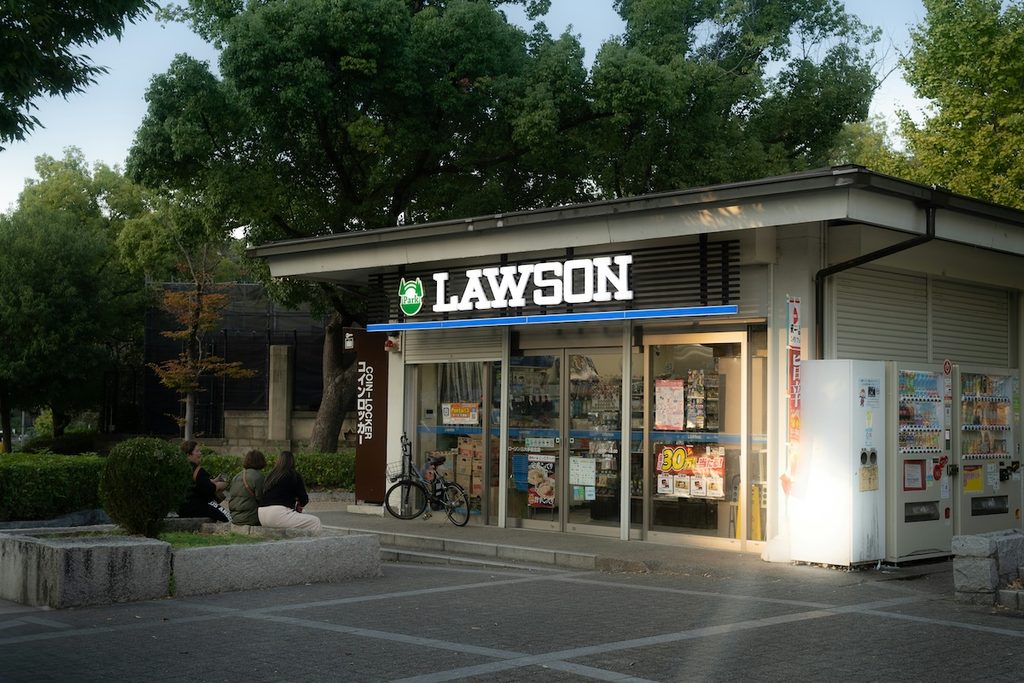
Photo: Unsplash
Major convenience stores accept nearly every payment method available in Japan. Credit cards, IC cards, QR code apps and cash all work here, and even small purchases go through without issue. A convenience store is usually the safest bet when in doubt.
Vending machines tell a different story. They are one of Japan’s most iconic sights, yet most of them do not accept credit cards. An IC card or a handful of coins is typically the only way through. Anyone planning to wander the streets and stop at machines along the way should have one of these ready.
ATMs for Foreign Cards
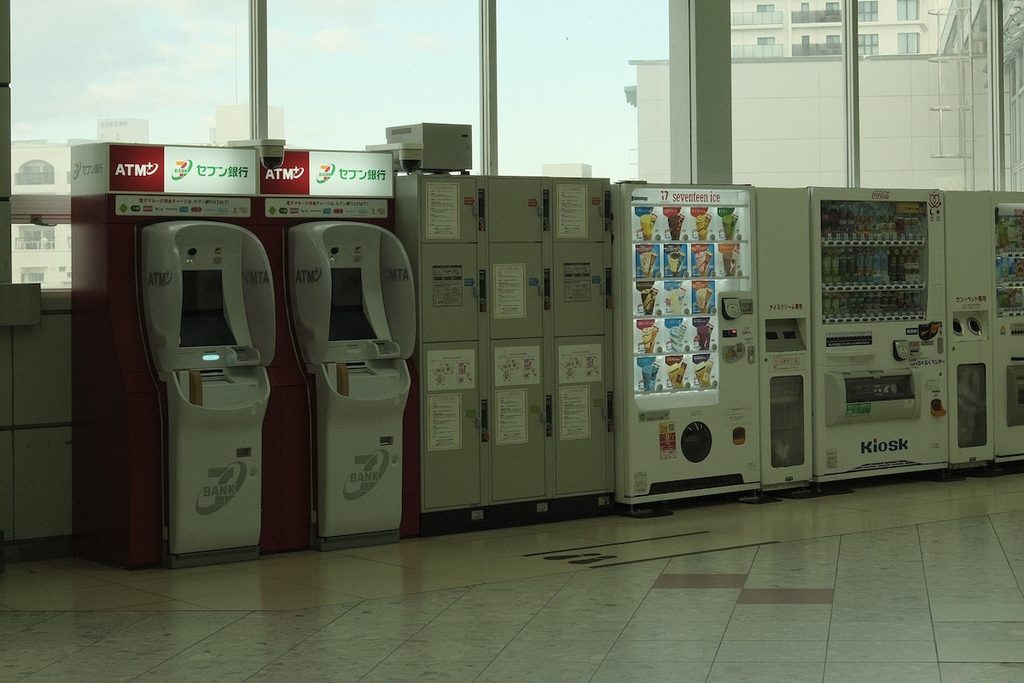
Photo: Pexels
Not every ATM in Japan works with cards issued overseas. Many standard Japanese bank ATMs simply do not accept them, which can catch visitors by surprise.
Seven Bank ATMs, part of the same group as Seven-Eleven, are the most dependable option. They accept a wide range of foreign-issued cards, including Visa, Mastercard, UnionPay, American Express, JCB, Discover, and Diners Club. Many ATMs also allow withdrawals to be made using JPY or the main currency of the account at a slightly higher exchange rate. The resulting bills will always be in JPY, however, seeing the equivalent in a value that you are used to may bring some peace of mind. Most transactions are capped at 100,000 yen, though magnetic stripe cards are limited to 30,000 yen, and fees vary depending on the card issuer.
Seven Bank ATMs can be found at many 7-Eleven stores across Japan, along with many airports and major train stations. They are easy to spot by the number “7” on the screen.
Looking up which ATMs accept foreign cards ahead of time saves a lot of hassle later. A reliable internet connection from the moment of landing also makes it far easier to search for the nearest one.
Staying connected from the moment of arrival makes a real difference. It becomes far easier to search for the nearest ATM or double-check anything else on the spot. Get your Japan eSIM here.
Tipping in Japan
Tipping is not part of the culture in Japan. There is generally no need to leave one at a restaurant, in a taxi, or at a hotel. Offering money can actually leave staff confused, and it is not unusual for them to politely decline it.
The best way to show appreciation is through words instead of tips. A simple “Arigato gozaimasu” (thank you so much) often means more than any tip could. A little warmth in your words is the kind of thanks that means the most here.
Common Mistakes to Avoid
- Arriving without any cash.
Assuming a credit card or mobile payment app will cover everything is a common mistake. Some independently run shops and certain ticket machines still only accept cash.
- Expecting IC card charging is always cashless for physical cards.
Charging a physical Suica or Pasmo card at a station ticket machine usually requires cash.
- Believing vending machines take cards.
Most rely on cash or IC cards instead. Having one ready before heading out avoids an awkward moment at the machine.
- Locking a card with an unfamiliar PIN.
Anyone used to tap-to-pay often struggles when asked for a PIN. Repeated mistakes can lock the card, so double-checking it before the trip is worth the extra minute.
- Overcharging an IC card.
Loading one up just in case can backfire, since refunding unused balance is often a hassle and may involve a fee. Charging only what is needed for the length of the stay avoids the problem entirely.
- Thinking all QR code payment apps work the same way.
PayPay and Rakuten Pay are each accepted at different sets of stores. One app alone does not guarantee coverage everywhere.
- Trying to tip and making staff uncomfortable.
Even with good intentions, offering a tip in Japan can leave staff confused. Telling thank you goes further than cash.
Summary
Photo: Pexels
Payment in Japan is a mix of cash, IC cards, credit cards, and QR code apps. No single method covers every situation.
Cashless payments have spread widely across cities. Cash, though, is still needed at independently run shops, vending machines, and when charging an IC card. Having both cash and a card on hand helps. So does knowing roughly where each method works, for a smoother trip overall.
There may be moments that feel a little inconvenient along the way. That is part of the charm of traveling in Japan, worth embracing as just another piece of the experience.