Introduction
Are you thinking about staying at a traditional Japanese ryokan during your trip to Japan?
A ryokan is much more than just a place to sleep. It is a unique cultural experience where you can enjoy traditional Japanese hospitality, relax in natural hot springs, taste beautifully prepared local cuisine, and experience a peaceful atmosphere that is beyond anything a modern hotel can provide.
For many international visitors, spending a night at a ryokan becomes one of the most memorable parts of their journey. Whether you stay in a mountain hot spring town, a historic city like Kyoto, or a countryside village, a ryokan allows you to experience Japanese traditions that have been passed down for centuries.
If it is your first time staying at a ryokan, you may have questions about how to book one, what facilities are available, what etiquette you should follow, and what to expect during your stay. Don’t worry—this guide will explain everything you need to know before your visit.
In this article, you will learn:
- What a ryokan is
- What happens during a typical stay
- How to choose and book a ryokan
- Traditional etiquette and useful tips
- What to bring for your stay
What Is a Ryokan?
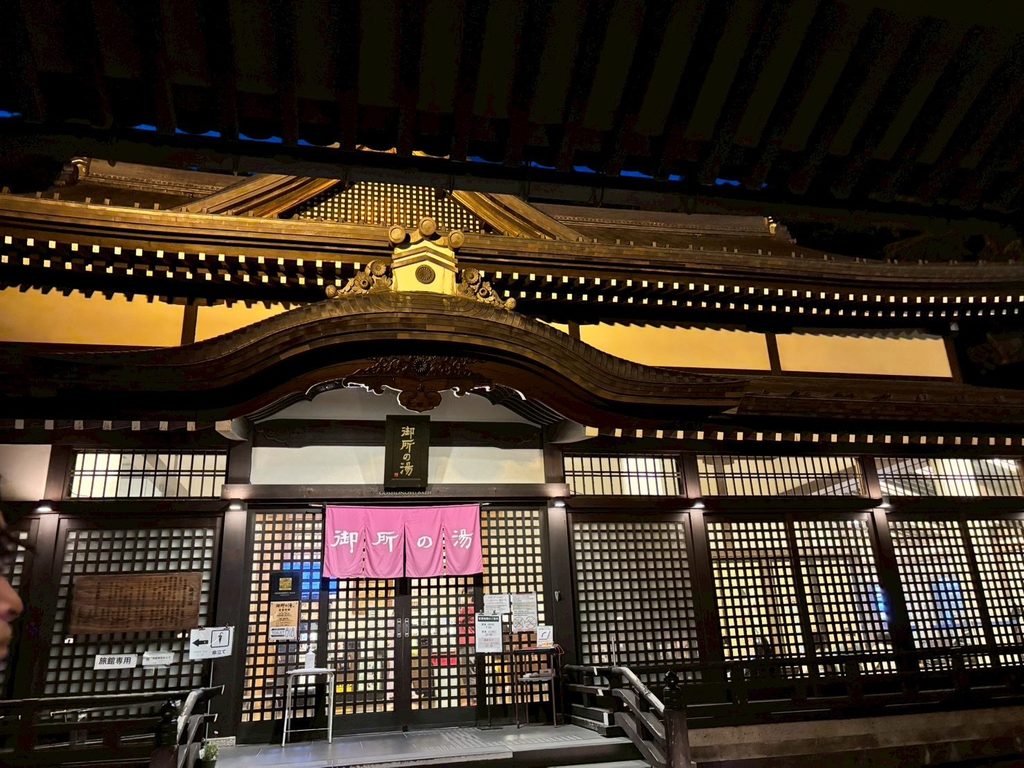
A ryokan is a traditional Japanese inn that offers guests the opportunity to experience Japanese culture in a relaxing and authentic setting. Unlike modern hotels, ryokans focus on hospitality, comfort, and seasonal experiences.
Many ryokans have been operating for decades or even hundreds of years, welcoming guests from all over Japan and around the world. They are especially popular in hot spring towns, where visitors can enjoy beautiful scenery while relaxing in natural onsen baths.
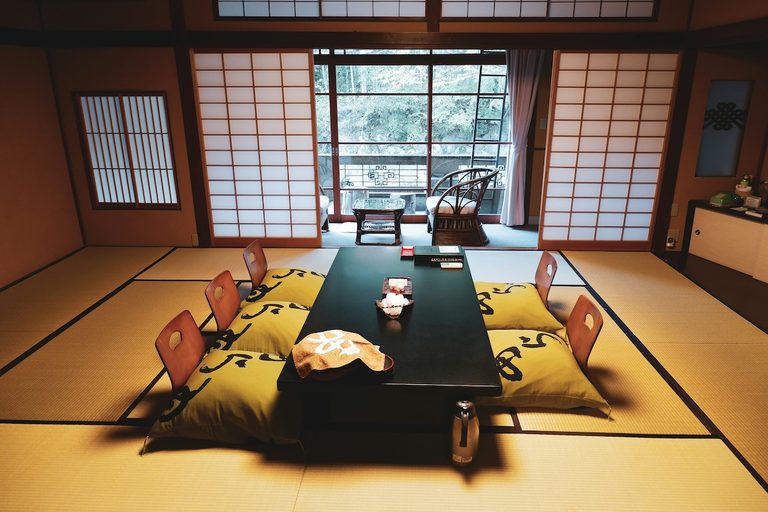
Inside a ryokan, you will usually find traditional Japanese-style rooms with tatami mat floors, sliding paper doors, and futon bedding instead of Western-style beds. Many rooms also feature large windows overlooking gardens, mountains, rivers, or historic streets, creating a peaceful atmosphere throughout your stay.
Some luxury ryokans even offer private open-air baths, allowing guests to soak in hot spring water while enjoying beautiful natural views.
Why Stay at a Ryokan?
Many travelers wonder whether staying at a ryokan is worth the higher price compared to a hotel.
For most visitors, the answer is yes.
A ryokan is not simply accommodation—it is an experience that allows you to slow down and appreciate Japanese culture.
During your stay, you can enjoy:
- Traditional hot spring baths
- Multi-course Japanese dinners (kaiseki cuisine)
- Beautiful gardens and peaceful surroundings
- Wearing a yukata provided by the ryokan
- Relaxing with green tea in your room
- A quiet atmosphere away from busy cities
Rather than rushing from one sightseeing spot to another, staying at a ryokan encourages you to relax and enjoy the slower pace of traditional Japan.
What Does a Typical Ryokan Room Look Like?
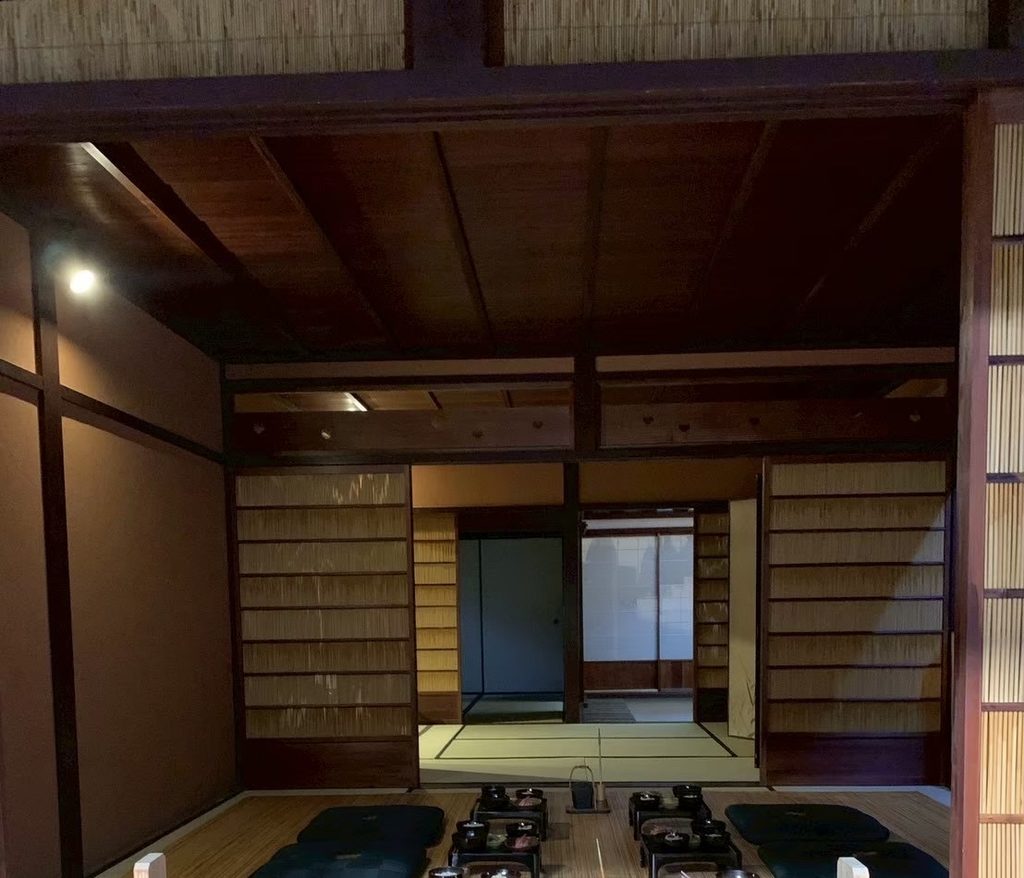
Traditional ryokan rooms are quite different from hotel rooms that many international travelers are familiar with.
Instead of beds, you will usually sleep on a comfortable futon placed directly on the tatami floor. During the day, the room is arranged as a living space with a low wooden table and floor cushions. In the evening, staff prepare the futon while guests enjoy dinner or relax in the hot spring.
Most rooms include:
- Tatami flooring
- Sliding paper doors (shoji)
- A low table and cushions
- Futon bedding
- Tea set with Japanese green tea
- Closet for storing luggage
- Air conditioning and heating
Higher-end ryokans may also provide private bathrooms, balconies, or outdoor baths attached to the room.
Although the rooms are simple in design, they are carefully arranged to create a calm and comfortable atmosphere.
Checking In at a Ryokan
The check-in process at a ryokan is usually more personal than at a standard hotel.
When you arrive, staff members often welcome you warmly and may invite you to sit down while your check-in is completed. In many ryokans, guests are offered a cup of green tea and a traditional Japanese sweet as a welcome refreshment.
After checking in, a staff member may personally guide you to your room and explain the facilities, including meal times, hot spring hours, and other important information.
Unlike large hotels where guests often find everything on their own, ryokans emphasize personalized service and attention to detail.
Wearing a Yukata
One of the most enjoyable parts of staying at a ryokan is wearing a yukata, a light cotton kimono provided for guests.
Most ryokans provide yukata in different sizes, along with a belt called an obi. Guests are encouraged to wear the yukata while walking around the property, enjoying meals, or visiting the hot spring baths.
Wearing a yukata helps create the relaxing atmosphere that makes a ryokan stay so unique.
If you are unsure how to wear it correctly, the staff will usually be happy to help.
Many guests also enjoy taking photos while wearing their yukata, especially in beautiful gardens or traditional hallways.
Relaxing in an Onsen
Many ryokans are located in famous hot spring towns, making onsen one of the highlights of the experience.
Hot spring bathing has been part of Japanese culture for centuries and is considered a wonderful way to relax after a day of sightseeing.
Before entering the bath, guests should wash and rinse their bodies thoroughly in the shower area. The hot spring bath is for soaking and relaxing, not for washing.
Most public baths separate men and women, although some ryokans also offer private family baths that can be reserved.
Spending time in an outdoor bath while surrounded by mountains, forests, or rivers is an unforgettable experience that many travelers describe as one of the highlights of visiting Japan.
Traditional Ryokan Meals (Kaiseki Cuisine)
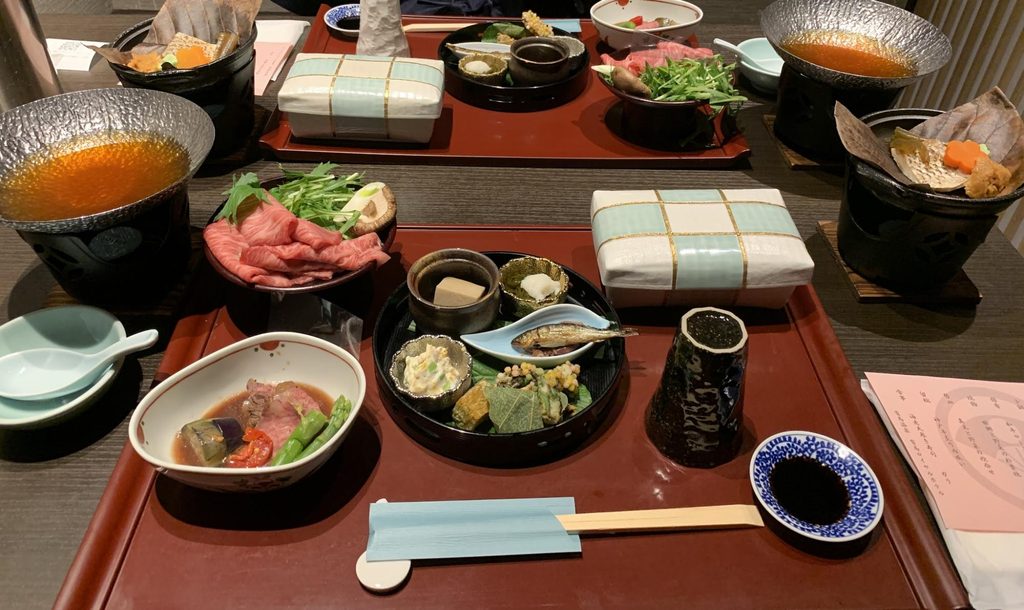
One of the biggest highlights of staying at a ryokan is the food. Many ryokans serve kaiseki, a traditional multi-course Japanese dinner that showcases seasonal ingredients and regional specialties. Rather than serving one large dish, the meal is presented as a series of beautifully arranged courses. Each dish is carefully prepared and designed to highlight the natural flavors of the ingredients.
A typical kaiseki dinner may include fresh sashimi, grilled fish, simmered vegetables, tempura, soup, rice, pickles, and dessert. Depending on the season and location, you may also enjoy local specialties such as premium wagyu beef, fresh seafood, or mountain vegetables. The presentation is just as important as the taste, making the meal feel like a work of art.
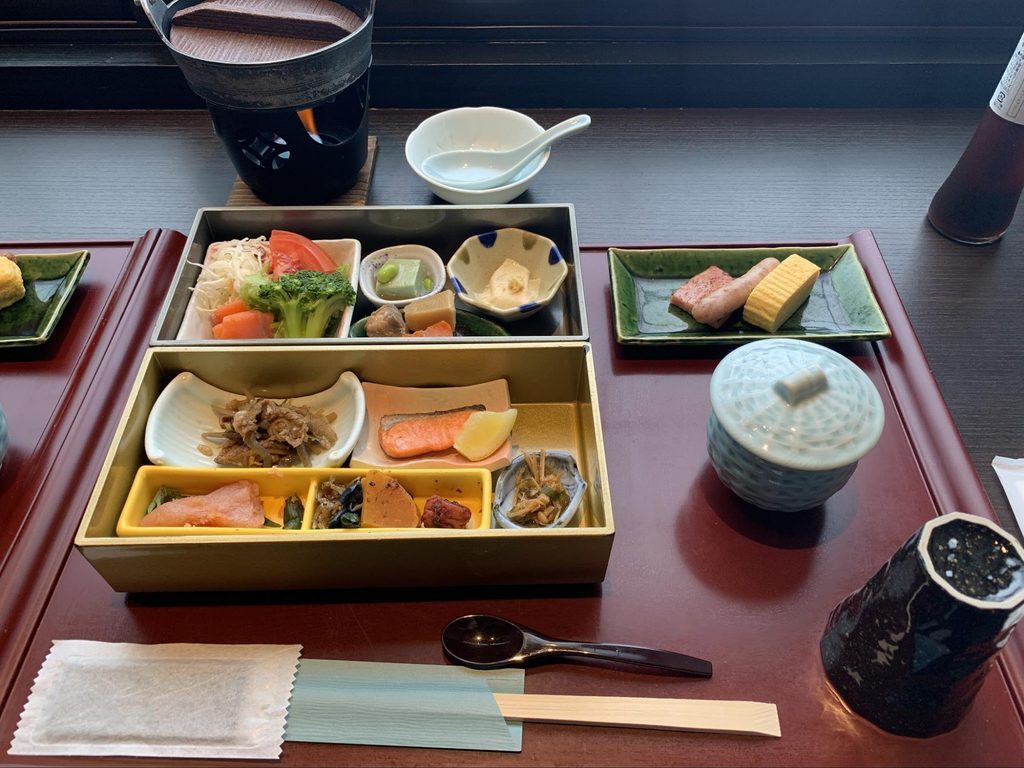
Many ryokans also serve a traditional Japanese breakfast the following morning. Breakfast often includes grilled fish, rice, miso soup, rolled omelet, tofu, vegetables, and various side dishes. Although it may look different from a Western breakfast, it is both healthy and filling, giving you plenty of energy for sightseeing.
Different Types of Ryokan
Not all ryokans are the same. Some focus on luxury and private hot spring baths, while others provide a simple and affordable traditional experience. Choosing the right ryokan depends on your travel style and budget.
Luxury ryokans often include spacious rooms, private open-air baths, personalized service, and gourmet kaiseki meals. They are ideal for honeymoon trips, anniversaries, or travelers looking for a special experience.
Mid-range ryokans usually offer comfortable Japanese-style rooms, public hot spring baths, and excellent meals at a more reasonable price. These are popular with families and first-time visitors.
Budget ryokans provide a traditional atmosphere without expensive facilities. Although the rooms may be smaller and bathrooms may be shared, they are a great option for travelers who want to experience Japanese culture while keeping costs low.
Regardless of the price, Japanese hospitality is one of the things that makes every ryokan stay memorable.
How to Choose the Right Ryokan
Choosing the perfect ryokan can seem difficult because there are thousands throughout Japan. Before booking, think about what kind of experience you want.
Ask yourself questions such as:
- Do you want a private hot spring bath?
- Would you like dinner and breakfast included?
- Do you prefer a mountain, seaside, or city location?
- Are you looking for a luxury experience or a budget-friendly stay?
Reading recent guest reviews can also help you understand the quality of the rooms, meals, and customer service. Photos are useful as well, but reviews often provide more realistic information about the overall experience.
If you are visiting during cherry blossom season, autumn foliage season, or Japanese holidays, it is highly recommended to book several months in advance because many popular ryokans become fully booked.
How to Book a Ryokan
Booking a ryokan is much easier today than it was in the past. Many traditional inns now accept online reservations and provide information in English.
When making a reservation, carefully check what is included in the room price. Some plans include breakfast only, while others include both dinner and breakfast. Since kaiseki dinner is one of the highlights of staying at a ryokan, many travelers choose a plan that includes both meals.
It is also important to check the cancellation policy, check-in time, and whether the ryokan has public or private hot spring baths. Some smaller ryokans have limited English support, so reading the booking details in advance can help avoid misunderstandings.
Popular Places for a Ryokan Stay
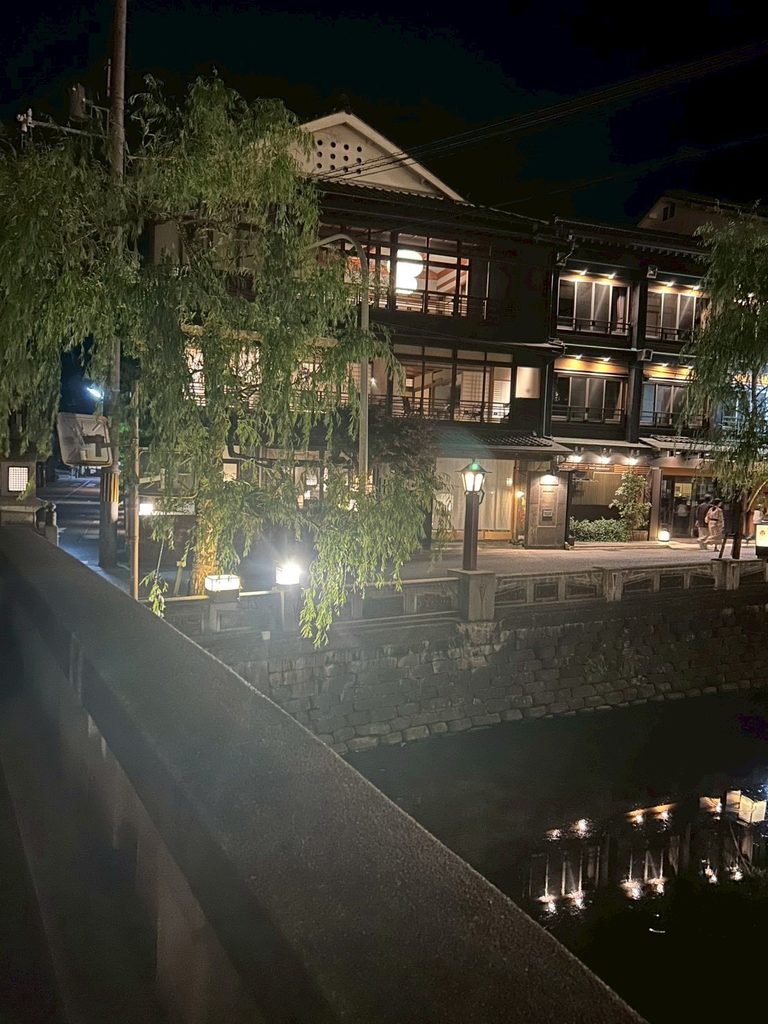
Japan has many wonderful destinations where visitors can enjoy a ryokan experience.
Kyoto is one of the most popular choices because visitors can combine traditional accommodation with famous temples, shrines, and historic districts.
Hakone is known for its beautiful views of Mount Fuji and relaxing hot springs, making it an excellent destination for couples and families.
Arima Onsen, located near Kobe, is one of Japan’s oldest hot spring towns. Visitors can stroll through charming streets, enjoy local snacks, and relax in mineral-rich hot springs after sightseeing.
Kinosaki Onsen is another famous destination where guests often wear yukata while walking between several public bathhouses. This unique atmosphere makes visitors feel as though they have stepped back in time.
Other popular ryokan destinations include Kusatsu Onsen, Beppu, Yufuin, and Gero Onsen, each offering its own local traditions and beautiful scenery.
Is Staying at a Ryokan Worth It?
Many travelers hesitate because ryokans are often more expensive than regular hotels. However, the price usually includes much more than just a room.
A typical stay may include traditional accommodation, exceptional hospitality, delicious multi-course meals, access to hot spring baths, and a peaceful cultural experience that cannot be found in an ordinary hotel.
For many international visitors, staying at a ryokan becomes one of the highlights of their trip to Japan. Even if your travel budget is limited, spending just one night at a ryokan is often considered worthwhile because it offers a completely different perspective on Japanese culture.
Ryokan Etiquette: Important Rules to Know
One of the best parts of staying at a ryokan is experiencing Japanese hospitality, known as omotenashi. To fully enjoy your stay and show respect to the staff and other guests, it is helpful to understand a few basic etiquette rules.
When entering the ryokan, you will usually be asked to remove your shoes at the entrance. Indoor slippers are often provided, and separate slippers are available for use in the restroom. This custom helps keep the tatami floors clean.
Inside your room, avoid walking on the tatami mats while wearing slippers. Instead, remove the slippers before stepping onto the tatami. Although this may feel unusual at first, it is a normal part of Japanese culture.
Guests should also avoid speaking loudly in hallways or public areas. Ryokans are designed to provide a peaceful and relaxing atmosphere, so keeping noise to a minimum allows everyone to enjoy their stay.
Onsen Etiquette
For many visitors, the onsen is the highlight of a ryokan stay. However, Japanese hot springs have several important customs.
Before entering the bath, thoroughly wash and rinse your body at the shower area. Soap and shampoo should only be used at the washing stations, never inside the hot spring itself.
After washing, enter the bath slowly and quietly. The purpose of the bath is relaxation rather than swimming or exercising.
Remember these important rules:
- Do not wear swimsuits unless specifically allowed.
- Keep your towel out of the bath water.
- Do not jump or splash.
- Speak quietly to avoid disturbing others.
- Dry your body before returning to the changing room.
Following these simple rules helps everyone enjoy the peaceful atmosphere of the hot spring.
What Should You Pack?
Although ryokans provide many amenities, bringing a few personal items can make your stay even more comfortable.
Recommended items include:
- Comfortable clothing for traveling
- Skincare products if you have sensitive skin
- A phone charger
- A portable charger
- Personal medication
- A small bag for visiting the hot spring
Most ryokans provide towels, toothbrushes, shampoo, conditioner, body soap, hair dryers, and yukata, so there is usually no need to pack these items unless you have personal preferences.
Frequently Asked Questions
Can foreigners stay at a ryokan?
Absolutely. Many ryokans welcome international guests and provide English information or multilingual staff. Even if English is limited, staff members are usually very kind and will do their best to help.
Are meals included?
Many ryokans offer plans that include both dinner and breakfast. Others allow guests to choose whether meals are included, so always check your reservation details before booking.
Can children stay at a ryokan?
Yes. Many ryokans welcome families with children, although some luxury ryokans are designed for adults seeking a quiet atmosphere. Check the accommodation policy before making your reservation.
Can guests with tattoos use the hot spring?
Policies vary depending on the ryokan. Some public baths do not allow visible tattoos, while others permit them or offer private baths that can be reserved. If you have tattoos, it is a good idea to check the policy before booking.
Is one night enough?
Yes. Even one night allows visitors to enjoy traditional meals, hot spring bathing, and Japanese hospitality. However, staying for two nights provides more time to relax and fully appreciate the peaceful surroundings.
Helpful Travel Tips
To make the most of your ryokan experience, keep these tips in mind.
Arrive before check-in closes. Some ryokans stop serving dinner at a fixed time, so arriving late could mean missing one of the highlights of your stay.
Spend time exploring the property. Many ryokans have beautiful gardens, quiet lounges, libraries, or scenic outdoor areas that guests often overlook.
Take a walk around the surrounding town. Ryokans are frequently located in charming hot spring towns where you can browse local shops, enjoy traditional sweets, or simply admire the peaceful atmosphere.
If your ryokan offers a private open-air bath, consider using it in the evening or early morning. Watching the sunrise or relaxing under the stars while soaking in natural hot spring water is an unforgettable experience.
Don’t feel pressured to rush. Unlike city hotels, ryokans are designed to encourage guests to slow down, relax, and appreciate the present moment.
Why a Ryokan Stay Is a Unique Cultural Experience
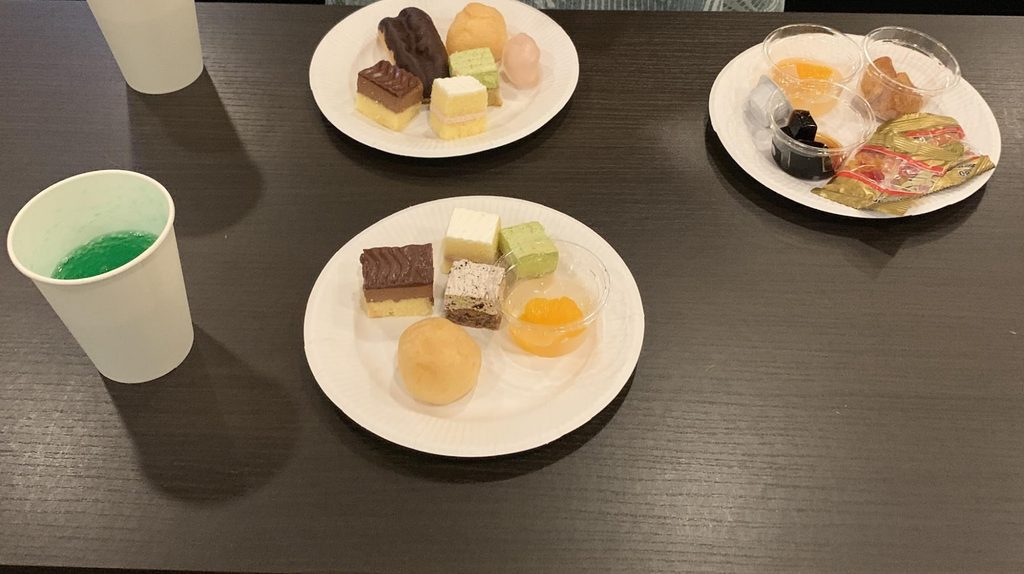
Staying at a ryokan is about much more than accommodation. It is an opportunity to experience the traditions, hospitality, and lifestyle that have shaped Japanese culture for centuries.
Every detail, from the carefully prepared meals to the seasonal flower arrangements and warm welcome from the staff, reflects the Japanese appreciation for beauty, harmony, and thoughtful service.
Many visitors are surprised by how peaceful they feel after spending just one night at a ryokan. Without the distractions of busy city life, it becomes easier to relax, enjoy nature, and appreciate simple moments.
Whether you are celebrating a honeymoon, traveling with family, or exploring Japan on your own, a ryokan stay offers memories that are difficult to recreate anywhere else in the world.
Summary
A traditional ryokan is one of the best places to experience authentic Japanese culture. Unlike modern hotels, ryokans offer much more than comfortable accommodation. They provide an opportunity to enjoy traditional hospitality, beautiful Japanese-style rooms, delicious seasonal cuisine, and relaxing hot spring baths in a peaceful environment.
Although staying at a ryokan may seem unfamiliar at first, the experience is surprisingly easy and enjoyable. By understanding a few basic customs—such as removing your shoes, wearing a yukata, following onsen etiquette, and respecting the quiet atmosphere—you can feel comfortable throughout your stay.
Choosing the right ryokan is also an important part of planning your trip. Whether you prefer a luxury inn with a private open-air bath or a cozy family-run ryokan in a historic hot spring town, there are options for every budget and travel style. Booking early, especially during cherry blossom season or autumn foliage season, will give you the best selection.
Perhaps the greatest reason to stay at a ryokan is the opportunity to slow down and experience Japan in a different way. Instead of spending every hour sightseeing, you can enjoy a carefully prepared kaiseki dinner, soak in a natural hot spring, stroll through a quiet Japanese garden, and wake up to a traditional breakfast while surrounded by beautiful scenery.
For many international travelers, this peaceful and authentic experience becomes one of the most unforgettable memories of their visit to Japan. Even if you only stay for one night, a ryokan offers a deeper understanding of Japanese culture and hospitality that cannot be experienced in an ordinary hotel.
If you are planning your first trip to Japan, consider including at least one night at a traditional ryokan. It is an experience that combines comfort, history, culture, and relaxation, making your journey even more special.