Photo: Unsplash
Planning a trip to Nara but not sure which temples to visit? This guide shows the best temples, what to do, and how to get there. You will learn how to explore Nara easily, even on a short trip. We even include information on how to stay connected in Japan with an eSIM so that you can use maps and train apps easily.
Nara is often overshadowed by its neighbor, Kyoto, but for those seeking the true roots of Japanese culture, it is the ultimate destination. In this extensive guide, you will discover why Nara was the first permanent capital of Japan and how its temples shaped the nation’s history and culture.
Whether you are a history buff, an architecture enthusiast, or a spiritual seeker, this article will equip you with everything you need for an unforgettable trip to Nara.
Overview
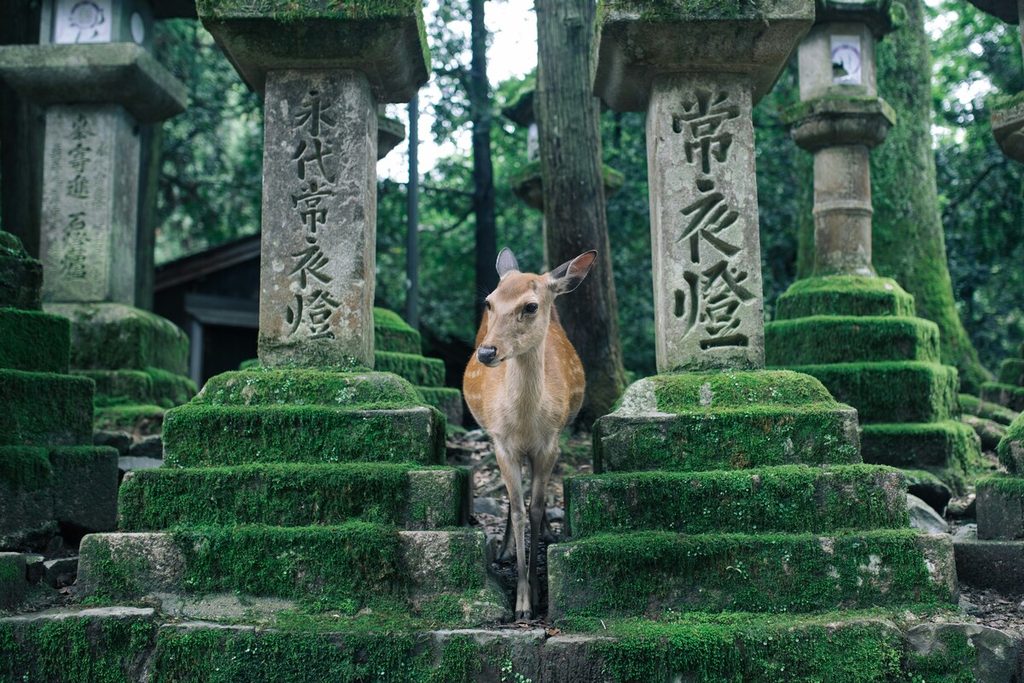
Photo: Unsplash
Nara, located in the Kansai region, served as the capital of Japan from 710 to 784 CE, a period known as the Nara Period. During this time, Buddhism became very important in Japan.
Unlike the later, more refined aesthetics of Kyoto, Nara’s temples look older and more simple than Kyoto temples.
Today, the “Historic Monuments of Ancient Nara” are collectively designated as a UNESCO World Heritage site, offering a preserved window into the 8th century.
Best Things to Do in Nara
- See the Great Buddha: Stand in awe before the 15-meter (49 ft.) bronze Buddha at Todai-ji.
- Enjoy Prayer: Participate in a traditional incense offering or witness the Omizutori Fire Ceremony (if visiting in March).
- Stroll Through Nara Park: Observe the free-roaming deers, considered messengers of the gods, as you move between temples.
- Collect Goshuin: Start a Goshuin-cho (temple stamp book) to collect unique calligraphy from each site you visit as a spiritual souvenir.
Recommended Temples in Nara
Below, we’ve compiled a list of the must-see temples and shrines in Nara.
1. Todai-ji
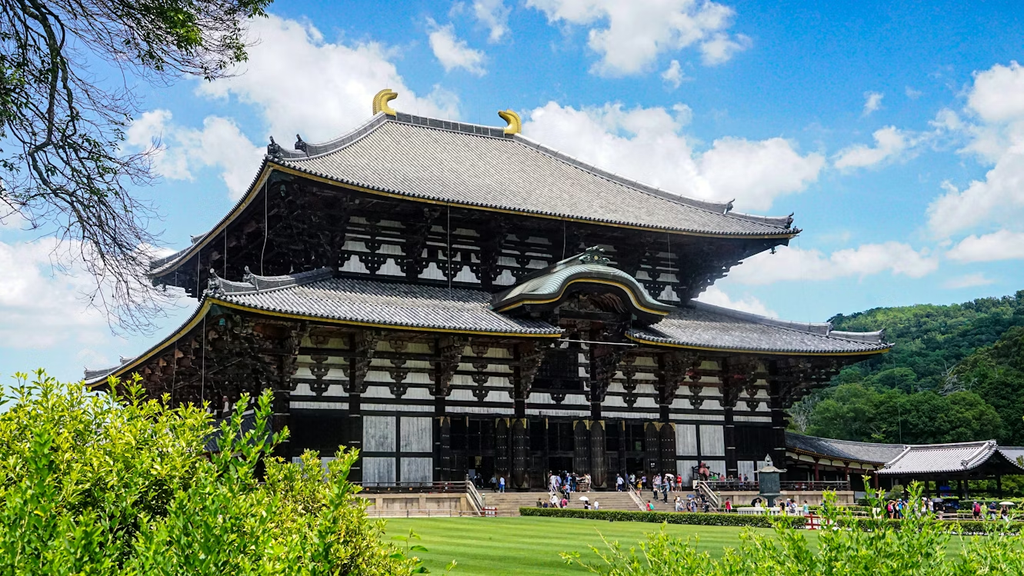
Photo: Unsplash
No visit to Nara is complete without Todai-ji. Its main hall, the Daibutsuden, is one of the world’s largest wooden buildings.
- The Great Buddha: The Rushana Butsu represents the cosmic Buddha that presides over all worlds.
- Nandaimon Gate: Look up at the fierce Guardian Kings—masterpieces of 13th-century woodcarving.
- Nigatsu-do: A sub-temple located uphill offering a panoramic view of the Nara city skyline at sunset.
Location: Google Maps
2. Kofuku-ji
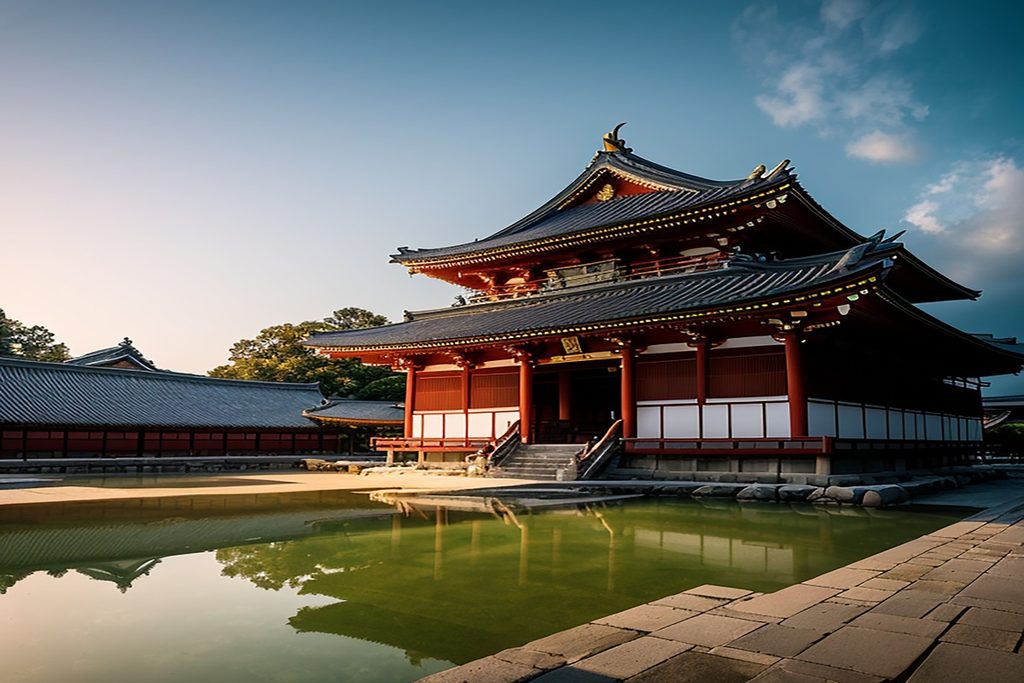
Photo: Pixabay
Once a massive complex of over 175 buildings, Kofuku-ji remains a symbol of Nara’s religious power.
- The Five-Story Pagoda: The second tallest in Japan and a signature symbol of Nara.
- National Treasure Museum: Home to the world-famous Ashura Statue, known for its hauntingly beautiful, three-faced expression of youthful conflict and peace.
Location: Google Maps
3. Kasugataisha Shrine
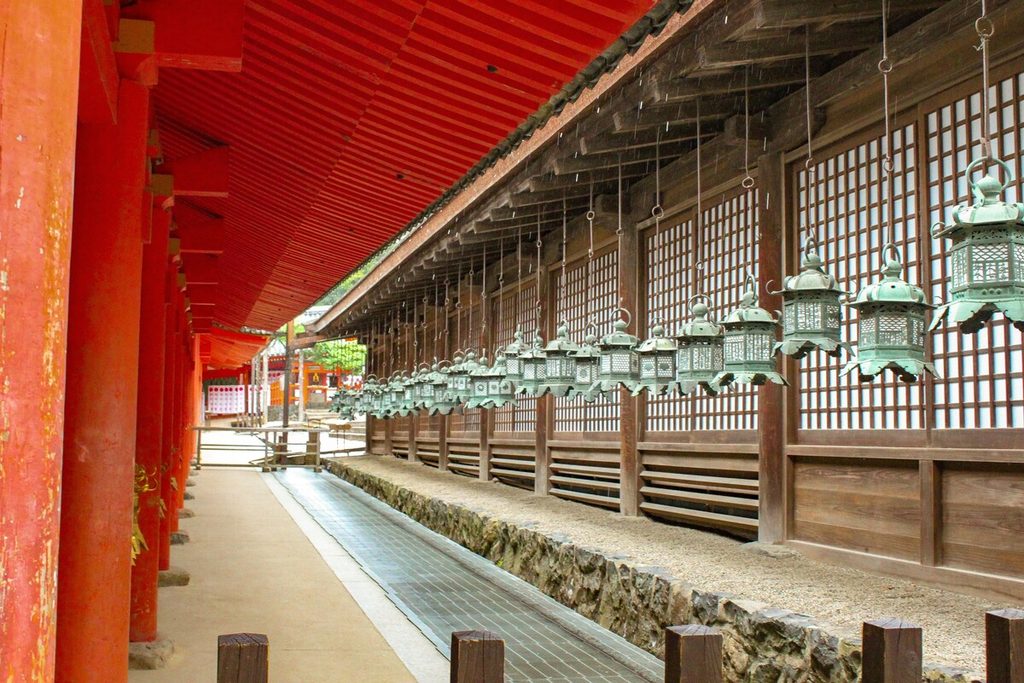
Photo: Unsplash
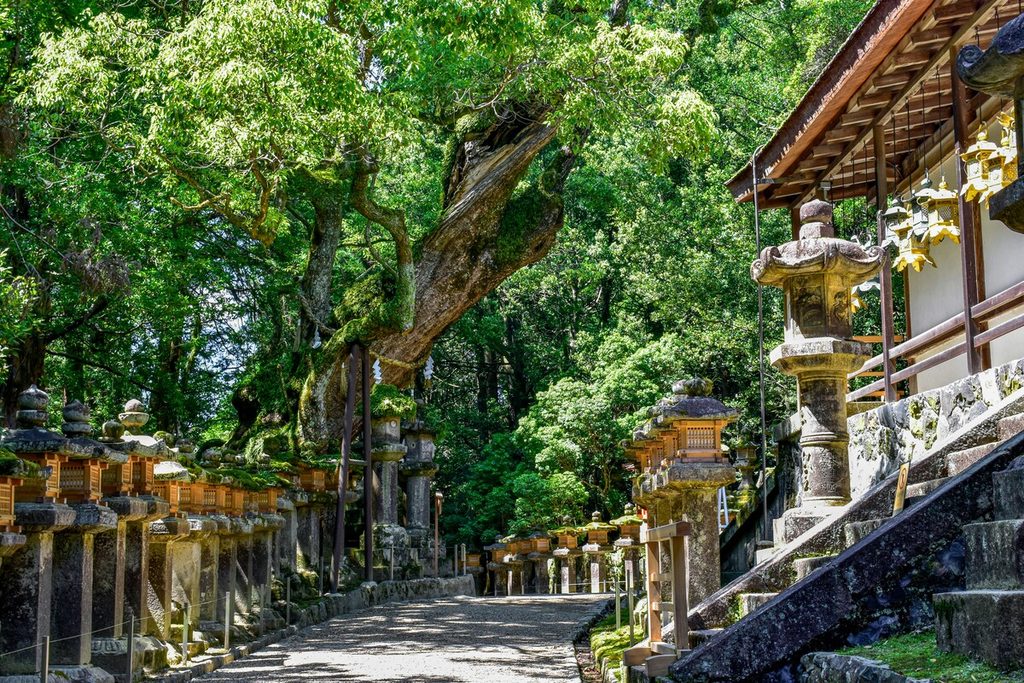
While technically a Shinto shrine, it is inseparable from the Buddhist history of Nara.
- Thousands of Lanterns: Explore the 3,000 bronze and stone lanterns that are lit only twice a year.
- Primeval Forest: The shrine is surrounded by a forest where hunting and logging have been banned since the 9th century.
Location: Google Maps
4. Horyu-ji
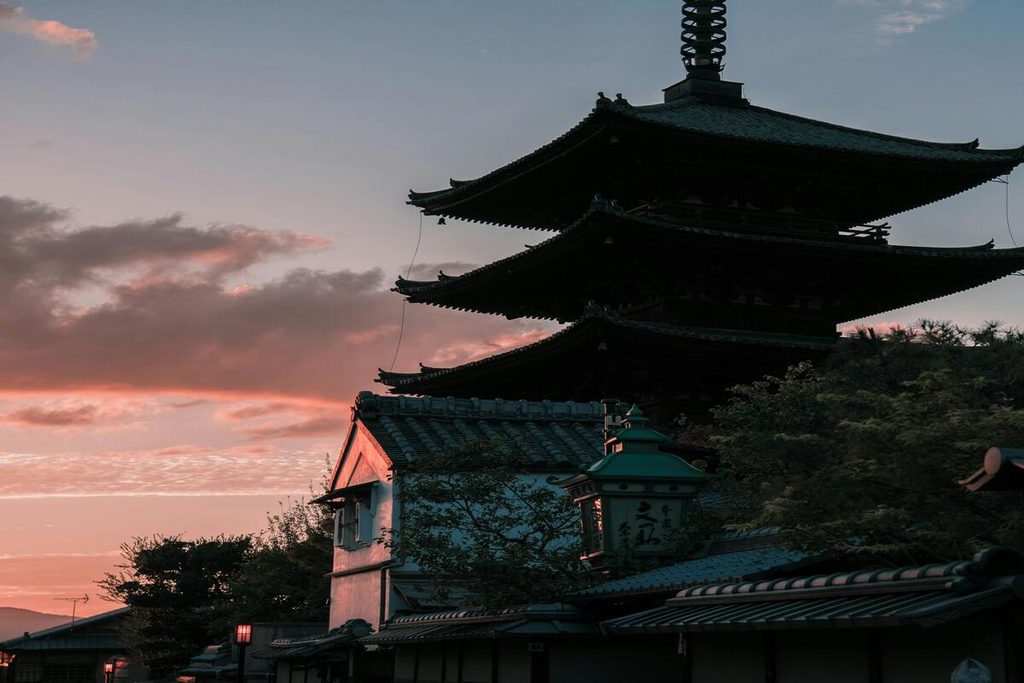
Photo: Pexels
Located about 12km (7 miles) outside the city center, this is a pilgrimage spot for anyone interested in the origins of the great 7 buddhist temples of Nara.
- Western Precinct: Contains the Five-Story Pagoda and Main Hall, which date back to the late 7th century.
- Kudara Kannon: A slender, ethereal statue that represents the pinnacle of early Buddhist art in Japan.
Location: Google Maps
5. Yakushi-ji
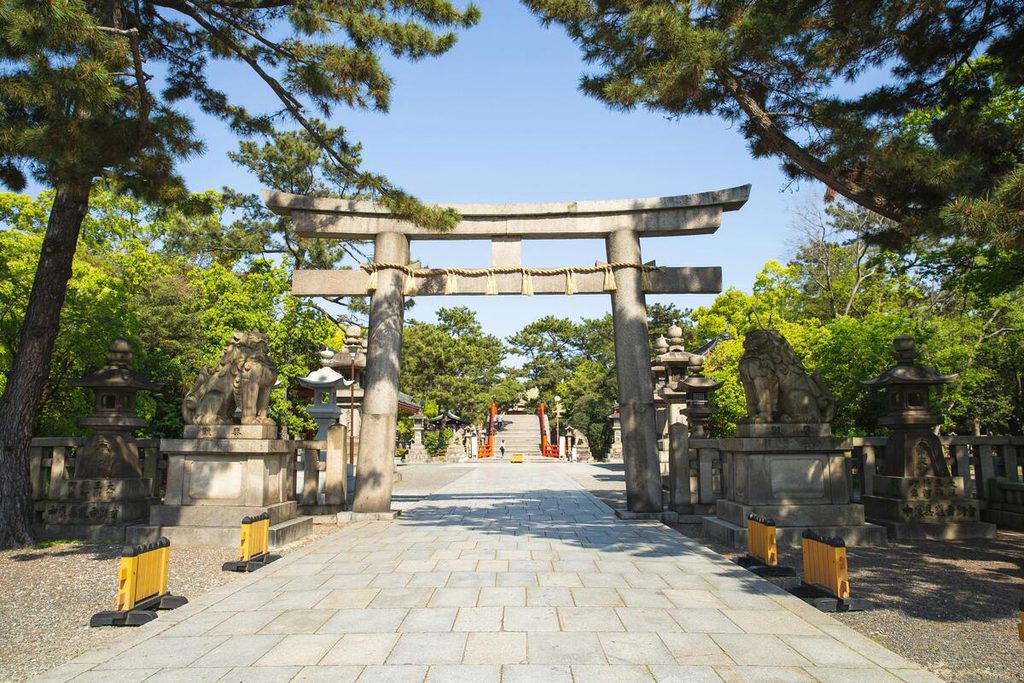
Photo: Pexels
A vibrant site dedicated to Yakushi Nyorai, the Medicine Buddha.
- Highlight: The East Pagoda—called “Frozen Music” in Japanese due to the staggered rhythmics of its roofs—is the only original structure remaining from the 8th century.
Location: Google Maps
Travel Tips
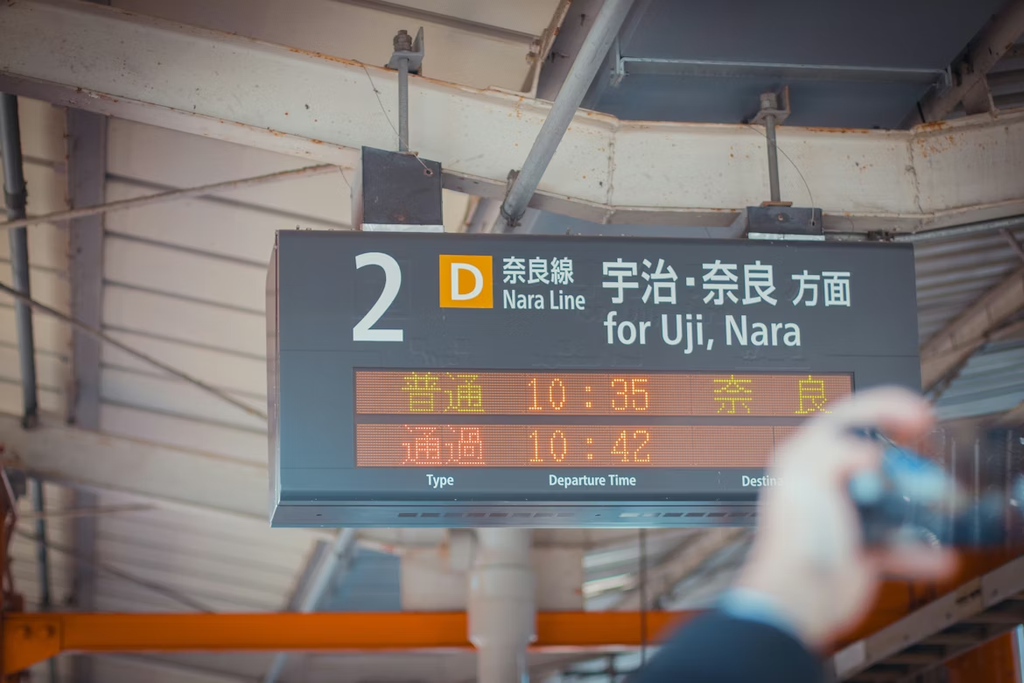
Photo: Unsplash
- Come early: Nara Park becomes very crowded by 11:00 AM. Arrive around 8:00 AM to experience the temples in their intended silent, spiritual atmosphere.
- Mind the deer: While cute, the deer are wild. Avoid showing them food unless you intend to give it, and keep your bags closed.
- Footwear matters: You will be required to remove your shoes to enter temple halls. Wear socks without holes and shoes that are easy to slip on and off.
- Stay connected: Traveling between temples is easier with mobile data, so we recommend using an eSIM in Japan. For more information, check out our guide on the Best eSIMs for Japan.
Access to Nara from Major Cities
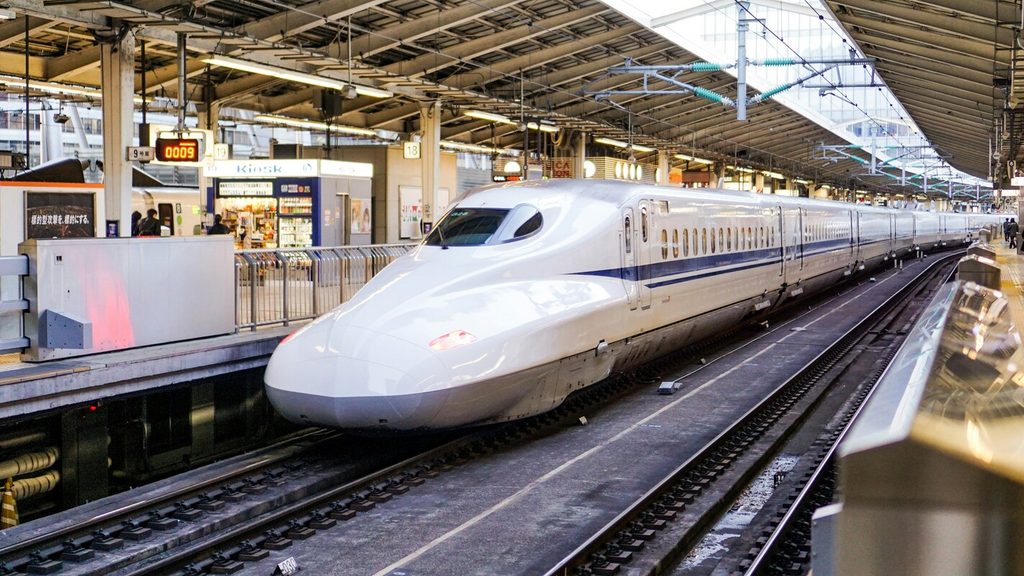
Photo: Unsplash
Nara is easily accessible from Japan’s major hubs. Here are the most efficient routes.
From Osaka
The Kintetsu Nara Line is the most direct and frequent option from the downtown Namba area.
- Route: Osaka-Namba Station → Kintetsu Nara Station
- Train: Kintetsu Nara Line (Rapid Express)
- Travel Time: 35–40 minutes
- Fare: approx. ¥680
From Kyoto
Travelers from Kyoto can choose between the speed of the Kintetsu Limited Express or the convenience of the JR Miyakoji Rapid train.
- Option A (Kintetsu): Kyoto Station → Kintetsu Nara Station
- Time: 35 minutes (Limited Express) or 45 minutes (Express)
- Option B (Japan Rail): Kyoto Station → JR Nara Station
- Time: Approx. 45 minutes via the JR Miyakoji Rapid Service
From Tokyo
There is no direct Shinkansen to Nara. The fastest way is to take the Shinkansen to Kyoto and transfer to a local line.
- Route: Tokyo Station → Kyoto Station (via Tokaido Shinkansen) → Nara (via JR or Kintetsu)
- Total Travel Time: Approx. 3 hours 15 minutes
See the Japan Rail website for details on current train fares and routes. And don’t forget to get a reliable eSIM before your trip to enjoy stress-free travel in Nara!
Conclusion
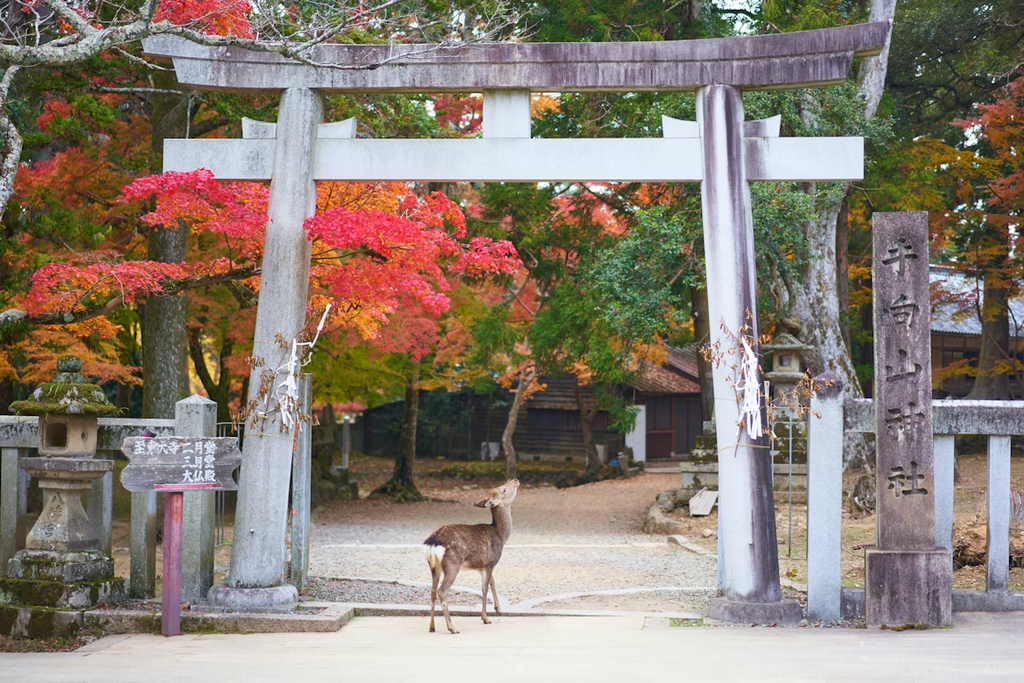
Photo: Unsplash
Nara is a place where you can truly feel the roots of Japanese culture. From the Great Buddha at Todai-ji to the peaceful atmosphere of Kasuga Taisha and the ancient beauty of Horyu-ji, every spot offers a unique experience. Take your time, respect the traditions, and enjoy the quiet moments between temples. Even a short visit can become a memorable and meaningful journey.