Photo: Unsplash
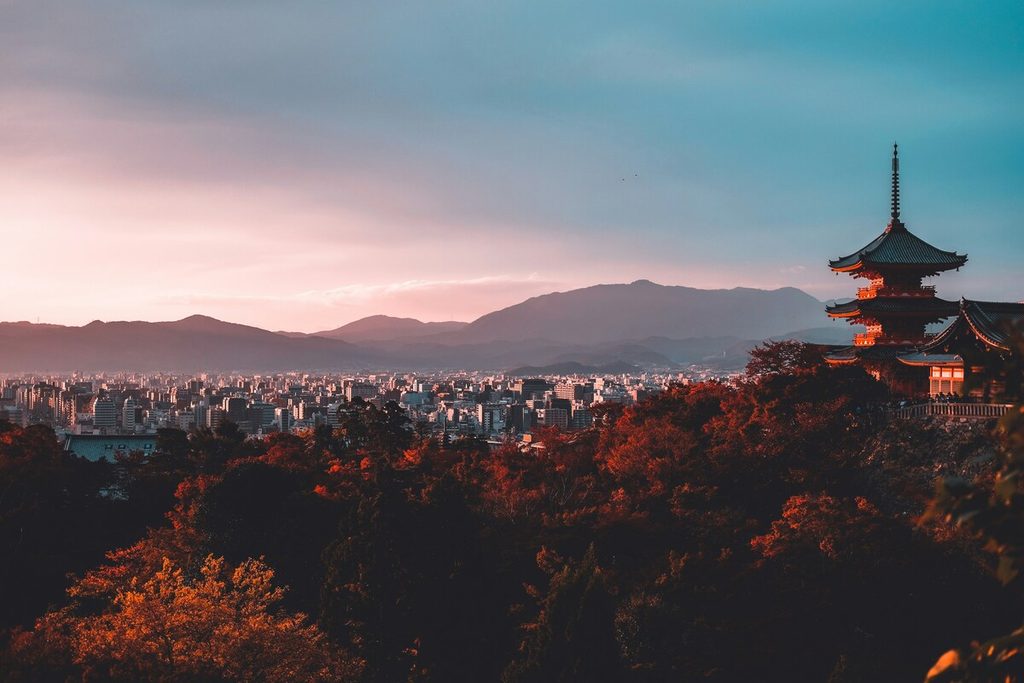
Kyoto is famous for its crowded temples and tourist spots. But if you look a little deeper, you can find hidden, peaceful temples filled with history and beauty.
This guide will take you to these quiet, spiritual spots where you can enjoy the true, calm side of Kyoto.
About Kyoto
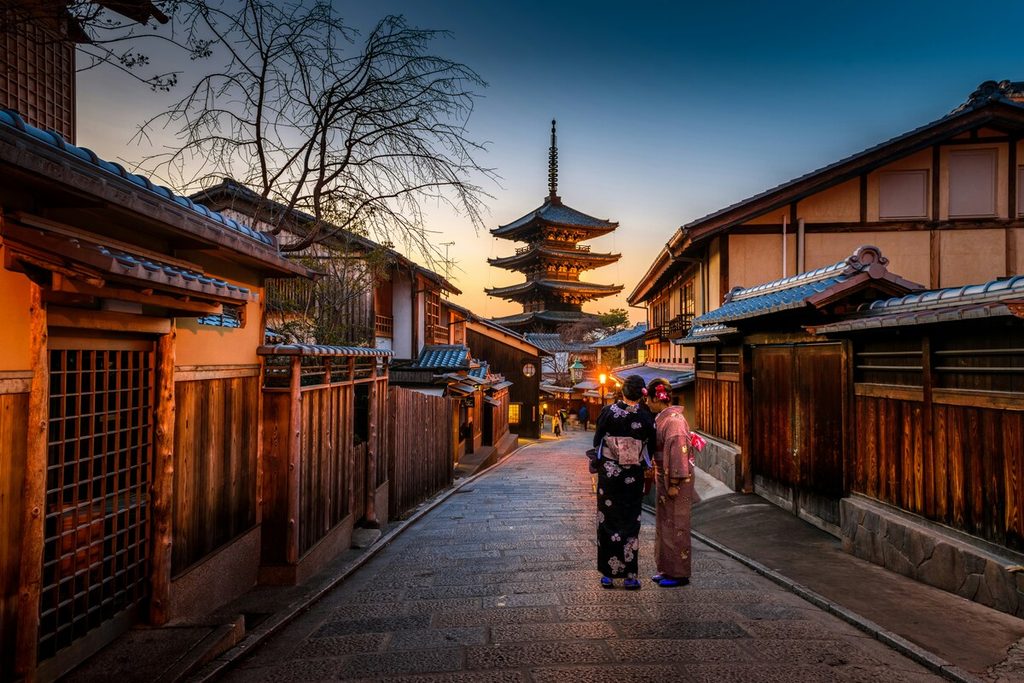
Photo: Unsplash
Once the imperial capital of Japan for over a millennium, Kyoto is home to more than 1,600 temples.
Kiyomizu-dera and Fushimi Inari are famous, but Kyoto has many quiet, hidden temples. They are tucked away in small streets and hills, and many tourists never find them.
These hidden temples offer intimate experiences of Japanese architecture, Zen gardens, and spiritual practices. Exploring them allows you to witness the delicate craftsmanship and serene atmosphere that define Kyoto’s cultural heritage.
Best Things to Do in Kyoto’s Hidden Temples
- Explore Quiet Gardens: Many small temples have beautiful, well-kept gardens. They are perfect places to relax and clear your mind.
- Witness Zen Rituals: Visit temples with few tourists to see morning prayers or traditional tea ceremonies.
- Discover Hidden Treasures: These temples hold many hidden gems, from small Buddha statues to detailed wood carvings that you won’t find at major tourist spots.
- Enjoy Scenic Walks: Many temples are hidden in hills or near rivers. Take a walk around them to enjoy the beautiful nature and seasonal colors that they offer.
Recommended Hidden Temples in Kyoto
Kyoto is famous for its iconic landmarks, but the city’s true soul often hides in the shadows of its busier streets. Whether it’s the sound of bamboo in the wind, a beautiful moss garden, or the deep silence of an old wooden temple, these hidden spots let you truly connect with the heart of Kyoto. If you are looking to escape the noise and find a moment of peace, join us as we explore the secret spiritual treasures that define the authentic, serene side of the city.
1. Honen-in Temple
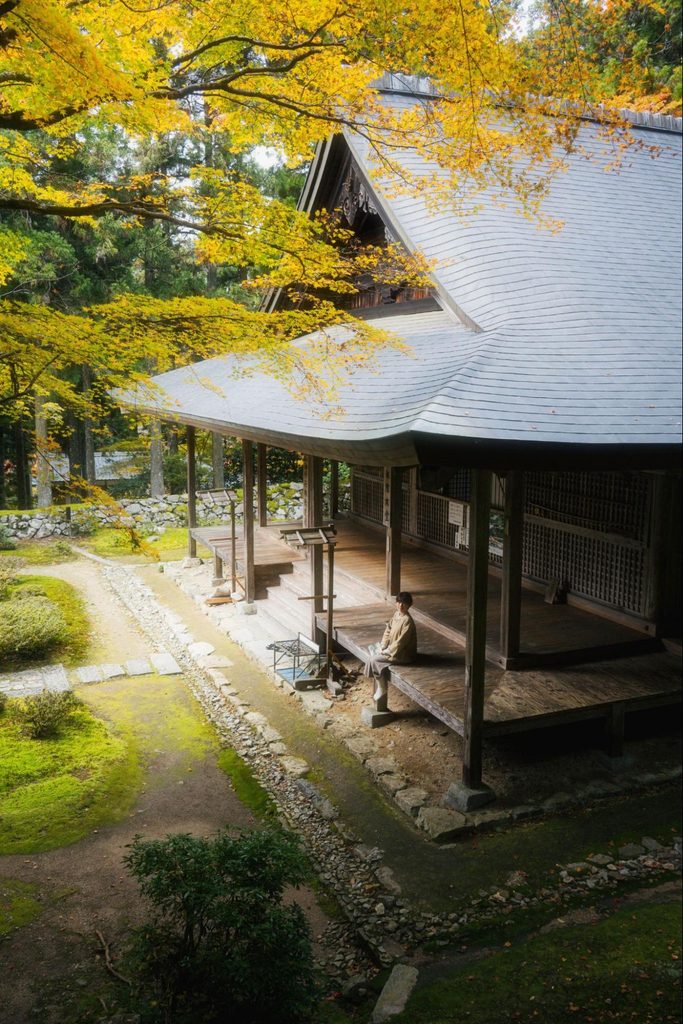
Photo: Pexels
Escape the hustle and bustle of the city and find tranquility at this secluded Zen temple.
Renowned for its breathtaking, velvet like moss gardens and charming, weathered wooden halls, it is a perfect sanctuary for those seeking a moment of quiet reflection.
- Highlights: Tiny moss-covered paths and charming wooden halls.
- Location: Google Maps
Tips:Arrive early in the morning to beat the crowds and catch the soft, ethereal light filtering through the trees, which makes the moss glow.
2. Nenbutsu-ji Temple
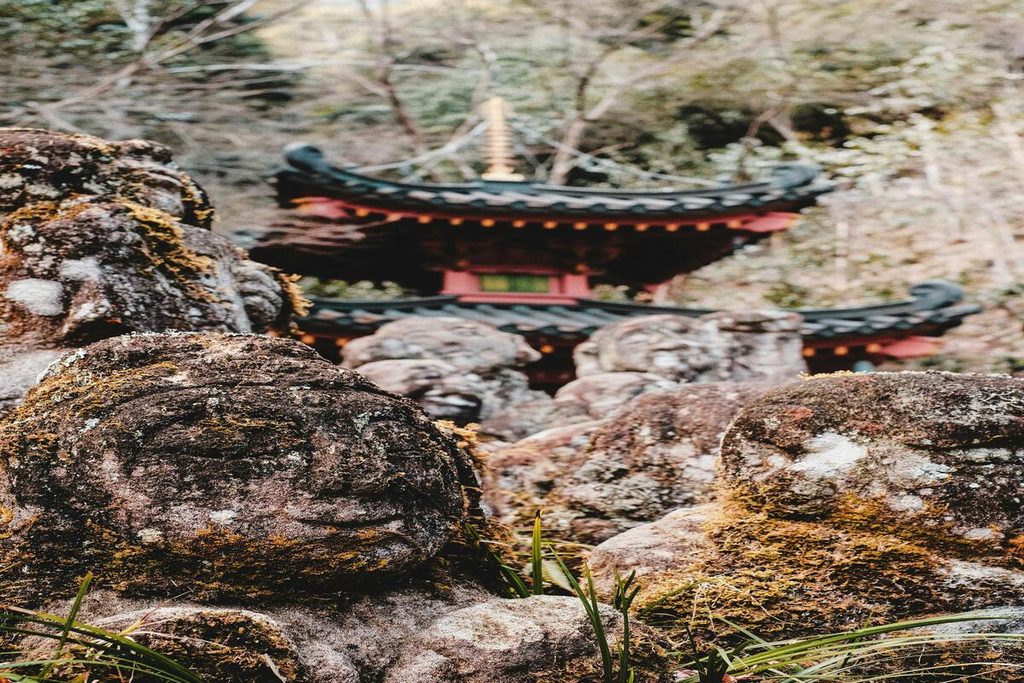
Photo: Pexels
Hidden away in the quiet hills of Arashiyama, this temple offers one of the most delightful and unexpected spiritual experiences in Japan.
It is world-famous for its 1,200 stone Rakan (disciples of Buddha) statues, each uniquely hand-carved by local artists and temple visitors.
Famous for its 1,200 playful stone Rakan statues carved by local artists.
- Highlights: Each statue has a unique expression, providing whimsical charm.
- Location: Google Maps
Tips:The temple is built on a gentle slope. While it is a pleasant walk, comfortable walking shoes are recommended to navigate the paths between the statues easily.
3. Gio-ji Temple
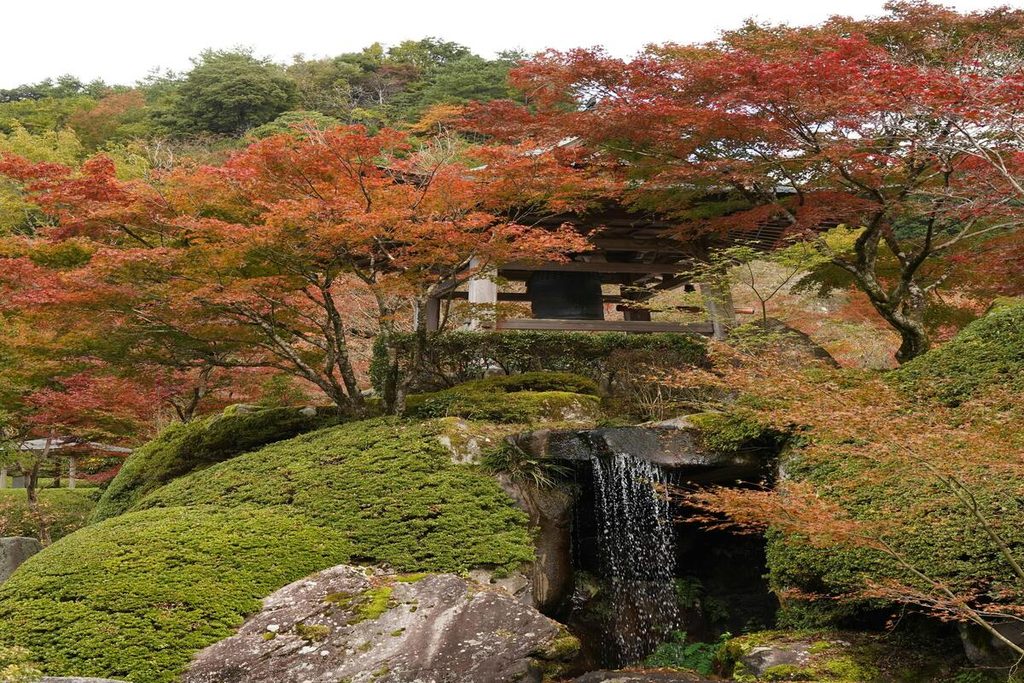
Photo: Pexels
Tucked away in the quietest corner of the Sagano area, Gio-ji is a hidden gem that feels like a scene from a Japanese folk tale.
This small, thatched-roof temple is almost entirely enveloped by a dense, emerald-green moss garden and a towering bamboo grove, offering a deep sense of peace and seclusion.
A small temple enveloped by a moss-covered garden and bamboo grove.
- Highlights: Serene moss garden, quiet pathways, and traditional wooden architecture.
- Location: Google Maps
Tips:It is beautiful all year, but early summer (June) is best for the vibrant green leaves. In late autumn (November), the bright red maple leaves fall onto the green moss, creating a stunning contrast of colors.
4. Adashino Nenbutsu-ji Temple
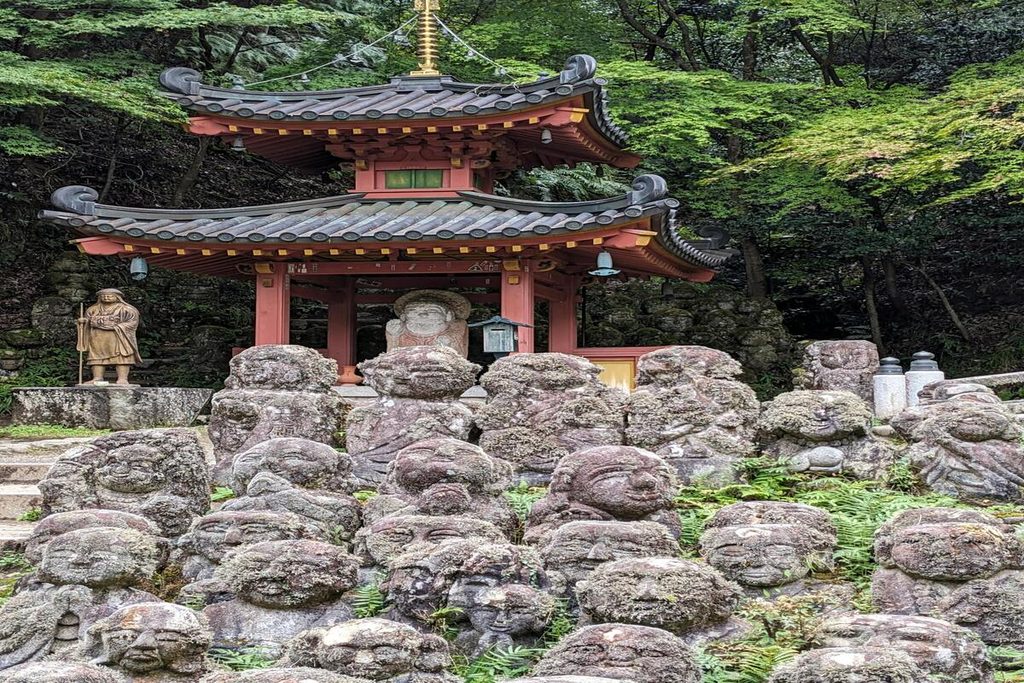
Photo: Pexels
Perched on a hill above the quiet Sagano area, Adashino Nenbutsu-ji is a very special place with a deep spiritual history, making it different from the usual tourist temples in Kyoto.
This site has been a peaceful resting place for the souls of the departed since the Heian period.
Known for its thousands of stone statues commemorating the dead.
- Highlights: Spiritual atmosphere, unique memorial statues, and forested surroundings.
- Location: Google Maps
Tips:This temple offers a unique window into Japanese Buddhist views on life, death, and remembrance.
It is a must-visit for history buffs and those looking to understand the deeper roots of Japanese spiritual culture.
5. Tofuku-ji Sub-Temples
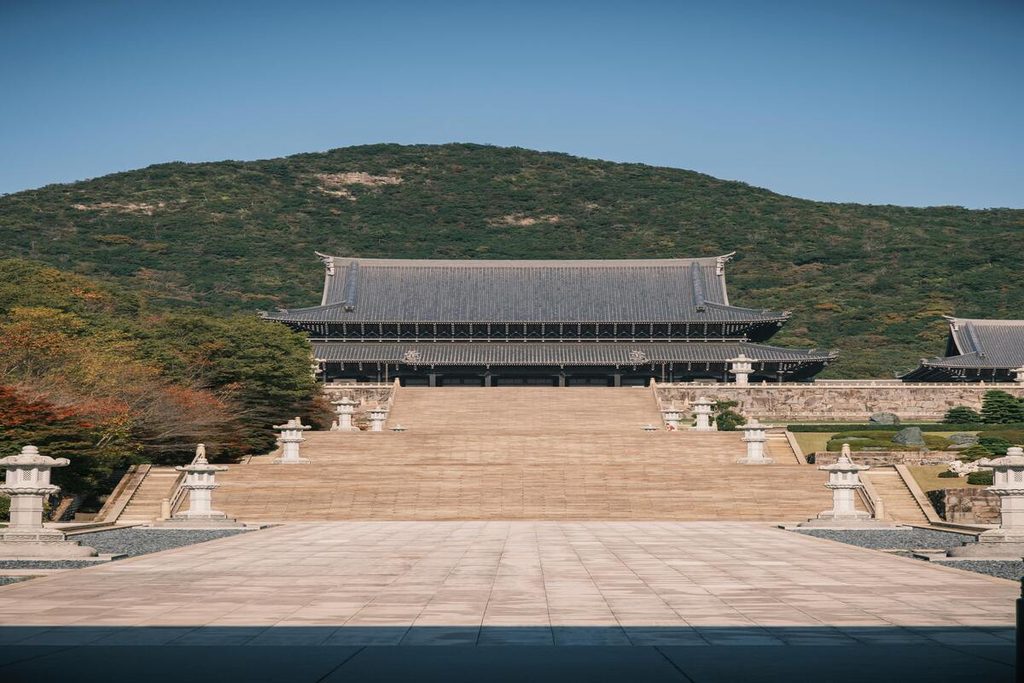
Photo: Pexels
While the main hall of Tofuku-ji attracts large crowds for its massive gate and famous bridge, the surrounding sub temples offer a much more intimate and quiet experience.
These smaller sanctuaries are hidden gems, each boasting its own unique Zen garden and architectural secrets.
A series of smaller temples within the Tofuku-ji complex, often overlooked by tourists.
- Highlights: Zen gardens, hidden corridors, and seasonal beauty of maple trees.
- Location: Google Maps
Tips:Some of these sub-temples are only open to the public during specific seasons (spring and autumn).
These Special Viewings are a rare chance to see private art collections and gardens not usually accessible.
6. Kurumazaki Shrine
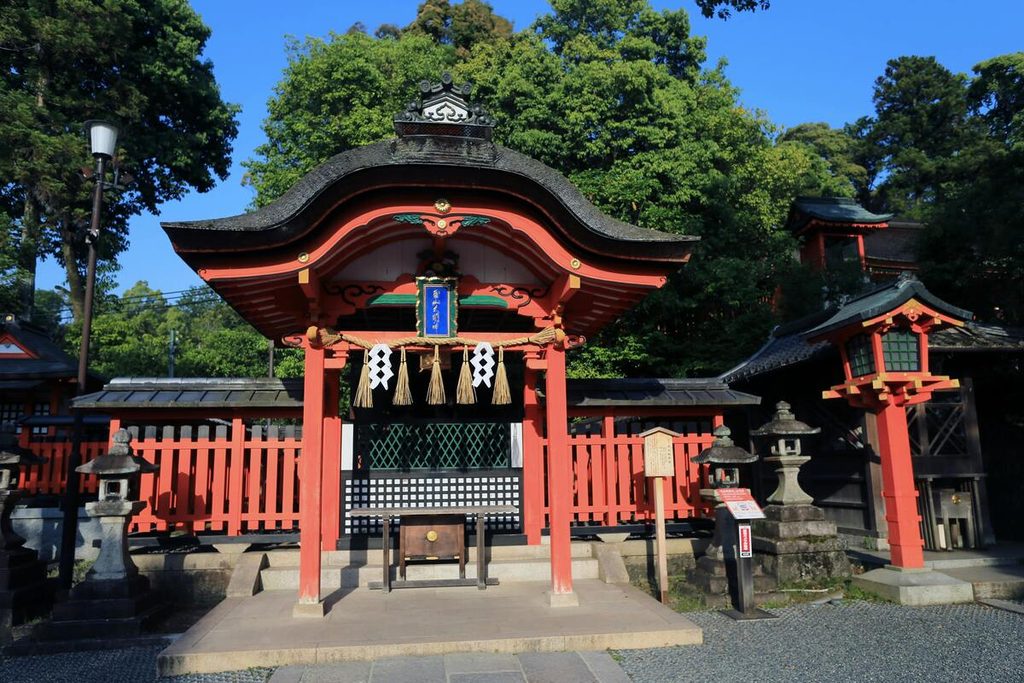
Photo: Pexels
With thousands of bright red “Tamagaki” (prayer boards), Kurumazaki Shrine is famous as a place for arts and entertainment. It is a place filled with vibrant colors and creativity.
Located in the heart of Sagano, this shrine is loved by artists and performers from all over Japan. They come here to pray for inspiration, success, and the courage to follow their dreams.
- Highlights: The long, vibrant tunnel of red prayer boards, and the dedicated shrine for those in the performing arts.
- Location: Google Maps
Tips:The “Power Stone”: Look for the Kito-ishi (prayer stone) near the main hall. It is said that holding one of the small stones here brings good fortune and helps your wishes come true.
7. Nonomiya Shrine
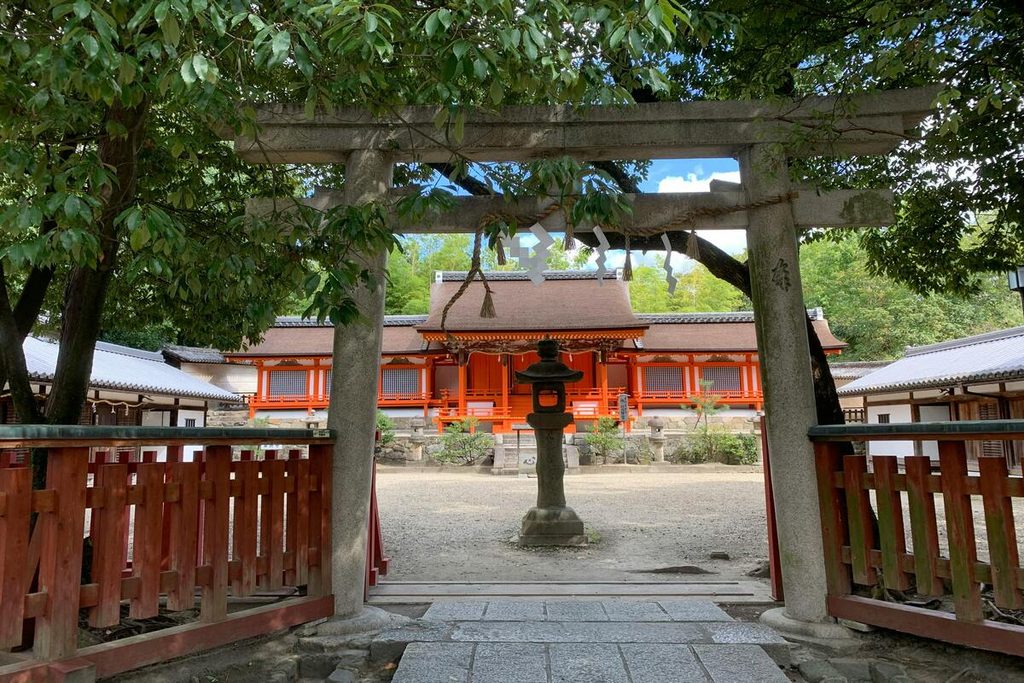
Photo: Pexels
A historic, serene shrine nestled within the famous Arashiyama Bamboo Grove, once used by Imperial princesses to purify themselves.
- Highlights: The rare “black” torii gate made from unpeeled oak, and the lush, green surroundings of the bamboo forest.
- Location: Google Maps
Tips:Kame-ishi (Turtle Stone): Look for the stone in the garden. It is said that if you touch it while making a wish, your wish will come true within a year.
8. Shiramine Shrine
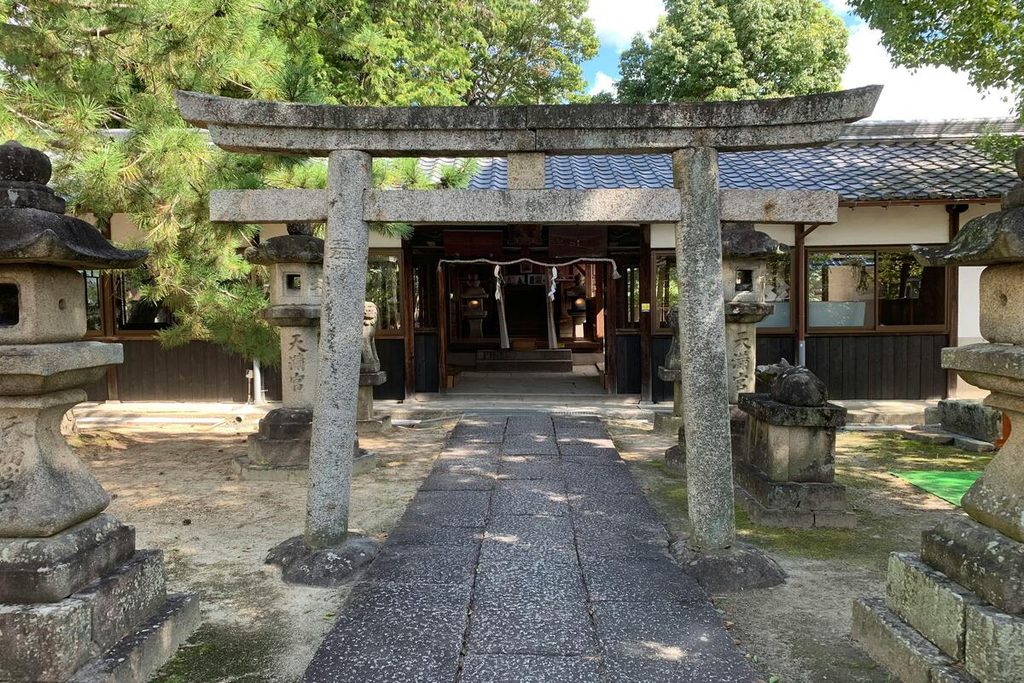
Photo: Pexels
A unique shrine dedicated to the god of sports, located on the former site of a royal residence.
This shrine is one of the most intriguing in Kyoto, blending deep imperial history with a modern-day devotion to athletic excellence.
- Highlights: The shrine is famously known as the protector of sports, particularly soccer and ball games.
- Location:Google Maps
Tips:Ball Dedications – You will see many sports balls (soccer balls, volleyballs, etc.) dedicated to the shrine.
It’s a very unusual and modern sight within a traditional shrine setting.
Overall Travel Tips
Exploring Kyoto’s hidden gems is a rewarding experience, but navigating this historic city requires a little insider knowledge to ensure your trip remains as peaceful as the temples themselves.
From understanding local transit etiquette to knowing the best times to avoid the crowds, these practical tips are designed to help you travel more smoothly and respectfully.
- Visit Early: Hidden temples are especially serene in the morning before any visitors arrive.
- Respect Local Etiquette: Remove shoes before entering halls and speak softly.
- Wear Comfortable Shoes: Many hidden temples require walking along uneven paths or uphill trails.
- Seasonal Considerations: Spring cherry blossoms and autumn leaves enhance the beauty of these sites.
Access to Kyoto Hidden Temples from Major Cities

Photo: Pexels
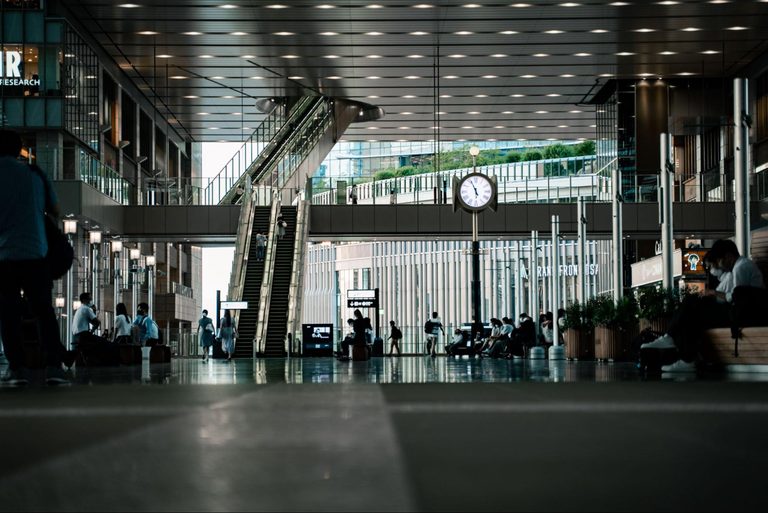
Getting to Kyoto is remarkably simple, thanks to Japan’s world class transportation network.
Once you arrive at Kyoto Station, you can easily connect to the city’s bus and subway lines to reach these tranquil, hidden spots.
- From Osaka: Take the JR Special Rapid or Hankyu Line to Kyoto Station. Travel time: 30–50 minutes.
- From Tokyo: Take the Shinkansen to Kyoto Station. Travel time: approx. 2 hours 20 minutes.
- From Nara: Kintetsu or JR lines connect Nara to Kyoto in approx. 45 minutes.
Summary
Kyoto’s hidden temples provide an intimate look at Japanese culture, spirituality, and natural beauty.
Whether it’s the quiet moss gardens at Honen-in or the fun, unique statues at Otagi Nenbutsu-ji, every visit offers a special moment of peace and discovery.
Take your time, respect local customs, and enjoy the quiet charm of Kyoto’s secret temples.
Even if you encounter any trouble while navigating the train system, you will be just fine as long as you have a reliable internet connection.