Photo: Pexels
Japan’s castles are more than historical landmarks.
They offer travelers a chance to experience Japanese history, architecture, and seasonal scenery in one place.
Castles reflect the design and lifestyle of the samurai era as centers of power and defense. Many feature wooden interiors, stone walls, moats, and carefully planned layouts designed to prevent enemy attacks. Some castles remain in their original form, while others have been reconstructed with modern features such as museums and observation decks. Each type offers a different perspective on Japan’s feudal past.
Today, many castles are located in parks or city centers, making them easy to visit throughout the year. They also change with the seasons, from cherry blossoms in spring to colorful autumn foliage and clear winter views.
This guide introduces five of Japan’s most iconic castles highlighting their unique features, seasonal attractions, and visitor experiences.
1. Himeji Castle (Hyogo)
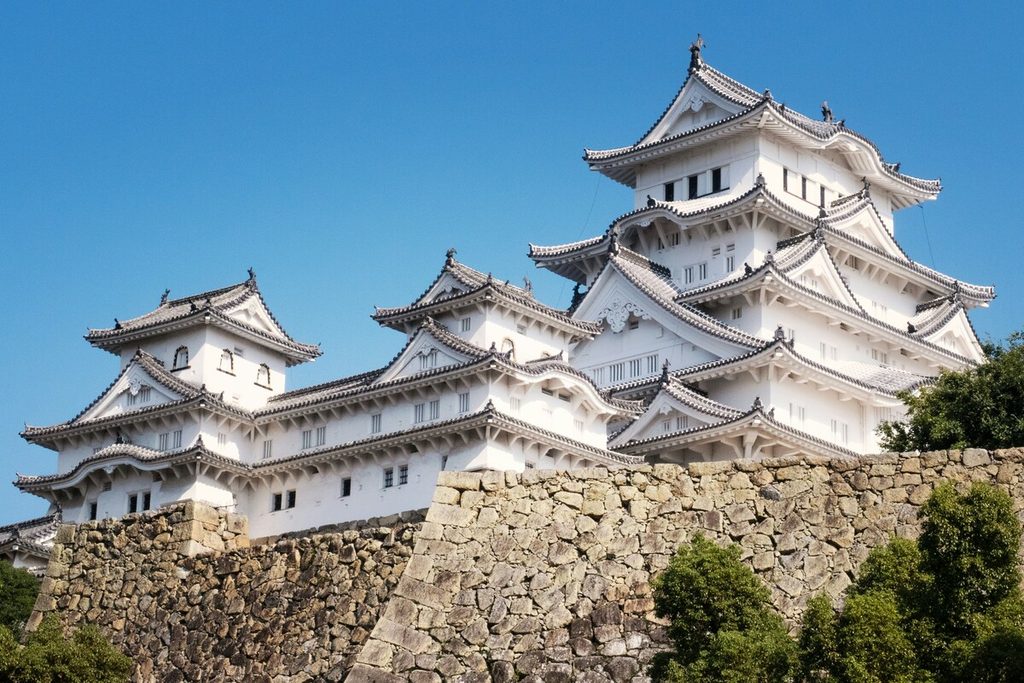
Photo: Unsplash
Himeji Castle is Japan’s best-preserved historic castle and a UNESCO World Heritage Site. Its white exterior has earned it the nickname “White Heron Castle.”
Highlights
Visitors can walk through original wooden interiors, including steep staircases and narrow corridors. The layout reflects defensive designs often used during the feudal period. From the top floor, you can enjoy wide views over Himeji city. The castle is also illuminated at night, creating a striking contrast with the dark sky.
Seasonal Experience
Spring is the most popular season. Cherry blossoms surround the castle grounds. Autumn offers clear skies and colorful foliage.
Why Visit
Himeji Castle offers one of the most complete and authentic castle experiences in Japan.
Access:
- About a 20-minute walk from JR Himeji Station.
Admission: 2,500 yen - Google Maps
- Official Site
*It is also accessible by local bus, but walking is the most common option for visitors.
2. Matsumoto Castle (Nagano)
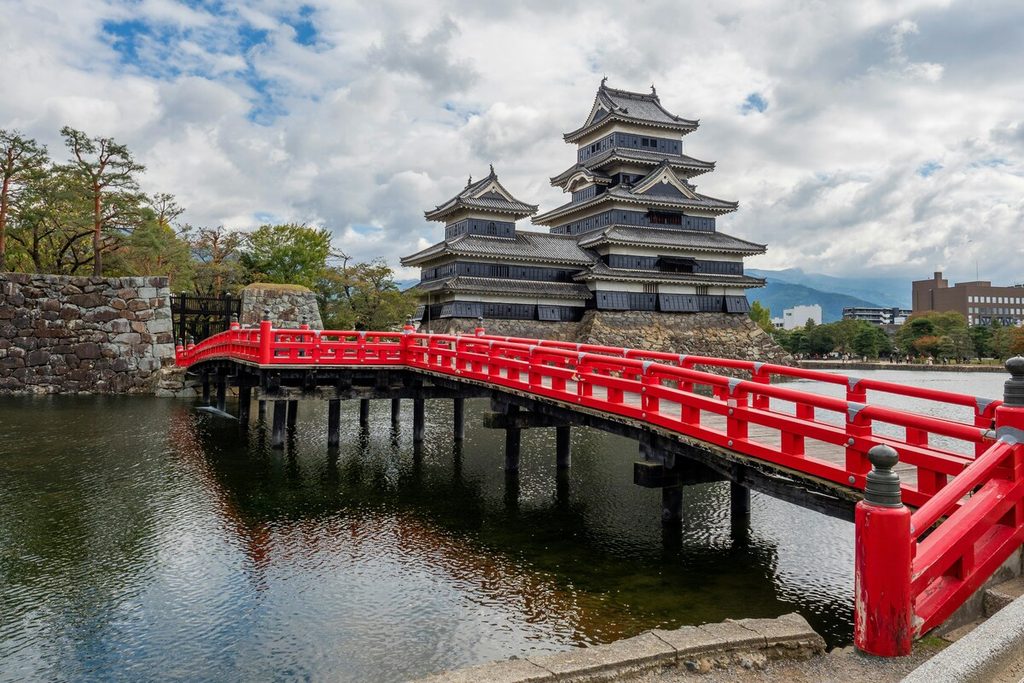
Photo: Upsplash
Matsumoto Castle is one of Japan’s oldest surviving castles and a designated National Treasure. Its black exterior gives it the nickname “Crow Castle.”
Highlights
Visitors can explore wooden interiors and steep staircases used for defense. The castle reflects its original military function from the samurai period.
One of the castle’s most famous sights is its black exterior reflected in the surrounding moat.
Seasonal Experience
Winter offers a particularly beautiful scene, with snow highlighting the black structure and the nearby mountains. Seasonal projection mapping events are occasionally held at Matsumoto Castle.
Why Visit
Matsumoto Castle stands out for its strong visual contrast and well-preserved structure.
Access:
- About a 15-minute walk from Matsumoto Station.
- Admission:1,200 yen
- Google Maps
- Official Site
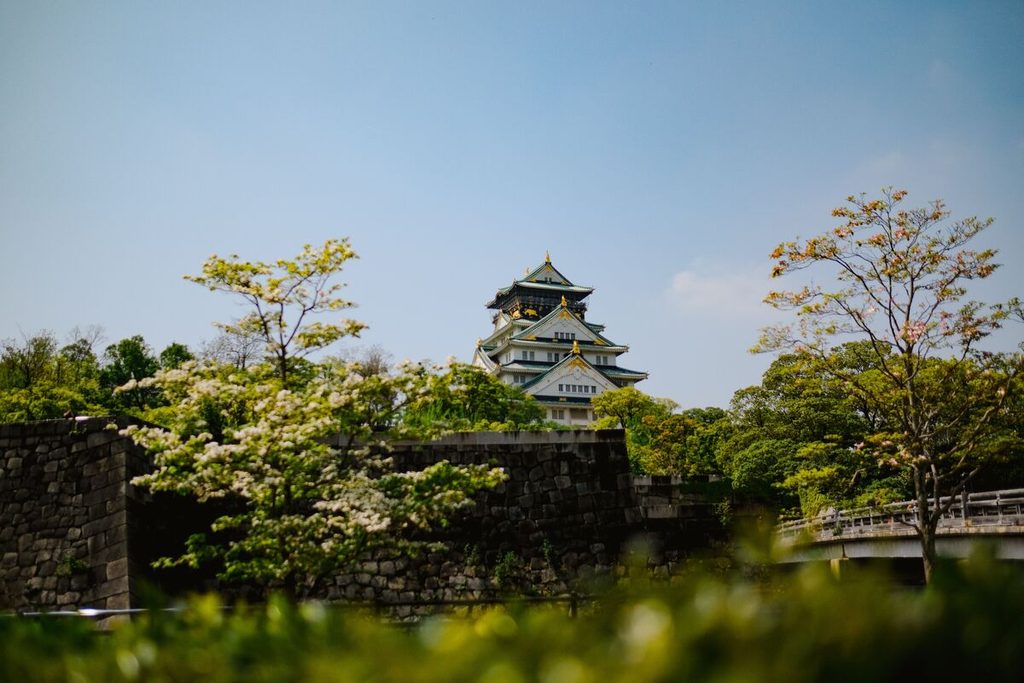
3. Osaka Castle (Osaka)
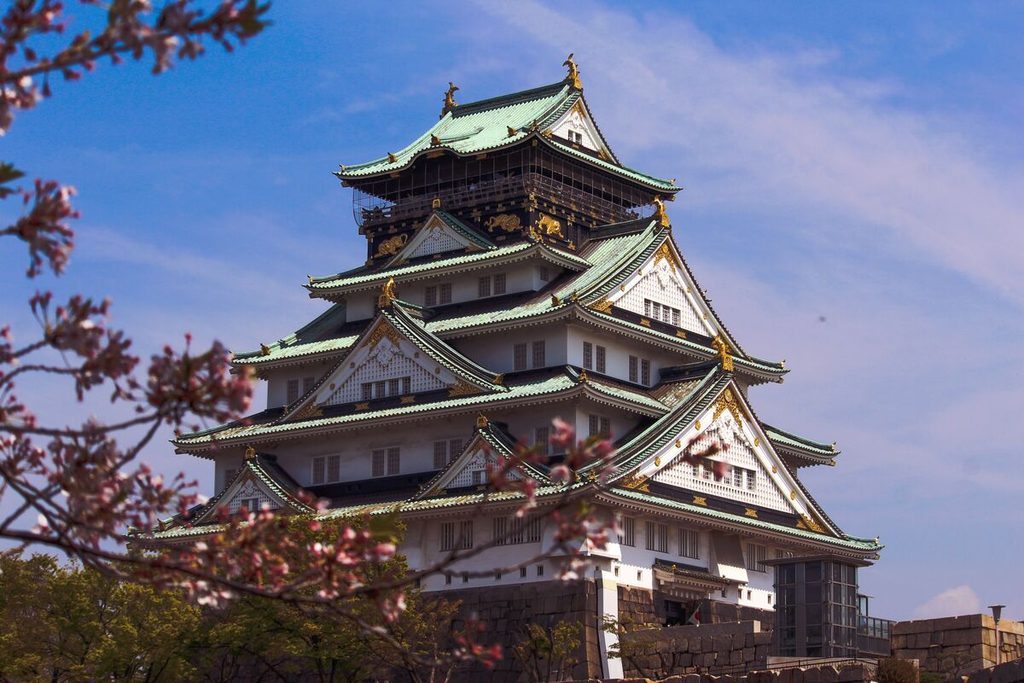
Photo: Pexels
Osaka Castle is one of Japan’s most famous landmarks and a symbol of the samurai era. It was built in the late 16th century by Toyotomi Hideyoshi, one of Japan’s most famous samurai leaders, during the Sengoku period.
Highlights
The massive stone walls are a highlight, showcasing advanced construction techniques.
Inside museum exhibits explain the history of the castle and the Sengoku period. The surrounding park includes Nishinomaru Garden, a quiet area with walking paths and seasonal flowers.
Seasonal Experience
Spring is especially popular, when cherry blossoms fill the park. The area is also pleasant in autumn and during evening illumination.
Why Visit
Osaka Castle combines history, architecture, and large park spaces in a central city location.
Access:
- About a 15–20 minute walk from Osakajokoen Station or Morinomiya Station.
- Admission: 1,200 yen
- Google Maps
- Official Site
4. Kumamoto Castle (Kumamoto)
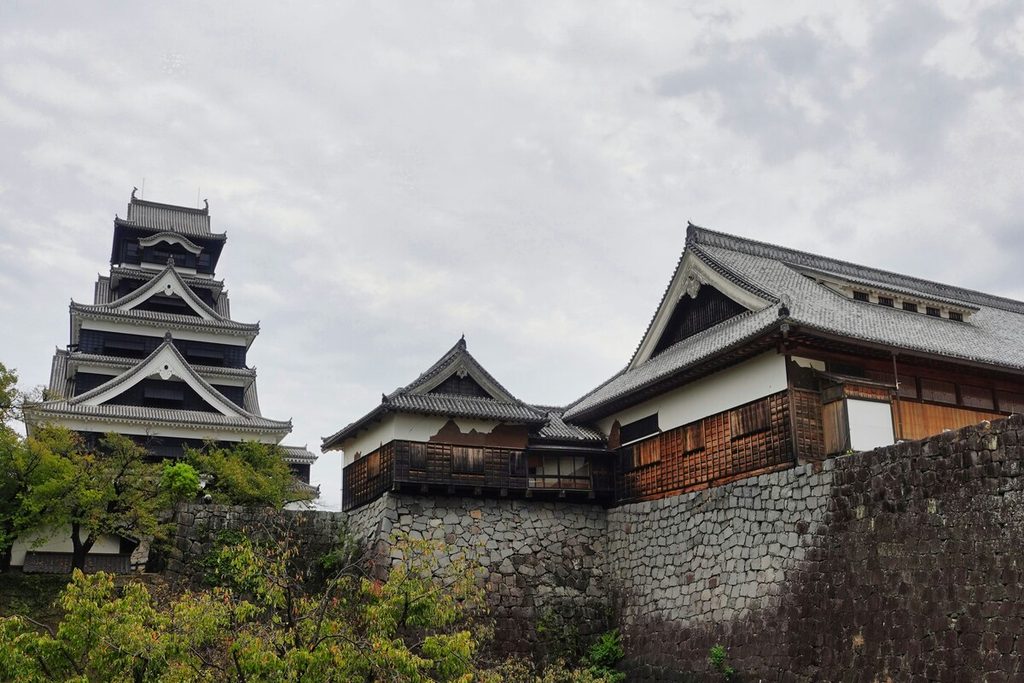
Photo: Unsplash
Kumamoto Castle was built in the early 17th century by Kato Kiyomasa, a famous samurai lord known for his exceptional skills in castle construction and military engineering.
The Castle is known for its strong defensive design and impressive stone walls.
Highlights
The castle features steep stone walls and a complex layout of gates and paths. These were designed to slow down and confuse attackers.
Parts of the castle were damaged in the 2016 earthquake, but restoration has made many areas accessible again.
Seasonal Experience
Spring brings cherry blossoms around the castle grounds. At night, the castle is illuminated in changing colors.
Why Visit
Kumamoto Castle offers insight into advanced castle defense and ongoing restoration efforts.
Access:
- About a 10–15 minute tram ride from Kumamoto Station
- Admission: 800⁺ yen *The admission fee may vary depending on the date and time.
- Google Maps
- Official Site
5. Takeda Castle (Hyogo)
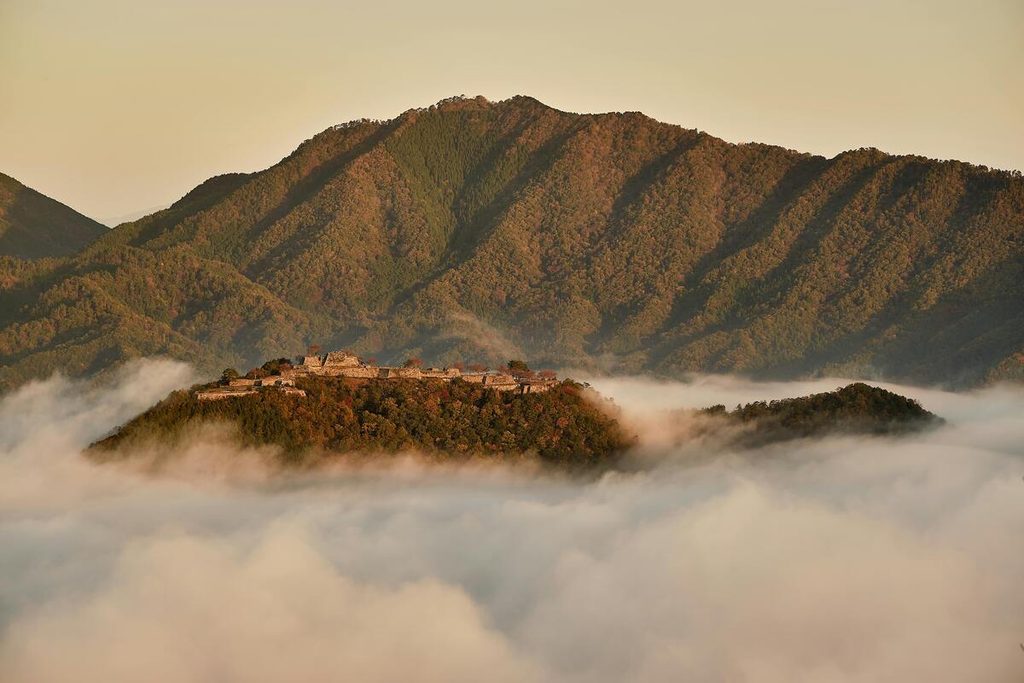
Photo: Pexels
Takeda Castle is a historic ruin known for its mountain setting. It is often called the “Castle in the Sky” because it appears to float above a sea of clouds that forms in the valley below on early autumn and winter mornings.
Highlights
Visitors can walk along the stone foundations and enjoy panoramic views of the surrounding area. There is no remaining main tower, but the layout is still clearly visible. From nearby viewpoints, the castle can appear to float above clouds on misty mornings.
Seasonal Experience
Autumn mornings are best known for the “sea of clouds” phenomenon. Winter also offers atmospheric landscapes with fog and cold air.
Why Visit
Takeda Castle combines history and scenery, offering one of the most unique views in Japan.
Access:
- The nearest station is JR Takeda Station. From the station, visitors can either hike to the castle ruins in about 40 minutes or take the seasonal Tenku Bus, followed by a 20-minute walk to the entrance.
- Admission: 500 yen
- Google Maps
- Official Site
Understanding Japanese Castles
Japanese castles were not only residences for feudal lords but also important military and administrative centers. They were built with both defense and symbolism in mind.
Unlike castles in Europe, Japanese castles often feature wooden structures, layered rooftops, and elevated stone bases. Many were surrounded by moats, gates, and complex pathways designed to slow down enemies.
Today, visitors can still see these elements in both original and reconstructed castles across Japan. Even ruins, such as Takeda Castle, clearly show how these layouts once functioned.
Original vs Reconstructed Castles
Not all castles in Japan are the same.
Some castles have preserved their original structures as they are. Himeji castle and Matsumoto castle are famous. Others, such as Osaka Castle, have been rebuilt after being destroyed by fire.
Original castles offer a more authentic historical atmosphere, which includes wooden interiors and steep staircases. On the other hand, reconstructed castles often include museums, elevators, and modern facilities that make them easier to explore.
Visiting a mix of both can give a deeper understanding of Japanese castles.
How to Enjoy Visiting Castles
In order to make the most of your visit, it is worth slowing down and exploring both the interior and the surrounding grounds.
Inside the castle, you can learn about historical events, defensive design, and daily life during the samurai era. Outside, castle parks often provide wide open spaces, seasonal scenery, and good photo spots.
Many castles also offer official guide apps or audio guides. These can help you understand the history and layout in more detail while you explore.
Try to visit shortly after opening to avoid crowds, especially during cherry blossom season. Many castles also offer night illumination, which provides a completely different atmosphere.
Castles and Seasonal Travel
One of the unique aspects of castles in Japan is how strongly they are connected to nature and the seasons.
Spring is beautiful with cherry blossoms, when castle grounds become popular hanami spots. In autumn, colorful leaves create a warm contrast with stone walls and wooden structures. Winter offers a quieter experience, sometimes with snow highlighting the shape of the castle.
Each season provides a different perspective, even at the same location.
Summary
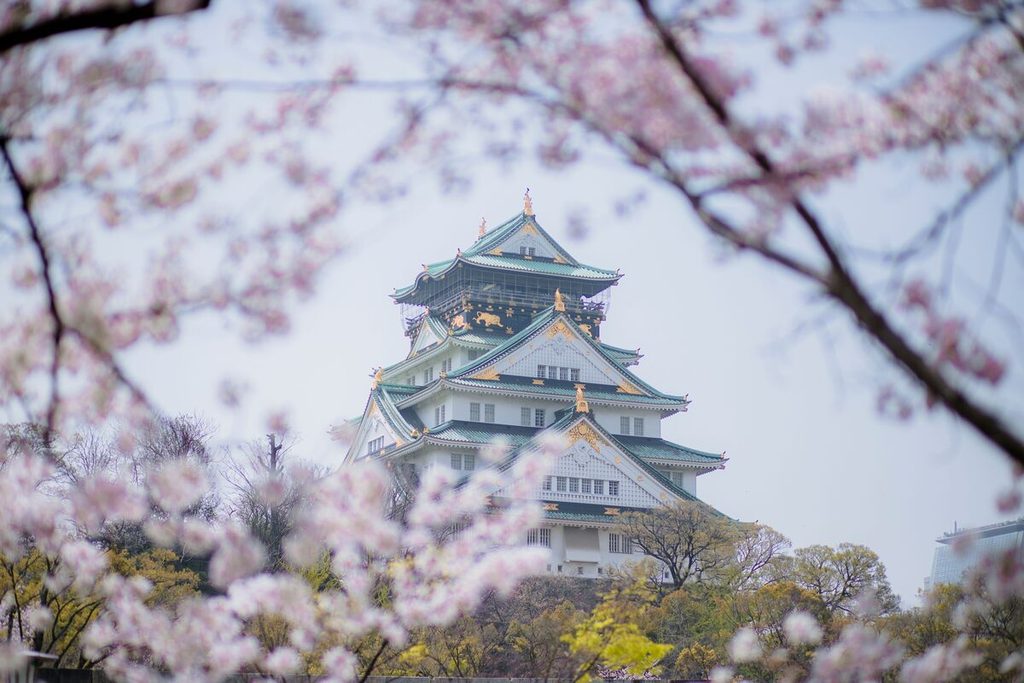
Photo: Pexels
Japan’s castles offer a mix of history, architecture, and seasonal scenery.
Each castle provides a different experience. Himeji for preservation, Matsumoto for contrast, Osaka for scale, Kumamoto for defense design, and Takeda for landscape. They can be visited in any season, with each time of year offering a different atmosphere.
For travelers exploring Japan, these castles provide a chance to experience the country’s history and natural beauty.