Photo:Unsplash
Introduction
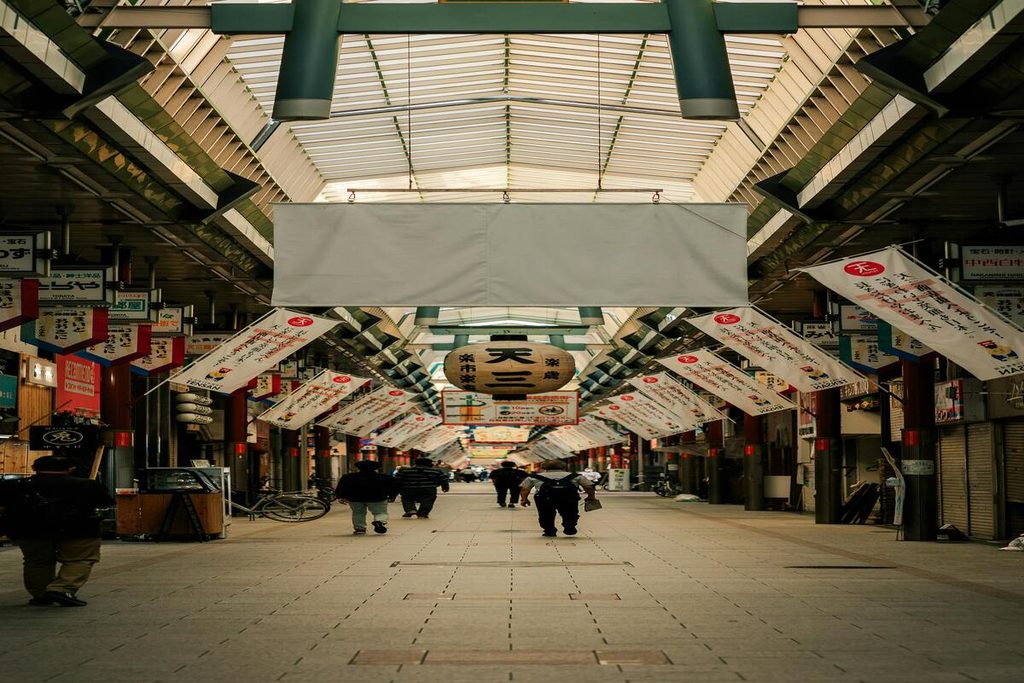
Photo:Pexels
Kyoto is famous for its massive temples and golden pavilions. But the real heart of the city lies in its narrow side streets,prominent shotengai (shopping arcades), and quiet residential pockets.
If you only visit the major landmarks, you might miss the real Kyoto, which is the one where artisans work in hidden studios and neighbors chat over morning coffee in 50 year old cafes.
Are you looking to escape the tourist bubbles and find a more authentic connection to the city?
In this article, we will introduce the best neighborhoods for traditional culture, modern creativity, and everyday charm.
In this article you will learn:
- Five unique neighborhoods where locals eat, shop, and live.
- The best local markets and shopping streets (Shotengai).
- Hidden cafes and artisan shops away from the crowds.
- How to navigate these residential areas respectfully.
Exploring residential neighborhoods often means wandering into small alleys, to find that hidden bakery or a century-old craft shop, a reliable internet connection is essential.
An eSIM allows you to use live navigation and translation apps without worrying about finding a Wi-Fi signal.
Overview of Kyoto’s Local Life
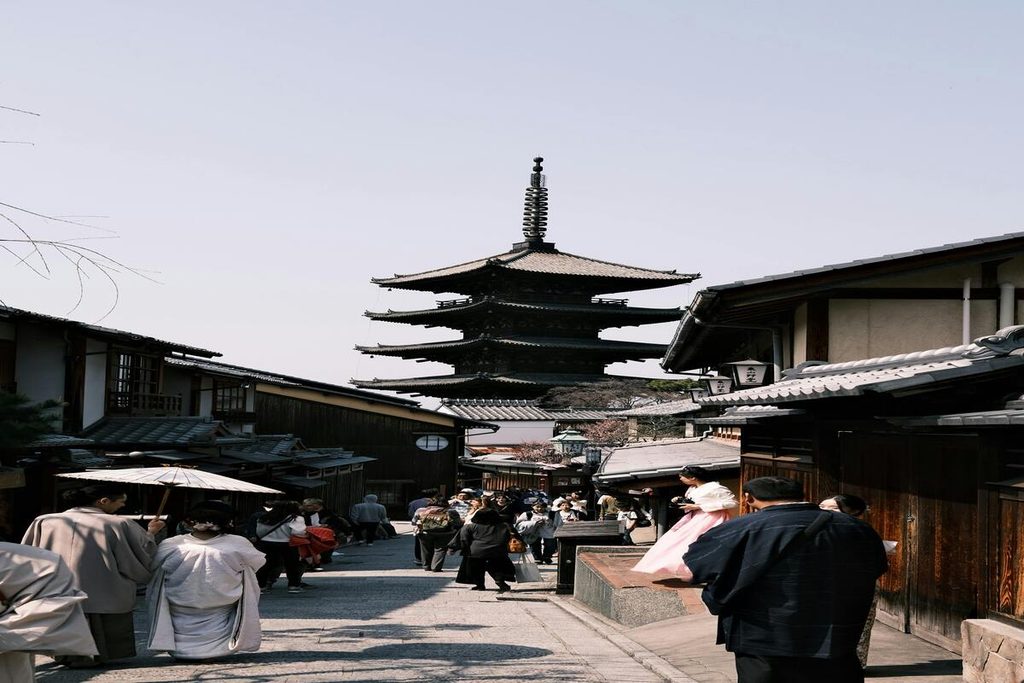
Photo:Pexels
Kyoto’s layout is a grid, modeled after the ancient Chinese capital of Chang’an.
While the main boulevards are bustling with modern department stores, the blocks in between are filled with Machiya(townhouses) and small family-run businesses.
What makes Kyoto’s neighborhoods unique?
- The Shotengai Culture: Covered shopping arcades are the social hubs of local life, where you can find everything from handmade tofu to vintage kimonos.
- Artisanal Heritage: Neighborhoods like Nishijin have been centers of weaving and crafts for over 500 years.
- Modern Creativity: Former industrial or university districts are transforming into creative hubs with specialty coffee roasters and independent galleries.
Best Things to Do
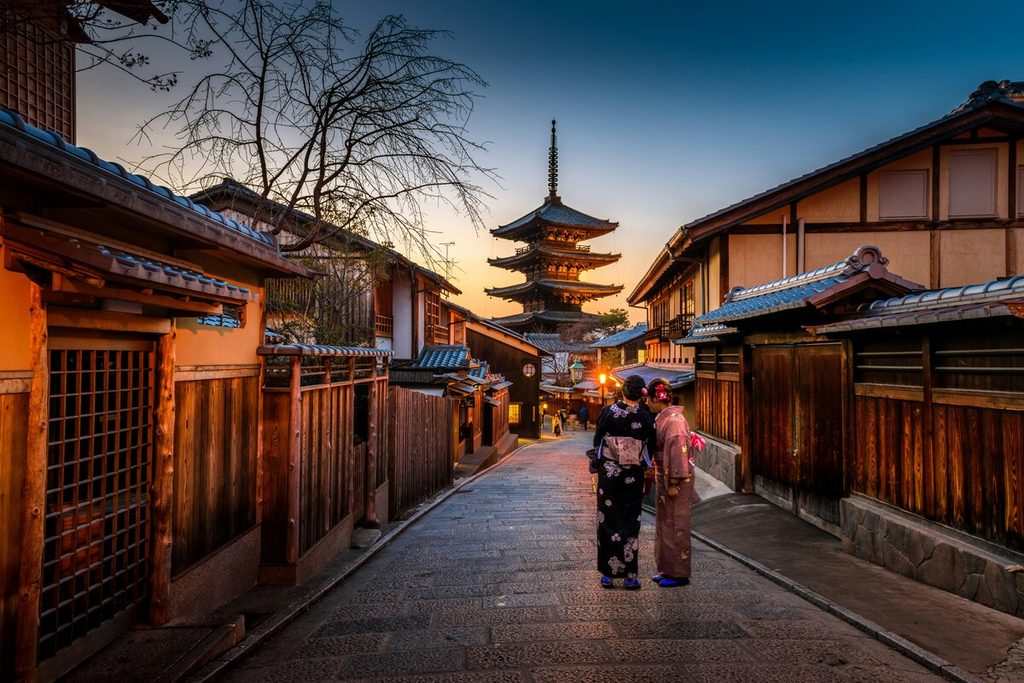
Photo:unsplash
Want to see the real side of Kyoto? It’s time to move beyond the tourist trails.
Whether you’re sipping coffee at a retro cafe or soaking in a traditional bathhouse, these local experiences are the key to a memorable trip.
- Explore (Morning Markets): Visit a neighborhood market early in the morning to see chefs and locals buying seasonal ingredients. It’s a sensory experience of colors, smells, and sounds.
- Enjoy (The Sento Experience): Many local neighborhoods still have active “Sento” (public bathhouses). Spending an hour at a local bathhouse is the ultimate way to participate in a centuries-old community ritual.
- Try Kissaten Culture: Kyoto has a deep love for “Kissaten”—retro Japanese coffee shops. Order a “Morning Set” (coffee and thick-cut toast) and watch the local regulars read their newspapers.
Recommended Spots
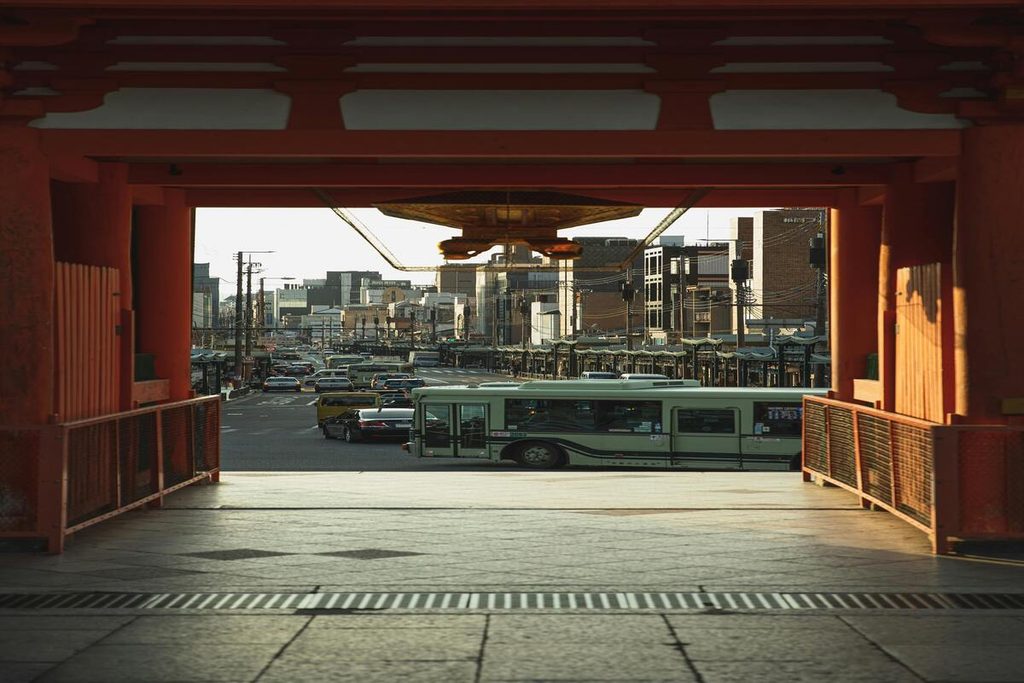
Photo:Pexels
Kyoto is more than just famous temples and crowded tourist spots. To find the real Kyoto, you need to walk where the locals live.
In this guide, we will show you quiet streets, hidden gems, and the peaceful side of the city. Join us as we explore the neighborhoods that make Kyoto so special.
Let’s see the city in a new, authentic way!
1. Nishijin (The Weaving District)
Located in the northwestern part of Kyoto, Nishijin is the historic home of traditional textile weaving.
The sound of looms clicking through open windows is the soundtrack of this neighborhood.
- Funaoka Onsen: One of Kyoto’s most famous and beautiful public baths, featuring incredible wood carvings from the 1920s.
- Orinasu-kan: A small museum in a traditional building where you can see Nishijin-ori weaving up close.
- Kamigyo Side Streets: Wander the stone-paved alleys to see perfectly preserved Machiya houses.
- Time required: 2–3 hours.
- Access: Take Bus 206 from Kyoto Station to “Senbon Kuramaguchi.”
- Location: [Google Maps Link]
2. Demachiyanagi & Masugata Shotengai
This area is located where the Kamo and Takano rivers meet. It’s a vibrant, youthful neighborhood thanks to the nearby Kyoto University, and it feels very lived-in.
- Masugata Shotengai: A quirky, retro shopping arcade. Don’t miss the famous “Demachi Futaba” shop for their legendary Mame-daifuku (rice cakes with beans).
- Kamogawa Delta: Join the locals sitting on the turtle-shaped stepping stones in the river. It’s the city’s favorite spot for a picnic or a quiet sunset.
- Independent Cinemas & Bookstores: The area is full of cultural spots like the Demachiza cinema.
- Time required: 2 hours.
- Access: Take the Keihan Line to the final stop, Demachiyanagi Station.
- Location: [Google Maps Link]
3. Ichijoji (The Ramen & Book District)
Further north, Ichijoji is a quiet residential area that has become a destination for two types of people: high-end ramen enjoyers and book lovers.
- Keibunsha Books: Often ranked as one of the best bookstores in the world, this shop is a beautiful space for books, stationery, and local crafts.
- Ramen Street: Ichijoji is the ramen capital of Kyoto. Whether you like heavy pork broth or light soy-based soup, this street has the city’s highest-rated shops.
- Enko-ji & Shisendo: Two of the city’s quietest and most beautiful temples are just a short walk away from the main street.
- Time required: 2–3 hours.
- Access: Take the Eizan Railway from Demachiyanagi to Ichijoji Station.
- Location: [Google Maps Link]
4. Fushimi (The Sake District)
While tourists flock to the nearby Fushimi Inari Shrine, most miss the actual town of Fushimi. This is a historic sake-brewing district defined by white-walled breweries and willow-lined canals.
- Gekkeikan Okura Sake Museum: Learn about the history of brewing and enjoy a tasting of the famous soft-water sake.
- Jukkoku-bune Boat Ride: Take a traditional wooden boat through the quiet canals under the willow trees.
- Teradaya Inn: A historic inn famous for a dramatic assassination attempt on the samurai hero Sakamoto Ryoma.
- Time required: Half-day (3–4 hours).
- Access: Take the Keihan Line to Chushojima Station.
- Location: [Google Maps Link]
5. Teramachi-dori (South of Oike)
Teramachi means Temple Town, but the southern section of this street is a perfect blend of old-school craft shops and modern design.
- Antiques & Tea: This street is home to some of Kyoto’s oldest tea shops (like Ippodo) and antique paper galleries.
- Zuzushoya: A beautiful shop selling traditional Japanese sweets in a modern, minimalist setting.
- Nijo-dori Side Streets: Explore the small shops selling handmade brushes, incense, and stationery.
- Time required: 1–2 hours.
- Access: A short walk from Kyoto Shiyakusho-mae Subway Station.
- Location: [Google Maps Link]
In local neighborhoods like Nishijin or Fushimi, English menus and signs are less common than in the main tourist areas.
An eSIM with high-speed data allows you to use your phone’s camera to translate menus and read local historical plaques, making your exploration much richer.
Travel Tips
Photo:Pexels
Exploring Kyoto like a local is a special experience, but it comes with a responsibility to look after the neighborhoods we visit.
Whether you’re walking through a quiet alley or trying a traditional Sento, a little thoughtfulness goes a long way.
Use these tips to help you navigate the city gracefully and make a positive impact on the communities you discover along the way.
- Keep Quiet: These are residential neighborhoods where people live and work. Avoid talking loudly, especially in narrow alleys where sound echoes.
- Ask Before Photos: In neighborhoods like Nishijin, you may see people working or beautifully decorated private homes. Always ask for permission before taking a photo of a person or a private garden.
- Support the Small Shops: Instead of going to a chain convenience store, buy your snacks or souvenirs at a local Shotengai. Your purchase helps keep these traditional businesses alive.
- Mind the No Entry Signs: Some alleys in residential Kyoto are private roads. Look for signs that say “私道” (Private Road) or “立入禁止” (No Entry).
- Try the Sento Etiquette: If you visit a public bath, remember to wash thoroughly before entering the communal tub and keep your towel out of the water.
After exploring the peaceful temples of Kyoto, why not soothe your tired muscles in a traditional Japanese bath?
Access
Navigating Kyoto’s Neighborhoods
- The Kyoto Subway: The Karasuma Line (North-South) and Tozai Line (East-West) are the fastest ways to bypass traffic and reach neighborhoods like Ichijoji or Teramachi.
- The Keihan Railway: This is the best line for reaching the Demachiyanagi and Fushimi areas.
- Cycling: Kyoto is incredibly flat, making it perfect for neighborhood exploration. Renting a bike allows you to discover hidden shops and parks between the major landmarks.
Summary
Kyoto is a city of layers. While the temples provide the spiritual foundation, the local neighborhoods provide life and energy.
By spending a day in Nishijin, Demachiyanagi, or Fushimi, you will discover a side of Japan that is warm, welcoming, and deeply rooted in community.
Slow down, grab a coffee at a local Kissaten, and let the city’s hidden stories reveal themselves to you.