Introduction
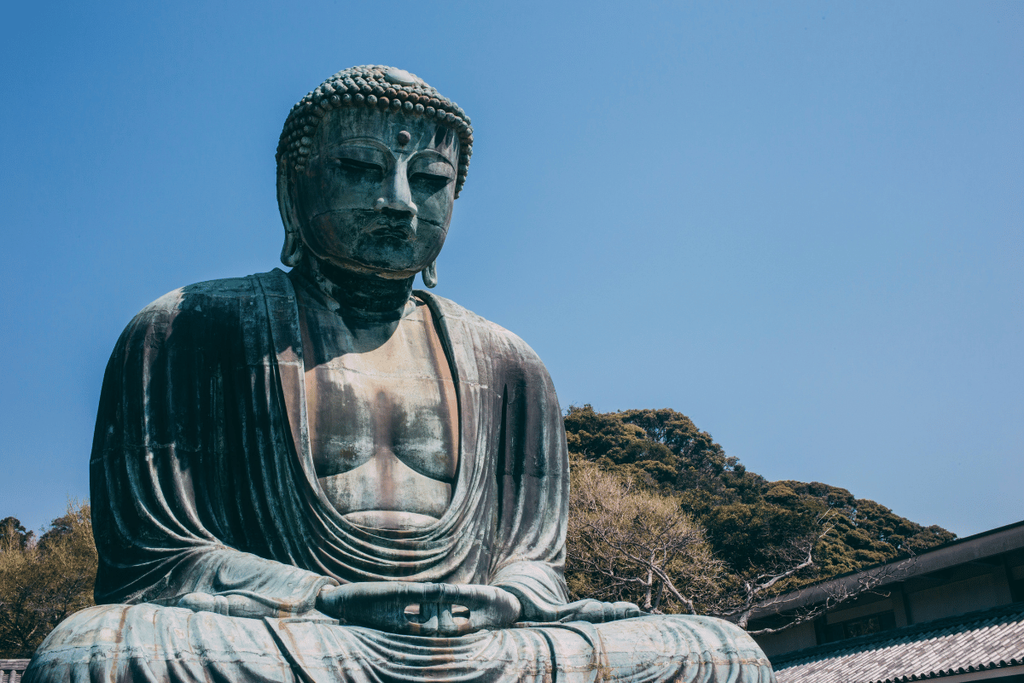
Photo: Unsplash
If you’re looking for an easy day trip from Tokyo, Kamakura is one of the best places to visit. This historic seaside city is only about an hour away, but it feels completely different from the Japanese capital. Instead of busy train stations and tall office buildings, you’ll find peaceful temples, quiet streets, beautiful gardens, and relaxing ocean views. Kamakura was once the political center of Japan during the Kamakura Period, and many important cultural sites have been carefully preserved over the centuries. Today, it attracts travelers from around the world who want to experience a slower and more traditional side of Japan while staying close to Tokyo.
One of the reasons Kamakura is so popular is its incredible variety. You can admire centuries-old temples in the morning, enjoy fresh seafood or handmade soba for lunch, browse local shops in the afternoon, and finish your day with a walk along the beach while watching the sunset. The city is compact enough to explore in a single day, making it a great choice even if your travel schedule is short. Many of the main attractions are within walking distance, while local trains and buses make it easy to visit places that are a little farther away. Whether you’re interested in history, nature, food, or photography, Kamakura offers something that almost every traveler can enjoy.
This guide will help you plan the perfect Kamakura day trip from start to finish. You’ll learn why the city is worth visiting, discover the best sightseeing route, explore famous landmarks and hidden gems, and find practical tips that will make your visit smoother. By the end of the day, you’ll understand why so many travelers say Kamakura is one of the highlights of their trip to Japan.
Why Visit Kamakura?
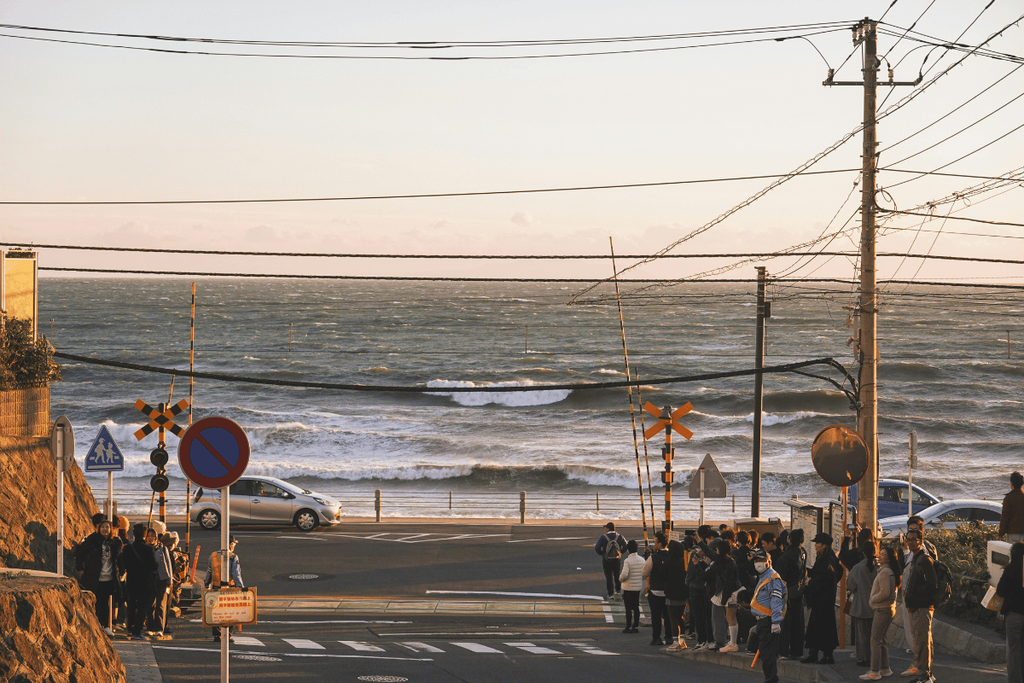
Photo: Unsplash
A Perfect Day Trip from Tokyo
One of Kamakura’s biggest advantages is its convenient location. Traveling there from central Tokyo takes only about an hour, making it one of the easiest destinations to add to almost any Japan itinerary. You don’t need to book a hotel or pack an overnight bag because you can comfortably explore the city in a single day before returning to Tokyo in the evening. This makes Kamakura especially popular with first-time visitors who want to experience traditional Japan without traveling all the way to Kyoto. If you have limited time but still want to see historic temples and beautiful scenery, Kamakura is an excellent choice.
A City Rich in History and Culture
Kamakura played an important role in Japanese history as the country’s first military capital. During the Kamakura Period, powerful samurai leaders ruled Japan from this city, and many of the temples and shrines built during that time can still be visited today. Walking through Kamakura allows you to experience centuries of history while exploring places that have remained important for generations. Massive wooden gates, ancient stone lanterns, peaceful Zen temples, and carefully designed gardens create an atmosphere that feels both impressive and relaxing. Even travelers who don’t usually enjoy historical sightseeing often find themselves appreciating the beauty and peacefulness of these cultural landmarks.
Each temple has its own unique character, giving visitors something different to discover throughout the day. Some are famous for impressive statues, while others are known for seasonal flowers, quiet bamboo groves, or panoramic views from nearby hills. You’ll also notice small details that make each place memorable, such as traditional wooden architecture, koi ponds, incense drifting through the air, and monks quietly going about their daily routines. These experiences help visitors understand Japanese culture in a natural and enjoyable way rather than simply reading about it in a guidebook. Spending time in these peaceful spaces often becomes one of the most memorable parts of a visit to Kamakura.
One-Day Kamakura Itinerary
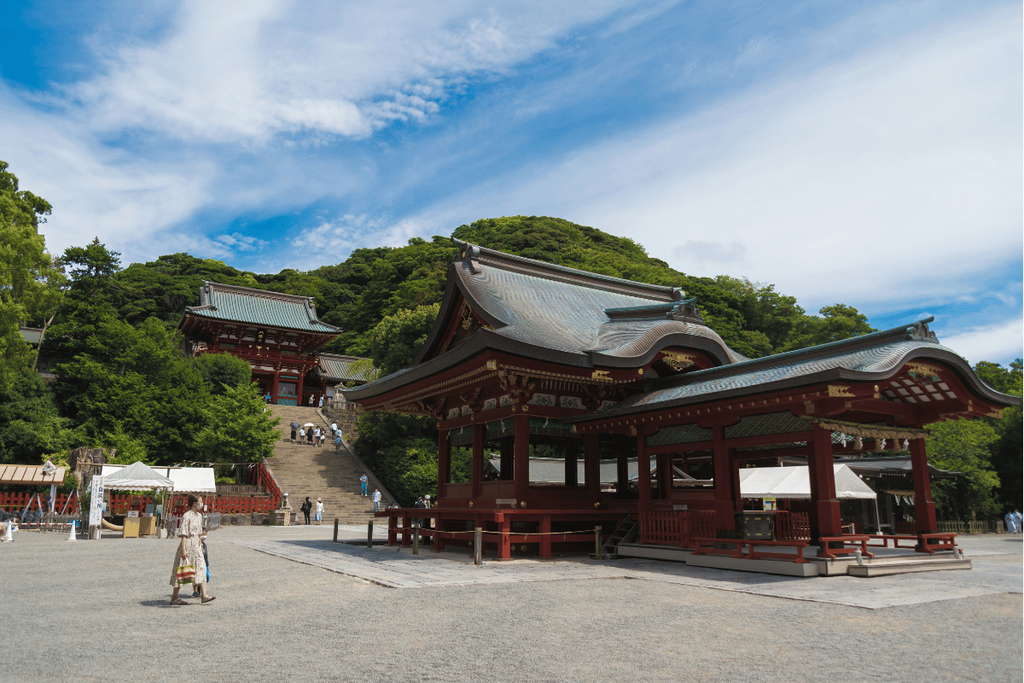
Photo: Unsplash
Start Your Morning at Tsurugaoka Hachimangu Shrine
To make the most of your day, try to arrive at Kamakura Station between 9:00 and 9:30 a.m. Starting early gives you enough time to enjoy the city’s most popular attractions before they become crowded, especially on weekends and during cherry blossom or autumn leaf season. After leaving the station, take a short walk along Wakamiya Oji, the city’s main avenue, which leads directly to Tsurugaoka Hachimangu Shrine. The wide pathway lined with trees creates a peaceful introduction to Kamakura, and you’ll notice locals, students, and visitors all sharing the same relaxed pace. Even before reaching the shrine, the atmosphere already feels very different from the busy streets of Tokyo.
Tsurugaoka Hachimangu is Kamakura’s most important Shinto shrine and has been the spiritual heart of the city for more than 800 years. As you walk through the large torii gate and climb the stone steps to the main hall, you’ll enjoy beautiful views of the surrounding grounds and the city beyond. Depending on the season, you may see cherry blossoms, lotus flowers, hydrangeas, or colorful maple leaves decorating the gardens. Take your time to explore the smaller shrines, ponds, and walking paths instead of rushing through the complex. Spending about an hour here allows you to appreciate both the historical significance and the peaceful atmosphere that make this shrine so special.
Explore Komachi Street
After visiting the shrine, head back toward Kamakura Station and enter Komachi Street, one of the city’s most popular shopping areas. This lively pedestrian street is filled with souvenir stores, local snack shops, cafés, bakeries, and small boutiques selling handmade crafts. Although it attracts many tourists, it still has a friendly local feel, and it’s a great place to experience everyday life in Kamakura. Many stores have been run by local families for years, giving the street plenty of character and charm. It’s easy to spend an hour here simply browsing the shops and enjoying the lively atmosphere.
Komachi Street is also one of the best places to try local food without sitting down for a full meal. You can sample freshly grilled rice crackers, sweet potato desserts, matcha ice cream, traditional Japanese sweets, or crispy croquettes while walking through the street. If you enjoy coffee, you’ll also find several small cafés serving carefully brewed drinks and homemade cakes. Shopping here is just as enjoyable as eating, with many stores selling locally made ceramics, chopsticks, handcrafted accessories, and beautifully packaged gifts. Even if you don’t plan to buy anything, the colorful displays and welcoming atmosphere make this street worth exploring.
Visit the Great Buddha
After exploring the city center, take the Enoden train or a local bus to Kotoku-in Temple, home of Kamakura’s famous Great Buddha. Officially known as the Daibutsu, this enormous bronze statue stands more than 11 meters tall and has watched over the city for centuries. It is one of Japan’s most recognizable landmarks and often becomes the highlight of a first visit to Kamakura. Unlike many large Buddha statues found inside temple buildings, this one sits peacefully in the open air, creating an unforgettable view against the sky. No matter how many photos you’ve seen before your trip, seeing it in person is an impressive experience.
Spend some time walking around the statue and observing the details of its design before exploring the rest of the temple grounds. If it’s open during your visit, you can even step inside the statue for a small additional fee to learn more about its construction. Although the temple itself is relatively small, the calm surroundings encourage visitors to slow down and appreciate the peaceful atmosphere. Early afternoon is usually less crowded than late morning, making it easier to take photos without large groups of people. Plan to spend around 45 minutes here before continuing to your next destination.
Relax at Hasedera Temple
Just a short walk from the Great Buddha is Hasedera Temple, another must-visit destination in Kamakura. This beautiful temple is famous for its impressive wooden statue of Kannon, the Buddhist goddess of mercy, as well as its carefully maintained gardens and seasonal flowers. The temple grounds stretch across a hillside, offering several walking paths that lead to quiet viewpoints overlooking the city and the ocean. Every corner feels peaceful, making it easy to understand why many visitors describe Hasedera as one of Kamakura’s most relaxing places. Compared with some of the city’s larger attractions, it also offers more opportunities to enjoy nature at your own pace.
End the Day by the Sea
Before returning to Tokyo, take some time to visit Yuigahama Beach, which is only a short distance from Hasedera. The beach offers a completely different side of Kamakura and is a wonderful place to relax after a full day of sightseeing. During summer, you’ll find people swimming, surfing, and enjoying the sunshine, while the quieter months are perfect for a peaceful walk along the shore. Watching the waves while feeling the ocean breeze is a refreshing way to end your visit. If you’re lucky enough to have clear weather, you may even catch a distant view of Mount Fuji across the water.
As the sun begins to set, the beach becomes even more beautiful, with warm golden light reflecting across the ocean. Many visitors choose to sit on the sand for a while before heading back to Kamakura Station, allowing themselves a few quiet moments after a busy day of sightseeing. From there, it’s easy to catch a train back to Tokyo and arrive in the evening with plenty of great memories and photos. Although one day passes quickly, you’ll likely leave feeling that you’ve experienced a wonderful mix of history, culture, food, and nature. It’s this balance that makes Kamakura one of Japan’s most rewarding day-trip destinations.
More Places Worth Visiting
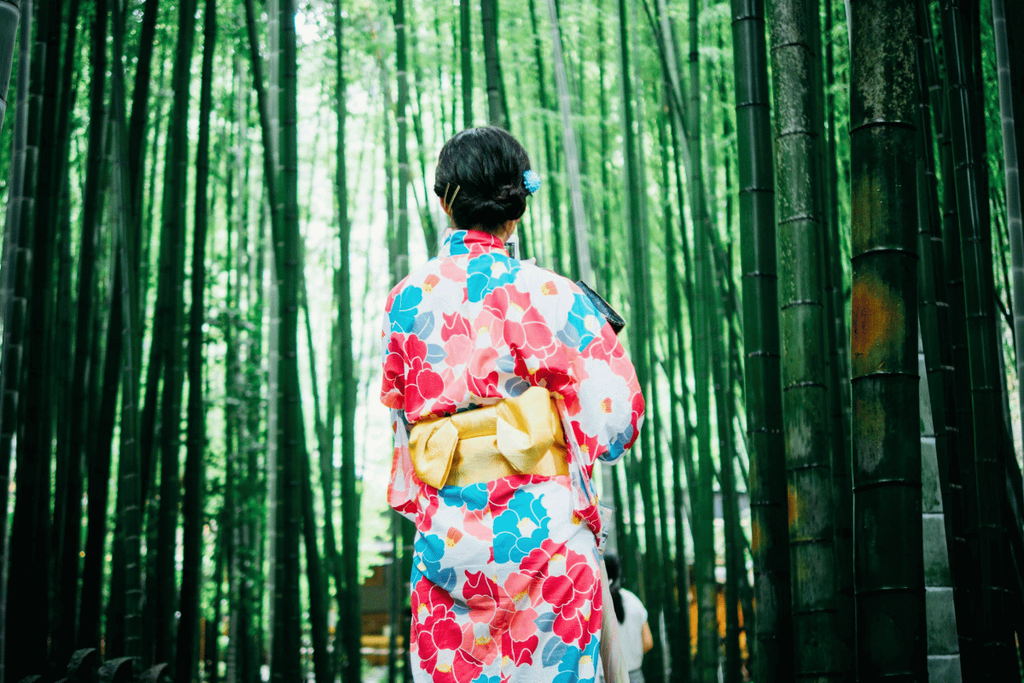
Photo: Unsplash
Hokokuji Temple and Its Peaceful Bamboo Grove
If you have extra time after visiting Kamakura’s most famous attractions, Hokokuji Temple is well worth adding to your itinerary. Located a little away from the city center, this quiet Zen temple is best known for its beautiful bamboo grove, where hundreds of tall bamboo stalks create a peaceful and almost magical atmosphere. Walking along the narrow paths feels completely different from the busier sightseeing areas, making it an ideal place to slow down and enjoy nature. The gentle sound of bamboo swaying in the wind adds to the relaxing experience, and many visitors say it’s one of the calmest places in Kamakura. Because the temple is slightly farther from the main tourist route, it also tends to feel less crowded than other famous landmarks.
One of the highlights of Hokokuji Temple is the traditional tea house located beside the bamboo grove. Here, you can enjoy a bowl of freshly prepared matcha while looking out at the quiet bamboo forest, creating a peaceful break during your sightseeing. Even if you’ve tried matcha before, drinking it in such a beautiful setting feels like a special experience. The gardens surrounding the temple are also carefully maintained and change beautifully with the seasons, making every visit slightly different. Plan to spend about an hour here so you have enough time to explore the grounds without feeling rushed.
Zeniarai Benzaiten Shrine
Another unique destination is Zeniarai Benzaiten Shrine, one of Kamakura’s most unusual spiritual sites. According to local tradition, washing your money in the shrine’s spring water will bring good fortune and help your wealth grow in the future. Visitors receive a small basket to place their coins or banknotes in before carefully washing them in the natural spring. While there is no guarantee that your money will multiply, taking part in this tradition is a fun cultural experience that many travelers enjoy. The shrine itself is hidden among trees and surrounded by rocky cliffs, giving it a peaceful and slightly mysterious atmosphere.
Reaching the shrine is part of the adventure because you’ll enter the grounds through a short tunnel carved into the rock. Once inside, the quiet surroundings feel surprisingly different from the lively streets near Kamakura Station. Small stone lanterns, flowing water, and the sound of birds create a relaxing environment where many visitors spend more time than they originally planned. Since the shrine is free to enter, it’s an easy stop to include if you’re exploring the area on foot. Bringing a few coins specifically for the washing ritual is a simple way to join in one of Kamakura’s most interesting local traditions.
Discover Local Cafes and Quiet Streets
One of the best ways to experience Kamakura is by leaving the main tourist streets and simply wandering through its neighborhoods. Small cafés, bakeries, bookstores, and craft shops are hidden throughout the city, and many of them are located inside beautifully restored traditional houses. These local businesses often have a warm and welcoming atmosphere, making them perfect places to take a break during your day. Instead of following a strict schedule, allow yourself time to explore side streets where unexpected discoveries often become the highlight of your trip. Many visitors remember these quiet moments just as much as the famous temples.
Kamakura is especially popular with coffee lovers because many independent cafés take great pride in carefully roasting their own beans and creating relaxing spaces for guests. You’ll also find shops selling handmade pottery, locally produced jams, natural skincare products, and unique souvenirs created by local artists. Unlike larger shopping districts in Tokyo, these stores feel personal and unhurried, encouraging visitors to browse at a comfortable pace. If you’re looking for meaningful gifts or simply want to enjoy a quiet afternoon, exploring these neighborhoods is time well spent. You never know what you’ll discover around the next corner.
Visit Enoshima if You Have Extra Time
If your schedule allows, consider extending your day trip by visiting Enoshima, a small island located just a short ride from Kamakura on the Enoden Line. The island is connected to the mainland by a bridge and offers a completely different atmosphere from Kamakura’s historic temples. Visitors can explore narrow shopping streets, visit Enoshima Shrine, climb to scenic observation points, and enjoy spectacular ocean views from almost every direction. The island is lively throughout the year and is particularly popular on sunny weekends. Combining Kamakura and Enoshima creates a full day that balances history, culture, and coastal scenery.
How to Get to Kamakura
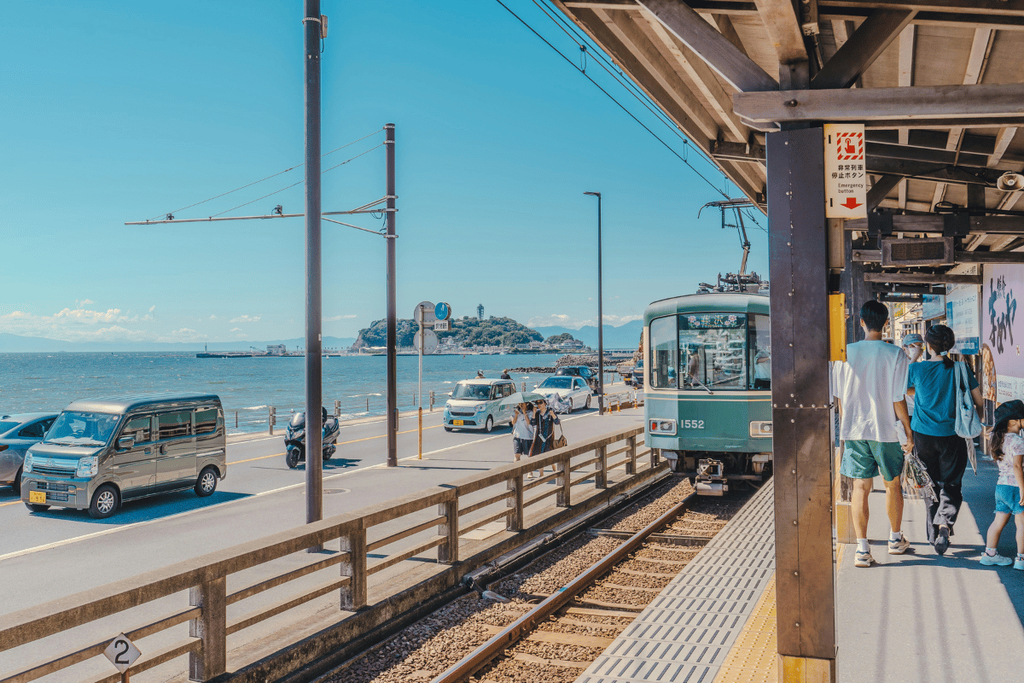
Photo: Unsplash
Getting to Kamakura is quick and easy, making it one of the most popular day trips from Tokyo. Several direct train services connect Kamakura with major cities and airports, so you can choose the route that best fits your itinerary.
From Tokyo Station to Kamakura Station
- JR Yokosuka Line (Direct)
- Time: about 1 hour
- Cost: about ¥950*
From Haneda Airport to Kamakura Station
- Keikyu Line + JR Yokosuka Line
- Time: about 1–1.5 hours
- Cost: about ¥1,000*
From Narita International Airport to Kamakura Station
- Narita Express + JR Yokosuka Line
- Time: about 2–2.5 hours
- Cost: about ¥4,500*
*Prices are subject to change. Please check the latest fares before your trip.
Summary
Photo: Unsplash
Kamakura is one of Japan’s most rewarding day-trip destinations because it offers a wonderful balance of history, culture, nature, and local food within easy reach of Tokyo. In just one day, you can visit centuries-old temples, stand before the iconic Great Buddha, stroll through lively shopping streets, relax in peaceful bamboo groves, and enjoy beautiful coastal scenery. The city is compact enough to explore comfortably while still offering enough attractions to keep every visitor engaged from morning until evening. Whether it’s your first trip to Japan or your fifth, Kamakura always has something new to discover. Its welcoming atmosphere and slower pace make it a refreshing break from the energy of the capital.
Although it’s possible to see the highlights in a single day, many travelers leave wishing they had more time to explore the city’s quieter neighborhoods and hidden corners. That’s part of Kamakura’s charm, as every visit reveals another beautiful temple, another cozy café, or another scenic walking path waiting to be discovered. By planning your route in advance and starting your day early, you’ll be able to enjoy the city’s famous attractions while still leaving room for unexpected discoveries. Don’t be afraid to slow down, take a few detours, and simply enjoy the atmosphere along the way. A day spent in Kamakura is more than just sightseeing—it’s an opportunity to experience a peaceful and memorable side of Japan that you’ll likely remember long after your trip has ended.
Stay connected throughout your journey with a Japan eSIM. No need to hunt for a SIM card at the airport — activate it before you leave home and have data ready the moment you land.