Introduction
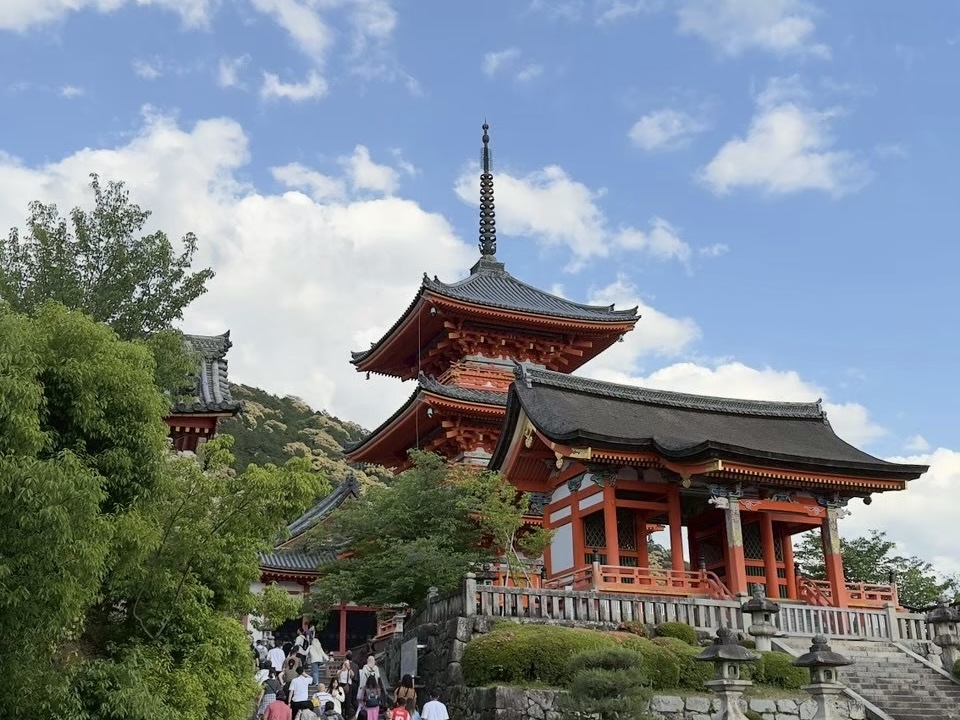
Kyoto is famous for its iconic temples, historic shrines, and picturesque streets that attract millions of visitors every year. Popular destinations such as Kiyomizu-dera, Fushimi Inari Taisha, and Arashiyama are must-see attractions, but they can also become extremely crowded, especially during weekends and peak travel seasons. While these famous landmarks are certainly worth visiting, many travelers also hope to discover a quieter side of Kyoto where they can slow down, relax, and truly appreciate the city’s timeless beauty.
One of Kyoto’s greatest charms is that peaceful places can still be found just a short walk away from busy tourist areas. Hidden temples surrounded by bamboo forests, tranquil Japanese gardens, quiet riverside paths, and traditional neighborhoods offer visitors an opportunity to escape the crowds and enjoy a slower pace of travel. These locations allow you to experience the atmosphere that has made Kyoto one of Japan’s cultural treasures for centuries.
Spending time in these peaceful locations is not only relaxing but also provides a deeper understanding of Japanese culture. Listening to birds singing in temple gardens, watching koi fish swim through quiet ponds, enjoying a cup of matcha in a traditional tea house, or simply sitting beneath maple trees can become some of the most memorable moments of your trip.
Many of these hidden gems are favorites among local residents, photographers, and repeat visitors who have already explored Kyoto’s famous landmarks. Because they receive fewer tourists, they offer a more authentic and intimate experience while still showcasing the city’s incredible history and natural beauty.
This guide introduces some of Kyoto’s best quiet places where you can relax, recharge, and escape the crowds. Whether you’re traveling alone, as a couple, with friends, or with family, these peaceful destinations will help you experience another side of Kyoto that many visitors never discover.
By adding a few of these locations to your itinerary, you’ll create a more balanced and memorable trip while enjoying moments of calm between Kyoto’s most popular sightseeing spots.
In this article, you will learn:
- Peaceful temples away from the crowds
- Beautiful Japanese gardens to relax in
- Quiet walking paths and riverside spots
- Hidden cafés with traditional Kyoto atmosphere
- The best times to visit each location
- Helpful tips for enjoying Kyoto respectfully
Why Visit Kyoto’s Quiet Places?
Although Kyoto is one of Japan’s most popular tourist destinations, it is also one of the country’s best cities for peaceful travel. Away from the busiest attractions, you’ll find neighborhoods where life moves at a gentle pace and visitors can enjoy the sounds of nature instead of large crowds.
Exploring quieter areas allows you to appreciate details that are often overlooked. The sound of bamboo swaying in the wind, temple bells echoing through the mountains, flowing streams beside walking paths, and carefully maintained Japanese gardens all create an atmosphere of relaxation that is difficult to find in larger cities.
These peaceful places are also ideal for photography. Without large crowds in the background, you can take beautiful pictures of traditional architecture, seasonal flowers, and tranquil landscapes. Early mornings are especially rewarding, as soft sunlight creates a magical atmosphere throughout Kyoto.
Whether you want to rest after a busy morning of sightseeing or simply experience a different side of Kyoto, these quiet locations provide the perfect opportunity to slow down and appreciate the city’s natural beauty.
Okochi Sanso Garden
Located just beyond the famous Arashiyama Bamboo Grove, Okochi Sanso Garden is one of Kyoto’s best-kept secrets. While thousands of visitors stop at the bamboo forest each day, relatively few continue to this peaceful hillside garden, making it one of the city’s most relaxing destinations.
The garden was once the private residence of Japanese film actor Denjiro Okochi and has been beautifully preserved as a traditional Japanese landscape garden. Visitors can stroll along winding stone paths surrounded by carefully trimmed trees, seasonal flowers, moss-covered gardens, and peaceful tea houses.
One of the highlights of Okochi Sanso is its panoramic viewpoint overlooking the mountains of western Kyoto. The scenery changes dramatically throughout the year, with cherry blossoms in spring, deep green forests in summer, brilliant maple leaves in autumn, and peaceful winter landscapes.
Admission includes a cup of traditional matcha tea and a Japanese sweet served inside one of the garden’s tea rooms. Sitting quietly while enjoying matcha surrounded by beautiful nature is one of the most relaxing experiences Kyoto has to offer.
Shosei-en Garden
Only a short walk from Kyoto Station, Shosei-en Garden is surprisingly peaceful despite its convenient location. Many visitors pass by without realizing that one of Kyoto’s most beautiful gardens is hidden behind its walls.
Originally created in the seventeenth century, Shosei-en features large ponds, elegant wooden bridges, traditional tea houses, and beautifully landscaped gardens that reflect the changing seasons. Walking around the circular path allows visitors to enjoy a variety of different views from every angle.
The garden is especially beautiful during spring when cherry blossoms bloom beside the water, and during autumn when colorful maple leaves reflect across the pond. Even during busy tourist seasons, the atmosphere here remains calm and relaxing.
Because it is located close to Kyoto Station, Shosei-en is an excellent place to visit either shortly after arriving in Kyoto or before departing for your next destination.
Murin-an Garden
Murin-an is one of Kyoto’s finest examples of a traditional Japanese garden and remains relatively unknown among first-time visitors. Designed in the Meiji period, the garden combines flowing streams, carefully arranged rocks, open lawns, and beautiful seasonal plants to create an atmosphere of harmony and tranquility.
Unlike many temple gardens, Murin-an encourages visitors to sit quietly and appreciate the changing scenery. Every view has been carefully designed to frame the surrounding Higashiyama Mountains, making the landscape feel much larger than the garden itself.
The gentle sound of flowing water creates a calming environment that makes it easy to forget that you’re still in the middle of a busy city. Many visitors spend an hour or more simply relaxing while admiring the carefully maintained landscape.
If you’re looking for one of Kyoto’s most peaceful hidden gems, Murin-an is an excellent choice and provides a completely different experience from the city’s more famous sightseeing attractions.
Honen-in Temple
Nestled in the quiet eastern hills of Kyoto, Honen-in Temple is one of the city’s most peaceful hidden treasures. Unlike Kyoto’s famous temples that attract thousands of visitors each day, Honen-in offers a calm and reflective atmosphere where you can truly appreciate the beauty of traditional Japanese architecture and nature.
Founded in the seventeenth century, the temple belongs to the Jodo (also called Shin) sect of Buddhism and is dedicated to Honen, the founder of Pure Land Buddhism. Visitors enter through a simple thatched gate before walking along a peaceful stone path surrounded by towering trees and soft moss.
One of the temple’s most distinctive features is the pair of beautifully designed sand mounds near the entrance. These carefully shaped patterns symbolize purification before entering the sacred grounds and are changed regularly by the temple staff.
Throughout the year, Honen-in changes with the seasons. Fresh greenery fills the garden in spring, while hydrangeas bloom during the rainy season. Autumn transforms the temple into a spectacular display of brilliant red and golden maple leaves, and winter brings a quiet beauty as light snow occasionally covers the moss-covered grounds.
Because the temple remains relatively unknown to many international tourists, visitors can often enjoy the peaceful surroundings without crowds. The sounds of birds singing and leaves rustling in the breeze create an atmosphere that encourages quiet reflection.
Walk Along the Philosopher’s Path
The Philosopher’s Path is one of Kyoto’s most famous walking routes, but it can still feel wonderfully peaceful if visited during the early morning or late afternoon. Stretching for approximately two kilometers along a narrow canal, the path connects Ginkaku-ji (the Silver Pavilion) with the Nanzen-ji Temple area.
The route is named after Nishida Kitaro, one of Japan’s most influential philosophers, who is said to have walked this path every day while contemplating his ideas. Today, visitors continue to enjoy the same relaxing atmosphere as they stroll beneath rows of cherry trees and alongside gently flowing water.
Spring is undoubtedly the most popular season, when hundreds of cherry blossom trees create a breathtaking pink tunnel over the canal. During autumn, colorful maple leaves provide equally stunning scenery, while summer offers lush greenery and a quieter environment.
Along the path, you’ll discover small cafés, art galleries, bookstores, and local craft shops that invite visitors to slow down and explore at their own pace. Taking breaks at these charming establishments makes the walk even more enjoyable.
Kyoto Botanical Gardens
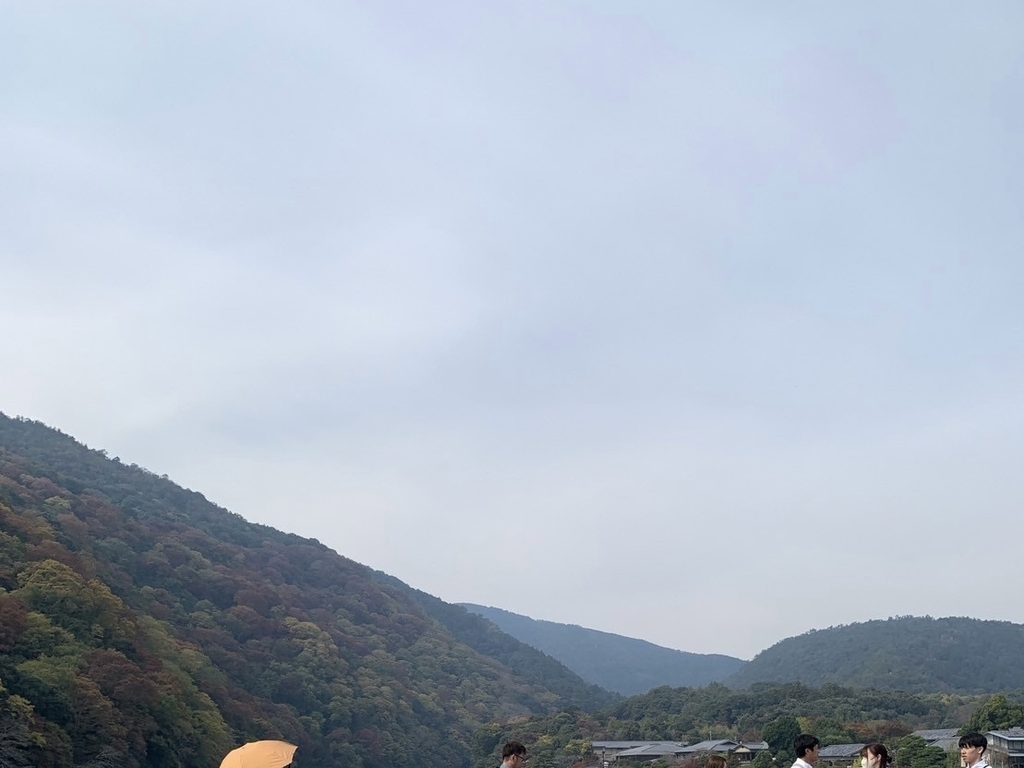
For travelers looking to escape the city’s busy sightseeing districts, Kyoto Botanical Gardens provide an ideal retreat. Opened in 1924, the gardens are Japan’s oldest public botanical gardens and contain more than 12,000 varieties of plants from around the world.
The spacious grounds include beautifully maintained flower beds, peaceful ponds, forested walking trails, rose gardens, and a large conservatory filled with tropical plants. Because of the size of the gardens, visitors rarely feel crowded even during weekends.
Every season brings something different to enjoy. Spring features colorful tulips and cherry blossoms, summer showcases lush greenery and blooming hydrangeas, autumn offers brilliant foliage, and winter provides elegant camellias and plum blossoms.
The gardens are also a favorite destination for local families, photographers, and students who come to relax, read books, or enjoy picnics on the lawns. Spending an hour or two here offers a refreshing contrast to Kyoto’s more famous historic attractions.
Relax Along the Kamogawa River
The Kamogawa River flows through the center of Kyoto and serves as one of the city’s favorite places for relaxation. While nearby shopping districts can become crowded, the riverside paths provide wide open spaces where visitors can enjoy peaceful walks at any time of day.
Locals often spend their afternoons sitting along the riverbanks, reading books, having picnics, jogging, or simply watching the water flow by. The relaxed atmosphere makes it easy to forget that you’re only minutes away from some of Kyoto’s busiest streets.
Early mornings are particularly beautiful, with soft sunlight reflecting on the water and very few people around. In the evening, the river becomes one of Kyoto’s most romantic locations as the sunset colors the sky and nearby restaurants begin lighting their outdoor terraces during the warmer months.
The Kamogawa River is also an excellent place to take a break between sightseeing destinations. Bringing a coffee or snack from a nearby café and sitting beside the water is a simple yet memorable Kyoto experience.
Discover Hidden Traditional Cafés

Kyoto is home to countless cafés hidden inside beautifully restored machiya townhouses. These traditional wooden buildings combine historic architecture with modern comfort, creating peaceful spaces where visitors can relax after a day of sightseeing.
Many cafés feature quiet Japanese gardens that can be admired while enjoying freshly prepared matcha, specialty coffee, or handmade seasonal sweets. Soft background music, wooden interiors, and natural lighting create a calming atmosphere unlike the busy cafés found in larger cities.
Kyoto is especially famous for its high-quality matcha, much of which comes from nearby Uji. Visitors should take the opportunity to try authentic matcha tea, parfaits, cakes, warabi mochi, or wagashi paired with freshly whisked tea.
Instead of rushing from one attraction to another, spending an hour in one of Kyoto’s hidden cafés allows you to experience the slower rhythm of the city. These peaceful breaks often become some of the most memorable moments of a Kyoto journey.
Best Time to Visit Kyoto’s Quiet Places
Although Kyoto’s peaceful locations can be enjoyed throughout the year, choosing the right time of day can make your visit even more memorable. Many of the city’s hidden temples and gardens are at their quietest during the early morning, when soft sunlight filters through the trees and the streets remain calm before most tourists arrive.
Visiting between 8:00 a.m. and 10:00 a.m. allows you to enjoy famous areas without large crowds. You’ll often hear birds singing, temple bells echoing in the distance, and leaves gently moving in the breeze. These peaceful moments create a completely different atmosphere from the busy afternoons.
Late afternoons are another excellent time to explore. As many tour groups begin leaving the city, parks and gardens become noticeably quieter. During autumn, the warm golden light before sunset beautifully illuminates maple leaves, making it one of the best times for photography.
Each season also offers unique scenery. Spring is famous for cherry blossoms, summer provides lush greenery, autumn transforms Kyoto into shades of red and gold, and winter creates calm landscapes with fewer visitors. No matter when you visit, taking your time is the key to appreciating Kyoto’s peaceful beauty.
Tips for Enjoying Kyoto Respectfully
Many of Kyoto’s quiet places are not only tourist attractions but also important religious and cultural sites. Showing respect while visiting helps preserve these beautiful locations for future generations and creates a more pleasant experience for everyone.
When entering temples or shrines, speak softly and avoid making loud phone calls. Many visitors come to these places for prayer, meditation, or quiet reflection, so maintaining a peaceful atmosphere is appreciated.
If photography is allowed, be careful not to block pathways or disturb other visitors while taking pictures. Some temple buildings prohibit photography indoors, so always look for signs before using your camera.
Please stay on designated walking paths and avoid stepping onto moss gardens or restricted areas. Kyoto’s famous moss gardens are extremely delicate and can take many years to recover from damage.
Finally, remember to take your trash with you or dispose of it in appropriate bins. Keeping Kyoto clean is an important part of Japanese culture and helps preserve the city’s natural beauty.
Suggested Relaxing One-Day Itinerary
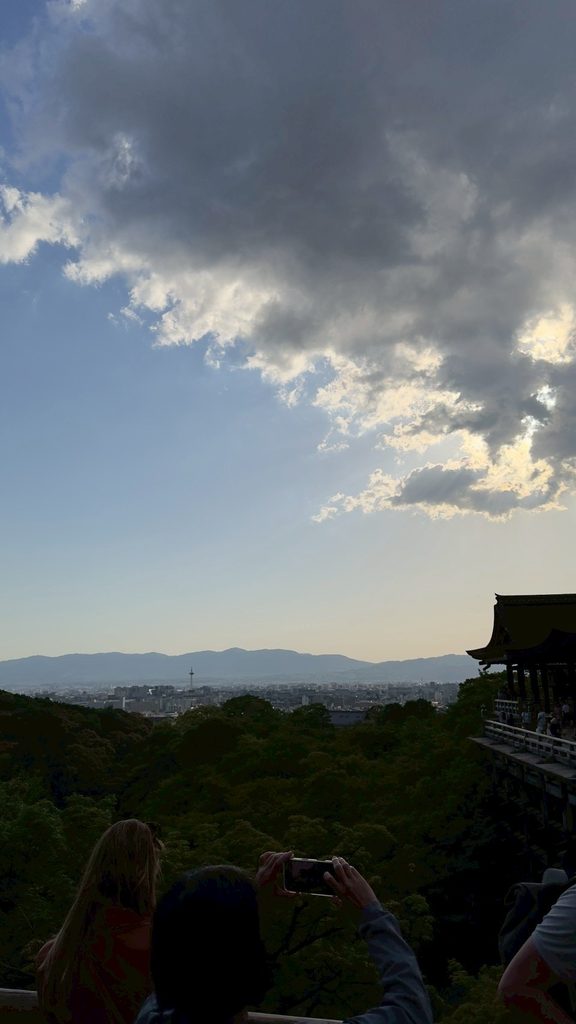
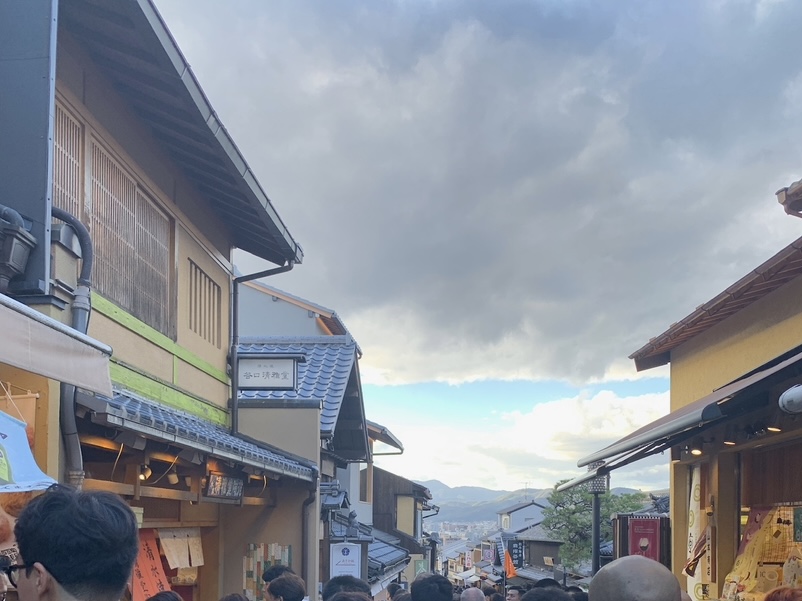
If you’re looking for a slower and more peaceful day in Kyoto, the following itinerary offers a relaxing alternative to the city’s busiest sightseeing routes.
8:30 AM – Visit Honen-in Temple and enjoy the quiet morning atmosphere.
10:00 AM – Walk along the Philosopher’s Path while stopping at small cafés and local shops.
12:00 PM – Have lunch at a traditional machiya café serving Kyoto cuisine.
1:30 PM – Relax at Murin-an Garden while enjoying the beautifully designed landscape.
3:00 PM – Visit Shosei-en Garden near Kyoto Station.
4:30 PM – Spend time at the Kamogawa River watching local life unfold.
6:00 PM – Enjoy dinner at a quiet restaurant overlooking the river before ending your day with a peaceful evening walk.
This route allows visitors to experience Kyoto’s calmer side while avoiding many of the busiest tourist crowds. It is especially suitable for couples, solo travelers, photographers, and anyone hoping to enjoy a slower pace during their trip.
Summary
Kyoto is often celebrated for its famous temples, historic streets, and vibrant seasonal scenery, but some of its greatest treasures are the peaceful places hidden away from the crowds. Exploring these quieter locations allows visitors to experience a more authentic side of the city while enjoying moments of relaxation that are often missing from busy sightseeing schedules.
From the tranquil gardens of Okochi Sanso and Murin-an to the moss-covered grounds of Honen-in Temple, each destination offers its own unique atmosphere. Walking along the Philosopher’s Path, relaxing beside the Kamogawa River, or enjoying a cup of matcha in a traditional café provides opportunities to slow down and truly appreciate Kyoto’s timeless beauty.
These quiet spots are also perfect for photographers, nature lovers, and travelers who wish to experience Japanese culture beyond the most famous landmarks. Without large crowds, you’ll have more time to admire traditional architecture, seasonal flowers, carefully designed gardens, and peaceful landscapes that have inspired artists and writers for generations.
Whether you visit during the cherry blossom season, the colorful autumn months, or the peaceful winter period, Kyoto always offers places where you can escape the crowds and reconnect with nature. Adding just a few of these hidden gems to your itinerary will create a more balanced travel experience and leave you with unforgettable memories of Japan’s ancient capital.
Sometimes the most memorable moments aren’t found at the busiest attractions—they’re discovered while sitting quietly in a garden, listening to flowing water, or wandering through a peaceful temple surrounded by centuries of history. Take your time, slow your pace, and allow Kyoto’s quieter side to reveal itself.
Enjoy discovering Kyoto’s peaceful side!