Introduction
Are you worried about using trains in Japan for the first time?
Japan has one of the best railway systems in the world. Trains are fast, clean, safe, and connect almost every major city and tourist destination.
However, many first-time visitors feel confused by the different train companies, ticket systems, station layouts, and transportation options.
Don’t worry!
This guide will help you understand how to travel by train in Japan and make your trip much easier.
In this article, you will learn:
- How train transportation works in Japan
- How to buy train tickets
- How to use IC cards
- How to ride the Shinkansen
- Useful travel tips and train etiquette
- Common mistakes first-time visitors should avoid
Overview of Japan’s Railway System
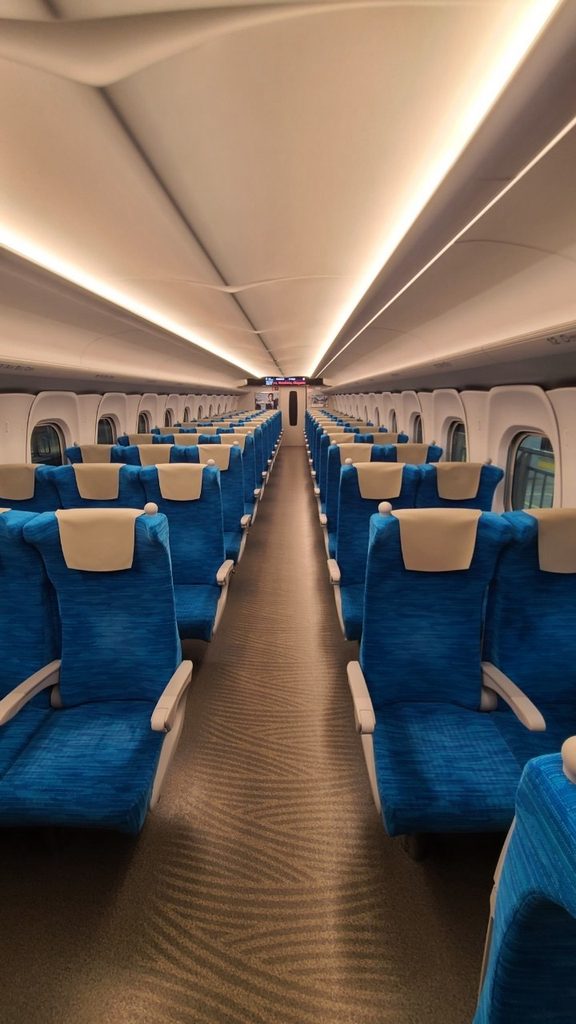
Japan has one of the largest and most efficient railway networks in the world.
Whether you are visiting Tokyo, Kyoto, Osaka, Hiroshima, Fukuoka, or Hokkaido, trains are usually the most convenient way to travel.
The railway network covers both major cities and rural regions, making it possible to explore almost every part of the country without needing a car.
Major train operators include:
- JR (Japan Railways)
- Subway systems
- Private railway companies
- Shinkansen services
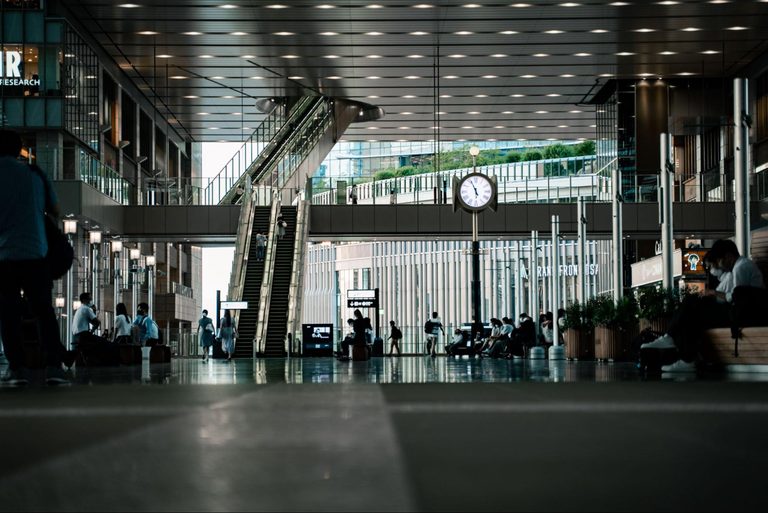
Most stations provide English signs, multilingual ticket machines, and route maps, making navigation much easier for international visitors.
Many travelers are surprised by how punctual Japanese trains are. Delays of only a few minutes are often considered unusual. Because trains are reliable, many people in Japan use them every day for commuting, studying, and traveling.
Why Trains Are So Popular in Japan
For many visitors, trains quickly become the preferred way to travel around Japan. There are several reasons for this popularity.
Convenience
Major tourist attractions are usually located near train stations.
Visitors can easily travel between airports, hotels, shopping districts, historical sites, and entertainment areas using public transportation.
Punctuality
Japanese trains are famous worldwide for operating on schedule. This reliability allows travelers to plan their day with confidence.
Safety
Japan’s railway system is considered one of the safest in the world. Stations are generally clean, organized, and easy to navigate.
Comfort
Modern trains offer comfortable seating, air conditioning, clean facilities, and smooth rides. Even long-distance journeys can be enjoyable and relaxing. Because of these advantages, many travelers find that trains become one of the highlights of their experience in Japan.
A Brief History of Rail Travel in Japan
Japan’s railway history began in 1872 when the country’s first railway line opened between Tokyo and Yokohama. The introduction of rail transportation played an important role in Japan’s modernization.
Over the following decades, railway networks expanded across the country and helped connect cities, businesses, and communities. One of the most important milestones occurred in 1964 when the first Shinkansen, or bullet train, began operation between Tokyo and Osaka. The launch of the Shinkansen revolutionized transportation and became a symbol of Japanese technology and innovation.
Today, Japan’s rail network continues to be one of the most advanced transportation systems in the world.
Understanding Train Companies in Japan
One of the most confusing aspects for first-time visitors is the existence of multiple railway companies. Unlike some countries that operate a single national railway system, Japan has several companies serving different regions.
Understanding the basic differences can make travel much easier.
JR (Japan Railways)
JR is the largest railway group in Japan.
It operates:
- Local trains
- Rapid trains
- Shinkansen services
- Airport access trains
Many popular tourist routes use JR lines.
Examples include:
- Tokyo Station to Kyoto
- Osaka to Hiroshima
- Kyoto to Nara
- Airport transportation routes
Because JR covers such a large area, many visitors use JR trains frequently during their trip.
Private Railway Companies
Private railway companies operate alongside JR.
Examples include:
- Kintetsu Railway
- Hankyu Railway
- Keihan Railway
- Nankai Railway
- Odakyu Railway
These companies often provide convenient access to tourist destinations that JR does not directly serve. Private railways are just as reliable and comfortable as JR services.
For example, many travelers use Kintetsu trains when visiting Nara from Osaka or Kyoto.
Subway Systems
Large cities such as Tokyo, Osaka, Kyoto, Nagoya, and Sapporo operate subway networks.
Subways are ideal for traveling within urban areas.
Examples include:
- Tokyo Metro
- Toei Subway
- Osaka Metro
Subway systems are particularly useful when sightseeing in city centers. Most visitors use a combination of JR trains, private railways, and subway systems throughout their trip.
Types of Trains in Japan
One of the reasons Japan’s railway system can seem complicated is that several types of trains operate on the same line.
Understanding the different train categories can help you reach your destination more efficiently.
The main train types include:
- Shinkansen (Bullet Train)
- Local Trains
- Rapid Trains
- Express Trains
- Limited Express Trains
Each type offers different speeds and stopping patterns. In the next section, we’ll explain how each train works and how to choose the best option for your journey.
Shinkansen (Bullet Train)
The Shinkansen is Japan’s world-famous high-speed railway system and one of the fastest ways to travel across the country. Since its introduction in 1964, the Shinkansen has become a symbol of Japanese innovation, efficiency, and safety.
It connects many of Japan’s major cities, including:
- Tokyo
- Kyoto
- Osaka
- Hiroshima
- Fukuoka
- Sendai
- Hakodate
For many international visitors, riding the Shinkansen is one of the highlights of a trip to Japan.
Why the Shinkansen Is Special
The Shinkansen offers several advantages over other forms of transportation.
- High speed
- Comfortable seating
- Excellent safety record
- Spacious interiors
- Reliable schedules
Unlike airports, train stations are usually located in city centers, making travel more convenient and reducing overall travel time. Many travelers find that taking the Shinkansen is easier and more relaxing than flying between major Japanese cities.
Types of Shinkansen Services
Not all Shinkansen trains are the same. Different services stop at different numbers of stations.
Nozomi
The fastest service on the Tokaido Shinkansen route.
Stops at fewer stations and provides the quickest journey between Tokyo, Kyoto, and Osaka.
Hikari
Stops at more stations than Nozomi but remains relatively fast.
Many rail pass users choose Hikari services.
Kodama
Stops at every station along the route.
Although slower, Kodama trains provide access to smaller cities.
Understanding these differences helps travelers choose the most suitable service for their journey.
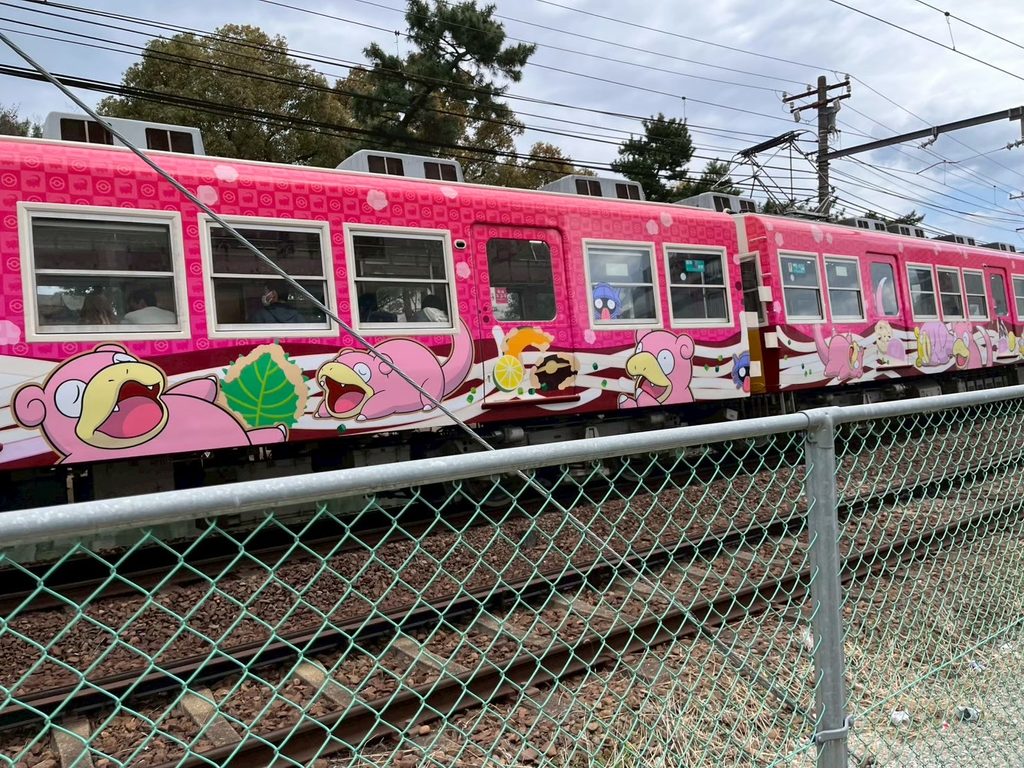
Local Trains
Local trains stop at every station along a pre-defined route.
They are ideal for:
- Sightseeing
- Exploring local neighborhoods
- Short-distance travel
Because they stop frequently, local trains are generally slower than other services. However, they provide access to many destinations that express trains do not serve. Visitors often use local trains when traveling within cities or exploring smaller towns.
Rapid Trains
Rapid trains are faster than local trains because they skip some stations.
They are commonly used for commuting and regional travel.
For visitors, rapid trains are often a convenient way to reach popular destinations more quickly while avoiding the higher costs associated with limited express services.
When checking departure boards, pay attention to whether a train is labeled “Local” or “Rapid,” as they may stop at different stations.
Limited Express Trains
Limited Express trains stop at only major stations and usually require an additional fare.
These services are often used for:
- Airport transportation
- Regional tourism
- Long-distance travel
Popular examples include:
- Haruka (Kansai Airport)
- Thunderbird (Kyoto–Kanazawa)
- Azusa (Tokyo–Matsumoto)
- Narita Express (Tokyo–Narita Airport)
Limited Express trains generally offer more comfortable seating and luggage space than ordinary commuter trains.
How to Buy Train Tickets
Purchasing train tickets in Japan is usually straightforward. Most stations provide ticket machines with multiple language options. Visitors can choose between ticket machines, ticket counters, and online reservations.
Option 1: Ticket Machines
Most stations have easy-to-use ticket machines.
Steps:
- Select your preferred language.
- Choose your destination.
- Check the fare.
- Pay using cash or card (depending on the machine).
- Receive your ticket.
Many machines provide English, Chinese, and Korean language support.
Option 2: Ticket Counters
If you need assistance, visit a ticket office.
Staff at major stations often provide support in English and can help with:
- Ticket purchases
- Shinkansen reservations
- Luggage information
- Route guidance
This option is especially useful for first-time visitors.
Option 3: Online Reservations
Many train tickets can now be reserved online before arriving in Japan.
Online reservations can be helpful during busy travel periods such as:
- Cherry blossom season
- Autumn foliage season
- National holidays
- New Year holidays
Booking in advance can help secure preferred seats and travel times.
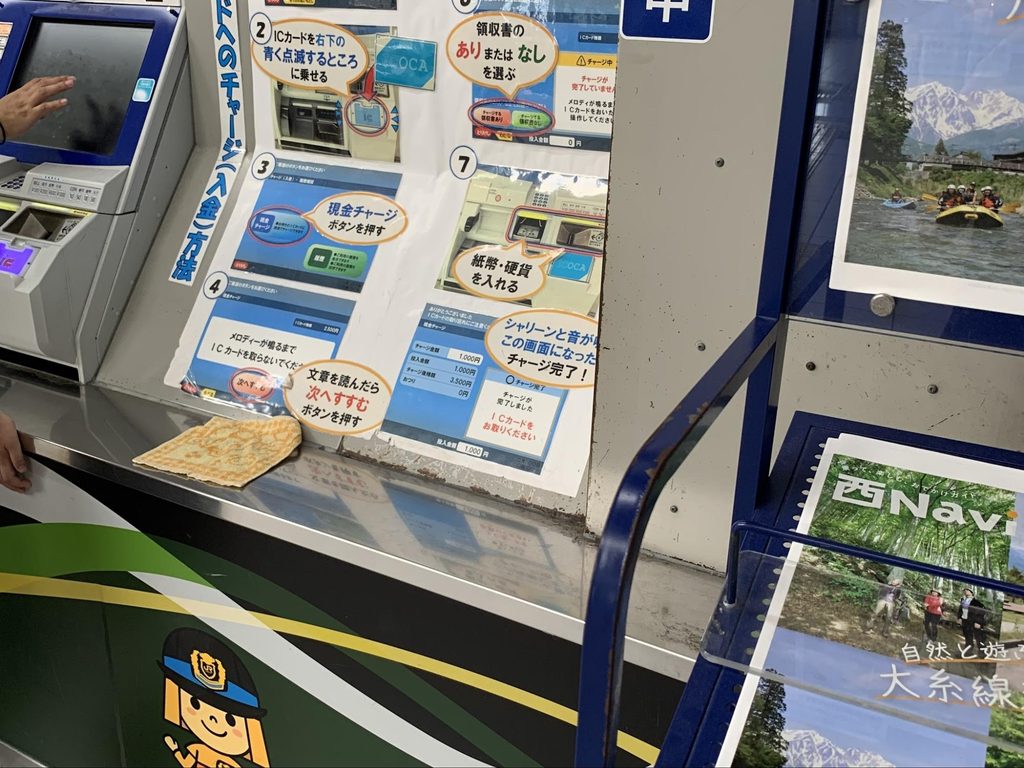
How to Use an IC Card
IC cards are one of the easiest and most convenient ways to travel around Japan.
Instead of purchasing individual tickets for every trip, travelers simply tap their card at ticket gates.
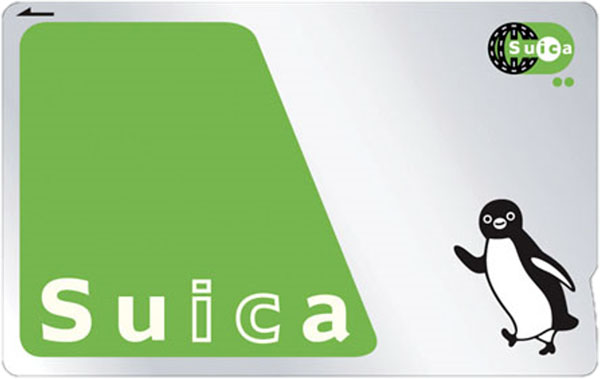
Popular IC cards include:
- ICOCA
- Suica
- PASMO
- TOICA
- Kitaca
- SUGOCA
Although these cards are issued by different companies, most can be used throughout Japan

 https://www.jr-odekake.net/icoca/
 https://www.yui-rail.co.jp/ticketinfo-ticket/ticketinfo/suica/
Why Use an IC Card?
IC cards provide several benefits:
- Faster entry and exit
- No need to calculate fares
- Convenient transfers
- Usable in many cities
- Accepted at convenience stores and vending machines
For many travelers, purchasing an IC card is one of the first things they do after arriving in Japan.
How to Purchase an IC Card
IC cards can be purchased at:
- Major train stations
- Airport stations
- Ticket machines
- Service counters
After purchasing a card, simply add funds and begin using it immediately.
How to Use an IC Card
Using an IC card is very simple.
- Step 1
Charge the card with money. - Step 2
Tap the card at the entrance gate. - Step 3
Travel to your destination. - Step 4
Tap again at the exit gate.
The correct fare will automatically be deducted. No paper ticket is required.
Can IC Cards Be Used for Shopping?
Yes.
Many stores accept IC cards as payment.
Examples include:
- Convenience stores
- Vending machines
- Cafes
- Small restaurants
Using one card for both transportation and small purchases makes travel even more convenient.
Physical Cards vs Mobile IC Cards
In recent years, many travelers have begun using mobile versions of IC cards. These digital cards can be stored on compatible smartphones and smartwatches.
Advantages include:
- No physical card required
- Easy recharging
- Digital payment options
- Less to carry while traveling
Both physical and mobile versions work well, so travelers can choose whichever option is more convenient.
How to Ride the Shinkansen
The Shinkansen is one of the easiest and most comfortable ways to travel between major cities in Japan.
For first-time visitors, the process may seem intimidating, but it is actually quite simple.
Step 1: Purchase Your Ticket
Travelers can purchase Shinkansen tickets through:
- Ticket machines
- Ticket counters
- Online reservation services
Many stations provide English-language support.
Step 2: Find Your Platform
After purchasing your ticket, check:
- Train name
- Departure time
- Car number
- Platform number
Large stations display this information on electronic departure boards.
Step 3: Line Up at the Correct Position
Platform markings indicate where each train car will stop.
Passengers usually line up neatly before boarding.
This organized boarding process helps trains maintain their famous punctuality.
Step 4: Board the Train
Once the train arrives, passengers exit first before new passengers board.
After finding your seat, store your luggage and enjoy the journey.
Many travelers are surprised by how smooth and quiet the ride feels.
Seat Reservations and Luggage
Many Shinkansen trains offer both reserved and non-reserved seating.
Reserved Seats
- Guaranteed seat
- Recommended during busy seasons
- Ideal for families and groups
Non-Reserved Seats
- Usually less expensive
- Greater flexibility
- No advance reservation required
During peak travel periods, reserved seats are often the better option.
Large Luggage Rules
Most luggage can be carried without any issues. However, oversized luggage may require a reservation on certain Shinkansen routes. Travelers should check luggage regulations before departure to avoid inconvenience.
Japan Rail Pass
The Japan Rail Pass, often called the JR Pass, is a transportation pass designed for international visitors. It allows unlimited travel on many JR-operated trains for a fixed period.
Available durations include:
- 7 Days
- 14 Days
- 21 Days
Is the JR Pass Worth It?
The answer depends on your itinerary.
The JR Pass is often beneficial for travelers visiting multiple cities such as:
- Tokyo
- Kyoto
- Osaka
- Hiroshima
- Fukuoka
For travelers staying primarily in one city, individual tickets may be more economical. Before purchasing a pass, compare the total cost of your planned journeys.
Train Etiquette in Japan
Japanese trains are known for being clean, quiet, and comfortable. Following local etiquette helps everyone enjoy a pleasant journey.
Keep Your Phone Silent
Most passengers keep their phones on silent mode while riding. Notifications and ringtones should be minimized.
Avoid Phone Calls
Speaking loudly on the phone is generally discouraged. If a call is necessary, move to an appropriate area when possible.
Respect Priority Seating
- Elderly passengers
- Pregnant women
- People with disabilities
- Parents with small children
These seats should remain available for those who need them.
Manage Your Luggage
Avoid blocking aisles and doorways with bags or suitcases. Keeping personal belongings organized makes travel more comfortable for everyone.
Keep Noise Levels Low
Conversations are welcome, but most passengers speak quietly. Many people use train journeys to relax, read, or rest.
Common Mistakes First-Time Visitors Make
Even experienced travelers occasionally make mistakes when using Japan’s railway system.
Here are some common issues to avoid.
Boarding the Wrong Train
Not all trains stop at every station. Always check the train type and destination before boarding.
Entering the Wrong Platform
Large stations can be confusing. Allow extra time to navigate major transportation hubs.
Missing the Last Train
Train services do not operate all night. Always confirm the time of the final departure if returning late.
Forgetting to Tap an IC Card
Travelers using IC cards should remember to tap both when entering and exiting stations. Failure to do so may cause problems at ticket gates.
Traveling During Rush Hour
Morning and evening rush hours can be extremely crowded. Whenever possible, avoid peak commuting periods.
Recommended Train Apps
Technology can make train travel much easier.
Google Maps
Useful for:
- Route planning
- Platform information
- Travel times
- Transfer guidance
Japan Travel by NAVITIME
Provides:
- Train schedules
- Fare information
- Route recommendations
- Tourist-friendly guidance
Official Railway Websites
Railway companies also provide useful information regarding:
- Shinkansen reservations
- Timetables
- Service updates
- Weather-related disruptions
Useful Travel Tips
- Download maps before traveling.
- Carry a portable charger.
- Arrive early at large stations.
- Keep your ticket until you exit the station.
- Reserve seats during busy travel seasons.
- Travel early in the morning for a more comfortable experience.
- Pack efficiently if using public transportation frequently.
- Double-check train destinations before boarding.
These simple habits can make train travel significantly smoother.
Why Train Travel Is One of the Best Ways to Explore Japan
Trains do more than simply transport passengers from one destination to another. They allow visitors to experience Japan’s cities, countryside, mountains, coastlines, and daily life in a comfortable and efficient way.
Whether traveling between major metropolitan areas or visiting smaller regional destinations, trains provide a reliable and enjoyable travel experience. Many travelers discover that riding trains becomes one of their favorite parts of exploring Japan.
Summary
Japan’s railway system may seem complicated at first, but it is actually one of the easiest and most reliable ways to travel around the country.
By understanding the different train types, learning how to purchase tickets, using IC cards, and becoming familiar with Shinkansen travel, visitors can navigate Japan with confidence.
From local commuter trains to high-speed bullet trains, Japan offers a transportation network that is fast, safe, comfortable, and remarkably efficient. Whether you are visiting Tokyo, Kyoto, Osaka, Hiroshima, or smaller destinations throughout the country, trains will help you make the most of your journey.
With a little preparation and an IC card in hand, even first-time visitors can travel smoothly and independently. Japan’s railway network is more than just a transportation system—it is an essential part of the travel experience.
Enjoy discovering Japan by train and create unforgettable memories along the way.