
Japan in summer feels completely different from the rest of the year.
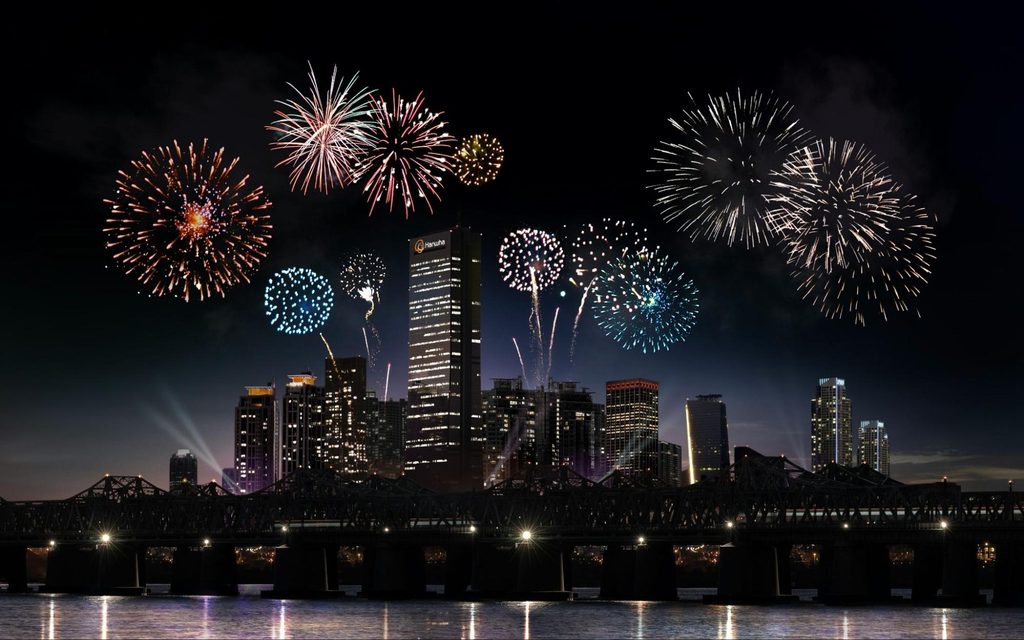
It is louder, brighter, and more active. Festival drums echo through narrow streets. Fireworks fill the sky on warm nights. Food stalls stay open late, and people gather along rivers wearing yukata.
At the same time, summer travel in Japan can be intense. Temperatures in Tokyo and Osaka often rise above 35°C on the hottest days. High humidity makes even a short walk feel longer than expected.
Without preparation, simple plans become exhausting.
This guide focuses on what actually works for first-time visitors. You will understand where to go, what to experience, and how to manage the heat without losing energy halfway through your trip. You will also rely on your phone more than expected during summer travel. Weather conditions, train delays, event updates, and station routes can change throughout the day.
In this article, you will learn:
- The best things to do in Japan in summer, from evening festivals to local food
- Which summer festivals work well for first-time visitors
- How to manage the heat without giving up the experiences you came for
- Practical tips that make summer travel easier
Stay connected in Japan with an eSIM.
Overview of Japan in Summer
Summer in Japan runs from June to early September. It includes some of the country’s most energetic events and some of its most demanding weather.
Key characteristics:
- Temperature: often above 30°C in major cities, with hotter days exceeding 35°C
- Humidity: high, especially during the rainy season and midsummer
- Events: festivals, fireworks, and seasonal foods
- Travel style: slower pace, more breaks
The rainy season usually arrives in June. Clearer summer weather becomes more common starting from mid-July in many regions.
Cities feel intense during the day. Mountain areas feel completely different.
If the urban heat becomes too much, Kamikochi in Nagano is a useful alternative. Temperatures are typically 5 to 10°C lower than in Matsumoto City. The riverside walking routes and forest scenery make it easier to slow down without planning a difficult hike.
Summer in Japan is not about doing more. It is about choosing carefully.
Best Things to Do in Japan in Summer

Explore Summer Festivals
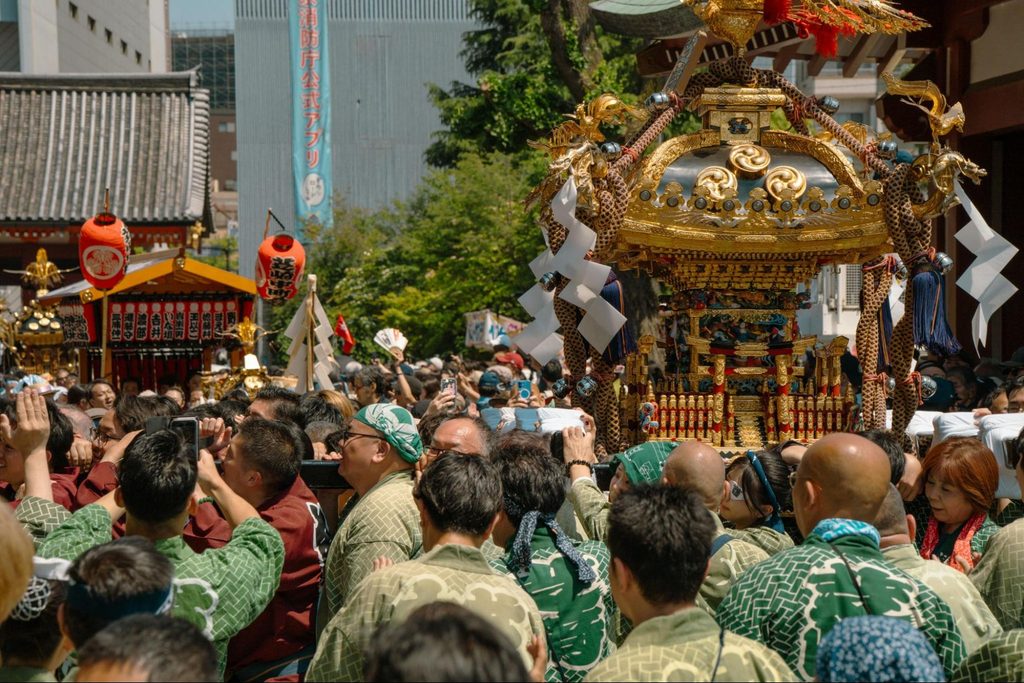
Walk through a local summer festival, known as a matsuri.
Large festivals attract attention, but smaller neighborhood events often feel more natural. You may see portable shrine processions, traditional dances, lanterns, and food stalls running late into the evening. These events do not always need advance planning. In many towns, following the sound of drums is enough to find the center of the activity.
Visit riverside areas after sunset.
Many Japanese cities become noticeably more comfortable in the evening. The atmosphere along a river before and after a fireworks display is part of the experience. People arrive early, buy snacks, and wait together as the sky darkens.
Explore traditional streets in yukata.
Asakusa in Tokyo, central Kyoto, and historic districts in Kanazawa work particularly well. Yukata rental shops are easy to find in popular sightseeing areas during summer. Allow extra time for dressing and choose footwear carefully. Traditional sandals look good in photographs, but comfortable shoes are a better choice if you plan to walk for several hours.
Enjoy Fireworks Displays
Watch a fireworks festival, known as a hanabi taikai.
Japanese fireworks displays often feel closer to a performance than a brief public event. Timing, color, shape, and the setting beside a river or lake all matter.
Visit rooftop or open-air spaces.
City views feel different on summer nights. Department stores, hotels, and commercial buildings sometimes open rooftop areas or seasonal spaces during the warmer months.
Take evening walks instead of filling the afternoon.
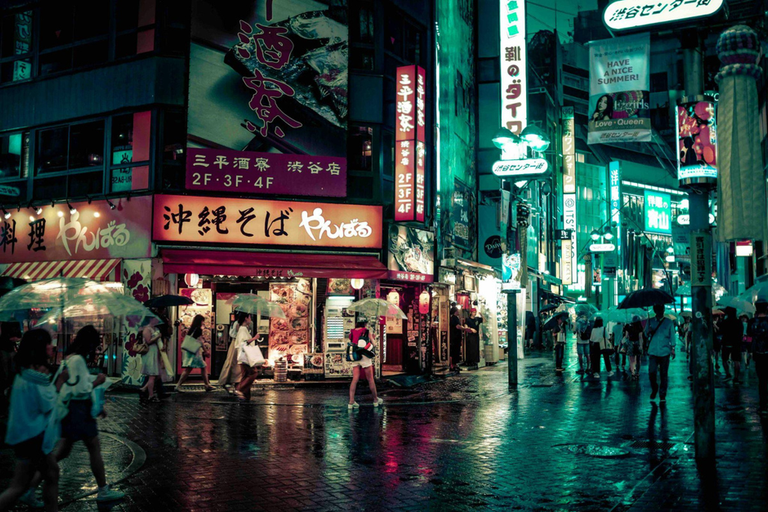
Energy levels stay more stable, and the character of many Japanese cities changes after 6 PM. Neon streets, lanterns, riverside paths, and food stalls feel more inviting once the temperature begins to drop.
Try Seasonal Summer Foods
Kakigori is more than a simple cup of shaved ice.
Specialty shops serve soft, snow-like ice topped with matcha cream, fruit, condensed milk, or seasonal sauces. Well-known stores can attract long lines, so a quieter neighborhood café may be the better choice on a hot day.
Cold noodles are also useful in summer.
Soba, somen, and hiyashi chuka are light and easier to eat when the heat affects your appetite. Hiyashi chuka, a chilled ramen dish, is particularly associated with summer.
Festival food is worth sampling across the evening.
Common choices include yakitori, takoyaki, grilled corn, and grilled squid. Buying small portions from several stalls is often more enjoyable than planning a formal dinner before the event.
Convenience stores also become practical rest stops.
Cold drinks, electrolyte products, cooling wipes, and ice packs are easy to find at most konbini.
Best Summer Festivals and Fireworks for First-Time Visitors


Summer festivals and fireworks are among the most memorable experiences in Japan during the warmer months. The atmosphere matters just as much as the event itself. Rivers, lanterns, food stalls, traditional clothing, and the movement of the crowd all contribute to an experience that is difficult to recreate at other times of the year.
The following events are especially well suited to first-time visitors spending time in Tokyo, Osaka, or Kyoto.
1. Sumida River Fireworks Festival (Tokyo)
The Sumida River Fireworks Festival is one of Tokyo’s major summer events.
Held in late July between Asakusa and the Sumida riverbank, it can fit naturally into a day of sightseeing in one of Tokyo’s most historic neighborhoods. Explore Senso-ji Temple and the streets around Asakusa earlier in the day. Take a long indoor break during the hottest hours. Return toward the river in the late afternoon before the crowds become difficult to navigate.
The 2026 festival is scheduled for July 25 from 7:00 PM to 8:30 PM.
Highlights:
- Large-scale fireworks over the Sumida River
- Easy combination with an Asakusa sightseeing day
- Traditional Tokyo summer atmosphere
Time required: Half day into evening
Best time: Arrive by late afternoon. The main viewing areas and nearby stations become heavily congested before the display begins.
Access: Asakusa Station, Honjo-Azumabashi Station, or Oshiage Station. Check the official event map before choosing your route.
Official website: Sumida River Fireworks Festival official website
Location: Sumida River Fireworks Festival Google Maps
2. Tenjin Festival Fireworks (Osaka)
Held on July 25, the Tenjin Festival fireworks are part of one of Osaka’s most important summer celebrations.
The experience is different from a standalone fireworks display. During the evening, illuminated boats move along the Okawa River as fireworks rise above the water. Lanterns, reflections, and the energy of the crowd create a distinctly Osaka summer atmosphere. The combination of the boat procession and riverside setting makes this one of the most memorable summer events in western Japan.
For first-time visitors staying in Osaka, it is easy to add to an itinerary without leaving the city center. The main viewing areas are along the Okawa River, including areas near Kawasaki Park and Kema Sakuranomiya Park.
Highlights:
- Fireworks above the Okawa River
- Illuminated boats during the funatogyo river procession
- Traditional Osaka summer atmosphere
- Convenient location in central Osaka
Time required: Half day into evening
Best time: Arrive by late afternoon. Riverside areas and nearby stations become heavily congested before the fireworks begin.
Access: Sakuranomiya Station on the JR Osaka Loop Line is useful for riverside viewing areas. Temmabashi Station is another option, depending on where you plan to watch.
Official website: Tenjin Festival official website
Location: Tenjin Festival Fireworks Google Maps
3. Gion Festival (Kyoto)
The Gion Festival is not a fireworks event, but it deserves a place on a summer itinerary.
Held throughout July, the festival centers on elaborately decorated floats known as yamahoko. These floats move through central Kyoto during the main processions.
For many first-time visitors, the yoiyama evenings are the most accessible part of the festival.
From July 14 to 16 and July 21 to 23, lanterns light the streets around the float districts. Traditional music drifts through the area, and visitors walk between the decorated floats as the city settles into the evening.
No ticket is required to walk through the streets.
Highlights:
- Decorated floats with a long history
- Lantern-lit streets during yoiyama evenings
- A summer experience unique to central Kyoto
Time required: Half day into evening
Best time: Visit after 6 PM for the lantern-lit atmosphere. Arrive earlier if you want to see the floats more closely before the streets become crowded.
Access: Shijo Station on the Kyoto Subway Karasuma Line or Karasuma Station on the Hankyu Kyoto Line. The main float district spreads around the Shijo-Karasuma area.
Official website: Gion Festival official website
Location: Gion Festival Google Maps
Crowds at major summer events can become overwhelming. Arriving early makes a real difference. Mobile data also helps when you need to check event updates, station conditions, or a quieter route back to your hotel. Stay connected with an eSIM.
How to Dress for Summer in Japan
Many first-time visitors underestimate how hot and humid Japan can feel during summer.
Even travelers who are comfortable with high temperatures at home are often surprised by how quickly the combination of heat, humidity, and walking can become exhausting. Choosing the right clothing can make a significant difference to your comfort throughout the day.
Lightweight and breathable fabrics work best. Loose-fitting shirts, moisture-wicking clothing, and quick-drying materials are usually more comfortable than heavier cotton items. If you plan to spend long hours outdoors, dark colors may feel warmer under direct sunlight.
A hat or cap is highly recommended, especially when visiting temples, shrines, outdoor markets, or festival grounds. Many popular sightseeing areas offer limited shade during the hottest hours of the day.
Comfortable footwear is equally important. Summer travel in Japan often involves more walking than visitors expect. While traditional sandals may look appealing for photos, supportive walking shoes are usually the better choice for full-day sightseeing. If you plan to wear a yukata at a festival, consider bringing a change of footwear for longer walks.
A small towel is one of the most useful items you can carry. Many Japanese residents keep a hand towel with them during summer to manage perspiration throughout the day. Convenience stores also sell cooling wipes that can provide temporary relief during particularly hot afternoons.
Do not forget that indoor spaces can feel very different from outdoor temperatures. Trains, department stores, hotels, and restaurants often use strong air conditioning during summer. Bringing a lightweight cardigan, overshirt, or thin jacket can help you stay comfortable when moving between outdoor heat and indoor cooling.
Sun protection is also worth considering. Sunscreen, sunglasses, and lightweight long-sleeved clothing can help reduce sun exposure during long sightseeing days. Even on cloudy days, UV levels can remain high throughout the Japanese summer.
Rain preparation is another factor many travelers overlook. Summer often brings sudden showers and occasional thunderstorms. A compact umbrella or lightweight rain jacket can make it easier to continue sightseeing without major disruptions to your plans.
If you are attending a festival or fireworks event, dress with flexibility in mind. You may spend several hours standing outdoors, walking between food stalls, or waiting for transportation after the event ends. Lightweight clothing, comfortable shoes, and easy access to water will help you enjoy the experience far more than focusing only on appearance.
The goal is not to dress formally. It is to stay comfortable enough to enjoy everything summer in Japan has to offer. Choosing the right clothing is only part of the equation. Packing a few practical items can make summer travel in Japan even more comfortable.
What to Pack for Summer in Japan
Packing the right items can make summer travel in Japan significantly more comfortable. The combination of heat, humidity, long walks, and occasional rain means that a few practical items can have a bigger impact than many travelers expect.
A reusable water bottle is one of the most useful things you can bring. While vending machines and convenience stores are easy to find, having water available at all times makes it easier to stay hydrated throughout the day.
Sun protection is also important. Sunscreen, sunglasses, and a hat can help reduce fatigue caused by prolonged exposure to the sun. Many popular sightseeing areas offer limited shade during the hottest hours.
Cooling products are widely available at convenience stores, but bringing a few from home can be helpful. Portable fans, cooling wipes, and cooling neck towels are popular choices during the hottest weeks of the year.
A small hand towel is another practical item. Many Japanese residents carry one throughout the summer to manage perspiration, and it can also be useful after washing your hands at parks, shrines, or smaller public facilities.
A compact umbrella is worth carrying even on days that begin with clear skies. Summer weather can change quickly, and sudden showers or thunderstorms are not uncommon in many parts of Japan.
If you plan to attend festivals or fireworks events, consider bringing a portable battery pack. You may spend several hours away from your hotel while using your phone for maps, photos, translations, weather updates, and transportation information.
Finally, leave some extra space in your luggage. Summer festivals, local markets, and seasonal shops often offer unique souvenirs and seasonal items that travelers may want to bring home.
A few well-chosen items can make the difference between simply coping with the summer heat and enjoying everything the season has to offer.
Travel Tips for Summer in Japan
Start early or go out late
The hours between 11 AM and 3 PM are usually the hardest for walking.
Plan outdoor sightseeing in the morning. Take a long indoor break during peak heat. Resume in the late afternoon or evening.
Temples, market streets, and historic districts often feel calmer at 8 AM than they do at noon.
Take more breaks than you expect
Cafés, department stores, and convenience stores are easy to find in major cities.
A 20-minute break in air conditioning can protect the rest of your day. It is better to pause before you feel exhausted than to lose an entire evening after pushing too hard.
Use underground passages when possible
Major Japanese cities have underground shopping arcades and station passages.
In Osaka, the areas beneath Namba and Umeda are useful when the weather is hot or rainy. In Tokyo, underground routes around Tokyo Station can reduce outdoor walking.
These routes are not always obvious on map apps. Ask your hotel staff or follow signs inside the station.
Check your station exit before leaving the platform
The wrong exit can add 10 to 15 minutes of walking.
This matters in large areas such as Umeda, Tokyo Station, Shinjuku, and Asakusa.
Review the station map before joining the crowd at the ticket gates.
Carry water
Vending machines and convenience stores are common, but carrying water before you need it is easier than searching for a drink once you are already tired.
If you feel dizzy, unusually tired, or unwell after walking outdoors, stop immediately and move indoors. Do not try to finish one more sightseeing stop.
Expect slow exits after fireworks
The event may end on time, but nearby stations can remain crowded long afterward.
Do not rush toward the nearest ticket gate with everyone else. Waiting near the river or taking a short break at a café can make the journey back easier.
Check the weather each day
Sudden rain and thunderstorms are common in summer.
Flexible plans work better than schedules built around too many fixed stops.
How to Get Around During Summer
Transport in summer works much the same way as during the rest of the year, but the heat can make every journey feel more demanding than expected.
When planning your route, do not focus only on travel time. Factors such as walking distance, transfers, and exposure to the sun can have a significant impact on your comfort throughout the day.
Keep the following points in mind:
- Trains are reliable but can become crowded during rush hours and after major events.
- Outdoor walks often feel longer than the map suggests because of the heat and humidity.
- Underground routes and covered shopping arcades can help reduce fatigue during the hottest hours.
- Station lockers are useful if you plan to attend an evening festival while carrying luggage.
In many cases, a route with fewer transfers is more comfortable than the fastest route on paper. Saving five minutes may not be worth an additional walk in the afternoon heat.
Before leaving your hotel, check train schedules, weather conditions, and station maps. A small adjustment to your route can often make the rest of the day much easier.
Summary
Summer in Japan is intense, but it is worth experiencing.
The best moments often come from simple choices: a lantern-lit street in Kyoto, fireworks above a river in Tokyo, illuminated boats in Osaka, or a cold bowl of noodles after a long day.
Trying to fit too much into one itinerary makes the trip harder.
Choose fewer places. Take longer breaks. Save your energy for the evening, when Japanese summer feels most alive.