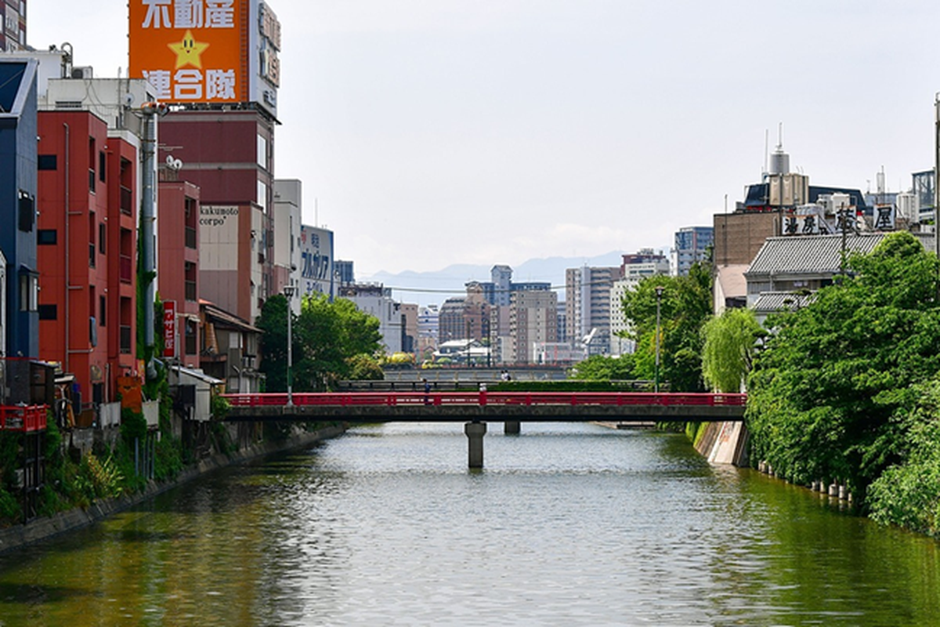
 Photo: Pexels
Introduction
This Japan itinerary sample links Kyushu and Okinawa in ten days. It uses Fukuoka, Yufuin, and Naha as simple bases, so that you do not have to change hotels every night. The route includes city food, Dazaifu Tenmangu, Kumamoto Castle, an onsen stay, Ryukyu history, and Okinawa’s subtropical coast.
The plan is designed for first-time visitors who want variety without rushing through every prefecture. Fukuoka gives you easy rail day trips. Yufuin adds one quiet night in a ryokan. Naha works as a base for Shuri, local markets, and a full day at Okinawa Churaumi Aquarium.
Kyushu and Okinawa are not connected by rail. You will need a domestic flight between Fukuoka and Naha. Day 6 combines the return from Yufuin with that flight, so choose a late departure and leave a wide buffer. Travelers who prefer less connection risks can add one night in Fukuoka and shorten Okinawa by one day.
You will check maps, train times, bus stops, flight updates, and hotel addresses throughout this route. Prepare mobile data before departure through Japan eSIM, so those small checks are easy from arrival day.
From my experience as a tour conductor, the best itinerary is not the one with the most stops. It is the one you can still follow when tired, carrying luggage, or facing bad weather.
Overview
Fukuoka is compact and close to its airport. Kumamoto works well as a focused day trip, while Yufuin deserves a slower overnight stay. Okinawa changes the pace completely. Its history, food, climate, and transport feel different from mainland Kyushu.
A rental car is not essential for the whole journey. Trains cover the Kyushu section well. Naha has the Yui Rail monorail, and buses or organized tours can reach northern Okinawa. A car adds freedom, but it also adds parking, traffic, and unfamiliar road rules.
This route uses nine hotel nights: four in Fukuoka, one in Yufuin, and four in Naha. On Day 5, ask your Fukuoka hotel whether it can hold your large suitcase until Day 6. Carry one small overnight bag to Yufuin. If the hotel cannot store it, check a staffed luggage service or station locker before you travel.
Ten-day route at a glance
- Day 1: Arrive in Fukuoka and learn the area
- Day 2: Visit Ohori Park and the Momochi waterfront
- Day 3: Take a relaxed Dazaifu day trip
- Day 4: Visit Kumamoto Castle from Fukuoka
- Day 5: Travel to Yufuin and stay overnight
- Day 6: Return to Fukuoka and fly to Naha
- Day 7: Explore Shuri and central Naha
- Day 8: Spend a full day at Okinawa Churaumi Aquarium
- Day 9: Choose a beach, museum, island, or rest day
- Day 10: Leave Naha without last-minute stress
Day 1: Arrive in Fukuoka and Learn the Area
Use the arrival day to recover and understand your surroundings. Fukuoka Airport connects directly to the city subway. The official route map lists about five minutes to Hakata and about eleven minutes to Tenjin. Actual timing depends on waiting time and walking speed inside the stations.
Choose Hakata when day trips, the shinkansen, and airport access matter most. Choose Tenjin when restaurants, shopping, and evening walks matter more. Both areas work, but changing between them every morning adds avoidable travel.
After check-in, stay near the hotel. Find the nearest station entrance, convenience store, breakfast option, and taxi pickup point. Hakata Station has several entrances and underground passages. Save the hotel address and a photo of the correct entrance before dinner.
Pick a nearby ramen shop, izakaya, or set-meal restaurant. A famous meal across town can wait. After a long flight, a simple dinner and an early night often improve the next day.
Plan your visit: Fukuoka City Official Tourist Guide, Fukuoka subway route map, Fukuoka Airport map, and Hakata Station map
Day 2: Explore Fukuoka Without Backtracking
Start at Ohori Park while the paths are cooler and quieter. Walk only the section that suits your energy. The open water and wide paths make this a gentle first full morning, especially after jet lag.
Continue west toward the Momochi waterfront in the afternoon. Fukuoka Tower offers a coastal view, while the waterfront feels very different from Hakata. Check the route before leaving the park because buses and subway options may involve different walking distances.
Fukuoka’s yatai food stalls are famous, but each stall is small. Waiting is common, and menus vary. Treat a yatai as one possible evening experience, not the only dinner plan. Keep a regular restaurant nearby as your backup.
Plan your visit: Ohori Park visitor information and Ohori Park map
Day 3: Dazaifu and a Relaxed Fukuoka Evening
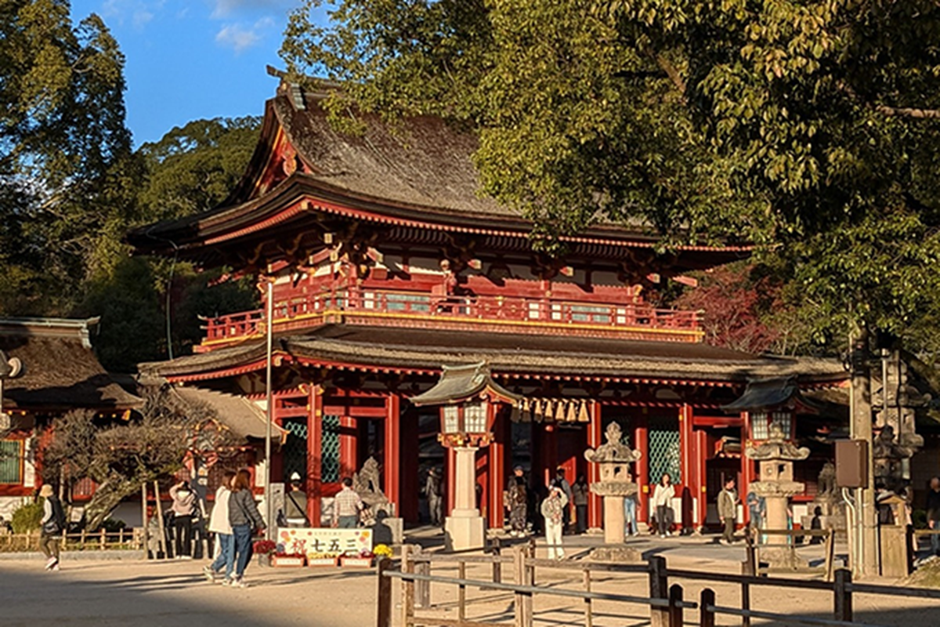
 Photo:Pexels
Travel to Dazaifu after the morning commuter rush. The shrine’s official guide says Dazaifu is accessible from Hakata, Tenjin, and the airport by train, bus, or taxi. Many rail routes from central Fukuoka require a transfer, so check the exact connection before leaving.
Dazaifu Tenmangu is dedicated to Sugawara Michizane, worshipped as Tenjin, the deity of learning, culture, and the arts. The approach begins near Dazaifu Station. Shops and food stands line the pedestrian street before the shrine grounds.
Try umegae mochi, a grilled rice cake filled with sweet red bean paste. Eat it warm when possible, then continue toward the bridges and worship area. Follow signs and avoid stopping in the center of busy paths.
Allow at least two or three hours for the approach, shrine grounds, photographs, and a café break. A longer visit can include the nearby Kyushu National Museum. If you add it, keep the evening simple.
Return to Fukuoka before late afternoon. Use the evening for laundry, shopping, or an unhurried meal near the hotel. Adding another distant attraction creates more transfers than the day needs.
Plan your visit: Dazaifu Tenmangu Official Website, First-time visitor information, and Dazaifu Tenmangu map
Day 4: Kumamoto Castle Day Trip
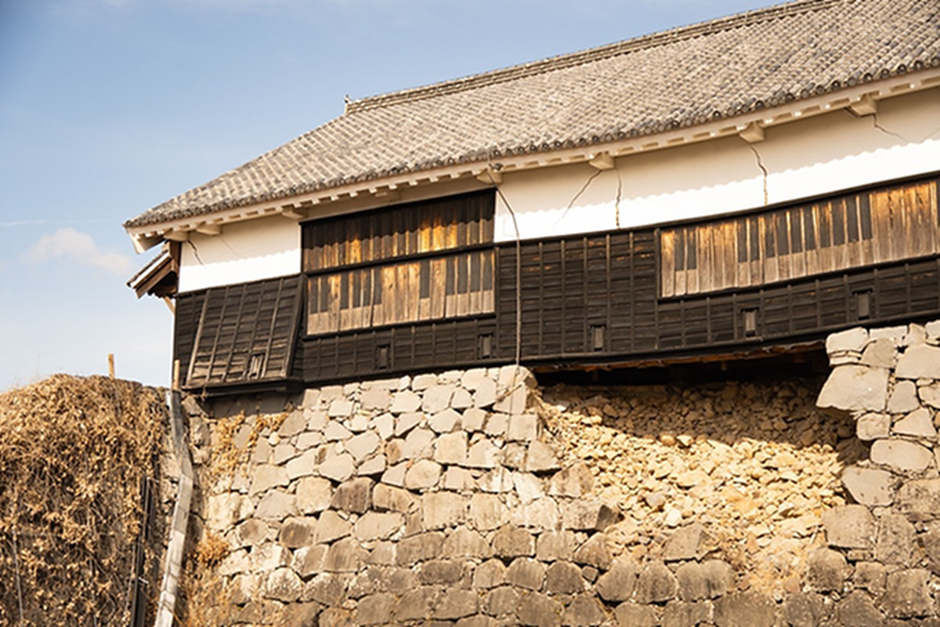
 Photo:Pexels
Take the Kyushu Shinkansen from Hakata to Kumamoto. Check the timetable for your date and reserve a seat during busy weekends or holiday periods. Leave large luggage at the Fukuoka hotel.
From Kumamoto Station, the city tram is a practical choice. Official city guidance places the Kumamoto Castle and City Hall tram stop about twenty minutes from the station. The walk from that stop to the castle area can take around fifteen minutes, depending on the entrance and current visitor flow.
Make Kumamoto Castle the first main stop. Restoration continues after the 2016 earthquakes, and the visitor route can change. Follow current signs rather than an old guidebook. The elevated observation passage also shows parts of the reconstruction work.
Allow about two hours for the castle area. Add Sakura-no-Baba Josaien for lunch, local products, and visitor information. This keeps the day compact and avoids crossing the city several times.
Mount Aso does not fit comfortably into the same day. Aso needs separate transport, weather checks, and more time. Return to Fukuoka before dinner, and avoid relying on the last useful train.
Plan your visit: Kumamoto Castle Official Website, Current visitor information, and Kumamoto Castle map
Day 5: Travel to Yufuin and Stay Overnight
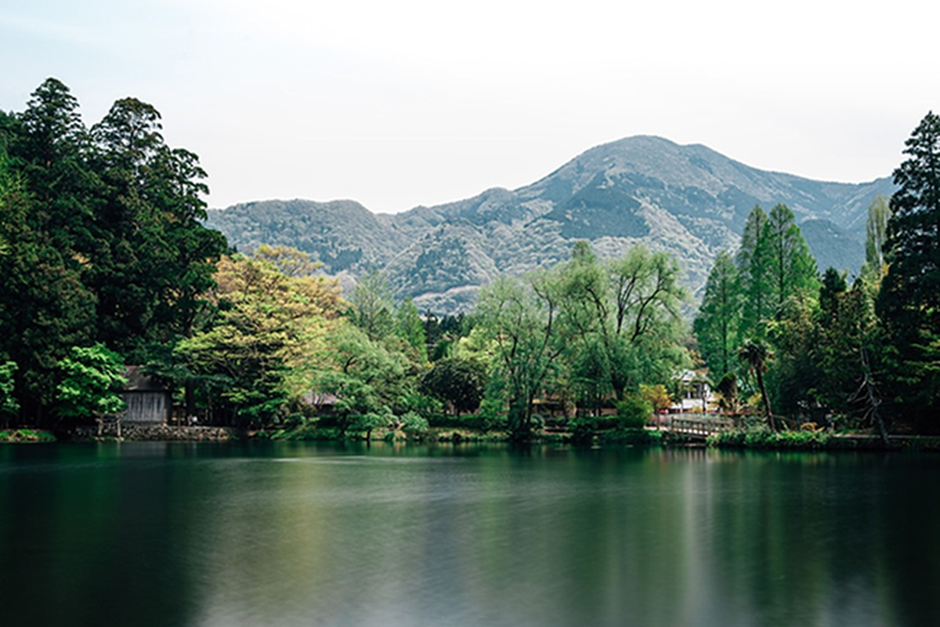
 Photo:Pexels
Before leaving Fukuoka, confirm where your large suitcase will stay. Ask the hotel whether it can hold the bag until the next day. Carry only an overnight bag to Yufuin. This makes the train, station, and ryokan transfer much easier.
Travel by limited express train or highway bus. Reserve early when you need a specific departure. JR Kyushu opens many train reservations at 10:00 a.m. Japan time, one month before departure. The Yufuin no Mori is popular, and seats may be unavailable on busy dates.
After arrival, leave your bag at the accommodation if early storage is offered. Then walk toward Lake Kinrin through the town. The central shopping street can feel busy around midday, while the side streets become quieter.
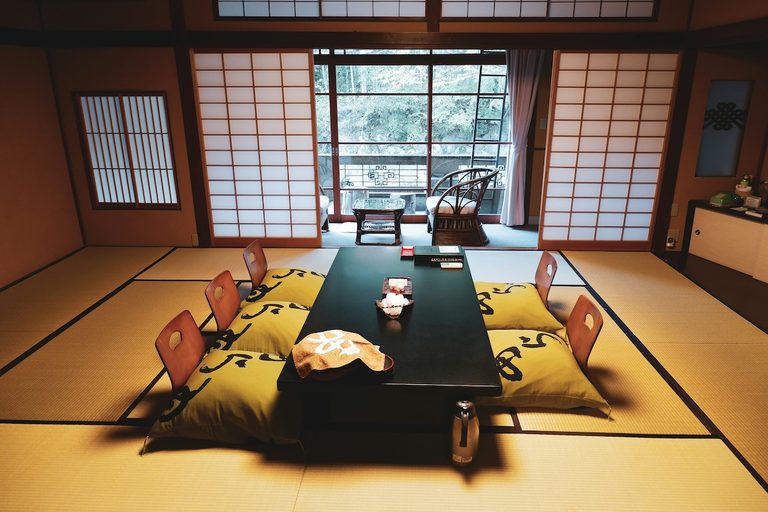
Check in before the ryokan’s dinner time. Many properties serve dinner at a fixed hour and cannot delay it easily. Confirm food allergies, bathing rules, towel availability, tattoo policies, and private bath reservations before arrival.
Yufuin changes after many day visitors leave. The evening is quieter, and the slower pace is the reason to stay overnight. Keep the schedule light enough to enjoy the ryokan rather than arriving just before dinner.
Plan your visit: JR Kyushu, Yufuin no Mori, Online booking, Yufuin Station map, and Lake Kinrin map
Day 6: Return to Fukuoka and Fly to Naha
Enjoy breakfast and one short morning walk. A full sightseeing program creates unnecessary pressure before the flight. Choose a late-afternoon or evening departure from Fukuoka, then check the Yufuin train or bus schedule before booking.
Return to Hakata with a wide buffer. Collect your suitcase, allow time for delays, and continue to Fukuoka Airport. This is still a same-day connection. If a missed flight would damage the trip, add a Fukuoka night instead.
At the airport, confirm the airline’s terminal, baggage deadline, and check-in rules. Keep the booking details available offline. Domestic flight procedures can be quick, but queues become longer during busy travel periods.
After landing at Naha Airport, use the Yui Rail or a taxi to reach the hotel. Stay near a monorail station when traveling without a car. Kencho-mae, Asahibashi, Miebashi, and Makishi are practical choices for central sightseeing.
Plan your visit: Yui Rail Official Website, Yui Rail route map, and Naha Airport map
Day 7: Naha, Markets, and Shuri
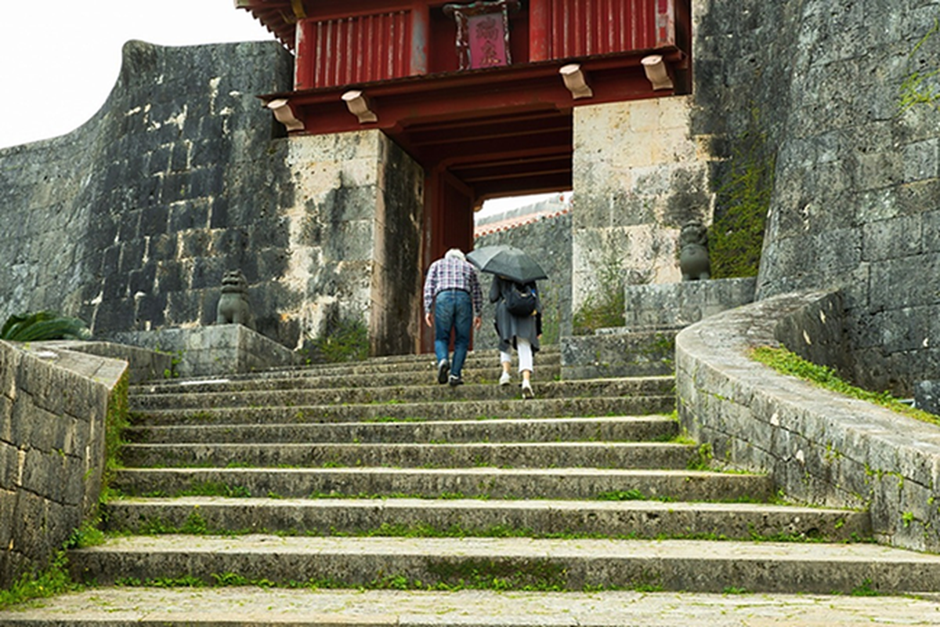
 Photo:Pexels
Start at Shuri Castle Park before the hottest part of the day. Take the Yui Rail to Shuri Station. The official access guide lists Shureimon as about a fifteen-minute walk from the station. The route includes slopes, so a local bus or taxi may be easier for tired travelers.
Shuri was the political center of the Ryukyu Kingdom. The park helps explain why Okinawa is more than a beach destination. Reconstruction and maintenance can affect the route, so check the official site shortly before your visit.
Return to central Naha for lunch. Spend the afternoon around Kokusai Street, Makishi Public Market, or the Tsuboya pottery district. These areas can be combined without creating a long cross-city journey.
Markets are working places. Ask before taking close photographs of staff, kitchens, or displayed products. Try Okinawa soba, goya champuru, sea grapes, or a local set meal. One unfamiliar dish is enough if you are unsure about the flavors.
Finish earlier than usual because Day 8 has a long bus journey. Check the morning departure, boarding point, and return option before going to bed.
Plan your visit: Shuri Castle Park Official Website, Official access guide, Shuri Castle Park map, and Kokusai Street map
Day 8: Okinawa Churaumi Aquarium
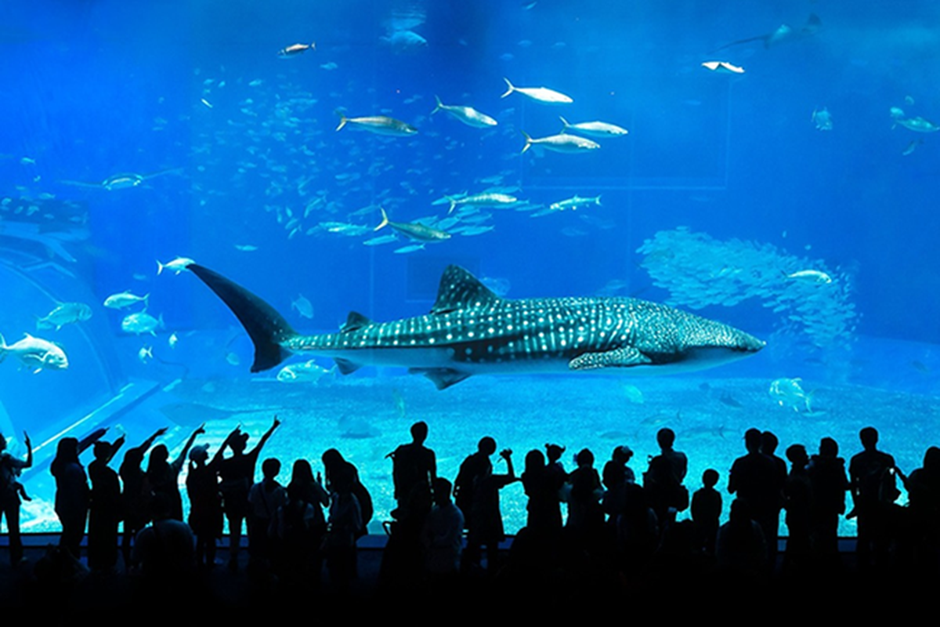
 Photo:Pexels
Okinawa Churaumi Aquarium is inside Ocean Expo Park in Motobu, far from central Naha. Treat it as a full-day trip. It does not fit between short city stops.
The official access guide estimates about two hours by car from Naha Airport and around three hours by express bus. Travel from a central Naha hotel can still take much of the morning. Bus routes, stops, and reservation rules vary by operator.
Compare a highway bus, organized tour, and rental car before deciding. A bus avoids driving, but the return schedule is fixed. A tour reduces planning but may limit free time. A car gives flexibility, yet traffic and parking add responsibility.
Check the final practical return service before entering. Save the stop name, ticket details, and hotel address offline. Weather, traffic, and special conditions can affect the day, so read official notices that morning.
Plan your visit: Okinawa Churaumi Aquarium Official Website, Official access information, and Aquarium map
Day 9: Choose the Okinawa Day You Actually Want

 Photo:Pexels
Keep this day flexible until the weather becomes clearer. After eight active days, the right choice depends on your energy, swimming season, and sea conditions.
For an easy city beach, consider Naminoue Beach. It is inside Naha and works better than a distant resort when you want a slow morning. Check the official beach information for swimming dates, safety notices, and available facilities.
For history or rain, visit the Okinawa Prefectural Museum and Art Museum near Omoromachi. This option stays close to the Yui Rail and gives more context for Okinawa’s islands, culture, and modern history.
For an island day, check ferries from the Naha area to the Kerama Islands. Confirm the operator, departure port, sea conditions, and final return before paying. A canceled ferry should not leave you without a plan.
If sea travel is canceled, use a simple Naha backup. Visit the museum, eat near Omoromachi, and return to the hotel before the evening rush. A free afternoon is not wasted time after a long itinerary.
Avoid locking this day into a nonrefundable activity too early. Strong wind, high waves, or typhoons can affect ferries, beaches, tours, and flights.
Plan your visit: Visit Okinawa Japan, Naminoue Beach information, Okinawa Prefectural Museum and Art Museum, Naminoue Beach map, and Museum map
Day 10: Leave Naha Without Last-Minute Stress
Check your flight status before leaving the hotel. Use the Yui Rail when the hotel is near a station and the luggage is manageable. A taxi may be easier when stairs, heat, or heavy bags make the walk uncomfortable.
Allow extra time during weekends and holiday periods. Airline check-in and security can take longer when several flights leave together. Follow your airline’s baggage and boarding deadlines rather than using a general estimate.
Keep the morning local. A northern Okinawa trip is not suitable before a flight. Buy final souvenirs near the hotel or at the airport, and avoid carrying fragile food through a full sightseeing day.
Passports, medicine, chargers, and boarding information belong in hand luggage. Check the hotel room once more before departure, especially the safe, power outlets, and bathroom.
Map: Naha Airport
How to Book This Japan Itinerary Sample
Use this order: international flights, the Fukuoka-to-Naha flight, and Yufuin accommodation. Book Fukuoka and Naha hotels next, followed by transport and optional activities.
Where to Stay
Fukuoka
Hakata is the practical Fukuoka choice for the airport, shinkansen, and Yufuin transport. Tenjin suits travelers who care more about restaurants, shopping, and nightlife. Choose one area rather than moving between both.
Yufuin
In Yufuin, stay within a manageable distance of the station or choose a hotel with pickup service. Check whether the path has slopes and whether pickup requires being contacted in advance.
Naha
In Naha, stay near the Yui Rail when you are not renting a car. Check the route from the station with luggage. A five-minute walk can feel much longer in heat or rain.
Best Time for Kyushu and Okinawa
Spring and autumn usually offer easier walking weather, but weekends and public holidays can be busy. Summer is hot and humid, while winter is cooler in Kyushu and milder in Okinawa. Check the forecast before departure because typhoons and seasonal conditions can affect flights, ferries, and outdoor plans.
Transport and Luggage
Use an IC card for local trains, subways, and many buses. Keep some cash for smaller services and places that do not accept cards. Availability can differ by operator.
Price the journeys before buying a rail pass. A pass is not automatically cheaper. The best choice depends on your exact travel dates and reserved trains.
Large suitcases slow station transfers and bus boarding. Carry one overnight bag to Yufuin. Before using luggage forwarding, confirm the delivery time and whether the receiving hotel accepts bags.
Practical Tips for a Smoother Trip
Save hotel addresses, flight details, train reservations, return bus times, and passport copies offline. Take screenshots of important station exits. A place name alone may lead to the wrong side of a large station.
Keep a charged power bank in your day bag. Long navigation days use more battery than expected, especially when you also take photographs and display QR tickets.
Plan indoor breaks before you feel exhausted. Kyushu and Okinawa can be humid, even outside midsummer. A café, museum, or short hotel break can improve the rest of the day.
Report allergies before arrival, especially for a ryokan meal. Keep one nearby restaurant as a backup for popular places. Do not let a closure or long queue distort the whole evening.