Introduction
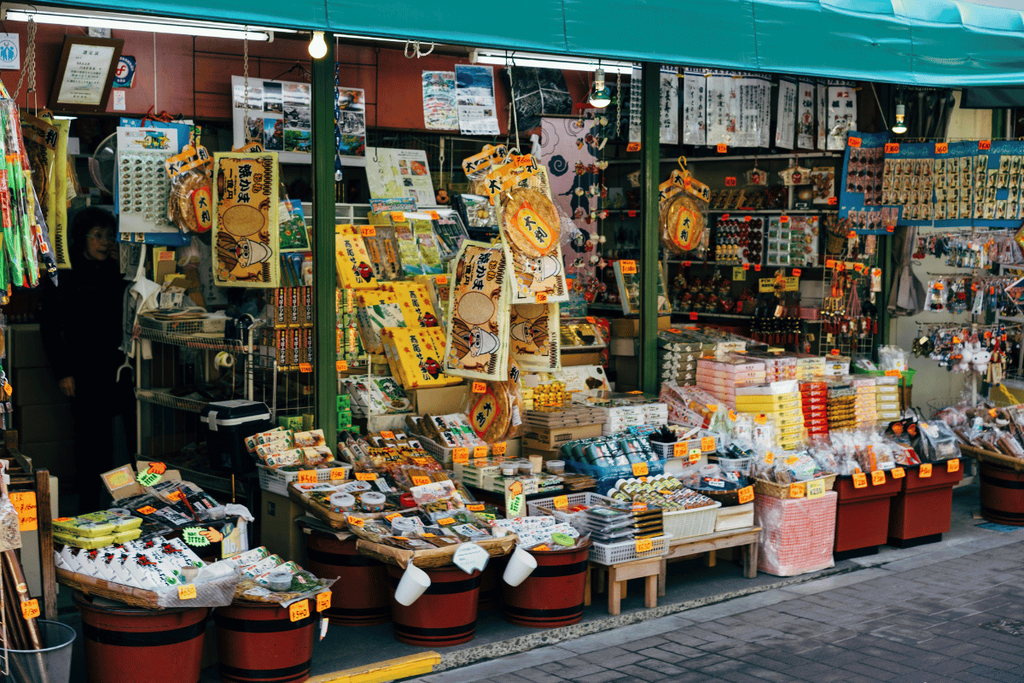
Photo: Pexels
Finished sightseeing and wondering what to bring home from Kyoto? You’re not alone. With so many shops in Gion, Arashiyama, and Nishiki Market, you might feel overwhelmed—and end up picking up generic souvenirs that don’t really reflect your trip. The good news is that Kyoto is one of the best places in Japan to find meaningful souvenirs, if you know where to look.
Instead of focusing only on famous items, Kyoto rewards travelers who shop with a bit of intention. From small artisan studios to long-established specialty stores, the city offers countless opportunities to discover items that feel personal rather than predictable. With a little guidance, it becomes much easier to choose souvenirs that truly represent your experience.
This guide helps you narrow down your options. Whether you’re interested in ceramics and lacquerwares, high-quality matcha from Uji, or dyed textiles, we cover what to buy, where to find it, and which shops are worth visiting. You’ll also find practical tips for packing fragile items and bringing them home safely, so you can shop with more confidence and less hesitation.
In this article you will learn:
- Which traditional Kyoto crafts are worth the investment
- The best neighborhoods and markets for souvenir shopping
- Five top shops with detailed descriptions and access information
- Practical tips for buying and transporting fragile or specialty items
Stay connected throughout your journey with a Japan eSIM. No need to hunt for a SIM card at the airport — activate it before you leave home and have data ready the moment you land.
Overview of Souvenir Shopping in Kyoto
Photo: Pexels
Kyoto’s reputation as a shopping destination is deeply tied to its long tradition of craftsmanship. As Japan’s former imperial capital, the city developed a culture that valued precision, subtle beauty, and seasonal awareness. Artisans created goods not just for everyday use, but for the court, temples, and tea ceremonies — contexts where detail and quality mattered deeply. These values continue to shape Kyoto’s souvenirs today.
What sets Kyoto apart is the diversity and specificity of its traditional crafts. Nishijin-ori silk weaving, Kyo-yaki ceramics, Kyo-nuri lacquerware, Kyo-kanoko tie-dyeing, and Kyo-sensu folding fans each reflect different techniques, materials, and regional identities. Many are still produced in small workshops, often by artisans who specialize in a single craft. Because of this, even similar items can vary widely in texture, finish, and price.
At the same time, Kyoto isn’t limited to high-end or formal crafts. There are plenty of accessible options that still reflect the city’s unique character — from beautifully packaged matcha and traditional sweets to compact, well-designed everyday items. This balance makes it possible to find something meaningful regardless of your budget.
The main shopping areas are spread across the city, each with its own character. Nishiki Market (often called “Kyoto’s Kitchen”) is best for food-related souvenirs. The streets around Kiyomizu-dera and Ninenzaka are known for pottery and traditional crafts. Arashiyama offers bamboo goods and textiles, while the Kawaramachi area combines department stores with smaller independent shops.
Another aspect that makes shopping in Kyoto unique is the opportunity to observe craftsmanship up close. In some areas, you may catch glimpses of artisans at work or find shops that openly share the story behind their products. Taking a moment to ask about materials, production methods, or regional differences can add a layer of meaning to your purchase. Even when language is a barrier, displays and packaging often reflect a strong attention to detail. By slowing down and looking beyond surface aesthetics, you’re more likely to find items that feel genuinely connected to Kyoto’s culture rather than simply designed for tourists.
Key features of souvenir shopping in Kyoto:
- Deep craft traditions spanning silk, ceramics, lacquerware, and more
- Shopping areas to suit every budget, from market stalls to artisan boutiques
- Seasonal and limited-edition items tied to Kyoto’s festival calendar
Best Things to Buy in Kyoto
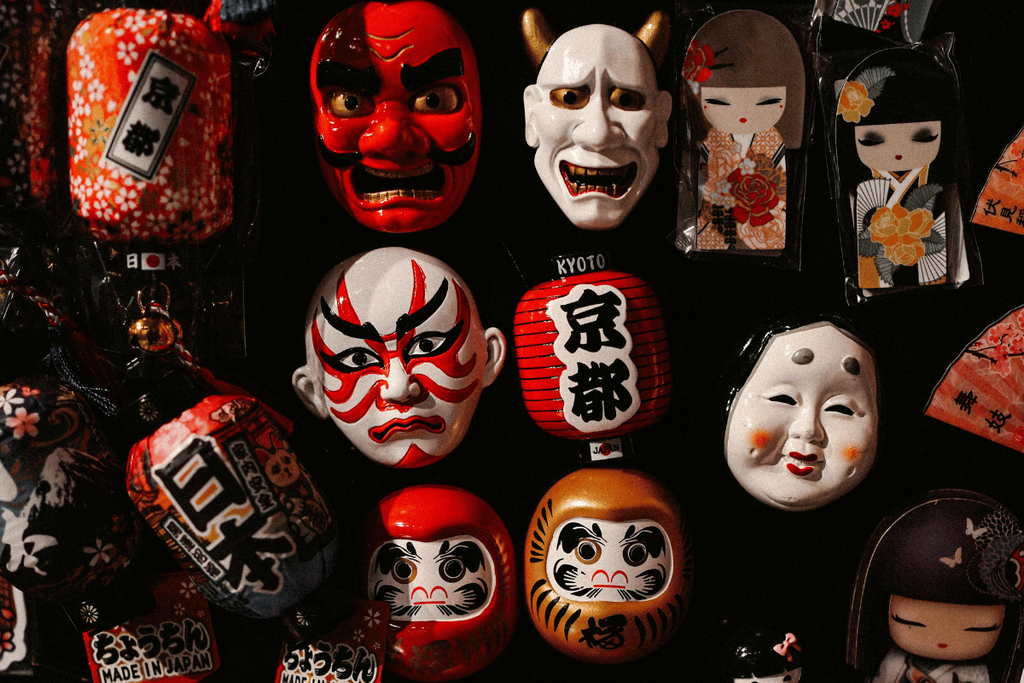
Photo: Pexels
Kyoto’s craft traditions are remarkably varied. Here are the main categories to look out for.
Traditional Crafts
Kyoto’s artisan heritage runs deep, and traditional crafts make the most distinctive gifts you can bring back. Kyo-yaki ceramics — glazed in soft greens, blues, and whites — range from tea ceremony bowls to decorative tiles. Nishijin-ori silk items like obi belts and small pouches are woven using techniques developed in the 5th century. Japanese folding fans called sensu and traditional lacquered trinket boxes also make beautiful, packable keepsakes.
- Kyo-yaki ceramics (tea bowls, sake cups, decorative plates)
- Nishijin-ori silk items (wallets, pouches, bookmarks)
- Kyo-sensu folding fans in traditional and modern designs
Food and Tea
Kyoto is the home of Japanese tea culture, and matcha products here are genuinely exceptional. High-grade ceremonial matcha from Uji — the tea-growing region just outside Kyoto — makes a sophisticated gift that serious tea drinkers will appreciate. Beyond matcha, look for yatsuhashi (soft cinnamon-flavored mochi), pickled vegetables from Nishiki Market, and seasonal wagashi (Japanese sweets) from established confectionery shops.
- Uji matcha (loose-leaf, powdered, and gift sets)
- Yatsuhashi and nama-yatsuhashi (Kyoto’s most iconic sweet)
- Pickled vegetables (tsukemono) from Nishiki Market
Lifestyle and Beauty
Kyoto has a long association with understated elegance, and that shows up in its lifestyle products. Traditional incense from shops in Shijo or Gion carries the same scent compositions used in temples for centuries. Kyo-nui embroidered items — handkerchiefs, small bags, and pouches — are refined and light enough to pack easily. Japanese washi paper (often patterned with Kyoto motifs) works beautifully for stationery, bookmarks, or wrapping paper at home.
- Traditional incense sticks and accessories
- Kyo-nui embroidered handkerchiefs and pouches
- Washi paper products (stationery, origami paper, notebooks)
Recommended Souvenir Shops in Kyoto
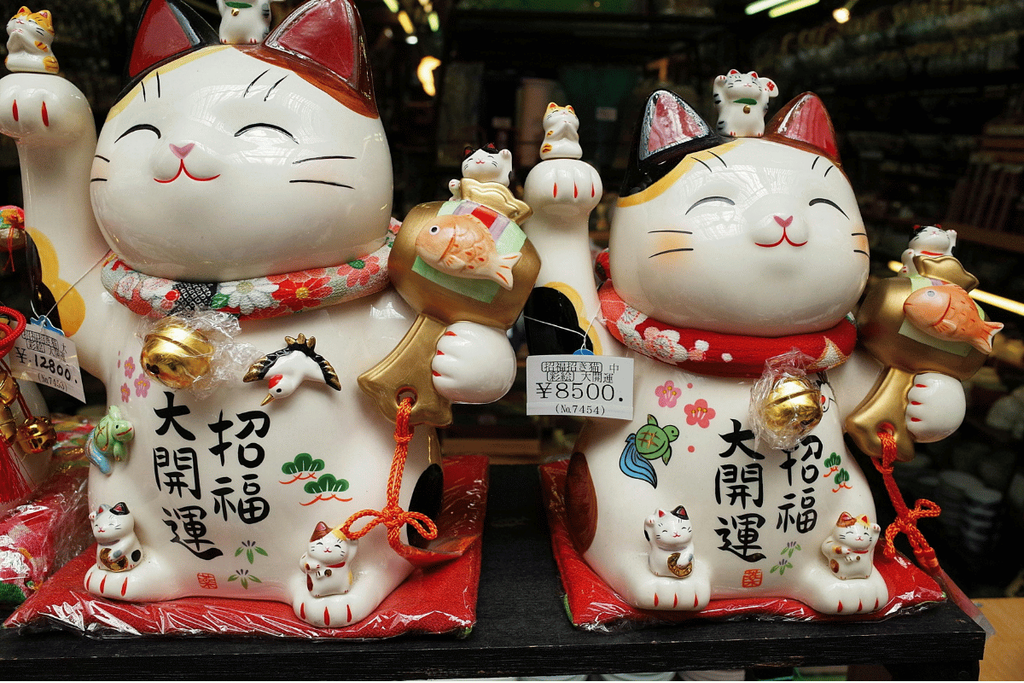
Photo: Pexels
There’s no shortage of places to shop in Kyoto, but these five are especially worth checking out — each with its own focus, a relaxed vibe, and a clear connection to the city’s craft traditions.
1. Ippodo Tea
If you’re going to bring matcha home from Japan, Ippodo is where to get it. This Kyoto tea merchant has been in operation since 1717 and is considered one of the most respected names in Japanese tea. The main shop near Kyoto Gyoen (the Imperial Palace garden) is calm and beautifully laid out, with staff who can guide you through the different grades of matcha, gyokuro, and sencha depending on your taste and budget.
What makes Ippodo particularly appealing for souvenir shoppers is the packaging. Gift sets are elegant, often presented in wooden or lacquered tins that look just as good on a kitchen shelf in London or New York as they do in Kyoto. If you have a few extra minutes, the adjacent tea room lets you try before you buy — a small bowl of freshly whisked matcha accompanied by a sweet is a lovely way to spend half an hour.
Highlights:
- Over 300 years of tea expertise in a single Kyoto shop
- Beautiful gift packaging suitable for high-end presents
- Attached tea room for tasting before purchasing
Details
- Time required: 30–60 minutes
- Access: About 10 minutes from Kyoto Station by subway (Karasuma Line to Marutamachi Station), then a 5-minute walk.
- Location: Google Maps
2. Nishiki Market
Nishiki Market is a narrow, covered shopping street running five blocks through central Kyoto, and it’s been the city’s main food market for centuries. For souvenir shoppers, the appeal is the sheer density of food-related items in one place: pickled vegetables in every imaginable variety, fresh tofu, miso, dried fish, and all sorts of snacks and sweets. It’s especially good for picking up tsukemono, which Kyoto is famous for, and for regional specialties you won’t find easily outside the area.
Beyond food, several stalls and shops along the market also sell small kitchen items, bamboo goods, and local condiments like yuzu kosho(yuzu and peppers ground into a paste) and dashi packs — all things that are practical, lightweight, and genuinely useful at home. The market gets crowded in the afternoon, so arriving before noon gives you a more relaxed experience and better access to the stalls before popular items sell out.
Highlights:
- Kyoto’s best destination for food souvenirs in one compact street
- Famous for tsukemono, miso, tofu, and regional sweets
- Also offers bamboo goods, kitchen items, and local condiments
Details
- Time required: 45–90 minutes
- Access: About 15 minutes from Kyoto Station by subway (Karasuma Line to Shijo Station), then a 5-minute walk east.
- Location: Google Maps
3. Kyoto Craft Center
Located in the Gion district near Shijo-Kawaramachi, the Kyoto Craft Center is one of the most curated spots in the city for traditional crafts. The center stocks a broad selection of items made by local artisans — ceramics, lacquerware, textile goods, fans, and dolls — all authenticated as genuine Kyoto crafts. It’s a good first stop if you want an overview of what’s available before committing to more specialized shops.
The layout is approachable and not overwhelming, which makes it well-suited to first-time visitors who aren’t sure what to look for. Prices reflect the quality of the work, and the staff are knowledgeable without being pushy. There’s also a small gallery section that rotates exhibitions of contemporary Kyoto craft, which gives useful context for what you’re looking at in the shop.
Highlights:
- One of the best curated selections of authenticated Kyoto crafts
- Covers ceramics, lacquerware, fans, and textiles in one location
- Rotating craft gallery adds depth and context to the shopping experience
Details
- Time required: 30–60 minutes
- Access: About 20 minutes from Kyoto Station by city bus (Bus 4 to Gion stop), then a 2-minute walk.
- Location: Google Maps
4. Ninenzaka and Sannenzaka
Ninenzaka and Sannenzaka are two historic cobblestone lanes that wind uphill toward Kiyomizu-dera, and they’re lined almost entirely with craft shops, tea houses, and small boutiques. The area has been a shopping destination for visitors to the temple for centuries, and while it can get crowded, the quality of goods here is generally much higher than at typical tourist trap markets. You’ll find Kyo-yaki ceramics, hand-painted fans, lacquerware, incense, and high-quality matcha sweets all within a short walk of each other.
The lanes themselves are a pleasure to walk — narrow, atmospheric, with wooden machiya townhouses on either side. Even if you’re not a dedicated shopper, wandering through the area with a cup of matcha soft serve in hand is one of the more enjoyable things to do in Kyoto. The best approach is to take your time and browse without a fixed agenda; the shops are dense enough that you’ll inevitably find something that appeals to you.
Highlights:
- Historic cobblestone lanes with a high concentration of quality craft shops
- Perfect for browsing ceramics, fans, lacquerware, and incense
- Beautiful setting with traditional machiya architecture
Details
- Time required: 60–120 minutes
- Access: About 20 minutes from Kyoto Station by city bus (Bus 206 to Higashiyama-Yasui stop), then a 5-minute walk.
- Location: Google Maps
5. Arashiyama Bamboo Grove Area Shops
Arashiyama is best known for the bamboo grove and Tenryu-ji, but the shopping along Togetsukyo Bridge and the surrounding streets is genuinely worth your attention. The area has a cluster of shops specializing in bamboo goods — baskets, chopsticks, lacquered trays, and small household items — that reflect the region’s long bamboo-craft tradition. There are also excellent textile shops selling locally dyed items and Nishijin-ori pieces at prices that compare well with central Kyoto.
One particular recommendation is to look for shops selling Kyoto-style wagashi (traditional confections) in Arashiyama’s quieter side streets. Several confectionery makers here have deep local roots and sell seasonal sweets that you won’t find at the bigger Nishiki Market stalls. The whole area benefits from being slightly removed from downtown, which gives it a calmer atmosphere even during peak tourist season.
*Prices are subject to change. Please check the official website for up-to-date information.
Highlights:
- Strong selection of bamboo crafts and Nishijin-ori textiles
- Calmer shopping atmosphere compared to central Kyoto
- Excellent local wagashi and seasonal confections
Details
- Time required: 60–120 minutes (combine with sightseeing in the area)
- Access: About 30 minutes from Kyoto Station by JR San-in Line to Saga-Arashiyama Station, then a 10-minute walk to the main shopping area.
- Location: Google Maps
Keep your connection simple with a Japan eSIM. You won’t need to search for a SIM card at the airport — just set it up before your trip and you’ll be online the moment you arrive.
Travel Tips for Souvenir Shopping in Kyoto
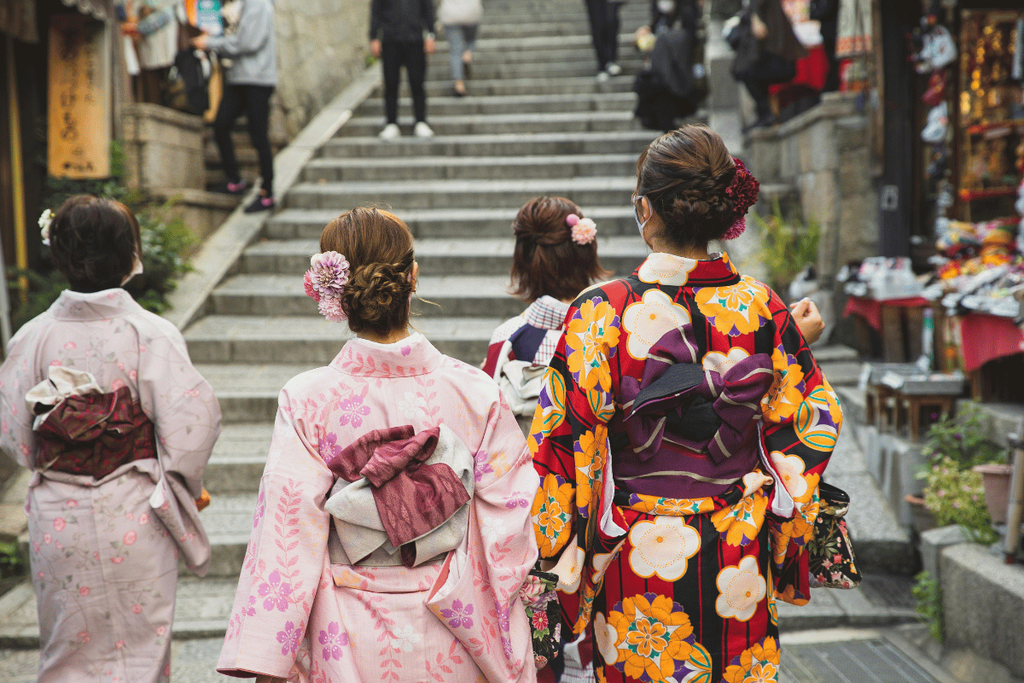
Photo: Pexels
- Pack light on the way in: From the start, try to leave a bit of extra space in your luggage if you’re planning to pick up souvenirs. Many quality items — especially ceramics — are fragile and need a little extra care when packing them for the trip home.
- Ask about fragile packing: Good craft shops in Kyoto are experienced at packing ceramics and lacquerware for international travel. Don’t hesitate to ask; they’ll often double-box or use protective wrapping at no extra charge.
- Buy food souvenirs last: Yatsuhashi, wagashi, and pickled vegetables have shorter shelf lives. Pick them up on your final day in Kyoto rather than at the start of your trip, and check best-before dates on the packaging.
- Morning shopping is better: Popular spots like Nishiki Market and Ninenzaka get very crowded from around noon. Arriving before 10am gives you a more relaxed experience and fresher stock in the food stalls.
- Look for the craft certification label: Genuine Kyoto traditional crafts are often marked with a certification from the Kyoto Prefecture. This is a useful indicator of authenticity, especially when buying ceramics, lacquerware, or textiles.
- Consider shipping home: If you fall in love with something large or particularly fragile, many shops offer international shipping. It’s often cheaper than airline baggage fees and much safer for delicate items.
How to Get to Kyoto
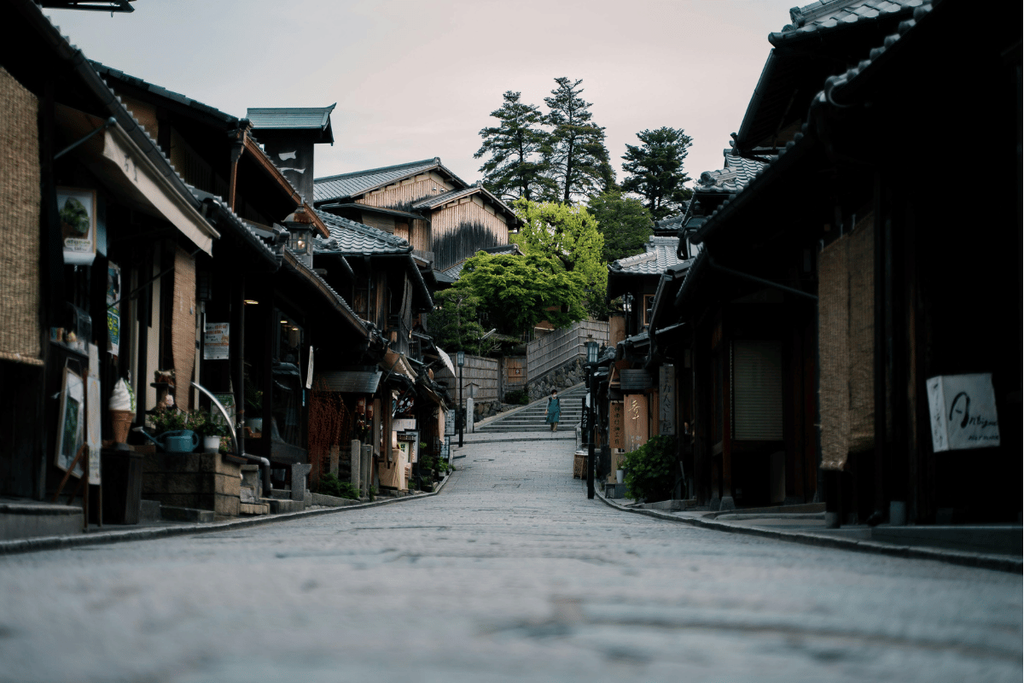
Photo: Pexels
From Tokyo to Kyoto Station
- Shinkansen (bullet train)
- Time: about 2.5 hours
- Cost: around ¥14,000*
From Osaka to Kyoto Station
- JR train
- Time: about 30 minutes
- Cost: about ¥600*
From Kansai International Airport to Kyoto Station
- JR Haruka Express
- Time: about 75 minutes
- Cost: about ¥3,000*
From Narita International Airport to Kyoto Station
- Narita Express + Shinkansen
- Time: about 3.5–4 hours
- Cost: about ¥18,000*
*Prices are subject to change. Please check the official website for up-to-date information.
Summary
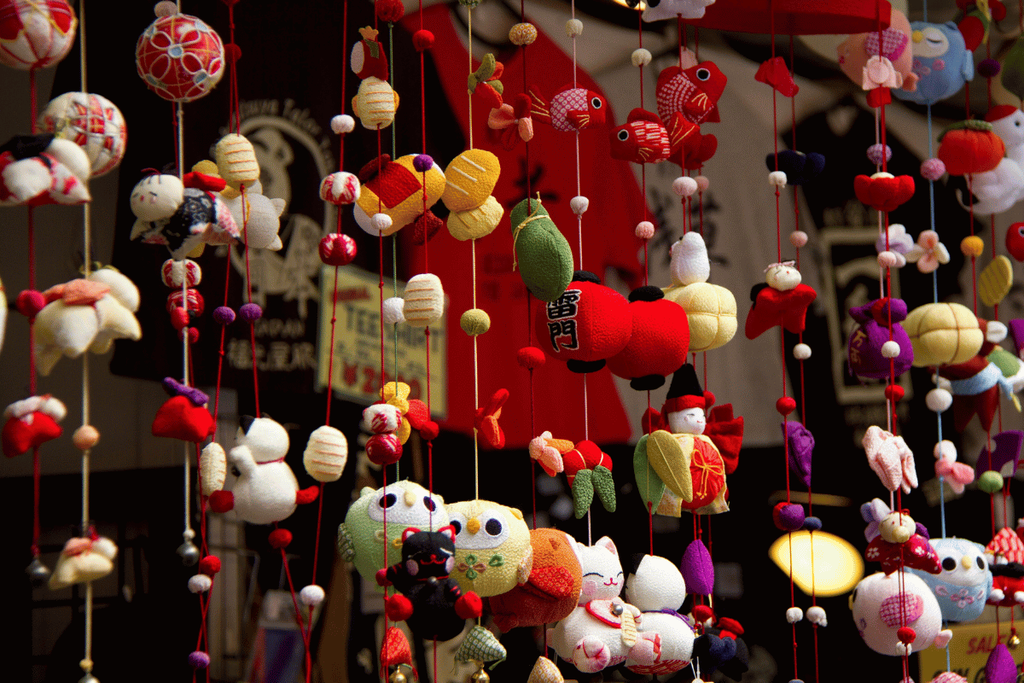
Photo: Pexels
Kyoto is one of the best cities in Japan for souvenir shopping — not because of the volume of shops, but because of the depth and quality of its craft traditions. Whether you come home with a tin of ceremonial-grade matcha, a hand-glazed ceramic cup, a folding lacquered fan, or a bag of freshly pickled vegetables from Nishiki Market, you’ll have something that genuinely reflects what makes Kyoto different from anywhere else in the world.
The best time to shop is during the spring (late March to early May) and autumn (October to November) seasons, when Kyoto is at its most beautiful and seasonal items — from cherry blossom-shaped wagashi to autumn-leaf lacquerware — are at their most abundant. That said, the craft shops and markets are rewarding year-round, and the cooler winter and summer months have the advantage of smaller crowds.
Planning your trip to Kyoto? Stay connected throughout your journey with a Japan eSIM. No need to hunt for a SIM card at the airport — activate it before you leave home and have data ready the moment you land.
With so many unique finds across the city, you’re sure to discover a Kyoto souvenir that feels just right.