Introduction
Japan is a destination that can be enjoyed throughout the entire year, with each season offering its own unique landscapes, festivals, foods, and activities. Unlike some countries that have relatively stable weather year-round, Japan experiences four distinct seasons, each bringing dramatic changes in temperature and scenery. Because of this, the best time to visit Japan depends largely on the type of experience you’re hoping to have.
Spring welcomes beautiful cherry blossoms and comfortable weather, making it one of the most popular seasons for sightseeing. Summer brings colorful festivals, spectacular fireworks displays, and opportunities to explore mountains and beaches, although temperatures can become hot and humid. Autumn is famous for brilliant red and golden leaves, pleasant temperatures, and seasonal foods, while winter transforms many regions into snowy wonderlands perfect for skiing, snowboarding, and relaxing in hot springs.
Weather conditions also vary greatly depending on where you travel. Hokkaido in northern Japan experiences long, snowy winters and relatively cool summers, while Okinawa enjoys a subtropical climate with warm temperatures throughout most of the year. Cities such as Tokyo, Kyoto, and Osaka experience all four seasons, allowing visitors to enjoy completely different scenery depending on when they visit.
Understanding Japan’s monthly weather patterns can help you pack appropriately, choose the best destinations, avoid unpleasant surprises, and make the most of your trip. Knowing when the rainy season occurs, when typhoons are most likely, or when seasonal events take place can make a significant difference in your overall travel experience.
This guide introduces Japan’s weather month by month, highlighting average conditions, seasonal attractions, travel advantages, and helpful tips for each time of year. Whether you’re planning your first visit or returning to experience another season, this guide will help you decide when to travel.
By the end of this article, you’ll know which months are best for cherry blossoms, autumn leaves, winter sports, beaches, festivals, and comfortable sightseeing.
In this article, you will learn:
- Japan’s weather throughout the year
- The best months for sightseeing
- When to see cherry blossoms and autumn leaves
- The rainy season and typhoon season
- Seasonal festivals and activities
- Tips for packing during each season
Understanding Japan’s Four Seasons
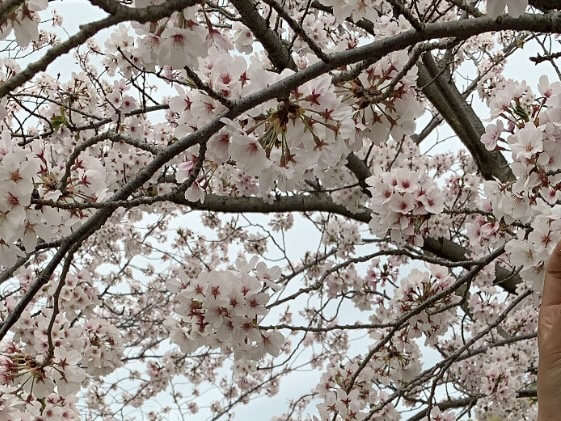
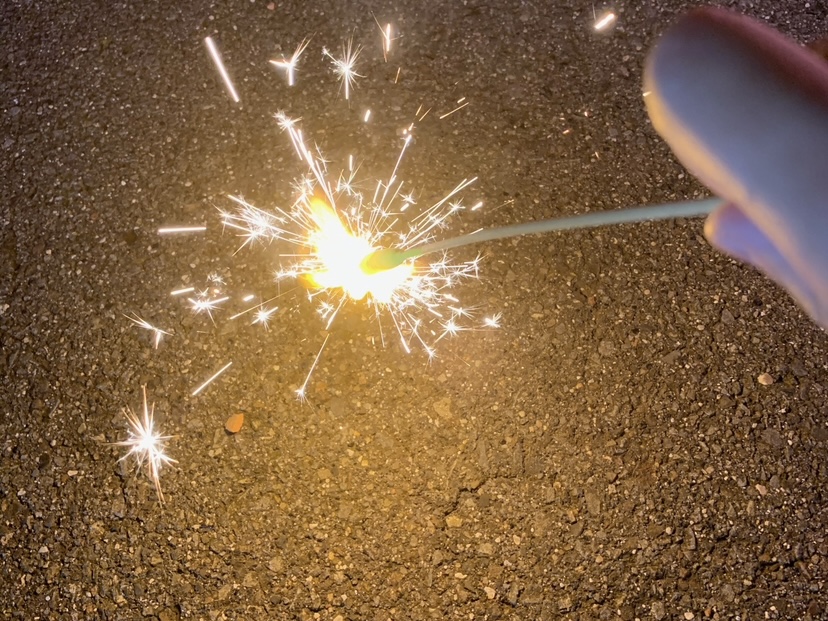
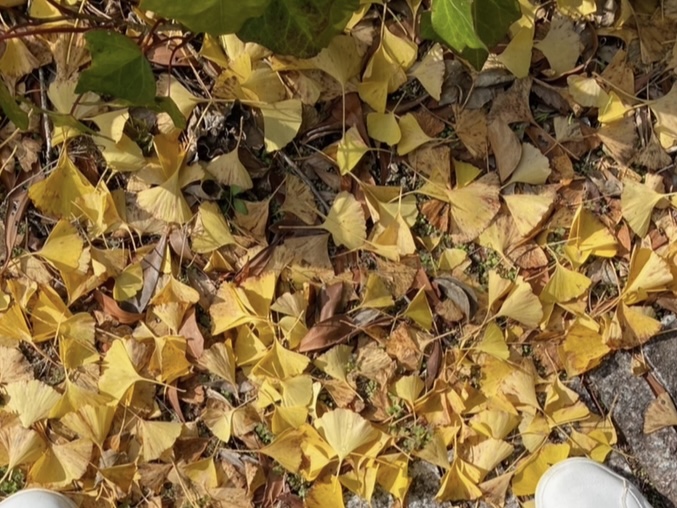

Japan is well known for its four distinct seasons, each offering completely different scenery and travel experiences. Unlike destinations where the weather changes only slightly throughout the year, Japan transforms dramatically every few months.
Spring is characterized by mild temperatures, blooming flowers, and the famous cherry blossom season. Parks across the country fill with people enjoying hanami, or flower-viewing picnics, while comfortable weather makes walking and sightseeing particularly enjoyable.
Summer brings vibrant festivals, fireworks, hiking opportunities, and beach vacations. Although temperatures can become quite high, summer is also one of the most energetic times to visit Japan thanks to its lively seasonal events.
Autumn is often considered by many travelers to be the most comfortable season. Cool temperatures, colorful maple leaves, and delicious seasonal foods make it ideal for exploring cities, temples, gardens, and mountains.
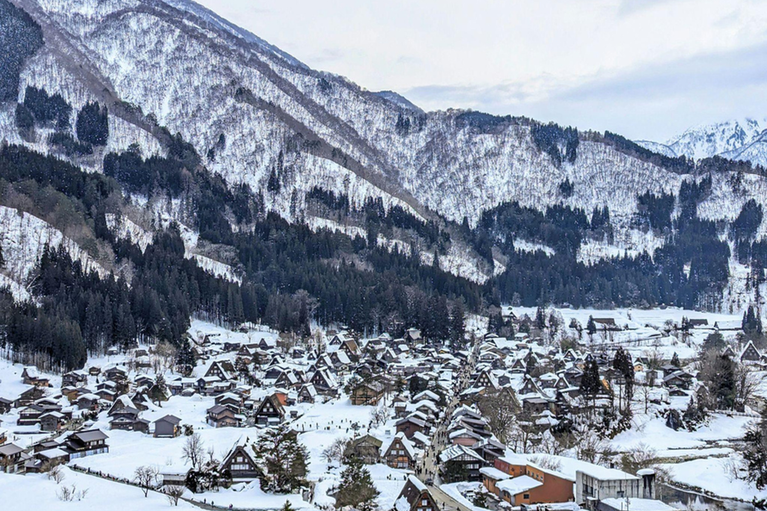
Winter offers a completely different side of Japan. Snow blankets northern regions, ski resorts welcome visitors from around the world, and hot spring towns become especially inviting during the colder months.
Each season has its own charm, so there’s truly no wrong time to visit Japan.
January
January is one of the coldest months of the year, particularly in northern and mountainous regions. Snowfall is common in Hokkaido, Tohoku, and the Japanese Alps, making this an excellent time for winter sports.
Popular ski destinations such as Niseko, Hakuba, and Nozawa Onsen attract visitors from around the world thanks to Japan’s famous powder snow.
Meanwhile, cities such as Tokyo, Kyoto, and Osaka experience cold but generally sunny weather with relatively little snowfall, making sightseeing comfortable if you dress warmly.
January is also an excellent month to experience Japanese hot springs. Relaxing in an outdoor onsen while surrounded by snowy scenery is one of Japan’s most memorable winter experiences.
Average Temperature
- Tokyo: 2–10°C
- Kyoto: 1–9°C
- Sapporo: -7–0°C
Travel Tips
- Bring a warm winter coat.
- Gloves, scarves, and hats are recommended.
- Visit an onsen to experience Japanese winter culture.
February
February remains cold across much of Japan, but it also hosts some of the country’s most famous winter festivals. The Sapporo Snow Festival attracts millions of visitors each year with its enormous snow sculptures and illuminated ice displays.
Ski conditions remain excellent throughout northern Japan, and many resorts receive fresh snowfall almost daily.
Toward the end of the month, plum blossoms begin blooming in warmer regions, providing an early hint that spring is approaching.
Because February falls outside the peak international travel seasons, visitors can often find attractive hotel rates in many cities.
Average Temperature
- Tokyo: 3–11°C
- Kyoto: 2–10°C
- Sapporo: -6–1°C
Travel Tips
- Ideal for skiing and snowboarding.
- Visit winter festivals.
- Dress in warm layers.
March
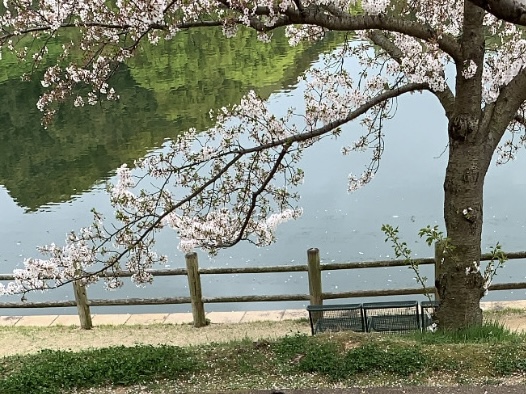
March marks the beginning of spring across much of Japan. Temperatures gradually become warmer, flowers begin blooming, and excitement builds as the cherry blossom season approaches.
Southern regions such as Kyushu and parts of western Japan often see the first cherry blossoms toward the end of the month, while Tokyo usually begins blooming during late March depending on weather conditions.
Parks become increasingly lively as locals prepare for hanami gatherings beneath the cherry trees.
Although evenings can still be chilly, daytime temperatures are generally comfortable for sightseeing.
Average Temperature
- Tokyo: 6–14°C
- Kyoto: 5–14°C
- Sapporo: -2–5°C
Travel Tips
- Monitor the cherry blossom forecast.
- Bring a light jacket.
- Popular sightseeing areas become busier near the end of the month.
April
April is widely considered one of the best months to visit Japan. Cherry blossoms reach full bloom across much of the country, transforming parks, riversides, castles, and temple grounds into breathtaking landscapes filled with soft pink flowers.
Cities such as Tokyo, Kyoto, Osaka, and Hiroshima are especially beautiful during this season. Popular parks become lively as families and friends gather for hanami, the traditional custom of enjoying cherry blossoms while sharing food and drinks beneath the trees.
Because April is one of Japan’s busiest travel periods, hotels and transportation often book up months in advance. If you’re planning to visit during cherry blossom season, making reservations early is highly recommended.
Toward the end of the month, the blossoms gradually disappear in many areas, but fresh green leaves begin covering mountains and gardens, creating another beautiful seasonal landscape.
Average Temperature
- Tokyo: 10–19°C
- Kyoto: 9–20°C
- Sapporo: 5–13°C
Travel Tips
- Reserve hotels several months in advance.
- Visit famous cherry blossom spots early in the morning to avoid crowds.
- Bring a light jacket for cooler evenings.
May
May is one of the most comfortable months for sightseeing in Japan. The weather is warm without being too hot, humidity remains relatively low, and clear blue skies are common throughout much of the country.
Fresh green leaves cover parks, temples, and mountains, creating vibrant scenery that photographers often call the “season of fresh greenery.”
Early May includes the Golden Week, one of Japan’s longest holiday periods. During this time, millions of Japanese people travel around the country, making trains, hotels, and popular tourist attractions extremely busy.
After Golden Week ends, visitor numbers decrease significantly, making late May one of the best times for relaxed sightseeing.
Outdoor activities such as hiking, cycling, and walking tours are especially enjoyable thanks to the pleasant temperatures.
Average Temperature
- Tokyo: 15–24°C
- Kyoto: 14–25°C
- Sapporo: 10–19°C
Travel Tips
- Perfect weather for outdoor sightseeing.
- Avoid Golden Week if possible unless you’ve booked everything well in advance.
- Great season for hiking and nature walks.
June
June marks the beginning of Japan’s rainy season, known as tsuyu, across most regions except Hokkaido. While rain becomes more frequent, it usually doesn’t rain continuously all day. Instead, travelers often experience periods of light showers followed by cloudy or sunny weather.
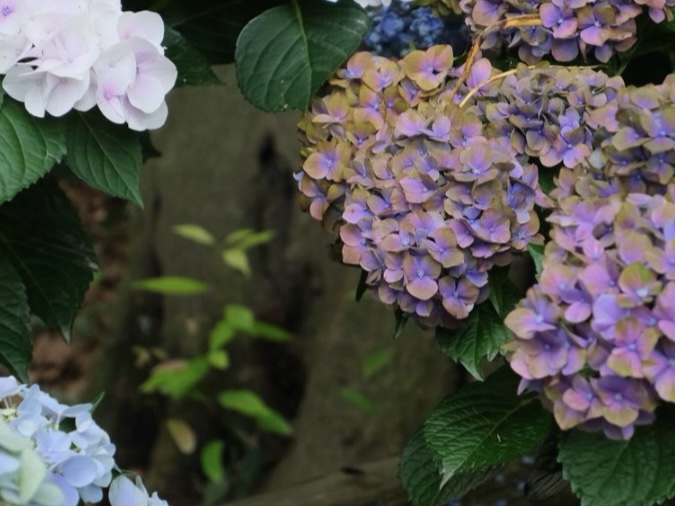
Although some visitors avoid June because of the rain, this month has its own unique charm. Hydrangeas bloom beautifully at temples, parks, and gardens throughout Japan, adding vibrant shades of blue, purple, pink, and white to the landscape.
Popular hydrangea viewing spots include Kamakura, Hakone, Kyoto, and Tokyo, where many temples become especially picturesque.
Tourist attractions are generally less crowded compared to spring, making June a good option for travelers who prefer a quieter experience.
Average Temperature
- Tokyo: 19–26°C
- Kyoto: 19–28°C
- Sapporo: 15–23°C
Travel Tips
- Carry a compact umbrella or lightweight rain jacket.
- Wear waterproof or quick-drying shoes.
- Visit hydrangea gardens during the rainy season.
July
July marks the arrival of summer across Japan. The rainy season gradually ends in many regions, and temperatures rise quickly along with humidity.
Despite the heat, July is one of the most exciting months to visit thanks to its famous festivals, fireworks displays, and lively summer atmosphere.
Many cities hold spectacular hanabi (fireworks) festivals, where thousands of colorful fireworks illuminate the night sky. Visitors wearing traditional yukata gather along rivers and parks to celebrate these seasonal events.
July is also the beginning of climbing season for Mount Fuji, allowing hikers from around the world to attempt Japan’s most famous mountain under relatively safe weather conditions.
Because temperatures often exceed 30°C (86°F), staying hydrated and taking breaks in air-conditioned cafés or shopping centers is essential during daytime sightseeing.
Average Temperature
- Tokyo: 24–31°C
- Kyoto: 24–33°C
- Sapporo: 20–27°C
Travel Tips
- Experience a traditional summer festival.
- Drink plenty of water throughout the day.
- Wear sunscreen, sunglasses, and a hat when sightseeing.
August
August is the hottest month of the year in most parts of Japan. Temperatures regularly exceed 30°C (86°F), and high humidity can make it feel even warmer. While sightseeing during the afternoon can be challenging, August is also one of the liveliest months, filled with festivals, fireworks, and outdoor events.
Many Japanese people take vacations during the Obon holiday, one of the country’s most important annual holiday periods. Families return to their hometowns, tourist destinations become busy, and transportation services are often crowded.
If you’re looking for beaches, August is an excellent time to visit Okinawa, the Izu Islands, or coastal areas around Kanagawa and Chiba. Crystal-clear waters, marine activities, and tropical scenery make these destinations especially popular.
Summer festivals continue throughout the month, with visitors dressed in colorful yukata enjoying traditional food stalls, lantern displays, and fireworks late into the evening.
Average Temperature
- Tokyo: 25–33°C
- Kyoto: 25–35°C
- Sapporo: 21–28°C
Travel Tips
- Visit beaches or mountain resorts to escape the heat.
- Wear sunscreen and stay hydrated.
- Reserve transportation early during the Obon holiday.
September
September marks the transition from summer to autumn. Early in the month, temperatures remain warm, but mornings and evenings gradually become more comfortable.
This is also part of Japan’s typhoon season, particularly in southern and central regions. While typhoons do not occur every year in every location, travelers should monitor weather forecasts closely if visiting during September.
As the month progresses, parks begin showing hints of autumn colors, and seasonal flowers such as red spider lilies bloom in many gardens and rural landscapes.
Because schools have resumed after summer vacation, popular attractions often become less crowded than in August, allowing for more relaxed sightseeing.
Average Temperature
- Tokyo: 22–29°C
- Kyoto: 21–30°C
- Sapporo: 17–24°C
Travel Tips
- Check weather forecasts regularly.
- Enjoy pleasant temperatures later in the month.
- Be prepared for occasional heavy rain.
October
October is one of the most enjoyable months to visit Japan. Temperatures are comfortable, humidity decreases, and the first autumn leaves begin appearing in northern Japan and mountainous regions.
The pleasant weather makes October ideal for walking tours, temple visits, hiking, cycling, and outdoor festivals. Many travelers consider this one of the best months for exploring cities such as Tokyo, Kyoto, and Osaka.
Seasonal foods also become a highlight during October. Chestnuts, sweet potatoes, mushrooms, persimmons, and freshly harvested rice appear on restaurant menus across the country.
Although major tourist destinations become busier as autumn progresses, October is generally less crowded than the cherry blossom season.
Average Temperature
- Tokyo: 16–23°C
- Kyoto: 15–24°C
- Sapporo: 9–17°C
Travel Tips
- Excellent month for sightseeing.
- Perfect weather for hiking.
- Visit mountainous regions to see the first autumn colors.
November
November is famous for spectacular autumn foliage and is widely regarded as one of the best months to visit Japan. Brilliant shades of red, orange, and yellow transform temples, shrines, gardens, and mountains into breathtaking landscapes.
Kyoto becomes especially beautiful during this season. Famous temples such as Kiyomizu-dera, Eikando, and Tofuku-ji attract visitors from around the world with their incredible maple leaves and evening illumination events.
Tokyo also offers excellent autumn scenery in parks such as Rikugien, Shinjuku Gyoen, and Meiji Jingu Gaien, where rows of golden ginkgo trees create stunning photo opportunities.
Because autumn foliage is extremely popular, accommodations in Kyoto and other famous destinations should be reserved well in advance.
Average Temperature
- Tokyo: 10–18°C
- Kyoto: 9–17°C
- Sapporo: 2–10°C
Travel Tips
- Reserve hotels early for autumn foliage season.
- Bring a warm jacket for cooler evenings.
- Visit temples early in the morning to avoid crowds.
December
December welcomes the beginning of winter across Japan. While snowfall is still limited in many major cities, northern regions and mountain areas begin transforming into beautiful snowy landscapes.
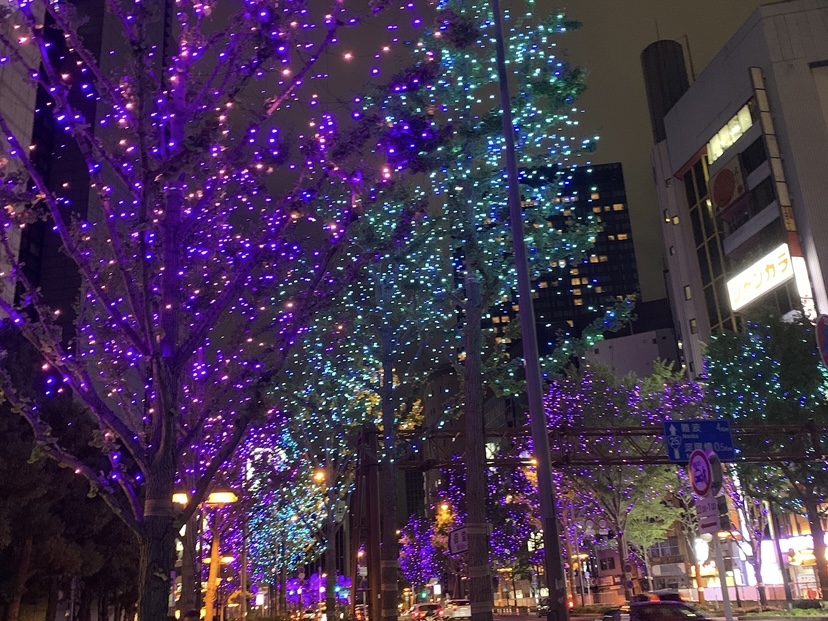
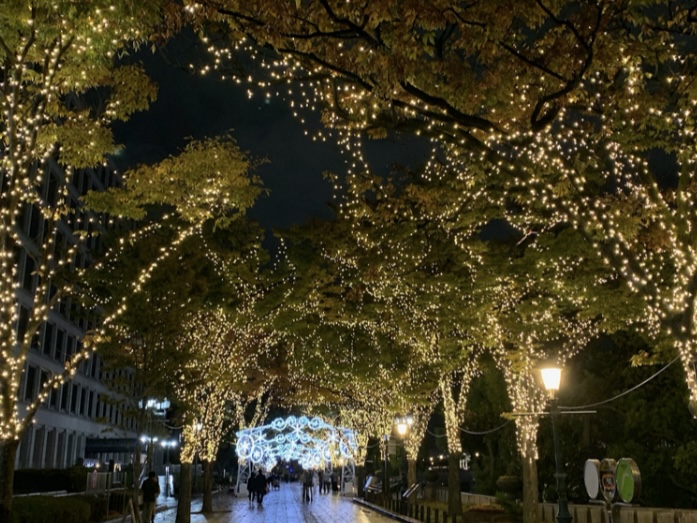
Cities such as Tokyo, Osaka, and Yokohama become famous for their spectacular winter illuminations. Streets, parks, and shopping districts sparkle with millions of colorful lights, creating a magical atmosphere throughout the holiday season.
December is also an excellent time to enjoy hot springs, winter seafood, and seasonal Japanese cuisine. As New Year’s approaches, temples and shrines prepare for one of Japan’s most important annual celebrations.
Although the second half of December becomes increasingly busy due to holiday travel, the beginning of the month is often a pleasant time for sightseeing with cool, comfortable weather.
Average Temperature
- Tokyo: 5–13°C
- Kyoto: 4–12°C
- Sapporo: -3–3°C
Travel Tips
- Enjoy winter illuminations.
- Visit an onsen for a relaxing winter experience.
- Pack warm clothing, especially if traveling to northern Japan.
Best Time to Visit by Travel Style
The best time to visit Japan depends on the type of trip you want to enjoy.
Cherry Blossoms: Late March to early April
Autumn Leaves: Late October to late November
Skiing & Snowboarding: December to February
Hot Spring Trips: December to February
Beach Vacations: July to August
Hiking: May, October, and early November
Festivals & Fireworks: July and August
Comfortable Sightseeing: April, May, October, and November
If you’re visiting Japan for the first time and have flexibility in your schedule, April, May, October, and November are generally considered the best months thanks to their mild weather and beautiful scenery.
Summary
Japan is truly a year-round destination, with every season offering its own unique beauty and unforgettable experiences. From the delicate cherry blossoms of spring to the lively summer festivals, colorful autumn foliage, and snowy winter landscapes, there’s always something special waiting to be discovered.
Choosing the best time to visit depends on your travel goals. If you dream of seeing cherry blossoms, spring is the perfect choice. If you enjoy hiking and comfortable weather, late spring and autumn are excellent. Winter is ideal for skiing and hot springs, while summer offers exciting festivals, beaches, and fireworks displays.
No matter when you visit, planning ahead and understanding Japan’s seasonal weather will help you pack appropriately, avoid crowds when possible, and make the most of your journey. By matching your travel dates with the experiences you value most, you’ll be able to create unforgettable memories while exploring one of the world’s most fascinating destinations.
No matter the season, Japan always has something extraordinary to offer. Happy travels!