Introduction
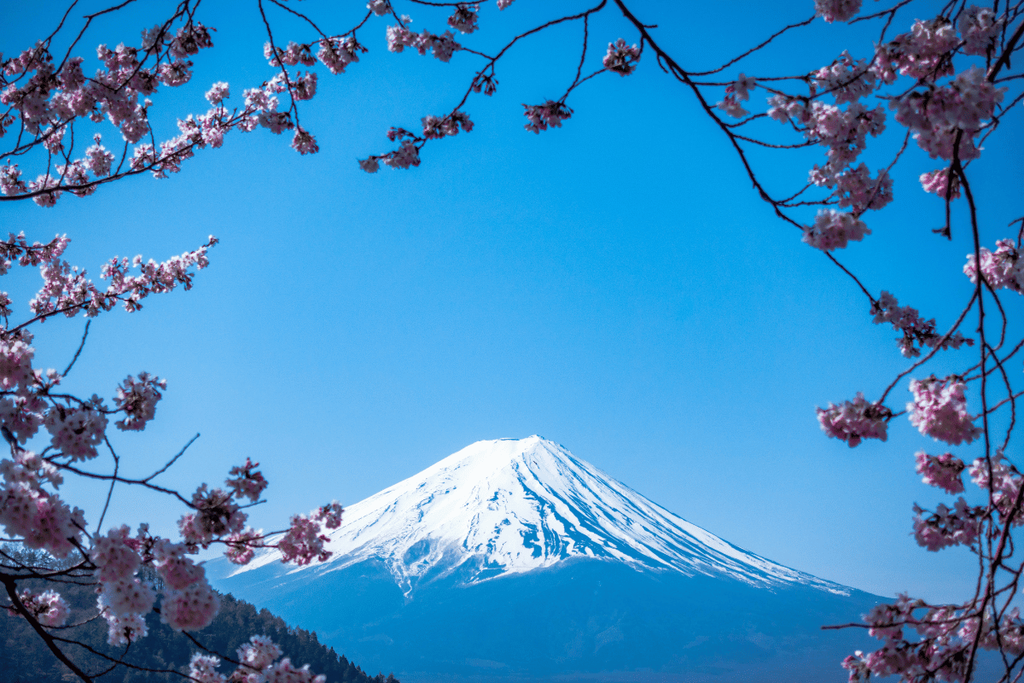
Photo: Unsplash
Planning a trip around Japan’s cherry blossom season can completely change how you experience the country. As the weather begins to warm and parks, riversides, and city streets fill with pale pink flowers, people gather outside to enjoy one of the most anticipated times of the year. The blooming period moves gradually from south to north, creating a wave of spring scenery that travels across the country over several weeks. Because the timing varies depending on the region and the weather each year, understanding where and when to go can make a big difference.
Many first-time visitors focus only on famous locations such as Tokyo or Kyoto, but cherry blossoms can be enjoyed in almost every part of Japan. Some travelers prefer busy city parks with food stalls and evening illuminations, while others look for quieter rivers, castle grounds, or mountain landscapes. The variety is one of the reasons sakura season remains so popular with both visitors and local residents. This guide explores how cherry blossom season unfolds across Japan and highlights some of the best places to enjoy it from south to north.
Understanding Japan’s Cherry Blossom Season
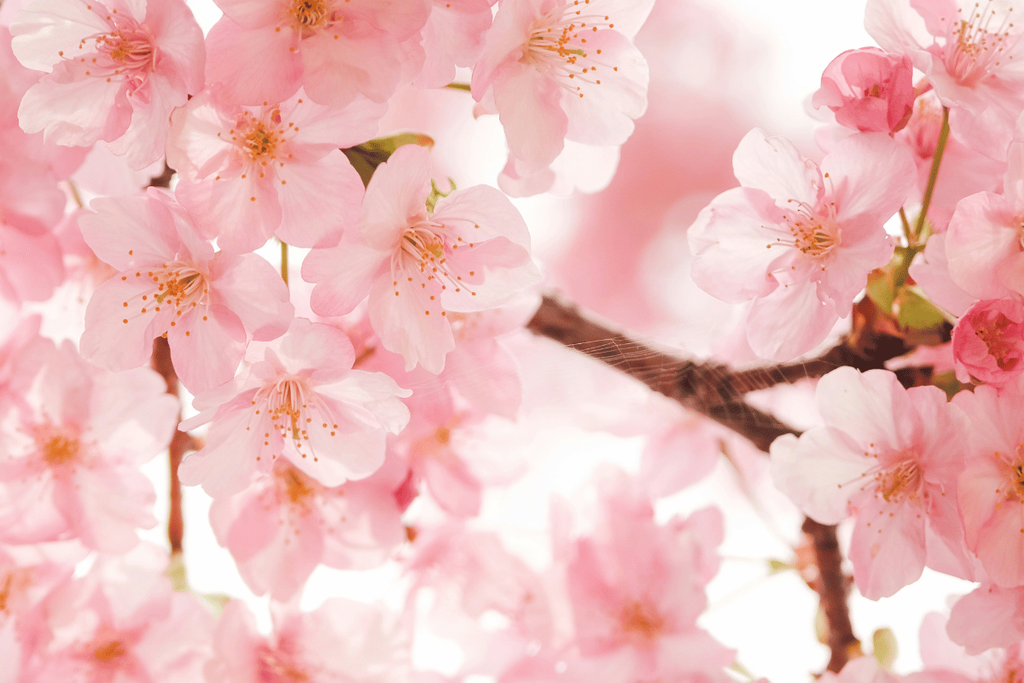
Photo: Unsplash
One of the most useful things to know when planning a sakura trip is that there is no single nationwide cherry blossom season. Blooming begins in the warmer southern regions and gradually progresses northward as temperatures rise. In many years, flowers start appearing in parts of Kyushu during late March before reaching major cities such as Tokyo, Kyoto, and Osaka shortly afterward. Northern regions continue the season well into April and sometimes even early May, giving travelers a surprisingly long window to enjoy the blossoms somewhere in Japan.
The timing changes slightly every year because weather conditions influence when trees begin to flower. Forecasts are usually released months in advance and become more accurate as spring approaches. Most visitors aim for the period known as “full bloom,” when the majority of flowers on a tree have opened. However, the days just before and after full bloom can be equally beautiful. Fresh blossoms create bright pink landscapes, while falling petals later in the season often cover pathways and rivers with soft layers of pink and white.
Cherry blossom viewing is also closely connected to the tradition of hanami, which simply means flower viewing. Throughout the season, families, friends, and coworkers gather beneath the trees to eat, drink, and spend time outdoors. Visitors will often notice blue picnic sheets spread across parks and riversides, especially on weekends. Joining the atmosphere, even for a short time, can be one of the most enjoyable parts of a spring trip to Japan.
Tokyo and the Kanto Region
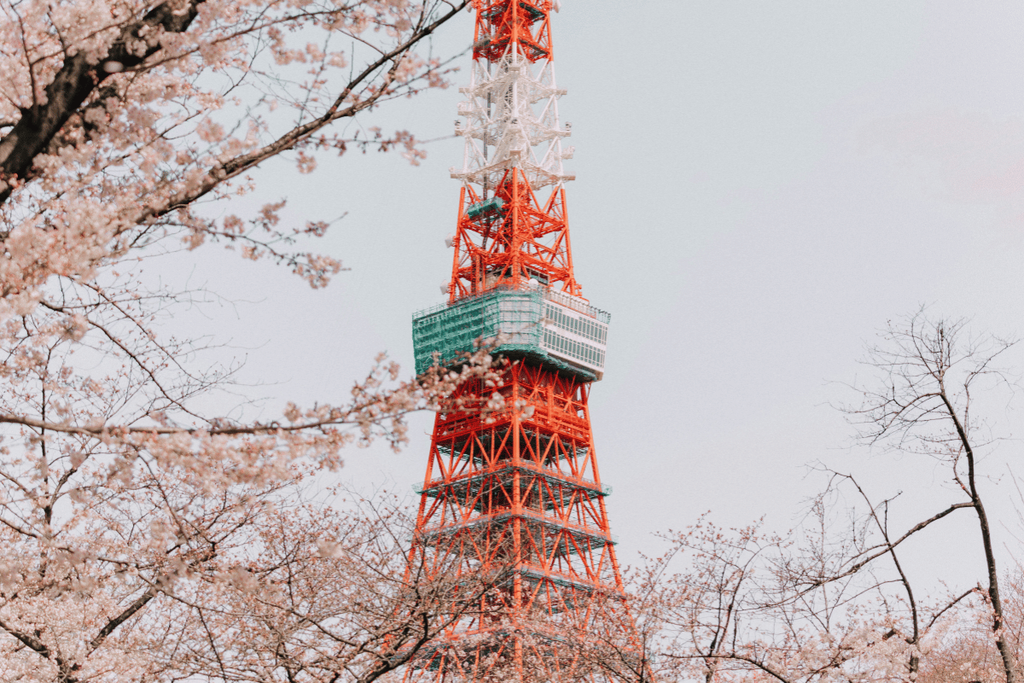
Photo: Unsplash
Tokyo’s Most Popular Sakura Spots
For many international travelers, Tokyo is the first introduction to the cherry blossom season. The city offers a wide range of viewing locations, each with their own atmosphere. Some parks become lively gathering places filled with food vendors and picnic groups, while others provide quieter walking paths lined with trees. Because public transportation is so extensive, visitors can easily explore several different cherry blossom spots during a single day without spending much time in transit.
Popular locations include Ueno Park, Shinjuku Gyoen, and Chidorigafuchi. Each offers a slightly different experience, from spacious lawns to waterside walks and boat rentals. Evening illuminations are common at some locations, allowing visitors to enjoy the blossoms after sunset. Seeing the flowers lit against the night sky creates a completely different atmosphere from a daytime visit and is worth considering if your schedule allows.
Kanto Region
Outside Tokyo, the wider Kanto region also offers excellent viewing opportunities. Places such as Hitachi Seaside Park and riverside areas throughout neighboring prefectures provide beautiful spring scenery with fewer crowds than central Tokyo. Travelers who have extra time may find that a short day trip offers a more relaxed way to enjoy the season while still staying within easy reach of the capital.
Kyoto, Osaka, and Western Japan
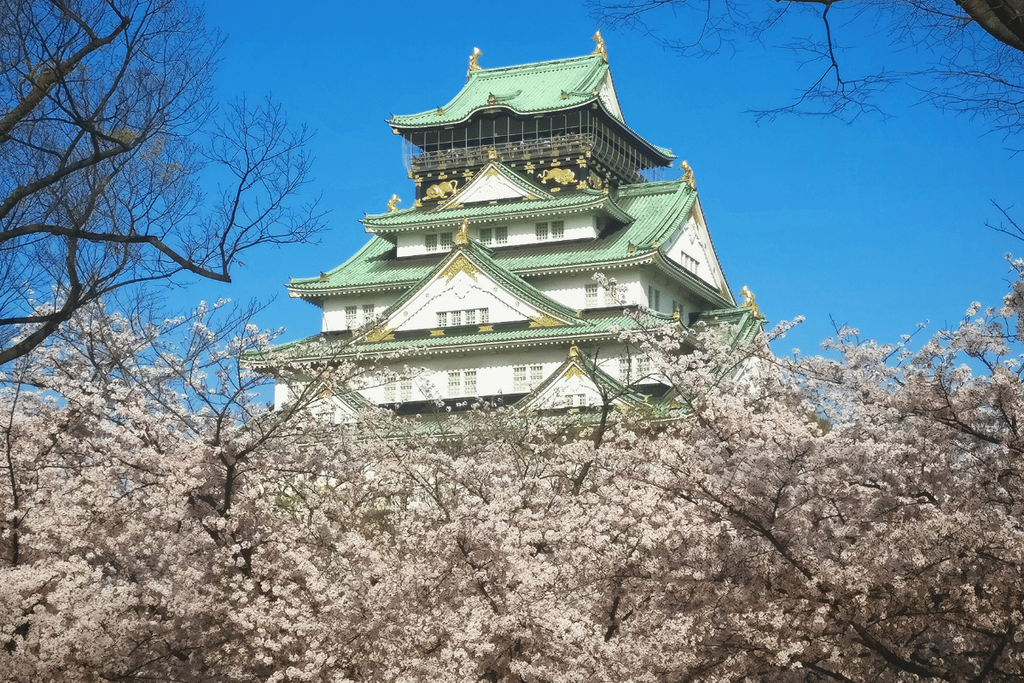
Photo: Unsplash
Kyoto’s Historic Sakura Scenery
Cherry blossom season brings a special atmosphere to western Japan, particularly in Kyoto. Historic streets, traditional architecture, and centuries-old temples create memorable settings for spring flowers. Walking along canals or through temple grounds surrounded by blooming trees offers a different experience from the large urban parks commonly found in Tokyo. Early mornings can be especially pleasant, as popular areas are often quieter before tour groups arrive.
Some of Kyoto’s best-known viewing locations include Maruyama Park, Philosopher’s Path, and Kiyomizu-dera. While these places attract large numbers of visitors during peak bloom, they remain popular because the combination of flowers and historic surroundings is difficult to match elsewhere. Exploring nearby neighborhoods often reveals smaller local parks and temple gardens where the pace feels slower.
Osaka and Other Western Destinations
In nearby Osaka, cherry blossoms add color to the city’s energetic atmosphere. Areas around Osaka Castle become especially popular during spring, with thousands of trees surrounding the historic landmark. Further west, cities such as Hiroshima also offer excellent viewing spots, combining seasonal scenery with important cultural and historical attractions. For travelers exploring multiple destinations in western Japan, sakura season often provides a natural theme that connects each stop along the journey.
Northern Japan and Late-Season Sakura
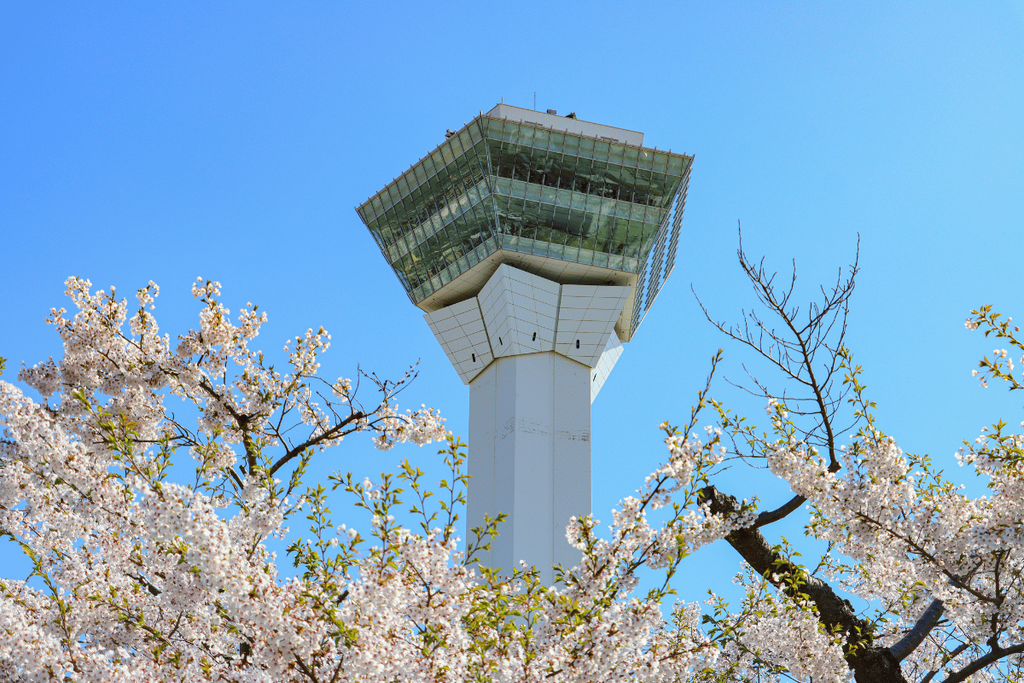
Photo: Unsplash
Cherry Blossoms in Tohoku
Travelers who miss peak bloom in Tokyo or Kyoto still have options. One of the advantages of Japan’s northward flowering pattern is that cherry blossom season continues for weeks after the flowers have disappeared in central regions. Northern destinations allow visitors to extend their spring travel plans and enjoy sakura at a different pace. In many cases, temperatures are cooler and the overall atmosphere feels less crowded than in the country’s largest cities.
The Tohoku region offers some of Japan’s most impressive cherry blossom scenery. Castle grounds, riversides, and mountain landscapes create beautiful combinations of spring colors and natural scenery. Destinations such as Hirosaki Castle are particularly well known for their large numbers of cherry trees and dramatic views during peak bloom. Visitors often find that the falling petals later in the season create scenes that are just as attractive as full bloom itself.
Following the Bloom to Hokkaido
Further north, the season reaches Hokkaido, where cherry blossoms often peak in late April or early May. Parks in cities such as Sapporo allow travelers to enjoy spring flowers long after the season has ended everywhere else. For visitors planning a longer trip around Japan, following the bloom northward can be a rewarding way to experience several different regions during a single journey.
Practical Tips for Cherry Blossom Travel
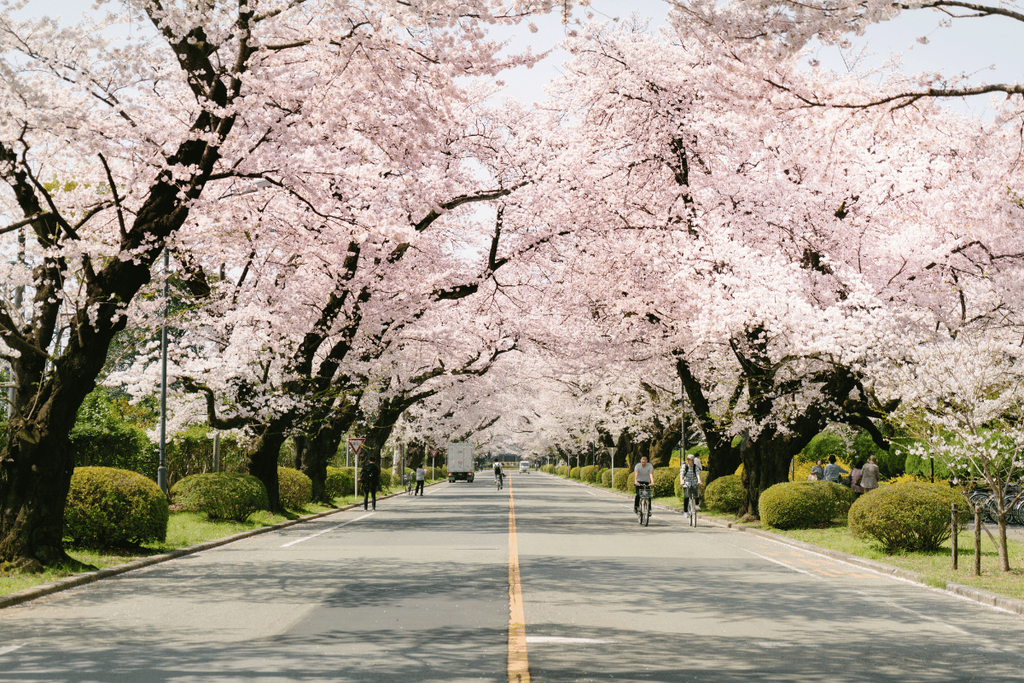
Photo: Unsplash
Flexibility is one of the most valuable tools when planning a sakura trip. Since bloom dates shift slightly from year to year, keeping your itinerary somewhat adaptable can improve your chances of seeing the flowers at their best. Checking updated forecasts before departure and again during your trip can help you make informed decisions about day trips and sightseeing schedules. Even moving a visit by a day or two can sometimes make a noticeable difference.
Accommodation demand often increases during peak bloom periods, particularly in major cities and famous viewing destinations. Booking hotels well in advance is usually a good idea if you plan to travel during late March or early April. Transportation networks can also be busier than usual, especially on weekends when local residents head out for hanami gatherings. Starting your sightseeing early in the day often provides a more relaxed experience and better opportunities for photography.
Weather can also influence how you experience the season. Spring temperatures are generally comfortable, but mornings and evenings can still feel cool in some regions. Carrying a light jacket and being prepared for occasional rain will make it easier to spend longer periods outdoors. Since many of the best cherry blossom locations involve walking, comfortable shoes are another simple way to make the day more enjoyable.
Cherry Blossoms Beyond the Famous Spots
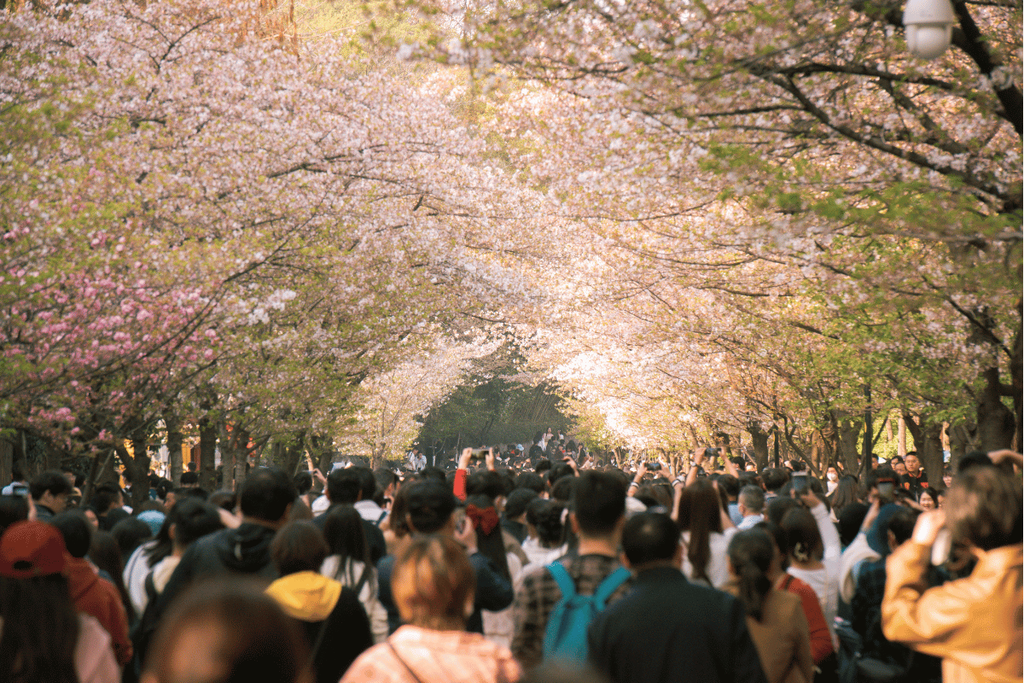
Photo: Pexels
While major cities receive much of the attention, some of the most enjoyable cherry blossom experiences happen in smaller towns and regional destinations. Local parks, rivers, and residential neighborhoods often feature beautiful rows of cherry trees without the large crowds found at famous sightseeing locations. These quieter settings provide opportunities to slow down and enjoy the season in a way that feels closer to everyday life in Japan.
Many visitors are surprised by how frequently cherry blossoms appear throughout the country. A short train ride can reveal blooming trees along riverbanks, school grounds, and local streets that never appear in guidebooks. Exploring beyond the most famous locations often leads to memorable moments and unexpected discoveries. Instead of trying to visit every popular spot, many travelers find that combining a few well-known destinations with time for unplanned exploration creates a more balanced experience.
Summary
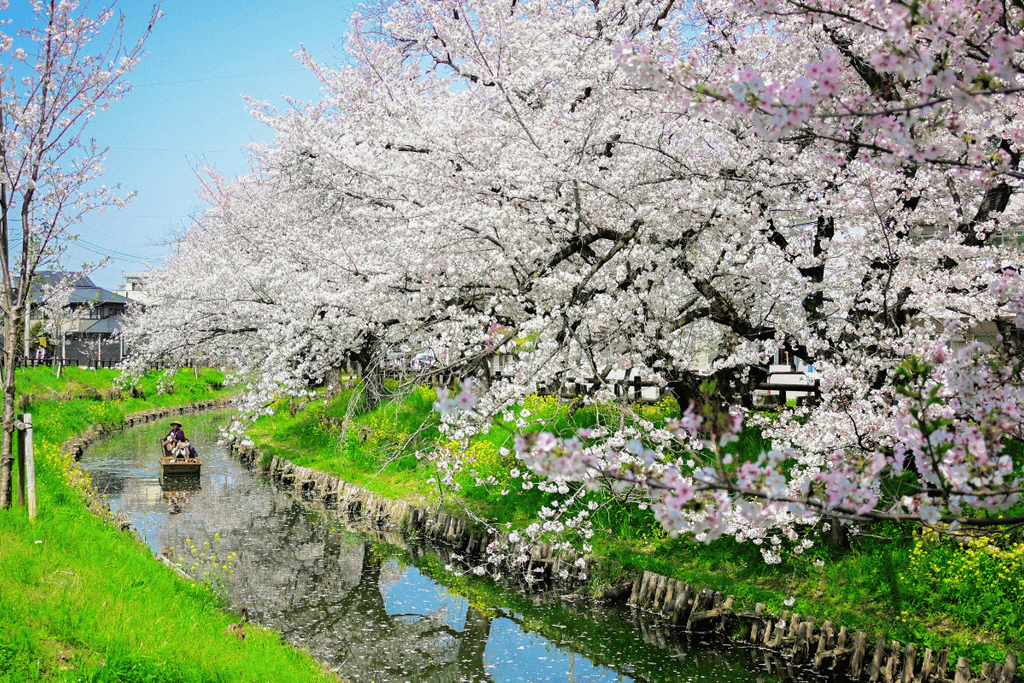
Photo: Unsplash
Cherry blossom season is one of the most enjoyable times to visit Japan, but the experience goes far beyond a few famous parks in Tokyo or Kyoto. Because the bloom moves gradually from south to north, travelers have opportunities to enjoy sakura across many different regions over several weeks. From city gardens and castle grounds to riversides and smaller local parks, every destination offers its own version of spring. Understanding the timing of the season and planning with some flexibility can help you make the most of your trip.
A Japan eSIM can be especially useful during cherry blossom season when you’re checking bloom forecasts, navigating between viewing spots, looking up opening hours, or making last-minute changes to your plans. Staying connected makes it easier to adjust your itinerary as conditions change and discover new locations while you’re on the move. Whether you’re spending your trip in a major city or exploring several regions, sakura season offers plenty of opportunities to enjoy Japan’s spring scenery.
Wishing you a wonderful spring adventure and plenty of beautiful cherry blossom views.