Introduction
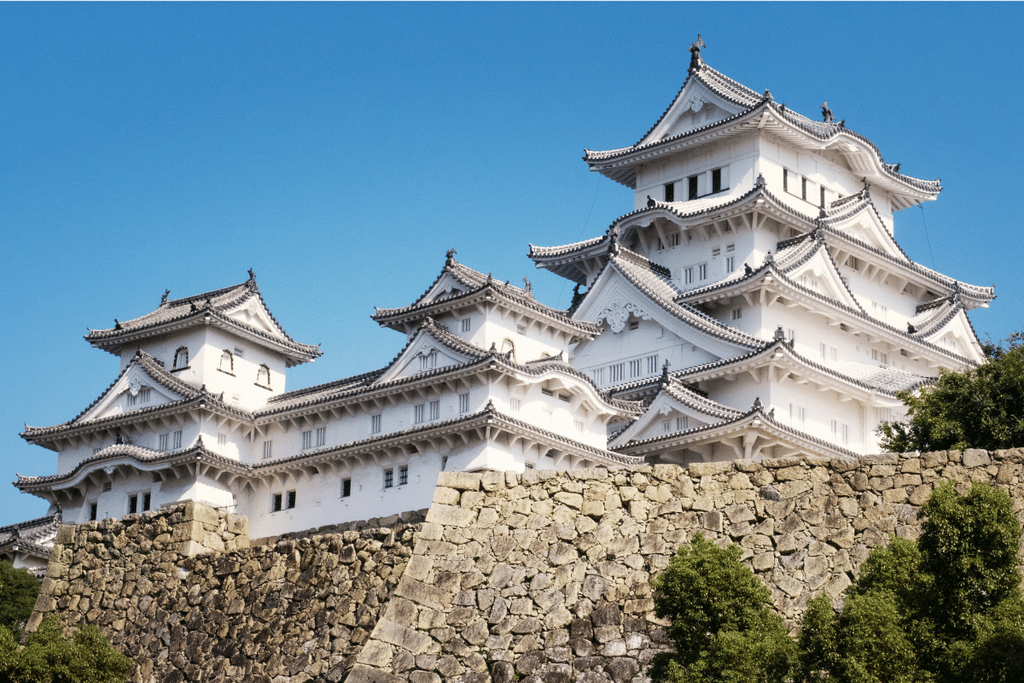
Photo: Unsplash
If you’re planning a trip to Japan, visiting at least one castle is something you should seriously consider adding to your itinerary. At first, it might sound like a simple sightseeing activity, just another historic building to check off your list. But once you actually step inside a Japanese castle or walk through its surrounding grounds, the experience often feels much more immersive than expected. From climbing steep wooden staircases to taking in wide views from the top, castles offer a completely different perspective on Japan’s history.
Many travelers are surprised by how different Japanese castles feel compared to castles in Europe or other parts of the world. Instead of stone interiors filled with furniture and decorations, you’ll often find minimal spaces, wooden structures, and a strong emphasis on defense rather than comfort. This can make the experience feel more raw and authentic, especially when you start imagining what life might have been like during the samurai era. Rather than simply looking at displays, you are often moving through the same spaces that were once used for strategy, protection, and observation.
What makes castle visits even more interesting is how much variety there is across the country. Some castles have been fully restored, while others remain in their original form, giving you a rare chance to step inside buildings that have stood for centuries. There are also castle ruins, reconstructed towers, and sites surrounded by seasonal scenery like cherry blossoms or autumn foliage. This variety means that no two castle visits feel exactly the same, even if the overall structure is familiar. It also gives you the flexibility to choose a castle experience that fits your schedule, location, and interests.
What Makes a Castle Experience Special in Japan
Photo: Unsplash
One of the things that sets Japanese castles apart is how interactive the experience can feel, even without modern technology. Instead of simply walking through a museum-style space, you are often navigating narrow corridors, climbing steep staircases, and moving between different levels of the castle tower. These physical elements give you a better sense of how the space was used, especially when it comes to defense and surveillance. It is not always the most comfortable experience, but that is part of what makes it memorable and engaging.
Another key feature is the focus on the surrounding grounds. Many castles are located within large parks that include gates, walls, moats, and open areas that were once part of the castle complex. Walking through these spaces can take time, but it helps you understand the scale and structure of the original site. In some cases, the walk through the grounds can be just as enjoyable as entering the castle itself, especially during certain seasons when the scenery adds an extra layer of emotions to the experience.
Seasonality also plays a big role in how a castle visit feels. In spring, castle grounds often become popular spots for cherry blossom viewing, creating a lively and almost festival-like atmosphere. In autumn, the surrounding trees change color, adding warmth and contrast to the traditional architecture and making the setting feel more relaxed. Even in quieter seasons like winter or early summer, the atmosphere can shift depending on the weather, light, and number of visitors. This means that visiting the same castle at different times of the year can feel like a completely different experience.
Types of Castle Experiences You Can Have
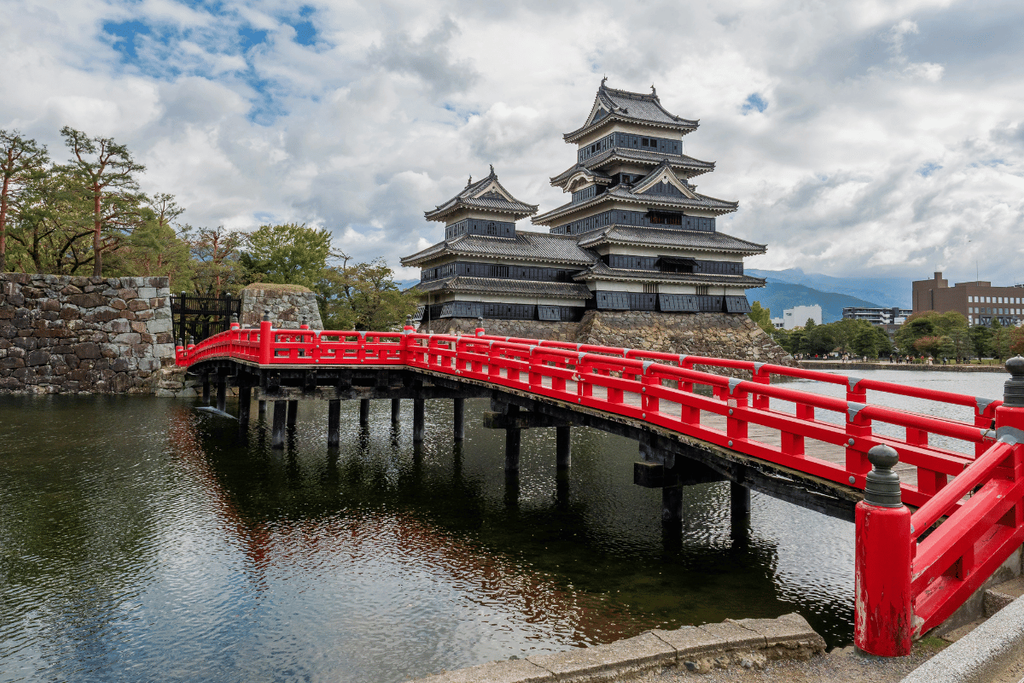
Photo: Unsplash
Not all castle visits in Japan are the same, and understanding the different types of experiences can help you decide what to prioritize during your trip. Some castles are known for their original untouched structures, while others are restorations that still offer a strong sense of history. There are also sites where the main tower no longer exists, but the grounds remain open for exploration and appreciation.
Original castles are often considered the most authentic, as they have survived for hundreds of years without being completely rebuilt. Visiting one of these gives you a rare chance to experience historical architecture in its original form, which can feel more immediate and real. However, these castles often have barebone insides, with fewer modern displays or explanations, so the experience relies more on imagination and context.
Restored castles, on the other hand, are usually rebuilt using modern techniques but designed to match the original appearance as closely as possible. These often include exhibitions, information panels, and more accessible layouts, making them easier to understand for first-time visitors. While they may not be original, they can still provide a meaningful and engaging experience, especially if you are interested in learning more about the history behind the structure.
Castle ruins offer a different kind of experience altogether. Instead of entering a building, you explore the remains of walls, foundations, and gates, often set within large parks or open landscapes. These sites can feel more relaxed and less crowded, giving you space to walk, take photos, and imagine what once stood there. They also tend to blend more naturally with the surrounding environment, which can make them particularly enjoyable for slower, more reflective visits.
Best Castle Experiences to Try
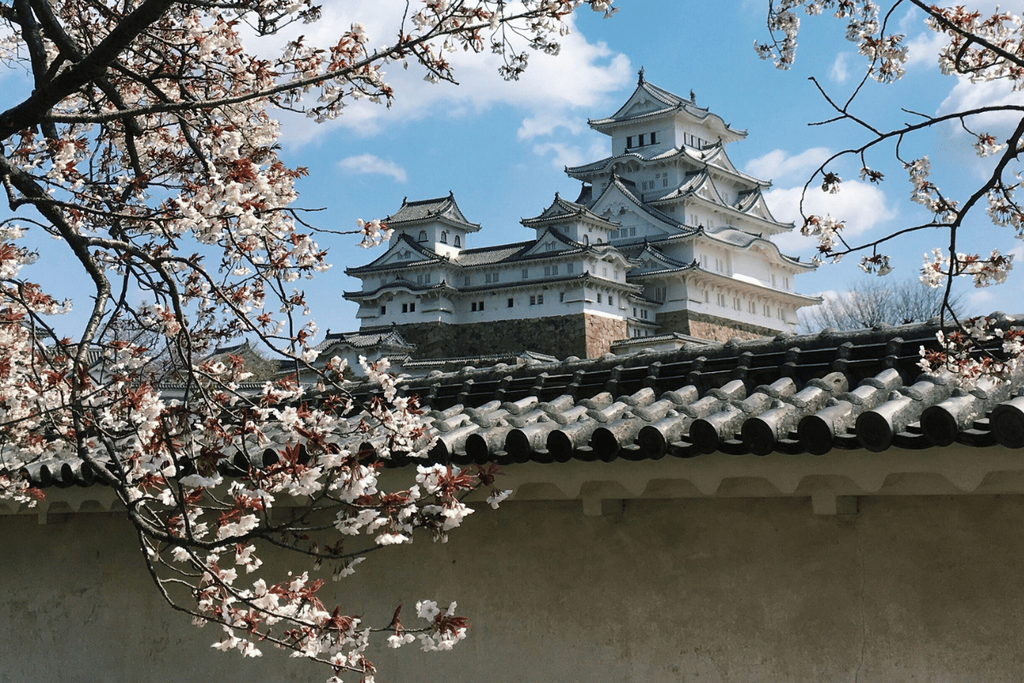
Photo: Unsplash
One of the most rewarding castle experiences is visiting a fully preserved original castle. Himeji Castle is often considered the best example of this, with its striking white exterior and well-preserved interior structure. Walking through the castle involves climbing multiple levels, navigating narrow staircases, and reaching the top for a wide view of the surrounding area. The experience feels both physical and historical at the same time, making it one of the most memorable castle visits in Japan.
Another popular option is Matsumoto Castle, known for its dark exterior and unique appearance. The contrast between the black structure and the surrounding landscape creates a very different atmosphere compared to other castles. Inside, the layout is similar to other traditional castles, but the setting gives it a distinct character that stands out. Visiting early in the morning or later in the afternoon can also help you enjoy the space with fewer crowds and better lighting.
For a more urban experience, Osaka Castle offers a different perspective. While the current structure is reconstructed, it includes modern exhibitions and provides easy access for visitors. The surrounding park is large and lively, making it a good option if you want to combine sightseeing with a more relaxed walk. It is also a convenient stop if you are already exploring the city, which makes it easy to fit into a busy itinerary.
If you are interested in something slightly less crowded, Hikone Castle is another excellent choice. It is smaller than some of the more famous castles, but it has a well-preserved structure and a quieter atmosphere. This can make the visit feel more personal and less rushed, allowing you to take your time and enjoy the details. Smaller castles like this often leave a stronger impression than expected because of their calm and manageable scale.
Tips for Making the Most of Your Visit
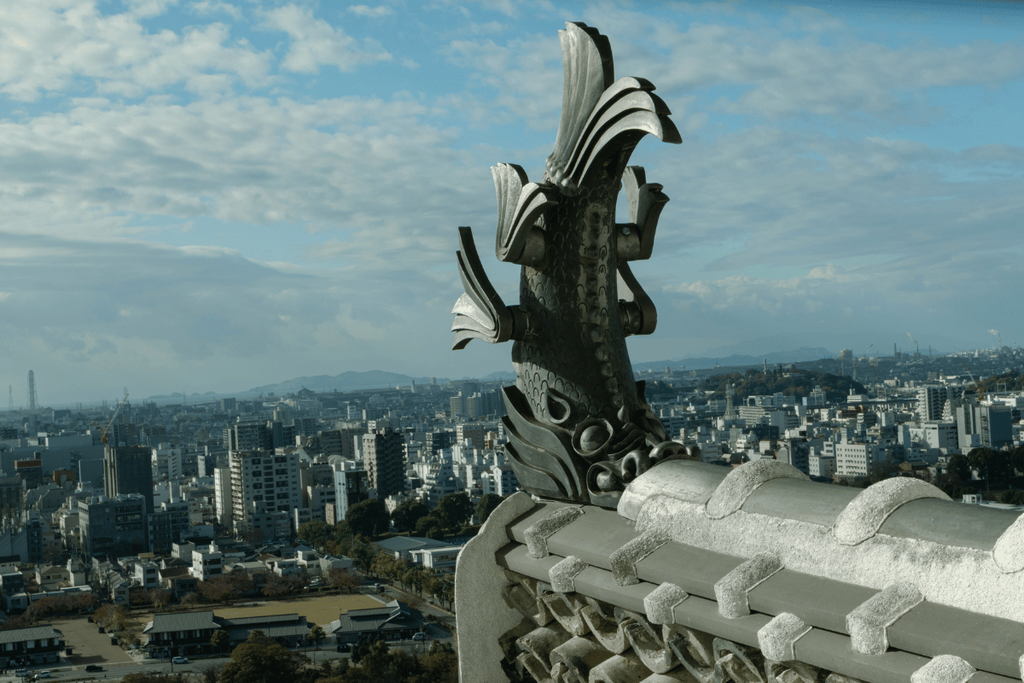
Photo: Unsplash
When visiting a castle in Japan, it helps to be prepared for a more physically demanding experience than you might expect. Many castles have steep stairs, low ceilings, and uneven steps, so comfortable footwear is important. Taking your time as you move through the building can make the experience more enjoyable and less tiring. It is also helpful to travel light, as carrying large bags through narrow staircases can be inconvenient.
It is worth arriving early in the day if possible, especially at popular sites. Crowds can build quickly, particularly during peak travel seasons, and navigating narrow interior spaces can become more difficult later on. Visiting in the morning often gives you a quieter and more relaxed experience, which allows you to take in the details at your own pace. Planning your visit around less busy times can make a noticeable difference.
Another helpful tip is to pay attention to the surrounding grounds, not just the main tower. Walking through gates, along walls, and around moats can add depth to your visit and help you better understand the structure of the castle. In some cases, these areas are just as interesting as the interior itself and offer great opportunities for photos. Taking a slower approach to exploring the full site often leads to a more satisfying experience overall.
Common Mistakes to Avoid
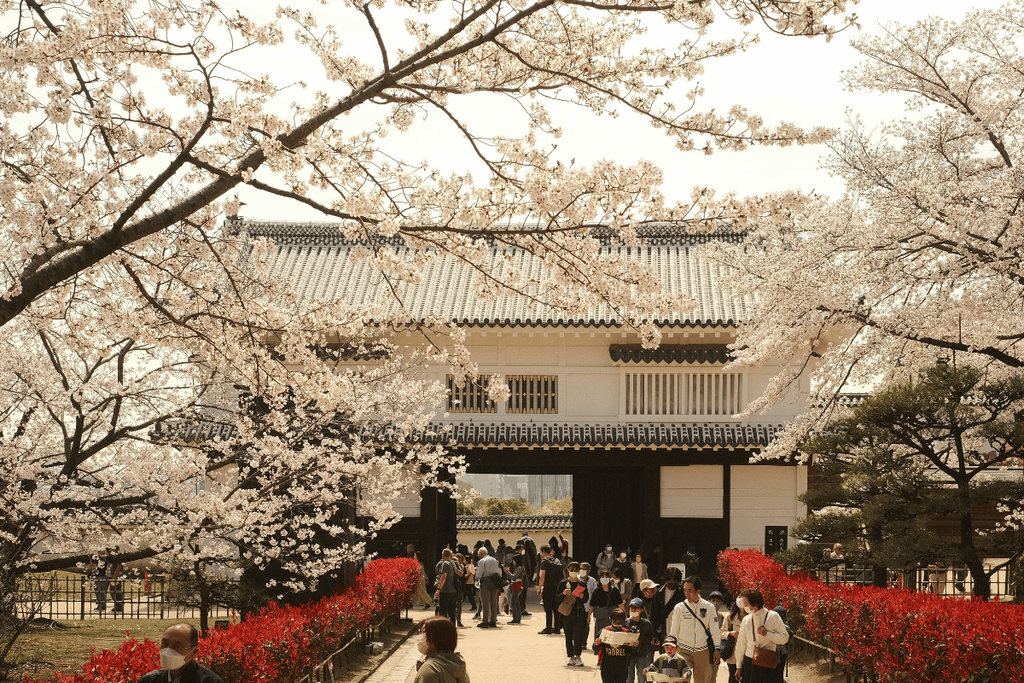
Photo: Unsplash
One common mistake is expecting castles to feel like museums filled with furniture and decorations. Japanese castles are usually much simpler inside, with open spaces and minimal furnishings that focus more on structure than decoration. Understanding this ahead of time can help you appreciate the experience for what it is, focusing more on the architecture and layout.
Another mistake is underestimating how long a visit can take. Between exploring the grounds and climbing the castle tower, it is easy to spend more time than expected at a single site. Planning accordingly can help you avoid rushing and allow you to fully enjoy the experience. Giving yourself enough time makes the visit feel more relaxed and complete.
It is also important not to overlook smaller or lesser-known castles. While famous sites are popular for a reason, smaller castles can offer a more relaxed and equally rewarding experience. They often have fewer crowds and allow you to explore at your own pace without feeling rushed. Including at least one quieter site in your itinerary can add balance to your trip.
Summary
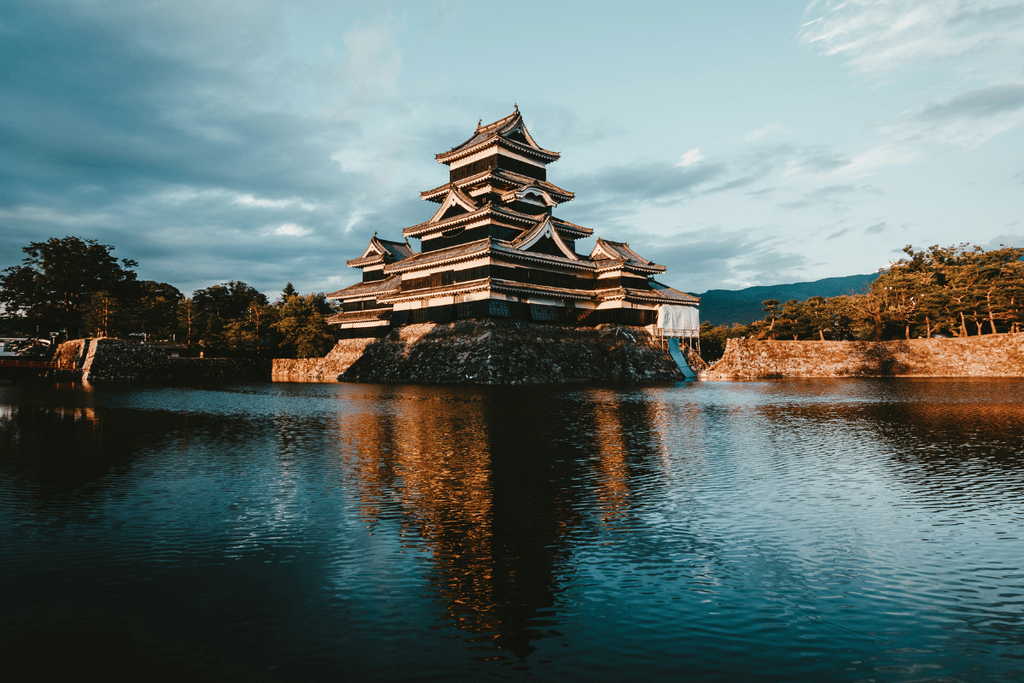
Photo: Unsplash
Castle visits in Japan offer more than just a look at historical architecture. They provide a chance to move through spaces that were once used for defense, strategy, and daily life during a very different period of history. The combination of physical exploration, historical context, and seasonal atmosphere makes each visit feel unique. Even if you are not particularly interested in history, the experience itself can still be engaging and memorable.
Whether you choose a famous castle or a quieter site, the experience is likely to leave a lasting impression. Taking the time to understand what you are seeing and how the space was used can make the visit more meaningful. It is not just about reaching the top or taking photos, but about experiencing the structure from the inside out. That shift in perspective often turns a simple visit into something more memorable.
If you have room in your itinerary, visiting at least one castle is well worth it. It adds a different layer to your trip and offers a deeper connection to Japan’s past. Even a single visit can give you a new perspective on the places you are exploring. Choosing the right castle for your trip can make the experience even more rewarding.
You may find these articles helpful to plan your trip:
Don’t forget to stay connected during your trip with a Japan eSIM — it makes navigating, checking routes, and finding nearby spots much easier while you’re on the go.
Have an amazing trip, and take your time exploring Japan’s castles.