Introduction
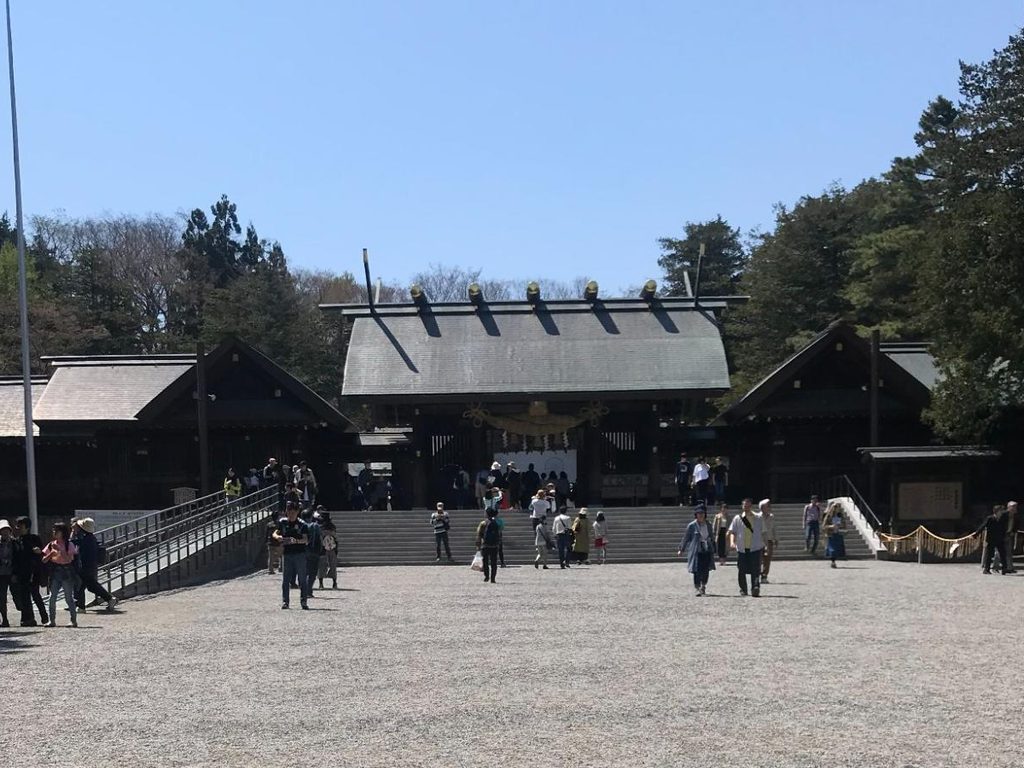
Sapporo’s Maruyama district pairs two of the city’s most rewarding spring destinations within a single walkable loop. Hokkaido Shrine, the island’s most important place of worship, sits inside a forested park that turns into one of Sapporo’s favorite cherry blossom spots each spring, while Maruyama Zoo, just a short walk further in, adds red pandas, otters, and a wide range of other animals to the same outing.
Together, the shrine grounds, the surrounding park, and the zoo form a compact green pocket close to central Sapporo, offering a mix of Shinto tradition, seasonal scenery, and family-friendly wildlife viewing that few other single neighborhoods in the city can match. A visit here works well as a half-day outing, particularly in spring, when cherry and plum blossoms bloom together and small food stalls line the approach to the shrine.
Overview of Hokkaido Shrine and Maruyama Park
Hokkaido Shrine was founded in 1869, when Emperor Meiji ordered three pioneer deities enshrined to watch over the settlement and development of Hokkaido. The shrine was built on its current site at the edge of Maruyama the following year and was known as Sapporo Shrine for nearly a century before being renamed Hokkaido Shrine in 1964, when Emperor Meiji himself was added as a fourth deity in recognition of his role in founding it.
The shrine sits directly beside Maruyama Park, a forested green space that borders the Maruyama Primeval Forest, one of the largest patches of old-growth forest remaining within a Japanese city. Thanks to this location, a visit here combines a formal Shinto approach lined with trees and stone lanterns with a more relaxed park atmosphere, and the two spaces blend into each other so smoothly that many visitors treat them as a single destination.
The shrine’s grounds cover roughly 180,000 square meters, giving it considerably more breathing room than most urban shrines in Japan. Within that space sit several smaller structures beyond the main hall, including smaller shrines connected to Hokkaido’s mining industry and early financial institutions, though it is Kaitaku Jinja, the pioneer shrine, that draws the most visitors among these secondary sites.
Highlights
- The formal worship hall at the end of the tree-lined approach
- A large open plaza in front of the hall used for festivals and ceremonies
- Traditional wooden architecture rebuilt in the late 1970s
- A quieter, more contemplative atmosphere away from the food stalls
Details
- Time required: 30 to 45 minutes
- Access: about a 15-minute walk from Maruyama-koen subway station, through Maruyama Park
- Hours: gate opening times vary by month, generally between 6:00 and 7:00, closing between 16:00 and 17:00*
- Entry: free of charge
Key Features
- Hokkaido’s most important Shinto shrine, founded in 1869 as the guardian shrine of the island’s settlement
- A tree-lined approach and forested grounds that become one of Sapporo’s leading cherry blossom spots each spring
- Kaitaku Jinja, a smaller shrine honoring 37 historical figures who helped develop Hokkaido
- Maruyama Zoo, home to red pandas, otters, and a wide range of other animals
- Direct access from central Sapporo by subway, making it an easy half-day trip
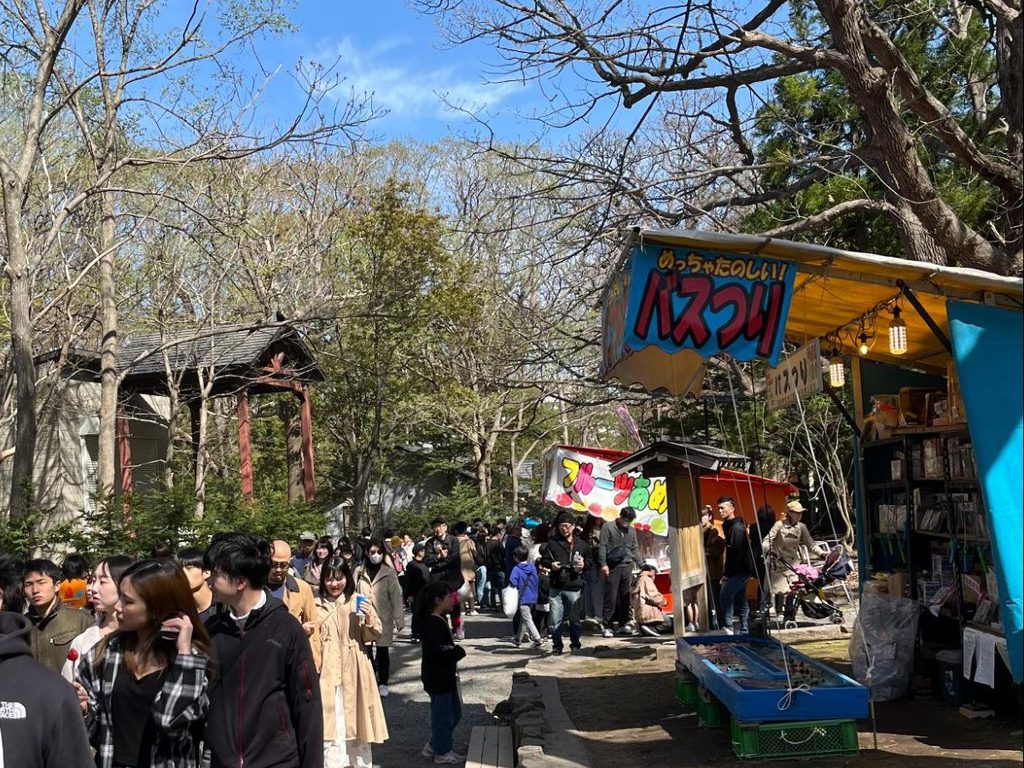
Spring is when this part of Sapporo draws the largest crowds. Cherry blossoms across Hokkaido bloom noticeably later than in most of Japan, generally opening in late April and reaching their peak around the early May holiday period, and thanks to the short northern spring, cherry and plum trees often flower almost simultaneously here rather than weeks apart as they do farther south. During this window, dozens of small food stalls set up along the shrine’s approach, giving the grounds a festive, celebratory atmosphere that is quite different from a quiet visit the rest of the year.
It is worth noting that this seasonal hanami atmosphere is separate from the shrine’s largest annual event, the Reitaisai, held every June with a much larger costumed procession through central Sapporo. Visitors planning a spring trip around the cherry blossoms should not expect the scale of the June festival, and the reverse is also true for those visiting in June expecting quiet cherry blossom scenery.
Best Things to Do at Hokkaido Shrine and Maruyama Park
A visit here naturally moves from a formal shrine approach to a relaxed park setting and finally to an afternoon among the animals at Maruyama Zoo, giving the outing a clear rhythm from one end to the other.
Walk the Cherry Blossom Approach to Hokkaido Shrine
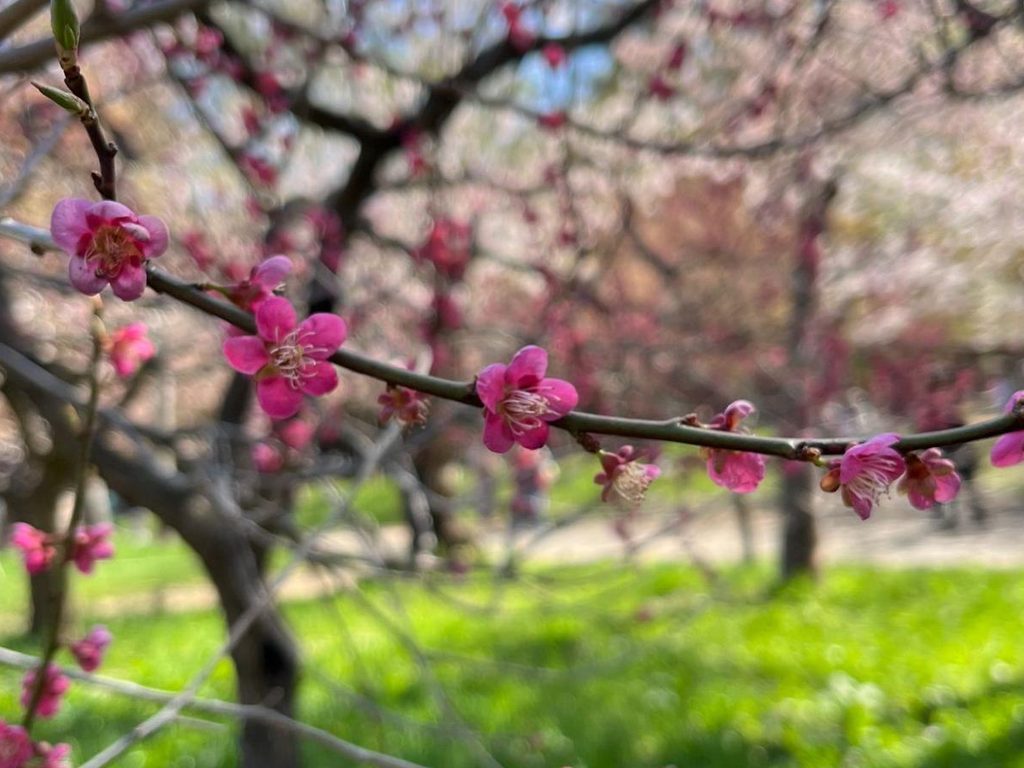
The walk from Maruyama Park into the shrine grounds passes beneath a long approach of cherry trees that forms the heart of the area’s spring appeal. Well over a thousand cherry trees grow across the shrine grounds and the adjoining park, joined by several hundred plum trees that tend to bloom around the same time, a distinctive feature of Hokkaido’s compressed spring season.
Because several different cherry varieties grow here, including Ezo mountain cherry, Somei-yoshino, and weeping cherry, the blossoming period stretches out over a couple of weeks rather than peaking all at once, giving visitors a wider window to catch the trees in bloom. There is no official evening illumination, though the approach remains softly lit by ordinary park and shrine lighting after dark.
Photographers tend to favor the main approach itself for its symmetry, with the row of stone lanterns and torii gates leading the eye straight toward the main hall, while the plum grove near the shrine’s northern edge offers a quieter, less crowded alternative for close-up shots of individual blossoms.
Browse the Spring Hanami Food Stalls
During cherry blossom season, roughly fifty small food stalls set up along the shrine’s approach and the surrounding paths, selling everything from grilled skewers and corn dogs to Hokkaido specialties like Genghis Khan lamb barbecue. The stalls draw a steady mix of families on hanami picnics, students, and tour groups, giving the grounds a lively, celebratory energy that contrasts with the shrine’s usual quiet atmosphere.
Weekday mornings and early evenings tend to be noticeably calmer than weekend afternoons, particularly during the early May holiday period, when both the shrine grounds and the stalls can become crowded.
See Red Pandas and Otters at Maruyama Zoo
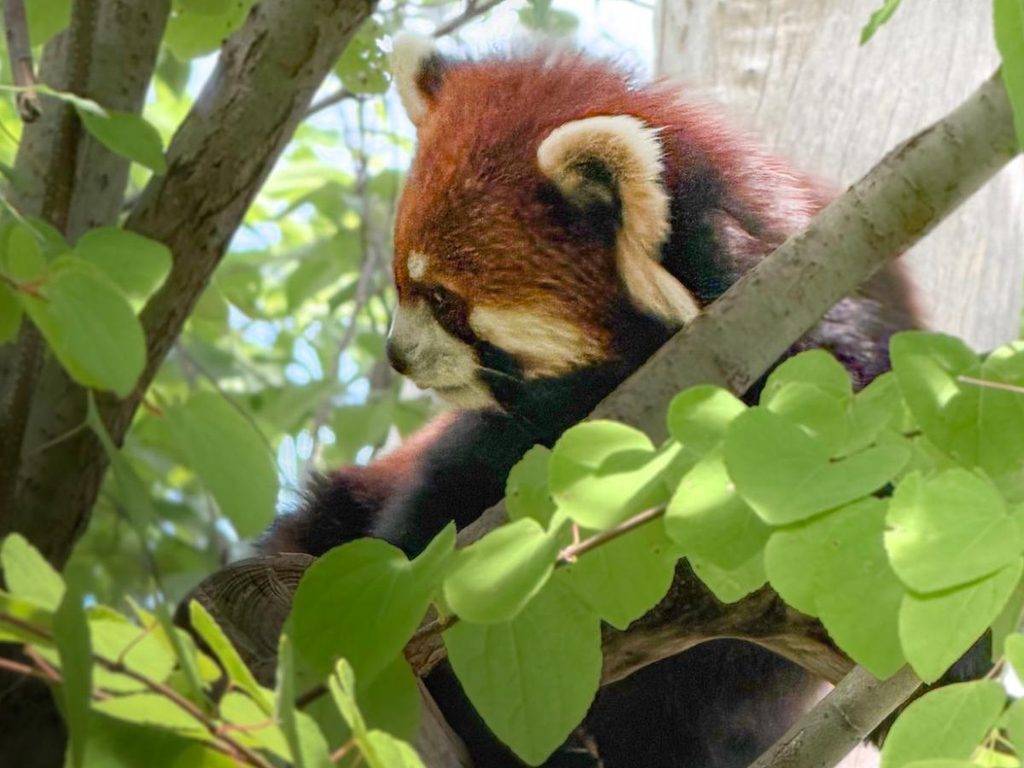
A short walk beyond the park brings visitors to Maruyama Zoo, a compact, forested zoo that houses a wide range of animals across exhibits built into the natural terrain. The zoo’s red pandas, a Sichuan subspecies, are frequently seen climbing among tree branches in their enclosure, while the otter exhibit draws steady crowds thanks to the animals’ constant, playful movement in and out of the water.
Beyond these two favorites, the zoo is also known for its polar bears, elephants, and chimpanzees, along with a strong record of breeding endangered species. Its central location, tucked between Maruyama Park and the surrounding residential hillside, makes it feel more like a forest walk with animals along the way than a typical city zoo.
Because the zoo sits on sloped, wooded ground, exhibits are spread across a series of gentle hills rather than a single flat layout, and the walking route naturally weaves between forest cover and open enclosures. This adds a bit more distance to a full visit than a flat, purpose-built zoo would require, but it also keeps the surroundings shaded and pleasant even on warmer spring afternoons.
Recommended Spots at Hokkaido Shrine and Maruyama Park
Wander Maruyama Park’s Cherry and Plum Groves
Away from the shrine’s formal approach, Maruyama Park itself offers a more relaxed setting for viewing blossoms, with open lawns and looser groupings of trees that suit a slower stroll or a seated picnic. The park borders the Maruyama Primeval Forest, and its paths give a good sense of the old-growth woodland that once covered much of the area before Sapporo’s development.
Close-up views of individual blossoms, whether cherry or plum, are easiest to find along the park’s quieter paths rather than directly on the shrine’s main approach, making the park a good complement to a more formal visit to the shrine itself.
Highlights
- Open lawns suited to a seated picnic beneath the trees
- Close-up views of individual cherry and plum blossoms along quieter paths
- Direct access to the Maruyama Primeval Forest’s walking trails
- A calmer alternative to the shrine’s busier main approach during peak bloom
Details
- Time required: 45 minutes to 1 hour
- Access: adjacent to Hokkaido Shrine, about a 10 to 12 minute walk from Maruyama-koen subway station
- Season: cherry and plum blossoms generally bloom from late April into early May*
- Entry: free of charge
The following spots sit within a short walk of one another, making it easy to combine several in a single visit.
Kaitaku Jinja (Pioneer Shrine)
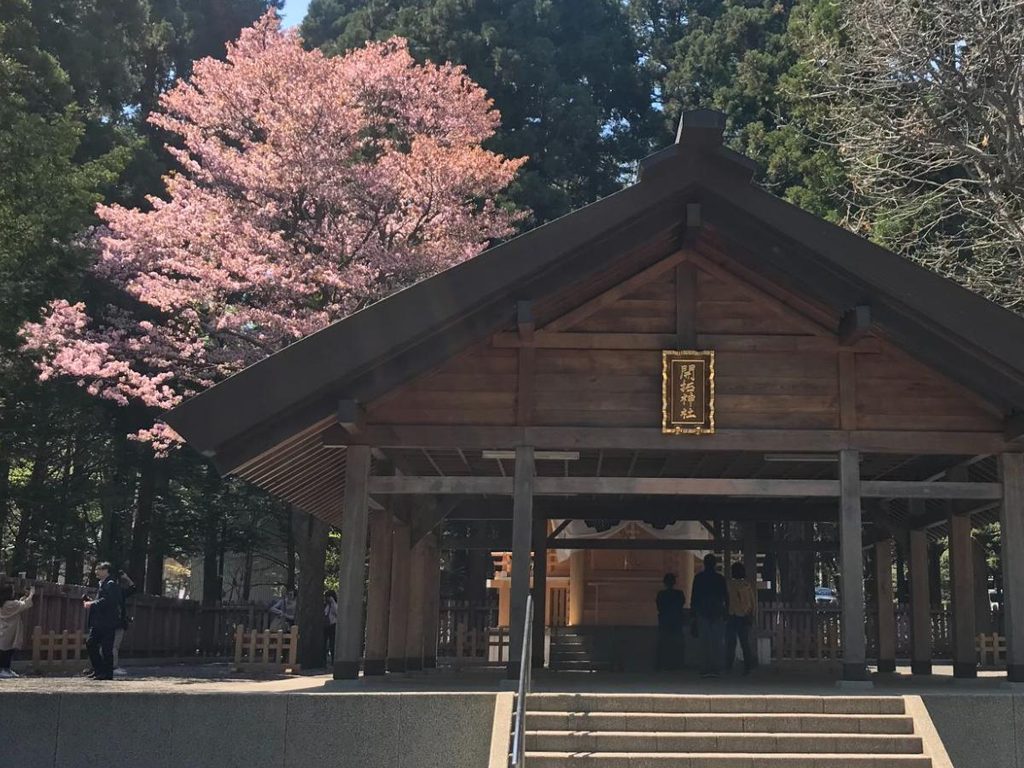
Just off the main approach, reached through a smaller gate connecting the shrine grounds to Maruyama Park, sits Kaitaku Jinja, a subsidiary shrine built in 1938 to mark the 70th anniversary of Hokkaido’s settlement. It enshrines 37 historical figures credited with developing the island, including Matsuura Takeshiro, the explorer who proposed the name Hokkaido itself.
Highlights
- A dedicated shrine honoring 37 pioneers of Hokkaido’s development
- An open-sided worship hall with a more intimate scale than the main shrine
- Considered a local favorite for prayers related to career success and new ventures
- Prayer tablets available on-site covering several specific wishes
Details
- Time required: 15 to 20 minutes
- Access: just off the main shrine approach, near the entrance connecting to Maruyama Park
- Notes: worth visiting on the way toward or from the main hall rather than as a separate trip
- Entry: free of charge, with prayer tablets available for a small fee
Maruyama Zoo
A short walk beyond the park, Maruyama Zoo houses a wide range of animals across exhibits built into the site’s natural, forested terrain. Its red panda and otter enclosures are consistently among the most popular stops, though the zoo’s polar bears, elephants, and great apes draw plenty of attention as well.
Highlights
- Red panda enclosures with frequent tree-climbing activity
- An otter exhibit known for playful, constant movement
- Polar bears, elephants, chimpanzees, and a wide range of other species
- Forested, hillside exhibits that make the zoo feel like a woodland walk
Details
- Time required: 1.5 to 3 hours for a full visit
- Access: about a 15-minute walk from Maruyama-koen subway station, or an 8-minute bus ride to the zoo entrance
- Hours: 9:00 to 17:00 from February through October; 9:00 to 16:00 from November through January, with ticket sales ending 30 minutes before closing*
- Entry: around ¥800 for adults, free for children of junior high school age and under*
Travel Tips for Visiting Hokkaido Shrine and Maruyama Park
Time a Spring Visit Around Late April to Early May
Cherry blossoms here generally open later than almost anywhere else in Japan, reaching their peak around the late April to early May holiday period. Checking a current bloom forecast before traveling helps avoid arriving too early or after the flowers have passed.
Visit Early on Weekends for a Quieter Walk
Both the shrine approach and the food stalls become considerably busier on weekend afternoons during peak bloom, so arriving in the morning gives a noticeably calmer experience.
Don’t Confuse Hanami Season With the June Festival
The spring food stalls tied to cherry blossom season are a separate, smaller event from the shrine’s large annual festival in June, which features a costumed procession through central Sapporo. Visitors hoping to see one should confirm the season before planning around it.
Visit Kaitaku Jinja on the Way to the Main Hall
Since the smaller shrine sits just off the main approach, it is easy to combine both stops without adding significant extra walking time.
Arrive at the Zoo Early or Late in the Day
Animals tend to be most active shortly after the zoo opens and again in the hour or two before closing, since many species rest during the middle of the day.
Wear Comfortable Shoes for Gravel Paths
The shrine’s main approach and much of Maruyama Park are covered in gravel rather than paved paths, so comfortable, sturdy footwear makes for a more pleasant walk.
Bring Small Cash for Stalls and Prayer Tablets
Most hanami food stalls and the prayer tablet counters at Kaitaku Jinja operate on a cash basis, so keeping some smaller bills and coins on hand avoids unnecessary delays.
Pace the Day Around the Zoo’s Size
Since Maruyama Zoo alone can take two hours or more to see properly, visitors hoping to fit in the shrine, the park, and the zoo in one day should plan to arrive by late morning at the latest.
How to Get to Hokkaido Shrine and Maruyama Park
From Sapporo Station
- Subway: Namboku Line to Odori Station, transfer to the Tozai Line, then ride to Maruyama-koen Station
- Time: about 15 to 20 minutes total, including the transfer
- Then: about a 12 to 15 minute walk through Maruyama Park to the shrine, or a short bus ride toward the zoo
From New Chitose Airport
- By train: JR Rapid Airport service to Sapporo Station, about 35 to 40 minutes, then subway as above
- By car: approximately 1 hour to the Maruyama area, depending on traffic
Within the Area
- On foot: Hokkaido Shrine, Maruyama Park, and Maruyama Zoo are all connected by walking paths within about a 20-minute radius
- By bus: a short bus ride connects Maruyama-koen Station directly to the zoo entrance for those who prefer not to walk the full distance
*Prices, hours, and seasonal schedules are subject to change. Please check official shrine, park, and zoo websites for up-to-date information.
Summary
Hokkaido Shrine and Maruyama Park bring together two sides of Sapporo that are easy to overlook individually but work well as a single outing: a founding shrine whose history stretches back to the earliest days of Hokkaido’s settlement, and a forested park and zoo that give the same ground a lighter, more everyday character. From the tree-lined approach and Kaitaku Jinja’s tribute to the island’s pioneers to red pandas and otters at Maruyama Zoo, the area rewards visitors willing to spend a full half-day moving between its shrine, park, and zoo.
Spring adds a further layer worth planning around, when cherry and plum blossoms bloom together across the shrine grounds and food stalls line the approach, a distinctly northern take on hanami season that arrives weeks later than in most of Japan.
Since bloom timing, festival dates, and zoo hours can all shift from year to year, having an eSIM on hand makes it easier to check current conditions and plan the day while moving between the shrine, the park, and the zoo.
Whether visited for the cherry blossoms, the shrine’s history, or an afternoon with the animals at Maruyama Zoo, this corner of Sapporo offers a compact, walkable introduction to the city’s spring traditions.