Introduction
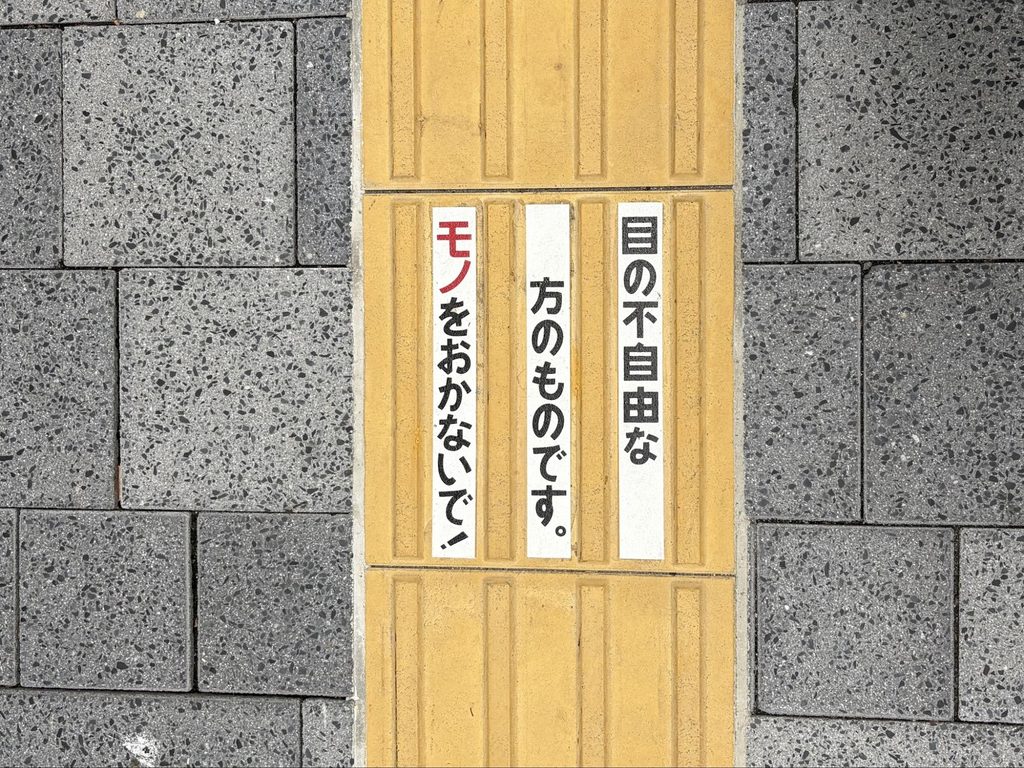
Japan is widely recognized as one of the safest countries in the world and is consistently ranked among the top destinations for international travelers seeking a safe and comfortable travel experience. Whether you’re visiting bustling cities like Tokyo and Osaka, exploring historic Kyoto, or traveling through rural towns and scenic countryside, you’ll likely notice the country’s clean streets, efficient public transportation, and respectful culture.
One of the reasons many travelers feel comfortable in Japan is the strong sense of public safety. Violent crime is relatively rare, public spaces are generally well maintained, and it’s common to see people walking alone late at night in many areas. Lost items are often returned to their owners, trains usually operate on time, and local residents are known for being polite and helpful to visitors.
However, like any destination, Japan is not completely free from risks. Travelers should still take basic precautions, understand local customs, prepare for natural disasters such as earthquakes or typhoons, and know what to do in unexpected situations. Being prepared not only improves your safety but also helps you enjoy your trip with greater confidence.
Many first-time visitors also worry about language barriers, using public transportation, carrying cash, or dealing with emergencies. Fortunately, Japan has made significant efforts to improve tourist support in recent years, including multilingual signs, emergency information, translation apps, and tourist assistance centers.
This guide covers practical safety advice for traveling throughout Japan, including personal safety, transportation, natural disasters, health tips, emergency contacts, and common travel precautions. Whether you’re traveling alone, with friends, or as a family, these tips will help you stay safe while making the most of your visit.
By the end of this guide, you’ll understand how to prepare for your trip, avoid common problems, and travel around Japan with peace of mind.
In this article, you will learn:
- Why Japan is considered one of the safest countries
- Personal safety tips for travelers
- How to stay safe on trains and in cities
- What to do during earthquakes and typhoons
- Emergency numbers and useful services
- Common travel mistakes to avoid
Is Japan Safe for Tourists?
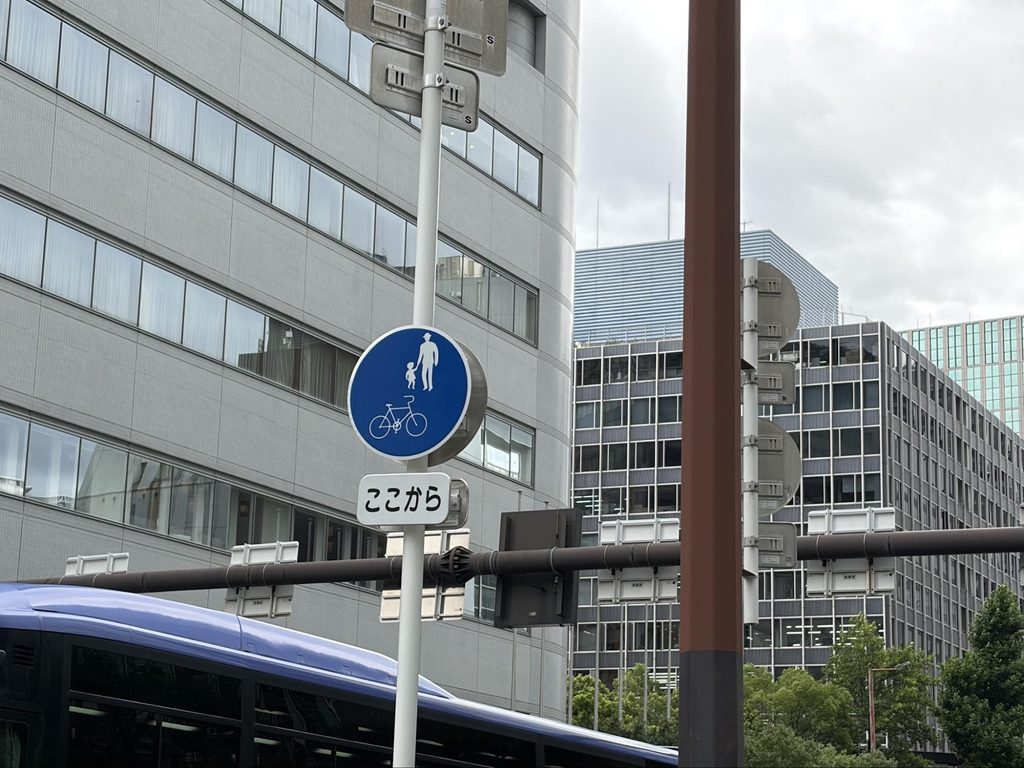
The short answer is yes. Japan is considered one of the safest countries in the world for tourists.
Crime rates are generally low, especially compared with many other major travel destinations. Violent crime involving visitors is uncommon, and most travelers complete their trips without experiencing any safety issues.
Public transportation is reliable, stations are clean and well organized, and many cities remain active late into the evening. It’s common to see commuters, students, and families using trains at all hours, contributing to a strong sense of security.
Many travelers are surprised to see personal belongings temporarily left unattended in cafés or restaurants while people order food. Although visitors should never assume this is completely risk-free, it reflects the high level of trust found in Japanese society.
Even so, common sense is still important. Keep your valuables secure, stay aware of your surroundings, and avoid leaving expensive items unattended in crowded tourist areas.
Keeping Your Belongings Safe
Although theft is relatively uncommon in Japan, it’s still important to look after your belongings, particularly in busy locations such as train stations, airports, shopping districts, and festivals.
Carry your passport, wallet, and smartphone in a secure bag that can be zipped closed. If you’re using a backpack in crowded places, wearing it on your front while boarding packed trains can make it easier to keep an eye on your belongings.
Avoid placing wallets or phones in open pockets where they could accidentally fall out while walking or using public transportation.
If you’re carrying large amounts of cash, consider dividing it between different locations rather than keeping everything in one wallet.
Japan also has an excellent network of coin lockers at major stations, allowing travelers to safely store luggage while exploring nearby attractions.
What If You Lose Something?
One of Japan’s most remarkable features is its highly efficient lost-and-found system.
If you accidentally leave your phone, wallet, shopping bag, or even your passport behind, there’s a surprisingly good chance that it will be turned in by someone who finds it.
Your first stop should be the nearest koban, or neighborhood police box. These small police stations are located throughout Japanese cities and are specifically designed to assist local residents and visitors.
Police officers can help check lost property records, contact nearby train stations or businesses, and explain the next steps. If the item was left on a train, staff at the railway company may also help recover it.
It’s helpful to know approximately where and when you lost the item, as this information makes the search much easier.
Although Japan has an excellent reputation for returning lost property, travelers should still keep copies of important documents and avoid relying solely on luck.
Staying Safe on Public Transportation
Japan’s train system is one of the safest and most reliable in the world. Millions of people use trains every day, making rail travel one of the easiest ways to explore the country.
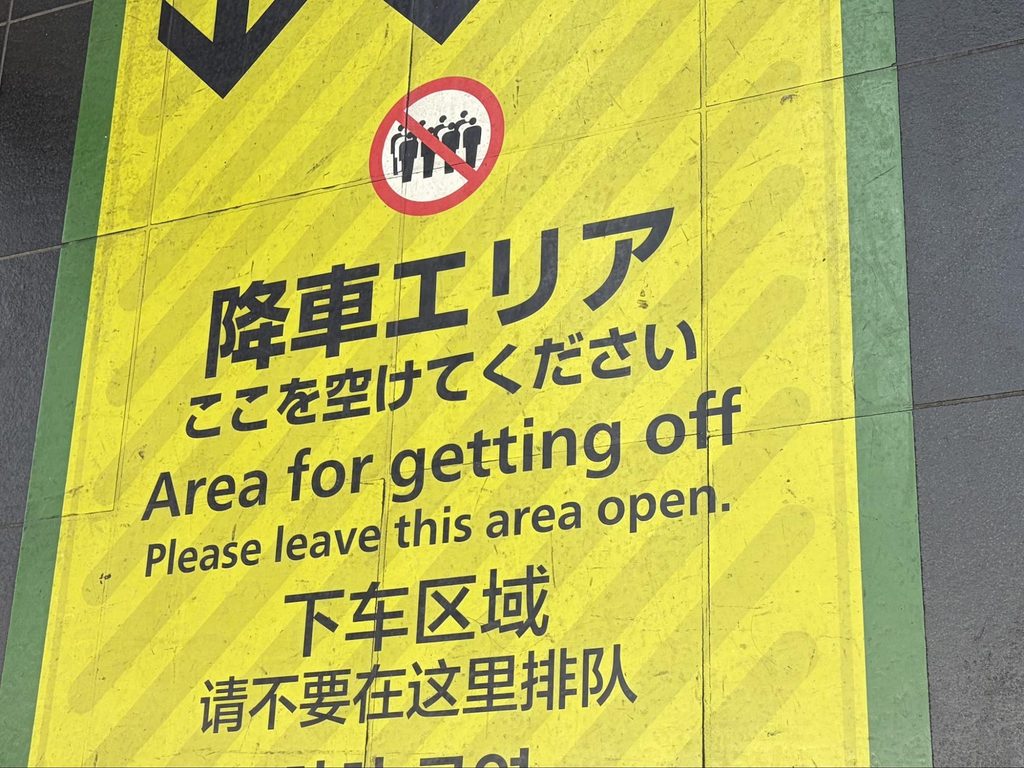
When riding trains, allow passengers to exit before boarding, stand behind the platform safety lines, and avoid blocking doors after entering the train.
During rush hour, trains in large cities such as Tokyo and Osaka can become extremely crowded. If possible, avoid traveling between approximately 7:30–9:30 AM and 5:00–7:00 PM for a more comfortable experience.
Keep your luggage close to you, especially on busy trains. Large suitcases should be placed in designated luggage areas when available, particularly on the Shinkansen.
While Japan’s trains are very safe, always pay attention to announcements regarding delays caused by severe weather or earthquakes.
Natural Disasters in Japan
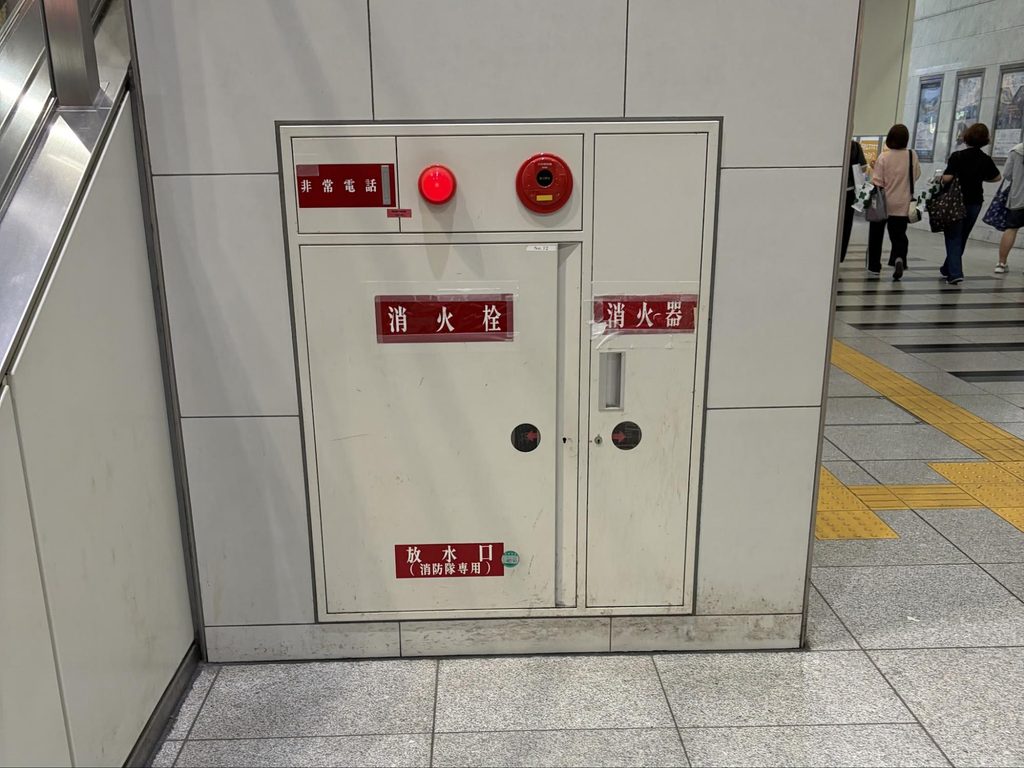
Japan is one of the safest countries for travelers, but it is also one of the most disaster-prepared countries in the world. Because Japan sits along the Pacific Ring of Fire, natural disasters such as earthquakes, typhoons, volcanic activity, and heavy rainfall occasionally occur.
Although hearing about these events may sound worrying, it’s important to remember that Japan has developed one of the world’s most advanced disaster prevention systems. Buildings are designed to withstand earthquakes, transportation companies have strict safety procedures, and emergency alerts are quickly delivered through smartphones, television, radio, and public announcement systems.
Most visitors will never experience a major natural disaster during their trip. However, understanding the basics before your travel can help you remain calm and respond appropriately if an emergency occurs.
Hotels also provide emergency information, evacuation maps, and multilingual guidance for international guests. Taking a few minutes to locate emergency exits after checking into your accommodation is always a good idea.
What to Do During an Earthquake
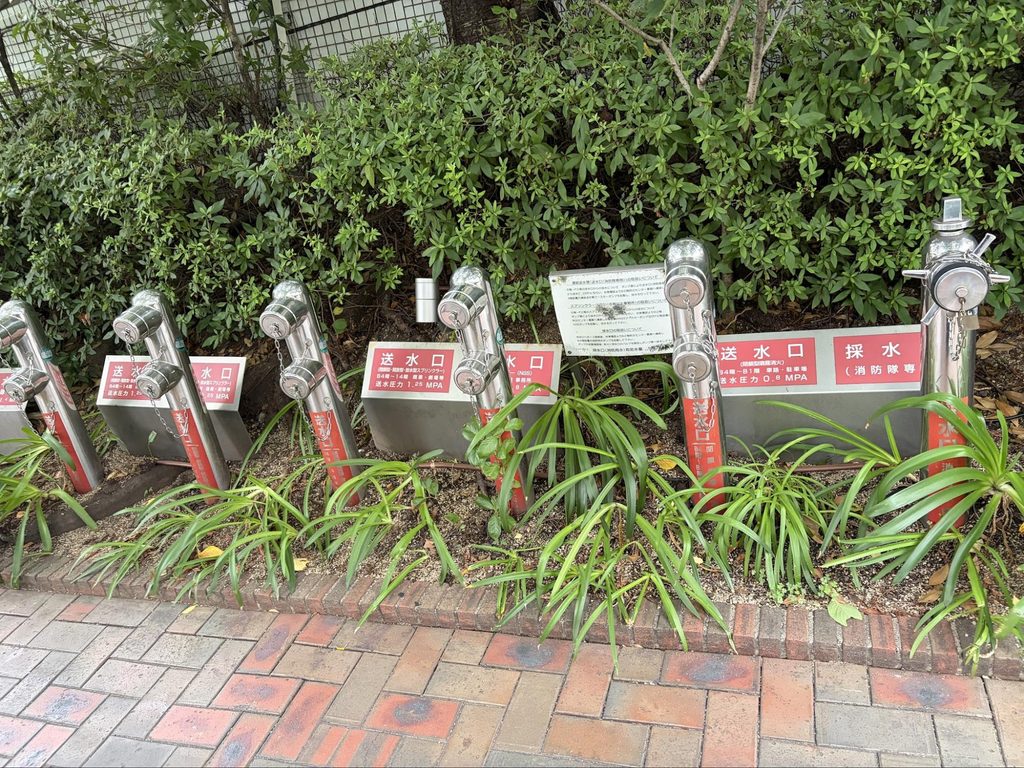
Earthquakes are a natural part of life in Japan, and many are so small that local residents hardly notice them. If you experience one during your trip, the most important thing is to stay calm.
If you are indoors, move away from windows, shelves, and anything that could fall. Protect your head with your arms, a bag, or a cushion if possible. If you’re inside a hotel or building, follow staff instructions rather than rushing outside immediately.
If you’re outdoors, stay away from buildings, utility poles, signs, and glass that could fall. Move toward an open area whenever possible.
If you’re riding a train, remain seated or hold onto a handrail. Japanese railway companies automatically stop trains when significant earthquakes are detected, and staff will provide further instructions.
After the shaking stops, check official announcements instead of relying on rumors or social media posts. Emergency information is often available in multiple languages.
Typhoon Safety
Typhoons most commonly occur between August and October, although they can develop outside this period as well.
When a typhoon approaches, heavy rain, strong winds, and transportation delays may occur. Flights, ferries, and train services can be suspended for safety reasons.
If a typhoon is forecast during your trip, monitor official weather reports and avoid unnecessary travel. Staying inside your hotel is often the safest option during severe weather.
Charge your smartphone and portable battery in advance, and keep enough drinking water and snacks available in case transportation services are temporarily interrupted.
Fortunately, weather forecasting in Japan is highly accurate, giving travelers plenty of time to adjust their plans if necessary.
Staying Safe at Night
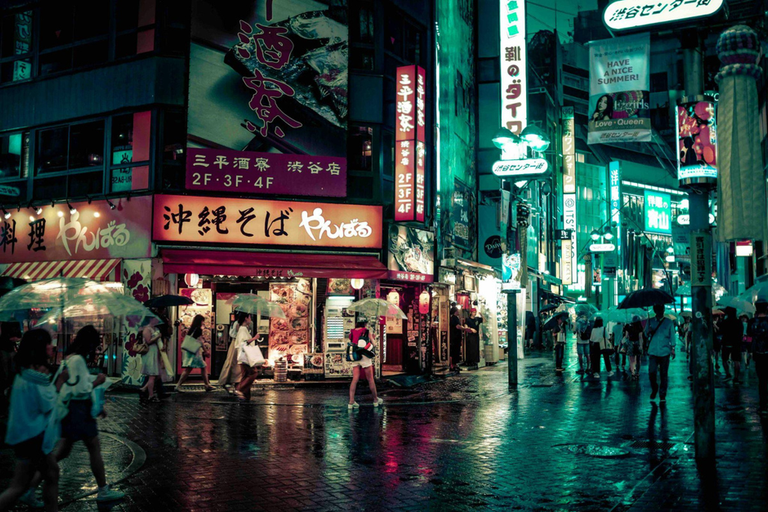
Japan is generally considered very safe even after dark, especially in major tourist areas such as Shibuya, Shinjuku, Kyoto, Osaka, and Sapporo.
Many restaurants, convenience stores, and train stations remain open until late, and it’s common to see people walking home well into the evening.
Even so, travelers should continue using common sense. Stay in well-lit areas, avoid poorly lit alleys, and keep an eye on your belongings when visiting crowded nightlife districts.
If someone aggressively invites you into a bar or club, it’s usually best to politely decline. Some establishments may charge unexpectedly high fees, particularly in entertainment districts.
Using official taxis or trusted ride-hailing services late at night is recommended if public transportation has stopped operating.
Solo Travel Safety
Japan is one of the world’s most popular destinations for solo travelers.
Whether you’re traveling alone as a student, backpacker, or experienced traveler, you’ll find excellent transportation, clear signage, clean accommodations, and many restaurants that welcome solo customers.
Women traveling alone also frequently describe Japan as one of the most comfortable countries to visit. Many hotels even offer women-only floors, while some trains provide women-only cars during weekday morning rush hours.
Before heading out each day, it’s a good idea to share your itinerary with a family member or friend, especially if you’re planning to hike or visit rural areas.
Keeping your phone charged and carrying a portable battery can also make traveling much more convenient.
Emergency Numbers You Should Know
Although most travelers never need emergency assistance during their trip, knowing Japan’s emergency phone numbers can provide valuable peace of mind.
The two most important numbers are:
110 — Police
119 — Ambulance and Fire Department
If you need immediate police assistance, have lost your passport, witnessed an accident, or require help during an emergency, call 110.
If someone is injured, seriously ill, or there is a fire, dial 119 to request an ambulance or fire service.
Many operators can connect callers to English interpretation services if necessary. Hotel staff and tourist information centers can also help contact emergency services if you’re unsure what to do.
Saving these numbers in your phone before arriving in Japan is a simple way to prepare for unexpected situations.
Useful Apps for Safe Travel
Downloading a few useful apps before your trip can make traveling around Japan much easier and safer.
Google Maps is invaluable for navigation, walking directions, and public transportation.
Google Translate helps overcome language barriers by translating menus, signs, and conversations using your smartphone camera. Make sure to download the language pack in case of bad internet connection or for extra phones without an eSIM.
For weather updates and natural disasters, official weather apps provide real-time information about earthquakes, typhoons, heavy rain, and transportation disruptions.
Many railway companies also offer official apps that provide train schedules and delay notifications, helping travelers adjust their plans quickly.
If you’re planning to stay connected throughout your trip, having a reliable internet connection through an eSIM or portable Wi-Fi device will ensure you can always access maps and emergency information.
Food and Health Safety
Japan has some of the highest food safety standards in the world, and visitors generally don’t need to worry about eating at restaurants, cafés, or convenience stores.
Fresh seafood, sushi, ramen, and street food are prepared under strict hygiene regulations, making food poisoning relatively uncommon.
Tap water throughout Japan is also safe to drink, so carrying a reusable water bottle can help reduce plastic waste while saving money.
If you have food allergies, it’s helpful to carry a translated allergy card in Japanese explaining your dietary restrictions. Although awareness of food allergies continues to improve, not all restaurant staff speak English fluently.
Travelers taking prescription medication should bring enough medicine for their entire trip, along with copies of prescriptions if necessary. Certain medications may require additional documentation before entering Japan, so checking regulations before traveling is recommended.
Common Tourist Scams to Avoid
Compared with many other popular tourist destinations, scams are relatively uncommon in Japan. Nevertheless, visitors should still remain cautious in certain situations.
In some nightlife districts, particularly parts of Kabukicho in Tokyo or entertainment areas in Osaka, aggressive promoters may invite tourists into bars or clubs offering “special deals” or “cheap drinks.” Some visitors have later reported receiving unexpectedly expensive bills. The safest approach is to politely decline invitations from street promoters and instead choose restaurants or bars with clearly displayed menus and prices.
When using taxis, official taxis are highly reliable and use regulated meters. Avoid entering unofficial vehicles that approach you directly.
When withdrawing cash, use ATMs inside convenience stores, post offices, or banks for added security.
Finally, be cautious of anyone asking for personal information or requesting large cash payments unexpectedly.
General Safety Tips for Every Traveler
A few simple habits can make your trip even safer and more enjoyable.
Always carry a copy of your passport separately from the original.
Keep your hotel address saved on your phone in both English and Japanese.
Charge your smartphone before leaving your accommodation each morning and carry a portable charger if you’ll be sightseeing all day.
Purchase travel insurance before your trip to cover unexpected medical expenses, flight delays, or lost luggage.
Follow instructions from railway staff and emergency personnel, and stay informed about weather conditions during your visit.
These small preparations can make a big difference if unexpected situations arise.
Summary
Japan is widely regarded as one of the safest countries in the world, making it an excellent destination for travelers of all ages and experience levels. Its clean cities, efficient transportation system, low crime rates, and welcoming atmosphere allow millions of international visitors to enjoy worry-free trips each year. Whether you’re exploring the bright streets of Tokyo, visiting historic temples in Kyoto, enjoying Osaka’s food culture, or relaxing in rural hot spring towns, you’ll find that safety is one of Japan’s greatest strengths.
At the same time, being well prepared is an important part of responsible travel. Understanding how to respond during earthquakes or typhoons, knowing emergency phone numbers, keeping your valuables secure, and staying informed about local weather conditions will help you feel more confident throughout your journey. Simple precautions, such as carrying travel insurance, downloading useful apps, and respecting local customs, can prevent many common travel problems before they occur.
Japan’s well-developed infrastructure also contributes to its reputation as a safe destination. Public transportation is clean, punctual, and easy to navigate, hospitals and pharmacies are widely available in major cities, and convenience stores can be found almost everywhere, making it easy to purchase everyday necessities. Tourist information centers, multilingual signs, and helpful station staff further reduce the stress of traveling in an unfamiliar country.
One of the best things about traveling in Japan is the kindness and honesty of its people. Lost belongings are often returned, public spaces are well maintained, and local residents are usually happy to help visitors who need directions or assistance. Even if you don’t speak Japanese, you’ll find many resources designed to support international travelers, and many tourist destinations now offer English information, multilingual maps, and translation services.
Of course, no destination is completely free from risk. Staying alert in crowded places, following local safety advice, checking weather forecasts during typhoon season, and understanding basic emergency procedures are all important parts of responsible travel. Fortunately, these simple preparations require very little effort and can greatly improve your overall travel experience.
By taking a few sensible precautions before and during your trip, you’ll be able to explore Japan with confidence and peace of mind. Instead of worrying about unexpected situations, you can focus on discovering historic temples, tasting delicious local cuisine, enjoying breathtaking seasonal scenery, and experiencing Japan’s unique culture.
Whether this is your first visit or your fifth, Japan continues to impress travelers with its combination of safety, hospitality, cleanliness, and efficiency. From vibrant cities and peaceful countryside to mountain villages and coastal towns, every destination offers memorable experiences in an environment where visitors can feel comfortable and secure.
With thoughtful preparation and a spirit of curiosity, you’ll be ready to enjoy everything Japan has to offer. Travel smart, respect local customs, stay informed, and embrace every adventure—you’ll soon discover why so many people consider Japan one of the safest and most rewarding countries to visit.