 Photo: Pexels
The best things to do in Japan in autumn include viewing colorful leaves and visiting historic castles. You can also try seasonal food and join local festivals.
The summer heat fades and the air turns clear. From late September, the fall foliage, known as koyo, begins moving slowly across the country. Mountains turn red and gold first. Shortly after, city parks, temple gardens, and castle grounds follow suit.
For first-time visitors, autumn also solves a practical problem. Walking is the main activity on most Japan trips, and this is the season when walking feels easiest. Long sightseeing days that would be exhausting in August become genuinely pleasant in November.
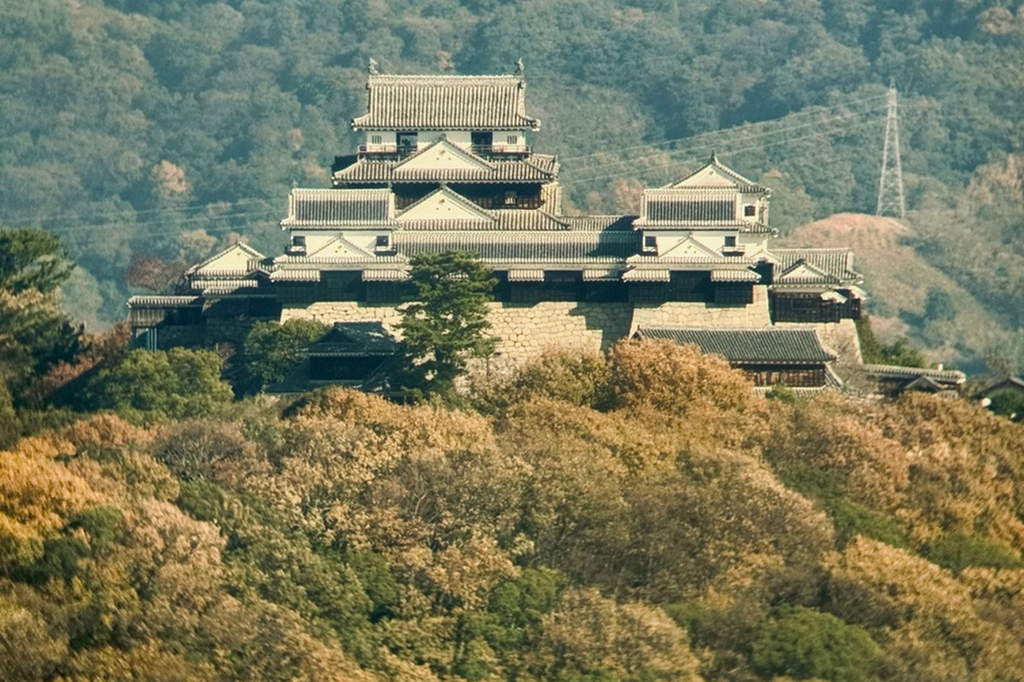
This guide focuses on autumn travel in Japan. It looks closely at Shikoku and Matsuyama Castle. Here, historic castle architecture sits among seasonal colors.
In this article, you will learn:
- When and where to see the fall foliage, and how the koyo season moves
- Why Matsuyama Castle and Shikoku deserve a place on an autumn route
- Which seasonal foods to try while the leaves are changing
- Practical tips for weather, crowds, and planning an autumn day
You will check foliage reports, opening hours, and train times more often than you expect during this season. The best viewing dates shift each year, and small checks on your phone can save a wasted trip.
Overview of Japan in Autumn
Autumn in Japan runs roughly from late September to early December. The season moves like a slow wave from north to south.
Hokkaido and the high mountains turn first, often from late September. Tokyo, Kyoto, and Osaka usually reach their best color from mid-November to early December. Shikoku, in the milder southwest, follows a similar rhythm. Many spots there peak from mid-November into early December.
This north-to-south movement is useful for planning. If your trip lands slightly before the city foliage peaks, mountains and gorges nearby may already be in full color. If you arrive slightly late, southern regions like Shikoku often still hold their leaves afterTokyo’s have vanished.
Temperatures are comfortable but wide-ranging. A sunny afternoon can feel like early summer. Mornings and evenings turn cold, especially near mountains and castles on high ground. Layers matter more than any single jacket.
Autumn is also a busy domestic travel season. Japanese travelers plan foliage trips too, so hotels in Kyoto and well-known onsen towns fill early. Booking the fixed parts of the trip ahead of time matters more in November than in most other months.
Best Things to Do in Japan in Autumn
See the Fall Foliage (Koyo)
Koyo viewing is the defining activity of the season, and it works at every energy level.
The gentle version is a walk through a temple garden, a castle park, or a tree-lined avenue in the city. The active version is a hike through a gorge or up a ropeway to a mountain viewpoint. Both count, and a good autumn trip usually mixes the two.
The most useful habit is checking a foliage forecast before fixing your daily plans. Peak color can be brief. The timing changes with temperature and weather each year. Check current reports before fixing your day. Plan the trip around a region rather than one exact tree-lined street.
Evening illuminations add a second version of the same scenery. Many gardens and temples light their autumn leaves after dark on selected dates. A daytime walk and an evening visit become two different experiences at the same place.
Visit a Castle in Autumn
Japanese castle grounds often look different in autumn because seasonal color frames the stone walls and wooden buildings.
Castles usually stand on high ground surrounded by trees. The foliage sits close to the buildings rather than in the distance. Traveling beyond the standard Tokyo and Kyoto route often means catching this view somewhere quieter.
Matsuyama Castle in Shikoku is one of the clearest examples, and it is covered in detail below. The general point applies everywhere. If your trip includes a castle town, autumn is a season worth extra time there.
Try Seasonal Autumn Foods
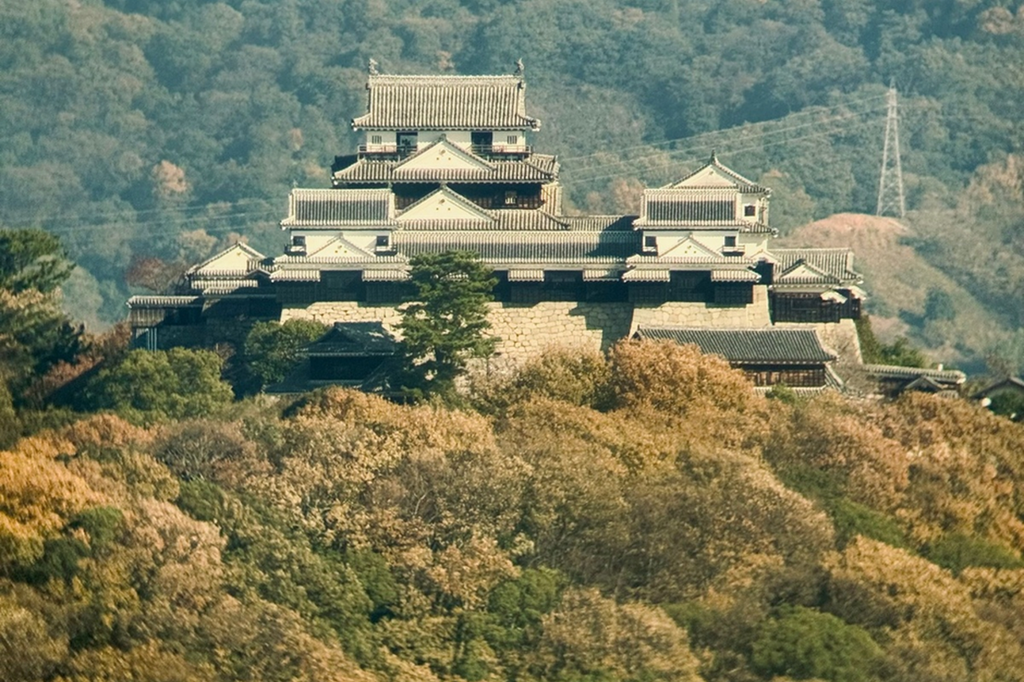
Photo: Unsplash
Autumn is often called the season of appetite in Japan, and menus change to match.
Chestnuts appear in rice dishes and sweets. Persimmons and Japanese pears fill fruit shops. Roasted sweet potatoes are sold warm from small trucks and shop fronts as the evenings cool. Grilled sanma, a seasonal fish, shows up on izakaya menus.
In Ehime, where Matsuyama sits, autumn also means mikan(mandarin). The region is one of Japan’s best-known citrus producers. Fresh mikan, juice, and citrus sweets are easy to find across Matsuyama from autumn onward.
Food stalls at autumn festivals carry the same seasonal shift, so an evening festival visit doubles as a food stop.
Catch an Autumn Festival
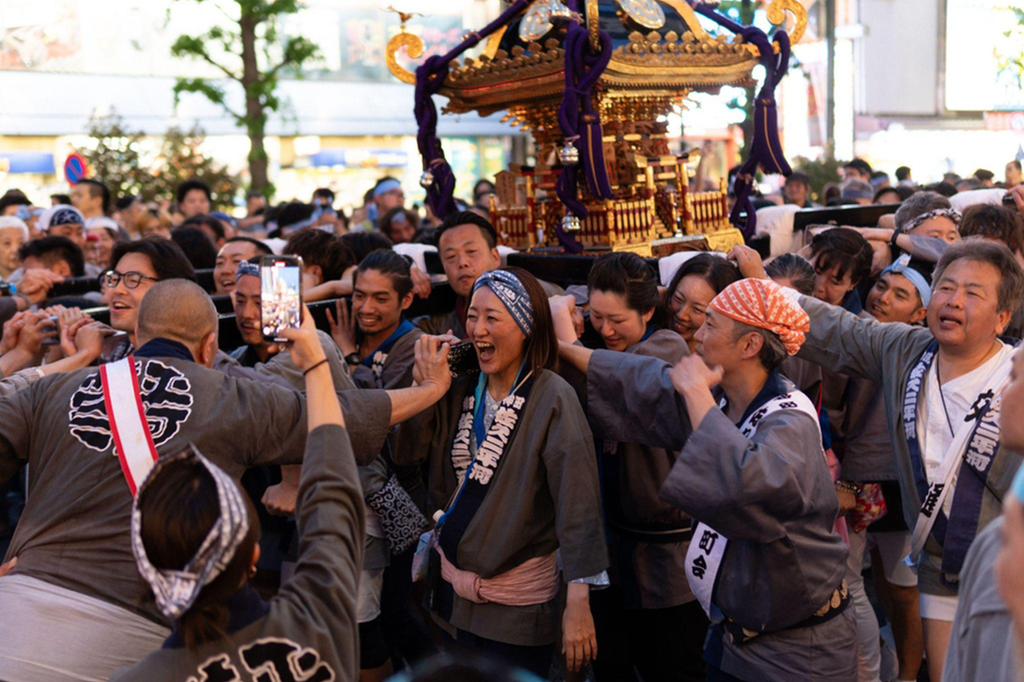
 Photo: Pexels
Autumn is harvest festival season across Japan, and Shikoku holds some of the liveliest local versions.
In Ehime and neighboring prefectures, October brings festivals where teams carry or clash large portable shrines through the streets. These are community events first and tourist events second, and that is what makes them worth catching. If your dates overlap with a local festival, adjusting one evening of the plan is almost always worth it.
Matsuyama’s own autumn festival is usually held around October 5 to 7 each year. It includes mikoshi-clashing events in the Dogo area. Check the current year’s dates before you fix your route, since the schedule can shift.
A Simple Autumn Day in Matsuyama
Start at Okaido tram stop and walk about five minutes to Shinonome-guchi Ropeway Station. Use the ropeway on rainy days, because the chairlift does not operate in rain.
From the upper station, allow about ten minutes to reach the castle entrance. A typical visit with a round-trip ropeway takes about 90 minutes. Two hours feels better if you want to enter the main tower and take photos without rushing.
After returning to Okaido, stop for lunch before taking the tram toward Dogo Onsen. Add Dogo Park before the bathhouse if you still have daylight. Its trees can show red and golden color in autumn.
Leave large luggage at your hotel before visiting the castle. The slopes and steep stairs are easier without a suitcase. Check the latest admission time, ropeway status, and bathhouse waiting time before you leave.
Recommended Spots: Shikoku in Autumn
Shikoku sits outside the standard Tokyo-Kyoto route followed by many first-time visitors. It offers autumn color around castle grounds, historic gardens, islands, and mountain gorges.
1. Matsuyama Castle (Ehime)
Matsuyama Castle is the centerpiece of an autumn visit to Shikoku.
The castle stands on a hill in the middle of Matsuyama City. It is one of Japan’s 12 castles with an original surviving main tower. Matsuyama Castle offers a rare chance to enter that original structure and experience its Edo-period design firsthand. Steep wooden stairs and low beams lead up to views across the city and the Seto Inland Sea.
In autumn, red and golden leaves add color around the castle’s white walls and dark timber. You can walk up through the trees, or take the ropeway or single-seat chairlift partway and walk the rest.
Give this visit real time rather than treating it as a photo stop. Slow down at the grounds, the walls, the keep interior, and the views.
- Best for: First-time visitors to Shikoku, castle and history interest, autumn photography
- Time required: 2 to 3 hours including the climb and the keep interior
- Best time to visit: Autumn color in Matsuyama is often seen around November. The timing changes each year, so check current local foliage updates before choosing your date.
- Access: Ropeway or chairlift from the Okaido area, reached by tram from Matsuyama City Station or JR Matsuyama Station. Okaido tram stop to Shinonome-guchi Ropeway Station is about a five-minute walk. The upper station to the castle entrance is about ten minutes on foot.
- Official website: Matsuyama Castle official website
- Location: Open in Google Maps
Practical tip: The stairs inside the main tower are steep, and there is no elevator or toilet inside. Find and use any facilities you might need before entering, and move slowly on the stairs. The chairlift does not run in the rain, so plan on the enclosed ropeway for a wet-weather visit.
2. Dogo Onsen (Matsuyama)
Dogo Onsen is one of Japan’s oldest hot spring areas. It sits a short tram ride from central Matsuyama, which makes it a natural second stop on a castle day.
The historic main bathhouse is the district’s symbol. The surrounding streets feel like a classic onsen town. You may see yukata-clad guests, small shops, and steam in the evening air. After the castle, Dogo Onsen is an easy evening stop by tram. The cooler autumn air makes a hot bath feel especially good.
- Best for: Pairing with Matsuyama Castle, first onsen experience, evening atmosphere
- Time required: 2 to 3 hours, or an overnight stay at a nearby ryokan
- Best time to visit: Evening, when the bathhouse and shopping street are lit
- Access: Tram from central Matsuyama to Dogo Onsen Station, about 20 minutes. From JR Matsuyama Station the tram ride runs about 25 minutes, and about 20 minutes from Matsuyama City Station.
- Official website: Dogo Onsen official website
- Location: Open in Google Maps
Practical tip: Bathing courses, opening hours, and waiting times may change. Check the official Dogo Onsen page before your visit.
3. Dogo Park and Yuzuki Castle Ruins (Matsuyama)
Dogo Park is an easy stop between central Matsuyama and Dogo Onsen. The park surrounds the ruins of Yuzuki Castle, and its trees can turn red and gold in autumn.
It is a better choice than adding another distant attraction when your legs are tired after Matsuyama Castle. Walk through the park before your evening bath, or skip it if daylight is already fading.
- Best for: A quiet walk, castle history, and a simple stop before Dogo Onsen
- Time required: 30 to 60 minutes
- Best time to visit: Late afternoon while there is still daylight
- Access: A short walk from Dogo-koen tram stop
- Official website: Dogo Park official tourism page
- Location: Open in Google Maps
Practical tip: The outdoor park is open at all times, but the exhibition facility has separate hours and closing days. Check current details before entering the museum area.
4. Ritsurin Garden (Takamatsu, Kagawa)
Ritsurin Garden is a large historic stroll garden in Takamatsu, on Shikoku’s northern coast, and it is one of the region’s strongest foliage spots.
The garden was built over generations as a feudal lord’s retreat. Ponds, bridges, teahouses, and carefully shaped pines sit against a wooded mountain backdrop. In autumn the maples around the ponds turn deep red. On selected dates evening illuminations are held in the garden that reflect their colors across the water.
- Best for: Garden lovers, slower-paced sightseeing, autumn evening illuminations
- Time required: 1.5 to 2 hours for a full walk
- Best time to visit: Late November tends to bring strong color, though this varies by year. If an evening illumination is scheduled during your visit, the reflections after dark are worth planning around.
- Access: Short walk from Ritsurin-Koen Station, or bus from Takamatsu Station
- Official website: Ritsurin Garden official website
- Location: Open in Google Maps
Practical tip: Illumination dates are limited and announced season by season. Check the official schedule before deciding which night to spend in Takamatsu.
5. Kankakei Gorge (Shodoshima, Kagawa)
Kankakei Gorge on Shodoshima island is one of Japan’s well-known gorges, and autumn is its strongest season for color.
A ropeway runs through the gorge itself. The foliage surrounds you during the ride instead of sitting in the distance. Rock formations rise through the red and orange canopy. On clear days the view stretches to the Seto Inland Sea.
Reaching Shodoshima takes extra planning. A ferry crosses from Takamatsu. The island bus runs on a seasonal schedule. Check the ferry, bus, and ropeway times together before choosing this day trip.
- Best for: Dramatic foliage scenery, travelers with an extra day in the Takamatsu area
- Time required: Half a day to a full day including ferries
- Best time to visit: Autumn color is usually seen from early to late November. Check current foliage conditions before choosing your date. Aim for a clear-weather day, since the ropeway view is the reason to go.
- Access: Ferry from Takamatsu Port to Shodoshima, then bus toward the ropeway station
- Official website: Kankakei Ropeway official website
- Location: Open in Google Maps
Practical tip: Treat the last convenient return ferry as your real deadline for the day, not the last ferry technically available.
When to skip it: Skip Kankakei if your Shikoku stay is short. It may also be unsuitable if you do not want to plan around ferry and bus times. Matsuyama Castle and Dogo Onsen already make a complete one-day plan on their own.
How to Dress for Autumn in Japan
Autumn weather swings within a single day, so layers solve most problems.
A typical November day in Shikoku or Kansai might start below 10 degrees. It can warm into the high tens by afternoon, then drop again after sunset. A light base layer, a warm middle layer, and a jacket you can carry cover that whole range.
Comfortable walking shoes matter more than in summer, because autumn days tend to run longer. Castle climbs, garden loops, and gorge trails add up, and cool weather makes it easy to walk further than planned.
A compact umbrella earns its space. Autumn is drier than summer, but rain fronts still pass through. A wet November day feels colder than the forecast number suggests.
Travel Tips for Autumn in Japan
Check a foliage forecast before fixing your plans
Peak color shifts every year. Check a koyo forecast a few days before each foliage-focused day. Keep one flexible day if autumn leaves are a major reason for your trip.
Start earlier than you think you need
Autumn days are shorter, and sunset often comes before 5 p.m. by late November. Plan outdoor places for the morning and early afternoon. Keep onsen visits, indoor stops, and dinner for after dark.
Book autumn stays early
November is a busy month for domestic travel. Hotels in Kyoto and popular onsen towns can fill up early. Reserve fixed nights first, then keep ordinary meals and smaller stops flexible.
Expect crowds at headline spots
Popular foliage locations are often busiest from late morning to mid-afternoon. Arriving near opening time may give you more space. Evening illuminations can also be crowded, so check entry details before you go.
Confirm ropeway and lift operations on the day
Mountain ropeways can pause for wind, inspections, or maintenance. Check Matsuyama Castle and Kankakei updates before leaving your hotel. This matters most after poor weather or during seasonal schedule changes.
Travel light through castle and garden days
Leave large luggage at your hotel before visiting Matsuyama Castle. The slopes, stairs, and ropeway transfers are easier with a day bag. If you are changing hotels, use station lockers or luggage delivery when practical.
Keep a simple rain backup in Matsuyama
On wet days, use the enclosed ropeway and skip the chairlift. Have lunch around Okaido before taking the tram toward Dogo Onsen. Dogo Park can wait for a clearer afternoon. This route still gives you the castle and onsen without adding difficult outdoor walking.
Protect the final hour of daylight
Late November daylight disappears quickly. If you reach Dogo after sunset, skip Dogo Park and continue to the onsen area. Do not rush through an extra stop only to complete the list. A lighter route often gives you more time for dinner and the bathhouse.
You may check foliage updates, ferry times, tram routes, and opening hours during the day. Stay connected in Japan with an eSIM. It helps you make small changes without searching for public WiFi.
How to Get to Matsuyama
Matsuyama has three practical arrival routes for first-time visitors.
By air, Matsuyama Airport has direct services from Tokyo and Osaka. An airport bus links the terminal with central Matsuyama. Check the latest flight and bus timetable before your travel day.
By rail, take the Shinkansen to Okayama. Transfer there to a limited express train for Matsuyama. This route works well during a wider trip through western Japan.
From Hiroshima, ferries cross the Seto Inland Sea to Matsuyama. Confirm which port your ferry uses and how you will reach your hotel. Travel times and schedules can change by service and season. Check the latest route shortly before departure instead of using an old itinerary.
Within Matsuyama, trams cover the castle area, Okaido, Dogo Park, and Dogo Onsen. A car is not necessary for the simple castle-and-onsen day described above. If you have luggage, choose fewer transfers instead of saving only a few minutes.
Summary
Check the latest foliage conditions before fixing each outdoor day. In Matsuyama, visit the castle first and continue to Dogo Onsen by tram. Add Dogo Park only when daylight and energy allow. Keep one flexible day in your route, and avoid building the trip around one exact peak date.