Introduction
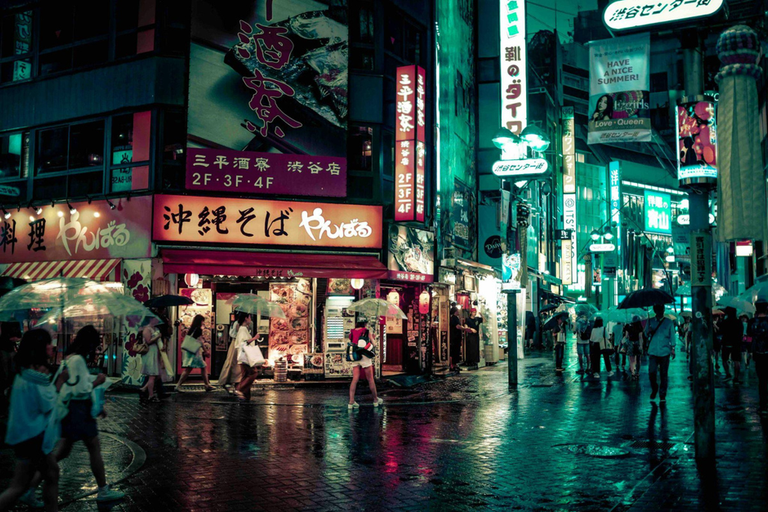
Tokyo is one of the world’s most exciting cities, attracting millions of visitors every year with its famous landmarks, vibrant shopping districts, incredible food, and cutting-edge technology. First-time travelers often visit popular destinations such as Shibuya, Shinjuku, Asakusa, Tokyo Skytree, and Akihabara. While these iconic attractions certainly deserve their popularity, Tokyo offers much more beyond its well-known tourist spots.
Hidden among the city’s busy streets are peaceful gardens, historic neighborhoods, charming cafés, unique museums, and quiet temples that many visitors never discover. These lesser-known destinations reveal another side of Tokyo—one that moves at a slower pace and allows travelers to experience the city’s local culture, history, and everyday life.
Exploring Tokyo’s hidden spots is also a great way to escape the crowds. Instead of waiting in long lines or navigating packed sightseeing areas, you can stroll through quiet residential streets, relax beside tranquil rivers, browse independent bookstores, or enjoy scenic viewpoints that remain relatively undiscovered by international tourists.
Many of these hidden gems are conveniently located just a short train ride from Tokyo’s most famous attractions, making them easy to include in your travel itinerary. Whether you’re visiting Tokyo for the first time or returning to explore beyond the usual sightseeing routes, these places offer unforgettable experiences and fantastic photo opportunities.
This guide introduces some of Tokyo’s best hidden spots, including peaceful gardens, nostalgic shopping streets, fascinating museums, and local neighborhoods where you can enjoy a more authentic side of Japan’s capital.
By the end of this guide, you’ll have plenty of ideas for discovering parts of Tokyo that many tourists completely miss.
In this article, you will learn:
- Hidden places away from Tokyo’s biggest crowds
- Peaceful neighborhoods loved by locals
- Unique museums and cultural attractions
- Beautiful gardens and scenic walking areas
- Excellent photo spots most tourists overlook
- Helpful tips for exploring Tokyo like a local
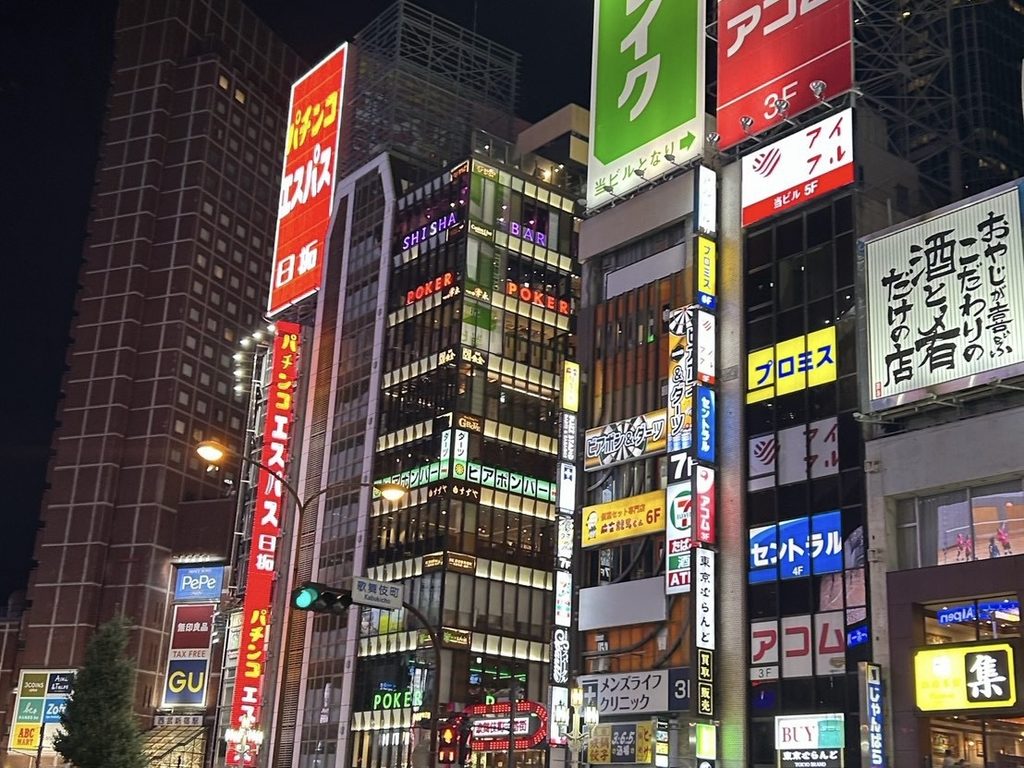
Why Explore Tokyo’s Hidden Spots?
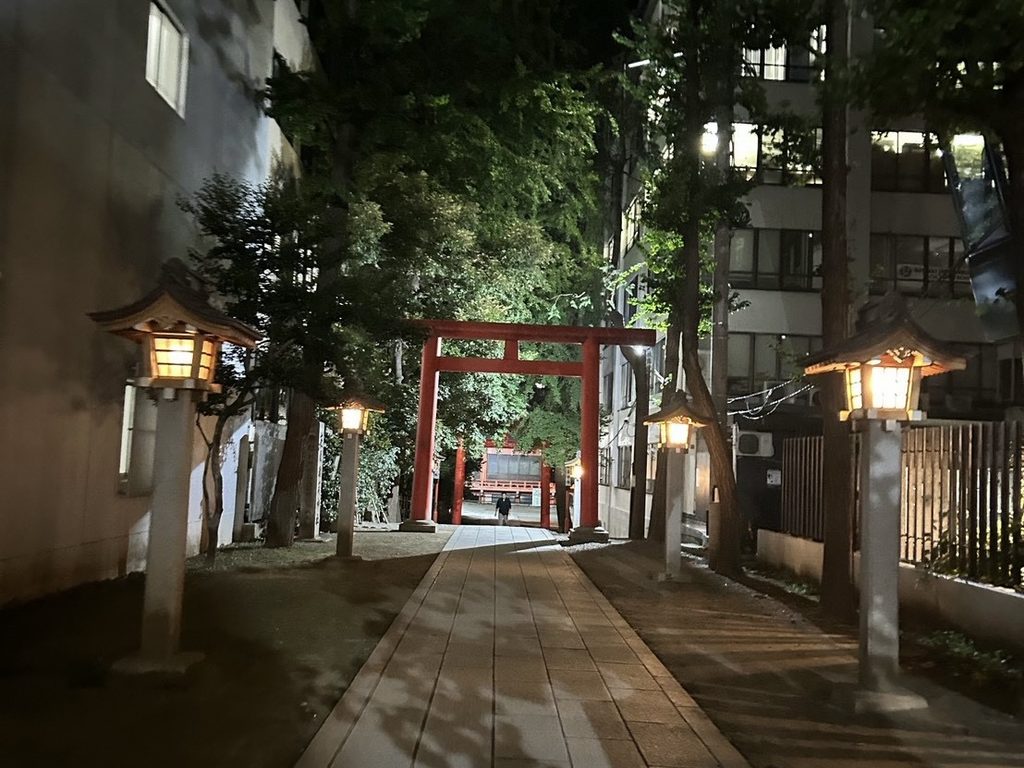
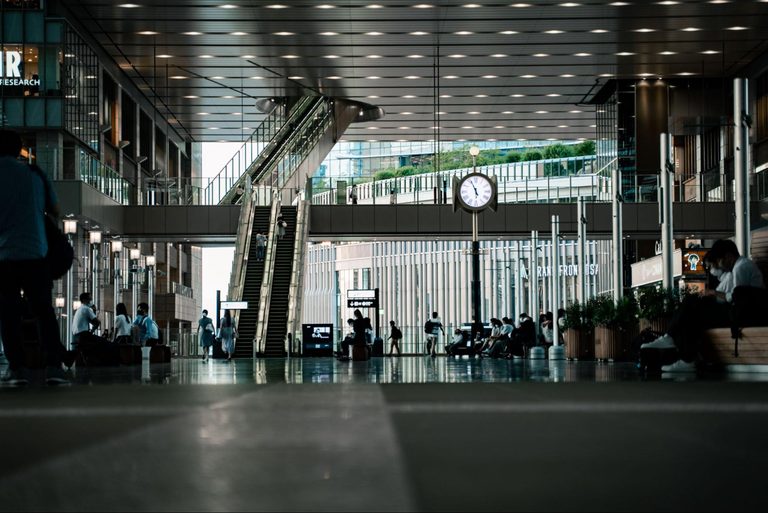
Tokyo is often associated with giant skyscrapers, crowded train stations, and busy shopping streets. While these places are exciting, they represent only one side of the city.
By exploring quieter neighborhoods, visitors can experience Tokyo’s daily life in a more relaxed way. Small local cafés, family-run restaurants, peaceful shrines, and charming residential streets offer a completely different atmosphere from famous tourist districts.
Hidden spots are also perfect for photography. Without large crowds, it’s much easier to capture beautiful scenery, traditional architecture, and seasonal landscapes. You’ll often find yourself discovering unexpected places simply by wandering through neighborhoods that aren’t included in most guidebooks.
Another advantage is that many hidden attractions are free or inexpensive to visit, making them excellent choices for budget-conscious travelers.
Yanaka – Tokyo’s Historic Old Town
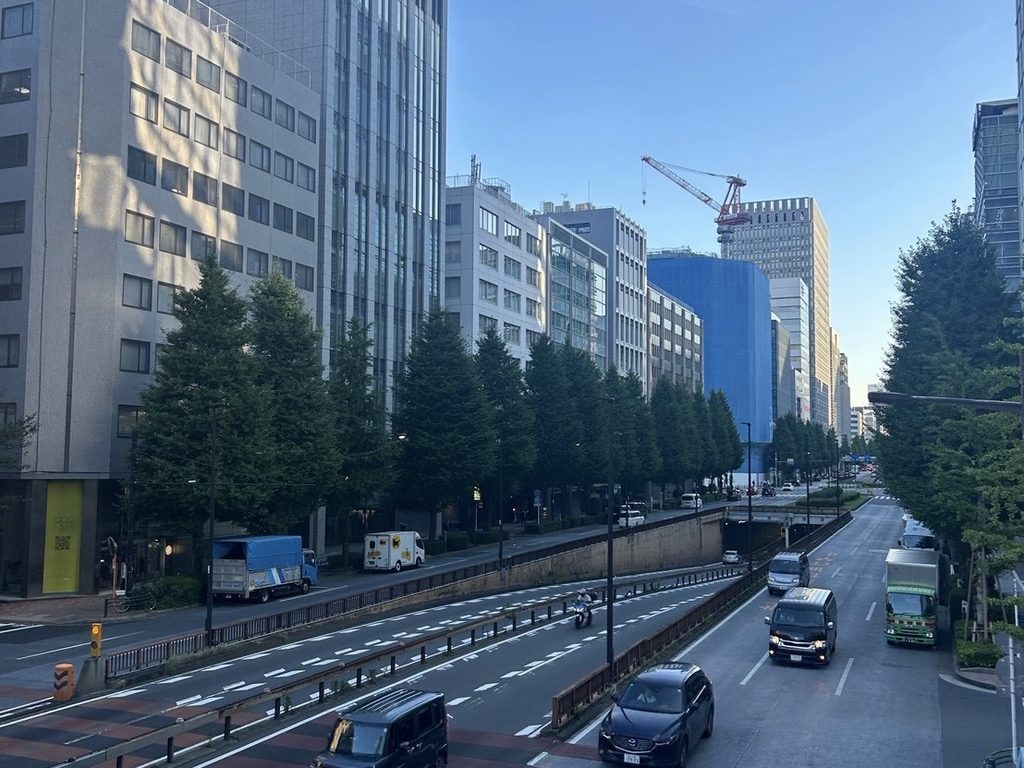
Yanaka is one of Tokyo’s most charming historic neighborhoods and remains largely untouched by modern redevelopment. Walking through its narrow streets feels like stepping back in time, offering visitors a glimpse of Tokyo as it once was.
Unlike the neon lights of Shibuya or Shinjuku, Yanaka is filled with traditional wooden houses, family-owned bakeries, local cafés, small art galleries, and peaceful temples. The area survived much of the destruction during World War II, allowing many historic buildings to remain standing today.
One of the highlights is Yanaka Ginza Shopping Street, a nostalgic shopping arcade lined with small local businesses. Here, visitors can sample freshly made croquettes, Japanese sweets, handmade crafts, and seasonal snacks while enjoying the relaxed atmosphere.
The neighborhood is also famous for its large cat population, inspiring numerous cat-themed cafés, souvenir shops, and street art. Cat lovers will especially enjoy wandering through the quiet alleys in search of these friendly local residents.
Because Yanaka is less crowded than Tokyo’s major tourist destinations, it’s the perfect place for a leisurely morning walk before exploring other parts of the city.
Kiyosumi Garden
If you’re looking for a peaceful escape from Tokyo’s busy streets, Kiyosumi Garden is an excellent destination.
Originally developed during the Edo Period and later redesigned by the Mitsubishi family, this traditional Japanese landscape garden is considered one of Tokyo’s most beautiful hidden gems. Carefully arranged rocks collected from across Japan surround tranquil ponds filled with koi fish and turtles, creating a serene atmosphere throughout the year.
Walking paths wind around the ponds, allowing visitors to enjoy different perspectives of the carefully designed scenery. Wooden bridges connect small islands, while traditional stone lanterns and pine trees complete the classic Japanese landscape.
Each season offers something unique. Spring brings fresh greenery, summer provides cool shaded pathways, autumn colors the maple trees brilliant shades of red and orange, and winter creates peaceful minimalist scenery.
Photographers particularly enjoy the reflections of trees and bridges in the calm water, making Kiyosumi Garden one of Tokyo’s best locations for tranquil nature photography.
Nezu Shrine
While many visitors head straight to Kyoto for beautiful shrine scenery, Tokyo has its own hidden treasure in Nezu Shrine.
Dating back more than 1,900 years, Nezu Shrine is one of Tokyo’s oldest Shinto shrines and is famous for its picturesque tunnel of vermilion torii gates. Although smaller than Kyoto’s famous Fushimi Inari Shrine, the peaceful atmosphere here allows visitors to enjoy similar scenery without overwhelming crowds.
The shrine grounds feature beautifully preserved traditional architecture, quiet gardens, stone pathways, and seasonal flowers. During spring, thousands of colorful azalea bushes bloom across the hillside, attracting photographers from all over Japan during the annual Azalea Festival.
Throughout the year, Nezu Shrine remains a favorite destination among local residents seeking a quiet place for prayer or relaxation. Early morning is particularly magical, when soft sunlight filters through the torii gates and the shrine grounds remain wonderfully peaceful.
Kagurazaka – Tokyo’s Elegant Hidden Neighborhood
Kagurazaka is one of Tokyo’s most sophisticated yet underrated neighborhoods. Originally known as a geisha district during the Edo Period, it has evolved into a stylish area where traditional Japanese culture blends beautifully with modern cafés, boutiques, and fine dining.
Walking through Kagurazaka’s narrow stone-paved alleys reveals hidden restaurants, tiny shrines, historic ryotei (traditional restaurants), and charming cafés tucked behind wooden gates. Unlike Tokyo’s larger commercial districts, Kagurazaka encourages visitors to slow down and explore its quiet side streets.
The neighborhood is also known for its strong French influence, earning it the nickname “Tokyo’s Little Paris.” You’ll find authentic French bakeries, wine shops, pastry stores, and cafés alongside traditional Japanese businesses, creating a unique cultural atmosphere rarely found elsewhere in Tokyo.
Whether you’re looking for a relaxing afternoon walk, a delicious meal, or beautiful streets for photography, Kagurazaka offers an unforgettable experience that many first-time visitors overlook.
Todoroki Valley
It’s hard to believe that Tokyo, one of the world’s largest cities, is home to a peaceful natural valley filled with lush greenery, flowing streams, and birdsong. Todoroki Valley (Todoroki Keikoku) is the only natural valley in Tokyo’s 23 wards, making it one of the city’s most unique hidden attractions.
Walking through the valley feels completely different from exploring central Tokyo. Tall trees provide shade throughout the year, while a small stream gently flows beside the walking path. The cool air and quiet surroundings make it an ideal place to escape the city’s busy atmosphere, especially during the warmer months.
The walking trail is relatively short and easy to explore, making it suitable for visitors of all ages. Along the way, you’ll discover small wooden bridges, stone pathways, bamboo groves, and scenic resting areas where you can pause and enjoy the peaceful surroundings.
Near the end of the valley is Todoroki Fudoson Temple, a beautiful Buddhist temple surrounded by nature. The temple grounds feature traditional buildings, a small waterfall, and observation points overlooking the valley. During autumn, colorful maple leaves create spectacular scenery, while fresh greenery makes spring and early summer equally beautiful.
Although Todoroki Valley is becoming more popular, it remains far quieter than Tokyo’s major tourist attractions and offers a refreshing change of pace for visitors seeking nature.
Tokyo Metropolitan Teien Art Museum
Located in the quiet Shirokanedai neighborhood, the Tokyo Metropolitan Teien Art Museum is one of the city’s most elegant cultural attractions.
The museum is housed inside a magnificent Art Deco mansion that was originally built in 1933 as the residence of Prince Asaka. Even before entering the exhibitions, visitors are often impressed by the building’s beautiful architecture, luxurious interiors, stained-glass decorations, and carefully preserved historical details.
Inside, the museum hosts rotating exhibitions featuring Japanese and international artists. Because the exhibitions change throughout the year, every visit offers something new to discover.
Outside the museum, visitors can stroll through beautifully landscaped gardens featuring lawns, ponds, seasonal flowers, and traditional Japanese garden areas. The contrast between the Western-style mansion and Japanese gardens creates a unique atmosphere rarely found elsewhere in Tokyo.
The museum is especially beautiful during autumn when colorful maple leaves surround the historic building, making it one of Tokyo’s most photogenic hidden spots.
Sugamo Jizo-dori Shopping Street
Often called “Grandma’s Harajuku,” Sugamo Jizo-dori Shopping Street offers a completely different shopping experience from Tokyo’s fashionable districts.
Instead of luxury brands and department stores, visitors will find traditional sweet shops, tea stores, local restaurants, souvenir shops, clothing boutiques, and long-established family businesses that have served the community for decades.
The street stretches for approximately 800 meters and is particularly lively on festival days. Many visitors come to pray at Koganji Temple, which is famous for its Togenuki Jizo statue. According to local tradition, washing the statue is believed to bring good health.
Food lovers will also enjoy sampling local specialties such as freshly baked rice crackers, daifuku rice cakes, sweet potato snacks, and traditional Japanese desserts. Prices are generally reasonable, making Sugamo an enjoyable destination for both sightseeing and souvenir shopping.
Walking through the neighborhood provides a glimpse into everyday Tokyo life and offers a welcoming atmosphere that feels very different from the city’s busiest tourist areas.
Meguro Sky Garden
Hidden above a highway interchange, Meguro Sky Garden is one of Tokyo’s most surprising observation spots.
Built on the rooftop of a large expressway junction, this beautifully designed rooftop park transforms an urban structure into a peaceful green space. Few international visitors know about it, making it an excellent place to relax while enjoying panoramic views of the surrounding city.
Walking paths wind through colorful flower gardens, seasonal plants, and small resting areas. On clear days, visitors can enjoy views stretching across Tokyo, and during the evening, the city lights create a spectacular urban landscape.
The garden is particularly popular among local residents who come here for morning walks, jogging, or simply relaxing after work. Because it rarely becomes crowded, visitors can enjoy the scenery without the long lines often found at Tokyo’s famous observation decks.
If you’re looking for a unique photography location that most tourists overlook, Meguro Sky Garden is well worth adding to your itinerary.
Explore Shimokitazawa
Shimokitazawa is one of Tokyo’s trendiest neighborhoods, loved by artists, musicians, students, and young creatives. Although it’s becoming increasingly popular, it still feels like a hidden gem compared to famous districts such as Shibuya or Harajuku.
The neighborhood is famous for its maze-like streets lined with vintage clothing stores, independent bookstores, record shops, handmade accessory boutiques, and stylish cafés. Visitors can easily spend several hours wandering without a fixed plan, discovering something new around every corner.
Shimokitazawa is also well known for its live music venues and small theaters. In the evenings, the area comes alive with performances by local musicians and actors, creating a lively yet relaxed atmosphere.
Food lovers will find everything from specialty coffee shops and artisan bakeries to curry restaurants, ramen shops, and international cuisine. Because many businesses are independently owned, Shimokitazawa has a unique personality that differs from Tokyo’s larger commercial centers.
Gotokuji Temple
If you’re looking for one of Tokyo’s most unique hidden attractions, Gotokuji Temple should be at the top of your list. Located in a quiet residential neighborhood in Setagaya, this peaceful Buddhist temple is famous as the birthplace of the lucky “maneki-neko,” or beckoning cat.
Unlike many of Tokyo’s more crowded temples, Gotokuji offers a calm and relaxing atmosphere. Visitors are welcomed by beautiful temple buildings, traditional gardens, and towering trees that create a peaceful environment throughout the year.
The temple’s most famous sight is the thousands of white maneki-neko statues displayed together on dedicated shelves. These lucky cats have been donated by visitors whose wishes came true after praying at the temple. The growing collection creates one of Tokyo’s most photogenic and memorable scenes.
According to local legend, a feudal lord was once saved from a lightning storm after following a cat that appeared to beckon him toward the temple. Since then, the cat has become a symbol of good fortune and prosperity throughout Japan.
Visitors can also purchase their own maneki-neko as a souvenir or good luck charm. Many people return the statue to the temple after their wish has been fulfilled, continuing a tradition that has lasted for generations.
Kanda Myojin Shrine
Although located close to Akihabara, Kanda Myojin Shrine is surprisingly overlooked by many international visitors.
With a history spanning more than 1,300 years, this historic shrine has long been associated with prosperity, business success, and good fortune. Today, it attracts both traditional worshippers and modern technology enthusiasts.
One of the shrine’s unique features is its connection to Japan’s technology industry. Employees from nearby electronics companies and IT businesses frequently visit to pray for successful projects, while anime fans enjoy special collaborations that are occasionally held at the shrine.
The colorful shrine buildings, large torii gate, and seasonal festivals provide wonderful opportunities for photography. During New Year’s celebrations, thousands of local residents visit to make their first shrine visit of the year.
Despite its central location, Kanda Myojin remains far less crowded than Tokyo’s most famous shrines, allowing visitors to appreciate its history and beautiful architecture at a more relaxed pace.
Tokyo Photographic Art Museum
Photography lovers shouldn’t miss the Tokyo Photographic Art Museum, located in the stylish Ebisu district.
As one of the few museums in the world dedicated entirely to photography and moving images, it offers fascinating exhibitions featuring both Japanese and international photographers.
The museum regularly changes its exhibitions, so each visit presents something new. Topics range from documentary photography and historical archives to contemporary art, fashion photography, and experimental visual works.
Even visitors who are not photography enthusiasts often appreciate the museum’s quiet atmosphere and beautifully designed exhibition spaces.
After exploring the museum, take a walk around nearby Yebisu Garden Place, where elegant architecture, cafés, restaurants, and open plazas create another relaxing hidden destination within Tokyo.
Tips for Exploring Hidden Tokyo
Exploring Tokyo’s hidden spots is most enjoyable when you leave plenty of flexibility in your schedule. Rather than rushing from one attraction to another, allow yourself time to wander through neighborhoods and discover unexpected cafés, local shops, or quiet parks along the way.
Starting your day early is another excellent strategy. Many gardens, shrines, and historic streets are especially peaceful in the morning before larger crowds begin arriving.
Using an IC transportation card such as Suica or PASMO makes traveling between neighborhoods quick and convenient. Since many hidden attractions are located in residential areas, trains are often the easiest way to reach them.
Comfortable walking shoes are highly recommended, as you’ll likely spend several hours exploring side streets and local neighborhoods.
Finally, remember to respect local residents. Many hidden spots are located in quiet communities, so keeping noise levels low and avoiding blocking narrow streets while taking photographs helps preserve the welcoming atmosphere.
Suggested Hidden Tokyo One-Day Itinerary
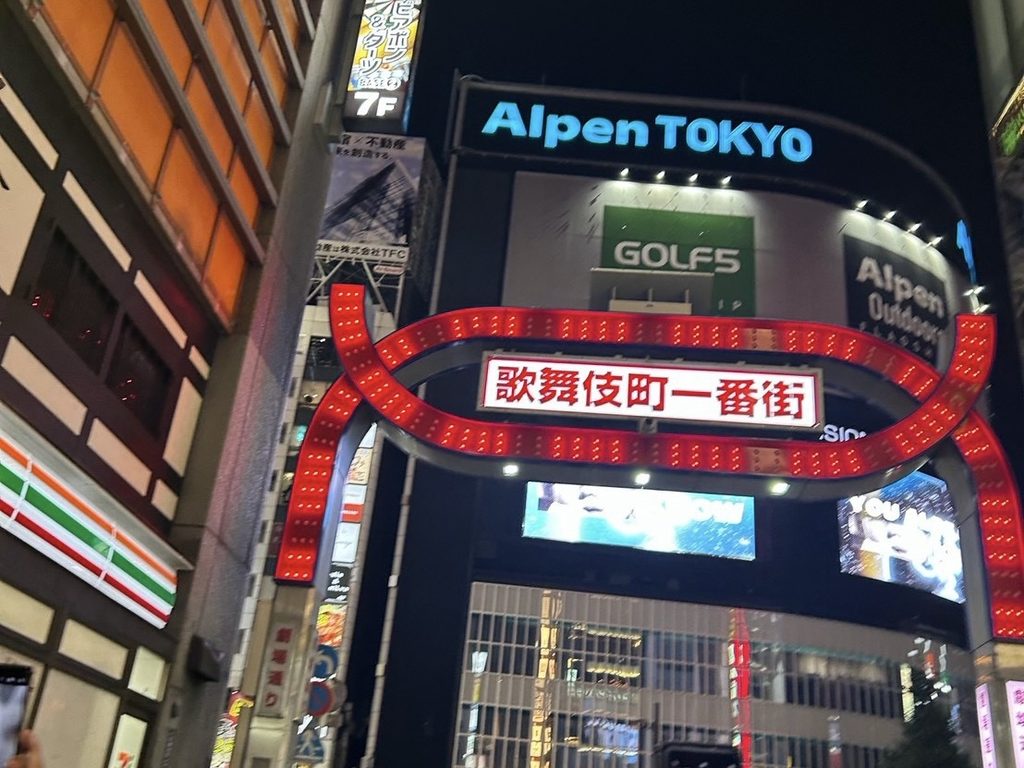
If you have one full day to explore beyond Tokyo’s famous tourist attractions, this itinerary offers a perfect balance of history, nature, culture, and local neighborhoods.
8:30 AM – Visit Nezu Shrine
10:00 AM – Walk through Yanaka and Yanaka Ginza
12:00 PM – Enjoy lunch at a local café
1:30 PM – Explore Kiyosumi Garden
3:00 PM – Visit the Tokyo Metropolitan Teien Art Museum
5:00 PM – Relax at Meguro Sky Garden
6:30 PM – Explore Shimokitazawa for dinner and shopping
This route allows visitors to experience a side of Tokyo that many tourists never discover while avoiding the busiest sightseeing areas.
Summary
Tokyo is far more than its famous landmarks. While destinations such as Shibuya Crossing, Tokyo Tower, and Asakusa are undoubtedly worth visiting, the city’s quieter neighborhoods reveal a completely different charm. Hidden temples, peaceful gardens, nostalgic shopping streets, creative districts, and scenic parks offer travelers opportunities to experience Tokyo at a slower and more authentic pace.
Places like Yanaka, Nezu Shrine, Kiyosumi Garden, Todoroki Valley, Gotokuji Temple, Shimokitazawa, and Meguro Sky Garden showcase the incredible diversity of Japan’s capital. Each destination has its own unique atmosphere, history, and local character, making every visit feel different from the last.
Exploring these hidden gems also provides a chance to escape large crowds, discover beautiful photo locations, support local businesses, and gain a deeper appreciation for everyday life in Tokyo. Whether you’re visiting for the first time or returning for another adventure, stepping away from the typical tourist trail often leads to the most memorable experiences.
Take your time, stay curious, and don’t be afraid to wander. Some of Tokyo’s greatest treasures aren’t found on the busiest streets—they’re waiting quietly just around the next corner.
Enjoy discovering Tokyo’s hidden side!