Introduction
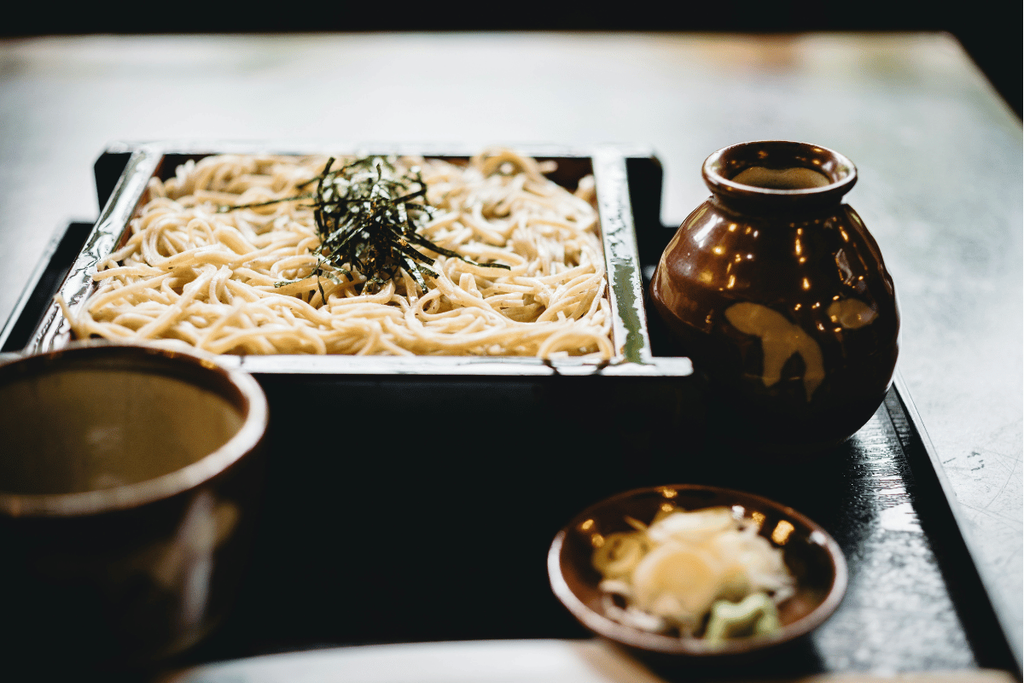
Photo: Unsplash
Japan is famous for sushi, ramen, and many other delicious foods, but you may wonder if it is easy to travel here as a vegetarian or vegan. The good news is that Japan has more plant-based choices than ever before. You can find vegetarian and vegan restaurants in major cities such as Tokyo, Kyoto, and Osaka. Many cafes and restaurants also offer plant-based dishes, especially in areas popular with international visitors. However, eating out can still be a little tricky because some Japanese dishes contain fish, meat, or animal-based ingredients that are not always obvious. For example, dashi, a Japanese soup stock, is often made from bonito fish or other seafood. With a little preparation, though, you can enjoy Japanese food without worrying too much about what is in your meal. This guide explains what vegetarian and vegan travelers should know before visiting Japan, including common foods, useful Japanese phrases, restaurant tips, and easy ways to enjoy your trip.
In this guide, you will learn:
- What vegetarian and vegan food is like in Japan
- Which Japanese foods are usually safe to eat
- Which common ingredients you should watch out for
- Useful Japanese phrases for ordering food
- Easy tips for finding vegetarian and vegan restaurants
- How to make your trip easier with a little preparation
Don’t forget to stay connected throughout your journey with a Japan eSIM. No need to hunt for a SIM card at the airport — activate it before you leave home and have data ready the moment you land.
What Is the Difference Between Vegetarian and Vegan in Japan?
Photo: Unsplash
Before ordering food in Japan, it is important to understand how your diet may be understood by local restaurants. In general, vegetarians do not eat meat or fish, while vegans avoid all animal products, including eggs, milk, and sometimes honey. However, the word “vegetarian” does not always have the same meaning in Japan as it does in other countries. Some restaurants may think a vegetarian meal can include fish or seafood because these foods are sometimes not considered “meat.” This is especially important when ordering traditional Japanese dishes, as fish-based dashi is used in many soups, sauces, and seasonings. Vegans also need to check ingredients such as eggs, dairy products, bonito flakes, and fish sauce. Even a dish that looks completely plant-based may contain one of these ingredients. If you have a strict diet, it is best to explain exactly what you cannot eat instead of simply saying that you are vegetarian.
Vegetarian and Vegan-Friendly Japanese Dishes
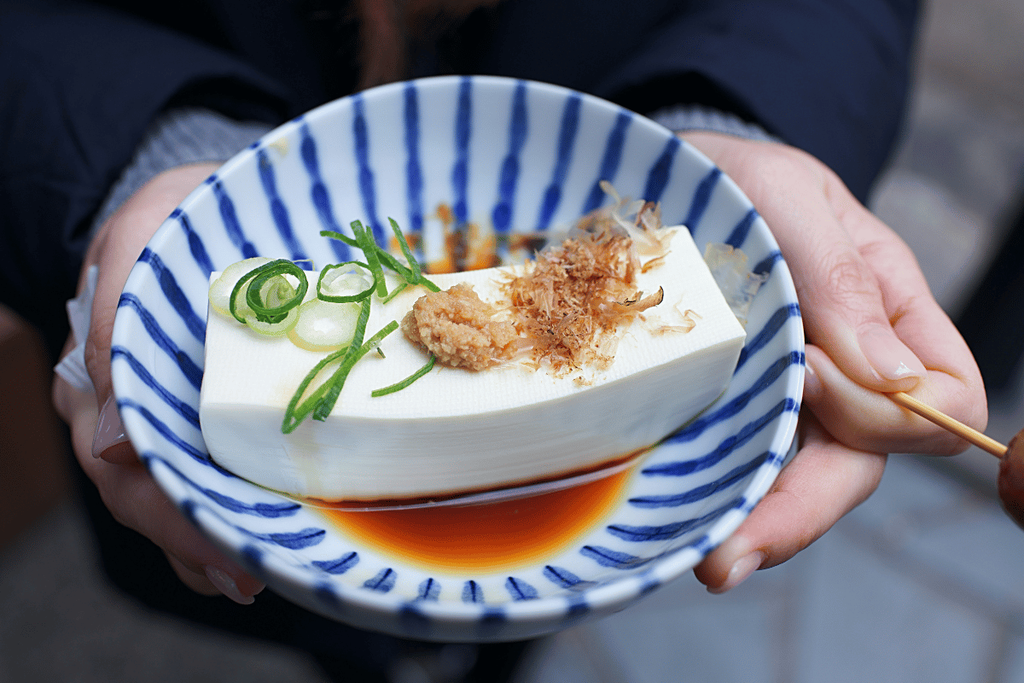
Photo: Unsplash
Japan has many delicious dishes that can be suitable for vegetarian and vegan travelers. However, some traditional dishes use fish-based dashi, eggs, or other animal products, so always check the ingredients before ordering. Here are five Japanese dishes that are worth trying during your trip.
Tofu
Tofu is one of the easiest Japanese foods for vegetarians and vegans to enjoy. It is made from soybeans and has a soft texture and mild flavor. You can try chilled tofu, called hiyayakko, or warm tofu dishes such as yudofu. Tofu is also often served with green onions, ginger, or soy sauce. However, check the toppings and sauces if you are vegan. Some restaurants may add bonito flakes or other fish-based ingredients.
Vegetable Tempura
Tempura is one of Japan’s most popular foods, and vegetable tempura can be a great choice for plant-based travelers. Common vegetables include sweet potato, pumpkin, eggplant, mushrooms, and lotus root. The vegetables are covered in a light batter and fried until crispy. However, the batter may contain eggs, so vegans should check before ordering. The dipping sauce can also contain fish-based dashi. If you are vegan, look for restaurants that offer vegan tempura.
Soba
Soba is a traditional Japanese noodle made from buckwheat. It can be served hot in soup or cold with a dipping sauce, making it a simple and refreshing meal. Vegetable toppings can make soba a good choice for vegetarians. However, the soup and dipping sauce often contain bonito-based dashi. If you are vegan, ask whether the restaurant can prepare the dish without fish-based stock. Cold soba with a simple dipping sauce may also be easier to check for ingredients.
Onigiri
Onigiri are Japanese rice balls that are perfect for a quick snack or light meal. They come with many different fillings, including vegetables, pickled plum, seaweed, and mushrooms. Some types are suitable for vegetarians and vegans, but others contain tuna, salmon, meat, or mayonnaise. Convenience stores usually have many types of onigiri, so check the label carefully before buying one. Look for fillings such as ume(pickled plum), kombu(a type of kelp), or plain rice. They are also easy to carry when you are sightseeing or traveling by train.
Shojin Ryori
Shojin ryori is traditional Buddhist cuisine that does not use meat or fish. It often includes tofu, vegetables, beans, mushrooms, and seasonal ingredients. The dishes are usually simple but beautifully prepared, with different colors, textures, and flavors. You can find shojin ryori at some Buddhist temples and restaurants, especially in places such as Kyoto and Koyasan. It is a great choice if you want to enjoy a traditional Japanese meal while following a vegetarian or vegan diet. Because recipes can vary, it is still a good idea to confirm the ingredients before eating.
Foods to Watch Out for in Japan
One of the biggest challenges for vegetarian and vegan travelers in Japan is hidden animal-based ingredients. Dashi is probably the most important one to know because it is used in many Japanese dishes and is often made with bonito flakes, dried fish, or seafood. Miso soup may look vegetarian, but the soup stock often contains fish-based dashi. Soy sauce itself is usually made from soybeans, wheat, salt, and water, but sauces and prepared foods using soy sauce may contain other animal ingredients. Curry can also be difficult because Japanese curry roux often contains meat or animal-based ingredients, even when the curry is served with vegetables. Some rice balls and noodle dishes may contain fish, meat, or bonito flakes inside or in the seasoning. Tempura batter may contain eggs, so vegans should ask about the ingredients before ordering. Learning about these common ingredients will make it much easier to understand Japanese menus and avoid accidental mistakes.
Useful Japanese Phrases for Vegetarian and Vegan Travelers
Knowing a few simple Japanese phrases can make restaurant visits much easier, especially when staff members do not speak much English. You do not need to speak Japanese perfectly. Just showing these phrases on your phone can help you explain your diet clearly.
- Watashi wa bejitarian desu. — I am vegetarian.
- Watashi wa vegan desu. — I am vegan.
- Sakana wa taberaremasen. — I cannot eat fish.
- Niku wa taberaremasen. — I cannot eat meat.
- Tamago wa taberaremasen. — I cannot eat eggs.
- Nyuuseihin wa taberaremasen. — I cannot eat dairy products.
- Dashi wa haitteimasu ka? — Does this contain dashi?
- Kore wa taberaremasu ka? — Can I eat this?
These phrases are especially useful because ingredients such as fish-based dashi may not be obvious from the name or appearance of a dish. If you are vegan, you can show several phrases together to explain that you do not eat meat, fish, eggs, or dairy products. You can also use your phone to show the Japanese phrases if you are not confident about pronunciation. This can be very helpful at smaller restaurants outside major tourist areas. Remember that “niku – 肉” means meat, “sakana – 魚” means fish, “tamago – 卵” means egg, “gyuunyuu – 牛乳” means milk, and “dashi – だし” means soup stock. A little preparation can make ordering food much easier and help you enjoy your meals with more confidence.
Tips for Finding Vegetarian and Vegan Food in Japan
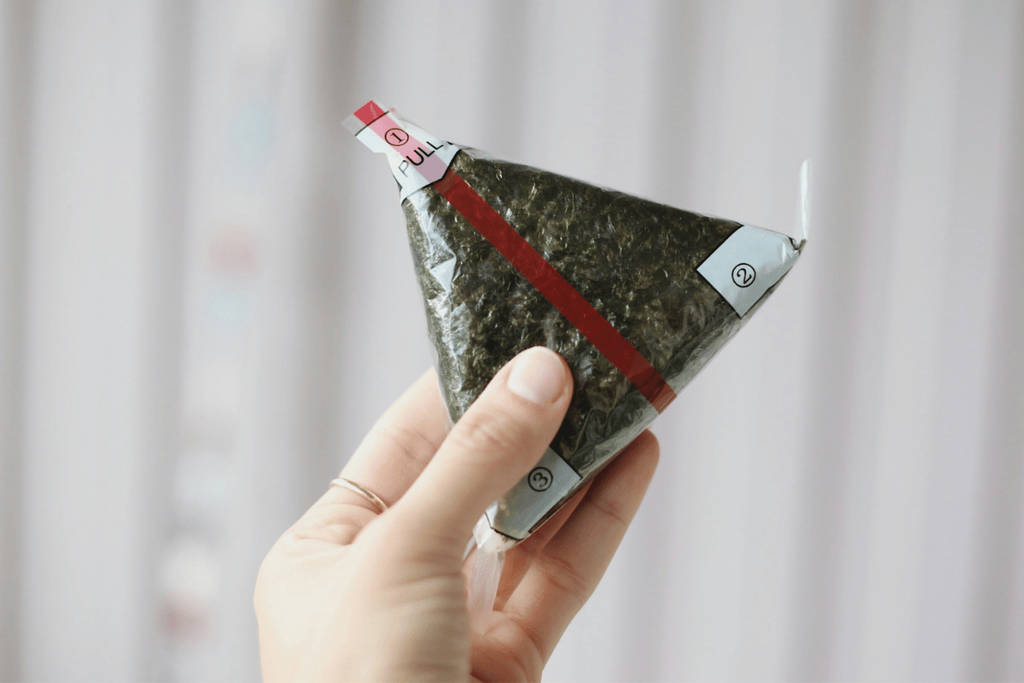
Photo: Unsplash
Planning ahead is one of the easiest ways to make your trip more comfortable. Before visiting a new area, search for vegetarian or vegan restaurants and save a few options on your phone. Restaurants in Tokyo, Kyoto, and Osaka generally have more plant-based choices, while smaller towns may have fewer options.
You can also look for restaurants that clearly use words such as “vegetarian,” “vegan,” or “plant-based” on their menus. When possible, check the restaurant menu online before you visit, especially if you have a strict diet or allergies. Convenience stores can also be useful for simple foods such as plain rice, fruit, nuts, and some vegetable-based snacks, but always check the ingredient labels carefully. Having a backup restaurant or snack is a smart idea when traveling to rural areas or places with limited dining options. Stay connected in Japan with an eSIM so you can search for restaurants, check maps, translate menus, and communicate with staff wherever you go.
Summary
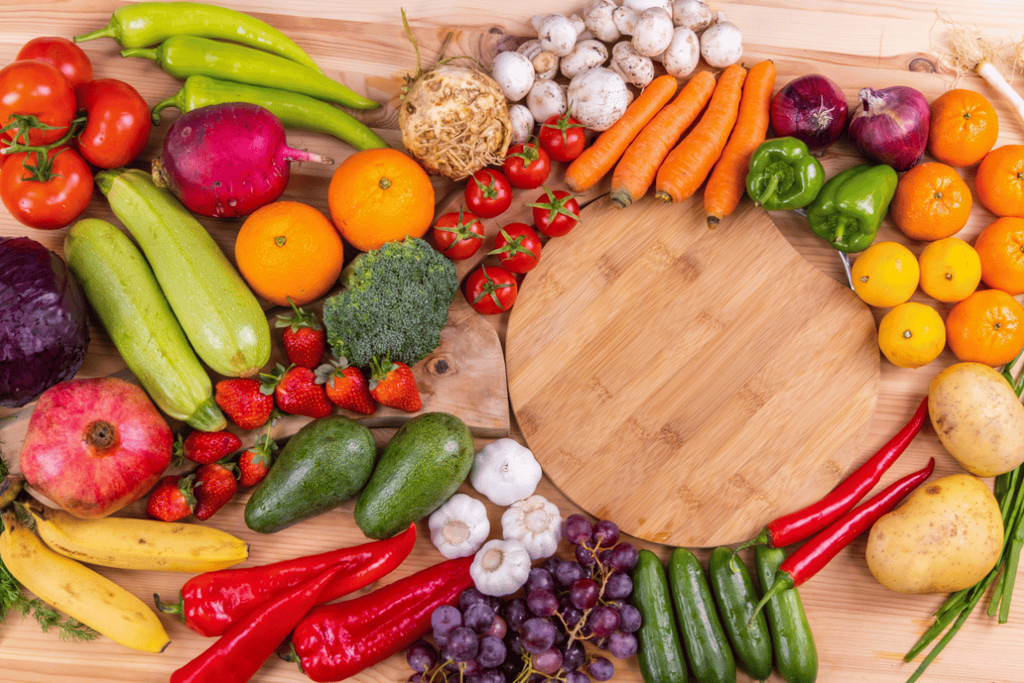
Photo: Unsplash
Being vegetarian or vegan in Japan may require a little more planning, but it should not stop you from enjoying your trip. Japan has a growing number of vegetarian and vegan restaurants, especially in popular tourist destinations. Traditional foods such as tofu, vegetables, soba, and shojin ryori can also give you a chance to experience Japanese food in a different way. The main thing to remember is that fish-based dashi and other animal ingredients can be hidden in dishes that look vegetarian at first. Learning a few Japanese words and explaining your diet clearly can make ordering much easier. It is also a good idea to check menus in advance and keep a few safe food options in mind. With a little preparation, you can enjoy everything from local restaurants to traditional Japanese cuisine without feeling limited by your diet.
Stay connected throughout your journey with a Japan eSIM. No need to hunt for a SIM card at the airport — activate it before you leave home and have data ready the moment you land.
Have a wonderful trip, and enjoy discovering the many delicious sides of Japan, one plant-based meal at a time.