Introduction
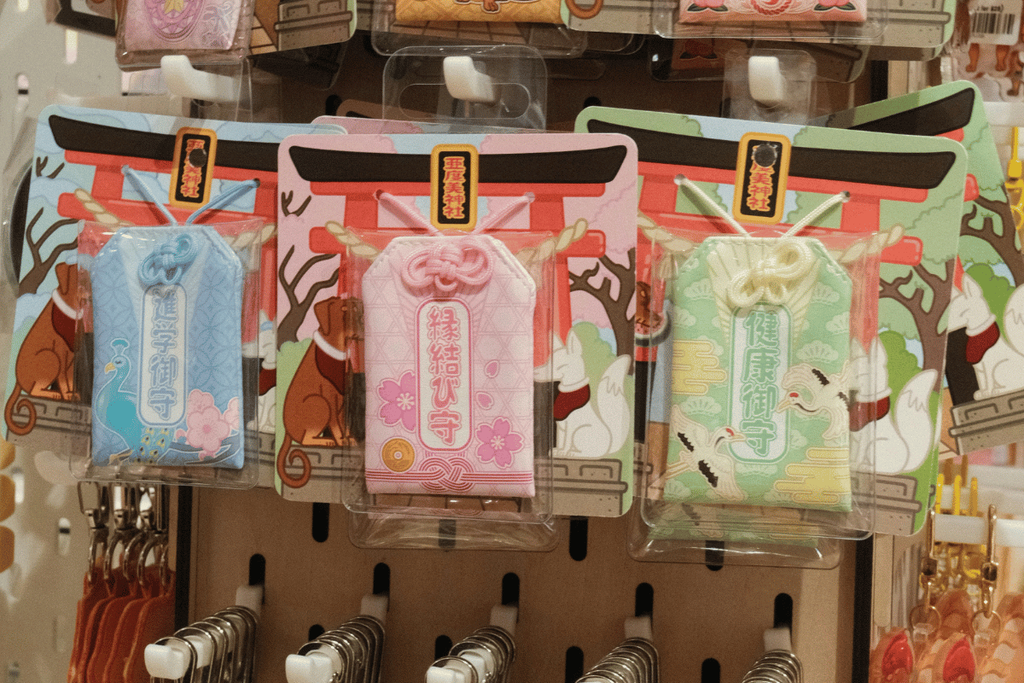
Photo: Unsplash
Have you seen small colorful charms at Japanese shrines and wondered what they mean? These charms are called omamori, and they are popular souvenirs in Japan. Many people carry them for protection, good luck, health, or success. Each omamori has a different purpose, so choosing one can be a fun part of your trip. This guide explains what omamori are, where to buy them, and how to treat them respectfully.
In this Japan Omamori Guide, you will learn:
- What omamori are and what they mean
- The most popular types of Japanese lucky charms
- Where to buy omamori in Japan
- How much omamori usually cost
- How to use and care for your charm
- What to do with an old omamori
- Basic shrine etiquette for visitors
Stay connected in Japan with an eSIM. An eSIM makes it easy to use maps, translation apps, and travel information without relying on public Wi-Fi.
What Is an Omamori?
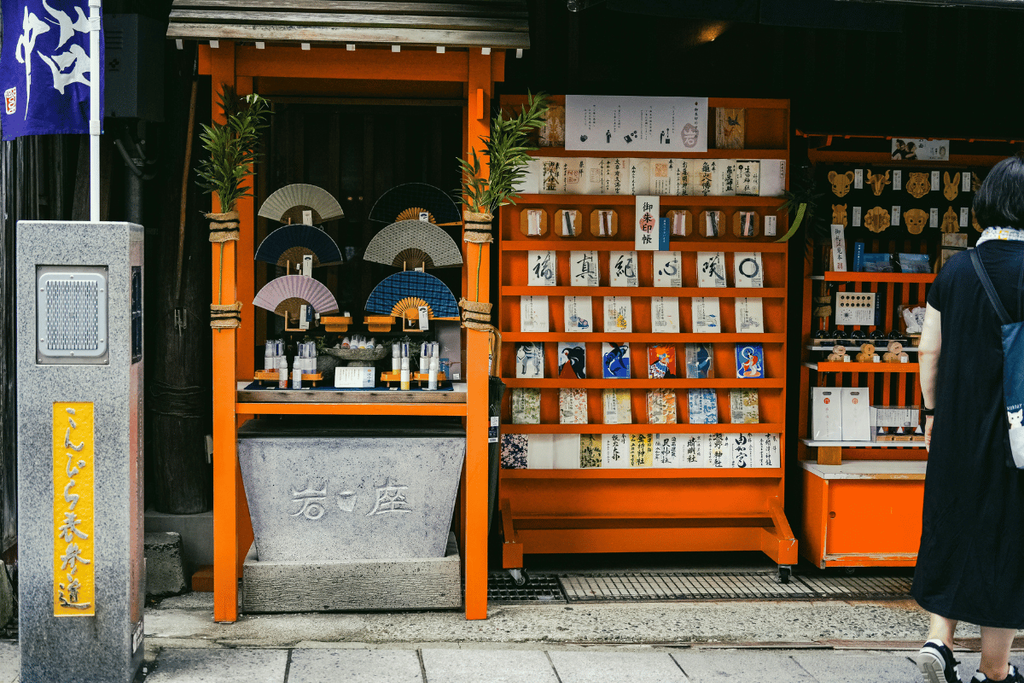
Photo: Unsplash
Omamori is a traditional Japanese protective charms found at shrines and temples. The word “omamori” comes from the Japanese word mamoru, meaning “to protect.” They are usually small cloth pouches with a cord, making them easy to carry in a bag, wallet, or pocket. Inside an omamori is traditionally a small sacred item or prayer. You should not open the pouch, as it is meant to protect the person who carries it. Instead, keep the omamori closed and treat it with care.
Omamori is connected with Japanese religious traditions, but you do not need to be religious to buy one. For many visitors, they are a meaningful souvenir and a reminder of their time in Japan. Some people choose an omamori for a specific wish, while others simply choose one because they like its design.
Each shrine or temple may have its own selection of omamori. This means that you can find different colors, shapes, patterns, and designs depending on where you visit. Some are simple and traditional, while others are cute and colorful. Because of these differences, buying an omamori can be part of the fun of visiting Japanese shrines and temples.
Popular Types of Japanese Lucky Charms
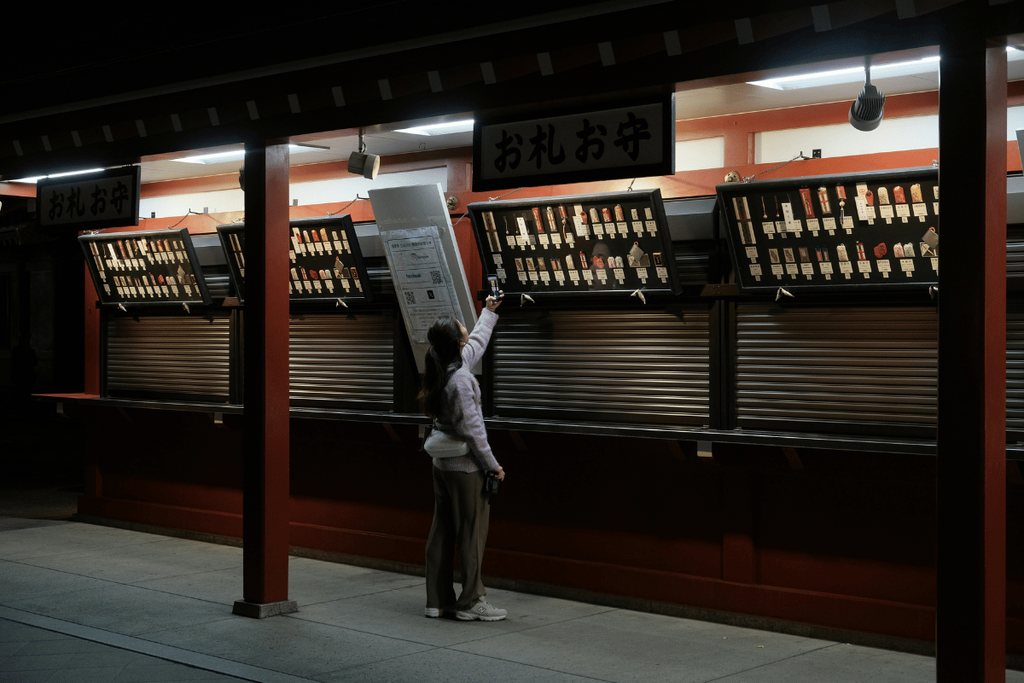
Photo: Unsplash
There are many types of omamori in Japan, and each one has a different purpose. The exact names can vary between shrines and temples, but some types are especially common.
Travel safety omamori are a great choice for visitors to Japan. They are associated with safe journeys and protection while traveling. If you are visiting several cities by train, bus, car, or plane, a travel safety charm can be a meaningful souvenir.
Health omamori are associated with good health and protection from illness. Japanese people may buy these charms for themselves or give them to family members. They can also make thoughtful gifts for someone you care about.
Love omamori are popular among people who want to find love or improve their relationships. Some shrines are especially famous for their connection to love and relationships. You may find charms with heart shapes, cute designs, or special colors.
Success and study omamori are often connected to school, exams, work, and personal goals. Students may buy them before an important exam, while working adults may choose one for career success.
Money and business omamori are associated with financial luck, prosperity, and successful business. They are often chosen by people who want to wish for better financial opportunities.
You may also find omamori for safe driving, family protection, happiness, childbirth, and many other purposes. If you are not sure what a charm means, look for an English explanation or ask the staff at the shrine or temple.
Recommended Places to Buy Omamori
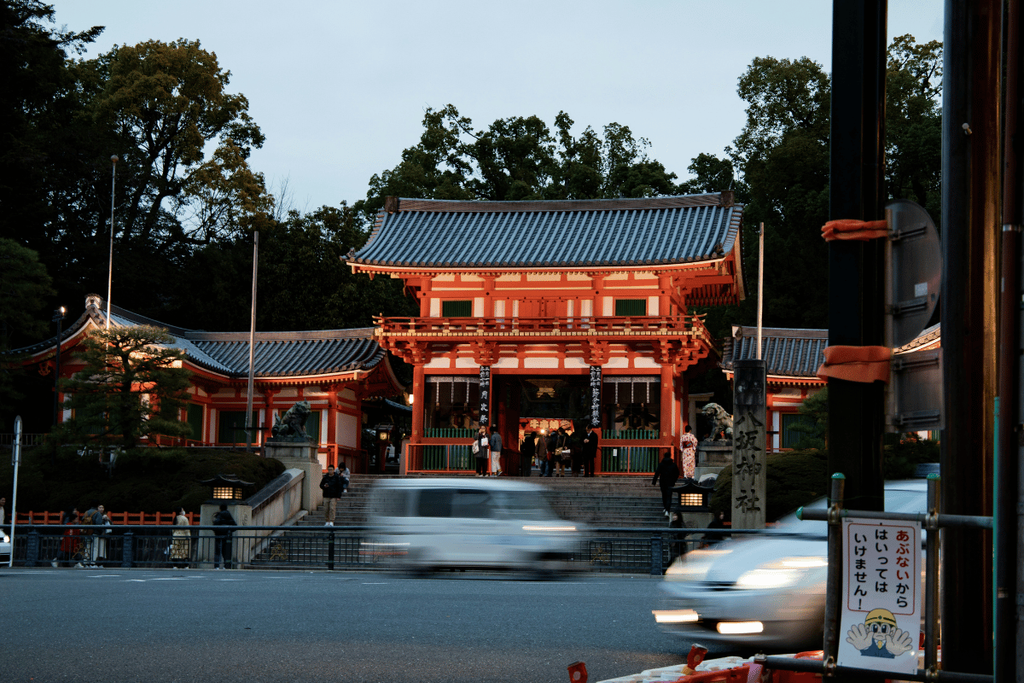
Photo: Unsplash
You can find omamori at thousands of shrines and temples across Japan. However, some famous religious sites are especially popular with international visitors. They are easy to include in major Japan itineraries and offer many different charms.
Fushimi Inari Taisha, Kyoto
Fushimi Inari Taisha is one of Kyoto’s most famous Shinto shrines. It is best known for its thousands of bright vermillion torii gates. The shrine is dedicated to Inari, a deity traditionally connected with rice, agriculture, and business. Visitors can explore the shrine grounds while learning about Japanese religious traditions. Its location also makes it an easy stop during a Kyoto sightseeing trip.
Meiji Jingu, Tokyo
Meiji Jingu is one of Tokyo’s most famous Shinto shrines. It stands inside a large forested area near the busy neighborhoods of Harajuku and Shibuya. The contrast between the quiet shrine grounds and modern Tokyo makes it especially interesting for first-time visitors. You can visit the shrine, observe the surroundings, and look for omamori at the juyosho. It is also easy to combine with a day exploring Harajuku and Shibuya.
Senso-ji, Tokyo
Senso-ji is Tokyo’s oldest temple and one of the city’s most famous attractions. The colorful Kaminarimon Gate is one of its most recognizable sights. Visitors can explore the temple grounds and nearby Nakamise shopping street. As a Buddhist temple, Senso-ji offers omamori and other protective items with different meanings. The area is also a great place to experience traditional Tokyo.
Yasaka Shrine, Kyoto
Yasaka Shrine stands at the edge of Kyoto’s famous Gion district. It has strong connections with Kyoto’s traditional festivals and local culture. The shrine is easy to visit while exploring Gion and nearby Higashiyama. Visitors can look for omamori and other traditional items during their visit. It is a good choice if you want to combine sightseeing with a cultural experience.
Planning a Japan trip? An eSIM can help you check train routes, translate Japanese signs, and find nearby shrines. Staying connected also makes it easier to use Google Maps when exploring unfamiliar neighborhoods.
How Much Does Omamori Cost?
Omamori are generally affordable souvenirs. Many common charms cost around 500 to 1,500 Yen, although the price depends on the shrine or temple and the type of charm. Some simple omamori may cost less, while special designs or larger charms can cost more. You may also see charms in different shapes or materials that have different prices.
Unlike shopping at a regular souvenir store, you usually cannot bargain over the price. The amount is normally clearly displayed at the place where the omamori are offered. It is also useful to carry some cash when visiting smaller shrines. Major tourist destinations may accept cashless payments, but smaller places may still mainly use cash.
Do not feel that you need to buy an omamori at every shrine or temple you visit. One meaningful charm is more than enough. Choose one based on your own wish, the place you visited, or simply a design that you like. For many travelers, the value of an omamori is not its price. It is the memory and meaning connected to it.
How to Use and Care for Your Omamori
There is no single place where you must keep an omamori. Traditionally, people carry their charm somewhere close to them or keep it in a place related to its purpose. For example, you can keep a travel safety charm in your backpack or suitcase. A money-related charm can be kept in your wallet, while a driving safety charm can be kept in your car. Many omamori have a small cord, so you can attach one to your bag. However, be careful not to place it somewhere where it could easily fall off or become damaged.
One important rule is to not open the omamori. The inside is considered sacred, so you should leave the pouch closed. Even if you are curious about what is inside, opening it is generally considered disrespectful. You should also avoid treating an omamori like an ordinary keychain or decoration. It is fine to carry it in your bag, but try to keep it clean and safe.
You can also give an omamori to someone as a gift. For example, a travel safety charm can be a nice gift for a friend who travels often. A health charm may be meaningful for a family member. Most importantly, there is no need to worry about using an omamori “perfectly.” Treat it respectfully and enjoy the personal meaning it has for you.
What Should You Do With an Old Omamori?
In Japan, omamori are traditionally treated as charms for a limited period, often around one year. After that time, some people return their old omamori to a shrine or temple. Many shrines and temples have a special place where old omamori can be returned. The charms are then handled and disposed of according to the religious traditions of the shrine or temple.
If you bought an omamori during your trip to Japan and live overseas, you may not be able to return it to the same place after one year. In this case, do not worry. You can keep it respectfully or ask a shrine or temple in your own area if they accept old charms. It is also a good idea to check with the original shrine or temple if you are unsure what to do. Customs can differ between places, so there is no need to guess.
Some visitors choose to keep their old omamori as a travel memory. If you decide to do this, keep it somewhere clean and safe. The most important thing is to remember that an omamori is connected to a personal wish or prayer. Treating it respectfully matters more than following a strict rule as a tourist.
Basic Shrine Etiquette for Visitors
Visiting a Japanese shrine can be a memorable part of your trip, even if it is your first time. You do not need to know every Japanese custom, but a few simple manners will help you enjoy the experience respectfully.
Before entering the main shrine area, you may see a large gate called a torii. It marks the entrance to the sacred area. It is common to give a small bow before walking through it. Try to avoid walking directly in the center of the path, as the center is traditionally considered the path for the deity. Many shrines also have a water fountain called a chozuya or temizuya. Visitors traditionally use the water to clean their hands and mouth before approaching the main shrine. Follow the instructions shown at the shrine, as the exact practice may vary.
When you reach the main shrine building, take a moment to observe what other visitors are doing. If you want to pray, you can follow the shrine’s usual prayer method. You can also simply stand quietly and enjoy the atmosphere if you do not wish to pray. When taking photos, check for signs before using your camera. Some areas may not allow photography. Avoid blocking other visitors or taking photos of people without permission. Finally, remember that a shrine is not only a tourist attraction. It is a place of worship for many people. Being quiet, respectful, and aware of your surroundings will help make your visit enjoyable for everyone.
Summary
Photo: Unsplash
Omamori is a small Japanese protective charm with different meanings, making them popular souvenirs for both Japanese people and international visitors. You can find charms for travel safety, health, love, success, money, and many other wishes at shrines and temples throughout Japan. They are usually affordable and easy to carry, so an omamori can be a simple way to bring a little piece of your Japan trip home with you. You can choose one based on its purpose, the shrine or temple where you found it, or simply a design that you love. Remember not to open the charm, and treat it with care and respect. If you have an old omamori, you can ask a shrine or temple about the best way to return or care for it.
Most importantly, enjoy the experience. Whether you buy an omamori for yourself or as a gift, it can become a small but meaningful reminder of your journey through Japan. We hope you find the perfect charm and take home a little extra luck from your trip.
Stay connected throughout your Japan adventure with an eSIM. Use maps, translation apps, and travel information wherever you go, from busy Tokyo streets to quiet mountain shrines.
Have a wonderful trip, and enjoy discovering the traditions and culture behind Japan’s beautiful omamori. We hope you find a special charm to take home as a meaningful memory of your journey.