Introduction
Japan is well known for its clean streets, efficient waste management system, and strong recycling culture. One reason Japanese cities stay so clean is that residents carefully separate recyclable materials before disposal. Recycling is considered an important part of everyday life, and both local residents and visitors are encouraged to follow the rules.
Many first-time travelers are surprised to discover that Japan separates much more than just plastic bottles. Aluminum cans, steel cans, milk cartons, plastic food trays, glass bottles, paper packaging, and other recyclable items are often collected separately. Learning these basic recycling rules helps visitors travel more responsibly while respecting local communities.
Although the system may seem complicated at first, recycling in Japan is actually very straightforward once you understand the categories. Many supermarkets, convenience stores, and public recycling stations provide clearly marked collection bins, making it easy to recycle common household items.
Plastic bottles are probably the most frequently recycled item for travelers. After enjoying bottled water, tea, or soft drinks, you’ll often find dedicated PET bottle recycling bins near vending machines, supermarkets, train stations, and convenience stores. However, bottles should usually be emptied, rinsed, and separated into different parts before recycling.
Japan also places great importance on recycling aluminum cans and steel cans. Beverage cans are collected separately from plastic bottles and are recycled into new products through an efficient nationwide recycling system.
In addition, many supermarkets provide special collection boxes for milk cartons, plastic food trays, and other packaging materials. These items are cleaned at home before being placed in the appropriate recycling container.
Understanding these simple recycling habits not only helps protect the environment but also allows visitors to experience an important part of Japanese daily life. Even small actions, such as separating a bottle cap from a plastic bottle or flattening a milk carton, contribute to Japan’s successful recycling efforts.
In this guide, you’ll learn how to recycle plastic bottles, aluminum cans, steel cans, milk cartons, food trays, and several other common recyclable materials you’ll encounter while traveling in Japan.
In this article, you will learn:
- How Japan’s recycling system works
- How to recycle PET plastic bottles
- How to recycle aluminum and steel cans
- How to recycle milk cartons
- How to recycle plastic food trays
- Where to find recycling stations
- Common mistakes visitors should avoid
Why Recycling Is Important in Japan
Recycling is deeply connected to everyday life in Japan. Instead of placing all waste into one trash bin, recyclable materials are separated according to their type so they can be processed efficiently.
Because Japan has limited landfill space and places great importance on environmental protection, recycling helps reduce waste while conserving valuable natural resources. Materials such as aluminum, plastic, paper, and glass can all be reused to create new products instead of being thrown away.
Visitors may notice that public trash cans are less common than in many other countries. Instead, recycling stations are carefully organized with separate bins for each material. This system encourages everyone to sort their waste properly before disposal.
Many Japanese residents rinse containers before recycling them, remove unnecessary labels, and separate different materials. These small habits help improve recycling efficiency and keep collection facilities clean.
Although recycling rules vary slightly depending on the city, the overall principles remain similar throughout Japan. Once you understand the basic categories, recycling becomes simple and convenient.
Recycling PET Plastic Bottles
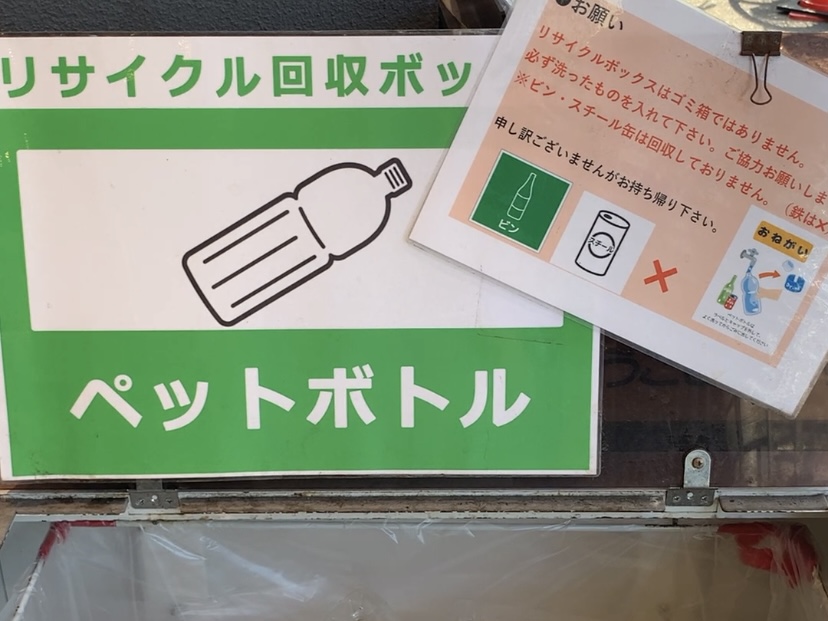
PET bottles are among the most commonly recycled items in Japan. Bottled water, tea, coffee, sports drinks, and soft drinks are usually sold in PET bottles, and dedicated recycling bins can be found almost everywhere.
Before recycling a bottle, it’s recommended to empty any remaining liquid completely.
Next, rinse the inside with a small amount of water. This helps prevent unpleasant odors and keeps the recycling bins clean.
Another important step is separating the different parts of the bottle.
Generally, you should:
- Remove the plastic cap.
- Remove the plastic label.
- Crush the bottle if possible.
- Place the bottle into the PET bottle recycling bin.
The caps and labels are usually collected separately as plastic packaging, while the bottle itself goes into the PET bottle container.
Many vending machines, supermarkets, convenience stores, train stations, and public facilities provide dedicated PET bottle collection bins.
Following these simple steps helps ensure the bottles can be efficiently recycled into new beverage containers, clothing fibers, food packaging, and many other products.
Recycling Aluminum and Steel Cans
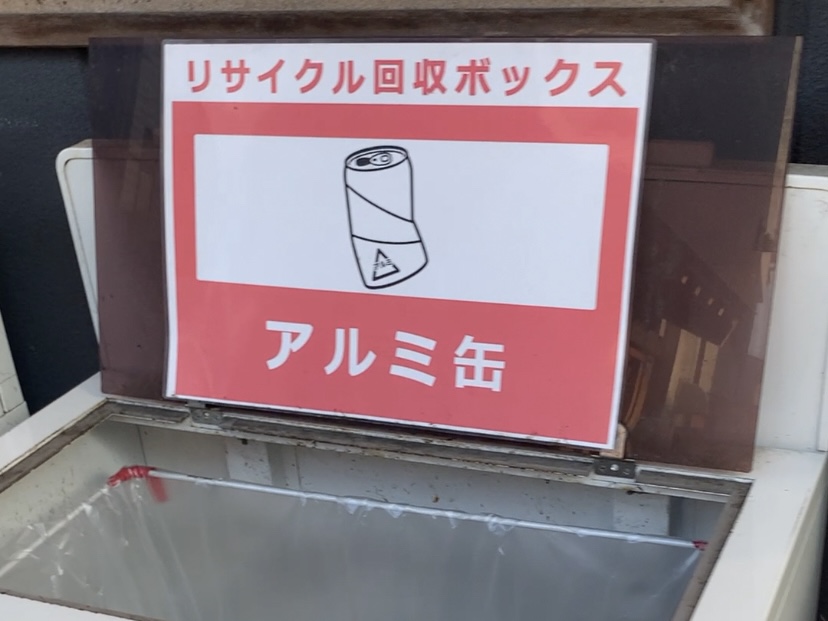
Japan also has an excellent recycling system for beverage cans.
Both aluminum cans and steel cans are highly recyclable materials and are commonly collected separately from plastic bottles.
Before recycling a can, empty any remaining drink and rinse it lightly with water. This prevents odors and makes the recycling process cleaner.
Unlike plastic bottles, cans usually do not require labels to be removed.
Some recycling stations provide separate containers for aluminum cans and steel cans, while others combine both into one recycling bin.
Common beverages sold in cans include:
- Coffee
- Green tea
- Soft drinks
- Beer
- Energy drinks
Because aluminum can be recycled repeatedly without losing quality, recycling even one can help conserve valuable natural resources.
Recycling Milk Cartons
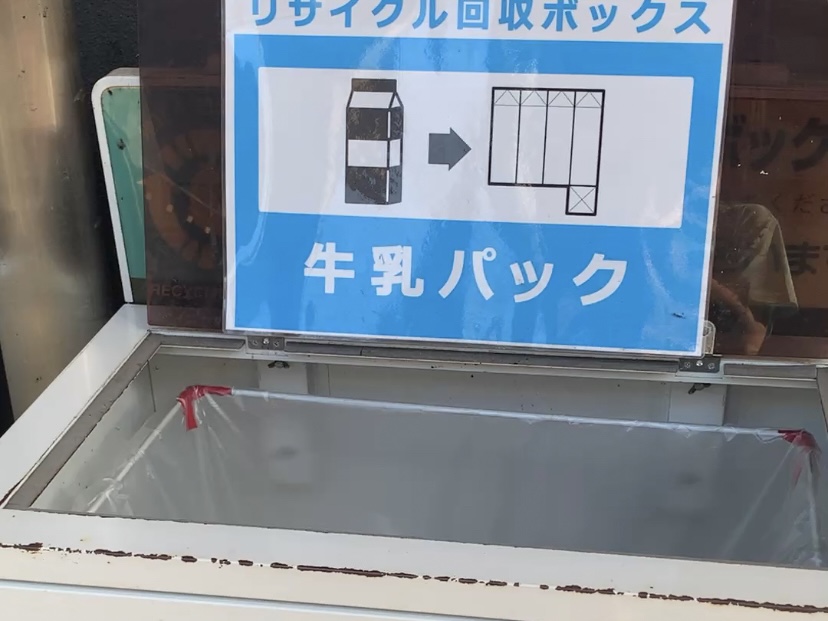
Milk cartons are another important recyclable item in Japan. Unlike ordinary paper waste, clean milk cartons are often collected separately because the high-quality paper fibers can be recycled into products such as toilet paper, tissue paper, notebooks, paper towels, and recycled paper products.
Many supermarkets provide dedicated collection boxes near their entrances, making it easy for shoppers to recycle empty cartons while visiting the store. Some community centers and public recycling stations also accept milk cartons.
Before recycling, it’s important to prepare the carton properly.
First, empty any remaining liquid completely.
Next, rinse the inside thoroughly with water to remove any milk residue. This helps prevent unpleasant odors and keeps the recycling process hygienic.
After washing the carton, open it along one side and flatten it completely.
Finally, allow the carton to dry before placing it in the recycling box.
Most recycling programs only accept plain paper milk cartons. Cartons with aluminum lining or special coatings may have different disposal rules depending on the municipality, so it’s worth checking local instructions if you’re unsure.
Although these preparation steps only take a few minutes, they greatly improve the efficiency of Japan’s recycling system.
Recycling Plastic Food Trays
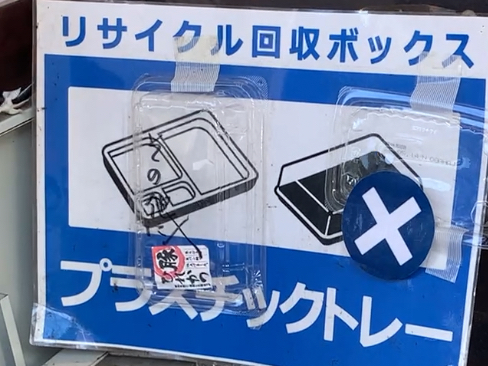
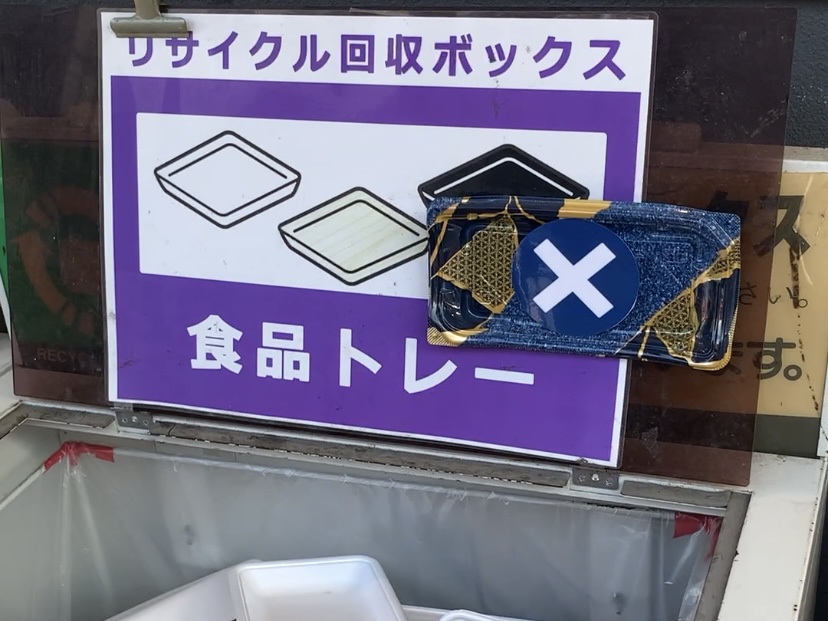
Plastic food trays are commonly used for packaging meat, fish, vegetables, fruit, and prepared foods sold in Japanese supermarkets.
Rather than throwing these trays away, many supermarkets encourage customers to return them for recycling. Dedicated collection boxes are usually located near store entrances or beside recycling stations.
Before placing a tray in the recycling container, remove any remaining food completely.
Wash the tray with water to remove grease, sauce, or food residue.
Allow it to dry before recycling.
Some supermarkets also ask customers to separate foam trays from clear plastic trays because they may be recycled differently.
Plastic trays should never contain leftover food, plastic wrap, chopsticks, or absorbent pads used in meat packaging.
Only clean trays should be placed into the recycling container.
Many trays collected in Japan are recycled into new food packaging and other plastic products.
Recycling Glass Bottles
Glass bottles are another valuable recyclable material in Japan. Beverage bottles, seasoning bottles, and certain food containers are commonly collected through local recycling programs.
Before recycling, empty the bottle completely and rinse it with water.
If possible, remove the bottle cap.
Depending on the local recycling rules, caps may be disposed of separately as metal or plastic.
Some municipalities also separate glass bottles by color, such as:
- Clear bottles
- Brown bottles
- Green bottles
- Other colored bottles
Sorting bottles correctly helps improve the quality of recycled glass products.
Broken glass should generally not be placed into ordinary bottle recycling bins. Instead, follow your local municipality’s disposal instructions.
Where to Find Recycling Stations
Finding recycling stations in Japan is usually quite easy.
Many travelers first notice them outside supermarkets, where several collection containers are placed together for different recyclable materials.
A typical recycling station may include separate containers for:
- PET bottles
- Aluminum cans
- Steel cans
- Milk cartons
- Plastic food trays
- Glass bottles
Some supermarkets also collect batteries, small electronic devices, and plastic bottle caps.
Convenience stores often provide PET bottle and can recycling bins, especially near beverage sections or outside the entrance.
You’ll also find recycling bins near vending machines, train stations, public facilities, schools, and community recycling centers. When using these bins, always place each item into the correct container rather than mixing different materials together.
This small effort helps maintain Japan’s highly efficient recycling system.
Common Mistakes to Avoid
Although Japan’s recycling system is designed to be simple once you understand the rules, first-time visitors sometimes make small mistakes without realizing it. Fortunately, these mistakes are easy to avoid if you know a few basic recycling habits.
One of the most common mistakes is throwing recyclable items into ordinary trash bins. Plastic bottles, aluminum cans, steel cans, milk cartons, and food trays are valuable recyclable resources and should be placed in their designated collection containers whenever possible.
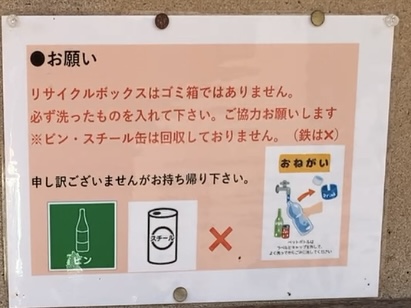
Another common mistake is forgetting to empty containers before recycling them. Even a small amount of leftover coffee, juice, tea, or milk can contaminate other recyclable materials. Before placing an item into a recycling bin, always pour out any remaining liquid.
- Cleaning recyclable items is also important.
- PET bottles should be lightly rinsed.
- Milk cartons should be washed thoroughly.
- Plastic food trays should be cleaned to remove meat juices, sauces, oil, or food residue.
Although the cleaning process only takes a few seconds, it helps improve the quality of recycled materials and prevents unpleasant smells at recycling stations.
Many visitors also forget to separate different materials.
For example, a PET bottle actually consists of several different recyclable parts. The bottle itself belongs in the PET bottle recycling bin. The plastic cap may go into a plastic packaging recycling bin. The label is often recycled separately as plastic packaging as well.
Another mistake involves food packaging.
Some people place chopsticks, plastic wrap, meat absorbent pads, stickers, or leftover food inside food trays before recycling them.
Only clean trays should be recycled. Everything else should be disposed of according to local garbage rules.
Glass bottles can also cause confusion.
In some cities, bottles are separated by color, while in others they are collected together. Always check the instructions displayed on the recycling station if you’re unsure.
One mistake that surprises many travelers is assuming every trash can accepts every recyclable.
For example, bins next to vending machines are usually intended only for beverage containers purchased from vending machines.
They may not accept household trash, lunch boxes, tissues, or other waste.
Using bins correctly helps keep public spaces clean.
Finally, avoid leaving recyclable items beside full collection boxes.
If a recycling container is completely full, it’s better to take your recyclables with you and recycle them at another location rather than leaving them on the ground. Keeping recycling stations tidy is an important part of Japanese recycling etiquette.
Helpful Recycling Tips
Following a few simple habits can make recycling in Japan much easier.
One useful tip is to carry a small plastic bag while sightseeing. Since public trash cans are relatively uncommon in Japan, many people temporarily keep empty bottles or cans in their bag until they find a proper recycling station.
If you’re staying in a hotel or vacation rental, ask about the local recycling rules. Many accommodations separate garbage into several categories and provide different bags or collection days for recyclable materials.
Following these rules helps hotel staff and local communities manage waste efficiently.
When shopping at supermarkets, take advantage of the recycling stations near the entrance. Many Japanese shoppers bring clean milk cartons, plastic trays, PET bottles, and aluminum cans with them every time they go grocery shopping.
This has become part of their regular shopping routine.
If you’re unsure whether something can be recycled, look for recycling symbols on the packaging. Many bottles, cartons, trays, and containers display recycling marks indicating how they should be sorted. Learning to recognize these symbols makes recycling much easier during your stay.
Another helpful habit is crushing empty PET bottles after removing the cap and label. Flattening the bottle reduces its size, allowing more bottles to fit inside the recycling container. Some public recycling bins even include instructions asking users to crush bottles before disposal.
Remember that recycling rules can vary slightly between cities.
Tokyo, Osaka, Kyoto, Yokohama, and smaller municipalities may have different collection schedules or sorting methods.
If you’re staying in one location for an extended period, checking the local government’s recycling guide can help you understand the specific rules.
Even if you accidentally make a mistake, don’t worry.
Japanese recycling systems are designed to help people sort waste correctly, and many collection stations include clear illustrations showing exactly where each item belongs. Taking a few extra seconds to read the signs is usually enough to recycle correctly.
Summary
Japan’s recycling system is one of the most organized and environmentally friendly waste management systems in the world. Rather than treating recyclable materials as ordinary garbage, Japan carefully sorts and processes valuable resources so they can be reused to create new products. This approach helps reduce waste, conserve natural resources, and keep cities remarkably clean.
Throughout this guide, we’ve explored how to recycle many of the most common items you’ll encounter while traveling in Japan, including PET plastic bottles, aluminum cans, steel cans, milk cartons, plastic food trays, and glass bottles. Although each material has slightly different preparation requirements, the basic idea remains the same: empty, clean, separate, and recycle.
Plastic bottles are one of the easiest items to recycle. By removing the cap and label, rinsing the bottle, and placing it into the correct recycling bin, you help ensure that the plastic can be processed efficiently and turned into new bottles, clothing fibers, containers, and other useful products.
Aluminum and steel cans are equally valuable recyclable materials. Because metal can be recycled repeatedly without losing quality, every can placed into the proper recycling container helps save energy and reduce the need for new raw materials. A simple rinse before recycling is usually all that’s needed.
Milk cartons and plastic food trays require a little more preparation, but these small efforts make a big difference. Washing, drying, and flattening cartons or cleaning food trays before recycling allows the materials to be reused safely and efficiently. These habits have become a normal part of everyday life for many people living in Japan.
One thing that makes Japan’s recycling system especially convenient is the large number of collection locations available. Supermarkets, convenience stores, train stations, community recycling centers, and public facilities all provide opportunities to recycle different materials. By taking advantage of these collection points, visitors can easily participate in Japan’s recycling culture during their trip.
Recycling also reflects an important aspect of Japanese culture: respect for shared public spaces. Carefully sorting waste, cleaning recyclable items, and following local rules are small actions that show consideration for other people and for the environment. These everyday habits contribute to the clean streets and well-maintained public spaces that many visitors admire throughout Japan.
Even if the system seems unfamiliar at first, you’ll quickly become comfortable with it after recycling a few items. Reading the labels on recycling bins, checking recycling symbols on packaging, and taking a moment to separate materials correctly soon becomes second nature.
Whether you’re staying in Japan for a few days, several weeks, or much longer, learning how to recycle properly is an easy way to travel more responsibly. Every PET bottle, aluminum can, milk carton, food tray, or glass bottle that is recycled instead of thrown away helps reduce waste and supports Japan’s commitment to environmental sustainability.
By following the simple tips in this guide, you’ll not only make your own trip smoother but also contribute to keeping Japan clean for local residents and future visitors. Recycling may seem like a small daily habit, but together, these small actions make a significant positive impact on the environment. During your time in Japan, taking a few extra moments to recycle correctly is one of the easiest and most meaningful ways to respect the country, its people, and its beautiful surroundings.