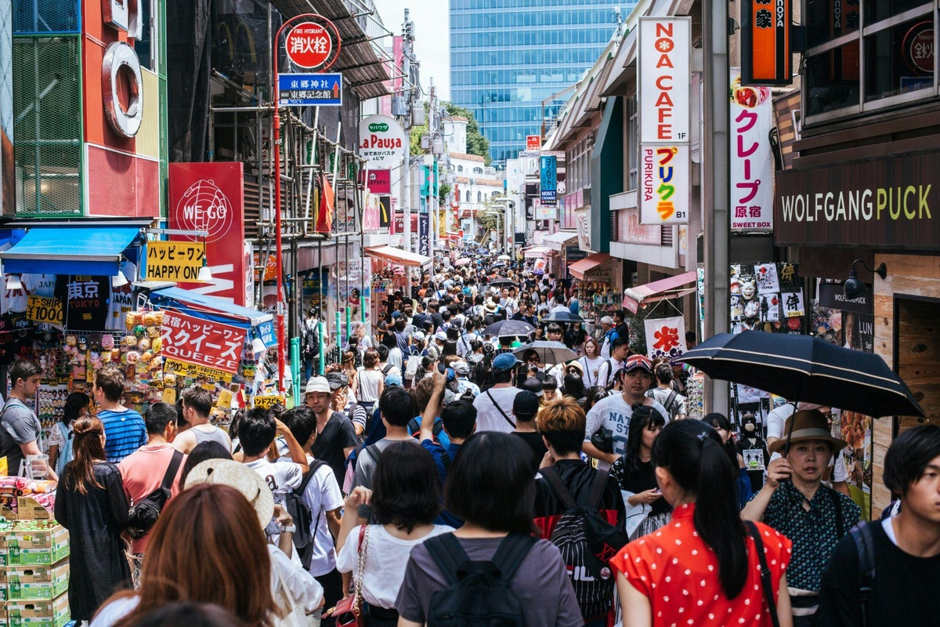
Photo: Unsplash
Introduction
Is Japan safe for tourists?
The short answer is yes — and not just by regional standards. Japan consistently ranks among the safest countries in the world for international travel. The U.S. Department of State rates crime against U.S. citizens in Japan as low. The Australian Government advises travelers to exercise normal safety precautions, the same level applied to countries like Switzerland or New Zealand.
Violent crime against tourists is rare. Lost wallets are regularly handed in to police boxes. Trains run on time. The streets are clean. Most first-time visitors are surprised by how comfortable the day-to-day feels.
That said, safe does not mean [zero risk.] A specific set of situations — mainly overpriced bars in nightlife districts and crowded tourist areas — catches visitors off guard. These are predictable and avoidable. Knowing where they happen is the most useful safety information you can bring to Japan.
This guide covers five major cities: Tokyo, Osaka, Kyoto, Fukuoka, and Nagoya. It explains where to pay attention, what to do if something goes wrong, and how to move around with confidence from your first day.
You will check maps, station exits, train times, and restaurant hours more often than you expect. A Japan eSIM set up before arrival keeps all of that easy — no hunting for public WiFi, no dropped connections between stations.
From my experience as a tour conductor, safety in Japan usually comes down to small choices: the right exit, a clear plan for the evening, and enough space in your schedule to think clearly.
Overview: How Safe Is Japan for Tourists?
Japan is safe for most tourists who stay aware of their surroundings.
The better question would be : “Which situations should I pay more attention to?”
Tokyo’s crime rate is lower than New York, London, and Paris. Japan’s homicide rate is among the lowest in the world — roughly 0.2 per 100,000 people. Foreign tourists who experience crime in Japan are almost always dealing with minor incidents: overcharging in nightlife venues, pickpocketing in crowded areas, or confusion around unfamiliar entertainment districts. Violent incidents are genuinely rare.
The Japan National Tourism Organization notes that Japan is an extremely safe country, but travelers should still know how to respond in emergencies — including earthquakes, typhoons, and volcanic activity. Natural hazards are a more realistic concern for most visitors than street crime.
Where to stay alert:
- Nightlife districts after dark
- Crowded tourist streets during peak hours and major events
- Large, complex train stations
- Bars or clubs promoted by street touts
- Cafés and trains where bags are left unattended
Where to relax:
- Daytime sightseeing at temples, shrines, and museums
- Local trains and public transport
- Family restaurants and convenience stores
- Most residential neighborhoods outside entertainment districts
For a first trip, a simple approach works well. Visit major sights during the day. Choose a reviewed bar if you want to drink at night. Do not follow strangers into unfamiliar venues. Check your last train time before you go out. Keep your passport secure.
Safety by City: Where to Pay Attention
1. Tokyo — Safe Overall, More Care After Dark
Tokyo is large, and the overwhelming majority of it is calm during the day. Asakusa, Ueno, Ginza, Harajuku, and the area around Tokyo Station are easy to navigate with a normal awareness level.
The main caution is nightlife.
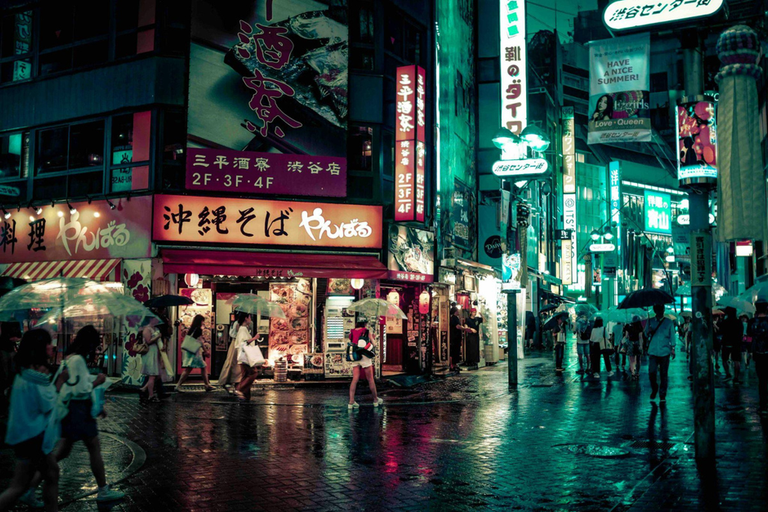
The U.S. Department of State advises specific caution in entertainment and nightlife districts — particularly Roppongi, Kabukicho, Shibuya, and Ikebukuro. Reports from these areas include overcharging, spiked drinks, and theft.
Kabukicho in Shinjuku is Japan’s largest entertainment district. It is lively and worth seeing — but it also has the highest concentration of street touts in the country. The typical situation: someone approaches you on the street, mentions a great bar nearby, and leads you in. A few drinks later, the bill arrives far higher than anything on a visible menu — or no menu was shown at all. This practice is called bottakuri. It is illegal, but it still happens from time to time.
Roppongi has a similar reputation, particularly late at night. Keep your drink in hand and choose your venue yourself rather than following a stranger’s recommendation on the street.
Shibuya is mostly fine, but during major events — Halloween in particular — crowd density increases sharply and pickpocket incidents follow.
- Best for: first-time city travel, food, shopping, museums, nightlife
- Time needed: 3–5 days for a first visit
- Best time to move around: daytime and early evening
- Main stations: Tokyo, Shinjuku, Shibuya, Ueno, Asakusa
- Practical tip: in Kabukicho and Roppongi, choose your bar before you arrive. The station exit matters more than you think at night — check it before you tap out.
Main stations:
- Tokyo Station:Google Maps
- Shinjuku Station:Google Maps
- Shibuya Station:Google Maps
- Official website: Official website
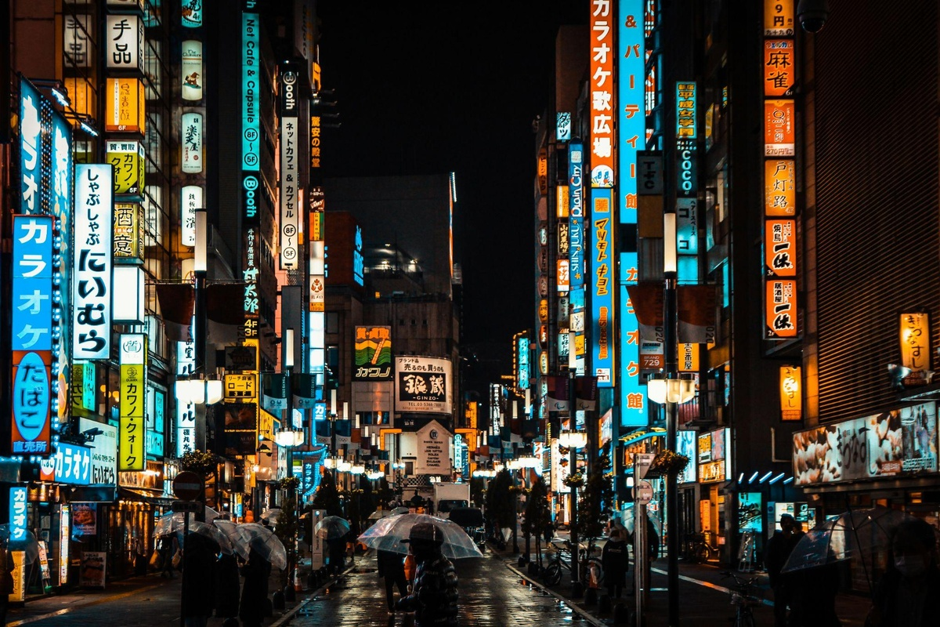
Photo: Unsplash
2. Osaka — Enjoyable, Watch Your Bag in Busy Areas
Osaka is one of the most welcoming cities in Japan for first-time visitors. The food, the energy, and the relatively compact layout make it genuinely easy to enjoy.
The Australian Government notes specific risks in bars and nightclubs in Shinsaibashi, Namba, and Dotonbori — the same overcharging and spiked drink patterns seen in Tokyo’s nightlife districts.
Dotonbori and Shinsaibashi are not places to avoid. They are places to enjoy with simple habits: keep your bag closed, watch your phone near the river bridges, and choose bars yourself rather than following street touts.
Shinimamiya, south of central Osaka near Namba, has a different character from the tourist-facing areas. It is not dangerous in a violent sense, but if your hotel is not there, there is no particular reason to pass through late at night.
- Best for: food, casual walking, shopping, nightlife
- Time needed: 2–3 days
Main stations:
- Namba:Google Maps
- Shinsaibashi:Google Maps
- Osaka-Umeda:Google Maps
- Shin-Osaka:Google Maps
- Official website:Official website link
Namba Station has many exits and connects to several underground areas that look similar. Check the exit number before leaving the ticket gate, especially at night. A wrong exit here can add an unexpected ten-minute walk through unfamiliar streets.
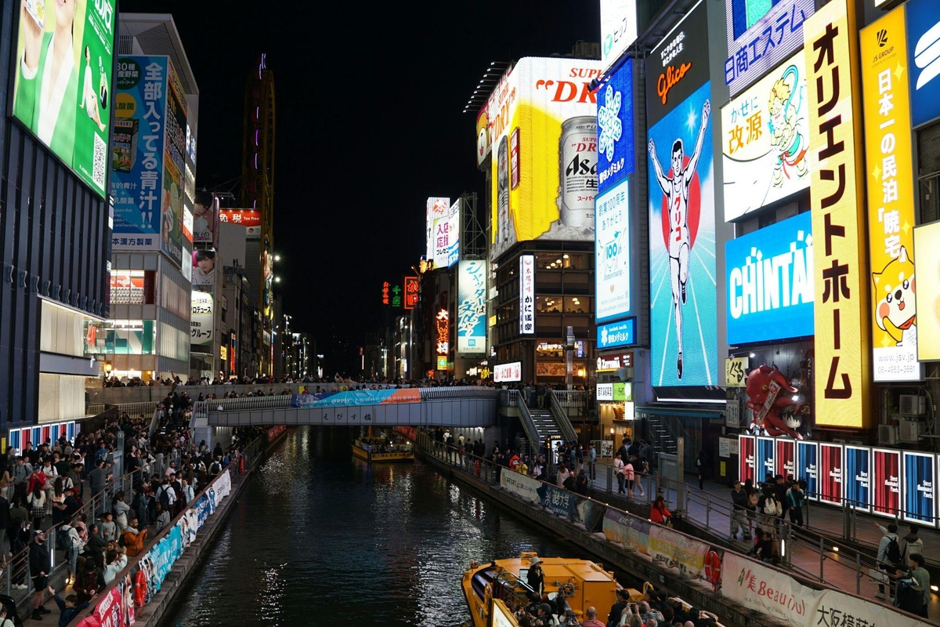
Photo: Unsplash
3. Kyoto — A Calm City Where Timing Matters More Than Caution
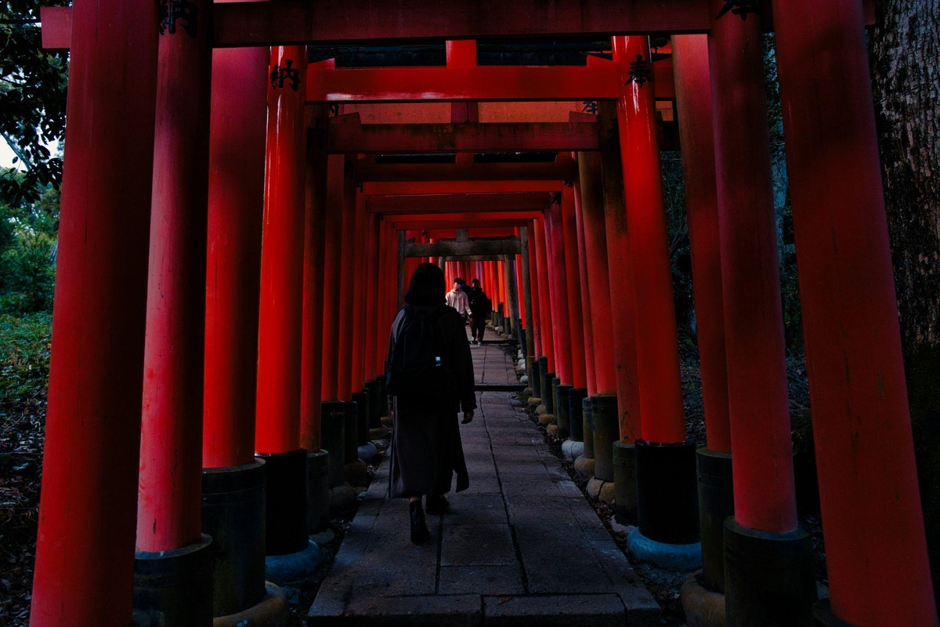
Photo: Unsplash
Kyoto is not a dangerous city. The main concern here is crowd movement at peak times — cherry blossom season, autumn leaves, weekends, and public holidays.
Pay more attention around the Kiyomizudera approach streets, Gion, Fushimi Inari, and Arashiyama. The risk is usually simple: an open bag in a slow-moving crowd, a dropped phone, a missed bus connection. None of this requires fear — just awareness.
Bicycle rental is popular here. Follow local parking rules and do not leave bikes unlocked in front of private homes, shop entrances, or temple paths.
One practical note that changes the experience: arriving early at popular sights matters more in Kyoto than almost anywhere else in Japan. It is not only about avoiding crowds. Earlier visits mean easier movement, shorter waits, and better light for photos. The mood of Fushimi Inari at 7am is genuinely different from noon.
If you carry luggage, use hotel storage or coin lockers at Kyoto Station before heading to narrow temple streets. The map may show a short walk. With a suitcase, it rarely feels that way.
Main stations:
- Kyoto Station: Google Maps
- Gion-Shijo: Google Maps
- Arashiyama:Google Maps
- Official website: Official website
4. Fukuoka — Good Food, Manageable Scale, Standard Nightlife Caution
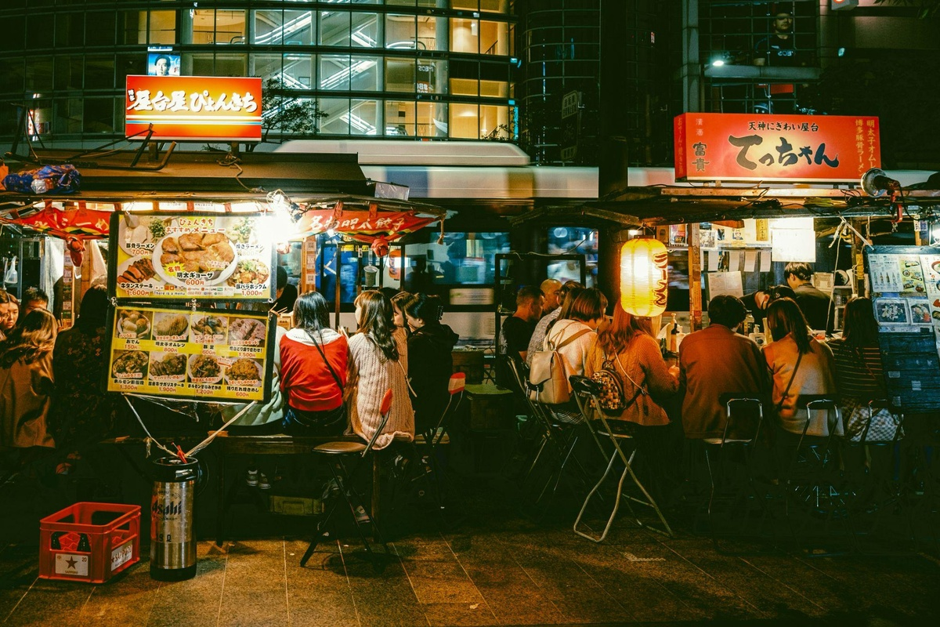
Photo: Unsplash
Fukuoka is easier to move around than Tokyo or Osaka. Many visitors appreciate this, particularly toward the end of a long trip when the pace of larger cities starts to wear.
Nakasu is the main nightlife district, known for its riverside yatai food stalls and lively bar scene. The same basic rule applies here as in Tokyo and Osaka: choose your venue before arriving, check that prices are visible, and avoid following street touts.
Tenjin is a shopping and dining area that is generally relaxed. Keep normal crowd awareness during busy periods.
Hakata Station and Tenjin are separate areas. Check which one is closer to your hotel before booking — the distance between them is walkable, but it changes your evening logistics.
- Best for: food, yatai stalls, compact city travel, day trips to Kyushu
- Time needed: 1–3 days
Main stations:
- Hakata Station:Google Maps
- Tenjin:Google Maps
- Nakasu-Kawabata:Google Maps
5. Nagoya — Practical Stop, Calmer Than It Looks on the Map
Nagoya sits between Tokyo and Osaka on the Shinkansen line and works well as an overnight stop or short detour. It is calmer than either major city, and Sakae and Osu offer a relaxed version of the big-city experience.
Sakae and Nishiki are the main entertainment areas at night. The same nightlife caution applies — but the scale is smaller and tout activity is noticeably less intense than in Kabukicho or Dotonbori.
One practical note specific to Nagoya: Aichi Prefecture carries a higher traffic accident rate than the national average. This matters most if you rent a car or cycle on busy roads. At crossings, use designated pedestrian areas and avoid looking at your phone while stepping into the street.
A hotel near Nagoya Station keeps the next Shinkansen morning simple — worth considering if your stay is just one night.
- Best for: one-night stop, local food, easier city movement
- Time needed: 1–2 days
Main stations:
- Nagoya Station:Google Maps
- Sakae:Google Maps
- Osu Kannon:Google Maps
- Official website:Official website
Safer Destinations Worth Adding to Your Route
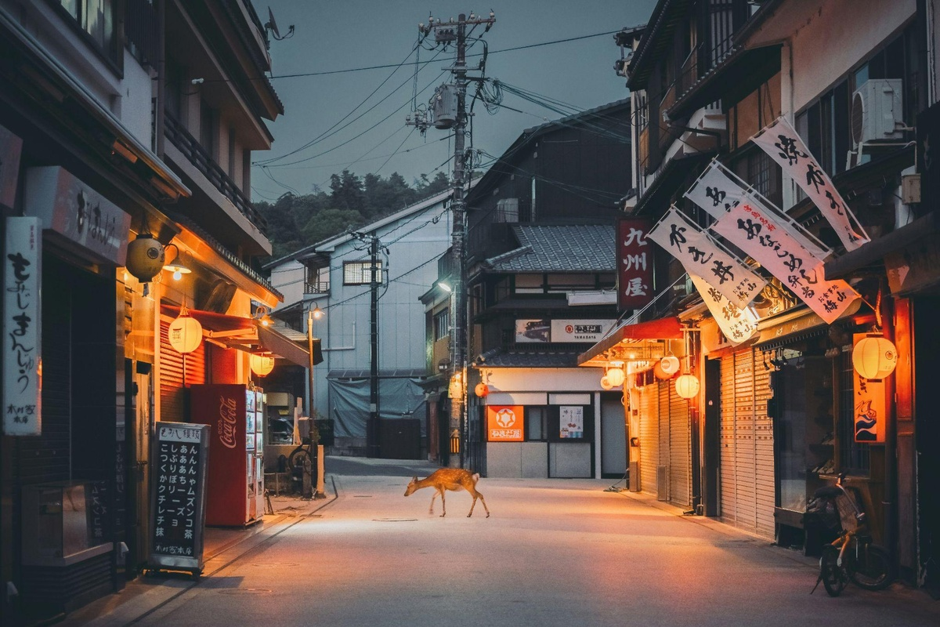
 Photo: Unsplash
Some travelers want a calmer pace between major cities. These destinations have very low crime records and are easier to enjoy without the nightlife-district habits that big cities require.
Kanazawa is one of Japan’s most underrated cities. Compact, walkable, and surprisingly quiet. The Higashi Chaya geisha district and Kenroku-en garden are the main draws. Almost none of the commercial pressure that builds up around more famous names exists here.
Hiroshima is welcoming to international visitors in a way that feels genuine. The city takes its history seriously, and the pace is noticeably slower than Osaka or Tokyo.
Takayama, in the mountains of Gifu Prefecture, is the kind of place where the pace slows from the first hour. Traditional streets, low density, and very little of the nightlife infrastructure that creates tourist-targeting problems.
Nara is crowded near the deer park and Todai-ji, but the actual crime rate is low. The challenge here is managing time during peak tourist season, not safety.
Sapporo is a large northern city with a relaxed atmosphere and far less nightlife-crime reputation than Tokyo or Osaka.
For a first trip, mixing one quieter destination into the route often makes the whole journey feel more balanced. Tokyo and Osaka give energy. Kyoto gives atmosphere. A smaller city gives space to breathe.
Travel Tips: What Actually Helps
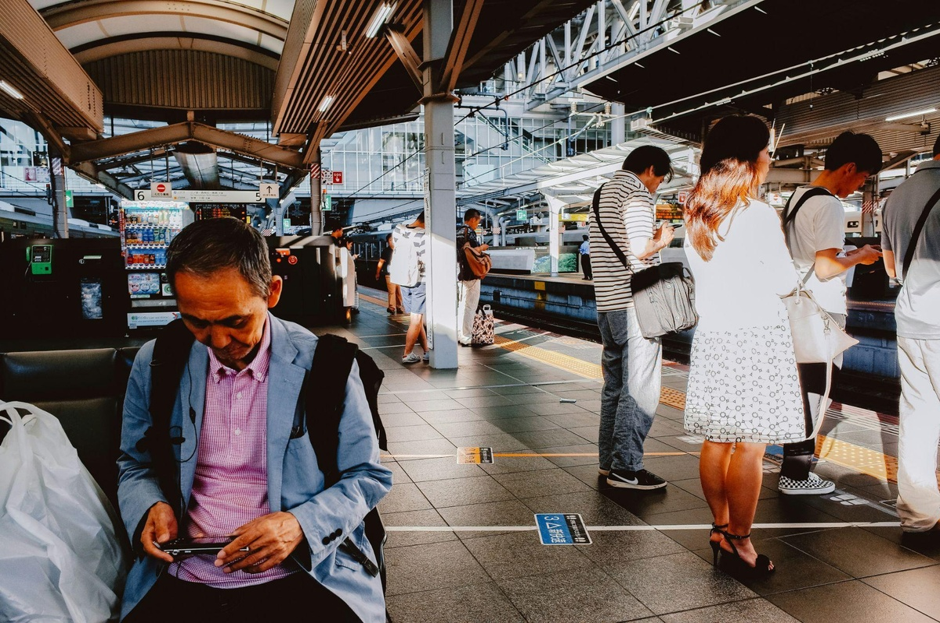
Photo: Unsplash
The One Rule That Covers Most Nightlife Problems
Do not follow street touts into bars, clubs, or adult entertainment venues.
Tokyo Metropolitan Police has issued specific warnings about credit card fraud, overcharging, spiked drinks, and forced ATM withdrawals in venues where illegal street hawkers took victims. The same pattern applies in Kabukicho, Roppongi, Dotonbori, Nakasu, and Sakae — someone approaches you on the street, mentions a great place nearby, and pushes you toward it.
A small wave and No, thank you is enough. You do not owe anyone a conversation.
If you want to drink, choose your venue before going out. Check reviews. Confirm prices are visible before sitting down. This single habit removes the most common problems tourists face around the Japanese nightlife.
Watch Your Drink
Keep your drink with you in bars and clubs. Do not accept drinks from strangers. If you feel like something unusual is happening, leave with someone you trust or ask staff for help.
The U.S. and Australian travel advisories both specifically mention drink-related risks in entertainment districts. This is not a reason to avoid nightlife. It is a reason to choose the venue yourself.
Keep Bags Closed in Crowds
Japan can feel so relaxed that visitors stop thinking about their bags. That relaxation is mostly justified — but not in very dense crowds.
Keep your bag closed and visible in Shibuya Crossing, Dotonbori, Shinsaibashi, Kyoto temple approach streets, busy station platforms, and any festival or event area. When crowds become tight, wear your backpack in front.
In cafés, take your bag with you when you order. Do not leave a phone or wallet on a table while you step away, even briefly.
Use Station Exits as a Navigation Tool
Large stations in Japan can disorient first-time visitors more than any other single part of the trip.
Shinjuku, Osaka-Umeda, Namba, Kyoto, Nagoya, and Hakata all have multiple connected areas and exits that open onto completely different streets. The station may look simple on the map. The exit is what matters.
Check your exit number before tapping out. If you are carrying luggage, also confirm whether the exit has an elevator. At night, knowing your exit in advance means less time standing outside with your phone visible — which is when bags and phones are most at risk.
Know the Emergency Numbers
110 — Police.
Use this for crime, overcharging disputes, theft, or any situation where you feel unsafe.
119 — Fire and ambulance.
Both numbers work from any phone in Japan. If language is a barrier, showing a hotel card, map, or translated message on your screen to a station staff member or convenience store clerk often helps. Police boxes — called koban — are located throughout every urban neighborhood and appear on Google Maps. They are your first point of contact for almost any problem.
Download Safety Apps Before You Arrive
Japan’s natural hazards are a more realistic daily concern for most tourists than crime.
JNTO’s Safety tips app provides push alerts for earthquake early warnings, tsunami warnings, and severe weather alerts in multiple languages. Download it before departure and set your travel areas. It is most useful when you are between cities or spending long days away from your hotel.
Stay Connected While You Move
You will use your phone more than expected in Japan. Station exits, last train times, route changes, restaurant hours, weather alerts, emergency numbers — these are not occasional checks. They happen throughout the day.
Stay connected in Japan with an eSIM. Get mobile data before your trip so you can check maps, train routes, and opening hours wherever you are. Check eSIM options for Japan
What to Do If Something Goes Wrong
Overcharged at a bar: Leave if you have not yet paid and go directly to the nearest koban. Japan’s police are experienced with this in tourist areas. If you have already paid, still report it — you may be able to recover funds, and the report helps local enforcement track problematic venues.
Something stolen: Report to the nearest koban. You will receive a report form needed for insurance claims. Lost items in Japan are frequently handed in — check the station lost-and-found counter and the nearest koban before assuming something is gone.
Medical emergency: Call 119. Many hospitals in large cities have English-speaking staff or access to translation experts. Bring travel insurance documentation. Japan’s medical facilities are excellent; the main challenge is the payment process, not the quality of care.
Lost passport: Contact local police and your embassy or consulate. Keep a photo of your passport information page saved securely on your phone before you travel.
Access: Moving Between Japan’s Major Cities
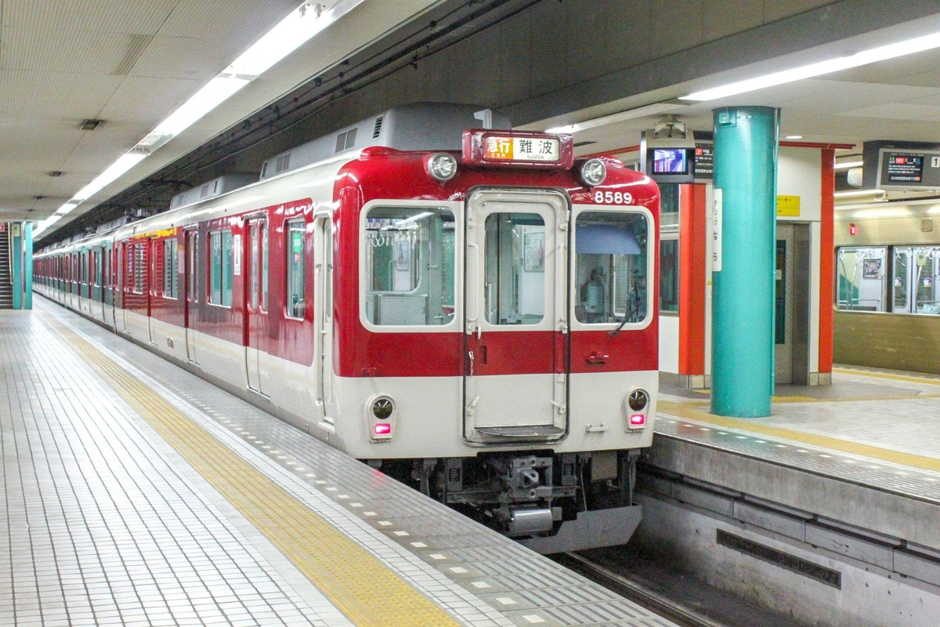
Photo: Unsplash
From Tokyo Station
Tokyo Station is the main Shinkansen hub and can feel large on first arrival. Check whether you need the Marunouchi side, Yaesu side, or a specific underground exit before you get there. If meeting someone, choose a named gate or the tourist information center — [Tokyo Station]is too broad as a meeting point.
From Shinjuku Station
Shinjuku is one of the easiest stations to get turned around in. If you are heading to Kabukicho, check the exit before leaving the ticket gate. At night, stay on larger streets. If you are tired, a taxi from a clear taxi stand may be easier than navigating underground passages with luggage.
From Osaka Station and Umeda
Osaka Station and Umeda are connected but can feel like separate places depending on which exit you use. Check whether your destination is near JR Osaka Station, Osaka Metro Umeda, Higashi-Umeda, or Nishi-Umeda. The route with fewer transfers often feels better than the fastest one, especially with bags.
From Namba Station
Namba is convenient for Dotonbori, Shinsaibashi, and the nightlife area. Before going out at night, check your return route. If your hotel is not close to Namba, confirm the last train time before the evening starts — not at the end of it.
From Kyoto Station
Kyoto Station is large but more straightforward than Shinjuku or Umeda. The practical challenge here is fatigue from full walking days. Use hotel storage or coin lockers at the station before heading to narrow temple streets with luggage.
From Hakata Station
Hakata is Fukuoka’s main transport base. Nakasu and Tenjin are in different directions from the station. If your evening plan involves a different area from your hotel, check the return route and last train time before you go out.
From Nagoya Station
Nagoya Station is practical and well-connected. If you plan to visit Sakae or Nishiki at night, check the return route before drinking. Wide roads near the station mean longer crossings — use designated pedestrian crossings and keep your attention on traffic, not your phone.
Travel times and routes may change depending on train type and time of day. Check the latest route on the day of travel.
The fastest route is not always the easiest. If you have luggage, fewer transfers can make the whole day feel smoother.
Google Map
Use this map to check the area before you go. It is useful for locating station exits, walking routes, koban locations, hotel areas, and nearby places to eat.
Before leaving your accommodation each morning, check the exit number closest to your first stop. If you are carrying luggage or moving through an unfamiliar entertainment district after dark, a sixty-second map check before you leave saves more time than it takes.
Before You Leave
Japan is, by any reasonable measure, one of the safest countries in the world to travel in. The situations worth knowing about are narrow, specific, and mostly avoidable with a few simple habits.
The bigger challenge for most first-time visitors is not safety. It is navigation — knowing which exit to take, how to plan an evening without overextending, and how not to pack the schedule so tightly that small delays become big frustrations.
Bring your eSIM, keep your bag closed in crowds, and know where the nearest koban is. Most of the rest takes care of itself. Stay connected while you travel Japan