Photo: Pexels
Introduction
Staying in a Japanese hotel is usually comfortable, quiet, and surprisingly convenient. But many first-time visitors feel a little nervous. “Should I take off my shoes here?” “Am I being too loud?” “How do public baths work?” These small worries are common, especially because hotel etiquette in Japan can feel a little different from what many travelers are used to. Most of it is simpler than it seems — and once you know what to expect, it all starts to feel natural.
In this article you will learn:
- The key etiquette rules for check-in and check-out
- How to behave in your room, hallways, and shared spaces
- Onsen and communal bath etiquette
- What to expect when staying at a traditional ryokan
- Why quiet and consideration matter in Japanese hotels
Overview
There are a few things about Japanese hotels that many visitors do not expect. The hallways are quieter than expected. The staff are more attentive than you might be used to. And the small details — from check-in to check-out — show a level of care that stands out.
The key idea behind Japanese hotel culture is a concept called “Omotenashi” — wholehearted hospitality. Japanese hotel staff carry this spirit naturally, in the way they greet you, the way they explain things, and the way they take care of the space around you. Even a folded towel or a neatly placed pair of slippers can be part of it.
However, “Omotenashi” is not only about the staff. The tone of your voice in the hallway, the way you sort your trash, and how you use shared spaces — these are all part of the same consideration for others. Less about strict rules and more about everyday habits.
As a visitor, you do not need to get everything right. Understanding this mindset makes a real difference. It changes how you see the small things — and how much you enjoy your stay.
Many travelers find it useful to set up a Japan eSIM before their trip, so they have data ready from the moment they land. Check out recommended eSIM options for Japan here: https://getjapanesim.com
Check-in & Check-out
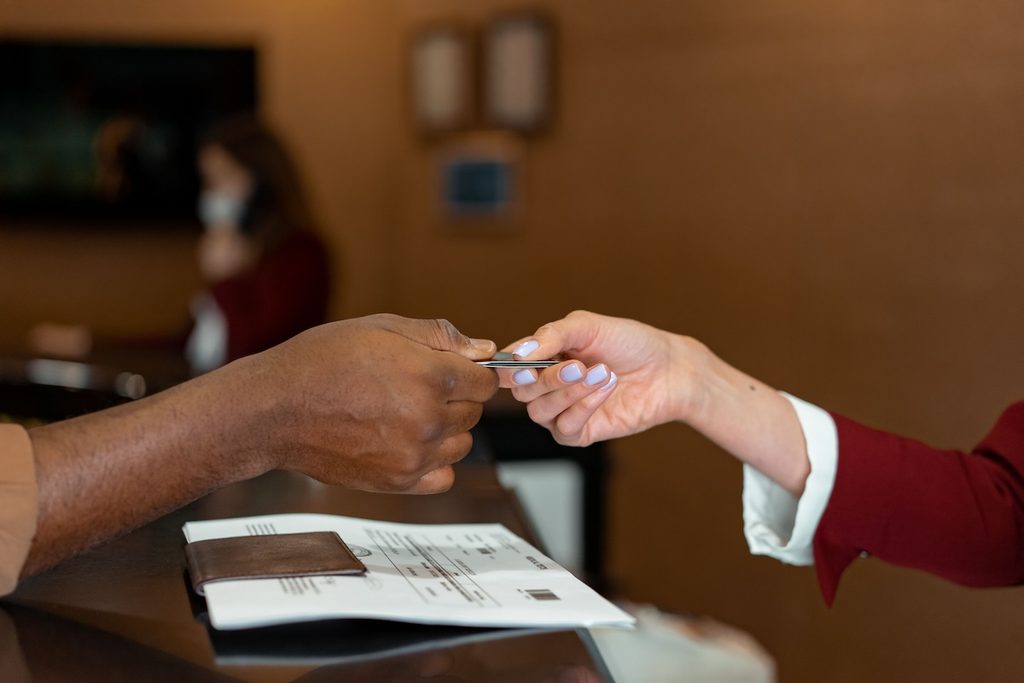
Photo: Unsplash
Check-in and check-out might seem straightforward, but a little awareness can make a real difference in Japan.
Start with timing. Japanese hotels tend to be strict about check-in and check-out times. This gives staff the time they need to prepare the room for the next guest. Showing up a little early or leaving right on time is a quiet way of respecting their work. If your flight or train schedule makes early arrival difficult, most hotels are happy to hold your luggage at the front desk until your room is ready.
Tipping is not expected in Japan. Good service is simply part of what you pay for — not something extra. Offering a tip can sometimes leave staff unsure how to respond, and in some cases, they may politely decline. A sincere “thank you” is often appreciated just as much.
At check-out, returning your room key to the front desk is standard practice. Keyless hotels are becoming more common, but if you have a physical key, do not forget it. A quick check around the room for any belongings before heading down also saves everyone a bit of hassle.
When it is time to leave, try to keep things quiet. The sound of luggage wheels or a door closing too firmly can carry further than you would expect, especially in the early morning when other guests may still be asleep.
In Your Room
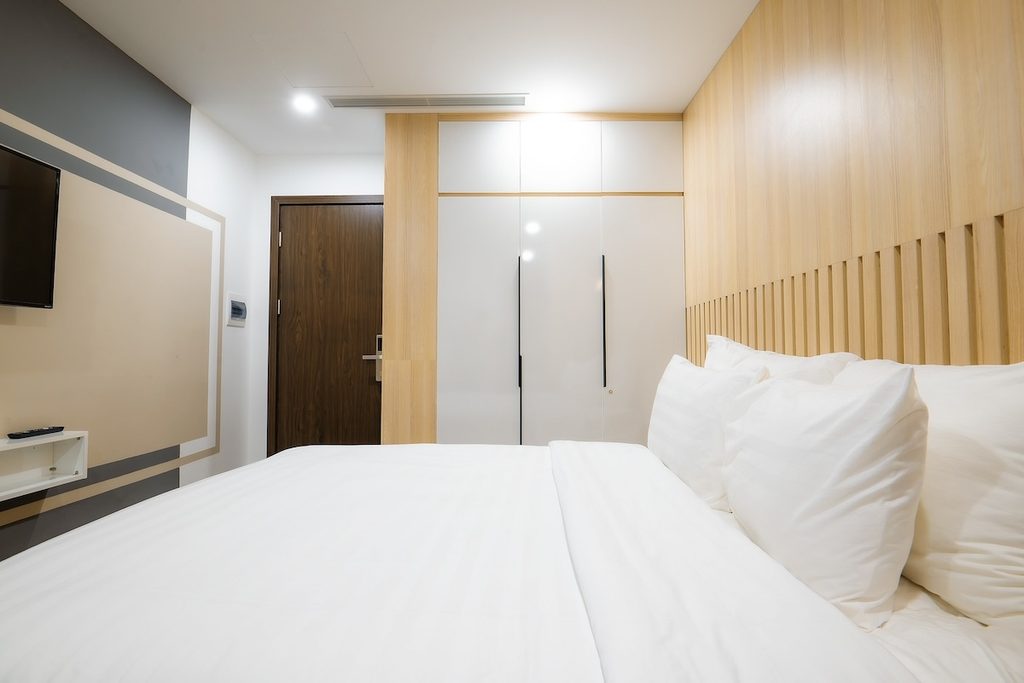
Photo: Pexels
Before you even step fully into the room, you will likely notice a small entryway where shoes come off, often marked by a slight step or a designated spot for footwear. Switch into the slippers provided rather than walking in with your shoes still on.
Once your shoes are off, you might be surprised by how compact the room is. Japanese hotel rooms tend to be smaller than what many travelers are used to. But there is a discrete skill in how that limited space is used — nothing feels wasted.
Even though the room is part of what you are paying for, treat it with care. After check-out, someone will clean and prepare that same room for the next guest. Leaving the space in good condition is simply a way of showing respect for both the next guest and the people working behind the scenes.
That, too, is part of “Omotenashi” — not just receiving it, but taking part in it. Placing used towels together in the bathroom, rather than leaving them scattered on the floor, can make a real difference for the cleaning staff.
There is also the matter of sorting your trash. Japan has a well-established culture of separating waste — burnable, non-burnable, bottles, and cans. Many hotels provide separate bins in the room or on each floor, often with clear labels. If you are not sure which bin to use, the front desk is always happy to help.
Hallways & Common Areas
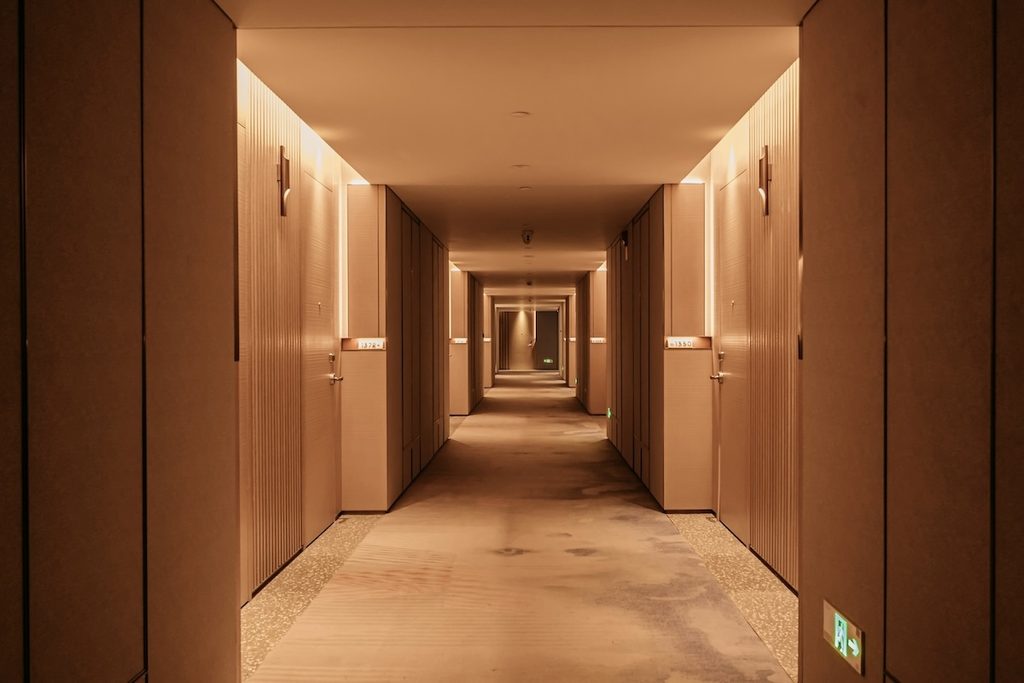
Photo: Unsplash
Step out into the hallway, and the first thing you will notice is how quiet it is. Conversations naturally drop to a lower volume here. If you need to take a phone call, do so inside your room rather than in the hallway, even if it feels like a quick call.
Footsteps matter too. When walking in slippers, try to avoid dragging your feet. A lighter step makes a real difference, especially at night when small sounds tend to carry farther through the building.
Elevators come with their own small etiquette. Conversations tend to pause or drop to a whisper once the doors close. Holding the door for others is common, and letting guests already inside step out first before getting in is standard practice.
The same awareness extends to shared spaces like the lobby and lounge areas. Loud conversations are best kept to a minimum, and phone calls are generally better suited to your room than a shared seating area.
Not everyone is staying for the same reason. Some guests are exploring the city. Others are working between meetings, or simply looking for a quiet place to rest. Keeping things quiet is a small act of consideration — and in Japan, those small acts add up.
Breakfast / Dining Area
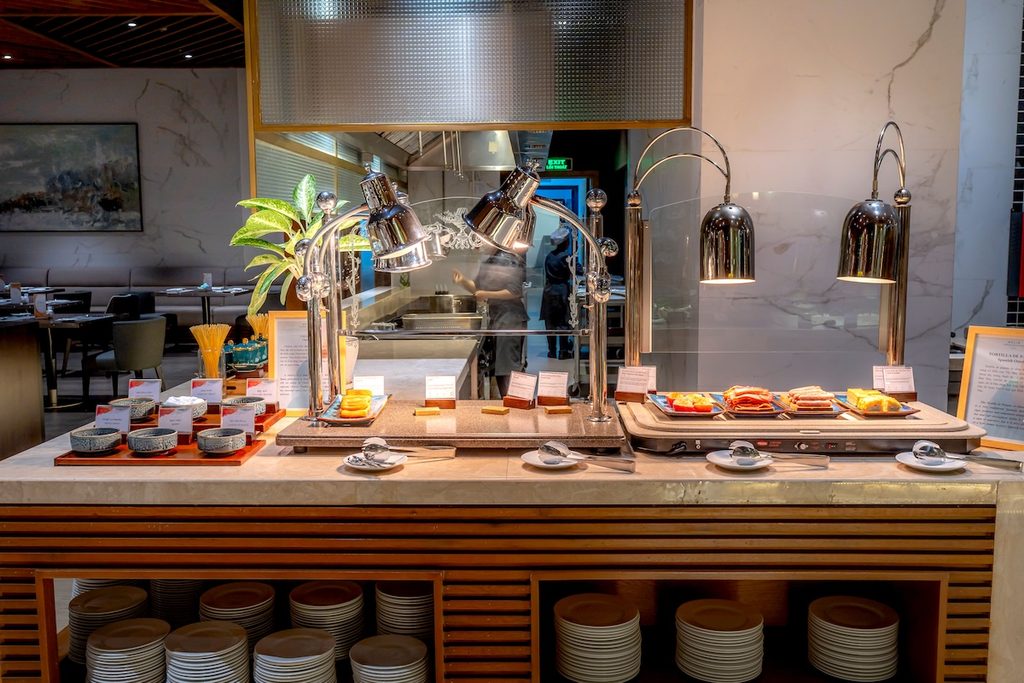
Photo: Pexels
The breakfast area comes with its own set of small but meaningful manners.
At a buffet, take only what you can finish. Leaving food behind is generally frowned upon in Japan. Taking smaller portions and going back for seconds tends to be the more graceful approach.
Be polite when staff guide you to a table or clear your dishes, and do not hesitate to ask if you need something, whether that is a recommendation or help reading the menu.
The same quiet awareness from the hallways carries into the dining room. Guests are staying for all kinds of reasons, and breakfast time is no exception. Conversation is perfectly fine — just keep an ear on your volume, particularly in smaller dining rooms where sound travels easily.
Onsen / Communal Bath
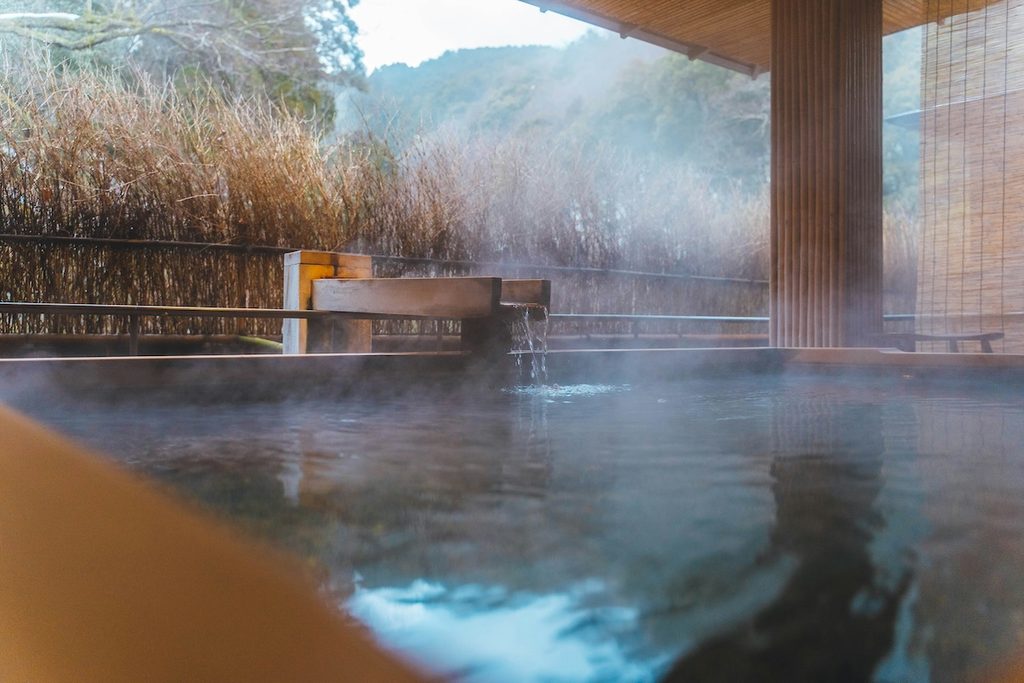
Photo: Unsplash
If your hotel has an onsen or a large communal bath, it is worth trying. Just knowing a few points of etiquette before going will help you feel confident.
Start in the changing room. Remove your shoes or slippers and store your valuables in a locker before heading in.
Always wash before entering the bath. Rinse off or wash thoroughly at the shower station first. This keeps the shared water clean for everyone, since the same bathwater is used by all guests throughout the day.
Keep your towel out of the bath. Resting it on your head or at the edge is the standard approach. Conversation is fine inside the bath, but stay mindful of your volume and movements, and try not to swim or splash.
Before heading back to the changing room, dry off with your small towel. It helps keep the floor dry for the next person.
If you have a tattoo, policies vary by facility, so check in advance. Some hotels offer private baths as an alternative.
Ryokan-Specific Rules
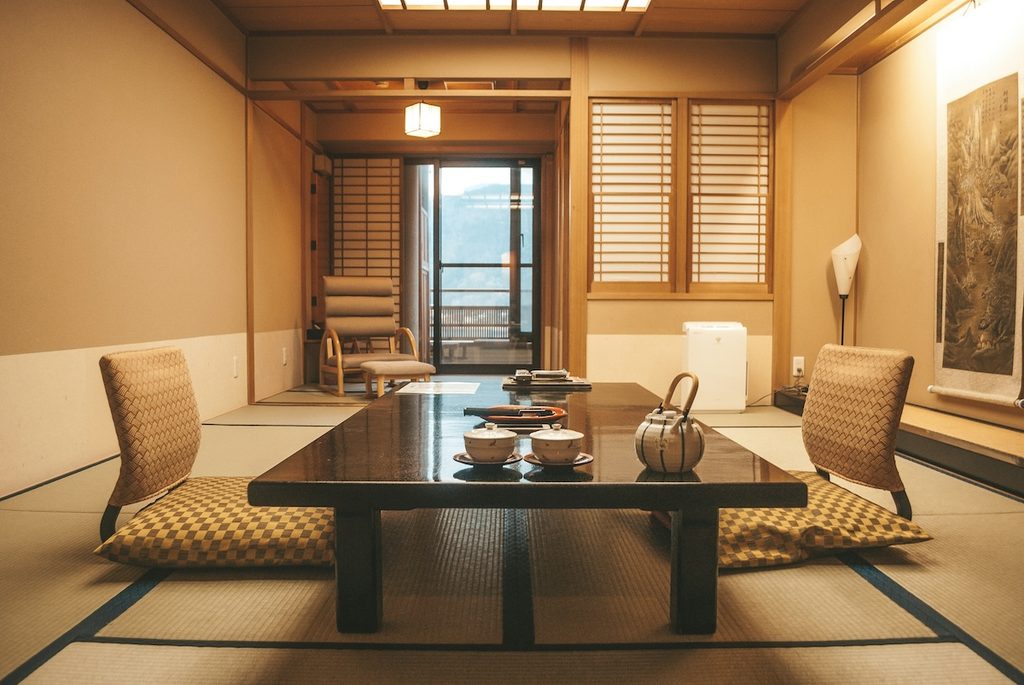
Photo: Unsplash
A ryokan is more than just a place to sleep. It is a space shaped by centuries of traditional Japanese hospitality — quieter, more personal, and more attentive than most hotels.
Because the relationship between staff and guests is closer here, the expectations around etiquette are naturally a little higher. How you handle your footwear, the way you wear your casual Japanese robe (yukata), and showing up on time for meals — these are not just rules. They are small ways of respecting the culture of care that ryokan have carried for generations.
That said, none of it is difficult. The customs are simple once you know them. And once you experience that unhurried, thoughtful rhythm of ryokan life, it tends to stay with you long after check-out.
Footwear
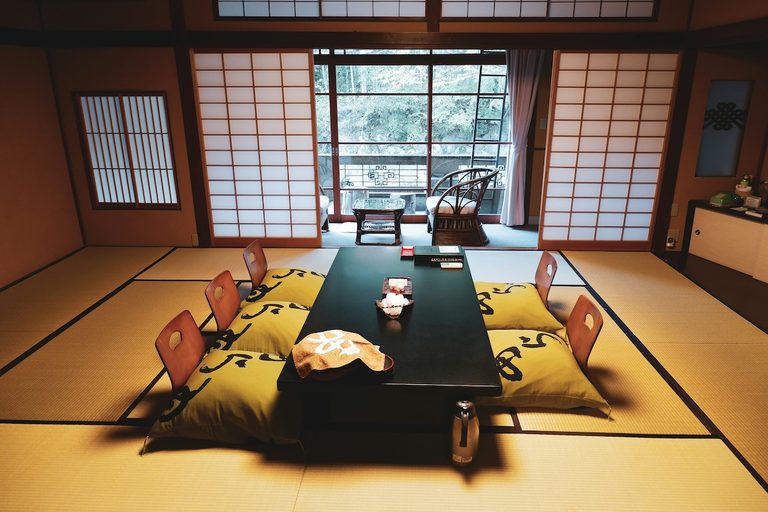
Footwear etiquette is taken even more seriously at a ryokan. At the entrance, remove your shoes and switch into the slippers provided. When stepping onto “Tatami,” traditional Japanese straw flooring, slippers should also be removed. Tatami should only be walked on in socks or bare feet.
Yukata
Many ryokan provide a “Yukata,” a casual Japanese robe worn during your stay. Wear it with the left side folding over the right. The opposite way is associated with how the deceased are dressed, so it is worth getting right. The “Obi” (broad sash) is usually tied loosely, and the yukata can often be worn not only around the ryokan, but also out into the surrounding town.
Bedding (Futon)
Bedding works a little differently at a ryokan. Staff typically lay out your Futon while you are at dinner. During the day, it is folded up and stored to create more living space — no need to prepare anything yourself.
Mealtimes
Mealtimes are another distinct feature of ryokan life, and one of the best parts of staying. Dinner and breakfast are usually served at set times, either in your room or in a dedicated dining area. This reflects the care that goes into preparing each dish. Try not to be late for your scheduled meal time.
Staff (Nakai-san)
Your relationship with the staff, often called “Nakai-san,” is part of the ryokan experience. They guide you through check-in, meal service, and the evening bedding setup. Tipping is not expected, but a simple greeting or a sincere thank you is appreciated in this kind of personal, attentive setting.
Shared Facilities
Some ryokan also have shared bathing or washroom facilities. The same etiquette from the hotel onsen section applies here — wash first, keep the noise down, and stay mindful of those around you.
Summary
Hotel etiquette in Japan is not about being perfect. Small habits make the biggest difference — taking off your shoes, speaking quietly, taking care of the room, and sorting your trash. Each one is a simple way of showing consideration for others.
Whether you are staying in a modern hotel or a traditional ryokan, the same spirit runs through both. Notice the people around you, and let that awareness guide small decisions, from how you walk down a hallway to how you treat a shared bath.
You do not need to get everything right. Awareness goes a long way, and it tends to come back to you in the form of a more comfortable stay, a warmer interaction with staff, and a deeper appreciation for the culture you are visiting.
Take a moment to enjoy the quiet, thoughtful rhythm of a Japanese hotel — it is part of the experience.
A reliable internet connection helps a lot when navigating hotel and ryokan etiquette. It is useful for translating signs, checking tattoo policies, or using a translation app at the front desk. Check out our recommended eSIM options for Japan here: https://getjapanesim.com